Tom Basso: Episode 1145
Read the full transcript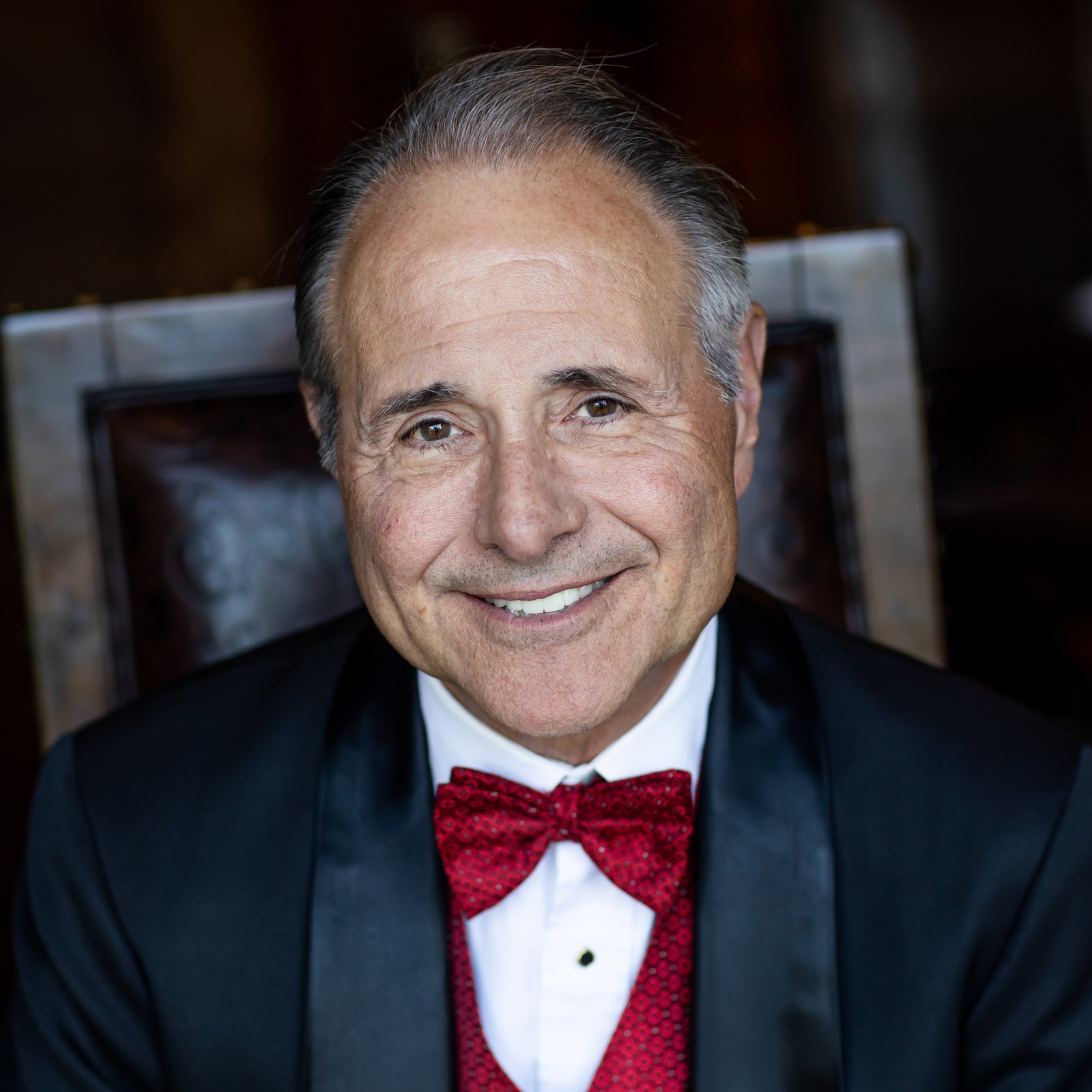
Tom Basso
Tom Basso is a renowned hedge fund manager, the founder and former president of Trendstat Capital Management, and the chairman of Standpoint Funds. Known as “Mr. Serenity'' for his disciplined, calm trading approach, Tom was twelve when he bought his first mutual fund with money earned from delivering newspapers. He has helped clients worldwide with his expertise in stocks, bonds, options, commodities/futures, and FOREX. One of several traders featured in Jack D. Schwager’s Market Wizards, Tom now runs the website enjoytheride.world, providing a community for education on trading, economics, health, and lifestyle. For more information, visit enjoytherideworld.odoo.com.
📚 Books by Tom Basso
Transcript
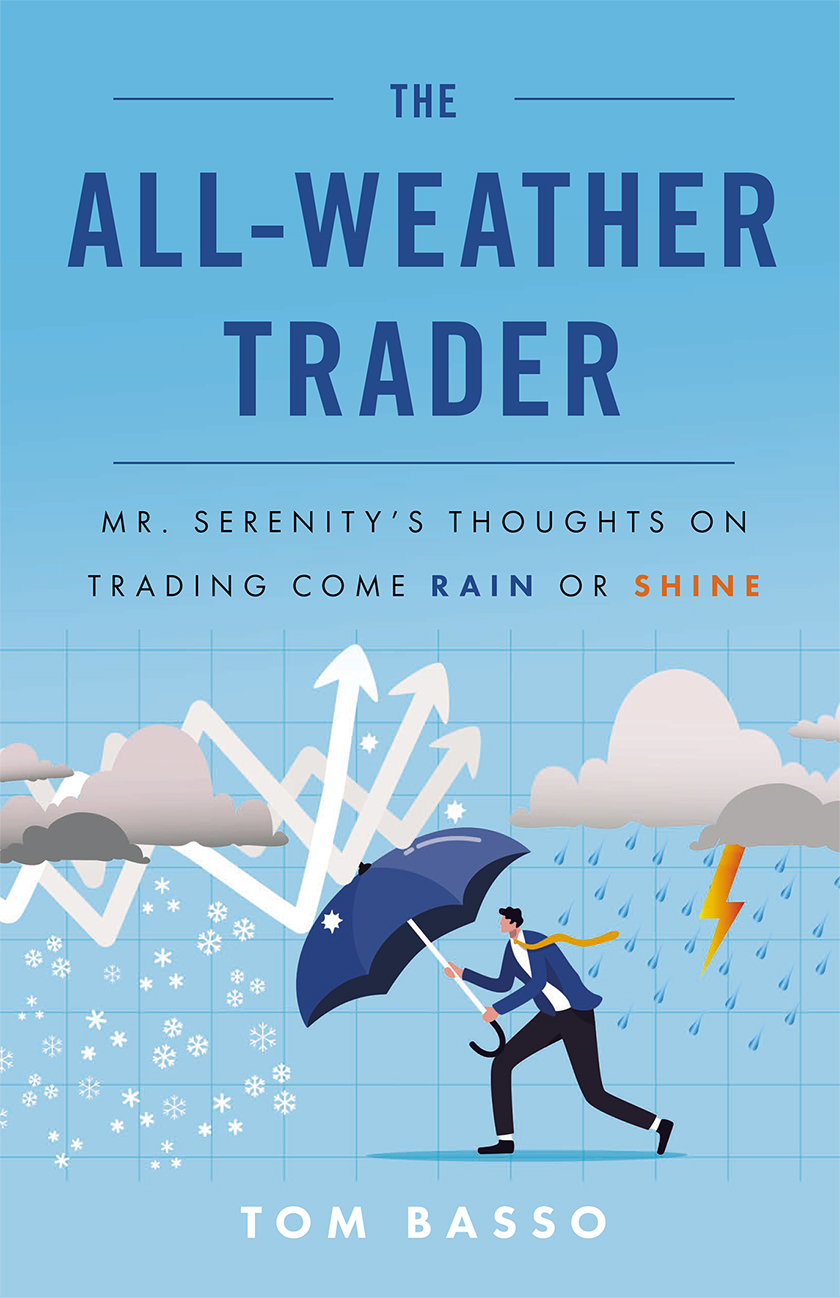
[0:00:36] HA: Risk; it could be kryptonite for investors, no matter your investment amount, or level of experience but like many obstacles to success, risk is a challenge only overcome by facing it head-on. Welcome to the Author Hour Podcast. I’m your host Hussein Al-Baiaty and I’m joined by Tom Basso, who is here to talk about his new book called, The All-Weather Trader. Let’s flip through it. Hello everyone and welcome back to the show. I’m here with my friend, Tom Basso. Super excited to have you, Tom. You know, I was a little afraid to open it up because I was like, “Oh man, here we go, trading, stocks” and then to my surprise, it was actually really easy to navigate, really easy to read. My fear subsided. So Tom, it’s great to have you on this show, I’m really excited to get into the podcast.
[0:01:25] Tom Basso: Oh, thanks, Hussein.
[0:01:27] HA: Yeah, absolutely my friend. So before we get into the book. I really want to get people to know you a little bit. I know we were just kind of chatting before we hit record here and you sound like a really fun guy, easy to talk with but I would love to get our listeners to know a little bit about your personal background, perhaps where you grew up and maybe a person or an event that sort of you know, helped you get on the path that you're on now. I’d love to know a little bit about that.
[0:01:51] Tom Basso: Well, when I was 12 years old and a paper boy, I started investing in mutual funds, and a mutual fund salesman came over to the house. My father listened to the spill and turned it down and I went ahead and put my $10 a week into this mutual fund and held it all the way through college and that started my interest in investing but at the same time, I was very interested in chemistry and math and that speaks of chemical engineering. So I went and got a chemical engineering degree in college at Clarkson, up in Potsdam, New York, way up where it gets really, really cold and one thing led to another and I combined the two interests, sort of the engineering and math and computer science and all those things, information processing, together with my desire to try to solve the ultimate brain tease, which is to try to make money as a trader in markets that go almost randomly up and down and that brain tease exists in my mind today. Even after some 50 years of trading and I think, combining together the data processing gave me a bit of an edge. In the early stages, you have to go back. I’m not sure how old you are but where definitely if you get back into about 1980 when the IBM PC finally came out, before that you are on pieces of chart paper and using calculators that added, subtracted, multiplied and divided and that was your technology level. Forget mobile phones or smartphones. So I think what I had an edge in is trying to deal with a lot of data that comes into the industry and has to flow out that you have make trading decisions on and making those decisions fast and effectively and then transmitting those orders back to the world of the brokerage industry and the floors and the various exchanges and so I had a nice 28-year career and shut it all down when I was 51. I’ve been in retirement nearly 20 years now and have enjoyed it. You know, I put a smile on my face the day I retired and it’s been there ever since.
[0:03:52] HA: I love that man, it sounds amazing. What a journey. Well, thank you for sharing a little bit about sort of just you growing up and basically trying to figure out this very interesting and I would feel like, very definitely risk-oriented career but however, like I feel like those types of careers are, they kind of match a different personality or you got to have a certain… it doesn’t have to be like you’re something that you’re born with, something that you could definitely train yourself on. But it’s one of those things that I feel like, for me, I was always scared of it because I thought it was so… you know, I had to be like a mathematician to go do stocks and that’s not true at all, right? Like it’s such a young fear. However, I was an artist, I was a graphic artist. So growing up, you know, different things and what kind of path, what leads you to that and starting at 12 years by handing over 10 bucks, way to build repetition at an early age man, that’s amazing.
[0:04:50] Tom Basso: It disciplined me to put the $10 a week into the thing and so I was a good saver and they gave me a bite of a strategic mindset, which is to worry about where we’re going to be in 10 years, five years, not be too concerned about what happens today and I think traders, it’s very easy for all traders, investors to get sucked into the news, the headlines and try to predict what’s going to happen. You know, is World War III going to start, is the Feds going to raise interest rate? You know, all these different types of things that go on out there or the news headlines and I think that’s not good trading actually. It’s actually throwing your psyche to the upside, to the downside, all over the map and most people just get overwhelmed with it and they get very frustrated by it. In my case, I was able to separate people’s opinions from data and having that little bit of an ability in my mind to say, “Okay, this guy is predicting what’s going to happen the next six months.” “This data is XYZ” and I can take that, plug it into some indicators and that is going to be the way I want to trade and not get rid of all these prediction nonsense and keep risk managed all the time, keep everything as simple as I can make it so I can reproduce it every day and that was the key to success, it turns out.
[0:06:12] HA: I love that because you know, you’re not putting your trust into sort of the day-to-day and it feels, you know, obviously we know this but like maybe it’s not so obvious but like, I feel like most media is constantly just trying to get a reaction out of people, right? It doesn’t have to be like an actual action but just to feel a certain way and you know, let’s be honest man, I grew up, a lot of the things that I watched growing up or you know, they were essentially fear-based. And so if I’m fearful of taking a risk on a potential opportunity based on all these other factors that have swayed my emotion one way or another, I think then, yeah, the risk even goes higher, right? But it sounds like what you did was kind of look at like, “All right, I’m not going to lie, all these things sort of infiltrate my mindset because that’s where you know, a healthy mindset is where I can make good decisions from.” So I want to know a little bit about your journey and developing and executing this sort of, this idea of the all-weather trading plan, how did you come up with this philosophy?
[0:07:10] Tom Basso: Well, the first thing that happened when I was in my 20s, just coming out of chemical engineering degree and now working, designing chemical plants for a few years, I realized that with very small amount of money that I started with that I blew up about half of the money in one or two trades and the shock just went through me like you couldn’t believe it and I thought, “I got to like, get a handle in this risk thing.” I can’t spend my whole life doing it this way. So, I learned a lot about getting enough capital in your account to do the job right, worried about position sizing, and wrote a book on that previously called, Successful Traders Size Their Positions, and that’s available out there and they sold thousands of copies and it’s simple math but, that you learned in probably 7th grade but it ends up taking the problem of how much do I buy and answers it with simple math and I think that a lot of people have quoted it. A lot of people use it nowadays and I think it helps them take some of the heat off of the trading process because it’s one thing to know where to buy and sell and everybody seems to always focus on that but it’s far more important mathematically to your success to size your positions properly and it’s even more important to have your head screwed on straight and to have the right psyche and to be calm and collected and neutral. Any one day that starts out in my life, in my trading life particularly, the market could go up, the market could go down. If it’s going up, I’d like to be long and if it’s going down, I’d like to be short. I don’t really care which way it’s going to go. I go into the day dead neutral, don’t have an opinion and I think that that’s the types of things that once I finally figured out through getting beat up a few times and then listening to clients, I had clients that weren’t as knowledgeable in this stuff as I was. So I was a money manager and I manage 600 million dollars for several hundred clients all around the world and you start hearing the comments they make about what you're doing and it kind of hits you and you say, “Yeah, okay, that makes sense. How about we manage this a little bit more this way?” and try to satisfy what the clients are looking for but while still sticking to good trading principles, which is a difficult balancing act it turns out and one that I don’t have thankfully right now in retirement. My clients are my wife and myself, so that’s why I have a smile on my face today.
[0:09:38] HA: I love that man. So it’s very interesting that you know, you take this idea of saying, “You know what? I’ve gone through this a few times, I’ve made the sort of the mistakes or whatever it is but how can I start to mitigate, how can I start to strategize a little bit better and really think about it?” And it sounds like you know, just removing the emotional aspect of it and going in, not having a sense of like, “Okay, I’m going to lean this way because you know, I heard this thing and I’m going to lean this way on this thought” whatever it is, just really going in and looking at everything in a way that is, you know, very data-driven, very clean-cut and making strategy from there. That sounds like obviously, a learning curve that most I would feel young investors of course, I feel like this is who you're sort of writing for, in a way, the younger version of yourself. Can you elaborate on why sort of, like, you know, creating a case for why many investors seek out this idea of like, a perfect strategy? You know, I know you talk about it a little bit in your book but like, this idea that a perfect strategy doesn’t really exist. My father used to always send me like a perfect painting doesn’t exist. Like it’s the practice of painting, it’s the practice of creating. That’s actually what just makes you better and it’s the enjoyment of that and so, I found a little bit of resonating things in there but can you talk about that, can you talk about this idea of a perfect strategy?
[0:11:07] Tom Basso: Right, the perfect strategy doesn’t exist because let’s take you and me. If we were to reveal everything about ourselves, our skill levels in all sorts of different subjects, ranging from writing, to computer programming, to math, to everything that involves your knowledge of, say, future’s trading. I’ve got 50 years on me, you may not have ever made a future’s trade. So, when you look at the two of us, that’s just an example of a very small, microscopic speck of the trading world, which is around the world 24 hours a day, you would realize that we both have financial challenges or I like to put it, a financial puzzle to solve and my financial puzzle is very, very different from yours and the answer to solve those two different types of puzzles is going to logically be very, very different. So the success for both of us is to find the answer to our unique puzzle and I think too many traders I know that contact me, I get direct messages and emails and things from traders, all around the world, every day and I try to answer as many as I can get to and do a pretty good job of that. I have to say, when I look at what they’re all trying to copy me. “What do you do?” Well, what I do is design to solve my financial puzzle. If you are a trader in Africa trading $2,000 in the FX markets at some shop over there that I’ve never even heard of, I mean, the solution to your problem is going to be a whole lot different than the solution to mine where I’m in retirement and I know what I’m doing and I can manage the risk and I’ve got automation and it’s a different thing. So it’s not to say that people might not learn things and I hope this book talks through how I came up with the concept of all-weather trading early on and tried to gravitate my entire career and my trading strategies towards solving the issue of trying to make money when the markets are up, try to make money when the markets are down and try to make money when the markets go sideways, which then allows you to be more all-weather. You don’t really care anymore about predicting or whether the market’s going to go up or down or sideways, you got it covered. You’ve thought it through, you’ve developed a plan, you can execute that plan because it’s designed around what you have as your skill levels, as your capital, as your ability to spend time on it each day. It still takes me roughly a half an hour a day to manage my portfolios. So I have to schedule that time, be disciplined about it, run my processes, try to make decisions if there’s something that comes in that’s an anomaly of some sort that I have to deal with but basically, I can get most of that work done in just half an hour and then I can go play golf if I want to or go out to dinner or whatever. I don’t have to be glued to a machine like the stereotypical traders thought to be. I really, step-by-step, adding more and more risk control, volatility control, extreme diversification, how to deal with sideways markets, how to deal with designing new strategies to do what I call, “filling the potholes” and that’s a description I use, courtesy of Laurence Bernstorff, who was a friend of mine now over in Portugal and he calls it, taking your track record. When you have a drawdown, that’s a pothole. You don’t want to have a drawdown. That’s not any fun, you’re losing money. So you ask yourself the simple question of, “What kind of strategy could I employ that would help to fill that pothole?” and the answer is usually, pretty sort of easy to come up with. Then the hard part is to figure out what would it do during the rest of the period when you didn’t have a pothole because you don’t want it to cost you a lot. But there’s lots of things you can do that let your mind wander and I hope this book is very stimulating to traders and get them thinking about a lot of how they operate and what can they do to make themselves a better trader. I think it’s a great roadmap for a new trader but I think even experienced traders will probably get one or two things out of it that will probably pay for the price of the book and then some.
[0:15:24] HA: Man, that’s so powerful and it kind of reminds me, you know, as I was reading it, you know, it gave me a sense of… I don’t know if you’ve ever read the book The E-Myth, and it was a book that changed my business strategy. So I owned an apparel printing business for almost 15 years or so and when I read that book about two or three years into my business, I went from like you know, just basically working for myself and working myself to the ground to like setting up systems and hiring people and all those things.
[0:15:52] Tom Basso: Yeah, exactly.
[0:15:53] HA: And exponentially grow my business but what I learned –
[0:15:55] Tom Basso: Smart is working smart instead of harder.
[0:15:58] HA: Yeah man, but what I learned was the implementation of processes, right? Like how can you remove yourself to a degree that is comfortable for you but also has you sort of manage the growth of a business or whatever and it sounds like you applied some of these ideas like you know of course, your discipline, right? Showing up every single day and taking repetitive actions that can overtime help you reduce the amount of time that you have to spend with it through automation, through different means, new technologies. Whatever it is to help you reduce the amount of time you actually sitting in front of a machine but rather leaning into the formulas, the experiences that you’ve developed to kind of create this picture, this overall picture and I love that because you know, it very much sounds like it’s not that you’re taking the thinking out of it, you’re actually applying a lot of thinking around a certain process so much so that it’s like you can identify if something is off because it almost waves a red flag, right? Like it’s approaching it like a chemist would, right? Like a scientist would, which is what you went to school for and I think that you know, all of those things, this is why at the beginning of the conversations usually, I always ask like what led you to this path. It is usually like a set of events, right? A personal conversation, a mentor, you know, for you it was really this idea of discipline. I mean, every time I’ve looked at anyone that I’ve admired or been inspired by, they have been like the most disciplined people on earth, right? Like they don’t do anything, like out of whack.
[0:17:36] Tom Basso: It was something like a 30-year overnight success.
[0:17:39] HA: Yes, there you go. Yes.
[0:17:41] Tom Basso: 30 years of very hard work and that’s exactly right. You know, the process I liken it this way, human endeavor that you know, you can choose to do something in any moment in time that is very repetitive that if you could see yourself do this today and tomorrow, you do it exactly the same way and exactly the same flow of data goes and for that, that’s not a lot of fun. After about a few days, you know, your brain numbs out and you’d say, “Well, I want to be creative. I want to go paint a new oil painting. I want to compose a new piece on the piano. I want to do something artistic” and the human mind is the only mind that can do that. There’s AI who will never do it because that’s a set of programs that is calling on a lot of data and spiting it back and making it sound like it’s coming from a human being because they’ve taught it how to speak properly but don’t delude yourself. It is just a database inquiry that is going into this massive cloud database and returning whatever the human being is programmed it to return and what you end up with when you start looking at two forms of human endeavor, which would you prefer to spend your time on? Well, the creative is so much more fun. So if I had choose to spend my day doing something, I would rather research a new trading strategy or try to work on automating a new trading strategy and then test it and work it and pulling it into production each day, that’s creative. Running the orders every day is the same thing, bring in the data, apply these set of decisions, ship out orders. You know, a computer could do that because it’s the same thing day after day. So I’ve always tried to separate that out and the way I ran Trendstat Capital Management was exactly that way, anything that could be automated was automated and anything that could be creative was what I gave the employees to do. I think we had a good crew back in the day and I still have fun with trading and here I am, 70 years old and enjoying life and enjoying trading and enjoying writing books and have doing interviews and everything else.
[0:19:50] HA: That is awesome, man. I just appreciate you’ve sort of over-expanded outlook on the whole thing, right? It’s not this one field, this one specific area. It’s really a combination of things. It is very malleable in how you think about a career. It’s long term, right? Everything is long term. If we can sustain, you know like you said, creativity and discipline over a long period of time remarkable things can happen. So what’s your advice or advice that you’d give to let’s say retail investors who are just starting out and implementing your all-weather trading plan, what are some common pitfalls that they could be aware of or perhaps avoid?
[0:20:30] Tom Basso: The one I see the most is obsessing over how to buy and sell and not worrying about how much to buy and sell. That’s the single one that I see a lot of rookie traders make and they typically get overleveraged, the markets deal them a bad day or two or a week or a month and you know, they’re shell-shocked and they disappear and go chase some other crazy investment idea. That’s probably the easiest and most profound way, a widely available thing that I see out there, the various emails and direct messages I get and the second one is I think quit trying to predict. Try to measure the now, try to say, “Today, right now, the stock market…” let’s say as an example is on an uptrend, “So I should be long.” Don’t give it any more thought than that, just say, “I should be long.” But if tomorrow you ask yourself that same question and the answer is, “Now, based on what I see the market is definitely in a down trend” then you should be short or in cash or something, some protective thing. Don’t try to predict what the market is going to do next week, next month, next year, they use the term investor. I think that’s a way of lulling retail investors into turning their brain off because in reality, you get that monthly statement and you see that you just lost $20,000. Most investors turn into traders at that point and sell the position and fire the broker and financial planner or whatever and I think trying to be all-weather means that you’ve got something in place to take care of all types of weather, all types of market conditions and I think that most investors don’t think that through. They don’t think how they’re going to react to loosing 20% of their money. Even if it’s just on paper, it’s still going to feel like it’s real and the psychology is so important. The chapter I did on psychology in this book, I covered everything I could think of that would help an investor who tried to think through, how to react to, what they’re going to face as a trader and I say everybody is a trader because I don’t care if you’re Warren Buffett and you buy, you know, some insurance company or something. Sooner or later, it’s going to be sold. He’s just a long-term trader. The guy, trading doesn’t have a time limit to it, you are still buying and selling or selling and buying because sometimes you sell first and buy second but the round turn is always for the day trader of course, it would be inside of a day. A weekly trader would be inside of a week, a long-term trader would be maybe years but still trading and all the same psychological pressures will hit you no matter what in a time length that you get involved with investing. So as far as I am concerned, that’s one of the most important chapters in the book is just to simply understand yourself and be comfortable with the process.
[0:23:29] HA: Very powerful, man. I mean, I just feel like it’s one of those things once you learned the difference between reacting and responding, by responding is like just developing all the things that in case this thing happens, I have all of these tools or whatever it is, right? To where reacting, which is sort of the stuff that I grew up on, I was unfortunately had gone through a refugee camp. So like that experience traumatized my young mind, so like today in my mind, I’m always like, “All right, we need to constantly have a few gallons of water” all the little things, you know? And my wife was like, “What’s happened? Like why do you always thinking about…” it’s just the way that makes me feel comfortable, right? It’s like how do I respond if something were to happen.
[0:24:12] Tom Basso: Why would anybody buy fire insurance? You’re not wishing yourself to have a fire but if the fire is going to burn down the house and then you got to rebuild it, it be nice to have something to manage that risk and the same thing is true on the stock market or the future’s markets or the currency markets, there is risk what do you do to spend a little bit of your effort and time mitigating that. I think this whole book is about a lot of those topics and there’s so many different ways to do it and of course, I covered a bunch of them probably not all of them but the ones that at least I’ve used and so it’s kind of an autobiographical story of my trading life a little bit and how I came to these conclusions that I needed to have something to solve this problem. So I came up with this and then I had needed something to solve that problem. So I came, I added that and little by little, I am building up this all-weather strategy to where I feel like I am a pretty all-weather trader right now at 70 years old. So it kind of covers the whole lifetime of figuring out this stuff and I think it will be easy to read for people. I write in a very simple tone and try not to use multi-syllable words any more than I have to.
[0:25:26] HA: Well, I can attest to that. I mean, I have found myself really just finding as ease perusing your book and I really enjoyed that. You know, sometimes I feel like these types of book are written specifically for you know, traders and people in the stock world, which they can understand the lingo, the vernacular, the vibe but it sounds like you really wrote it not only to help those individuals of course. But in a way that anyone that’s introducing or coming into that world, like I said earlier, it sounds like you very much wrote to your younger self, which I love those books because those are the types of books I write, always writing to my younger self, right? But with that, what was the writing journey like for you? What was your favorite part of pulling this book together?
[0:26:03] Tom Basso: I’d say the graphics finally, when I finally got to the point where I was pulling the tables. You know, I knew I could make a point but then I had to do some simulations and run them and seeing the results and make them look good and have a format that I think almost anybody could look at and say, “Wow, that’s pretty impressive. That makes a point” that was kind of I knew the book was getting near the end. I had covered what I wanted to cover, I knew the length of the book was about right to keep people interested. I didn’t feel like I needed to add anything else, I really felt like I had covered my life from start to finish in the trading world and I think that at that graphics point, I kind of knew that the book was nearing the end and true story, I guess I am a sentimental guy or something but I got all done with the graphics. I put it together and I read it before sending it over to Scribe for the final editing and proofreading and everything and when I got to the final paragraph and I read it, those final words, I broke out in tears. It was exactly what I wanted, it covered everything I thought I could say and I thought it be very helpful to a lot of people in those this too. It was an emotional response that I didn’t expect but I just broke into tears. It was a happy moment.
[0:27:20] HA: Well, it’s what happens when you work towards something since you were about 12 years old, right? You know, it’s that idea that not only were you accumulating and building your wealth of course but you are also you know, becoming very disciplined. You are leaning into your strengths, understanding the world differently, seeing the world differently and I think you know, all of those emotions probably – not probably. I’m sure came through in that moment of then intense amount of hard work that it takes to do these kinds of things and the amount of risk and I am sure the few gray hairs that have grown along the way.
[0:27:55] Tom Basso: Yeah, I’ve got a few of them and you know, in addition to that, I have less of those hairs. It’s getting a little thin up there.
[0:28:03] HA: Another attribute, right? That’s so great. Well Tom, thank you for sharing your stories and your experiences with me and the audience as well today. The book is called, The All-Weather Trader: Mr. Serenity’s Ideas on Trading, Come Rain or Shine. Besides checking out the book on Amazon, where can people find you, my friend?
[0:28:24] Tom Basso: The easiest way is my website, which is enjoytheride.world not .com, .world. Com was taken, world was not and I have people that know me all around the world, so it seemed to fit. The Enjoy the Ride website is an educational website for traders. So it’s got recommended reading, it’s got all my research papers that I’ve ever written all throughout my life. It’s got a bit of a history and philosophy of the way I like to view trading in the website and why I did it. It’s got all the interviews that I’ve ever done that I could get a copy of or a link to, so they’re all collected in one place and people just listen to those while they’re working out or taking a walk and I’ve gotten so many emails from people saying they love this interview I had with, you know, fill in the blank and I talk a lot about a lot of different topics that don’t just involve trading but involve things that might affect your ability to trade and so all of this is at one place. Besides that, you could look me up on I think Twitter, I’ve got almost 50,000 followers that’s @basso_tom and it’s blue checked so don’t fall for a con job from somebody. I mean, I’ve had about a dozen imposters these days and then the Facebook, I’ve got – I am on LinkedIn, I’m on MeWe, I’m on Parler, Gettr, Truth Social, I write a sub-stack piece called, Thoughts from Enjoy the Ride. Every now and again, when the mood strikes me and I have the time. It’s not every day you don’t get to lose. So if you do sign up for that subscription, you’ll get an email with what’s on my mind at that point and it will come right to your emails, tom@trendstat.com is my email. Feel free to email me questions or comments or congratulations or whatever you’d like. I try to get back to as many as I can and that’s pretty much how you can get a hold of me.
[0:30:26] HA: Well, thank you my friend, I really appreciate you coming on the show today. It was a privilege just learning from you, listening to your experiences. So thank again for coming on.
[0:30:34] Tom Basso: Hey, it was fun Hussein.
[0:30:35] HA: Yeah. Thank you all so much for joining us for this episode of Author Hour. You can find, The All-Weather Trader: Mr. Serenity’s Ideas on Trading, Come Rain or Shine, right now on Amazon. For more Author Hour episodes, subscribe to this podcast on your favorite subscription service. Thanks for joining us, we’ll see you next time. Same place, different author.
Want to Write Your Own Book?
Scribe has helped over 2,000 authors turn their expertise into published books.
Schedule a Free Consult