Nik Tarascio: Own Your Own Plane
Read the full transcript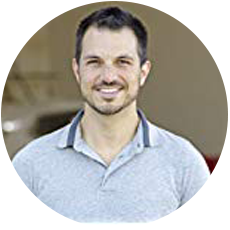
Nik Tarascio
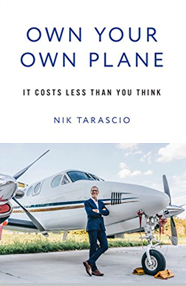
Nik Tarascio is the CEO of Ventura Air Services, a family aviation company founded by his father more than three decades ago at Republic Airport in Farmingdale, New York. A licensed pilot since the age of thirteen, he is rated to fly jet, turboprop, and piston aircraft, and has worked across the aviation industry as a pilot, mechanic, avionics technician, and aircraft salesman. He is the author of Own Your Own Plane: It Costs Less Than You Think, and his perspective on private aviation has been featured by Fortune, HuffPost, Business Insider, Newsday, and the BBC.
📚 Books by Nik Tarascio
Transcript
[0:00:20] Charlie Hoehn: You’re listening to Author Hour, enlightening conversations about books with the authors who wrote them. I’m Charlie Hoehn. Today’s episode is with Nik Tarascio, author of Own Your Own Plane. You might already be thinking, “Yeah, right, owning a plane is for the 1%, it’s for celebrities and world leaders. I can’t own a plane.” But Nik believes that if you're an entrepreneur or a business person who flies regularly on commercial airlines, then private plane ownership may not only be possible, but actually profitable. Not only will you get more time back, you’ll also have access to commercial and networking possibilities and you can get some major tax advantages. Nik is the CEO of Ventura Air Services and in this episode, he provides strategies for determining your ideal plane. Whether it’s a practical 4 seater or a luxury 12 seat global jet. By the end of this episode, Nik will debunk the myths of the commercial airline industry and he’ll tell you exactly what you need to do in order to enjoy the surprisingly cost effective freedom of unrestricted flight. Now, here is our conversation with Nik Tarascio.
[0:01:59] Nik Tarascio: It’s 2007, I’m a new CEO of the company and I see this 80 something year old guy come in the front door and he just came off of his first flight on a private plane and he’s not smiling and I’m like “Uh-oh,” as a new CEO, I know I’m supposed to interact with customers and I’ll put myself in the ivory tower and see what’s going on so I run over and I go, “Hey man, how as your flight? Did you not enjoy it?” He goes, “No, quite the opposite, I realized I could have done this my whole life and I completely missed out,” and it really affected me, it was about two weeks of wondering why I was – thinking about this guy’s response to that and I was like, it doesn’t make any sense, I grew up in aviation, I always had aviation available to me, I’m a pilot, I could do any of this stuff. Really, what it was, it touched on my greatest fear which I had not realized was about living with regret, about knowing that I’ve squandered some opportunity in my life and here is this guy who was kind of the canary in the mine and the fact that we as an industry have done a terrible job of telling people how possible this lifestyle is, how possible this opportunity of controlling your schedule, having this freedom in your life. Kind of gave me a mission to say like “Hey, let’s do something about this.” Most people don’t know what’s available to them, most people, you know, this is an elite club for most it seems. Let’s open the doors up, let’s let people inside and let them know that this is a possibility in their life.
[0:03:12] Charlie Hoehn: Wow. What are the most common assumptions you run into about owning a plane? What are the myths? And what are the realities?
[0:03:22] Nik Tarascio: The biggest one obviously is what the book speaks to is that it’s super expensive and that you need to go buy – you know, it’s all or nothing, it’s either a G6 that Jay Z’s flying around on or it’s an airliner. There’s all these other options out there so the reality is it’s everything from a little four seater plane that you know, someone say, “But it’s a prop plane, what can I do with that?” Well, you could fly your kids to college in the northeast and you can do your business meetings if you’re a regional sales person. You know, you could go to your vacation home in Kentucky, you don’t necessarily need a jet. I think that’s the first myth is that everyone think it’s like – “I have to be able to fly to Paris otherwise, why would I even have a plane.” The second thing is, I hear this all the time, “Is old unsafe, right?” I need to buy a 2017 or 2018 jet as the old is, I wouldn’t want something more than a year old, it’s not like cars. People think about, you know, if you look at a 1985 car, you’re like, “It’s a rust bucket, it’s not that great,” whereas if you look at a 1985 jet, in many cases, you couldn’t even tell it was a 1985. It’s just a different standard, they’re made of aluminum, they’re not made of steel so they don’t rust, they don’t break in the same way and they’re held to a way higher standard. That’s a big myth. I think beyond that is – man, there’s just so many. I think it’s not necessarily a myth but it’s just a lack of awareness to how much access you can gain by having your own plane is that people think of the air space system in America as the 300 commercial airports. They don’t realize it’s 5,500 airports for a private plane. It’s often – you could get access to places that airliners just can’t touch and it opens things up in a completely different way, you know, this idea that it’s just reserved for the rich, there’s a bunch of people that make 50, $75,000 a year that have their own planes, they fly every weekend to go - Yeah, I’m telling you, you could buy a plane for $15,000 if you really wanted to., there’s some little two seaters and little four seaters you get for 15 grand. Then you go spend 50 bucks and you go flying get a hamburger in the neighboring state, you know, on a Saturday. That’s a massive part of our community, of our aviation community, it’s not just a bunch of wealthy business owners running around in jets. There’s this whole other world out there of people that connect on that level.
[0:05:32] Charlie Hoehn: If you’re making 55k, you buy a plane for 15k and this is obviously, you go out and get your pilot’s license or do you hire a pilot for the day, what do you do then?
[0:05:46] Nik Tarascio: Yes, I mean, typically, at that kind of price point, you’re typically looking to become your own pilot so you’re spending eight to $10,000 to become a pilot, you’re doing these nice little flights that are local, it’s pretty simple stuff, you’re not in a super advanced airplane. But it just gives you an idea that you know, if you want to finance a $15,000 airplane, you can do that, it’s not that hard to do. Most people are in a position where they’re like, I got a little e bit of extra cash I can make that work. To keep the airplane up for the year might be $3,000 a year, cost of fuel on that airplane is going to be, it burns eight gallons an hour so maybe you're talking about 80 bucks an hour for an operating cost. It’s really not, it’s not all that substantial and I think that that’s the kind of stuff where people are like, wait a minute, yes, it’s true, I’m not going to fly myself to LA yet. But I can go visit my kids at school a state away, I can go – instead of driving four hours in traffic, I could go fly for an hour.
[0:06:35] Charlie Hoehn: Yeah, let’s talk about that, let’s talk about why should we own a plane? I mean, you’re listing some great reasons here, are there other ones?
[0:06:44] Nik Tarascio: Yeah, I mean, first and foremost, you know, I think I have a pretty good idea of who is attracted to aviation just from the people I’ve run in to throughout my life. It often resonates with the entrepreneur types because it speaks to probably one of the biggest values that we have as entrepreneurs is freedom and control, right? We want as much freedom as possible, we don’t like constraints and rules. When someone gives you a tool where you say, “Hey, you’re going to become the master of your schedule and you’re going to become the master of the experience.” It’s not just scheduling, it’s like “Hey, I want to have this kind of interior setup, I want music on my plane, I want to be able to bring the bagels with the cream cheese along for the flight for everybody, I want to bring my own water bottles that don’t get taken by security. I want to take my family and I want to create unique adventures for my family. I want my kids to see that as a person, you can control, you can create freedom, you can be the master of your destiny.” So there’s a lot of stuff that goes into that, of that lifestyle is just pervasive in all things. My first experience of flying, I’ll give you just some context. Four years old, I remember it was cold in New York, it’s day time, I get on a little airplane, I get out, it’s night time but it’s warm, the next day I’m at Disney World. My parents had decided to fly my family down to Florida to go to Disney and I immediately anchored this emotional anchor of airplanes mean Disney world and mean Mickey Mouse. At four years old, that kind of laid the ground work for an airplane, it’s just a tool for creating whatever you want in your life, it’s just a paint brush, right? It’s often you’re stuck buying the painting, you know, the airline say, “Do you want this one or do you want that one,” and it’s like a solid white or a solid black like one of those paintings that you see in MOMA and you don’t know why it’s there. Instead, when you have your own access to a plane, it really is just a paintbrush. How do you want to create your life, how do you want to create experiences for people you love, what do you care about, what do you want to do more of? That’s the stuff that people don’t typically don’t talk about, they just think it’s rich people flying the golf tournaments and it’s really not, it’s saying like, “I want to see the world from a different perspective. I want to connect with my children in a way that you know, we go and take a road trip in a plane and we stop on the way down to Florida at a barbecue joint in North Carolina that I saw in the food network,” or something like that. It’s just, it’s really just an amazing tool for creating with intention.
[0:08:54] Charlie Hoehn: Wow, my mind is reeling and I’m sure people listening are reeling too. This book is about ownership though, ownership of the plane and I had some line in my head that if it floats or it flies, you don’t own it, you rent it, right? Is there any truth to that? Is there any type of person that you would recommend, stick with renting or stick with normal airline flights, ownership is not for you.
[0:09:27] Nik Tarascio: Yeah, there’s always a case where that makes sense and in fact, part of our business model is, we don’t just sell airplanes and we don’t just manage them for people that do own it, we also do charters. For someone that says “Look, the airlines can’t accommodate my schedule, they can’t give me the quality of experience I’m looking for, I’m just going to pay per use. Once a year I fly to whatever, to Miami from New York and I want to charter on that flight.” That’s kind of the peace meal option and then there’s the, “Hey, I fly a hundred hours a year, I really want that,” or, “I’ve just always wanted to fly,” right? There’s a ton of reasons why people might do that but to that point, I think it’s in many cases, most people don’t even know what’s possible, that’s where the breakdown is, that’s where she step in and say, “Let me understand, not just what you’re currently doing with travel but what you really like to, what would your life look like in the idea case of travel.” Sometimes I’ll say, you know, “No, it’s fine, I make it work the way it is,” and then I start to dig into it and I go, “You travel four days a week for work? What if I can make that two? What if you could achieve the same things in two days” and they’re like, “Wow, I never thought about that. If I could have had all that time back with my family, that’s really valuable. But again, we, it’s like the frog and the pot that comes to a boil, it doesn’t know it’s boiling, it never jumps out, just boils and dies. I think it’s like that in life, we often don’t challenge the things we’re surrounded by. We say, “Look, it’s always been this way, the airlines have always been this way, this is all travel is going to be.” And it almost takes a pattern interrupt or just an opportunity of knowing someone that is in this world to say look, there are other possibilities for you, you just didn’t realize it.
[0:10:53] Charlie Hoehn: Totally. You know what’s funny is even when we have that pattern interrupt like myself, we’ll still rationalize that, “Hey, this is just the way things are. I’ve had personal experiences either being friends with people who own their own planes and in one case, I remember flying on a private jet and it blew my mind but I rationalized it in my head because the guy who we were flying with owned multiple card casinos. So I was like, “He’s just crazy rich and so certainly, this could never be a possibility for somebody like me, I’m just here to enjoy the ride,” and two of my other friends who own planes. They are also very wealthy but you’re making it seem like it’s much more approachable and possible for anybody within a certain income bracket, that’s pretty doable.
[0:11:49] Nik Tarascio: Yeah, also, keep in mind, there’s a couple of biases at play and one of the biases and I’ll go back to what you said before about if it flies or floats and I’ll cut it off there in case you know the whole saying. But, if it flies and floats, the reason why the people say that is that the majority of people that are playing around with jets are buying on the mode of luxury. Which means, newest, best, fastest, biggest, greatest, whatever. It’s really hard to win at that game, I mean, if you buy a new car, it’s hard to win at that game too. Whereas if someone says, you know, our mode of operation, what the book is really all about is saying, become a utility buyer, buy value, buy the capability of certain airplanes, do not buy new luxury. That doesn’t make sense. It’s not necessary, considering that unlike a car, a 30 year old plane is just as safe as a new one. It’s really that people have applied the thinking that you might bring to a car or a home or a motorcycle to what they think they need to do in aviation and then they go, “I lost my shirt on this thing.” Absolutely, it was a nine million dollar plane that lost 30% of its value in the first year, that’s a big hit, that’s a really big hit for people but when you buy a $300,000 jet, you know, for a company that’s doing five to 10 million dollars a year, that’s not an insurmountable number. To say I’m going to finance a $300,000 asset. You know, it’s already depreciated, the plane might go down $10,000 this year. It might even go up a little but it might stay flat. We’re really looking at buying airplane after it’s depreciated, pretty much to the bottom of its parts value so you could sell it for its engines and its fuselage and make the same money back. It’s just a whole different method of looking at that. That’s why I think there’s this pervasive belief around, that’s a bad way to do it, that’s the first bias. We typically don’t hear the stories of the super luxury buyers. The second bias is –
[0:13:33] Charlie Hoehn: Before you go on to the second bias, I just want to say, you’re definitely speaking my language Nik, I love that you’re speaking this way because the parallel I have in my mind is, I grew up in a family of you know, used Hondas and used Volvos and my dad always reinforced and he’s like, look, we’re not going to get a used car because the second we drive it off the lot, it goes down $10,000 in value. We can’t resell it. I’m just curious, before we get to the next bias, what is an example of a 30 year old plane that somebody listening could look up to see what you’re talking about so they can really get a hold on this?
[0:14:18] Nik Tarascio: Sure, the models that we’re really interested in, we play a lot with Learjets. That’s kind of our specialty. If you look at, we’ll use this particular model, let’s say a Lear 60 and a Lear 60 is considered a mid-jet, or the Lear 55 is also a mid-jet but if you said “Okay, I want to go buy a brand new mid-jet,” that pretty much leads you down the path of let’s say the Citation XLS if someone’s searching it online. When you look at the Citation XLS, it’s going to be roughly around 12 million dollars brand new off the line. It’s about the same speed, it holds the same number of people, it’s got roughly the same range, maybe even shorter if it’s loaded as an old Lear 55 from 1985, if you search a Lear 55 to buy used, it’s even coming in around $500,000. That’s a huge arbitrage.
[0:15:03] Charlie Hoehn: Massive. Author Hour is sponsored by Book in a Box. For anyone who has a great idea for a book but doesn’t have the time or patience to sit down and type it out, Book in a Box has created a new way to help you painlessly publish your book. Instead of sitting at a computer and typing for a year, hoping everything works out, Book in a Box takes you through a structured interview process that gets your ideas out of your head and into a book in just a few months. To learn more, head over to Bookinabox.com and fill out the form at the bottom of the page. Don’t let another year go by where you put off writing your book. Yeah, you can see the inside of the plane and the plane looks nice like it’s not like you're raggedy or anything, it’s just, yeah. I’m looking at one right now, Lear Jet 55 Aircraft for sale, this would be great.
[0:16:07] Nik Tarascio: Right, it’s beautiful, it’s a beautiful airplane and again, it’s what we’re exploiting is the fact that most people, they don’t know how to keep them up, they don’t know - okay, necessary equation in this is the maintenance, a plane’s only as good as the maintenance and if you can’t get parts and you don’t’ know how to fix stuff then it’s absolutely useless and that’s for a new plane too. New planes typically have all the manufacturers of that, they’re supporting their brand new product. In this case with an older plane, it’s important to find the right group of people that understand how to keep it up for you because the manufacturer might not give you that same level of support.
[0:16:34] Charlie Hoehn: Okay, let’s get to the second bias.
[0:16:37] Nik Tarascio: Yeah, I think that second bias again is what you said you know some people that are very wealthy, that have these nice planes. I think that’s partly because it’s kind of a known thing that in the business world, you have people that have a lot of money and they go out and do this stuff. But what you don’t’ realize is there’s these bias of these neighbors, this people in your own community that are pilots that you just don’t know because they don’t talk about it. There’s tons of people running around that you would have no idea that they’re pilots, that they own their own little planes. Partly because there’s a stigma of sharing that. If we’re – let’s say I’m in a middle class town, my neighbors find out I have a plane, what’s the first thing they’re going to think about me?
[0:17:13] Charlie Hoehn: That’s so indulgent or yeah, it would be judgmental.
[0:17:17] Nik Tarascio: Right, then I can no longer connect as a part of this community in the same way or people have their hand out, they’re like, you got a plane, there’s a movie where the line was, “Never feel sorry about a person who has his own plane.” I think that that’s part of the bias is it’s not safe to speak about that in that circle without a fear of judgment or becoming other.
[0:17:38] Charlie Hoehn: You’re aiming to make this more of a normal thing and to demystify ownership. In the book, you talk about the five levels of ownership and ownership level one is the global traveler. Break that down, what do you mean specifically by that?
[0:17:56] Nik Tarascio: What that’s speaking to is that there are certain airplanes that are capable of flying across the ocean. And that is, again, that’s typically going to be someone who’s got some pretty serious money behind them. They don’t need to buy a 60-million-dollar jet, they can buy a three million dollar jet or two million dollar jet. Again, big arbitrage between those two numbers. But that’s really again, you’re going to see people that say, “Look, I’ve got global businesses, I’ve got manufacturing going on in other places, I constantly need to travel,” so that’s kind of that level of ownership. Typically, that’s not a first step, typically that’s someone who said, “I’ve had a small jet and I think it’s time for me to expand on my company’s growing or my lifestyle’s changing and I’d like to be able to be more mobile.
[0:18:34] Charlie Hoehn: Okay, and then the coast to coast traveler is a business person within the United States going from pacific to Atlantic, San Francisco to New York, regularly. How often do they need to be traveling like this before you say, look, it really makes sense for you to get a plane?
[0:18:54] Nik Tarascio: It really depends on a couple of factors. It depends on how many people they’re flying with, it also – it really depends if they’re willing to offset the cost by putting it on a charter certificate. Similar to what happens with like a property manager at a ski mount, right? You buy a condo and you say, I’m only going to be there a week a year or two weeks a year and the rest of the time I want the property management company to sell it out and reduce my cost. We’ll see people that will put 80 to a hundred hours on their plane and then we’ll fly it, we’ll take it on our certificate for example and fly five to 600 hours a year. The next thing they know, I basically broke even on my use. It really depends on the specifics, it’s a very complex model which is why there’s not a lot of people that can pull it off well and by nature of that, it really – I’d kind of have to sit with someone and understand that mission but it can be done. I say, a hundred hours is kind of that line, if you’re coming around a hundred hours, you probably want to have a discussion just to know.
[0:19:42] Charlie Hoehn: Got it. Level three is the regional flyer.
[0:19:48] Nik Tarascio: Right, that’s where you’re dealing with something like a King Air which I spoke about before, it’s a six sitter, an eight seater, it does 300 miles an hour, it’s wonderful for like families in New York and again, I obviously reference New York because that’s my home, but it’s wonderful for families that have homes on Nantucket and Martha’s Vineyard or they get up to, their kids go to camp in Main, they have a business that services a region of the country so they could hit up two or three meetings in a day where it was either driving and doing it over three days or taking a bunch of airlines that don’t connect at the right times. Again, that’s really starting to get to the point where even a relatively small business can start to justify the cost of having that available to them.
[0:20:27] Charlie Hoehn: Do you know any businesses that own a plane just for basically courting, courting but catering to their clients? Flying their clients in and out and using it for that purpose?
[0:20:40] Nik Tarascio: I do actually, I know of a company, I think they’re in Kentucky and what they realized is that it’s very hard to build deep relationships with their customers because they’re in an inaccessible location that’s focused on manufacturing. They said “Look, I know that it’s important for people to come meet our team and see the culture and meet like kind of the family values of this place.” So they do exactly that, they go and say, hey, we ‘re going to bring in for the day, we’re going to wine and dine you at our manufacturing plant. I mean, talk about creating unbelievable brand equity and a great customer experience.
[0:21:11] Charlie Hoehn: Totally, totally. Yeah, I mean, so many businesses are in the customer service industry, I would think that a number of them could use that as one of their core strategies for taking care of their best clients. I love that.
[0:21:28] Nik Tarascio: Yeah, I think the thing people forget too is that you know, just turn the WiFi off that day and you’ve got three focused hours with your customer. No phone, no WiFi, no nothing. In an uncomfortable environment meaning, not that the plane’s uncomfortable but people are typically not used to being disconnected, right? They end up becoming more vulnerable and they open up and they feel that there’s a really amazing shared experience and it accelerates connection. That’s the other thing that people don’t recognize that happens on planes. It accelerates connection between the people on the flight.
[0:21:57] Charlie Hoehn: Tell me a story about that Nik. I imagine you’ve experienced that countless times but does one particular instance come to mind as, “Wow, I formed a deep connection, you know, it’s all because we were able to share this experience?”
[0:22:13] Nik Tarascio: Sure, its’ really funny because I think again, you don’t have to spend a lot to create something really magical for people, I have a friend who is like, I call him Mr. New York. He’s just connected to everybody, he grew up in this world, he throws a lot of parties, he’s that kind of guy that he’s always planning everything for everyone else. And when I met him, I was like, there’s something really special about this guy and I really like to get to know him better. I’d love to take you to dinner and show you something really beautiful. He’s like “Yeah, what the heck, people typically are always doing what I’m doing, I want to try someone else’s thing.” I take him out to dinner and then I flew him down the Hudson river at a thousand feet and we were looking over the city and you kind of see the pulse of the avenues and the streets and he’s like, you know, I think at the time he was late 30’s and he said, “I’ve done a lot of things and this is one of the most memorable experiences of New York I’ve ever had.” Every time we’re at a party, he introduces me by telling that story. I mean, you talk about, this guy’s in amazing circles, he’s connecting me to some really wonderful people on a professional side and other people that became great friends. All I did, if I really break it down, it cost me $100 in fuel and it cost me a dinner.
[0:23:16] Charlie Hoehn: Yeah, I’m pausing to let that sink in because there are a lot of people who listen to this podcast that could make that happen if they wanted to. Now, level four is the good life, what is the good life?
[0:23:31] Nik Tarascio: The good life speaks to one of the unique airplanes that I think is an important conversation piece, is everyone here is about this like plastic airplane with the parachute, the Cirrus. It is somewhat of a unique plane in that it kind of took over the single engine market very aggressively, you had like Angelina Jolie was flying it, Zach Braff and a lot of these celebrities, it became kind of the new hot plane to buy. The reason why I mentioned that is for business owners that don’t necessarily want to spend a ton from an operational perspective, they actually can buy a brand new or relatively newer Cirrus for the used price start around 150, new could be as high as 700. But you get this plane that really will take you just about anywhere from a regional perspective, it’s got three seats if you hire a pilot, you’ve got three seats for your family, it will zip you around, it’s - you know, you’re paying 80 bucks an hour to a hundred bucks an hour for the operational of the airplane. It’s very affordable but it gives that kind of BMW interior feel, it’s got the parachutes, so people feel safe that if there ever is a safety issue, I’ll just pull the cord and you know, float to the ground. That plane is just, it was a stand out, I wanted to mention it because I think it’s an important thing for people to consider.
[0:24:38] Charlie Hoehn: Yeah, I’m looking at it now. Yeah, it is a fairly small plane but like you said, it looks nice compact, I like it. The final level of ownership that you list in the book are level five, I should say is the weekend flyer. Which, I take it, is parents who want to visit their kids at college, that type of thing.
[0:24:58] Nik Tarascio: Yeah, or it’s someone that wants to go to their vacation home, again, it typically those people that are saying, I don’t really have a business case for this. I actually like the experience of being flown somewhere or flying myself somewhere. I want to get in something that’s really affordable and again, that’s pure utility. It’s super inexpensive and it’s pure utility.
[0:25:17] Charlie Hoehn: Now, is there anything – this sounds like a nerdy accounting question but is there anything we ought to take into consideration when it comes to taxes when we own our business and that sort of thing with owning a plane?
[0:25:29] Nik Tarascio: I’m glad you asked that. This year, the tax rules changed around aircraft ownership and it’s – it almost seems unfair but it’s – you might as well take advantage of it if you can. In year one, if you buy an airplane for your business, you can expense the entire airplane’s purchase price in year one. What that means is again, we’ll just put that into perspective, you went and bought yourself a million dollar airplane for your business, you have a profit of a million and a half dollars this year, you can lower your profit bases down to half a million dollars and hold on to this airplane.
[0:25:59] Charlie Hoehn: What was it in the years before?
[0:26:01] Nik Tarascio: You could write it off over a period of five to seven years depending on what the deal was, but you know, again, for someone to get, if you really do the math on that, we are also ultimately saying, “I’m going to buy a million dollar plane,” let’s say I’m in a 40% tax bracket in the company, “I’m going to get $400,000 back in my pocket this year.” Keep in mind, the plane was financed so you probably put 250,000 down for the plane and you got 400,000 back in cash.
[0:26:26] Charlie Hoehn: Dang, we’re losing money not buying airplanes.
[0:26:29] Nik Tarascio: That’s right, that’s what I’ve been trying to tell everyone.
[0:26:31] Charlie Hoehn: Yeah, I love it. There’s obviously a lot of details to know about picking your first plane to own, which your book lays out but what kind of people, experts, do we need to talk to if we’re seriously considering this?
[0:26:50] Nik Tarascio: Yes, at the end of the day, it really can be a bunch of different people you could talk to but typically, aircraft brokers can help with that. When you look for people that sell planes and it’s all about speaking about the mission. Again, That’s what we’ve done for a lot of people as we say, “Look, tell us your mission, I don’t want to just sell you a plane because I have it for sale.” There’s going to be people that – I have two of these airplanes in my inventory, these are both great for you which is not the right method, I think it’s important to find someone who is saying, I’ll go buy on your behalf, I’m not going to sell you the plane I currently have and there’s again, just search the internet, it’s really easy to do or you could come to ownyourownplane.com and we could do a consultation if you’re interested in going that route.
[0:27:26] Charlie Hoehn: Excellent, you started with the story of the old man who was thrilled to ride the plane, to flying his own plane but realizing he could have done it his whole life. Can we wrap up with a success story? Somebody that you’ve helped that you know, made this journey of yours worthwhile.
[0:27:47] Nik Tarascio: Absolutely. There is a story from my past that I really, it was really kind of touching, there was a gentleman who was a Wall Street guy and I mean, worked 18 hour days, just one of those guys that was just grinding it out. He didn’t get to spend a lot of time with his family but they decided, look, I think it’s time that we do something for the family and they bought like a little bed and breakfast in Serenac Lake in upstate New York and he just couldn’t make it back and forth all the time, it just wasn’t really possible for him. He ended up going out and buying this little plane and it allowed him to leave late on a Friday and come back late on a Sunday and he really could spend a lot of time with his family. And my dad at the time had been the one that kind of guided him through the process and we made the plane beautiful for him, we bought an older plane and refurbed it. It was just awesome to see, that guy got his family back, you know what I mean? Like it really was, he got the time with his family that was really what mattered to him.
[0:28:38] Charlie Hoehn: That’s beautiful and there are a lot of people, I just talked with an author the other day, yesterday whose job - he was traveling so much that his little kids used to say, my dad works at the airport. So for people like that, this is not only an option they should consider, it’s an option they ought to pursue. I usually end these conversations with a challenge but could you just list out what is the next step? What’s the one thing, somebody who is interested in owning a plane can do from your books today to move them a little bit further down that path, what do they need to do?
[0:29:24] Nik Tarascio: I definitely think reading it and understanding the landscape. I think that my mission, I know I’ve achieved my mission when people start coming to me and saying, “I know exactly what it’s going to cost me to have the control of my schedule in the way that I want it in my life.” If someone says, “Look, I may not be there yet today, I’d have the budget today to do my ideal level of aircraft ownership but I know what that number is and now I have a target.” Read the book, understand it, if it’s something you want to do sooner than later, let’s setup a consultation and let’s at least – let’s get that number hammered out, if everyone was walking around with that number, the world will be a better place.
[0:30:00] Charlie Hoehn: Just restate one more time, how they can setup a consultation with you, what’s the best way to get in touch and follow you?
[0:30:08] Nik Tarascio: Sure, they could go to ownyourownplane.com, that’s our site that kind of goes in the acquisition or you could check out our main company, ventura.aero.
[0:30:18] Charlie Hoehn: Many thanks to Nik Tarascio for being on the show. You can buy his book, Own Your Own Plane on amazon.com Thanks again for listening to Author Hour, enlightening conversations about book with the authors who wrote them. We’ll see you next time.
Want to Write Your Own Book?
Scribe has helped over 2,000 authors turn their expertise into published books.
Schedule a Free Consult