AJ Crabill: Episode 1153
Read the full transcript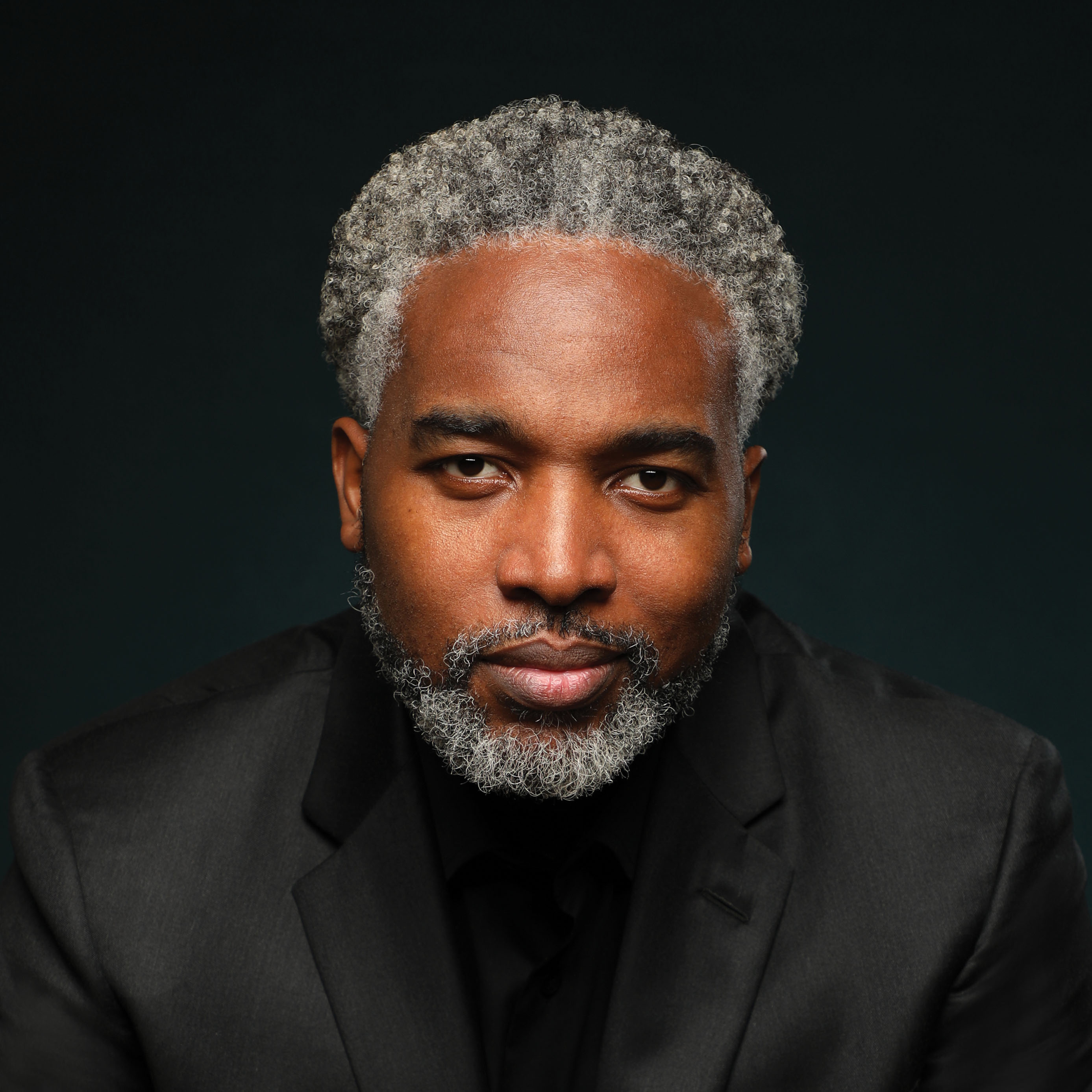
AJ Crabill
Well isn't it nice when authors have their own Wiki page!
📚 Books by AJ Crabill
Transcript
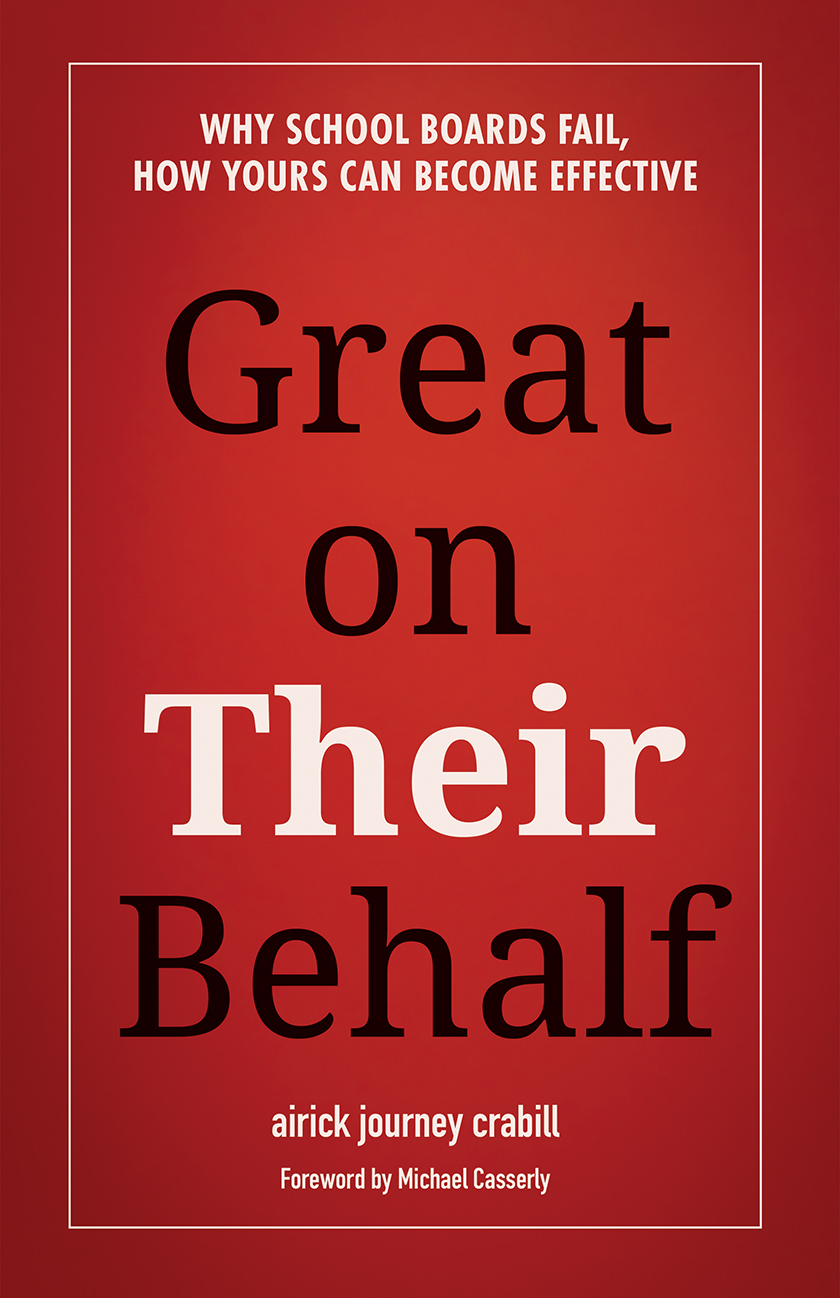
[0:00:36] HA: School systems nationwide are struggling to excel as they lurch from crisis to crisis, teacher shortages, school shootings, high turnover rates, weak discipline systems, and so much more. These things can pull the focus of school boards away from why school systems exist to educate students. Welcome to the Author Hour Podcast. I'm your host Hussein Al-Baiaty, and I'm joined by AJ Crabill, who is here to talk about his new book called Great On Their Behalf: Why Schoolboards Fail, How Yours Can Be Effective. Let's flip through it. Hello, friends, and welcome back to the show. I'm here with my friend today, AJ Crabill. AJ, thank you for coming on the show today, man, I really appreciate you.
[0:01:24] AJ Crabill: Yeah, Hussein, thanks for having me. It's good to be here.
[0:01:26] HA: Yeah, man, this is really exciting for me because I feel like your book is one of the first books I've come across in the last, I don't know, maybe several years, to be honest with you, that lay the foundation of around education, that I haven't seen before. You know, I'll be honest with you, I grew up kind of foreign to the American educational system. I came here as a young refugee boy and I was about eight or nine years old, and I started in the third grade. The coolest thing ever happened to me, man, for me, my teachers didn't smack me around to try to get a point across. They're actually really sweet. They're loving, they were kind, and as I grew through the educational system, there was so many amazing things that I got to experience. However, I feel like there are some components of the education that, you know, of course, could be better, improved, you know, whether it be classes, teachers or courses and things like that, but again, you know, there is this sort of time that we're in now. We're going through a huge shift, I feel like, and I really want to get into that. So in the core of your book, you talk about, you know, a reform of our education system. So I want to just start right there, man. I want to start with how you're thinking and sort of what you've, I feel like you've dedicated most of your life to this work and the educational world. So can you just tell us a little bit of a brief background of how you came into this educational world and what you've been doing and then we'll sort of jump into the book and the core principles.
[0:02:59] AJ Crabill: Actually, I think your experiences and my experiences aren't that differentiated in that it was the remarkable kindness and expertise of teachers in the public education system that often were the ones stepping forward and making a real difference for me as well and so certainly, I'm both benefited by it and inspired by the teachers that I experienced growing up and really, every student should have your story and my story. That we experienced amazing teachers, and there are things that school systems can do that increase the likelihood that that is the case and part of that school system is the school board, and so having served on school boards, having served with schoolboard members, having helped coach and support schoolboards along their journey. Now, I find myself writing down some of the key elements of that journey and some of the things that school boards can do that in the face of some of the challenges that are out there, school boards can do to really create the conditions from proven and student outcomes, create the conditions, such that your story and my story are increasingly common.
[0:04:22] HA: Yeah, man. You know, I got to tell you, I love that connection because, you know, I genuinely do feel like – I mean, I can almost close my eyes and remember the teachers that really made an impact on me, and I truly agree that that is an experience that most, if not all students should experience and to a degree, I feel like we do. You know, there's always that one that kind of just stands out a little bit, but you're right, it's, you know, the leadership plays a significant role in that model. In your book, you know, let's jump into it. In your book, you talked about various reasons why school boards often fail. Can you share specific example of a school board that you know just feels like it failed and what contributed to that sort of mess? Is there something specific that we, as sort of outside those school boards, can look at and say, you know, and identify characteristics that could lead to the school board not, you know, being optimal.
[0:05:16] AJ Crabill: Yeah, one of the challenges, and this is really unfortunately common across the country, is that the training and the expectations that school boards are setup with really aren't aligned with what event and experience tells us are the things that make the biggest difference for children. So, for example, you would expect the boards would set goals and monitor progress toward those goals. What is it that we want students to know and be able to do and then how are we tracking to make sure that the school system is delivering on that promise and so because those are some of the most key behaviors that school boards are engaged in, you would think that among the requirements and the most commonly offered trainings that schoolboard members received would be about setting goals about student outcomes and monitoring progress and making adjustments and pivots organizationally based on what that data tells us. That's just not the reality that we found. You know, my team and I conducted a study looking at school board trainings available that very often the topics that were covered weren't these. In fact, in the study we did, less than 5% of the time were the topics that school board members were offered at conferences really about what is it that students should know and be able to do and how will we know if that's happening in reality? In addition, when we did a different study looking at what are the required trainings that school board members have to go through and specifically looking for what are unique trainings that are unique to school board members around setting goals and monitoring performance to really know our students and getting the quality of education they deserved and what we found is half the states really don't have any type of expectations that are unique to board members and only four of them that we could find of the states that did have any type of training expectations for board members had anything to do with whether or not students were learning around setting goals for what students should know and be able to do and for monitoring progress toward them. So this is one of the things that we open the book with is just this call for that school board members want to be effective. This is why we run, this is why we raise our hand to serve, but the systems that are in place really position us for effectiveness, really aren't helping propel us toward the greatness that we want on behalf of the students we serve and that's something that you know, any of us can take a moment to advocate for. We can reach out to whether our board members or our state representative, state senators and make the call for more effective training, training that's actually focused on student outcomes, make the call for required training that's really dialed into what is it that students should know and be able to do and how do we build school systems that actually position students to learn the things that we want them to learn. Right now, those aren't the norms that school board members are experiencing, but if they would, you know, our belief is that that could make a real difference for the students across the nation.
[0:08:23] HA: Yeah, that's so powerful because, you know, that shift that is happening, I feel like, the need sort of for a new outlook on things, starts with that and that I love that you brought that up. It starts with the training, it starts with, you know, what is the system that we are actually trying to get these kids to adhere to, but what is missing, and it sounds like the missing element or a couple, you know, one of the missing elements is just better and improved training around those kinds of things. So one of the steps that you outline for effective school board governing is to focus on mindset, which I found really interesting. Can you share a story of a school board that successfully maybe changed its mindset and how that impacted the district?
[0:09:05] AJ Crabill: Yeah, the reality is if you randomly grab a hundred school board members from across the nation and ask them, "Are you focused on student outcomes?" a hundred school board members will be like, "Well, absolutely and that's why I ran", and they won't be lying to you or trying to mislead you. But more often than not, they may, in fact, be deceived in thinking that what they're doing is aligned with the focus on student outcomes rather than that, and so part of the training that needs to happen is to be able to differentiate between what are adult inputs, you know, the books, the buses, you know, the mills, all of the tangible things that go into it, how do we differentiate between those things and actual student outcomes. Once board members have the knowledge to do that, the mindset shift involved is, how do we go from having the adult inputs the center of our work, to making student outcomes the center of our work and not only does that require understanding of "What do we mean by student outcomes?" but also requires willingness to let go of many of the things that are not a focus on the student outcomes. And that's the part of the significant mindset shift is a willingness to confront the reality that many of the things that we focused on as a board right now aren't in fact directly aligned with improvements and outcomes that we say are most important to us and that instead is a set of all the inputs that are important and necessary but that even if we get those perfect, that doesn't mean that students will actually be better off. So the first mindset shift that is offered is, "Are we willing to instead of having this center of our focus be the adult inputs, am I willing to have the center of my focus be the student outcomes?" even though that is a very different approach to governing than the style of governing that I may be accustomed to or what my colleagues on the school board may feel comfortable with or even what people in my community are calling for. The challenges that often, if I'm in the grocery store just kind of looking for produce as a board member and a member of the community recognizes me and comes up to me and asks me questions about what's going on with the school system, most often they're going to be asking about adult input. "Hey, you know, my kid didn't get picked up by the bus in time", or you know, "How come, you know, this person is in this school district? I don't think they should be employed by the district" or you have all these issues around what's happening in the world of adults. It's actually fairly infrequent as a board member that what people are approaching a board member with are things around, what is it that we want students to know and be able to do. There are things that certainly have a relationship and have some type of tangential connection that is not the same thing as being completely dialed into what is – what are the student outcomes that are most important to us and so being able to have a shift in mindset where I'm making that the focus of my energy, the focus of my time, that can be really challenging because so many of the messages that I'm receiving and so many of the incentives that I'm experiencing are aligned with the focus on adult inputs rather than a focus on student outcomes.
[0:12:27] HA: Yeah, man, I love that so much because it just, you know, it's a reframe of how we actually see, I guess, "issues" with school boards, school systems, just schools in general and I love this idea of like, you know, taking our energy and instead of focusing on almost – sounds like, almost sounds like the politics in the administrative components, down to let's refocus our energy as to what are we actually here to do? You know, let's put all these others side, you know, what are we here to do? And I think that's so powerful because you know for me man, growing up, you know, I didn't see too many men or women of color giving lectures, you know, teaching me whatever not that that was a bad thing or a negative thing. It was just like, I didn't see it, right? I didn't have too much cultural connections with many of my teachers and admin. So growing up, I went to school, I got my architecture degree, I became a small business owners, all those good stuff that happened in life, but then I went and started speaking at schools, and I started, you know, just kind of, I wanted to be what I didn't see, right? And that's really all up to us, you know what I'm saying? That's a choice, it had nothing to do with anything else and I knew that my talks, my mini talks at different schools and different things and organizations really meant something to, you know, I wanted to just impact those immigrant and refugee kids, right? Sitting in the back, exactly who I was, and I think that's really profound, you know? Instead of saying like, "Oh, there's not enough people of color, this or that", it's just this constant argument as opposed to like, "You know what..." I literally just reached out to one of my old professors, and I was like, "Hey man, what can I do to help? Can I come in and just share my story with the kids, you know, inspire them, motivate them?" whatever it is. And he was so – he's like over the phone, you could just feel like the weight like, "Yes, please come up." It was one of those things, and I always tell my friends, my colleagues, you know, people like, "Man, just go to a school and just do a talk." It feels so good, and those kids freaking love it, you know? To see who and what they can become and have these choices, right? It's like, that idea is so important. Especially in a world where sadly, systemically for a long time, these schools and educational systems put up a lot of barriers, and I feel like it's riddled, right? Across the nation with things that unfortunately swayed education one way or another, and of course now, you're doing the work of sort of untangling these things and saying, "Hey look, let's get to the principles, let's get back." I love that so much, but with that comes this idea of monitoring progress, which is another key that you sort of outlined. Can you share a little bit about, you know, the effectiveness of what monitoring the progress means and the impact it has on student outcomes?
[0:15:10] AJ Crabill: Yeah, I really appreciate your reflections on, you know, any of us can step forward, any of us can choose to get involved and get personally invested in the lives of the young people in our community and our schools. That is certainly been a part of my story, and just glad that it's part of yours and it's something that you advocate and push for. Similarly, you know, each person in the community has a role to play, has something that they can do that can be a significant difference maker, whether it's like you, telling your story, like me volunteering, you know, as a big brother, big sister or is the cost of volunteer. Board members are similar in that they have a role that allows them to maximize what is the difference that they can make. One critical piece of that is taking the time to actually monitor, "Are things actually improving? Is the education, you know, a little Hussein, a little AJ are receiving actually improving over time? Are they growing in what they known they're able to do?" and this is partially such a critical part of the community's role because if we look at the data and we don't see significant improvements for children educationally, then we have an obligation to call on the school system to make a pivot. To make adjustments and to go on a different direction and sometimes, that pivot is entirely internal to the school system and maybe changes in budget and allocation, but sometimes that pivot involves bringing people from the community more fully in the partnership with our school systems, whether as mentors and tutors, as volunteers as folks like you and I just making time to get personally invested in the lives of our students. And so whether it's through that or whether it's through doing the monitoring at work the boards are expected to do, these are critical roles that really contribute to what it is that makes public education in the country successful.
[0:17:18] HA: Yeah, I think it's powerful in that, you know, it is public education, but you know, the way, I guess I've always, growing up from different culture and all those kinds of things like the importance of this idea that it takes a village, right? It still does take a village to raise a child. It still does take. I feel like different people coming in and out of their lives to help shape, you know, the mindsets, the possibilities, the opportunities and you know, let's be honest, I came from you know, a sense of poverty, right? Like, if I'm not exposed to different things. However like, Beaverton School District did something really interesting. It took these kids from impoverished areas of, you know, Beaverton, embedded them into, you know, at one point, I think I was like eighth grade or something, they reshaped where kids can come from to what school and the schools were a little bit higher funding and all those kinds of things. They were intentional about getting kids that were, you know, from low income, basically, to be in those schools, so that they are then making friends with, you know, I guess, people with a little bit more sort of upper class, right? So like, you're just exposed to more different types of people, right? I didn't realize this of course until later, meeting with teachers and going to school boards and all those kinds of things and I found that that's really powerful. Like, what's your input on this idea of, how can schools or schoolboards think in this way of, you know, channeling the opportunity of, "You know what? Let's mix these kids in this area to create a more prosperous area in the future", right? Because that matters, right? Me being exposed to not just a bunch of kids that were smoking weed. Let's be honest, right? From where I was growing up to now, kids who are, you know, really wanting to pursue basketball and go into astronomy and, you know, in theater and that changed my perspective, right? As to what's open for me and so that's really powerful. What are your inputs about that?
[0:19:13] AJ Crabill: Well, this is one of the things as I visit with parents across the country. I hear it commonly as it would… one of the things that they really value about their public education experience for their child is exactly what you described. It's this opportunity to, you know, meet folks who might not be from, you know, the exact same walk of life, who might have a different story, a different background. I think that diversity of the student body that public education brings in a lot of places across the country is a really powerful benefit of the public education offers. One of the things you described, though is actually a step beyond that and that there are policy decisions that school boards end up making that even further disrupt some of the natural geographic boundaries. What often happens is students will go to school in the geography where they lived and so the students that they're around will tend to be the student who live in the same neighborhood. What you are describing is the school board. It sounds like actually made the policy decision that it wanted to make seats throughout its school system available to children from many neighborhood, and so this has you hopping on a bus and going to a different part of town. One of the benefits I hear you describing what you got from that is it further enhanced just the diversity of students that you're experienced to the diversity of life experiences that you got to learn about through your classmates. These type of decisions are challenging. I certainly don't advocate for one policy position over the other in the book, but what I do advocate for is if this is a value that a community has, then it is the job of the school board to listen to that value, to codify it in policy and then to monitor, to ensure that the district is actually living out that value in the way that it operates and your stories of real example of that playing out of where a community has espoused to this value. That we really want children from all over the community to be able to interact within, learn from and grow with other children throughout our community to the extent that that's the value the community had. The board took that and turn it into policy, and then the administration took that policy and turned it into practice, and this is part of what it looks like to govern effectively is the board's represent the vision and values of their community. I mean, it's listening for them and it means codifying them and then monitoring to make sure that the administration is actually putting it into action and then fast forward a few years and we have your story to tell for it.
[0:21:49] HA: Yeah, absolutely. You know, I think that's really cool that the idea of look, the core principle of these group of people coming together, this board is really to absorb what the community, like you just said, the community's values and how we can yeah, explore and enhance that through the decisions we're going to make because the decisions that they are going to make are going to impact the next three, four, five, you know, 10 plus years, right? I think in my scenario, that's exactly what happened. It really impacted that whole region for years to come, and I know a lot of ways they still work around those kinds of ideas to better create experiences, you know? I think there's amazing, I would say, corporations like Nike and others are in the area that were also heavily investing in the region, if you will, right? Because who's all working there, right? It's these amazing people that are also creatives and lawyers, and they want what's best for them in the region as well. So I always tell people like the foundation of education is really interesting to me coming from a different, you know, part of the world. I think what's interesting about it all is that it literally is like every policy you make, every decision you make, sometimes people want – we want decisions to take effect right away, right? But really, with education, that's like planting seeds and seeing how it evolves over time, and I think there are times, of course, where there are boards where they need to make quick decisions, of course, you know, all those kinds of systemic type of things. However, those seeds really play a role in the future, and I think that's really powerful and speaking about the future, you know, aligning resources is a critical step that you talk about in your book and achieving that kind of success. What can you talk about when it comes to boards that struggle with aligning those resources and how they impact the district? I know resources are huge as far as money and funding and budgets and the endless array of the student body needs. I always, you know, I grew up always like really questioning like, "Why are these kids selling cookies when we have gajillions of dollars we spend on…" you know, this is just my personal mental note. Although we've spent gajillions on bombs and all these things like this is ridiculous. There was a time where I just couldn't play basketball because I literally couldn't afford it. It was like $300 to get on the team, you know? Unfortunately, I had given out all the, I guess financial aid money to a few other students, which is great, and they were more talented. Again, all fine but I realized that the funding and resources and things like that are very temperamental. You know, as I got older, of course I started to understand the educational system just a little bit more, obviously not to the extent that you do. Where does aligning resources kind of come into play here for you?
[0:24:40] AJ Crabill: One of the things that you said was that often the work of school boards is a lot like planting seeds and that you do something today, but you may not be able to harvest the fruit from that for years to come and that's a lot like what you're asking out, is this idea of what is it the board's do to align resources. Recognizing that often even when we make significant resource changes today that we may not see the benefit of those resource changes for years down the road. If we make a dramatic investment in early childhood education today, it may literally be 13 years down the road before we begin experiencing students walking across the graduation stage having benefited to the full extent of that investment, and so because this is such a critical set of resources to apply well and because it has such long-lasting effects, it really is seed planting that it's absolutely critical that when the board is engaged and aligning resources that the focus be aligning them to the vision and values that the community's articulated. The way the board does that, what we describe in the book, is that they listen for the vision and values of the community and write them down in the form of what we refer to as goals and guardrails. Goals represent the vision of the community, what do we want students to know and be able to do, guardrails to describe the values of the community, what are the non-negotiables they have to be honored. Because the resource allocation is so vital and has such long-lasting effects, when the boards are going to approve the allocation of those resources be they large or small, they have to be aligning them to something that is about the long-term vision and values of the community and so that's why being articulate about what are the goals and guardrails and then being intentional about looking at all of the long term expenditures to figure out, "Are these things designed to get us to that long-term vision or is this going to grow the type of tree that we wanted to grow not just this year or next year but over the next five years, the next 10 years, the next 15 years?" This is a critical part of the work that school boards play. It's not just having this near-term focus in resource allocation but having this long-term focus that's grounded in the community's vision as articulated by the goals and grounded in the community's values as articulated by the guardrails.
[0:27:15] HA: I love that. I love that goals and guardrails, I feel like I need to apply that to my life, man. This is a powerful tool.
[0:27:23] AJ Crabill: Definitely, there are times in my life where I've definitely put in place my own personal goals and guardrails, what are the things that that will accomplish and what are the things that I need to step away from because they are not getting me towards that vision.
[0:27:35] HA: Right, yeah, it's so powerful to remember. Thank you for sharing that. You know, I am interested in sort of kind of getting your input on the, you know, where do you see and then from a positive outlook because you do share a lot of that, of course, from a positive outlook, where do you see I guess this reform in education really leading us to in the next 10, 15, 50 years? What does that look like in your vision? You know, we begin to apply the healthy systemic sort of revolution, if you will throughout our educational system, where our focus is back to the health and wellbeing, and you know, properly educating a young mind so that you know again, we can ensure prosperity for everyone moving forward, how do you see that unfold? What does education look like to you? You know, do we have three days' worth of school, or is it still five days? I mean, come on, we've got to work together here too – I just remember all the homework and all the madness, and I know they even implemented at one point students were not showing up. It was so early like 7:30 am, we had to be in class for high school and I remember they bumped it up to eight and that helped a little bit of course but you know, these are just the little things that education systems try to improve but where do you see our reform going into in the future?
[0:28:54] AJ Crabill: There are two parts of that, there is what's the really big picture really long term at the macro level and I certainly have ideas about that and then there is the thing that you describe, which are the much more near term micro level of what are the specific things that are right for each individual community and we currently have around 14,000 school systems across the nation and they each have their own school board. One of the benefits of such a decentralized approach, there is definitely some drawbacks but one of the benefits of those is that whatever the vision and values of a particular community are, they get to elect board members who will represent that on their behalf and who will set goals and set guardrails and then monitor progress toward them and align resources toward those visions and those values that are match for that particular community. So if you have a community that wants to see start times earlier or you know, "Instead of taco Tuesday, can we have taco Thursday?" or whatever the interest is that those can be realized in that localized context, and so that is one of the benefits of having school boards at the local levels that they can be responsive to the local vision, responsive to the local values. If I am working with the school system that is on the gulf coast, maybe what they're most interested in is their children knowing about underwater welding because there is apparently underwater welding jobs along the gulf coast that I didn't know anything about because that's not where I grew up. But then I work with another school board that's in a much more rural community that focuses on raising corn, and maybe their bigger interest is around agriculture and animal husbandry, and I think that's perfectly fine for each of those communities to have this set of values that match their local interest and that have a vision for the children should know and be able to do the match, what's true and relevant for that particular community, that's one of the benefits. The amalgam of it all though is a different conversation. I see long-term, you know, the benefit of highly effective public education systems is that we are all not only just in this nation but across the planet. You know, as a species, we are all benefited by each individual person being able to experience the maximum expression of what they have to offer as a person and the more that we invest in this maximizing of each individual participant in our society, the more all of this benefit from that. The more that instead of accidentally loosing track of the next Einstein, the next [inaudible 0:31:50.6] instead that those folks are given a full opportunity to share their gifts with the world in a powerful way, and I think that is something that is a unique possibility that public education provides.
[0:32:03] HA: AJ, I'm not going to lie to you, man, that kind of made me tear up. I just love that vision so much because I feel like had I not been planted in America and I came from that refugee camp, which is in the middle of the damn desert, there is no – mind you, this refugee camp was inside of Arabia at the time, right? So one of the most wealthiest countries in the world could have easily absorbed me and my family. Put us in their culture, in their educational system, and I could have prospered there, however, I was not. I was put in a camp, and then for someone else to deal with, and that someone else just so happen to be the American school system, if you will or the American system, and I got absorbed here. I got to you know, in a lot of ways, maximize and see what my full potential is, and I feel like, in a lot of ways, I'm still maximizing, and I am still learning. I am still growing. Here I am talking to authors. Never in a million years would I have experienced this, you know what I mean? So you are like, when I say spot on, man, I mean you hit a nerve with me in the sense that, like, I just want my future kids and my nephews and nieces and, you know, everyone to have an opportunity like you just said, to just explore their gifts and see where those things can take them because you're right. I had gifts and talents in art, and what I was able to draw and paint, and one of my teachers made me paint one of her walls because I was literally – I didn't even know how to speak English man, she basically commissioned me to do like a half mural in her room because she just saw me doodle because I couldn't connect to the class, but it's when that teacher sees this opportunity in you and lets you shine in front of these other kids, you feel so welcomed. You feel so appreciated and it's those moments that truly add up in the future to make me now not just want to paint this wall but paint my community, go out in the world and offer my gifts to whoever wants to explore them. So very, very well said, my friend. Your book is phenomenal, I have so many friends in the educational world, and I cannot wait to share with them this remarkable book. If you're out there, this book is not necessarily just for school boards, it honestly just lays out a beautiful vision of what our educational system can be, and you really laid out a beautiful book here, man. I got to ask you, though, what is your favorite part of putting this book together?
[0:34:33] AJ Crabill: Well, so there is definitely a part in the middle, and you know, I read about this online, but it's like, "Yeah, that won't happen to me" there is definitely this part in the middle it's like I completely hate writing this thing. I didn't like my current draft. I had rewritten a couple sections like two or three or four times and, "This is garbage. No one is ever going to read this crap", and so emerging on the far side of that. I really have kind of stepped away from the project for a couple of months, and then I came back to it, wrote a little bit more but then I shared it, some pieces that I had written with a group of colleagues is really one of the first times that I was getting external feedback, and they shared just some of their reactions to the section that I had provided them with and certainly, they had some ways that I can improve upon it. But the fact that it connected with him and touched them in the way that it did really gave me the inspiration and the thrust to continue with it, and so just the kindness of folks who helped nudged me out of my lethargy and into onward to completion was just a real blessing.
[0:35:49] HA: Isn't it amazing how mentors and colleagues and people around us, you know, from youth until adulthood, they're still there, and they're still important for feedback?
[0:36:00] AJ Crabill: Nonstop.
[0:36:01] HA: You know? I love that, so I commend you for all your work, commend you for your wisdom and the audacity and courage to really step into the space and voice a change that you foresee. I love that so much, AJ. Thank you for sharing your stories and your experiences with me and, of course, our audience.
[0:36:19] AJ Crabill: Thank you for sharing some of your experiences with me. I really appreciate that.
[0:36:22] HA: Yeah, absolutely. It's a privilege and an honor to just be able to – like, I get what you're talking about it. I see it, and I obviously relate like I grew up in this madness, and it's not so bad, it's just what can we, you know again, our gifts are just, you know, they don't just grow in those school system, it's so that we can use them for the community, right? So I love how you kind of come full circle and decided to serve in this way and really dedicate your life to this. Much gratitude to you. The book is called Great On Their Behalf: Why School Boards Fail, How Yours Can Become Effective, and besides checking out the book on Amazon and all those good places like Barnes & Nobles and everything online, where can people find you, connect with you because I know you have a coaching program, a consulting program and all that good stuff. So where can people connect with you?
[0:37:13] AJ Crabill: Yeah, if folks are curious about the book, they can learn more and join the community, learn more about becoming a coach. If people feel drawn in that way to serve, they can go to the book's website just, greatontheirbehalf.com. No spaces, no dashes, just greatontheirbehalf.com or folks want to reach out to me, they can go to my website, which is just ajcrabill.com, and I'm just happy to connect with folks who are on the journey. Want to be of service to children as well and want to talk through how that journey can be aided by supporting their local school board, it being more effective on behalf of the children it serves.
[0:37:54] HA: Love it. AJ, it's been an absolute pleasure and an honor, my friend. Congratulations on your book, I wish you nothing but pure luck and success. I know a lot of hard work is going to go behind all of that luck and success, I'm sure. I pray that a lot of people get their hands on this book. So go out there; if you are listening, go get the book. It's an amazing read. It's easy to read, easy to navigate, but an amazing ways forward in our educational system. So thanks again AJ, it's an absolute pleasure.
[0:38:21] AJ Crabill: Thank you.
[0:38:23] HA: Thank you all for joining us for this episode of Author Hour. The book is called, Great On Their Behalf: Why School Boards Fail, How Yours Can Become Effective, you can find it right now on Amazon. For more Author Hour episodes, subscribe to this podcast on your favorite subscription service. Thanks for joining us. We'll see you next time. Same place, different author.
Want to Write Your Own Book?
Scribe has helped over 2,000 authors turn their expertise into published books.
Schedule a Free Consult