Bobby Harrington: Episode 1159
Read the full transcript
Bobby Harrington
Robert Harrington has accumulated 33 years of rich servant leadership experience across sports, martial arts, military, private business, and a Fortune 500 company. He has held roles of subject matter expert, team leader, advisor, and leader of teams. His passion is his family, studying, and teaching leadership. Bachelor's Degree in Intelligence Studies and a minor in International Relations.
📚 Books by Bobby Harrington
Transcript
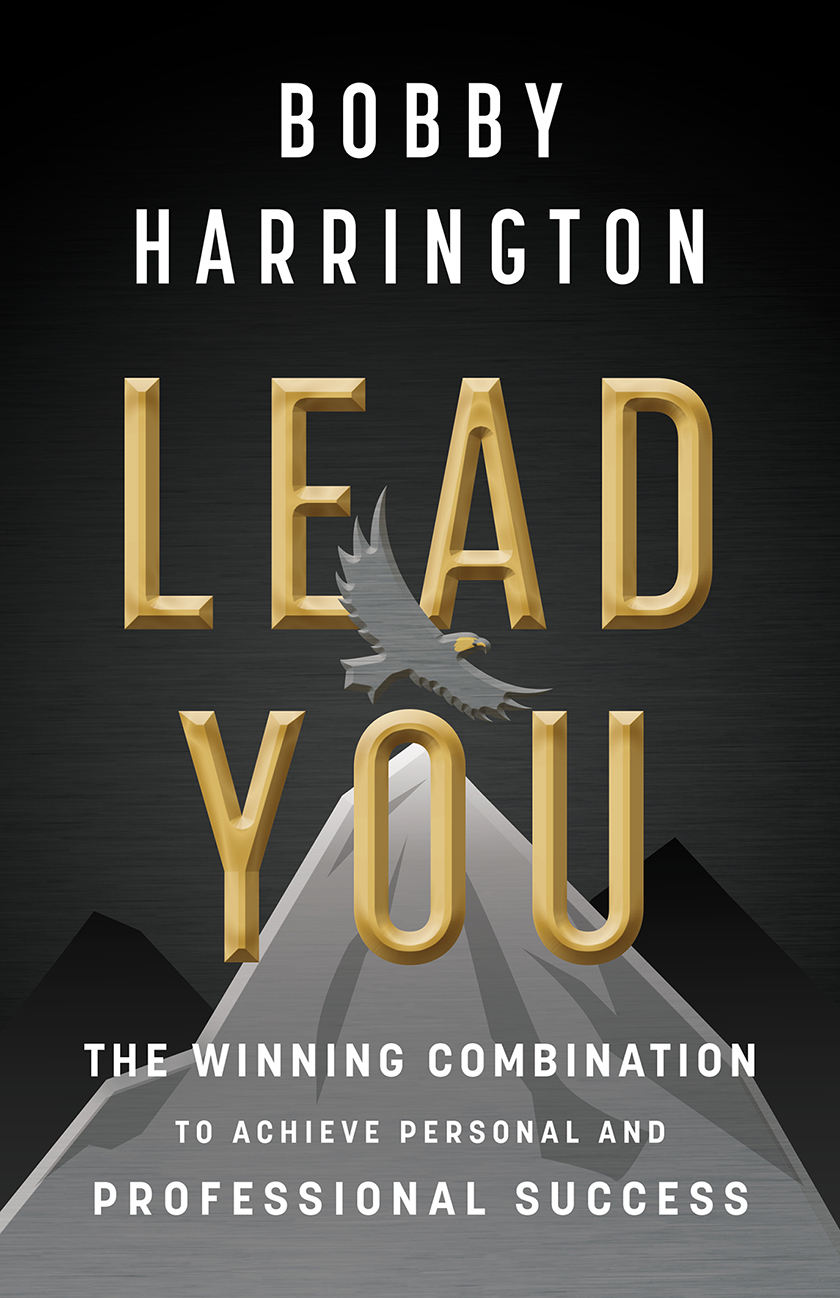
[0:00:30] HA: Before you can effectively lead others, you must lead yourself. Once you learn to successfully guide yourself towards your vision and goals, then you could do the same for your team. Welcome to the Author Hour Podcast. I’m your host Hussein Al-Baiaty and I’m joined today by author Bobby Harrington, who is here to talk about his new book called, Lead You: The Winning Combination to Achieve Personal and Professional Success. Let’s flip through it. Hello, friends, and welcome to Author Hour. Today, I have a very special guest, my good friend Bobby Harrington is in the building. Well, he’s not technically in the building but we are chatting over the waves and I’m super excited to talk about Bobby’s new book called, Lead You. Bobby, thanks for coming on the show man.
[0:01:18] Bobby Harrington: Awesome Hussein, good to be here.
[0:01:20] HA: Yes sir. This is going to be great man, I’m really excited because I had the privilege of watching you literally start your book in one of our guided author experiences at Scribe, all the way to here, you know, listening to you now, talking about this book, which is going to be so great. Before we get into the book, you have an amazing set of stories that I really want to get into but I really want to lay down the foundation for our listeners, man. I want to give them an idea of the man behind this book. I would love to give our audience a little bit of a personal background history if you will. Maybe where you grew up and what led you down the path that you’re on? Maybe somebody that inspired you to get on that path or an event that happened in your life, I’d love to hear some of those stories from early on.
[0:02:04] Bobby Harrington: Yes, so I think from an early age, I learned to have an appreciation of leadership because my father was in World War II, Korea, and Vietnam, and three tours in Vietnam. So he had a lot of knowledge leading people, leading men and I was aspired to be you know, sort of like him in some ways. As I started to grow up in South Louisiana and, of course, I played football. That was kind of my first introduction to structure. And I write about that in the book. And then, from there, you know, I joined the Marine Corps. I was in the Marine Corps for four years and really, you know, between my parents and the Marine Corps is really what gave me the base foundation for leadership. The Marine Corps, they teach leadership to everyone regardless of rank and they teach it the same way, and I believe that’s what makes the Marine Corps so successful. So that’s kind of how I got to being a leader and you know, I’ve been in the military, sports, private business, Fortune 100 company, recently retired and just want to take my 34 years and give back, you know? As a servant leader.
[0:03:11] HA: That’s really powerful. Can we talk a little bit about sort of what happened after joining the military and by the way, thank you for your service and your commitment to that, that’s amazing, and, of course, your father’s commitment and service. So applauding him and grateful for the opportunities that I get to have in living in the States, so thank you for the sacrifice. But on that note, where did that lead you? What happened next? What did you sort of get into where some of those leadership skills really start to come to fruition?
[0:03:39] Bobby Harrington: Yeah, no, great question. So after the Marine Corps, I got into oil and gas. I moved back home to Louisiana and it kind of seemed like everyone did that. And, you know, the leadership skills that I learned in the military really served me well because in oil and gas, there is a lot of structure, you know, kind of like the military. Everything is not necessarily mission focused but project focused. So you know, it was sort of an easy transition from a leadership standpoint.
[0:04:07] HA: So man, I love that because you know, your book talks about leadership but not in the sense of just leading others. It was really more in the sense of leading yourself. You know, and I think that’s an inversion of what we normally hear throughout leadership books. Can you share maybe a specific example of how you led yourself and maybe that methodology has helped you or someone else transform their own leadership skills and maybe achieve some personal and professional success?
[0:04:36] Bobby Harrington: Oh, absolutely. You know, before we lead others, we have to lead ourselves and what the Marine Corp did a great job is teaching leadership attributes. You know, decisiveness, knowledge, courage, showing up every day and that’s sort of a performance differentiator.
[0:04:51] HA: Yeah, it’s really powerful. I feel like you know, those interpersonal work and where you’re being taught that because I know, look, I went to university, I went to PSU, I wen to get an architecture degree and it wasn’t… it was about the projects, the work, the art, the crafts, right? And I loved all those things. However, there was a part of me that loved teaching and I feel like teaching is sort of intertwined with leadership, right? But teaching is actually a lot of listening. It’s listening to the issue at hand or whatever it is, so that you can come up and formulate a strategy. And I think in your book, you know, you did such a good job of sharing those kinds of attributes that one has to sort of cultivate over time. What would you say is like the biggest challenge people face when trying to develop their own self-leadership skills and how can they overcome those challenges?
[0:05:46] Bobby Harrington: No, that’s great. I have a passion for teaching so thanks for that and when I teach, I learn. What I found over my 34 years is leadership is not taught in the industry per se. You know, folks hire for skills and not necessarily for character or leadership abilities. And, you know, that’s where I want to fill the gap. And that’s the challenge for the industry, is employers want— People already have leadership skills and qualities and people who go to these large companies, they want to get leadership training but most of these companies don’t provide leadership training or teaching.
[0:06:24] HA: It’s one of those things that you really… I feel like, unless you’re around some mentorship, unless you’re around, like you said, unless you’re in the military, unless you're in a position where those attributes are displayed in a way that you can really gravitate towards, I feel like it’s really hard because you’re right, those things are not necessarily taught. Sometimes you’re naturally, you know, I feel like in my case, I feel like I was naturally leaning towards this teachability, speaking, all those kinds of – but it wasn’t refined by any means and I think professional career and like, learning and self-teaching, those are the time where I feel like the most growth because I was getting so uncomfortable. So with that, in your opinion, what are the most important qualities for an effective leadership or having effective leadership and how can individuals cultivate these qualities within themselves?
[0:07:15] Bobby Harrington: Sure. You know, I think that’s focusing on the leadership— It’s kind of like three things: It’s focusing on leadership attributes, you know, choosing your core values depending on what stage you are in life and then really understanding what discipline is, right? Because now, discipline is sort of the core of everything. You can be taught, you can go to training courses but if you don’t have the discipline to cultivate these, just like you know, make a simple analogy of planting a seed., if you don’t tend to that seed and sow and water and pull weeds and stuff like that, then you’re not going to grow. You know, it takes a couple of elements. One is receiving the training and two is going out and practicing and learning through your failures.
[0:07:58] HA: That’s so important. I mean, I think the showing up every day and not worrying about what the outcome is of the day and the idea that you’re just trying to compound interest, right? Literally because you’re interested in the thing, keep showing up and let that compound because that will lead to sort of the knowledge and the wisdom and experience. I love that because I apply a lot of that to my art and facing personal fears and all those kinds of things, it happens across the board, whatever thing you’re in or you’re into. It will, you know, I feel like fear has such a good way of showing up with different masks but in the idea of discipline and the idea of showing up, for you, what was that thing that you always leaned into and it kind of help drive that fuel if that makes sense, you know? What is that fuel that you tap into to stay disciplined because it is a practice, it’s a maintenance. What is that or you?
[0:08:57] Bobby Harrington: Yeah, so two things, you know, a desire and goals. When you’re in a leadership role, people are counting on you, you know? So for instance, football, if you’re on a team. So in American football, there’s 11 players. Well, there’s 10 other people counting on you, right? In the military, depending on if you’re in a fire team or a squad, there could be three other people counting on you or 11 others or the whole platoon. In business, it’s the same way. Your team is counting on you to accomplish a mission and I would say for me, I really never wanted to let down, you know, my organization, the person I reported to or my subordinates as well.
[0:09:35] HA: Yeah, it’s really powerful man. I mean, I feel like it’s those individuals that you know, I feel like, when we close our eyes and we’re like, “I don’t know if I want to do this” and they sort of… they either speak through us or to us, you know? And voices in our head or they come to us through visions or it could be just like a memory and I think that is always a spark for me. I just wanted to highlight that because there is some of the stories you were sharing really resonated with me. What advice do you have for individuals who are struggling to balance, you know, this idea of career success, personal fulfillment and family life? I know you talk about that a little bit and how can they use that self-leadership to achieve maybe a sense of balance and harmony in their life? I feel like it’s always an active balancing, right? It’s a constant maintenance but how do you approach this and what advice do you give?
[0:10:25] Bobby Harrington: Yeah, no, that’s a great question. So I think, you know, I talk about this in the book, it starts with an honest conversation, right? To take inventory of where you're at and where you want to go and start asking yourself the primary questions. You know, “How did I get here, what do I need to do to change?” and then making a lean course of action and executing that course of action each and every day, a little bit every day because you know, the road is long in leadership, we’re never done. We’re never done. We’d learn every day and we’ll learn until we, you know, eventually retire, retire or you know, we pass on. Leadership is a lifelong endeavor and it’s something that you know, you have to do it or it will perish, right? It’s a perishable skill, to be honest.
[0:11:10] HA: That’s actually a very integrating segue. I like that you said that it is perishable in that you have to really continue cultivating it, continue growing it. I feel like when we think about leaders sometimes, we feel like they have it all together, right? Or they just know so much more than where we’re at. That they’re so far up the ladder or whatever it may be that they’re almost untouchable, right? And that’s honestly not the truth. What’s your experience with that? When you got into those leadership roles especially in the gas industry where you had to make just from knowing you, you know, you had to make some tons of trips overseas and then to Africa and then to you know, parts of Africa, Middle East, whatever, what do you carry with you? What is that, you know, to continue achieving that balance, what’s something that you, I guess, in a way grounds you and creates an anchor for you to make sure that you have that balance?
[0:12:07] Bobby Harrington: No, I guess it’s a drive to get better every day because I know I’m flawed. I‘m not perfect. You know, to your point about leaders, you know, no matter how seasoned a leader is, they’re not perfect. None of us are perfect and I actually covered that in chapter 10. You know, there’s very, very few things in the world in life that are perfect and leaders certainly are not perfect. It’s a lifelong endeavor and it takes hard work each and every day.
[0:12:31] HA: What’s interesting to me is in leadership, especially in your book and when you are talking about leading yourself, the biggest thing I think I learned about leadership growing up was just somebody pointed me to like a Nelson Mandela talk or something, you know, like a speech he gave and there were some stories sort of attached around that and that he was always sort of you know, the reserved person listening to the people around him. You know, I love that a lot because in order to really know what’s happening, the listening to our self really has to happen first. You know, that was deeply profound for me. What are some thing, you know for me it was prayer and meditation and once I kind of grounded myself in that space, I was able to really hear myself in a lot of ways and get more clarity and you know, we talked about this I think in discipline and leadership and all those kinds of things. Just relying on somebody that has a sense of clarity is always appealing. So what is it that you do or maybe share in your practice that helps you sort of remain in that clear-headed space where you can really strategize and think from?
[0:13:43] Bobby Harrington: I try to keep a healthy sense of self-trust and self-trust is doing what you say you’re going to do and holding yourself accountable, right? Because the one person we can’t lie to is ourselves. So doing what you tell you’re going to do for yourself.
[0:13:58] HA: So I watched you not only practice this but I literally watched you write your book and you sharing your journey in our Scribd group. I loved it so much because it was like whatever terrain I felt like you were going through when you were sharing, you stayed consistent. You wrote pretty much daily until you got the first couple of drafts done, which was empowering to watch. What was your favorite part of pulling the book together and what did you learn from this journey for the past year or so?
[0:14:28] Bobby Harrington: Wow, that’s a big question and a great question –
[0:14:31] HA: It is a loaded one.
[0:14:32] Bobby Harrington: No, no, it’s great. You know, I guess what I gathered from, you know, playing football and the Marine Corp and martial arts, you know, working in oil and gas is to keep moving, right? You know, recognizing that you’re going to have good days, you’re going to have bad days but guess what? Keep moving, don’t stand still. It’s kind of like decision making, you know, there is a right decision and a wrong decision and no decision and no decision is the absolute worst, just like stopping, right? You know, it’s easy to say, “Oh, you know I don’t want to write today” or you know, “Well, I am not really feeling good” just take the day off but you know, I hesitate to ever do that because then that will erode myself self-trust, right? So again, going back to self-trust. You know, right after self-trust is self-belief. You know, I can’t believe in myself if I don’t trust myself, same thing with believing in others. If we don’t trust them, then we can’t get past this. First we get to believe, if that makes sense.
[0:15:29] HA: Yeah, that’s really powerful. What’s one thing you do to like, you know I guess, I don’t want to say build trust in yourself but what gives you that confidence? What’s something for a young man, you know I always think about the younger version of me, my 20-year-old self going up against the world, right? As a creative, you know for me, I cultivated that trust through confidence and confidence came for me was like I’m going to make a piece of art and I am going to put it out in the world and for me it was either sharing it, selling it or giving it to a friend, asking what they thought about it. That really helped me chip away at the fear of like people aren’t going to like my work or what I do or how I do it. So that I feel like helped me build my personal trust. What was that for you? What do you think helped really cultivate that trust with yourself?
[0:16:20] Bobby Harrington: Well again, going back to doing what I say I’m going to do and you know, confidence, trust and confidence are things that are built through repetition, right? That is what I would tell somebody that is young. You know, you are not going to get it all in one day. Again, the leader’s journey is long. It’s like working out, right? You don’t go to the gym and get the 500-pound squat, you know, the second day. Really I guess we could boil this down to knowing about and believing in delayed gratification, right? Knowing that you know, it’s going to take a while. It is going to take a while but there are things you can do. You know, if you read Lead Yourself, working on attributes, choosing your values, learning to live those, and I guess the main thing I would tell someone who is young is learn from your failures. Learn to see failure as a learning opportunity, right? I talk about that in the book where there is a constructive side to failure and a destructive side. So I would ask people to shy away from the destructive side and look at the positives in it.
[0:17:21] HA: That’s so powerful, man. I’m glad you shared that. You know, I was hoping to get you there because yeah man, for me, I didn’t realize how much leadership has to do with really leading yourself. I mean, there are so many books about leading others, of course in your career, in your work and all those kinds of things and people find themselves in leadership roles but again, if you don’t have that personal trust, personal belief in self and those inter-workings sort of aligned in a way, then you can really scale in helping others. I think it always start with ourselves, so I appreciate this book so much because you really put an emphasis on, “Look, before you really go out there and thinking you’re the hot shot of the show, you really got to know yourself and here’s some practical tips and tools to be able to do that” which I love. Bobby, when readers pick up your book and finish it up and put it down. What do you hope they feel after putting it down?
[0:18:20] Bobby Harrington: I hope they feel confident that they’ve got a place to start, right? Because going back to your comment about people being pulled up to be leaders, right? People nominally are pulled up because they did something great or they have the skill, right? And then they are thrust into a leadership position and all of a sudden, people are looking at them directly in the spotlight, it’s on them. They may or may not know what to do and I think by reading Lead You, you know folks will know what to do, you know? So leading themselves first.
[0:18:52] HA: Yeah, that’s so powerful man, I love that so much. Bobby thank you for sharing your stories and your experiences with me today and the audience of course. The book is called, Lead You: The Winning Combination to Achieve Personal and Professional Success. So besides checking out the book, where can people find you, Bobby?
[0:19:10] Bobby Harrington: Yeah, normally I’m on Instagram, I’m on Facebook and LinkedIn. Those are the main platforms where folks can find me.
[0:19:16] HA: Very cool, my man. Well, congratulations on the book launch, amazing. Congratulations on retiring and becoming an empty nester, like man, you have it all going on right now, Bobby, it’s great.
[0:19:28] Bobby Harrington: There is a lot going on brother.
[0:19:30] HA: Yeah man, that’s awesome. Well, I hope you get to enjoy the day. Again, congratulations to you on the launch of your book. It is going to be amazing and I’m sure it’s going to help so many people but mostly, thank you for your friendship and you know, just learning and watching you do your thing. And I know you’re working on book number two. I know that for a fact because I was there, again, watching you start your journey again. So that is really powerful, man. Keep up the great work. Again, thanks for coming on the show, Bobby.
[0:19:57] Bobby Harrington: Absolutely. Thank you so much for having me, Hussein.
[0:19:59] HA: My pleasure. Thank you so much for joining us for this episode of Author Hour. The book is called, Lead You: The Winning Combination to Achieve Personal and Professional Success. You can find that right now on Amazon. For more Author Hour episodes, subscribe to this podcast on your favorite subscription service. Thanks for joining us, we’ll see you next time. Same place, different author.
Want to Write Your Own Book?
Scribe has helped over 2,000 authors turn their expertise into published books.
Schedule a Free Consult