Joey Pagano: Episode 1162
Read the full transcript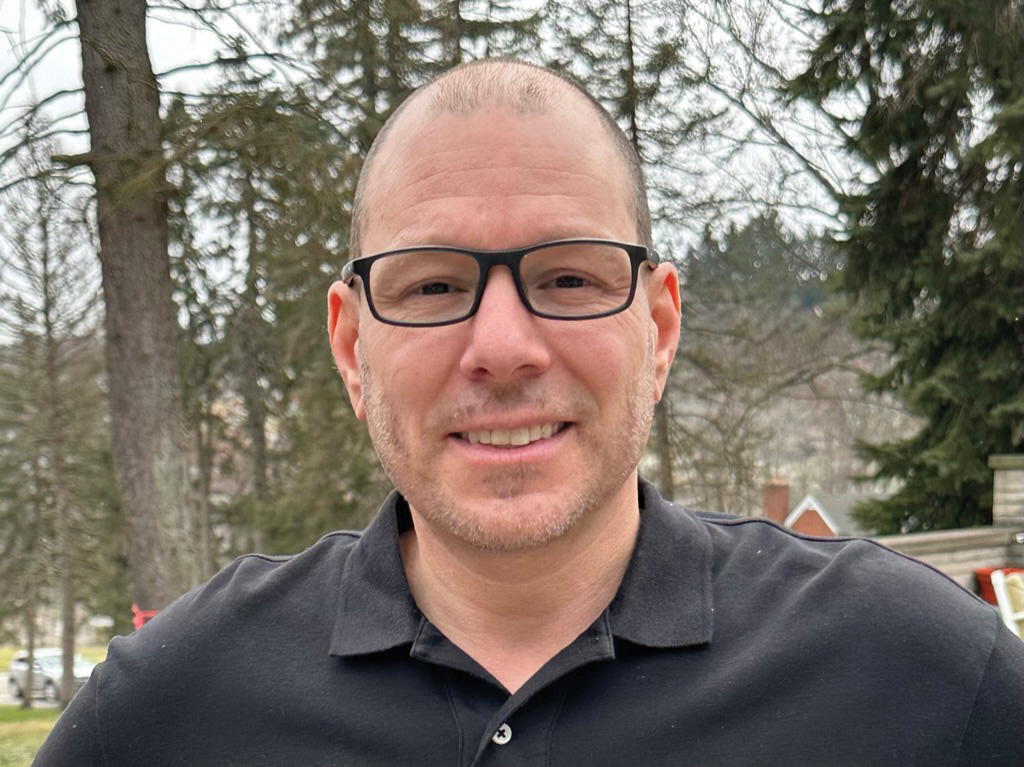
Joey Pagano
"Joseph Pagano is a husband, father, son, therapist, professor, author, social worker, and most of all recovering addict. His life has been dedicated to helping persons that struggle with addiction. This book is a tale of how we should never give up on someone no matter how bad the addiction is we learn to love people until they learn to love themselves. It is truly a tale of no addict left behind.
"
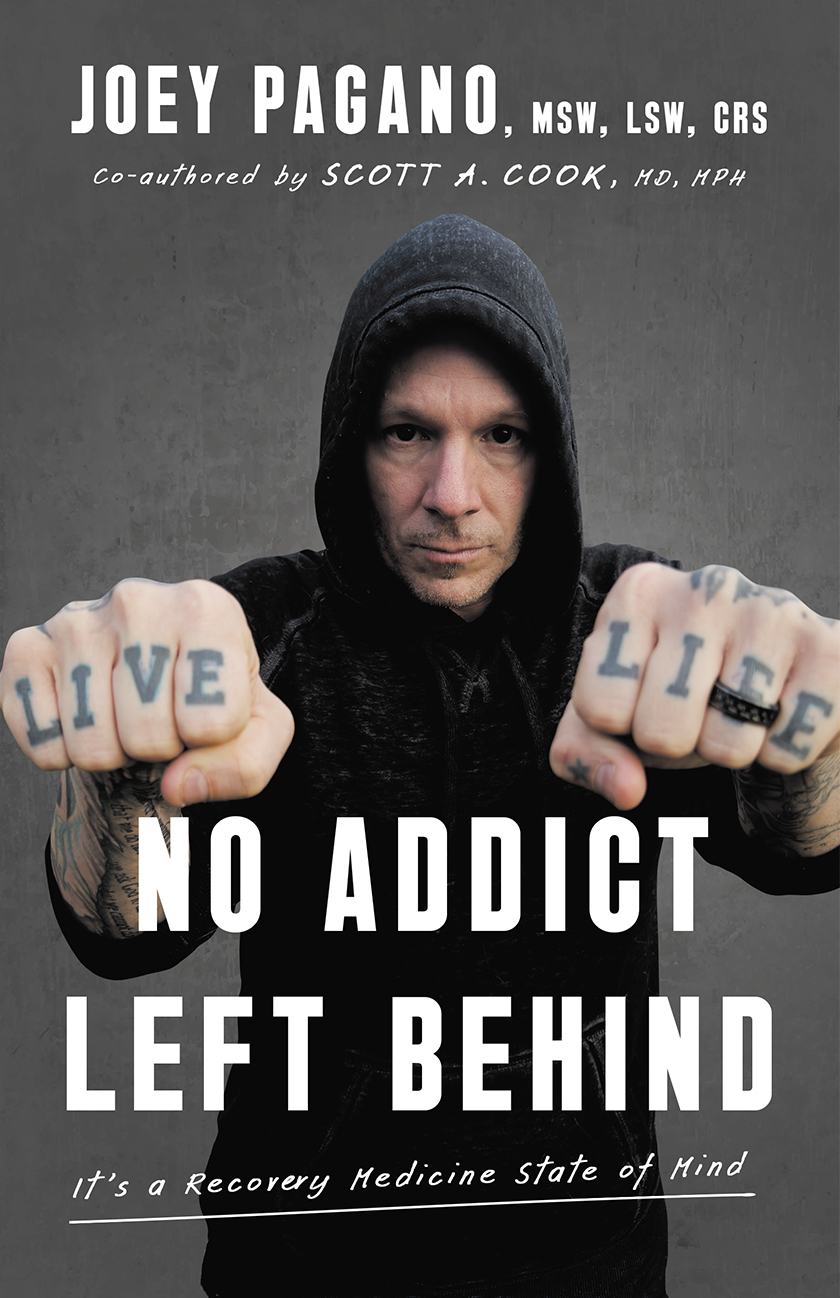
📚 Books by Joey Pagano
Transcript
[0:00:35] HA: Every addict lives in a war zone. My next guest was no exception. Homeless, penniless, and filled with despair, he routinely fought for his life. Welcome to the Author Hour Podcast. I’m your host, Hussein Al-Baiaty, and I’m joined by author Joey Pagano, who is here to talk about his new book, No Addict Left Behind: It’s a Recovery Medicine State of Mind. Let’s flip through it. Hello Author Hour fans, welcome back to the show. I have a good friend of mine today, Joey Pagano who is here to talk about his new book. I’m super excited. Joey, thanks for coming on the show.
[0:01:16] Joey Pagano: Man, definitely glad to be here and look forward to the show.
[0:01:18] HA: Yeah man. On this show, my goal is to always, of course, talk about your book and your work, which I think is amazing. Man, I found myself swimming through that book, it was so, just kind of pulls you in. Your story is very fascinating and you go into depth. But before I go into the book and you know, with all the amazing advice that I’m sure you’re going to leave us with. I’d love to give our listeners a little bit of a personal background if you – maybe like, where you grew up, what was that like for you. Maybe a person or an event that led you down the path that you’re on now that sort of shape-shifted your work and what inspired you to write this book.
[0:01:56] Joey Pagano: My name is Joey Pagano. I’m from a little community, it’s called the Mon Valley named after like, Monongahela River in Southwestern PA. It’s about 30 miles south of Pittsburgh and it’s, you know, the economy used to boom. We used to be called the magic city but addiction has plagued this place where there’s no magic left. Addiction just runs rampant in this town. So I grew up here and I grew up from a good family but it’s still a dysfunction in there and everything where addiction just took over. So you know, the event that kind of led up to that was, I mean, my whole entire high school life is bullied all throughout that high school and addiction, as much as it was, we’ll say a con, [but] it was also a pro, it kind of like preserved me through some of those years and helped shape me into who I am today.
[0:02:49] HA: Sadly, you know, those experiences, numb out that pain of yeah, being picked on, you know, joked about, judged, there are so many layers, right? And yeah, when you’re in an environment where that’s what’s conducive, you’re going to lean into that and I can relate to that to a degree. I didn’t necessarily go into usage or anything like that but man, my thing was like, art, like, my father was a painter and all that but that’s where I poured my heart and energy because growing up a Middle Eastern boy, man, in high school and middle school, the days weren’t fun bro, you know, learning English and I get it. Man, you just come from a different place in the world, and people don’t understand you. Your culture, your background but then over time, things evolve, and when I started pouring my energy into creating art and just you know, going, playing outside like getting out of my habit, things started to look up a little bit but I want to know sort of, what else led you down this path? What happened as you started using and kind of getting through high school, what happened next?
[0:03:52] Joey Pagano: You know, I got through high school and I made it through there, and see, I barely graduated. So I really couldn’t see a future and my life was just getting shaped and I decided to just go in the Army, you know? I was like, Well maybe I need to be a veteran,” and I wanted to be, you know, just something because I always had dreams but I just, you know, I wasn’t sure, right? I wasn’t sure what I wanted to be. I entered the military and you know, I thought I was doing well, but I didn’t realize that I was an addict, right? And I had this like, this addiction that carried me in there and you know, that’s where I started experiencing like the stigma of addiction on a grand scale. I mean, I found myself where you go in the military and like, drink and becomes just socially acceptable and in fact, you’re like, urged to drink, I felt like. Party with one of the guys and then, next thing you know, I was getting kicked out of the military and received an other-than-honorable discharge for any veteran, that’s a scarlet letter. I actually put that part in my book where they just drop me off, they said, “Listen” they labeled me, right? They gave me that, “You junkie” and I didn’t even know I was an addict. I didn’t know anything about recovery, nothing. It was, “Here you go, we’re going to drop you off on the side of the road on I5 and I think I was 20 at the time, maybe 19, 20 and you know, I’m a kid. You don’t know you’re an addict, you don’t know anything and you got to walk like 30 miles to like, Seattle, just imagine that.
[0:05:27] HA: Wow, that is horrendous, man, and unfortunately, when we hear these stories about the military and it’s one of those things is like, the idea of being responsible to the people that are in your community and so you know, if someone, the fact that the services weren’t offered or the necessary like, would drop off at like a rehab center or if there are rehab centers that are connected to VAs and hospitals, right? That, hey, sometimes, these places aren’t conducive for everyone. Like for example, I dislike math growing up, like, you know what I’m saying? That was like torture to me but in art class, I could be there all day, right? Because of, and I get it. Sometimes you got to bounce out of your comfort zone but not every environment is for a specific somebody and that environment can really push somebody to those limits and they may not know that. So, to hear your story about being just dropped off, I’m glad you brought that up. It is hard man, it’s so hard to hear and so hard to know that that’s something that sadly goes on. So tell me more man, what advice did you start receiving? What happened to sort of start shafting where you were and where you were going?
[0:06:39] Joey Pagano: You know, I found myself, you know, even after that event just back in you know, my town called Charleroi, which is around Pittsburgh, Pennsylvania. I found myself there, not knowing I’m an addict, not l knowing I have an addiction, not knowing anything about recovery and I suffered for like 20 years. You know, 20 years in that. I always say that hell isn’t just a place you could go, it’s what I carried around for decades. I had to go through a lot of hard-won experiences and I had to realize that in my life, my struggles didn’t define me. They refined me into who I became, right? So I found myself in you know, some utter desperation and then like, surrendering and changing my life through, you know, a very hard-won experience and I just wanted to just change my life and along the way, I tried many times. I tried many times to stay clean, you know, different treatments when I found that there was such a thing as recovery. So my life evolved and there were a lot of persons in my life that helped me get through certain areas that kind of preserved me through those decades of just active addiction, you know?
[0:07:51] HA: It’s an intense sort of journey. So what advice would you give someone who is struggling with addiction today or has a loved one who is struggling and how can your book really help them on that journey? Because I know there was a lot of that sort of emotional work around family as well. So can you go there a little bit and share about that experience?
[0:08:11] Joey Pagano: Yeah, no problem. That’s what I think, when I hear a lot of talks on addiction and I know just in my clinical work as a licensed social worker and working in drugs and alcohol for a long time is the families just get missed, you know? But the truth of the matter is just like one of my chapter says, addiction is a family disease. One person uses, the rest of the family, right? We hurt and they go through these, you know, the same battles, because right? Addiction is like war and all that shrapnel gets thrown on those family members, the people that love us through our process. So I wanted to focus on kids, I wanted to focus on the parents. If you have a loved one out there, it’s about not giving up on them no matter what and it’s about they might not be clean, they might not get clean, right? In the time that you want them but don’t give up. Don’t shun them. To the best of my ability, I tried to like, open my heart and pour some of my experiences so that other kids, right? And other parents can just maybe feel those experiences and they can reach out, right? They reach out and touch them and they could maybe identify if that situation is applicable to them and they could say, “Huh, that’s what we did” right? And like I said, recovery is individualized. So is parenting. So is being a child and it’s about just, you know, if our child doesn’t do something the way we think they need to do it, we still love them anyway. It's no child left behind and likewise, right? It’s no parent left behind and that’s what I did. I pulled those experiences and I also interviewed my mom, right? As I said, if a parent reads this, what are they going to want to hear? They’re going to want to hear a mother tell their story and so my mom told her story, I’ve woven it in and in the first person and for a reason, so another parent can identify and they can understand this. Listen, you’re not giving up by loving your child from a distance, you might have to love them very far away and you might have to learn that no is a complete sentence but you still love them.
[0:10:25] HA: That’s so powerful man and just kind of bringing that closer, right? And using it as fuel is so powerful. I’m glad you brought that into your book because, yeah man, I mean, whether we’re struggling with drug or alcohol or gambling or really, any sort of addiction, right? Or just, I mean, hell, it could be anger, right? And that’s not necessarily an addiction but that’s just like a behavior that people around you can really struggle from, and so I’m really glad that you brought that into your book and the dynamic of it. In your experiences, what are some of the most effective methods for overcoming addiction and maintaining sobriety, and how do you relate that to unique insights and perspectives maybe that you offered in your book?
[0:11:11] Joey Pagano: It’s just like applying some principles or like trauma-informed care. I mean, being a clinician, it’s about just meeting people where they’re at, not where I’m at. It’s that theme, which is just being able to step out of whatever I think is best for them. I might be a clinician, along with my coauthor, Dr. Scott A. Cook, he’s a physician, so we have our specialties what we think but once again, recovery is individualized. In the solutions chapter, we break that down into social work, family, and medical but once again, we don’t know the best solution for everybody. There is no cookie-cutter process for recovery. So we use that like our experience like the social work, it’s about listening — we meet someone, we practice things like harm reduction, it is using principles of trauma and form care as I said, like self-determination. I tried to throw stories in there that separates me from any specific modality of recovery including my own because I don’t represent any modality. Just because I’m in recovery, it doesn’t mean that I represent that or I know what’s best. It means that I just wanted to share those experiences and the social work, it talks about those principles. It talks about, through data, I have published manuscripts where it focused on the efficacy of different things. The family, it talks about my mother through the experience, like she had to learn discernment like that tool. She had to learn how to be able to step out of situations and say, “You know what Joey? You’ve hurt me long enough.” “I’m going to love you but I’m going to love you from way over here” and that’s kind of like the tool that we use and Dr. Scott Cook, he covers the medical solutions, which is, it’s more of just, you know, these are the tools in the toolbox. It depends on where you’re at in your treatment, your recovery, of what tool you need, and sometimes, that tool might not work with you but all we have is an outline and that outline is what guides us.
[0:13:17] HA: Man, I love that. Dr. Cook is amazing, I’ve had him on the show too, so I am glad you mentioned him and his work is remarkable and I think yeah man when you have people around you that think in that way that perform in that kind of way, you start to really lean into that kind of information. It starts to shape-shift your mind and how you see yourself and then other people and I love that you are also on the journey, right? You know, you still say that. It’s like there is not an end to this road, it’s an ongoing thing, we’re all trying to navigate it in our own way because every single human being has that specific unique experience to them and it’s really untangling all of those things but even if you untangle them and they’re perfectly ordered in front of you, they are still there, right? Now, you have just created more space to be able to process and I think that’s beautiful and that level of awareness that you start to rise through is also very beautiful. Yeah man, how do you intend to help readers find the sense of, in a way, acceptance, peace, and hope in the face of addiction?
[0:14:18] Joey Pagano: That is such a good question and I get asked that many times and the purpose of my book is let readers be able to transform in these stories if they are applicable and to let people really see what the stigma, like where it’s at in these different areas, right? So I wanted to apply to all these different professional roles whether you’re an addict or if you are an addict reading this, you could see the lesson like, “We’re not going to give up on you no matter what” right? Your purpose is just to know that you are not alone and other people have been on the journey and it is possible and hopefully, whoever is working with you, they’re not going to give up on you because I’m not, and maybe if they are a professional, maybe they’re a physician, they’re going to know that their stigma, the stigma in an ER because I threw those experiences when I overdosed, they’re going to know that that’s real, okay? Maybe the theme they’re going to take from that is, “Wow, they hear all the horror stories and you have all the people that try to go in an ER and abuse the system and all that but listen, an addict is a person and they need love and they don’t need to be judged and they need that professional to step off of their high horse and just understand and just hopefully, just know the impact that stigmatized whatever, the verbiage they’re saying, how it hurts someone. I want them to learn and get that knowledge and hopefully, they could learn from that and if you’re a parent, you know, the theme is very similar. It’s about just don’t give up on your loved one, whether that’s a parent, whether that’s a child, it’s about I got clean, I don’t know, the 25th, 26th time, right? If they would have given up on me, I wouldn’t be here. So that’s the theme, it’s about meeting people where they’re at not where that person is and it’s most of all, don’t give up on someone because it is truly no person left behind.
[0:16:19] HA: Man, I love that so much because here we are, you know, I wouldn’t say I’m the most religious Muslim in the world. I would say I’m Muslim-ish, right? We are in Ramadan and it’s a beautiful month. I used to always ask my father and my mother, “What is Ramadan? Why do we do this? Why am I not eating all day?” He’s like, “It’s not just about the food, you know it’s about your mind where you say what you resist, what you’re able to.” “You know, are you able to be lured by temptation?” and the more you can resist, it’s a practice. It is not that you would never give in to that sugar or whatever, it could be a drug, whatever it is but if you can learn to build those layers of resilience, as you get older, you get better at them because those temptations aren’t going to get weaker, they’re going to get stronger, right? So it is a very powerful thing but I was very fortunate at a very young age that I was taught I wouldn’t say the most effective tools in the world but there are just some tools, there is something I had to work with, right? The other thing about Ramadan is that it gets you to think about people who are in less fortunate situations and that’s the idea is that when you do see someone who is struggling on the street or whatever it is or there’s someone struggling, you have dissonance and realize that, “Oh that person is going through something.” So the idea is to grow compassion and see yourself from that perspective, right? If you are hungry all day you now know how it feels to be hungry and out on the street trying to survive, so you have more compassion, and your urge to want to go help those people goes through the roof, right? This is what I love about your type of work, your line of work because you really put yourself there every day to not just show up with just the tools and your education and the doctors and the peers that you have. But really just to show up as a human and just say, “Hey man, I see you” or “Hey woman, I see you” or “Hey mom” or “Hey father” you know what I mean? I just commend your work man because it is, you know, it is not easy. It’s hard on the soul, you know I just found so many of your stories so compelling and so I understand that acceptance is a huge one. I mean, even for me going through the traumatic experiences that I’ve had. But with that, I know writing is a journey. Man, it’s no joke, it is a huge journey. What was your favorite part of pulling your book together?
[0:18:33] Joey Pagano: Oh wow, just listen to how it came to fruition because I think that is the most – I get excited just you know if people ask me that. So it’s 3 am and just picture this, I am getting a shower, I try to focus because I’m in my doctor’s social work. I am in schooling, my recovery, my wife’s in schooling, my kids, all these stressors, right? You know where I work, in the trenches, right? So I close my eyes in the shower, and I open them up. I say, “I need to write a book” and like I said when these thoughts come like Scott and I or Dr. Cook and I, we normally talk through messenger and we’ll dictate. So I ran out of the shower, and I dictated this. I said, “Scott, we need to write a book and we need to write it now and we need to share our beliefs about just never giving up on someone,” and I sent that and I said, “It needs to be called, No Addict Left Behind, it’s a recovery medicine state of mind.” You know, we love Jay-Z, right? We love Empire State of Mind, so we kind of put a spin on that.
[0:19:34] HA: It’s a state of mind, yeah.
[0:19:36] Joey Pagano: Yeah and that’s how it happened and then the next thing you know, right? It’s like three, I woke up four hours later. I went to sleep, and woke up, right? My wife looks at me, “What are you doing up?” I said, it was like the Blues Brothers moment, I said, “I’m on a mission from God.” So I ran downstairs, I’m writing and I wrote the book in like two and a half months, collaborating with Dr. Cook, and listen, this is on top of writing tons of papers because I knew. I knew that people needed to hear some words that it’s about never giving up and I’ll tell you what and my purpose, I said, “Scott, we’re going to save as many people as we can and I’m not going to stop and these words are going to fuel me and they’re going to fuel other people. Hopefully, they could identify with these stories” and that moment changed my life. I almost got divorced three times in the matter but it changed my life.
[0:20:30] HA: So powerful man, so powerful, and this idea of just you caught this bubble of inspiration and you just went for it and it’s sometimes it is that overthinking about that message and not taking action that holds us back but in that moment, you took action. It didn’t hold you back, you sort of recruited the people that you knew were going to help you and that’s so powerful. What’s one thing you hope your readers feel when they put down the book after they’re done?
[0:20:59] Joey Pagano: I just hope they feel some love and they know that you know when you read some of those words that especially if you could identify in one of those situations that maybe I went through or maybe what Dr. Cook, his words in the book that, you just feel that love. These words, they just hold special meanings in our hearts and I’m hoping they could just feel the passion and the love and the empathy and the compassion that I try to feel on a daily basis.
[0:21:34] HA: That’s so powerful, man. I love that. You really channeled your story but not only that, you know, like tips and advice and really heartfelt message throughout the book. Joey, thank you for sharing your stories and your experiences with me. The book is called, No Addict Left Behind: It’s a Recovery Medicine State of Mind, love the title. So besides checking out the book, where can people find you, Joey?
[0:22:00] Joey Pagano: All right, on April 25th you can get this book on Amazon.com, yes, and you can also look for me on my website, noaddictleftbehind.life. There is a little blog about the book, you’ll find all the information and I’m on all the social media handles. All the information, I will push you to Amazon on April 25th and you’ll find me, Joey Pagano, @gratefulandclean on all those sites. Yeah, I can’t wait.
[0:22:29] HA: Love it. Thanks again, Joey. I appreciate you having on the show, man, your story is compelling. Thank you so much.
[0:22:34] Joey Pagano: All right, thank you.
[0:22:36] HA: Thank you all so much for joining us for this episode of Author Hour. You can find, No Addict Left Behind: It’s a Recovery Medicine State of Mind, right now on Amazon. For more Author Hour episodes, subscribe to this podcast on your favorite subscription service. Thanks for joining us, we’ll see you next time. Same place, different author.
Want to Write Your Own Book?
Scribe has helped over 2,000 authors turn their expertise into published books.
Schedule a Free Consult