Michele Smith: Episode 1169
Read the full transcript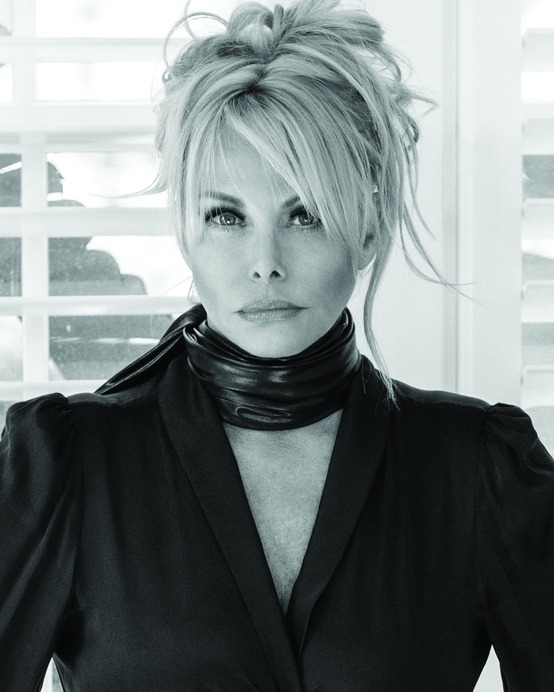
Michele Smith
Michele Smith is the former host of American Thunder, one of the longest running motorcycle lifestyle shows of all time. She is also the designer of Jeweled G’s, her patented g-string which she sold at exclusive boutiques in the US and Europe as well as Victoria’s Secret stores. Michele has always considered herself to be an untamed spirit and her main love has always been travel. She loves seeking new adventures and meeting people from all walks of life and believes no one can teach you in a classroom what you can learn from the experience of travel. And with travel comes stories and she has many to tell. Michele is currently based in South Florida.
📚 Books by Michele Smith
Transcript
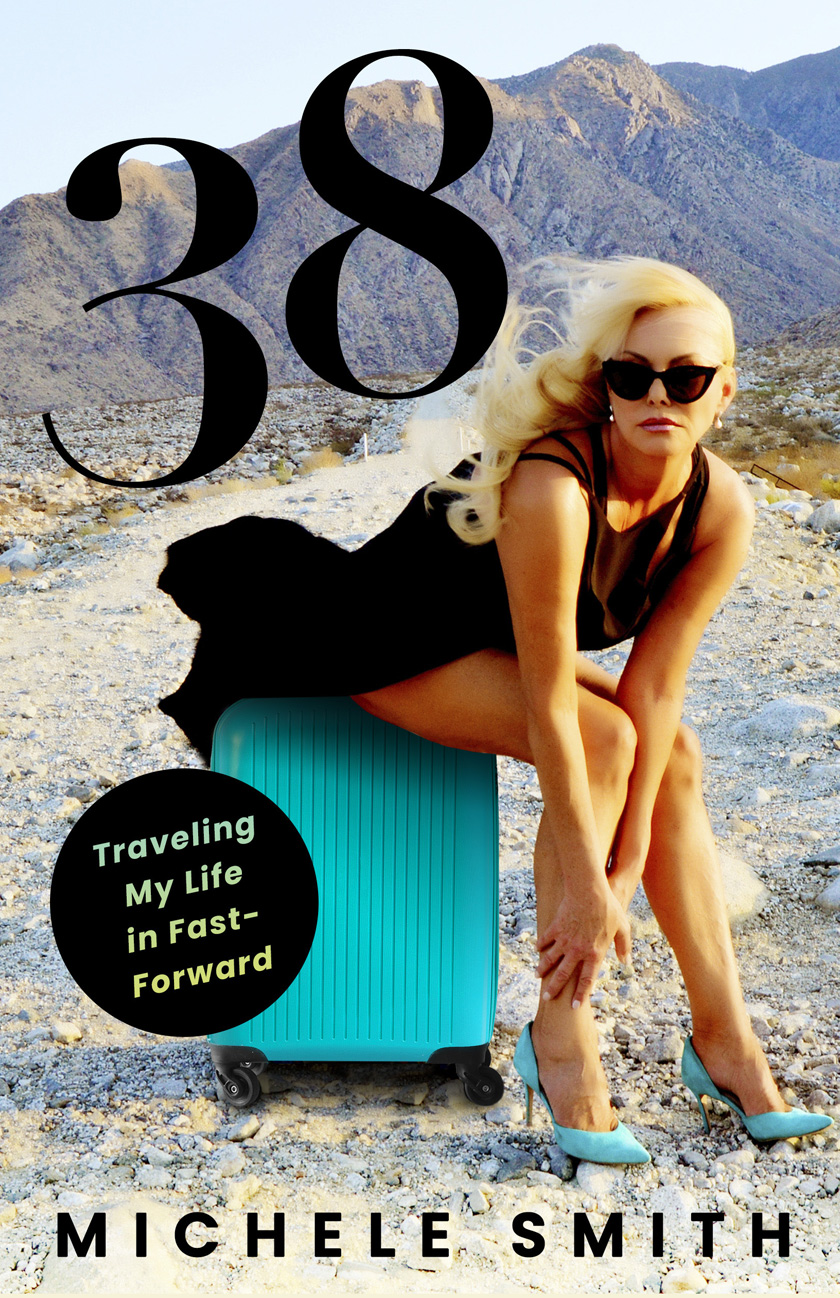
[0:00:42] HA: Imagine believing from a young age that you would die at 38. How would you live your life differently? This belief drove my next guest to live her life in fast forward. The former model, actress, and host of American Thunder shares the adventures that arose from her certainty that her time on this earth was short. Welcome to the Author Hour podcast, I'm your host Hussein Al-Baiaty and I'm joined by author Michele Smith, who's here to talk about her new book called 38: Traveling My Life in Fast-Forward. Let's slip through it. Hello, friends. Welcome back to Author Hour. I'm here today with a very special guest, my friend Michele Smith. Michele how are you doing today?
[0:01:28] Michele Smith: I am doing great, Hussein. How are you?
[0:01:31] HA: I'm doing so good. I'm super excited to have you because you wrote an epic book and I love the title and I'm going to share it. It's called literally the number 38: Traveling My Life in Fast-Forward. Immediately thought, why 38? But before we get into the book and all the juicy stories and experiences, I really want to just tell people a little bit about who you are, where you grew up, because you have such humble beginnings and you have such a powerful story from a young age. But I really want to start there in Pennsylvania and walk us through a little bit of that childhood, if you don't mind.
[0:02:09] Michele Smith: What would you like to know exactly?
[0:02:11] HA: Well, I'd love to know a little bit about where you grew up and the events that happened and how you grew up into thinking and feeling like, I need to travel, I need to get out of this bubble. There's a very interesting correlation, I just wanted you to share I guess a little bit about your childhood and where you grew up, what that was like for you.
[0:02:32] Michele Smith: Well, I grew up outside this capital city of Harrisburg, Pennsylvania in a small town. I knew pretty much from a young age when of course my mother died when she was 38 that's pretty much the preface for the whole book is that I knew that my time on Earth was short because she died young. If you see your mother die at 38 you can never imagine living past that age. At one point or another in my life and it was probably maybe when I was 13 or 14 and seeing my mother pass away, my grandmother passed away, friends, whatever. I said, “You know what? Life is short and I have to leave this small little town and get out and see what the world has to offer.” Because we don't know how much time we have, we don't know. I pretty much live my whole life like that. Like, I got to go. I got to see things. I got to experience new cultures and see what's out there.
[0:03:37] HA: That's so powerful. I think that measurement of just saying like, that's where the ending is, so how am I going to live? It's so short, right? It's not that long. And the reality is whether it's 38, 58, 108, I feel like, it's not long enough. You know what I mean? Because there's so much life to live. When I was young, unfortunately, there was the Gulf War that happened and we ended up being refugees. I share this story a lot, but it's one that I feel connects with other people, because that for me was how I believe youth must have felt in that life is short, because everything was taken away from us, right? I was lucky to just have my mom and dad in this refugee camp with my siblings, right, like that was what you are grateful for. But then when life opens up and you move and you get to grow up in America, I just look at everything so differently, and opportunities await literally at every moment. I've always lived from that space and I found that it's interesting that you got there obviously very young, as well and that I want to live life fully. What happened? Walk me through post high school. I know you thought about becoming a model, an actress and you eventually get into that world, so can you tell us a little bit about that journey.
[0:04:54] Michele Smith: Well, I hated school. I knew, I wanted to just leave. I always wanted to leave. Like, I think where I grew up it was a great place to grow up, but it was a great place to leave as well, because I needed to broaden my horizons and I didn't want to be stuck in the same place doing the same thing that everyone else was doing in the town. Yeah, I knew from a young age that I wanted to be a model. Don't ask me why I even thought I could back then. It had a long ways to go, trust me. But I just said, “When I'm done with high school. I'm pretty much out of here.” I think it took me a few more years after high school. I went on my side trip. I think - as I mentioned in the book - to New York City. I hopped a bus and went into the modeling agencies. I did local stuff and pageants and things like that. I just knew that I wanted to live a life of travel. I knew that one way to get there was by modeling. I would see – open a magazine and I would see these exotic locations and these women getting to do these jobs and blue waters, and sandy beaches, and wherever. I was like, “You know what? I want to do that and I'm going to find a way to do it.”
[0:06:15] HA: It's so powerful to me how many people whether they turned on the TV, flip through a magazine or read a book. Something about those experiences ignite a part of our imagination. It's almost like, “Oh, this is the gateway to what I want to do.” It's just that I have to go through this modeling thing or through this acting, whatever it is, speaking, making art, but really what I want to do, right, for you was to see and explore and meet people which was, obviously is a huge part of that experience of travel. You get to meet so many different types of languages, people, colors, right? All of those cultural things that I feel, sadly even with how expansively connected we've become, we still have that yearning to travel, to go to that place. When did you start actually getting into that world and start going, okay, now I get to go to Greece or now I get to go – or do you just start traveling like, within the United States, and then it started expanding from there? What was that experience for you?
[0:07:24] Michele Smith: Actually, one of the first places I think I went was the Caribbean with a friend on a boat as was mentioned in the book when I took off on the sugar cookie and scared the crap out of my dad. That was one of the first places, but when I went to Los Angeles and I signed with Playboy models, they started sending me out on castings. One of the first overseas jobs I went on was actually Argentina. I went to the Puerto Iguazu Falls. I had a really amazing experience. I stayed there for a month. Another place they sent me was Indonesia. Again, I stayed for a month to six weeks. I took these jobs, yeah, okay. There was some pay, but the pay was hysterical. But I did it because I wanted to see the country, the culture, experience how other people live. I was curious about all that. I wanted to see it. Pretty much every job I took that was a traveling job, especially out of the country I took it to see the world, to be able to travel.
[0:08:34] HA: Yeah. I love that so much. It was under this not pressure, but just calling that at a specific time I'm not going to be around. Even though it pays little or even though this opportunity may probably not even pay I want to go experience it.
[0:08:49] Michele Smith: I think about it now where like I was sent to some of these locations. Yeah, I mean I had an agent that set everything up, but you never really truly know what to expect when you get off a plane in a different country like, especially, Indonesia. There's a guy holding a sign with your name and you're at his mercy for the next 30 days. Then he's asking for your passport when I'm like, “Hell, yeah. This is crazy.”
[0:09:17] HA: Yes. There are so many scary in a lot of ways like, what we are accustomed to and how we travel within the US is very free, right? But when you go across countries, you cross the oceans or even across the border things get a little bit interesting, a little more different. How did you deal? How did you cope with that fear as a young woman going out there and really not only exploring culture and all these things but also like, maybe protecting yourself, as well and caring for yourself and ensuring your safety? Because I know a lot of people that's the thing that stops them from travel is the fear. How did you navigate that?
[0:09:57] Michele Smith: I have more fear now than I did back then. Back then, I was just, “Hey, I'm seeing the world.” I'm young. I'm in my 20s. I'm doing this, doing that like when I was in Bali and I got this guy he was one of the guides. You pay him 20 bucks and you spend the whole day with the guy and he takes you up high into the mountains through the rice patties or whatever in Bali. I look back now and I'm like, “Was I nuts?” I mean anything could have happened. I could have disappeared. Yeah, of course. But it wasn't really a time that you were thinking about that and there wasn't any social media to put the fear in you on things that maybe happen. I just went and lived my life. I mean, now I'm a little more cautious, I think because I'm older. But I keep going.
[0:10:46] HA: Yeah. That's really powerful. I think for me, I got to travel to India in college to go help on this architecture thing and coming from the Middle East, but I was young, right? It was a really rough patch. It's something I like almost wanted to forget, right? It was just not a great experience as a young human, but as I grew older, I started understanding a lot more things and when I got to go to India, I was young as well, but it exposed me a little bit to that fear. But then when I got over there, it was such an amazing experience, filled with some of the most loving people. I was just like, “Wait. What am I afraid of? I need to do this way more often.” Right? It's like, we just suffer a little bit more in our imagination. Like you said, there isn't that the tools today that we're so exposed to, almost overly exposed to the world in a way that it also creates this narrative that around fear and it plays into that a little bit. It prevents us from taking on those beautiful experiences. Yeah, from all the places you've traveled to, which one do you believe helped you connect with yourself the most? Why?
[0:11:53] Michele Smith: Probably, Thailand. Thailand is a very beautiful laid-back, just a chill place that has amazing food and some of the nicest people. I spent many days just sitting on a beach and relaxing and getting massages. Every night was like, after dinner a foot massage. I mean it was like five bucks for like an hour foot massage and whether it was one of the, as they called them back then lady boys doing it or anyone else, it's just, it was lovely. I mean I went to Thailand twice, actually. I went with some friends from Greece. It's a beautiful place.
[0:12:43] HA: Life is school. School is not in a box. I mean, you play around with that idea in the beginning of your book. I love that so much because life is a teacher. But in order to get those experiences you have to go live it, which is what you emphasize throughout your book. I love that. How is traveling, whether it be on a motorcycle across the United States or across oceans impacted your personal growth and development as a person? How did that transformation really impact you? Really, you got into entrepreneurship. You were doing so many different things that were really unique. What was that like for you?
[0:13:20] Michele Smith: I just think that through travel you just, you learned so much that maybe you wouldn't learn necessarily sitting in any class in a school. I mean, you see how other people live and sometimes they live amazing, sometimes they've got dirt floors in their homes. You go back home and say, “Wow, I'm lucky.” It opens your eyes to everything, the food, the traditions, whatever it may be that each country has that's unique and special to them. It's interesting to see that.
[0:14:00] HA: Did you feel a sense of connection to like, the deeper sense of connection to just what it is to be a human in that human experience? How it’s played out in different places of the world? Did you find that like, I found it, just like beautiful beyond measure? It felt like, I was – when you travel different places not only do you go to a different land, but you go to like a different planet almost. That's how I felt when I came to America. I'm sure it was like that for you in different parts of the world, but I've always felt a deeper sense of connection to humanity, because of my experience. Do you feel that way, as well?
[0:14:40] Michele Smith: I don't know. I don't know how to answer that one. I mean, I go to these places and I appreciate them. There isn't one place I can say that I went to that I hate or I dislike or because each thing is unique for what they have or what they might have to offer. That's about what I can tell you on that.
[0:15:09] HA: Yeah. No, that's totally fine. You talk about this amazing journey you did in Spain, it's like a pilgrimage. I've heard a few people talk about it, as well. I love that. What was that like for you? Where did you hear about this pilgrimage and why did you decide to take it on?
[0:15:23] Michele Smith: The first time I ever heard about the Camino de Santiago was in a movie with Martin Sheen called The Way. That movie came out in I believe 2008. I watched the film a few times, but the first time I watched it I was like, “Wow. That is a very cool experience.” You are walking this path or this pilgrimage it's a 500-mile pilgrimage, but there are, I think there was five to seven different routes you can take. You can – you walk which ones you want to walk. You don't have to walk the full 500 miles. I did it twice. I walked two different ways. It takes like 45 days to walk the entire thing, 30 to 45. Who has time for that? Anyway, I just thought that the movie was so cool, but I thought for me that there's no way. How would I do that? How would I sleep in a tent and be out there by myself? How would I even find the place and where is this place? I watched the movie and I forgot about it. Then in 2018, there was a lot of talk about it again. I would hear people talk about it. I was googling it. I'm like, “You know what? I think this is doable.” Because the more research I did, I realized that you don't have to sleep in a tent. Yes, a lot of people sleep in hostels that wasn't for me. I found a travel agent in Ireland that helped me book everything, right down to just carrying a day pack during the day and they forward my luggage onto the next hotel. You don't have fabulous hotels. You have very mediocre middle of the road, but it's like, who cares? You're walking all day. At the end of the day, you just want a place to rest your head and eat something. It was an amazing experience. We walked I think the first time something like 83 miles and then just this last September, I did it again. It was like 93 miles in six days. It's a very cool experience and there are people there from all ages, all walks of life. I would definitely, highly recommend walking the Camino at least once in your life. But be prepared for blisters.
[0:17:36] HA: Yeah. It’s a walk. Yeah.
[0:17:38] Michele Smith: It's a walk. It's not a race. I believe anyone can walk the Camino. I don't believe you have to train until your legs fall off. I don't believe that. You just walk at your own pace and you do what you can each day.
[0:17:52] HA: What did you get out of that journey? I mean, as far as – was it like spiritual for you? Was it more just a motivational thing? What did you get out of that journey?
[0:18:00] Michele Smith: I went to challenge myself to see if I could really do it because I wasn't sure. Before I left, you have all these people – I went with my girlfriend in LA and she had some people say, “Oh, you'll never make it. You can't do that.” Then I had the same like with a few people like, “Oh, my gosh. You're not going to do that. You're not going to make it. You're going to fall down. You're going to break a bone. You're going to da-da-da.” I was like, “Oh, my goodness. Really?”
[0:18:28] HA: Negativity. Yeah.
[0:18:29] Michele Smith: Yeah. It's like the more you hear that, the more it's like, “You know what? Screw you.” I'm like, “I can do this and I will do it.” I did do it. I had a unique experience in the old farmhouse that we had stayed in which was interesting. Yeah, I mean it was definitely a very cool experience.
[0:18:49] HA: I got to ask, I mean, obviously 38 was a very significant number to you, which not only signified when your mother passed but also this like this number that loomed in your mind. When you crossed that threshold, did you ever feel like the pressure to live life to the maximum come off or was it always, I guess did it dissipate or is it still there for you?
[0:19:15] Michele Smith: It's still there. I don't think it'll ever go away. I mean, I always say like, if you sit down and do nothing you're going to croak. I mean, plus on top of it, come on. I’m living in South Florida right now, so it's like, what do they call it? God's waiting room. No. Not for me. It's like, I just keep going and keep moving. I can't be like the other people here that – I probably shouldn't say that, doesn't go for everyone. Yeah, I know. I have to keep going. The thing is like, the weird thing is, is that I really am a homebody, but I say that, because when I'm home, when I'm in town then, yeah, I like to be home. Yeah, I enjoy it. I always find something to do, but when I go, I like to go as far away as possible.
[0:20:06] HA: I got to talk to you a little bit about your time as a host with American Thunder, which is this motorcycle show. It was I believe on the B network or whatever it was. This is like mid to late 90s. What was that like for you? What was it like to take on a show and really travel? Motorcycle game was crazy. I mean, it’s still is in a lot of ways. What was it like for you?
[0:20:29] Michele Smith: It was at the height of everything back then when they were building this crazy ass, raked out choppers and very expensive high-end. I started a show that was originally hosted before me by Chad McQueen and Michael Mattson. They were looking for a female host, so then I came along to do a show that I thought would go maybe a year. I mean it's LA. You get a gig and if you get a couple months out of it, you're good. But I had no idea that it was going to run like, I don't know 10 plus years 11, 12 years, whatever it was. I had a big following in the motorcycle industry. It was amazing. I mean for me the best part of it was being out at the events and meeting and greeting the guys and gals that came out, that wrode out. Of course, I had some of the same guys that would ride to every single event that I was at, just to say, hey and take a photo, and then they get on their bike and they'd ride five hours back home. It was a lot of fun. It was a whole lot of fun.
[0:21:36] HA: What was the number one thing you feel like you learned from that experience, as far as living the life in fast forward? What did it add to that experience?
[0:21:44] Michele Smith: The motorcycle show?
[0:21:46] HA: Yeah.
[0:21:46] Michele Smith: I learned that I had a whole lot of followers that I had and all over the world, because they had the show syndicated and other countries, as well. That the people that watch the show are the people that you got to be the nicest to, because they tune in every week to watch you and to support you. They're very loyal. That was great knowing that there were so many people out there that supported me.
[0:22:16] HA: That's amazing. You also turn that into a little bit of entrepreneurship, you created some products. You started getting those products into stores. You leveraged that in a way that is beautiful. I think something to learn from, honestly. I thought that was really cool. Can you share a little bit about your entrepreneurship journey?
[0:22:34] Michele Smith: Yeah. I actually had a patent on a G String. It was a G String that turned into a necklace. The product was called Jeweled G's. They were made with pearls and gemstones. I did very well with them. At one point, I think I ended up in a hundred and sixty Victoria's Secret stores with one of my styles. I was so busy at that time with the Jeweled G's and I'm hosting a show that I almost quit the show because I was so busy like working on this product that I'm like. Then one would slow down the other would pick up, so I juggled it. It was a busy time in my life. I loved it. I had my friends helping me until I had a factory overseas, so we had a lot of fun with it. I mean you'd pull up to a cafe in LA and you sit down and you put these out on a table to show friends and next thing you got 10 people, “Hey, where can I get these? What's this?” It was a good conversation piece.
[0:23:35] HA: Yeah.
[0:23:37] Michele Smith: For sure.
[0:23:38] HA: I love that you said that. It’s really cool. I love how these experiences started folding on one another and created opportunities for you, where you can, obviously create some income while the gigs would come in or while you take a pause from the show or whatever it was. Yeah, that busy time in life is very interesting when you have a lot of opportunities that, I feel like, just like you saw the world as open and free to you. I feel like that's how you start to see opportunities. I love that you really took that on and it made something of it. That's amazing. Where are you now? Where are you traveling to, next?
[0:24:13] Michele Smith: Well, I just got back two days ago from wine country up in Napa. I went with my little sister to celebrate her birthday. Yeah, we went out to Napa Valley. We went to about I don't know five wineries. Then we spent the day in San Francisco and walked around there. Went to the – did all the touristy stuff. Got on the cable car and the whole thing. Yeah.
[0:24:39] HA: I got to ask you, writing a book and of course writing a memoir is, in some ways, it's challenging, some ways it's really fun, but it is a long process, right? What was your favorite part of pulling this book together and what did you learn from that journey?
[0:24:52] Michele Smith: I think, the favorite part was actually writing the stories and how I was amazed that I could remember everything from 35-plus years ago. I think it was therapy in a way because I was writing everything, writing everything down, reliving it again through my writing. that was definitely, I think, the most favorite part. I didn't realize at the time, because I wrote this and it was like, “Wow. I wrote it in three months, four months, and gave everything to my editor.” I'm like, “Woohoo. I'm going to have a book soon.” I didn't know it was going to be two years later. It takes a lot of time to do everything. Yeah, it's pretty much two years from the time I started until April 11th.
[0:25:44] HA: Yeah. Yeah. But it's funny, because it's like it’s two years, but it's like compounding a life well lived. You know what I mean? And continues to live like, of course, right, I think when we sit down to write a book, we have a structure in our mind and the stories we want to tell or at least some of the stories we want to tell. But then, I think, for me personally it's the reliving those moments that like, I'll just take a break from like typing and just like sit there with that memory for a little bit. Just revisit it. There's a lot of beautiful experiences in there. I like that you shared that. The reliving the memories is also very beautiful, but yes it does take time.
[0:26:23] Michele Smith: The funny thing is, I didn't sit down to write a book, because you said, when you sit down like, I couldn't sit down for one second when I wrote this book. I was either walking, driving, talking into the phone, as I'm driving not typing, but I had to stand up. I had to be on my feet. I couldn't just say, “Okay, today I'm going to sit here and write.” Because nothing would come out and I couldn't think of anything. I had to be moving and doing something else and then everything would come to me. The minute I stopped moving, I couldn't remember anything.
[0:26:59] HA: Right. Well, it's interesting, because I feel like that aligns was just perhaps maybe your personality. That you create the experiences on the go, right? Even if you need to relive them, you need to relive them also in movement which I think is really interesting. It's really beautiful. If there's somebody out there that is has those feelings that you had when you were younger of like, “Man, I want to get out of my town. I want to travel.” Or maybe just someone who is stuck at work for the last few years and just needs to do something, would you give them as far as advice to like take that leap and book a little something and get out of the – at least the community you're in and go travel a little bit. What's the advice that you would give?
[0:27:41] Michele Smith: Remind yourself that life is meant to be lived and that you don't know how much time you have on this earth. Book the trip, just book the trip, put off something else, but book the trip. I don't care if you have a friend to go with you or you have to go on your own, because you never know who you're going to meet. What if no one speaks to you? Nine times out of ten I'm on a trip nobody talks to me. Do I care? No. Half the time, I don’t want to talk to them anyways. I just go. I enjoy myself. I always say, “I'm with my two best friends, me, myself, and I.” I am my own best friend. I remember years ago my first trip to Greece and asking a couple of friends, “Hey, you want to go to Greece?” “No, I'm not going to go. I need someone to take me.” Like, “You need someone to take you? Take yourself, geez.” And off I went. I don't wait for people. I've learned the older I get that I might ask somebody once now, “You want to go?” I'm not going to ask again.
[0:28:49] HA: Yup. Yup, exactly. I love that so much. My wife is originally from New Zealand and her dad is from Fiji. This summer they planned on going to New Zealand. My wife really wanted to go and a family thing and I'm like, “Let's do it.” She looked up some flights and now we're getting ready to go to Fiji in the summer. It's going to be remarkable. I just can't wait. Yeah, and it's the idea of like having something to look forward to that I think is like the best part, because now I can live and do my thing and do my work without feeling like this is all I'm doing tomorrow and the next week. But it's also working towards something and that something is just getting out to explore the world in some way. I just love that feeling.
[0:29:32] Michele Smith: I mean, it was rough during the pandemic, but you find ways to cope. You just find ways to cope.
[0:29:38] HA: Yes. Yes. That’s amazing. How did you cope in the pandemic?
[0:29:42] Michele Smith: I put a bathtub in my backyard. I sat out. I had this backyard bath and pretended I was somewhere else. Then the minute I thought I could get on a plane which was maybe after, I don't know. I think two months of like sitting here, I'm like, “Okay, I got to go somewhere.” I think I went to my family or something. Then I went to LA. Yeah, I went to LA.
[0:30:09] HA: Yeah. Michele, today having spent some time with your book yesterday and getting to talk to you today, I'm just so grateful, because you really brought up a lot of those great experiences of travel. The wonderful things that I've gotten to do with friends and family. I just really appreciated that about your book. You share such intimate deep stories of travel and not only why is it important, but why it's just a part of living and taking it seriously and just not taking it seriously in the sense of like, “I have to do this.” But really living in spontaneity and going with that wind, going with that flow. It's so beautiful. It's such a great reminder. Your book is remarkable. Thank you so much for sharing your time with me today. The book is called 38 the number 38: Traveling My Life in Fast-Forward. It's been an absolute pleasure. You can find a book on Amazon, so I highly recommend you go out there and get the book, but other than that, where can people connect with you, Michele?
[0:31:07] Michele Smith: My website is michelesmith.me, my name is spelled with one L. There is no hell in my Michele. It's M-I-C-H-E-L-E, so it's michelesmith.me and Instagram @38michelesmith, Facebook is the same, as well.
[0:31:23] HA: Thanks again, Michele. It's been an absolute pleasure today.
[0:31:25] Michele Smith: Thank you, Hussein. Thank you so much.
[0:31:29] HA: Thank you all so much for joining us for this episode of Author Hour. You can find 38: Traveling My Life in Fast-Forward right now on Amazon. For more Author Hour episode subscribe to this podcast on your favorite subscription service. Thanks for joining us. We'll see you next time, same place, different author.
Want to Write Your Own Book?
Scribe has helped over 2,000 authors turn their expertise into published books.
Schedule a Free Consult