Julie Whitehead: Episode 1179
Read the full transcript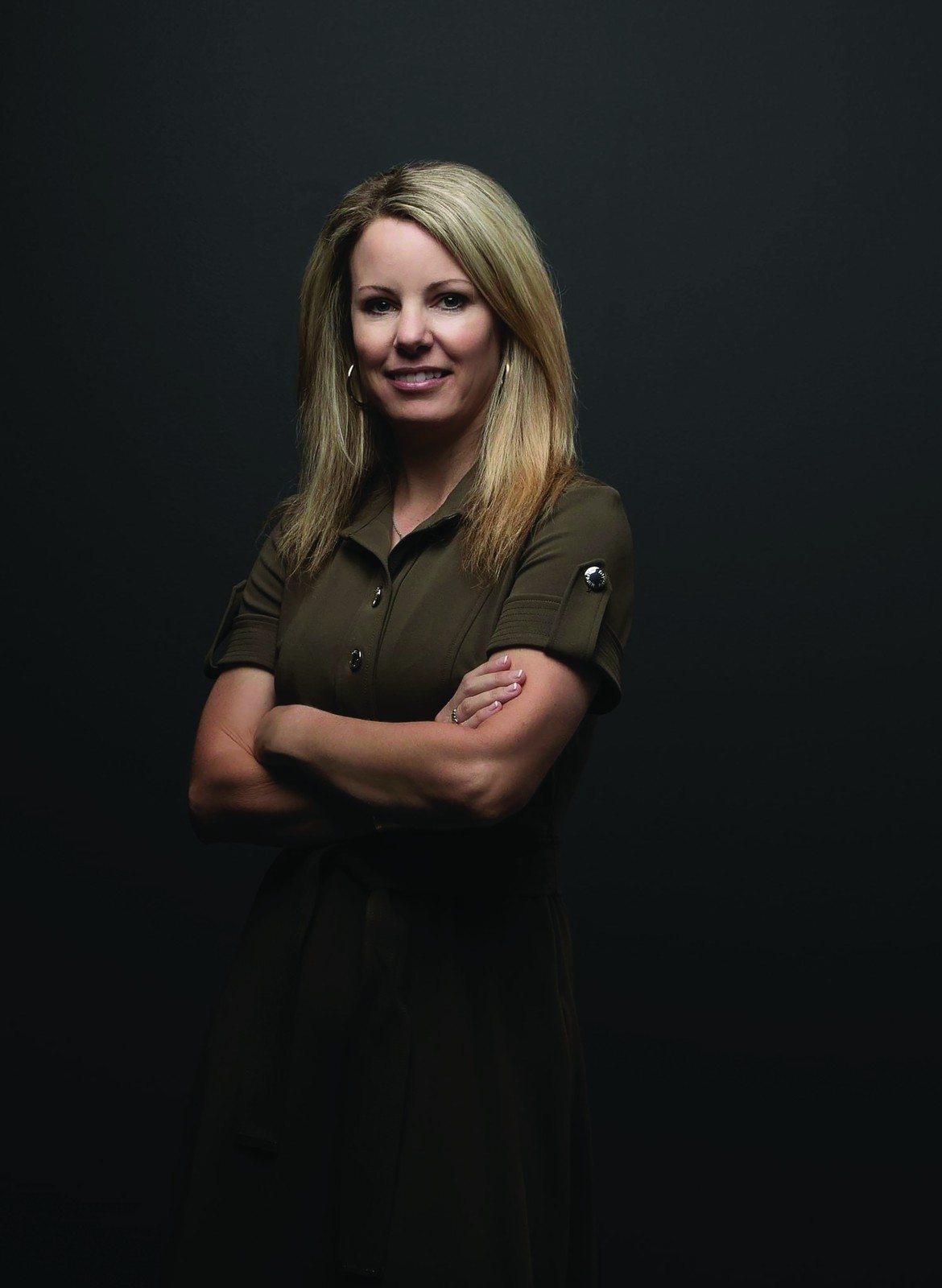
Julie Whitehead
Julie Whitehead is a survivor of 31 years of abuse, including child sexual abuse, domestic violence, and sex trafficking. Dr. James A. Chu, a nationally recognized researcher and professor of psychiatry at Harvard University, describes Julie’s experiences as, “one of the most egregious histories of lifelong abuse I have encountered.”
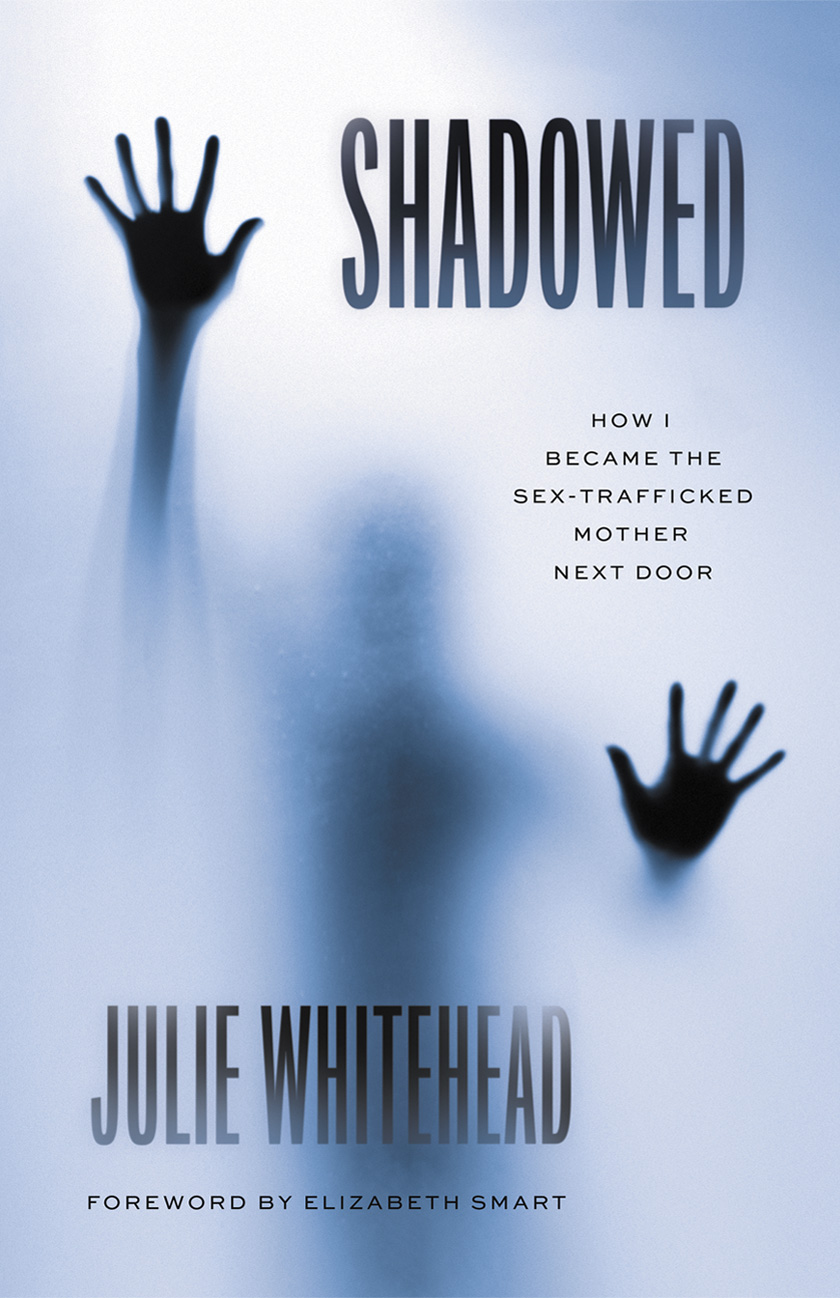
📚 Books by Julie Whitehead
Transcript
[0:00:00] HA: Before we start this episode, we want to caution our listeners that the topic we're discussing today may be triggering for some individuals. We'll be delving into sensitive topics that may cause emotional distress or discomfort. If you're not in a place to hear about these topics right now, we encourage you to take care of yourself first and come back to this episode when you're ready. Sex trafficking. For many Americans, it sounds like fiction. After all, who could believe that a preschool teacher was being transported against her will every weekend and being sold for sex in multiple US states out of the country, and even in her own home. Welcome to the Author Hour podcast. I'm your host, Hussein Al-Baiaty. I'm joined by author Julie Whitehead, who's here to talk about her new book, Shadowed: How I became the Sex-Trafficked Mother Next Door. Let's flip through it. Hello, friends. Welcome back to Author Hour. I have a very special guest today with me, Julie Whitehead, who has just written an amazing, amazing book about her life experience. She's here with me to share this life experience and her transformation. Julie, thank you so much for joining me today.
[0:01:43] Julie Whitehead: Thank you so much for having me. I appreciate it.
[0:01:46] HA: Yeah, absolutely. Julie, having sat down with your book and making my notes, I was moved, I was emotional, but I was also inspired. I was inspired by the courage that you took to pen your story out. But before we get into the topic of your amazing book, I really want to shed light on your personal background, perhaps where you grew up, what that was like for you, and what got you on the path that you're on now for transformation and giving back and helping people?
[0:02:19] Julie Whitehead: Okay. I grew up here in Utah. I've lived here my entire life in probably like a 15-mile radius. I've never moved really very far. I would say that despite my experiences, I was just a normal little kid. I was pretty shy, introverted. I still am. I'm the quietest person in the room generally. Sometimes we go to functions with myself and my husband and people will say, “Does she talk?” That's just me. That's just my personality. I'm just quiet and introverted, but yeah, I grew up here in Utah. Unfortunately, my experiences that I wrote my book about started in childhood, definitely put me on a path that led me to more trauma, so that wasn't so great. Where I’m at now, you talked about being the transformation. I've come through all of that trauma, the 31 years of it almost. I feel like I'm not one to say that I am healed. I don't even know that there is such a thing as healed, like, what is that? I'm definitely healing. I feel so lucky to be on this side of it, as far on this side as I am and going further, and just being able to now work. I work with a foundation called the Malouf Foundation based here in Utah, but they do work nationwide. I get to work with them and be an advocate for sexual abuse, especially talking about sex trafficking. I share my story and it's given me a lot of empowerment. Just feeling like I own my story, but I didn't create the things that happened to me. Those were done to me by other people. I'm going to let them carry that from now on. I'm just going to tell this story and be a little bit more free from it.
[0:04:32] HA: Wow. That's so powerful. Again, why I feel like you have such a courageous perspective in that, that you have defined the healing process as a balancing act and that it's a process. It's an ongoing thing. I could really appreciate that, because throughout my traumatic experience, having been a refugee, I can never really fully heal from those things that were taken away from my childhood and my innocence. I just appreciate your raw approach to this, because I find so much courage. I was inspired. How did you find the courage to share such a personal and deep traumatic experience with sex trafficking? Because it is an epidemic. Of course, you share this, it's an epidemic in our country and it's sad, but you are putting a voice and a story to it. Where does that courage come from?
[0:05:26] Julie Whitehead: A little bit of everything. My biggest hope is to create awareness, because when I was trafficked, so before I was trafficked, I didn't know what trafficking was. I had probably seen it in a movie and had some vague idea and thought it was like an overseas problem or something like that. But after it happened to me, and when I didn't learn that I had been trafficked until I was in therapy, when they said, “There's a name for what you went through. That's actually called sex trafficking.” To just realize how unaware I was, and I went through it, like that scares me, that there's so many people that don't know that it exists, especially right in our neighborhoods, right in our backyards. My biggest hope is to create awareness that people can watch out for it. They can watch out for each other and especially the most vulnerable in our communities. I think that the statistic is like 84% of trafficking victims have some child sexual abuse history. If we could look out for it then at the childhood level, maybe they wouldn't have to go through that horrible experience and be scarred for life, because like you said, and you know all too well, the things that you go through, they're never forgotten. It's not like you heal from them and they're just gone out of memory. They're a part of you. They make you who you are and some of that's good, because I feel like a stronger person, because of it in some ways, but of course, I struggle with it. It was a hard story to tell for sure. There's a lot of detail in the book. I've struggled. I've thought, “What am I doing giving all of these specifics out to the world and for strangers to read? Why am I doing this?” But I have to hold fast to the thought that if we can know what it is, and it's ugly and it's brutal and I hate putting negativity into the world, and I worried a lot about that when I wrote this book like, I don't want to just add negative to the world. I think in reading it and realizing that I did survive it and now I'm fighting against it, I think that there's hope for all of us, especially for those who might be going through it or know someone who's going through it or have had a past experience with domestic violence or childhood sexual abuse. There is hope. There is life on the other side of it.
[0:07:58] HA: It's so profound. I think that's probably the best definition of courage I may have ever heard, to be honest with you. Like, that was so powerful, because you took your childhood experience and the unfortunate events of leading into being sex trafficked. Then again, not even realizing it because you're just so in that world and not understanding what's happening. For me, it's very frustrating and very – there's a part of me, I think maybe as a male or just maybe how I was brought up and all of those things come to my imagination in that like, I feel like, I've always wanted to be a hero. I wanted to rescue people, because of the traumatic experiences that I went through in a refugee camp. I wanted to be Superman and just rescue everybody and have a solution for everything. When you're powerless, when you're just a kid, you have this imagination of being powerful, right? As we grow, what's interesting is that that experience in of itself actually makes you that hero, it gives you that power or those powers. What you defined just now is so powerful, because you've taken this really raw experience and turned it into a superpower to fight against this epidemic. How would you say your perspective on sex trafficking and its prevalence in America really opened up your mind to how big of a problem this? When you felt that, did you feel the urge to not only write a book, but of course join forces with other human beings that are also fighting this. What else did it open up for you?
[0:09:53] Julie Whitehead: I was right there in my community where I had lived and grown up. I was being sex trafficked on the weekends, primarily. Taken to different states, but all of them around Utah and the western states. I believe I was transported across the US-Mexico border once, or maybe twice. When it happened to me, I was just like, what is happening? How are there people that are doing this? How is this possible? I knew there was negativity and bad and evil in the world. I had grown up with it and had some of those experiences in my adult life, but I was just blown away by the next level of it, that people could be so mean to each other, and so dehumanizing and just see. I felt like they saw me as just an object and something to be bought and sold. How is that possible? I'm a human being, can't they see that in my eyes when I cried? Did they have no compassion? What's wrong with them? Why can they do this to other people? When I went through that and then after I escaped it, I was just shocked. I would be lying if I said it didn't give me a really bleak worldview for a long time. I saw people as potential — like a lot of the people that I was trafficked to, that were the purchasers or whatever you want to call them, the customers. I don't know what you – but they appeared to be normal people, you'd look at them and you would never suspect. When I came home, I saw that potential in everybody. You can't trust what you see in a human. You can't trust what they'd say. That was really bleak for a very long time. I went through some serious suicidality because of it. It just took time. The way I got through it, I had a really good support system. My husband is the most amazing, incredible, supportive human being on the earth. He saw me through it and my kids gave me a reason to keep going. Now being on this side of it, I just don't want to do that to people. It's hard when you have something so terrible like you don't want to take away people's innocence, but at the same time, innocence can be very dangerous. You have to know what is a threat and what is really going on, especially when it's at this level. Sex trafficking is the number two enterprise in the world, just short of drug trafficking. It's a big deal. It's going on everywhere. There is nowhere that this is not happening and no one that is not happening to. I was a mother of three. I volunteered with the PTA. I couldn't have been more of just the mother next door. It happened to me in my community and surrounding. I just think people need to just know about it and not be so terrified that they're drawn to inaction, but more so inspired to take action and be part of the solution like you said, you want to save everybody. If everybody could have just some of that feeling that you have, that I appreciate so much and look out for other people. If we can all be a community that looks out for each other, I mean, it could just – I don't have hopes of eradicate. I mean, I do, I would love to eradicate it. That's a big task, but if we can help solve the problem like, if we can get one person out of it. I know that sounds cliche, but if we can get one person out of it, then we have succeeded.
[0:13:49] HA: Your story is so powerful. It's not cliche to say one person, because that one person could be you, right? I mean, that's the thing. It's like no gesture is too small. In fact, that's actually huge to save one person, because then that person could probably go on and save too, like yourself, right? You're on the path of rescuing and helping so many other individuals, but you're the one, right? For me like, when I hear you speak about the impact at which sex trafficking is to me, it's at a scale of war, right? It's at the scale of causing displacement, causing refugees to be. This is not something people choose. No one chooses to be a refugee, no one chooses to be sex trafficked, no one. It's obviously unfortunate series of events that cause others to make this harm, right? Those people are obviously, I mean, they are beyond hurt. They're, obviously also very traumatized and take advantage of others. There's that evil, right? I think for me, looking at just from a perspective of war, this is what I related to. Things like this that happened to people that you wake up one day – I woke up when I was 15, I'm like, “Oh, my God. We went through a war.” It was just – so my parents lost everything, their livelihood, my dad, all of these deep things that you, when you're young, you can't put together. You just can't. Your imagination is not that powerful. I think as we get older, as we try to make sense of these things, they don't make sense. Nothing adds up, right? The math is so off. That really, it's like the only thing you have is the urge to want to help other people, because yeah, you may not solve the whole problem, but you are a part of the solution, especially having come out of it in a way, whether it was your partner that helped rescue you or rescued yourself. I mean, I think there's a balance there too, in how you transformed your way through it. What you're sharing is so powerful. Can you tell me a little bit about a time you felt like maybe giving up, and what kept you going?
[0:16:00] Julie Whitehead: There were so many times I felt like giving up. I mean, I wrote my first suicide letter at age 16. That was after my brother's best friend had committed suicide. I realized at that time that there was a way out. It was this pivotal moment for me where I thought, I don't have to do life. If it's too tough, if it's too awful, I can get out. I wasn't at my lowest end by any means. It was really after I escaped, because during my trafficking experience, I like to try to explain to people that it was actually easier to survive my trafficking experience than it has been to heal from it. That's not downplaying how hard it was at all, because it was intense. It was always a choice of life or death. I always chose life. It was just constantly making the choice to survive, to survive, to survive whatever that took. When I got through to my healing side of it, I had to choose what I was going to do with it. This has happened. I can't change it. I have these memories and these flashbacks and all of this stuff going on. I had to intentionally put myself back through it. I think you mentioned something about that earlier, where you're choosing to re-experience at how awful is that. Unfortunately, that's the path toward healing. That's been much harder. I had a point where I remember I was in Tennessee at the time at a treatment center. I was sitting by a river and I just thought, I can't do this anymore. I was so low. I mean, so very low that I couldn't think of a reason to continue going on. The only thing that kept me going was this deep, innate sense of self-preservation that my body and my brain had of just keeping this human being alive. I was so grateful for that, that just inborn sense to want to survive and keep yourself alive. It wasn't enough by any means. I had to have more than that, but at that moment, that is what it got me through, is just this survival of the species thing.
[0:18:30] HA: Wow, so powerful. Julie, you have the ability to talk about these experiences at such depth, which I think is what makes your book and story so powerful. I'm sure to a lot of other people probably relatable. You are putting words to an experience that people don't even want to talk about. Don't even want to think about, let alone brought up, right? But it's when we do that, it's when we revisit those stories. As hard as that is, that's actually where the healing starts, is that you look back and say, “Let me just look at this again and realize what I experienced and how does this even help me?” I think for me, looking back at my refugee experience, I always look back like, man, how fortunate I was to have just been a kid, because I had a great family. My mom and dad, I was so lucky. Brothers that fed me. I was five years old, six years old, running around with other kids in a refugee camp. I didn't know what the fuck was going on. It was just madness. But revisiting that and writing about it and getting into the book, oh, my God, I was in tears half the time. I was just, I would just start shaking. When I first started writing my book, it was visceral. My whole body was shaking, because I was terrified. I was terrified then. I forgot about being terrified, right? I was like, “Oh, I'm just sharing my story.” But really now I'm feeling the experience again. It's so visceral and I just really appreciate the level of depth that you go into. Like I said, I was totally immersed in your book. I didn't want to put it down. It was so powerful, because it shared such a pathway to like, light. How did you ultimately escape from your captures? What was that process of recovery like for you?
[0:20:24] Julie Whitehead: Well, it was really interesting. My trafficker had me so completely stuck as far as he was manipulating me. Of course, he had threats against me, against my children. He took photos and videos of the abuse and sent them to my ex-husband to use during a custody battle to try to help my ex-husband win custody. Ultimately, I did lose custody of my kids for a year and had to work to fight really hard to get them back half of the time. He set me up this one time. He said – he was a long-haul truck driver and that's the business that he used to traffic me. For whatever reason, he decided he wanted to purchase the truck that he was driving from his employer. He thought, because this is just the way he thought, that I would have better chances of successfully sealing the deal just because I was a woman. I could use my womanly charms or whatever. He basically told me, I mean, all along, it was never like, “Hey, do you want to do this?” It was always, “You're doing this or else.” He told me I would meet with his employer to do that, to seal the deal on him buying the truck. I went and I met with his employer and never met him before. I didn't know him from anywhere. It was the most incredible thing. So many people had seen me over five months I was trafficked and so many people had seen me with my trafficker, seen horrible situations and me being drugged by my hair, pushed out of a vehicle, jumping out of a moving vehicle, and yet nobody intervened. I don't hold any hostility toward that, because I just know that, I know that there's a lot of feelings of that's not my business. I shouldn't get involved. It might be a domestic violence situation or people just don't know how to react, maybe they panic. But so many people had seen me and done nothing. When I met with his employer, he saw me, like really saw me and he said, “Why do you look so scared?” He wouldn't let it go. He just said, “Something's not right here. Tell me why you're involved? What is really going on?” I wasn't fully able to just open up and disclose to him. Number one, like I said before, I didn't even know that I was being trafficked. I just thought I had this horrible relationship where he was sharing me with people. That's what I called it. I told his employer just a little bit. I said, “I'm in a violent relationship with him. I'm scared of him. He won't let me do certain things.” He said something to the effect of like, “This is America and nobody should live that way. You shouldn't be scared. You should be safe.” He ultimately got me free from him. He let me sleep on his couch. Several nights to be safe. He watched over me. He helped me get moved out of the apartment that my trafficker had secured for me, and because he was his employer, I think that my trafficker had a certain level of intimidation about him, so didn't necessarily want to mess with him too much. I had that level of protection. We actually ended up getting married, me and my trafficker's employer several months later. He ended up stalking us for, gosh, I think it was three years. He was just trying to keep the pressure on me to not reveal what had happened and it worked. I wasn't excited to tell anybody what I had gone through. I didn't know what I had gone through. I had repressed a lot of it, not to the point where I didn't remember it, but just compartmentalized it so that I could live in spite of it. Yeah. It didn't come out until years later in therapy that that's actually what it was, but my husband, literally saved my life and has been keeping me going ever since. He's my champion, my hero like you said, that you have a new, you must have a lot of same traits as my husband. He has that protective nature. He just wanted to take care of me and protect me ever since. He's done such a great job of that. With his love and support, I've been able to go down the feeling path.
[0:24:55] HA: Wow. What a remarkable man. I'm not going to lie to you. I got tears coming down my face, because first of all, what a courageous man. How beautiful of him to see through you in that way and helped you in that way. It's remarkable, because I think those are the things that I saw in my dad and in how he really wanted to save us and save our lives. I think that's what I carry today. It's so powerful to hear you share that, because it's something that we all seek in other humans to see through us, to see us whole, to see through our eyes and to our soul. I think it's so powerful. Shout out to your remarkable husband, because men that inspire me every day to be the human that I could be. I'm not perfect by no means. I mean, none of us are nor do I want to be. I just want to be human. I want to be loved, respected and divine. I think people like your husband is who I live for, you know what I mean? Who I want to make proud, because they remind me of my dad. Shout out to him. What a beautiful man. I'm so glad that your paths crossed in that way and he helped you in that way. I got to ask you what advice would you give to others who have experienced and are sadly, probably, currently experiencing sex trafficking? What's one or two things that you could give to them if they're listening right now?
[0:26:14] Julie Whitehead: Well, if you're in it, hold on. Fight, fight, fight. Never give up. Always choose survival. I have a lot of experiences that I feel really guilty for and I work through that in therapy, because I made a choice to do something to survive, but it's not a choice that I would have made in my everyday life, I would never choose that. I did things that I would never normally do, but I had to do it to survive. Make those choices. Choose survival. Then to those who are working through it, I guess just keep remembering that there is light on the other side of it. This can make you a stronger person. You already are a stronger person for having survived it. You're a champion. You've come through something that is so devastating and you're still here, and choose to fight through it and work through it. I promise you that there is healing. It's not easy. I'm not going to lie to you and say that it's easy. It's not. It's a choice every day to get up and fight, but you can have a beautiful life still. That wasn't taken from you. That was just put on pause for a while.
[0:27:27] HA: Wow. What a beautiful sentiment. When your reader picks up your book and begins to read through it, and after they put it down and they feel everything that you had gone through, what do you hope they feel after putting it down?
[0:27:40] Julie Whitehead: Number one, I hope they feel empowered to help. Empowered to make a difference. I wrote this book as I'm a volunteer and, on a survivor, advisory board for the Malouf Foundation. They have put together this training called, iamonwatch.org. My story is one of the modules in there. There's a lot of other survivors who shared their stories very candidly and that is a resource that you can go to. You can get educated on what are the signs of human trafficking and what to look for. When you're out in places that you work and you play, if you see something, and a lot of it is a gut feeling. I mean, when I asked my husband, “How did know?” He said, “It was a gut feeling.” He just had to follow it. I think all of us have seen something at some point or other that our gut has just told us, that’s not right, something looks wrong there. Then if you take the training that iamonwatch.org, you'll be taught even more signs of what people could have seen, what they could have done, where they could have intervened and what you can do if you see the same thing. I definitely want people to feel like I shared my story in a positive way, even though a lot of it's very negative. I want people to feel like, “Wow. Somebody can survive this and I can help someone else survive this, too. I can help them escape. I can help prevent it from happening.” There's so many stages that you can intervene in a person's life. If they feel a little bit more empowered to do that, that would be my greatest goal.
[0:29:25] HA: So powerful. Julie, I am inspired. I am humbled. I've learned so much today. You took me down a path that was honestly unexpected, because I just felt so connected to your story in some way, and just relationship to my story and just the trauma and resilience that you build in the sense of taking what negatively impacted you and turned it into an immense amount of fuel to push forward and help others. There's nothing more commendable than that. It's so powerful. Julie, it's been an absolute pleasure and an honor to have you on today. Thank you for sharing your story, your deep, deep experiences with me and my audience. The book is titled, Shadowed: How I Became the Sex-Trafficked Mother Next Door. Besides checking out the book, where can people find you and connect with you?
[0:30:19] Julie Whitehead: You can find me on Twitter, you can find me on LinkedIn, on Medium, and the book is available on Amazon.
[0:30:27] HA: Beautiful. Thank you so much, Julie. I appreciate you. Keep fighting the good fight. I hope to see you in person and meet you one day.
[0:30:35] Julie Whitehead: I would love that.
[0:30:36] HA: And definitely meet your husband.
[0:30:37] Julie Whitehead: Yes, I would love that.
[0:30:40] HA: Our heroes. I look up to heroes.
[0:30:42] Julie Whitehead: Thank you so much.
[0:30:43] HA: Thanks again for coming on the show, Julie. It's been an absolute pleasure.
[0:30:46] Julie Whitehead: Bye.
[0:30:49] HA: Thank you all so much for joining us for this episode of Author Hour. You can find the book, Shadowed: How I Became the Sex Traffic Mother Next Door, right now on Amazon. For more Author Hour episodes, subscribe to this podcast on your favorite subscription service. Thanks for joining us. We'll see you next time. Same place, different author.
Want to Write Your Own Book?
Scribe has helped over 2,000 authors turn their expertise into published books.
Schedule a Free Consult