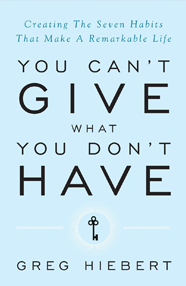
Greg Hiebert: You Can't Give What You Don't Have
Read the full transcript
Greg Hiebert
Greg Hiebert is the co-founder of leadershipForward and the bestselling author of You Can’t Give What You Don’t Have. He has served as a leader and mentor for an eclectic mix of organizations like the United States Military Academy, the United States Army, McKinsey & Company, and the Yale School of Management. His coaching approach incorporates deep levels of authentic and courageous dialogue to create conditions for personal and organizational transformation.
★ Scribe Case Study
Greg Hiebert's You Can't Give What You Don't Have Is Still Required Reading Years After Launch
Greg Hiebert put off his book for 16 years out of fear no one would read it. Years later, CEOs have bought it for 500 of their top leaders.
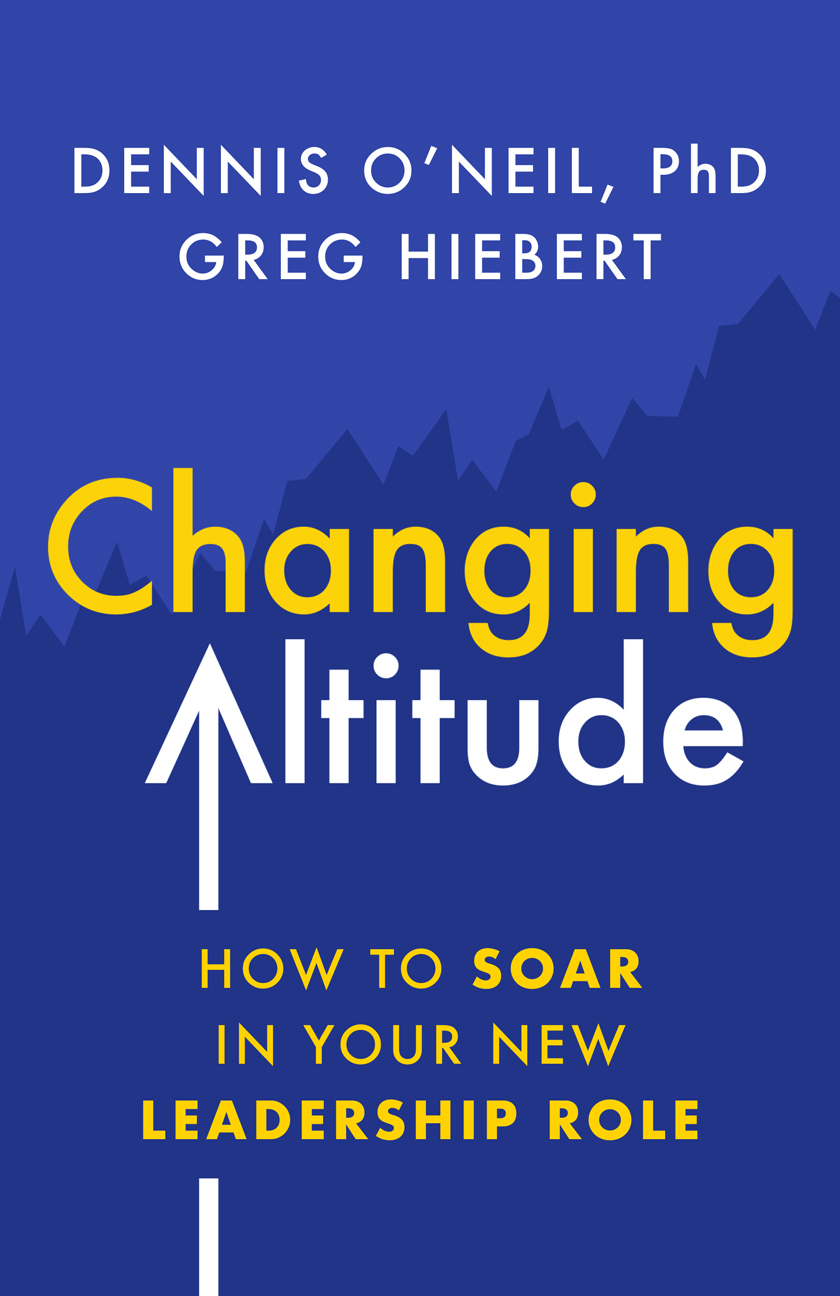
📚 Books by Greg Hiebert
Transcript
[0:00:24] Charlie Hoehn: You’re listening to Author Hour, enlightening conversations about books with the authors who wrote them. I’m Charlie Hoehn. Today’s episode is with Greg Hiebert, author of You Can’t Give What You Don’t Have. It’s easy to take life for granted, we can pursue fame and fortune and success and totally forget to take care of ourselves. We miss out on things that bring us joy and happiness and wellbeing. Greg believes that we need to transform burnout into happiness by investing in ourselves. So that we can be the best for those who need us most. In this episode, Greg shares the fundamental habits he’s learned as an executive coach and leadership educator to help you become more personally and professionally fulfilled. He also offers techniques to integrate these habits into any challenging busy life. By the end of this episode, you’ll know how to create a more remarkable and fulfilling life. And transform into your very best self. Now, here is our conversation with Greg Hiebert.
[0:01:49] Greg Hiebert: Most of us don’t get through life without some kind of psychological wound and I, right or wrong, I had mine, and mine from a very young age was that if you really knew me, the story of my life was Greg the unlovable worthless failure. I’d carry that burden around with me for many years and I had just gotten to a point where I needed to do something with it and as the beginning of the book says I was miserable and in my family, you don’t ask for help and you certainly don’t seek out therapy but someone recommended that I should seek out this associate pastor at this progressive episcopal church. That associate pastor was kind and caring and he said, “Look, I really think you need to see professional help. I’m not it and I’d love to refer you to this wonderful, counselor of mine by the name of Kempton Hanes.” And I said yes and I went to visit Kempton in this annex of a Presbyterian church in downtown Atlanta. He looked a bit like Santa clause smiled a lot, didn’t say much, a bit uncomfortable of this warm compassionate, caring human being just brightly smiling at me and I filled up the silence with my story. As I began to share the story that I don’t believe I’ve shared with anyone, it was cathartic and I think by the fourth session though, he spoke very clearly and said, “Man, I’d hate to be your wife.” And I like, “Wow, what do you mean you’d hate to be my wife?” He says, “It’s clear that you don’t see your responsibility and being happy as yours. You’ve put all the burden of your happiness on her and she’s your only friend, she’s your lover, she’s everything to you and it must be a real burden to be her.” And that took me for quite a shock but there was something within me that said he was absolutely right and I went home that night and I said to Claudia, “Is it hard bearing all of, you know, the responsibility for your husband’s happiness?” And she said, “Yeah, it’s real hard and it’s tiring. I wish you’d take responsibility for it.” And that began the last 18 years of work, I’m a work in progress but once I got cleared that my responsibility, my joy was my responsibility in that I had it all wrong. The paradigm that I lived in was that one day, when I had enough, one day when I was enough, one day when you know, my ship came in, when I had enough money, when the kids were out of college. Whatever it was, then I would get to be happy, then I would get to live my life. Kempton awakened in me, you know, this journey that says no. You have a choice now to be happy, you have a choice now to be joyful. If you switched the paradigm around, it’s extraordinary and it’s exciting and if there’s a theme in the book, it’s – do you let life live you or do you live life? Now, the great news is a remarkable life begins with choice and intention but if you really want to get there and accelerate making that happen then you’ve got to put in place real practices and habits that can be sustained in a world that is incredibly distracting. That often times, guides us to making bad choices, whether those bad choices be around food, whether those bad choices be around, you know, sitting at a computer screen far too long and getting addicted to Twitter and social media, those things aren’t bad but they’re bad if they’re things that are addicting that you’re not getting to decide. My belief is, if you want to have a remarkable life, it first begins with clear intention and choice, followed by scientifically supported practices that hopefully can be converted into habits.
[0:06:01] Charlie Hoehn: Wow, I’m curious, what is your relationship with your wife like now? And also, how long did it take to really reach a point where you two were in a healthy place?
[0:06:17] Greg Hiebert: Well, I think she would say - I know she would say the same thing today but it’s remarkable, it’s magical, one of the stories in the book just described last Friday, we went to an adult prom at this magnificent science museum in Atlanta called The Fernbank and we were probably 20 years older than all of the other adults there. You know, it had a party band and we danced with some of our best friends for over two hours and to me, that’s a reflection of the richness and the joy that I think we share. But what’s very different is I am incredibly happy when she goes off to things like book clubs or last night, she went to a symphony with some girlfriends. Prior to me meeting with Kempton, I would be jealous of the fact of her wanting to claim her own life. I would be resentful when she would go off to book club and I didn’t get to go along. After that fourth session with Kempton, again, it’s been a work in progress and I think it took several years of me really taking responsibility for my joy and happiness and in that choice and responsibility, actually putting in place practices and actions that made it not just okay for my wife to have a very independent, happy life outside of me but for me to have the same because I’ve made good choices about building friendships with others outside of my marriage. I have made choices about getting involved in things that would allow me again to have a wonderful, rich life independent of Claudia. But at the same time, I think, by that independence, it has strengthened the richness and truly, the joy of us being in partnership for as long as we have.
[0:08:11] Charlie Hoehn: That’s beautiful and you were telling me before the call that you’ve been married for 38 years? Not a short period of time. Let’s talk about who this book is really for? Who was the audience that you had in mind?
[0:08:23] Greg Hiebert: When I started, I have an active coaching practice with many leaders and over the course of the last 16 years have probably worked with thousands of leaders. This was an attempt and an effort through the book to broaden the reach. And as I started writing the book, I just realized it just wasn’t for leaders, it was for anyone who wanted to be a better parent, who wanted to be a better spouse, who wanted to be a better friend, who wanted to have a more remarkable life. As I wrote the book, yes, there is a lot of stories in my coaching work with primarily leaders but I’d like to believe it’s applicable to all humanity. Because you know, Charlie, we’re not doing really well and if you look at depression, you know, 30 years ago, the average depression age was around 30. Today it’s 14 and a half. Depression - the rates of depression have only increased, the opioid epidemic and in my coaching work, there’s a lot of driven people who are incredibly unhappy in their personal lives. You look at issues and domestic violence, you look at issues of just people who are angry and uncivil to each other. My hope is that any reader who picks this book up and you know, not only finds insights but is willing to challenge themselves to put those insights into action. I’d like to believe that this is very applicable to anyone in the human race who wants to have a remarkable life. You know, one of the things that grounds me is, I reflect on it probably several times a week, is there was a blog that became a book around the top five regrets of people who are dying and yet have some clear thoughts left and as you reflect on what are the top regrets that people have.
[0:10:16] Charlie Hoehn: I wish I’d let myself be happy.
[0:10:19] Greg Hiebert: Yeah, see? You know, I wish I let myself be happy, I wish I expressed my feelings more, I wish I got to do more of what I wanted to do instead of what other people wanted me to do. I wish I spent more time with the people I love and cared about. Isn’t that a universal theme? Unfortunately, what often circumvents hat is this rat race that says, “You know success in life is measured by how much stuff I have and how much I can accumulate,” and I love to joke that you know, there are no U-Hauls behind the hearses. We can’t take it with us but we spend so much of our lives thinking we can.
[0:10:59] Charlie Hoehn: It’s true, it’s very true and there’s a huge industry of people storing their stuff. Greg, you start off the book with chapter one which is Wellbeing. Tell me about that chapter.
[0:11:17] Greg Hiebert: Yeah, one of my clients is just a remarkable young leader, when I was asked to work with him, he was then the number two person at this large health system and the CEO called me up, we’ve known each other for years and said, I have a great successor but he has some issues that I think you could be very helpful to him and those issues in particular were he worked nonstop and lax of emotional maturity but I think a lot of that emotional maturity was connected to just how driven he was and that he was never off from work. When I met him for the first time, he joked that he probably would not live beyond 40. That he was very unhealthy, he didn’t exercise, he never unplugged, he would keep an iPad and his phone right by his side of the bed that he had a beautiful young family and he would get up in the middle of the night to check on patient flow in his hospital. He would often go in, in the middle of the night to check on things and then so here was somebody who, incredibly brilliant, very capable but clearly, not in a place of what I would say good health or good fitness. To his point, I felt very strongly that if he didn’t change some of his practices and take better care of himself, it wouldn’t not only ultimately affect his work but it would also affect the quality of his relationship with his wife who was his high school sweetheart. His darling, two children that he just loved so much.
[0:13:02] Charlie Hoehn: Affect them? I mean, he was planning on dying an early death.
[0:13:07] Greg Hiebert: That’s true. To his credit, I use the term that I have seen the greatest progress with human beings who see themselves as unbaked and what I mean by that is, see themselves as you know, not fully realized, they have a growth mindset, they believe they can get better and they’re open to ways in which they can be better. In this chapter, I described Robert and what he did to make himself healthier and to make himself more fit. You know, one of the signs of success was him calling me up in one our scheduled calls and to be able to say, “I not only took vacation but I didn’t open my computer or iPad once to check on work.” That, Charlie is an amazing shift and turnaround and lost approximately 50 pounds. A steady habit of exercise. But a steady commitment to have better relationships with his family, with his colleagues and through those better relationships and through following some of the habits that the book describes, I think he is not only much more emotionally mature, he’s in control of his emotions and because of that, I think he’s making better decisions, he’s engaging people in more thoughtful ways. And see the shift in not only him, he’s now the CEO, as the previous CEO, successfully went into retirement. The passing of the baton which sometimes is not always done well there passing that baton was quite remarkable. He’s well into his tenure now as a CEO and doing phenomenal work.
[0:14:50] Charlie Hoehn: Wow, that’s pretty remarkable, you clearly helped him extend his life. That’s always a win and maybe not always.
[0:15:02] Greg Hiebert: Yeah, there are some miserable people.
[0:15:04] Charlie Hoehn: Yeah. Greg, I’ve always wondered, how did you, how do any executive coaches get into coaching leaders? How’d you arrive where you are?
[0:15:16] Greg Hiebert: I have had this very eclectic set of experiences and my first habit is living with purpose and I talk in that chapter about how I stumbled on my purpose as an executive coach. It was a lot of twists and turns, I think the book describes these forks in the road that I came to. And the first fork I came to was instead in going off from The 82nd Airborne Division to the Ranger Regimen which is sort of the career of an infantry officer is a big deal, I decided to take another path and the West Point had asked if I wanted to teach. They’d asked if I wanted to teach either history, social sciences or behavioral sciences and leadership and I chose the leadership path. I didn’t know if I would like teaching, didn’t know if I would be any good at it and the deal that the army at West Point gave me was also pick any graduate school that will allow you to have some degree that has some connection, the leadership. I chose to apply to the Harvard Business School and I was pretty surprised that I got in and those two years were remarkable in themselves, the quality of people, the incredible intellect but also talent and always feeling a bit like somehow the admissions had made a terrible mistake but very grateful to attend. Then, getting to go up to West Point to teach young men and women, the art and science of leadership is probably one of the greatest jobs I could ever have. And West Point as a national treasure and the young men and women that go there are incredible people, who are going to go off and lead the soldiers of our nation. So there was a deep sense of purpose but I really found that my strengths and my talents were appropriately suited for teaching. I had enjoyed that immensely and by the third year of my teaching, realized, boy, I’d love to do this for the rest of my life. Regrettably, the army did not have the same plan and so I came to another fork in the road and that was, do I stay in the army and leave this teaching path, get back out to soldiers which is what the army wanted or do I take another path that was very different in my family. Every one of my siblings and my father had long careers in the military. So it was a surprise to many people that I decided to leave the army after 12 years. Got recruited by this remarkable company, McKenzie to do strategic consulting. Again, didn’t think I was - somehow I was a recruiting mistake but it was an incredible place to work. I learned a tremendous amount and what I realized was that I wanted to get back into teaching and what I really wanted to teach and study and master was teaching and equipping people with better leadership skills. My belief was that, leaders not only affect the people they lead but the families and the friends and the communities of the people they lead. And when you work for a toxic leader, it’s hard not to bring that home and regrettably, negatively influence your family. I’ll never forget coaching this one CEO and him reflecting on me that when he had a bad day, how he could make 4,000 employees have bad days and I didn’t miss a beat and my response back to him and I said, “I’m so deeply committed to supporting your efforts to be a better leader so that you can have as many good days as possible so that 4,000 employees can have good days.” Did the consulting for a bit and then got recruited away by a large telephone company and got into customer service operations. But always finding opportunities to speak and coach on leadership. Even then, I had this dream of wanting to start my own company one day and it was only through my going to meet with Kempton and him starting me on this belief that if I wanted to be happy and joyful, it started with me first. That really led me to have the courage to start this leadership consulting company that I founded with a dear friend and partner Paul Linton back in 2002 and ever since I started leadership forward and had the privilege to coach full time leaders it has been just pure joy and has really been a place that I said, this is what I was meant to do with my life.
[0:20:03] Charlie Hoehn: I love it. Author Hour is sponsored by Book in a Box. For anyone who has a great idea for a book but doesn’t have the time or patience to sit down and type it out, Book in a Box has created a new way to help you painlessly publish your book. Instead of sitting at a computer and typing for a year, hoping everything works out, Book in a Box takes you through a structured interview process that gets your ideas out of your head and into a book in just a few months. To learn more, head over to bookinabox.com and fill out the form at the bottom of the page. Don’t let another year go by where you put off writing your book. That makes great segue into the fourth chapter of your book which is Joy. And I’m wondering, what is the difference between this and the third chapter which is Happiness?
[0:21:05] Greg Hiebert: Yeah, so the happiness I think is the state of being able to look back with pride at our past to anticipate with hope and optimism of our future but being content with the present. Joy for me is happiness on steroids. It is a state of exuberance, of enthusiasm, of true ecstasy. And I came to that chapter because one of my clients, Dr. Avril Beckford, who is the chief pediatric officer at Well Star, a large health system in Atlanta had heard me give a talk on, “You Can’t Give What You Don’t Have.” So well before the book got written, I was giving talks across the country to physician and nursing groups who are trying to avoid burnout and depression. Which regrettably is a symptom of a lot of health care professionals because of the challenges of the work. And so at the end of my talk, Avril came up to me very excitedly and said, “You’ve got to get this booked.” It’s called The Book of Joy and it’s about this weeklong conversation between the Dalai Lama and Archbishop Desmond Tutu. They spent a week, several years together and this book reflects their ongoing dialogue and what’s so amazing is the joy, the pure joy that these two men have in their presence. And just belly aching joy and a lot of times deprecating humor. So as I read that book, I realized that joy was again, that we’re in this state of joy it’s again, yes happiness is an element of it but it is much broader and much richer and much more colorful than that. It’s just being so ecstatic about your current state. So I thought it was important enough to dedicate a chapter to it because I just don’t think we have enough joy in our lives. In that chapter, I described something that will stay with me until I die. I did a lot of prison ministry and one of my heroes in the book was a guy named John Bon Voyagio, this wonderful man in Stanton Island who would recruit a bunch of my friends to go into prisons with him and to –
[0:23:28] Charlie Hoehn: Was that his real name?
[0:23:29] Greg Hiebert: Yes.
[0:23:30] Charlie Hoehn: Wow.
[0:23:31] Greg Hiebert: And my friends and I, we would sometimes give talk but we always did the music but on Saturday night on these prison retreats, one of the exercises would be in table groups. We would be given a Bible story that the table group had to act out and one of my dear friends, a retired colonel in the Army, gifted writer, musician, his name is Michael Lancaster and on his table group, they got the birth of the baby Jesus. And Mike is a very large big framed tree-trunks of legs and I will never forget them dressing up my friend Mike as the baby Jesus. Big towel as diaper and these four inmates carrying Mike in procession into the team room of this week and for 10 minutes, we could not stop laughing. It was just pure joy, right? And how ironic that you would find pure joy in the midst of a prison.
[0:24:35] Charlie Hoehn: Yeah, well it was transformed from a prison into a playground for a few minutes.
[0:24:41] Greg Hiebert: That’s a wonderful description and I believe we had the opportunity in all of our lives to be more intentional about cultivating that joy in our lives. To believe that to be human means we aspire, we should be inspired to have more joy in our lives and I think because of the stories we tell about ourselves and the stories we tell about life, we often deny ourselves.
[0:25:07] Charlie Hoehn: What gives you the greatest joy Greg?
[0:25:10] Greg Hiebert: Oh.
[0:25:10] Charlie Hoehn: You seem like a joyful guy.
[0:25:12] Greg Hiebert: It’s been a work in progress.
[0:25:15] Charlie Hoehn: Yeah.
[0:25:16] Greg Hiebert: Well, I live 753 steps away from my two and a half year old granddaughter, Estelle. And when I came home last night off the road, my wife said, “Hey, Emily,” our eldest daughter, “Would love for you to watch Estelle as Claudia went off to the symphony and would you mind putting her to bed and having her stay at our house?” And if you could have seen my face when I knew that I had that opportunity to spend several hours and put Estelle to sleep. Being with my granddaughter and then when my grandson, Judah visits I think is probably the greatest joy that I have in my life right now. And I think what’s different is thankfully my four children have less than perfect memories than they don’t – they have fond memories of me as a young father but I don’t have the same memory. I don’t think I was as present. I don’t think I was as intentional about being joyful with them and I often saw the role of parenting as a big burden. So I think I am in a place today where I am much more appreciative of the gift of life, much more appreciative of that every moment is a moment that you can count on but in the book, I said that there is a high probability that I will live unless I get hit by a bus or there’s some kind of genetic cancer time bomb. If there’s not, there’s a high probability I should live to about 90 if I continue to take good care of myself. But at 58 if you do the math, that’s about 11,700 days.
[0:26:56] Charlie Hoehn: But who’s counting?
[0:26:59] Greg Hiebert: And I am counting not to be morbid. I’m counting to make them count and so when someone cuts you off, you have a choice of how do you respond. If someone says something unkind to you, you have a choice of how do you respond. And so that awareness is not something that I think I - not think I know I didn’t have as a young man and even as a man in my middle ages and to see the gift of that. You know, the other day, my wife, her question was – oh it was about glasses. She said, “Do I look old with my glasses?” Now Charlie that’s a trick question, right? And because I have a lot more awareness to see the space between someone’s question and my response to that, I quickly thought about be careful of what you say and so I said, “You look great with or without glasses,” and her response back to me was, “You always say that.”
[0:28:02] Charlie Hoehn: Which is the right answer. The answer you want to hear.
[0:28:05] Greg Hiebert: Yes.
[0:28:08] Charlie Hoehn: Yeah. You talk about in the book, deepening our social bonds and I am so glad you included this because it seems that especially people in the mental health field are really starting to realize how isolation and lacking community is the cause of a lot of - not only mental health issues but I’ve read literature that it’s the cause, a very strong cause for cardiovascular disease which is the number one killer. So tell me now that I have stolen your thunder a little bit, sorry, but tell me what’s in this chapter, what do you talk about?
[0:28:51] Greg Hiebert: Probably what has had the greatest impact in my thinking about social bonds and what isolation can do to us is, Harvard has been conducting, the longest study of adult development known to the history of mankind. They started this study in 1938 and they looked at 724 young men and decided that they would follow their lives and look at those lives in deep social psychological, physical, biological, any which way you could measure and understand someone’s life progression. There have been four study directors throughout the years and given if you plot the map, there’s only a handful of these men who are in the study remaining but the two last study directors have given TED Talks. And so the science out there of this study is quite common in terms of I just see it referenced all the time but the grand conclusion of this study is that when you are trying to look at the factors that led to someone having a remarkable fulfilling life, you know it wasn’t fame. It wasn’t fortune, it wasn’t education, it wasn’t title, it wasn’t accumulation of stuff. It was at its essence the people who had the most remarkable compelling lives were the ones who had the capacity to build deep intimate relationships with others and so as you think about that, one I think there is just so much science and research that supports that conclusion and if you buy into that conclusion, how then should we live our lives? And then a book that has continued to really shape my thinking is called The Blue Zones and Dan Buettner, the author, I saw him on an Oprah special.
[0:30:48] Charlie Hoehn: Which by the way that guy doesn’t seem to age. So he’s his own walking advertisement.
[0:30:54] Greg Hiebert: I would agree. I took a self – you know there’s a beautiful self-learning, e-learning course on his website, bluezones.com, where he talks about the Power Nine, that in the blue zones, the places where people live well beyond a hundred and are living full engaged lives, there are nine factors and of those nine factors, three of them have to do with relationships. The first is that these people that live long and well are family first and that there is this tight nucleus of “we’ve got each other’s backs. Good times and bad and sickness and health,” and then around that is the kind of friends that you can call at two or three AM in the morning and it will drop everything for you and then around that is a rich community or a tribe or rotary club or church or something where when you go, people know your name and when you are not there they call you up and say, “Where are you?”
[0:31:48] Charlie Hoehn: So I have to interrupt you here Greg because I know that everybody listening agrees, right? The challenge that I’ve heard from a lot of readers, listeners, is doing it.
[0:32:03] Greg Hiebert: Yes, absolutely. The book talks about that that you have to start small and so I give a multiple examples about what does it mean to start small. One of the things that I am really, really proud of is that in Atlanta, there are over 50 of my West Point classmates in the geographic area. Now that is a pretty unusual and so I get together with several of my West Point classmates and we started having many reunions and so we will have a mini-reunion once a year. But the planning committee, we get together if not monthly every other month. And so I’ve got a couple of dear friend who think like I which for a good portion of our working lives we didn’t cultivate friendships, we didn’t renew our bonds who have been with people who have been an important part of our lives. So everybody has – most high schools have an alumni association. Most collages have an alumni association, get involved. A friend of mine who’s a realtor sponsors a habitat build once a quarter and my wife and I never miss it because not only do we enjoy the getting to help somebody have their own home but just the camaraderie and connection of the people that you do that with. So it’s one to have a remarkable life means be intentional about what does a remarkable life look like, you know the knowing. And then how you close to doing gap of small steps of know that it is important and then I keep a list of friends that I constantly cycle through of reaching out to them and calling them. Just yesterday I reach out to my hero, John Von Voyagio on Stanton Island. And so being intentional about reaching out to old friends, being intentional about seeing that relationships matter. I think one of the dangers that we have around social media is thinking that those are real relationships. I talk in the book about - I joined an alumni group of Harvard Business School, where 11 of us get together monthly for a good portion of the day and that circle is an intentional place where we get vulnerable with one another. We share our lives, there is a rule of deep confidentiality of what gets discussed so we can completely open up to people and if the beginning of the book is a message for anyone is I didn’t ask for help for a good portion of my life. And because I didn’t ask for help, I hid and carried these deep burdens of insecurities and self-hate and I have to believe I am not alone. When I open up my vulnerabilities to other human beings, what’s remarkable is how others will respond to that similarly.
[0:34:59] Charlie Hoehn: They catch you.
[0:35:00] Greg Hiebert: Yes.
[0:35:00] Charlie Hoehn: When you are falling, yeah. So with the whole book is a beautiful message, all the chapters are really positive, simple but important. And healthy reminders that we all need, such as practicing gratitude, you know always moving, being mindful. But I want to wrap up with both a challenge that you can give our listeners and combined with the conclusion with the book which you say - and it’s crazy actually because you referenced a book that I’m in the process of reading right now. I am about a little more than half way through, A Million Miles and A Thousand Years by Donald Miller and it is a wonderful book but your challenge in the book is to write your own story. What do you mean by that and give our listeners some instructions something they can do this week?
[0:36:01] Greg Hiebert: Yeah I believe that to have a remarkable life begins with one’s intention and commitment to them. There’s a quote that I mentioned several times through the book that said by Jim Collins, very gifted business writer who said that greatness it turns out is not a matter of circumstance. Greatness is a matter of choice and discipline. And so one seeing your happiness, joy and well-being as an inside job, that is not something that is outside of you but it’s something within you. And if you want it to manifest itself in you then you’ve got to make the choice and then to start with some of these actions that the book describes. Let me take on that may be easy but it’s hard to sustain as a habit. It’s easy to start the habit of reflecting on, and expressing gratitude and so the book challenges you to I believe to start small, I actually use an app called Gratitude 365 where every day, I am prompted to make at least three entries. I can include a picture of the day that I take of things that I am grateful for and what I am proud of is I now have an unbroken streak of 489 days of making entries about things that I am grateful for each and every day. And the beautiful thing about human beings is that which we focus our attention on, so to speak what we feed, grows. And so if you want to have a life that’s remarkable, recognize that the seven habits are wonderful pathways to have that remarkable life and you don’t have – you can start small. I describe in the chapter on Getting Moving, you don’t have to run a marathon. Just start walking and walk down the block and then tomorrow, try walking around the block twice. But start small and to see that the antidote to a crazy distracted life is habits that you don’t have to think about. They’re just part of the fabric of how you live your life. And so living your life with a purpose, habit number one. Cultivating positive emotions, habit two. Building and deepening our social bonds, habit three. Expressing and reflecting on gratitude, habit four. Promoting hope, habit five. Mindfulness, habit six and then get moving habit seven. They’re not rocket science. As I say at the conclusion I don’t think I’ve told the reader anything that they probably didn’t know. Hopefully though I have given them better science and better stories to motivate them and to inspire them to action. And so I conclude that I think happiness and joy and resilience and wellbeing are within the grasp of almost all of us. I have yet to find another human being that said to me, “I don’t want any of those things, not interested,” and if you want those things, you know begin with intention and recognize that the way you have that is to create a life that is filled with these positive virtuous habits and the more you fill your life with the positive virtuous habits, they create these wonderful upward spiral that I think just manifests itself into even greater joy and happiness. So I love the fact that Charlie you said you seem like a joyful person. I believe fully that 10 years ago, 20 years ago, you wouldn’t have said that. I don’t think that was something that I would have described myself as. And so I believe these habits work and I hope the book inspires others to close the knowing-doing gap, to have a remarkable life through by living these seven habits.
[0:40:03] Charlie Hoehn: Absolutely and if they can make these seven habits akin to brushing their teeth everyday, that will make a huge difference in their lives. So Greg this has been great. Where can our listeners connect with you and follow you?
[0:40:19] Greg Hiebert: I have a website, leadershipforward.com and then on that will be links and with the release of the book, I am actually going to be more active in making sure that I continue to provide those who read the book with further support to include I’m in the process of building an e-learning program that’s going to help deepen someone’s desire to want to live the seven habits.
[0:40:43] Charlie Hoehn: Wonderful, well this has been fantastic. Thank you so much Greg.
[0:40:48] Greg Hiebert: Well thank you Charlie.
[0:40:50] Charlie Hoehn: Many thanks to Greg Hiebert for being on the show. You can buy his book, You Can’t Give What You Don’t Have, on amazon.com. Thanks again for listening to Author Hour, enlightening conversations about book with the authors who wrote them. We’ll see you next time.
Want to Write Your Own Book?
Scribe has helped over 2,000 authors turn their expertise into published books.
Schedule a Free Consult