Mark Aho: Building Wealth and Living in Faith
Read the full transcript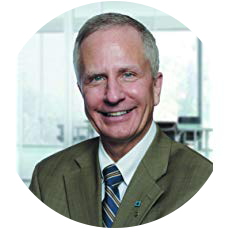
Mark Aho
Mark Aho
Mark A. Aho is a devoted husband, a dedicated father, and a successful financial advisor in the Upper Peninsula of Michigan. He holds an MBA, CFP®, and CIMA® and has an infectious optimism and zest for life. He feels blessed to have been adopted as an infant and raised by loving parents, and he has always embraced the noble notions of faith and family.Transcript
[0:00:32] Charlie Hoehn: You’re listening to Author Hour, enlightening conversations about books with the authors who wrote them. I am Charlie Hoehn. Author hour is about answering one question: How can you get the best ideas from great books without spending so much time reading? Every week, we take you behind the scenes with a new author, about the most important points in their book. So if you love to learn while you're on the go, you’re in the right place. All of our book summaries are 100% free and we do more than a hundred episodes every year. So please subscribe to and review author hour on iTunes. Today’s episode is with Mark Aho, author of Building Wealth and Living in Faith. You want your children to be successful and you’ve always worked hard to raise them with strong values and Mark believes that you can now help the people you love achieve financial security without compromising your religious and moral principles. As a father, financial planner and a person of deep spiritual convictions, Mark believes that faith should be the center of everything in life, including money matters. In this episode, Mark offers his lessons on life, grace and money that you can pass along to the next generation. This is a plan for your loved one’s financial future and a meditation on faith, wealth and family. Now, here is our conversation with Mark Aho.
[0:02:31] Mark Aho: I came into this world in a unfavorable situation. I had a birth mother that was pregnant with me, she was extremely poor, she was living on bread and lard and I had a birth father who didn’t want anything to do with her and so I ended up in a good will farm or basically an orphanage and from that orphanage, as an infant, I was adopted out of. When I go back and think about this very deeply, you know, the one thing that’s just an absolute big occupier of my heart, I have to say my mind too and it’s never changed and I’ve always known it, is that God is a big part of my life. And I think that – you know, it’s a little bit of a – you know, I think in my mindset a little bit of a miracle that I was able to have a life and to be given a life and not only, not to be aborted which you know, may have been convenient thing to do. I was given this life and not only that, I was guided into a family that cared for me and loved me and gave me the necessities of life to grow. I always knew inside that you know, the Lord was – it’s kind of a strange thing, Charlie. You know you don’t know, for whatever reason, I’ve always just known that. My faith has always been a strong part of my life and in that process as I grew up and learned a number of things and there’s other things I can talk about here as in - maybe in a further question here. In that process, I got married, I had some children, when my children were young, I wanted to find out some medical information about them or about myself so that you know, they would have the right information for themselves as they grow. I ended up, it’s a long story about you know, finding out more about my birth roots and so forth. In that process of looking out for health issues and things for my children, it sort of invigorated my mindset about a lot of life experiences as my children grew and grew up and as I had all these experiences in life of the richness of those experiences to pass along to them and I think I have a lot of clients that you know, everybody has a story, everybody has a life story and everybody has – I’m going to say, a rich life story and you know, passing along their story and things they’ve learned and maybe it is some dos and don’ts in life. Every parent wants to share those with their children. That’s I guess my wheels churning and in life, as I was going along, I was trying to of course explain things along the way but there was more. There was always more. Then as my children got older and they got busier, it seemed like it was harder to tell them more. That’s, sort of, I guess, one of the reasons why I kept thinking about this book. And, you know, it’s sad to say that sometimes in some lives, you never get a chance to physically sit down and tell your children the things you want to tell them and as part of that realization, came into my mind and that if that did occur, I would like to put something on paper. You know, maybe they’re too busy right now but maybe if something did happen, you know, to their mom or their dad and they had something on paper, you know, they might read it and read it intensely and then I will feel that part of my mission is completed to get to what I wanted to tell them in paper, that’s part of it.
[0:06:26] Charlie Hoehn: I love it. We were talking about before we started recording how even during the holidays, Christmas, Thanksgiving, when the whole family gets together and you want to have these type of sit down, deeper life lesson type talks. You very seldom get that opportunity because the focus is on the celebration itself and it’s still sort of remains at the surface level. The goal of this podcast episode is going to be to dive into those life lessons with you and to be able to give a good summary of this book and the lessons in it. Should we start at the beginning? Chapter One. Maybe the best place for us to start is with the introduction in your book. Talk to us about the first – the very first part of the book?
[0:07:21] Mark Aho: Yeah, some of the basis and in the introduction is I guess one thing I’d like to talk about is some of the things I’ve learned as a child and I think a lot of people, you know, may as well hopefully be in this area. You know, as far as my family goes, you know, there were four things that I think are really important and one thing that my dad and my mom as well, it seemed like they worked seven days a week. I mean, hard work seems to always be something that is in the back of my mindset. I feel like my dad worked 24/7 but it wasn’t a matter of, he didn’t work 24/7 in a negative way, worked in a very positive way, loved what he was doing and you know, he worked at a mine but he also had some businesses and he loved working on them, you know, hard work. I mentioned a little bit about faith and faith means maybe some different things to different people. You know, for me, it’s always been the fact that God is everything, it isn’t a matter of that God is sometimes, you know, God is maybe for an hour on Sunday. But in reality, God is everything and you know, it isn’t something that I have found that you can turn off and turn on, it’s just always on. I think that’s really important you know, when you look at, take any issue in life. If God isn’t somehow at the center of it, I don’t think it necessarily can but may not go in the right direction. You know, believing in the future and I think that so many times, you know, a lot of times with clients or a lot of times when I’m talking to different people, They’re surrounded with negative energy and it’s sad because if you can – just a small amount of positive energy in your system, it attracts more positive energy and it takes you in such great directions that even you couldn’t even think about it.
[0:09:22] Charlie Hoehn: Could you give an example of that Mark? Maybe in your life where you realize that was happening for you?
[0:09:28] Mark Aho: Sure, you know, along with positive energy comes the word trust. I can tell you that I’ve been in a number of situations where you know, I was maybe fearful or I was scared, I was concerned, I was worried, you know, those are all negative things. And in my case, sometimes when I go back and read, especially particular parts within the New Testament of just thinking of faith and some of the positive things and you know, if you think about it, very simply, when Jesus walked on this earth and when somebody had all the faith in the world that they could be healed from whatever sickness they had by just touching his cloak. They had that positive faith, that positive energy and you know what? They were healed and they were healed only because of their own positive energy and faith. Jesus said that many different times and so I’ve had instances in my life where things hadn’t worked out the way that I wanted them to but when I can think of positive side that God is everything, you now the direction that I need to go is direction that is leading me right now, even though I might not think so highly of it, I found that over and over again to actually work out really well. That’s when I think of belief and I think of faith and I think of the future, so many people and so many young people, you know, may be worried may be concerned about something that’s going on in their lives and if they can reach out and with some sort of faith and just an imaginary way, feel that they are just touching the cloak of Jesus with that positive faith, wonderful things happen.
[0:11:23] Charlie Hoehn: To tie this into the fact that you know, not only is a legacy piece for you, your family but it’s also a book about wealth and how you’ve helped folks with their financial decision making. How does having faith help with finances?
[0:11:43] Mark Aho: It’s a huge, it’s a number one item. You know, if we take a look at faith and say well, you know, we have six principles that we follow here and three of them have to do with non-financial issues but they have to do with behavioral issues and those three issues are faith in the future or trust, that’s one. Patience is two, and discipline is the third item and when we take those three items in building wealth, they’re so important because they relate to the type of behavior we have when markets do different things. For instance, let’s just focus on faith in the future. If you have no faith in the future, you absolutely shouldn’t invest your money, you know, because you have no faith in nothing good happening in the future. You know, sometimes somebody will tell me that they don’t want to invest their money because they either fearful of the ups and downs of the market or even from time to time, somebody to tell me well, all the good ideas they’re all here now, there’s nothing new to be invented and I can’t see investing in the future. You know, I will tell people that if you feel that strongly about the future being so bad, I mean, don’t invest your money in anything, a matter of fact, you know, find a warm climate, buy lots of seeds, good land that you might be able to grow some crops, good fishing pole and lures if you’re hunting, you know, you’ll need ammo and bows and arrows or whatever you’re going to use. Even then, if it’s so negative, I mean, you know, maybe you won’t be able to grow a crop either. I mean, that’s from the far negative side but all you have to do is look at history and go back a hundred years and look at all the terrible things that may have distracted you from ever investing your money. You will find a reason all the way through and not to do it and then you know, you can look at the statistics if you’re just going to use the overall stock market going back a hundred years. You’ll take a look at what a dollar did in the stock market, take a look at what it did sitting in a treasury bill, look at it like it did just sitting in your back pocket, you know? The facts are the facts.
[0:14:05] Charlie Hoehn: Right. I love it. Let’s start to shift more into some of the chapters, the big ideas that you teach. Chapter One, ‘The Story Changes But Truths Remain’. Talk to me about them.
[0:14:21] Mark Aho: The truths are the truths and you know, I think that unfortunately, our emotional side and you know, it gets fueled but maybe the media to some degree that we sort of gravitate away from the truths and to get into the myths, the idea is that there are just some basic truth. As I explained before, you know, there’s basic truths about how money works.
[0:14:49] Charlie Hoehn: Like you talking here about that money is not the root of all evil. Greed or the lust for money, right?
[0:14:59] Mark Aho: Yes. The chapter I talk about humility, I talk about discipline, I talk about responsibility to family and I talk about tending your own garden. And you know, humility is one we all experience and you know, I think in life, we can learn a lot from those times that maybe we’ve been humiliated but the problem a lot of the time is you want to forget about it. It’s not that we want to remember some of the times that you know, we’ve been humiliated or maybe we made a decision that didn’t work out. You know, the lesson there is that that’s when you really learn, that’s when you’ve gotten through something, a life lesson of some nature that if it didn’t work out, it failed, it’s so rich with a learning lesson and you know, what you’re going to do next, I often tell people that you know, wherever we sit today as the aggregated summation of every decision we’ve made in the past. You know, sometimes, we don’t want to think of those decisions and it’s not that we want to mess our mind up with thinking of things that didn’t work. It certainly does help when we get into the next side of that and say, “Well that’s fine, we’ve learned a lot, right? What is your next decision?” That’s what’s most important. You know, the discipline is often a hard thing especially if we look at the money side of the equation. You know, we’re in a now society and you know, all you have to do is maybe if you watch HDTV and you see a young couple and they’re buying a huge house and you know, with everything in it, it’s their first house and they want it to be perfect. I don’t’ know, I didn’t grow up that way. I feel that you know, you get yourself maybe in trouble with those sort of decisions and you know, you want to buy something that you can afford and the idea is to buy something that you will be able to have excess money for other things so you don’t get house locked. You know, it takes discipline to not buy the big house and so forth. But you know, in the family side of the equation. I talk about the responsibility to our families and you know, I look at things on the basis initially when you get out of college, if you’re single, you should be thinking about making sure that you’re able to take care of yourself, financially. If you’re married, you want to make sure that you can not only take care of yourself but you want to take care of your wife, if you have children, you want to take care of yourself, your wife and your children and you know, I think that’s common, right? Not only taking care of them for today but you know, you have to think about the fact of you know, what about the future and are you not only able to take care of them and make decisions because you know, in your household, especially with kids and especially with all the wants and needs that they have, you know, I see a lot of times or buying all these things and maybe they don’t need all those things, maybe they’re wants and they’re not needs and it can make a difference later in life. Maybe there are some other things that you should be thinking about for instance, maybe you want to help your children with their college expenses. Rather than spending on maybe some toys that last six months and then break, maybe it’s something simpler and maybe some money’s put into their college fund. That’s thinking of the future but those are just a couple of items that I –
[0:18:32] Charlie Hoehn: Yeah, I love that you included, don’t be afraid in this and fittingly enough, I mean, do not fear is the most commonly, it’s the most common phrase throughout the bible. It’s said I think 200 times or something. You have a section in this chapter where you say you – don’t be afraid to invest your money for the exact reasons you just laid out.
[0:18:56] Mark Aho: Exactly. Not only about investing your money say into equities and your 401(k) and so forth, especially for young people that have somewhat of an entrepreneurial spirit, a lot of times, they’re afraid to step out and maybe take some risk and you know, when you’re young and you have great ideas and you have great ambitions and you have passion of maybe starting a business or some type of entity, I just strongly suggest or advise that if you do have those inklings that you do it. If it doesn’t work, that’s okay, you’ve learned, maybe it just needs to be tweaked a little bit, maybe you need to do something different but when you look at really creating, not only wealth but creating a lifetime of work and not necessarily even work but something that you want to do every day that you want to – you know, you wake up, you jump out of bed and you can’t wait to get going at it, that is such a freeing and wonderful place to live. I say to young people, if you have an idea, you want to be in business, you want to start a business, do it, don’t be afraid.
[0:20:12] Charlie Hoehn: Yeah. I love it. That alone I think is worth the cost of admission to listening to this and reading your book, which of course, listening’s free but – you have a section in your book which I think is wonderful on life planning, the interview guide that you actually use in your first discovery meeting with clients and figuring out your values and goals, what’s important to you with relationships, what assets do you want, what are your interest? These are all things that can really help somebody who is planning out the rest of their life. I think it’s great so that is on page, I believe it begins on page 74. For those interested and those who pick up a copy of Mark’s book, check out that section as well because it’s a nice little deep dive into what’s really important to you in planning out your life. Let’s jump to Chapter Two, ‘Making Wealth Purposeful’. Talk to me about that Mark.
[0:21:18] Mark Aho: One of the things that I wanted to just mention and one of the big value is creating your own value system and you know, it fits into that discovery that you just mentioned. You know, when we sit down with a client and we have our discovery meeting, it’s very interesting that sometime, you know, we get these ‘aha’ moments in that meeting and you know, one of the things I found out, I don’t know, probably about 30 years ago is I created a value system for my own life. It is something that is in the beginning of the book, it’s in the introduction and it talks about sitting down and spending some quality time and deciding, what is your personal life value system? I almost hate to use the word system but your values, your core, you know, for instance, I have 12 items that I wrote about 30 years ago and when you do this right, it never changes. It’s not changed in 30 years and the order of these of some importance and you prioritize them. You know, I think that as you go through life, you can get off track and you know, I say, write these down, laminate them, carry them in your pocket, always have them available until you memorize them because there are times that we get off track, you know, having something of this nature keeps you in the right space. I just wanted to mention that when you have purpose, when you have values, it sort of fits in with the making life purposeful or making wealth purposeful. So, if you were going to create wealth, you know, why are you creating wealth, you know? The why is very important care before you get into the how. I think about it in the nature of saying that well, I want to create some wealth, not only take care of myself but I want to take care of my wife, I want to be able to take care of my children and when I’m able to take care of all them, that’s purposeful, the core of taking care of them but beyond just taking care of them for today is maybe taking care of them for a little bit beyond today. If that’s all in order then I look at my family, it might be my mom, it might be my sisters, it might be aunts, uncles, cousins, you know, there is an every family circle, there’s always somebody within their that has a need, maybe a desperate need. If you look at wealth, you know, you can look at it on the basis of it saying, “Well gee, you know, we create all these wealth and you know, what for? I look at it and say, I want to create it to help other people. Naturally, we’re helping ourselves, we have a quality of life ourselves as that’s important but I think that when – if you're very productive, you can create more wealth than for your own needs. Helping your extended family beyond that is then maybe helping your favorite charities and you know, there’s just such a phenomenally good feeling to be able to help some of the favorite charities in your life, you know, do what they need to do, it’s very fulfilling. And then one notch beyond that is possibility of having enough wealth that will help multiple generations beyond you. You know, some suggestions that I’ve looked at is maybe a family that has created some wealth, creates a donor advise fund, there may be some tax advantages, move money over to a donor advise fund in the now but if your legacy plans are to help multiple generations beyond yourself in the donor advise fund isn’t necessarily for your family, it’s for other people. It’s for charities that that you believe strongly in. It might be for your church, it might be for the homeless, it might be for some type of food, shelter, housing, whatever that might be. I can’t think of a better way to get into the wealth equation than to think about it on a legacy basis, above and beyond you, your wife, your kids, your extended family, into charities and if you're able, into multiple generations beyond you. I can’t think of a better feeling of walking this earth, getting the time that we’ve had on this earth but helping people, many years beyond the time that you were actually even here. What a great feeling.
[0:26:00] Charlie Hoehn: Absolutely. I mean, I believe we all pretty much all for that. I don’t know too many people who don’t care about helping other people beyond themselves. Let’s talk a little bit just briefly, not too much, about choosing the right advisor.
[0:26:16] Mark Aho: yeah. Very important, you, now, I often look at this as, you know, I used to talk about putting this stuff in a jar, you know, you have some rocks, you have some gravel, some sand then maybe last, you know, a cup of water and honest to fit in a jar. With that, you know, I’d say well, three big rocks, let’s say that we’re looking at all the issues, you know, we’re going to muddy our mind up and I don’t know how these advisors and all the different things that are going on and the complications of the world. I’d simplify that to just, let’s just look at three big rocks that need to go in that jar first. The first one is trust and you know, everybody has to get a sense. If you’re interviewing three or four advisers. You know, use your discernment and say, see where that level or that needle goes on the trust side of the equation? You know, obviously, they’re dealing with your money and somebody that’s trustworthy, obviously is very important. The second rock is competence and you know, sometimes it’s hard to measure because you know, we talk about a lot of buzzwords and everybody seems to be smart, you know, I guess you might have to look at some of the academic affiliations that they have, you know, what kind of – where they went to maybe – the type of college, degrees they had, do they have a master’s degree. Also, the degrees in their field, you know, are they a CFP, you know, Certified Financial planner, are they a CIMA? A Certified Investment Management Analyst. You know, those are some of the things that you know, you might want to take a look at and the third item, very important is the relationship. Do you enjoy the relationship? I think that you know, what would be worse is say, “My gosh, I got to see my financial adviser, I hate going there, the guy drives me crazy.” Versus, “Okay, great, I love the conversations and we can connect in our conversations, you know, not only is the adviser provide very good information and that’s great planning and helps me with the issues I have at hand but they listened very intently to everything that I’m saying as well.” There’s a way I would take a look at it, initially, I’d always tell somebody, even when somebody comes in here new and we do a discovery meeting. I tell them, you should go and talk to two or three more advisors and make sure you get the fit that’s best for you from the advisor side of the equation, they want the best fit as well.
[0:28:47] Charlie Hoehn: Absolutely. There’s more guidance for the reader on exactly how to go about picking the right adviser for them in the book. Now, let’s talk about the how. Creating wealth and managing it and protecting it. How do we get started reading wealth? Or what are the firs steps you recommend to the people you work with?
[0:29:08] Mark Aho: Well, one of the first things in creating wealth is you have to spend less than you make. You can’t create any wealth, you know, there is the lottery and there’s inheriting money and you know, there are some other things that could come into play there. But, no matter what you do, even if you’re very successful and you make a lot of money, if you don’t save any of it, you’re really not creating wealth, you’re probably buying highly depreciable items that we’re going to go to zero as time goes on. That’s a first really important thing. The coupled other items that fit into this and sometimes somebody will tell me that I’m very biased on equities, on stock investment. I look at all the numbers, I look at all the history, I look at all the data and equities are stocks built wealth, it’s a fact. You know, I think real estate can too. I also think that if you start a business and you know, you are very successful in your business and you create income in that business above and beyond your need, of course that can create wealth. And in this country, we’re very fortunate that you know, the entrepreneurs that have built this country and continue to build this country still take those risks and build all that wealth. Those are important items, now, for somebody that is just – they have a salary, they have a wage, you know, simplistically, Maybe they have a 401(k), they need to of course spend less than they make, invest in their 401(k) or some type of an investment account, especially if they’re young, they need to diversify those investments in the stock market. I would suggest that they not try to guess where to put all the money and not try to time the market and move it from one space to another. I’ve looked at that for many years, I’ve looked at all the different crazy type of systems that exist in you know, the market place and sometimes the out call of erroneous advertisements of being able to move money around and you know, time the market, I don’t believe that’s possible. I always tell somebody if you find that person, send them my way, I want to interview them and if I find historically they’ve done that right all the time, I’ll jump on their boat and in 30 years I haven’t found it. Maybe that’s a challenge, maybe somebody will call me. I look forward to it if somebody does. Sometimes people like I mentioned earlier afraid to invest in the stock market. You know, they invest for 30 years in the money market or into short term CDs or you know, a bond, an intermedia bond fund and you know, that’s okay but I just don’t see any wealth being built there. They invested in a diversified portfolio with a - maybe an equal percentage and large gap and small gap stocks, both in the value and growth side of the equation was another portion in the developed international markets. In the emerging markets and maybe a portion in real estate and keep it balanced and a certain percentages throughout your lifetime. I think that would do very well.
[0:32:22] Charlie Hoehn: Got it. All right, on a personal level, I’ve invested on a Roth IRA but everything you just said made me feel good about the situation. Because yeah, I think there’s a lot of fear around it for young people especially just because of entering in a rough job market in their early 20s followed by a rough housing market, by the time you get to your 30s. that it kind of shakes your notion of what is actually secure in the world. When it comes to stocks over the long term, it’s – the best wealth builder, as you said.
[0:33:03] Mark Aho: You know, it’s interesting, when you look at some of the facts. If we call this a bull market that we’re in right now and I think something can start it in 2009. Others think it started in 2013. This has been probably one of the most least liked bull markets we’ve ever had in history and it’s because of what you just said. People are still fearful, people still think that we’re going to have what a drop like we had in 2008 and you know, we certainly could. I mean, there’s nothing saying that they can’t happen. But if you look at the facts and even if you had purchased the market at the very peak in the year 2000, at 11,700 or so, taking a look at the Dow Jones industrial Average or at the peak in 2007 at 14,200. You know, you were owners that was your entry point into the market place. You know, right now, we’re just shy of 25,000. Got to keep that in perspective.
[0:34:13] Charlie Hoehn: Yeah, absolutely. I want to be mindful of our time so I’m actually going to start to wrap us up a bit. Now, what is your personal favorite success story of somebody that you’ve worked with that has gotten a lot out of the ideas we’ve talked about today?
[0:34:33] Mark Aho: You know, there’s probably a lot of different stories but I often think of one of the wonders of investing is the fact that I think of a telephone company retiree, this is quite a few years ago, he retired and he got a 401(k) and he had about – I can’t remember the exact numbers but maybe it’s about 300,000 and a lot of that portfolio for many years. He had probably drawn out that amount or more and you know, we’re doing a review and for him one day and I think the account still had 300 and some thousand in it and he just couldn’t believe it. He said, you know? I can’t believe it, we drew out more than I started with and I still have the full amount sitting here or more. I can’t remember the exact numbers and I will tell you that if that money was invested in short term money markets or bonds, the money would be gone, it would just be gone. That brings a lot of joy to me that you know, he trusted us, you know he was patient and he had the discipline to follow along with what we suggested and so not only is the money still there, it’s now going to be there if something happens to him for his spouse, it’s going to be there for his children, it’s going to be there for his legacy. It’s so important that people understand that side of it, rather than be too fearful.
[0:36:04] Charlie Hoehn: I think that’s the most powerful message you’ve possibly given in your book and in this talk is don’t be fearful, do what works, yeah. Mark, could you let our listeners know the best way for them to get in touch with you potentially if they wanted to work with you or just maybe to follow your work even?
[0:36:29] Mark Aho: Sure, well first of all, we do have a website, our website is markahofinancial.com and from that website, you know, we do have connections to us and that was probably the best way to come through to me, obviously I do have an email address too. My business email address is just mark.aho@raymondjames.com.
[0:36:58] Charlie Hoehn: Very nice. Let’s finish with a challenge for our listeners. What’s something they can do from your book? This week or even today, that could have a positive impact on their life.
[0:37:10] Mark Aho: I would tell them, if they have not sat down and created a value system for themselves, that would be the most impactful thing they could do in guiding their lives and if they want to see an example of it, they can look at the introduction of my book, I have an introduction as to what my value system is and it’s meant to be just an example, it means the world to me, I wrote it 30 years ago, it’s guided my life and you’ll see when you look at the 12 items. The first three are tube big rocks and then everything below it is really important as well and it’s guided me to the spot I’m at right now. If you do this and you do it earnestly, it won’t change. It will keep you on the track you need to be on and you will be very rewarded with the goals and objectives of your life based on the value system you’ve created. One thing I would say about this book is that I’m not sure which section this book would ever fit in to if you walk into a bookstore, you know? It might fit under the money section, it might fit under the money section, it might fit under the self-help section or it might fit under the faith and spiritual direction section and nothing would make my heart jump for more joy and see it in all three of those sections if that was a possibility. I think there’s something there in all three of those categories.
[0:38:46] Charlie Hoehn: Absolutely. The book is Building Wealth and Living in Faith. Mark, thank you so much for being on the show.
[0:38:53] Mark Aho: Thank you Charlie, I appreciate it.
[0:38:56] Charlie Hoehn: Many thanks to Mark Aho for being on the show. You can buy his book, Building Wealth and Living in Faith, on amazon.com. Thanks for tuning in on today’s show. If you liked what you heard, here is what I want you to do next. Open up the podcast app on your phone or iTunes on your computer and search for “Author Hour with Charlie Hoehn” and then click “ratings and reviews”. Take 10 seconds to rate this show or leave a review. It is a small favor but it’s really the best way to show your support and give me feedback and if you know someone else who’d love Author Hour, take another three seconds to text them a link to this episode. We’ll see you next time.
Want to Write Your Own Book?
Scribe has helped over 2,000 authors turn their expertise into published books.
Schedule a Free Consult