Cathy Christen: Life As a Masterpiece
Read the full transcript
Cathy Christen
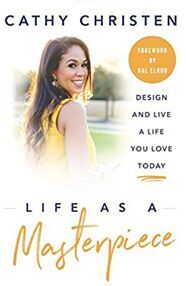
Cathy Christen is a holistic peak-performance strategist and keynote speaker who helps entrepreneurs design lives of purpose, passion, and fulfillment. She is the cofounder of Elevated Fitness and Nutrition, an energy and lifestyle company. After a car accident nearly claimed her life, she committed herself to helping others reach their goals. She is the bestselling author of Life as a Masterpiece: Design and Live a Life You Love Today, in which she draws on true stories and simple exercises, habits, and schedules to help readers move toward the lives they want.
📚 Books by Cathy Christen
Transcript
[0:00:14] CH: What’s up everybody, it’s Charlie Hoehn, I’m the host of Author Hour where I interview authors about their newest books. Today’s episode is with Cathy Christen, she’s the author of Life As a Masterpiece. Now, Cathy is a peak performance strategist and she helps entrepreneurs create masterpieces of their lives. In this conversation, she shares her story on how she got started down this path. She actually almost lost her life. After coming out of this really frightening situation, she was able to not only design and live a life that she loves but she’s helped countless people do the same. If you felt stuck or if you felt adrift or sort of lost in life, like you're not totally aligned with yourself and the direction you want to be going, this is the episode that you need to listen to. Now, let’s take it away with Cathy Christen.
[0:01:26] Cathy Christen: Back when I was 19, my dad took us on a lot of service, mission trips, soup kitchens, a lot of it really, we grew up very middle-low income and I think initially and I’ve spoken to him now in later years, it was - to really appreciate what we did have, versus focus on what we didn’t have and so that was instilled early on but I definitely went through a time where I was partying a lot, taking things for granted and feeling like I’ve got all the time in the world. I’ll do great things later, I’m going to just party and have fun for now since I have no responsibility, right? It was summer between freshman and sophomore year of college that I was looking at a summer camp and just having a great time partying a lot that summer but I remember one day on my way home from the program that I was teaching at, I was driving home and I got into this accident where I really should have been in the hospital. One of the guys is like you should not be functioning, you know? It was a pretty nasty accident and they – I just got out of the car, it’s kind of a miraculous, like super natural type intervention where we have no idea what happened and the officers and paramedics were just all just so shocked and they looked at me and they’re like, “We have no idea what just happened, I don’t know who you are, I don’t know what just happened but something kept you here, do something with it.” I just remembered those words. First off, the paramedics phase and he was just like hey, he was like, wait, what? How are you in that car? How? Because they were getting the jaws of life to like cut the door open and get the driver and I had just like literally opened the door, walked across the street, I had no marks on me, all the air bags were out, nothing made sense, just doesn’t align and I just remember that resonating and it was that call of like hey, look, your days are limited. You are not promised tomorrow and you need to do everything you can the time you’ve been given now. It really called for urgency to start to take action now versus continuing to wait. I think that’s really what started my journey and my life really the last two centuries.
[0:03:25] CH: Wow, that is unbelievable. I can’t imagine being in that scenario and being able to walk and not have a scratch on you, I mean, that’s the plot of a movie.
[0:03:38] Cathy Christen: It was scary.
[0:03:39] CH: Unbreakable I think.
[0:03:39] Cathy Christen: I will tell you, it was a bit scary and first I was like, am I alive, is everything perfect because I’m not here anymore and I’m just botching and I’m going to see them like carry my body out of this vehicle? I really had those thoughts, I remember just sitting there, okay, let’s see what happens, let’s see how this unfolds. Not knowing, you know, if I was there or not, people could see me or not, nothing made sense in that moment but you know, once I did figure everything out, I was like okay, I’m here. It really did, I have a call to action on my life and things that I wanted to do.
[0:04:08] CH: Wow, how did that really change you? I mean, you started going into certain types of work and helping people.
[0:04:20] Cathy Christen: Well, it came out time, I remember thinking, what do I really want to do? I really want to leave an imprint of some sort. I’m not sure how long I’ll have and I really want to do what I can with the time I have and that became a very big focus with things that I did and that next summer, you know, as fate has it, I ran into – Vector Marketing and [inaudible]. This is an incredible company that I’ve had the opportunity to work with for over a decade and a half. When I picked up this card and checked it out, it was something that really gave me a space to exercise a lot of my strengths. You know, since I was younger, my dad always said like you’re so good at business, you’re so good with people, you know, since I was a little girl, my dad would always say that, when I was really comfortable, you know? Interacting with all different types of people since I was younger. I loved working in teams, you know, played sports since I could walk, always played sports, was on traveling teams, you know, play the collegiate volleyball as well. I really enjoyed team setting and I always loved working with youth. Even in high school, I helped a lot with the middle schoolers, when I was in college, I helped with the high school youth group. Really enjoyed working with youth because I felt like that age group of those mid-teens, you know, to mid-20s and just how transformation, all those years are in our life or can be, right? Just how, you’re really finding yourself, right? You're growing up, you’re becoming an adult, right? As you go into high school and then going to college and then post college, there’s a lot of change that happens and they’re very significant chapters off our lives and I found myself very called to speak life to people in that age group of being like hey, there’s so much out there, there’s so much to be done, to be created, there’s so much for your life, you know, don’t limit yourself and I found that you know, growing up in the communities, I grew up and it was very much like, be grateful for what you have, right? Don’t ask for more, do the best with what you have. That was something that just people around me, people I grew up with, that was very much a feel, a vibe of our community and it was just like hey, be thankful, which is great, right? Don’t ask for more, you know, kind of like, don’t think bigger, just do as much as you can of what you have. If you were thinking bigger, you were in some way being like kind of selfish and not being grateful.
[0:06:39] CH: Do you remember a point where you were thinking bigger and feeling like I wish I wasn’t held down by the rules of all the people around me.
[0:06:51] Cathy Christen: You know, I didn’t really realize - it wasn’t until I started working with Vector marketing that all of a sudden, my eyes were open like wait, what? You know? Just thinking about hey, what do you want? What are you working towards? I explain and I talk about in the book, I always – my focus was to – I knew what I didn’t want and I didn’t want to be poor, I didn’t want to start – I didn’t want to have bad relationships, I know all things I didn’t want but I’d never taken time to really think about what I did want and clearly, clearly identify what it looked like in my life, you know? I think that when I started doing that, at first, I did feel bad because the people around me, I feel like didn’t all get it and even my family, I felt and this might have been my perspective but I felt they kind of looked at me like all you care about is successor, all you care about is making money and I felt really bad for wanting more. There was definitely a season and I would say, that season lasted for many years, you know? Maybe close to a decade from that time period, from 2002, probably 2010, 2011 that there were times where like, I didn’t want to share successes or I didn’t want to do too much or I didn’t want to show like I have this amount of money saved and even sabotaged myself at times in my success because I didn’t want to not fit in with my family or friends, I didn’t want them to look at me, a different way and I definitely sabotaged things, that could have even be greater. Because it was just a different way of looking at things, a different way of thinking and at first it was just, I don’t know how it was received. It didn’t feel good on my end, certain people that I spoke to, you know, how people acted and so I kind of like pulled back, you know? I saw myself do that at first.
[0:08:27] CH: Yeah, you know that makes me think of the top one regret of the dying which is I wish I’d had the courage to live a life true to myself and not the life others expected of me.
[0:08:42] Cathy Christen: Love it.
[0:08:44] CH: This transitions nicely into your book, Life as a Masterpiece and this is what you talk about in the first part of the book is figuring out your vision, right? Not only, what’s possible but what do you want and why do you want it? Talk me through this part of the book.
[0:09:05] Cathy Christen: Yes. This was absolutely a game changer in my life back in 2006. I remember going to an event, actually sitting down, it was the first time where I sat down and really, just wrote down so many goals in different areas and different categories, it wasn’t just what are you working for this summer because you know, again, starting to work with this sales company from when I was 19, you know, when I started in 2002, they were like, okay, what are you excited about this summer, what do you want to save. This set like goals, you know, for that summer, short term you know, a little bit longer butt I never really sat down to go through like everything I want in my life. That didn’t happen until 2006 and I remember, just the power of that, of being able to one, identify everything that I did want, it was way more exciting to work towards things that I did want than to run away from things that I didn’t want, right? I felt like a lot of my early work, my early 20s, there was a lot of anxiety and stress out of like, not wanting to be a screw up, not wanting to mess things up, you know, not wanting to end up how I’d seen so many and bad relationships, financial trouble, fighting, I just didn’t want those things, it wasn’t that exciting, it was scary and anxious, working away from those things, versus like, having this beautiful vision of what I did want and waking up and going yes. This is what I’m working towards, I’m so excited about this. Having all these goals but then, saying like, “Well why is this important to me? What is it tied in to this deeper?” And what it did is that by going through all those things, my day to day actions, like all the activities that I did, that could really become repetitive and mundane had so much more life to them, right? Because it was attached to something bigger. Making those sales calls or going on that appointment or whatever I was doing and work that can sometimes again be monotonous. I was like, no, this is taking my family on that dream vacation, this is putting away my hundred grand, making these calls means getting to go on that dream trip to Egypt, you know, it had much more meaningful connections and it made the little daily tasks so much more exciting because they were connected to something way bigger.
[0:11:15] CH: A friend and I were talking about this just the other day, how intention is so critical in everything that you do because we use the example, you could be eating healthy and exercising technically but if your intention is to do it because you’re terrified of getting sick and fat versus your intention is you love yourself, you love feeling good, you love taking care of yourself, you’re actually going to have different outcomes.
[0:11:48] Cathy Christen: Absolutely.
[0:11:49] CH: And you’ll actually move toward sickness and fat unintentionally if you have the wrong intention. It sounds like you kind of just happened upon the importance of intention all on your own.
[0:12:04] Cathy Christen: Yeah, again, I never been exposed to it prior and I think about the thousands, millions of people who never really been exposed to that and it’s like, all you know is your little world, your bubble, whatever you grow up with your family, you know, whatever’s happening and people have just never taken time to really think like wow, I can create all that. I feel like people are just kind of making it by, especially in middle-lower class, right? And people who might not have the connections, the opportunities and so there’s that feeling of like, well, that’s great for them but I’ll probably never be able to do that, you know? I wish I was where they were. It was a really neat process of saying, well, what do I want, you know? What is possible in my life? What do I want and coaching so many people, you know, over the past 17 years of really attaching, what is it that you’re working towards, you know? It’s not just a job, it can be just a job but it’s really the meaning you give to that job, right? What is it getting you towards? It’s really a vehicle to help you go out and live your best life. But do you know what that best life looks like, do you know the things you want to be doing, do you know who you want to be, do you know what you want to have, whatever’s important to you and really having a deep why as to why those things are important to you and again clarity as to what it is that you're wanting to work towards, whether it be financial, adventure, professional, legacy, you know, goals, whatever it is that you’re working towards.
[0:13:31] CH: We already kind of hit upon this but I want to hit it again Cathy because you’re a speaker, you speak to audiences and it’s easy as an audience member to sit there and think, I’m getting all this nice information, I’m making my life better, you get a little bit of a high just from getting the information and thinking about stuff but you don’t actually do anything with it. How do you create this sense of urgency of this is what your life is going to be like if you don’t do this stuff and this is what your life is going to be like if you do? Can you kind of paint the picture of what your life could have been versus what it is now?
[0:14:13] Cathy Christen: Yeah, well, I’m really glad that you mentioned this so for a second here with what you just said, I mean, people go all the time, right? To these like great events and conferences and I’ve seen it for years. They got really excited about a concept, an idea, changes they want to make but it’s all theoretical. It’s exciting, it’s a feeling, it’s emotional and then theory, it all sounds great but there’s no like actionable plan as to how they’re going to get there, right? I think, first off, just that in itself is a really big difference, you talked about speaking and guiding people through that process, that was a big thing of like okay, here is what you want, how do you get there? What is it going to actually take? You know? How many years would it take to reach this and whether you know, maybe you have a certain amount of money you want to have saved or net worth, maybe it’s a certain home you want to buy, maybe it’s certain things, you know, just in your lifetime but really looking at things and giving them timeframes, right? Giving them timeframes, giving them life through those actionable steps and that’s where all of a sudden you know, when people and whenever I speak, I really like to give a space where we can actually identify, even if it’s hey, identify your top five that I must get this done, this is not like it would be nice to do this in my life but it’s like no, I want, this is happening. All right, cool, by when? You know? You have to give yourself a deadline. That’s, you know, creating the timeframe is like well, by when do you want to get this done? Okay, cool, let’s look at the action steps because you can make something sooner, you can make on it, you know, some things might take more work so you’re going to have to put more time into it if you want it sooner, right? Or have more discipline. Maybe it’s like with money being spent, I had a client and he really wanted to open, you know, start a gym and training facility and it was going to cost him over $10,000 to do that and that was something where he’s like, just seems so far off. It was like, well, actually, we sat down and I said, you know, let’s say in five years, well, here’s what it would take you saving monthly. If you do that in three years, if you do it here. He ended up doing it so quickly once we had that down and I said, “Hey, you know that you want to save whatever the amount is, let’s call it 150 bucks a week that you want to put that aside, well then, we need to cut back on those random happy hours, you know?” Tell your friends, here’s what I’m working towards and instead, maybe you host happy hour once a week at your house. You say, “Hey, everyone, BYOB, you know? Bring something over, let’s all hang out.” And you know, people, what they pay for, one drink at happy hour, they could buy a six pack and come over and just hang out put on good music and so it’s – it might be a little pain for a lot of gain, for some people, that’s a little pain for something that’s not. It’s fun, you know, I’m with my friends and being able to connect where some people go to happy hour to like hook up and you know, find people. Well then, you know, it might not happen. It’s just you know, once you have that plan, it just made it real really fast, you know? Having that. I think about if I hadn’t ever had those timeframes, you know, people that I’ve coached. You keep that one day. Then all of a sudden, it’s 30, 40, 50 years later and you go, shit, what just happened to my life. How did all these years go by, right? How did it get here so quick. Not even say that now, it’s like, my gosh, time just flies. I love that you mentioned intention before because that’s one of the big words I use constantly. If you want to design, you can design any life you want, you just have to be intentional about it, you know? Really define and then create a plan and then be committed to that plan. There has to be something that really excites you about it because there will be hiccups in the road, right? Anyway, I know I went off on more there but –
[0:17:47] CH: No, totally welcome, you know? There’s a few points I have, one is, this is a question for you Cathy is – the ego is designed to protect us, right? Our brains protect us and sometimes we deceive ourselves that we’re doing the right things, we’re on the safe path, even though we feel this tug, right? This tug in our heart or in our soul that maybe we’re not doing the things that we really want to stretch our wings to do. You have – I love these two chapter titles in your book, you have “Schedule a Fire Under Your Ass and Scare the Crap Out of Yourself. It sounds like you’re a big believer in like, you know that we’re all trying to protect ourselves and we have to lean in to the fear so much that it moves us.
[0:18:48] Cathy Christen: Yes, absolutely.
[0:18:50] CH: I guess that wasn’t a question as much as just an acknowledgement.
[0:18:54] Cathy Christen: I think it’s so big, you know? I think sometimes you don’t play out and whenever I’m talking to groups and teaching, educating, or even when I’ve had more smaller setting or retreat like, you really have to think about, if there’s changes, this must happen, really think about, well, how about if I t didn’t happen? How about if nothing change, how about if you never took action? What would your life look like 20 years from now, 30 years from now, 40 years from now? You’re like, are you okay with that? You know? Are you happy with that life? Because in most cases, I don’t’ know that I found somebody who is like yeah, I’m perfect, I’m great, you know? It’s like no, it leads to and even some of the most – the highest achievers, you know? The most type A, like go, yeah, if they didn’t make some simple changes in their personal life, they’re going to be burnt out, they’re going to be miserable, they’re going to have some resentment, they’re not going to have the quality of connections that they always wanted to have because they never made time for those things. Many of what I found is a lot of people that are big achievers are also like, they want to have big impact and they also do love that connection but it’s like crap, all of a sudden, if I don’t make certain changes in my life like 30, 40, 50 years from now, I’m by myself, I’m alone, you know? No one wants to be around me because I was a workaholic and I did this and that, you know?
[0:20:04] CH: Right.
[0:20:06] Cathy Christen: Really thinking about man, what would life look like if nothing changes. Obviously there’s some positives that are going to be there but look at the worst case scenarios. If things just kept spiraling and like the negative things in your life, if you didn’t change anything, you know, would you be okay with that? I think about for myself, I don’t know that there was anything like super negative. But one of the things for me is I didn’t want to stand, you know, in front of our creator one day, whatever you believe in, you know, whatever that afterlife looks like and have to be like, “Man, you gave me all these tools and resources and I just never used them,” you know? I really wanted to – for myself and whatever created that, you know? That pull but it was just like, man, we have so much power within us and I love the seat analogy where it’s like, I really do feel like we’re all like the seat of possibilities, right? If you have this seed and leave it on the counter space, It is going to stay there and be a seed and it will never be anything more, maybe it will wither away but that same seed in the right environment when nourished properly can grow into something so incredible right? And we each have that possibility and I didn’t want to just be a seed. I’m like, “I want to see how big and grand this thing can actually be and how beautiful I can create my life and does that mean everything’s perfect?” Absolutely not, right? There’s hurting people in this world and hurting people hurt others and there is a lot of negativity and there is a lot of things that are out there and sometimes we get the bad into that, right? We’re the victims of whether it is sexual assault, verbal, physical abuse, whatever it might be and it’s not necessarily our fault that we can get angry at the world or we can say, “You know what? I am going to push through this and be a light for other people and be stronger.” And it is part of my life and I am still choosing to make my life this beautiful masterpiece and there might be a piece in it where you didn’t know where it fit for a long time. It was like a weird color or a weird shape, it didn’t fit in there but in the end they are all pieces of our life and we can choose to make it as beautiful as we want it to be.
[0:22:13] CH: Well said. You hit upon something that I want to expand upon like you do expand upon which is being the seed, creating the environment where you can blossom really, right? And so how do you create those right conditions? How do you even know if they are the right conditions?
[0:22:33] Cathy Christen: Great question, so chapter nine of my book was all through this but first of, you have to really identify like once you have identified like what it is you want, being around people who are going towards those similar things. Having a great circle of influence, having great accountability, you know putting yourself in a place where you are setting yourself up even if you are by yourself that your mind is focused on the right things. The fact is as humans we have more negative thoughts than positive thoughts right? We know that, if you are listening to this I hope you’ve heard that before right? So it is important for –
[0:23:03] CH: I live that.
[0:23:04] Cathy Christen: Many of us but it is just important to set ourselves up to win every day and that is something that I love Hal Elrod who wrote the forward for the book, he has his miracle morning community and I love what he’s created through that and really designing a space where it is just a very simple practice that takes strong discipline. It is simple but it takes strong discipline you know? And I’ve coach ego forever. I am like, “It’s not hard work but you have to work hard towards some things,” right? But it’s like, “Okay I’m going to read, I am going to exercise,” you know but it takes a lot of discipline but he has this beautiful acronym with savers that really does set you up for the day. Every day how can you set yourself up to win? So are you fueling your mind with the right things? Are you walking through your day because I think about all our different aspects of energy, right? Are we at our highest state of energy to create the results that we want to create? Well there is different components that go into that you know? So making sure that you are fueling yourself emotionally, it can be a great song in the morning that you dance to and that just fires you up in the day, you know? It could be with the food that you are eating. It could be an incredible yoga session. It could be prayer, journaling, just literary walking through your day and telling your mind, “Let’s do this,” we are going to influence and amp up everyone we come in contact with. My goal is that someone’s day is better because they met me. You know whatever intentions you want to set for the day but when you start doing that. I just think it is so beautiful like the doors that open, how are you able to bring smiles to other people and see them light up you know? And just by us choosing to put ourselves in a place even if you are just at home where your mind is really focused on the right things for the day and emotionally you are feeling good and those conditions allow you to nurture what is happening inside and more greatness come out of you.
[0:24:55] CH: I love it, yeah. So walk me through what your environment is where you feel like you are really blossoming - like your ideal environment, your right conditions.
[0:25:07] Cathy Christen: Awesome, so I think first having those morning rituals whatever that is for you even if you’ve literary just take five to seven minutes in the morning for a little gratitude, you know visualizing your day. So for me that is really important. When I stop and I just pause for you in five minutes in the morning and just walk through my day, there is just so much I’d say stress and anxiety that I found on days that I haven’t or I rushed out the door or I over slept. Where I am like, “Okay, what do we do?” And I am way more reactive throughout the day versus knowing exactly what needs to get done and I am much better at interrupting interruptions when my mind knows what’s supposed to happen. So some things I’m like, “Hey we’ll deal with this later,” you know? When I have it really done that and set myself up to win like I can be very reactive and at the end of the day I’d be like, “Crap! I’ve got nothing done that I wanted to get done today,” you know? So when I think about creating conditions for me to thrive, for me to win at the highest level and go after things like I know I need to be in a great headspace, I need to be in an emotional space. So prayer in the morning, journaling. I love movement and so whether it’s dancing around, yoga, zumba, you know boxing, doing something that’s there. I think another thing for me is making sure that I have great people to speak to that I am being very intentional with who I am spending more time with. Because there are people that kind of suck energy out of you and so I am very intentional to spend more time with people that give me more energy or if I am feeling low energy I will call somebody that when I talk to just absolutely lights me up, you know? And that is something that Jon Vroman, we had actually talked about years ago and we had had a conversation. I actually wrote about it in the book, in 2005 but it was one of the most powerful things for setting up my environment was like protecting my energy and knowing that some people were just going to suck the life out of me. I’d be like time vampires. So just really being focused on that so that I created a great place for me to thrive in and that doesn’t mean that I am not going to give time to other people but just limiting time with certain people. Being around the people that encourage growth and also people who challenge me to think bigger like I love being around people, who think at a higher level. It’s like wow, if I am the person thinking biggest in a room like I am not in the right room and so creating a space for yourself and conditions where you’re constantly leveling up the group, your peer group and saying, wow I want to go here and joining different master minder groups if people that are just like operating at that higher level who are thinking bigger who are going after more that can really lock arms with you and go in that same journey or people who have done it before that you can really learn from and I think having a combination with those is really powerful.
[0:27:59] CH: Yeah, totally. I am with you on everything that you are saying and I think a great place to kind of wrap up with the book at least is to talk about the last chapter which is Don’t Give Up. Now this is obviously a huge thing in life is stick-to-itiveness and getting up when you fall. But I want to talk about something that I haven’t read this chapter, maybe you cover it, maybe you don’t. We go through emotional setbacks that sometimes we don’t even realize we’re still hanging onto, right? So as a personal example, I recently went through the grieving process of one of my best friends who committed suicide three years ago. I thought I’d grieved it years ago but I guess I hadn’t and when I did finally get through it, it was like I’d taken off a cloak of sadness that I didn’t even realized was there. I always knew there was something a little bit off but I had less pep, right? I had less pep in my step. I felt like giving up more easily than I normally would. What do you say to people about not giving up who maybe are going through something like I just went through where I didn’t even realize why I felt so down and less on life than I normally am?
[0:29:31] Cathy Christen: You know, unfortunately I’ve had to deal with this with my sister’s passing and my cousin’s passing who was my best friend like young, unexpected loss. And I’ve been through it and I have experienced that time where it’s just like, “Man…” I just felt totally out of it and totally in a funk, you now? Something that really brought me back and that as I have worked with a lot of people that have gone through it is remembering like you are still here, you know? Looking at that, whatever it is when it comes to loss for me it’s like, “Man I’m still blessed to be here.” And I think it is important to grieve, to love but then can you do something in honor of them? How can you keep their legacy going, right? What were the things they love? What were the things that were positive? What can you do to still constantly fell them around you, you know? Even though they’re gone and really celebrate their life when it comes to loss and it is hard at first. But I think it is important to take time for that grieving process and then say, “Okay, how am I going to celebrate their life?” And it is different lens. You know I think in most things that’s what it is of looking at it from a different angle, a different perspective. Same thing that it’s happened but just looking at it differently and people can get stuck and just like, “Why me and why did I have to lose this person,” and they were so great and they could just stay there or they can feel it and they could let go and go, “Okay, well you know what? I was still kept here, why and what am I supposed to be doing and how can I keep their legacy alive?” You know? And that is just an example of something that it is a different perspective and so I feel like in terms of not giving up, it is important to see different angles and how can I grow from that, how can I be stronger from this, what can I learn from this? There’s different things that can happen in terms of strengthening you. And how can I even be more beautiful and carry some of their beauty and pour it into my life as well, right? But there are so many things that happen to people and I have been through things that I hope people never go through and I have seen so many people who have gone through things that I am like, “Wow,” and just blown away at the strength and the resilience that they grew through that and I feel like again, it’s a choice. We choose to give meaning to things you know? They only have a meaning we give them, there is what is and then there is your interpretation of what happened, right? And really just words and being careful with the words that you speak because obviously your words, anything you really focus on that becomes your reality, you know? As crazy the story as you could have created, it become very real and really painful. So I really think that when someone is dealing with something traumatic I think it is really important to have someone that can coach you through that. Like having an incredible therapist or psychologist or you know whatever it is that you are working through and would be able to talk it out. I think a lot of people ignore things and just hold them in and I did that for many years. You know different things that were happening in my life and just tuck them away and it’s like, “I am good and I kept myself busy with other things but what I found is that when there’s pain, when there is depression, just anything that is unsettled you could only hide it for so long. And I feel like those are bad seeds that grow in you and you don’t even know they’re growing like weeds and they are growing in you and they come out in different places, in different areas and sometimes they come out when you least expect it and you’re like, “Where the hell did this come from?” you know? And it was this pain or resentment or frustration or anger that you hold onto from something that happened in the past. And so my biggest thing for anyone who has gotten through anything and is struggling with something is talk it out. Don’t let it stay inside, you’ve got to let it come out and so whether it’s crying it out, talking it out and being able to really move past it not ignoring it, not tucking it away and saying, “No it’s okay,” but really facing it and being able to own it and go, “Okay,” just own it. Be thankful for whatever role it played in your life or whatever lessons. Like okay, I can be stronger now. Like I think about it when it comes to sexual assault or things like that like for me, it was like all right well you know, how can I use this to help others, right? That is the only positive twist that I got from it and it’s been really incredible over the years, women that I have spoken to, things that have happened and how that’s popped back up and being able to help in such a high level and I don’t know, there’s a lot of crazy things that happened. And so I don’t know that I am fully like, “Oh everything happens for a reason,” like no, I think you can learn from everything. I think you can learn from everything. I think everything can have a place that can strengthen you and make you stronger and that is a choice that you make but I do love the quote by Mother Theresa where she says, “I know God doesn’t give us more than we can handle. I just wish He didn’t trust me so much,” and I just love it. And it goes to that though it might not be the exact but there are things that are there that you can be a light for other people right? And that is a choice you make and that is a different perspective. So you can say what was me or you can own it, work through it and go okay, now how can I use this to further those around me because I really feel as human kind, we are supposed to be one and moving along and helping each other move forward in our lives. So really looking at the world as a family and as one, as humans not all these separations that are out there and how beautiful it is when you look at it like that and go, “Okay, how can I help my fellow humans? How can I help my fellow community through what I have been through?” How can I help strengthen them or give them someone stronger to lean on or whatever they might need?
[0:35:07] CH: Man, Cathy I wish we’d talked a few years ago.
[0:35:11] Cathy Christen: Oh.
[0:35:13] CH: Well this really has been wonderful. I’d encourage everybody to grab a copy of Life as a Masterpiece and in these last few minutes here, I want to ask you a couple more questions. The first one is, what kind of speaking do you do? What kind of groups do you talk to and what have been some of your favorite events that you’ve done?
[0:35:33] Cathy Christen: Yes, well I do a lot. I’ve done a lot with sales companies and direct sales just because that is what I’ve been connected to since I was younger and then other realtors and other people in sales and I love the sales community because a lot of what we do is so much - it is such a mental game, right? Emotional and mental. We deal with so much like rejection, you got so much of real life thrown at you. Any insecurities that you have personally, I feel like sales brings them out no matter what kind of sales you do. And I just really love, I really enjoy working with sales people and with youth and so doing a lot with [inaudible] I’ve done a lot with youth. I’ve spoken a lot at schools, youth groups, really empowering younger people to know and college students that regardless of what is happened in their life so far, regardless of what their home life was younger, regardless of anything that happened like good or bad, it can even be better and you have this blank canvass if you choose it to be blank. That you can draw up and create something just absolutely extraordinary or you can keep looking at the past and going why did that happen and looking at all of these ugly things or just take them and rework it, rebuild it, right? I think about some of the most extraordinary art pieces that I have seen that are old things that are broken and they’re remade and you’re like, “Wow that is beautiful!” And I think that is so amazing in our lives that we can take the junk and we can choose to start fresh. With that junk but rearrange it, add some color and go, “Wow! Now this is awesome” so that’s something that excites me a lot.
[0:37:09] CH: Yeah, man I am with you on that. Beautifully said and final question is what is – actually two more, what is the best way for people to get in touch with you and follow you?
[0:37:23] Cathy Christen: Facebook is where I am most active, Facebook and Instagram it’s just @cathyvchristen is where people can find me on Facebook or Instagram and then also cathychristen.com. So it is like the name Christen but instead of a K it’s a CH. So cathychristen.com is my website.
[0:37:52] CH: Perfect and the final question is give our listeners a challenge, what is the one thing they can do from your book this week that will have a positive impact?
[0:38:04] Cathy Christen: Sit down and have a dream session. That would be my number one thing. Sit down, go outside in nature or sit in the comfy couch that you love, put on some great music, maybe light some candles, whatever your thing is but just go sit somewhere and just dream and that, in the book and I have it as a separate workbook as well but that is, I believe the third chapter of my book I believe it has it. I can’t remember. But just sitting down and going through the different categories of what do I want as far as physical goals, adventure goals, financial goals, professional goals and be as specific as possible like every little thing like, “I want to go to U2 and be in the front row.” I want to see The Nutcracker. I wanted to go and ride an elephant in Thailand. I wanted to ride a camel around the pyramids in Egypt. Like the more specific you can be, it is just fun and t makes it exciting. You’d be like, “Oh wow!” There are no limits, time, money, no limitations you could do anything, what would it look like? What would you be doing? What would you have? What do you want to leave behind? What emotional psychological goals do you have for yourself? Maybe it is being able to push past depression, being free past thought patterns but just taking time to sit and really write down and don’t stop until you get over a 100. It was a challenge that was given to me years ago and it was really hard at first and now I want to keep writing and writing and just write every little thing like what would be so cool. If you could identify everything that would be so cool to do, to have, to be in your life, what does that all look like? Take an hour for yourself, it’s one of the most powerful hours you could ever have and then from there, you can then identify like, “All right what in here is like this is happening,” you know? And then there’s the would be nice and they change. Some of those get crossed off because they don’t matter anymore and some of those would be nice become, “Oh no this is happening,” you know? So you’ll see that but yeah, that would be my biggest thing is take time to have a little dream session. What could your life be filled with, what could you have, what could you do, what can you leave behind that would really excite you? If someone was talking about you and the life that you’ve lived and how grand it was and what a beautiful person you were and what you did for the community and how you gave value, what would you want them saying, what would you want to leave behind?
[0:40:20] CH: Wow, I was not expecting that good of an answer. No offense to you, I just normally get like a pretty brief answer and response and it’s like, “Okay, good.” But that is great. I am doing that this weekend. So the book is Life As a Masterpiece, Cathy Christen thank you so much for being on the show.
[0:40:42] Cathy Christen: Absolutely, thank you for having me.
[0:40:46] CH: Thanks again to Cathy Christen for being on the show. You can buy her book, Life As a Masterpiece, on amazon.com. Thanks again for listening to Author Hour. Be sure to rate and review on iTunes, it will make me so happy. We’ll see you next time.
Want to Write Your Own Book?
Scribe has helped over 2,000 authors turn their expertise into published books.
Schedule a Free Consult