Kelsey Ramsden: Episode 202
Read the full transcript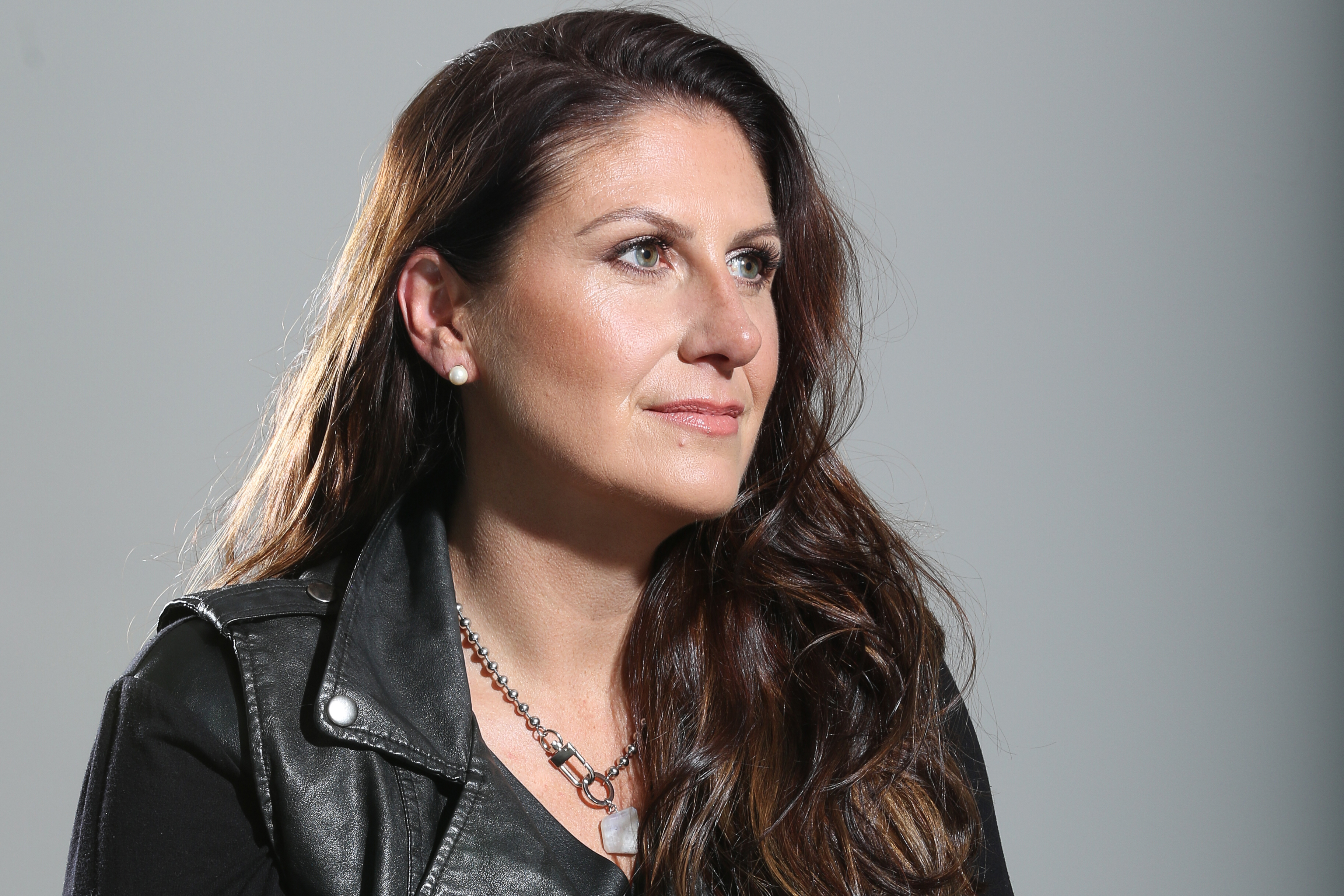
Kelsey Ramsden
Kelsey Ramsden is an award-winning entrepreneur who has twice been named Canada's Top Female Entrepreneur. Over more than fifteen years she has founded, scaled, and operated multimillion-dollar companies across Canada and the Caribbean. She holds an MBA from the University of Western Ontario and has served as a mentor for the Richard Branson Centre for Entrepreneurship. After reaching every business milestone she had set for herself, she found she still felt restless and unfulfilled, an experience she came to call a success hangover and made the subject of her book. She speaks around the world, including at the Global Entrepreneurship Congress and the London School of Economics.
📚 Books by Kelsey Ramsden
Transcript
[0:00:14] CH: What’s up everybody, it’s Charlie Hoehn, the host of Author Hour where I talk to authors about their new books and today’s episode is awesome, it’s with Kelsey Ramsden who wrote Success Hangover. Kelsey is an award winning business mogul, she actually won top entrepreneur in Canada at one point and she’s ranked among the top women entrepreneurs in the world. This episode is really about the biggest lie in business and that lie is that once we achieve great success will finally feel complete, accomplished and whole. And Kelsey doesn’t believe that’s right. The truth she says is that success creates a wicked hangover and that’s what she went through. She scaled multiple companies to millions of dollars she won all these business awards while she was battling cancer and raising three kids. She just didn’t feel complete, even though everyone else had put her on a pedestal. She felt hollow and empty inside. That’s what we talk about is what that experience was really like and how she ultimately got out in the lessons that she learned. If you’re somebody who feels successful on paper or you feel disconnected when other people give you praise for what you’re doing, this episode is definitely for you. Now, here is our conversation with Kelsey Ramsden.
[0:02:08] Kelsey Ramsden: By the time I finished high school, I actually believed I wasn’t very clever. In fact, when I graduated from high school, I nearly didn’t graduate and I went in and saw my principle who was the coach of the rugby team and I was the captain of the girl’s rugby team. I said, Mr. Inis, I just want to let you know that unless I get a 49 on my physics exam, I’m not going to graduate from high school. It’s going to leave that information right here and walk out, you know? My hope was that Mr. Inis would sort it out for me because I figured it wasn’t looking very good and sure enough, when I got my transcripts, I got a 49 in physics. We never discussed it. I don’t know if I actually got a 49 or if Mr. Inis helped me out. I think starting out with this idea that – But secretly, somewhere in my gut, I always knew I would do something interesting. I was kind of always just like inner battle of you’re not good enough but there’s something there.
[0:03:10] CH: How did you know there was something there?
[0:03:12] Kelsey Ramsden: All I could tell you is like, I guess two things, one is, it was a bit of a feeling. I mean, I know that sounds a bit woo woo or whatever but you know when you have a belief that you could do something, you just haven’t found it yet. That was one thing and then you know, people liked to be around me which I was kind of like, the social convener. I was like the kid who planned a party and was the captain of the team and did all that stuff. Socially, I did okay but – and I went on and I did my undergrad and I was on academic probation half of the time and you know, I just never really got my stride going and I wasn’t really sure what I wanted to do and it really actually, it took me a long time to figure that out and I think, one of the things that people assume is that you know, people who wind up doing okay always knew what they wanted.
[0:04:01] CH: Right.
[0:04:02] Kelsey Ramsden: Look, I bet anybody who is listening to this could ask their grandmother, you know, do you know what you want and she would probably say, well, yeah, there are a few things I know I like but you know, I’m not done yet. I think this idea that we’re supposed to have it all figured out and ace all the things and whatever was just – it took me too long to realize that nobody really had it figured out. I thought everybody else had it figured out and it was only me that was walking around feeling like, “What the hell?” you know?
[0:04:31] CH: Why do you think he had that? Because I totally remember having that too and realizing, adults and grownups are equally lost.
[0:04:43] Kelsey Ramsden: I am a slow learner apparently because really, I did not – that didn’t land for me, I mean, I got like sniffs of it but it landed when we had our first child, when we had Sophie. I remember being like, my God, I have no idea what I was doing. Then I was like, wait a minute, my mom had an idea what she was doing. What? This cascade of opportunities where I could have negotiated better with my mother, you know, arrived on me when she wasn’t absolute. I always thought she was like this is the way. That is how - you know, I didn’t think there was room for negotiation or change or I just thought she had it all dialed in. There was some plan. Turns out, there were zero plans with parenting, there’s like, please survive and hopefully you’re a good, kind human who contributes to society. Outside of that, we’re winging it.
[0:05:30] CH: Right, don’t choke on this grape for the next two years and we’ll be good, I have succeeded as a parent.
[0:05:37] Kelsey Ramsden: I say to myself every night, if I go to bed and I can say my children need me less and want me more, I’m moving in the right direction, you know?
[0:05:49] CH: That’s great. I’m going to share that with my wife after this.
[0:05:53] Kelsey Ramsden: I don’t know, we’ll find out, like wait 10 years, you know? My kids, they’re 11, eight and six so you know, so far so good.
[0:06:02] CH: Yeah, totally. Beautifully said. You eventually landed upon some, whether you call it success or a fit or whatever, you eventually found something.
[0:06:15] Kelsey Ramsden: Yeah, I mean, in the end I did okay. I grew up when I was talking about my parent’s businesses. My mom had a cleaning company and my father had a construction business. I grew up working for them on the weekends and in the summers, I would go and work construction and my first job was the girl on the side of the high way that with the slow and stop sign when I was 14.
[0:06:37] CH: You were a crosswalk person?
[0:06:38] Kelsey Ramsden: Yeah, we call them flag people up here. On the high way, when there’s a big highway job going on and they need like the traffic to stop, there’s someone standing there with that sign on a broom handle basically and stopping traffic and you know – that was me when I was 14. Working up on the Alaska highway, living in a trailer on the side of a highway. That was my first real job. I worked construction all the way through and then I did that undergrad trepidatiously that took me five and a half years to finish and then I went and worked some more construction for some other people and I loved it because I liked the people I got to work with, they were like me, they were just regular people, have a good laugh, have a beer on a Friday and I like building something. I like driving away from the thing and looking at –
[0:07:25] CH: You were drinking beers on Fridays at 14?
[0:07:29] Kelsey Ramsden: I did do that actually, that’s factual.
[0:07:32] CH: I think I started in the teens as well, I’m pretty sure.
[0:07:35] Kelsey Ramsden: Yeah. When I was, I guess I would have been 24, I figured, I better go and you know, continue my education. I did my MBA and in fact, I applied to every MBA school in Canada and I did not get into the worst school but I did get in to only one school which happened to be the best school.
[0:07:53] CH: Wow, how did that work?
[0:07:55] Kelsey Ramsden: Yeah, well, it’s very random. Ultimately, I get into school, when the envelope arrived, my first response was my gosh, they’ve made a mistake, I better wire transfer them the money before they figure it out. I called my dad and I was like, “Dad, I need to borrow $70,000 from you today.” He was like, “What did you do, you know?” Which clearly illustrates where he thought I was going in my life. I’m not going to a school, I have $30,000 saved up and I need 70 more, I got to send it you know, like now, before they figure it out. Long story short, I go to school and I’m really involved there and send it and all these things. I meet this woman who says, “Kelsey Kitch,” that was my main name. “Kelsey Kitch, I remember your application.” I said, no kidding. She said, “Yeah, I walked in to the admissions room, it was on the top of the no pile and I picked it up and because it was a drawing, like a hand drawn thing in pencil crayon on the front and I never seen someone apply to MBA school like that before. I read it and I said to the committee, I think we should let this girl in off the wait list, she might do something interesting.” They put me on the wait list and yeah, someone didn’t take their spot and they gave me a holler and there I was, you know?
[0:09:12] CH: You applied to MBA school with a hand drawing in crayon?
[0:09:18] Kelsey Ramsden: Well, it was pencil crayon.
[0:09:22] CH: Okay, I’m sorry.
[0:09:25] Kelsey Ramsden: Okay, what happens is they ask you this really like base question which is tell us about yourself. Most, you know, in air quotes, good MBAs would say you know, I’m intelligent, I work hard, I have volunteer hours, I’m going to become a consultant or a financier, I’m going to give money back to the school, I helped a grandma across the street, you know, that’s what you’re supposed to say. I did not say that. I decided to compare myself to the interstitial, intergalactic universe and talk about me from like this really grand level as like, I’m a human, all the way down to the cellular level about who I really am and what I would really do with my life and why I thought that they should give me the chance to pursue that and I knew I would need an MBA to do it.
[0:10:16] CH: Wow.
[0:10:18] Kelsey Ramsden: Yeah, you know? Clearly it was a bit out there but I guess, you know, in those moments in my life where you have a shot, you know? I’m from Canada, so there’s a saying, you miss 100% of the shots you don’t take, it’s like a Wayne Gretzky quote. I remember thinking that and you know, in that application which was like look, I’m not the smartest person in the room. I did some volunteering but you know, I didn’t really do a lot. Mostly I built roads and worked hard and I could outwork anybody, I knew that. But I could make great friends and I knew I developed relationships and I knew I had something, right? It was just kind of again, this thing of like give me a crack in the window to figure it out because I know this is the right path, I just don’t know yet for sure. Give it a shot and it all worked out. I met my husband there in the program, I graduated, I became a consultant for a period of time before I decided, there was no air in there and I hated it and so one day I walked in and I looked at my boss and I thought, if I could put a hundred bucks on her or me, who would I put it on? So I quit.
[0:11:26] CH: boom, that is a great question to ask.
[0:11:28] Kelsey Ramsden: Yeah, you know? Who is taking you all the way.
[0:11:31] CH: Yeah.
[0:11:32] Kelsey Ramsden: I called my now husband and I was like, “Hey, I quit my job.” And he was like, “Awesome.” He knew I was unhappy. “What’s the plan,” I was like, “The plan is that you do not quit your job man, I need don’t - have plan yet.” You’re going to figure that out. That was really kind of the success bearing moment where I was like, what do II love to do? What am I good at? For me, I went right back to I love to create things and I’m good at pulling people together. Why don’t I start a construction business and build some stuff with people that I used to work with, maybe they want to work for me. That’s where it started and so since then, I built a couple of businesses inn civil construction, we build like highways, bridges, dams, airport runways, that kind of thing and then do land development. Put together parcels of land and rezone it and cut it up and put up some condos or houses and that’s what started getting me all the awards and the other stuff.
[0:12:27] CH: All the successes and, you know, I’ll mention those details in the intro, this episode but let’s talk about the book and the hangover? Tell me about the Success Hangover?
[0:12:43] Kelsey Ramsden: Yeah, it’s actually a great segue in that actually, imagine that. That’s like what you’re a master of, you know? What happen is I like I said, I did okay with these businesses and so made a bit of money and people started noticing and I was 28, 29 when I started the business so now I’m kind of 32, 3. I was named Canada’s top female entrepreneur as everyone knows and then I did it the next year and I had these three kids and it seemed from the outside that I was just killing it. I had all the things. I’d figured it out. And the truth is the second year that I won, shortly thereafter, about two months after that, our son was two months old, Angus-Guy. I was diagnosed with cancer and this particular type of cancer has a 17% survival rate. In my mind, I thought, well, there you have it, you know? That’s the show and so I figured out that I had a pretty brief period to dance around this little blue marble out here in space, so what was I going to do with it? It occurred to me kind of you know how sometimes you have those epiphany moments where you have like this ultimate sense of high and then immediately followed by like a gutting low? People are surprised to hear that when I found out I had cancer and I found out I’d won this award, you know, one was the best thing that ever happened and one was the worst and the best was the cancer diagnosis and the worst was the award. Because I realized I’d spent a whole lot of time building and amassing things that I really thought I wanted but truly on the other side of all that in air quotes, success, I still, I still felt un-satiated and like what’s next and what now and for what, you know-
[0:14:42] CH: Hollow, I’d imagine.
[0:14:44] Kelsey Ramsden: Totally man, you nailed it, totally hollow and gee, that’s a bummer, you know, when you’re going to die, you’re thinking, that was a good run, looks great on paper, the magazines, you know, I was in the cover of like four magazines that month and like flying around the world speaking at all these I international conferences and –
[0:15:04] CH: But very little joy.
[0:15:06] Kelsey Ramsden: Pretty well zilch. Outside of our children, right? My husband and the stuff that we always talk about matters. The great thing about the cancer diagnosis, it gave me immediate perspective. It was like “Okay, seriously man, you’ve got like the clock is ticking. Now what?” Like all good MBAs, I like sat down and made a quadrant and I was like hey, let’s build a model and figure out what am I doing with the rest of my life and I started working on that and all these kind of ahas started coming to me and even though it sounds like it happened really quickly, it was a period of a couple of years on the back side of all that success that I had treatment and you know I am now well and I lived and it’s amazing and miraculous. But I felt in the dark side because I had no one to talk to say, “Hey, I know it looks great but it’s like hell in here.” You know, because that’s pretty – it’s not cool to say I’m successful but I’m dissatisfied, at least it wasn’t.
[0:16:07] CH: I want to dig in to this point here because I not only know countless people who have experienced some version of what you’re talking about, I’ve experienced it as well. What held you back from sharing that?
[0:16:22] Kelsey Ramsden: Number one, no one says it openly, you know? It’s just so politically incorrect to have what you said you wanted and still be dissatisfied. Also, it feels a bit like what the hell, what? What did I just – it’s a bit embarrassing to come out and say, I spent all this time building this thing and it’s just okay for me, you know?
[0:16:49] CH: Right, you feel guilty for having such a great life on paper but feeling so empty or hollow or depressed. Even suicidal. I know people who, on the surface, on paper, many other people which is, I would kill to have that. They would kill to get out.
[0:17:13] Kelsey Ramsden: Totally. In the last year, tons of people that everyone knows, Anthony Bourdain, Kate Spade, people who have it all and they’re just not having it all.
[0:17:23] CH: They’re trapped and isolated by their success.
[0:17:27] Kelsey Ramsden: Totally. There’s a number of ways to talk about that not to lighten them briefly like in the – my favorite quote from the book, it’s like being in the missionary sex of your career, you know? It’s decent, it counts –
[0:17:41] CH: It’s almost worse than that, it’s like being in the uncomfortable hand job of success, yeah.
[0:17:49] Kelsey Ramsden: You know? You’re waiting for this orgasmic conclusion to this like epiphany. And it’s like walking across the stage to get my degree the first time and I was like, that gave me nothing. I walked off and I was like, what? That? I spent four years and like giving my pound of flesh to society because I’m supposed to do this thing and the best part was sitting in my car, rocking out to a tune and smoking a joint which I could have done without having had to do the degree, you know?
[0:18:20] CH: Yeah, absolutely.
[0:18:25] Kelsey Ramsden: I think that the reason that I chose to write the book was this idea that because of my success, I happen to have the great fortune of hanging around with a lot of other people who have done okay and have interesting ideas and we, you know, at the back of cocktail parties, we talk about things that really matter that we would never say out loud. This kept coming up like all the time, people are like yeah, you know, actually, you might relate and then they’d say it and I would say, “I totally get it.”
[0:18:54] CH: What kind of stuff would they say what they say exactly what you just said or –
[0:18:58] Kelsey Ramsden: They would say, “I’ve written five New York Times bestselling books, I don’t want to write a sixth but I don’t’ know what else to do.”
[0:19:05] CH: Yeah, I’m stuck in my identity.
[0:19:08] Kelsey Ramsden: Who am I, what am I, who am I? Is it the same thing, is it what I do or is it who I am? After every one of these interactions, I would kind of work a little bit harder and dig a little bit deeper and try and figure out how can I get out of this thing and help all my friends get out of this thing and it wasn’t the intention actually really ever to write a book about it, it was just kind of like, let’s get us all out of the trenches because here’s all these latent amazing potential. Whether it’s the New York Times bestselling guy or the person who just graduated from undergrad whose sideline, because stuck in this kind of like – have you ever seen a person double Dutch skip? You know, the two – it’s like two skip ropes going back and forth over one another.
[0:19:51] CH: Yeah, of course.
[0:19:53] Kelsey Ramsden: Okay, there’s someone standing beside the double Dutch rope and they’re like leaning in and out, trying to time the jump, yeah? It’s like that. It’s like all these people with tons of potential doing that. It looks like they’re skipping but they’re not.
[0:20:07] CH: Right.
[0:20:10] Kelsey Ramsden: It occurred to me that actually, if I put what I figured out together in some form that people could understand, maybe I could actually get a lot of people out of this latent default, future, missionary sex of their career life back in the game, feeling alive, you know? Actually wanting to do it. Whatever the new it was. That’s what I did. Through like a figuring out a bunch of ways to do it myself, like really, it’s just my journey, I’m not going to say like I’m the prophet, I’m the oracle of, you know, whatever, it’s just my journey and it’s a journey of a few of the people that I know who know a few people too and we worked out some, yeah, again, because of my MBA stuff, some models and some training and exercises so people can do it for themselves but also, this body of work that helps people understand that that’s totally normal.
[0:21:11] CH: Yeah.
[0:21:12] Kelsey Ramsden: For people who are driven and ambitious, we have the sense that there’s an arrival but that doesn’t happen for us, you know? For people like us, comfort is really in the discomfort of pursuit. That’s where we’re best. As soon as everything just gets a bit obvious, it’s disengaging because we’re – our minds feed on challenge. Have you ever gone to go to a place, you driving home from work or whatever the case and you get there and you’re like, wait a minute, did you I make that left? How did I – It’s like highway hypnosis?
[0:21:51] CH: My mind has been driving and I’ve been somewhere else, yeah.
[0:21:57] Kelsey Ramsden: That’s how people are living and then they wonder why they’re so bored. Like in certain cases, you know, at some of those parties, people come up to me and say, “You know I think I’m burned out,” they talk about it and I’d say, “You know what? Honestly man, I think you’re bored out.”
[0:22:12] CH: Yeah, absolutely. Or, very often, they’ve gone through some sort of emotional trauma that they have set aside and ignored.
[0:22:24] Kelsey Ramsden: Totally. I think that that’s you know, just yesterday, I did an event around the book with actually my former MBA schoolers. Some with all these academics and of course they think of things totally differently than I do and the woman said, “You know it’s so interesting about the story is that you can actually speak to it from a number of different things,” in that I had the traumatic cancer thing that took me out that wasn’t in my control. I’ve had the peaks that I controlled and had to get out because it wasn’t the thing that I love. I’ve kind of created my own monster. All of these kind of things that we’re talking about, the people who want to kill themselves I thought that was a good idea at a point. And I think the idea that if you are like us this is totally normal and there is a way to not only abbreviate the dark side after your success but do something about it as you are approaching the peak so that the fall is either non-existent or really a lot less painful.
[0:23:31] CH: Yeah, I mean I am sure you would say that the darkness that you experienced is potentially your greatest gift or I think you did say that actually.
[0:23:43] Kelsey Ramsden: It’s true and with every time it was. I mean the cancer thing was a huge gift but I will tell you what, the last thing I figured out for the book was this part of disassociating what I did from who I am. That was actually the part where I was like, “Oh my God, I did it. I’ve done it. Now I have to share this thing.” And so I worked out this way of thinking about in all the things in my life that I have done, that I’ve done reasonably well at it or enjoyed, what’s the silver thread? What is the thing that goes through them all? And I went through a number of different iterations and you know how we introduced ourselves? I’m Kelsey Ramsden, blah-blah-blah, awards and scholastic achievements, a bunch of other stuff.
[0:24:32] CH: Things that are impressive, yeah.
[0:24:34] Kelsey Ramsden: Do you know how many times I’ve bred a human, whatever.
[0:24:36] CH: How many media features I’ve had, yeah.
[0:24:38] Kelsey Ramsden: Or the city I live in, like that is where I parked, it is not really an accomplishment but you know so we talk about these things but really what is a lot more engaging and interesting and the thing that has helped me worlds is arriving at a place where I can say, “I am Kelsey Ramsden. I am a creator who deeply values intimate connection.” And when I look at all the opportunities and this is the other problem is when you get success, you get more opportunity and then it is harder to choose.
[0:25:08] CH: Yes, I remember, Kelsey, writing in my journal years ago. If you’re successful at the wrong thing the mix of praise and opportunities can lock you in forever.
[0:25:23] Kelsey Ramsden: Dude, all so true. And so then how do you take all of that stuff, all the things you now could do and discern what to do next? So for me, I just took who I actually am and I looked at all the opportunities and I said, “Where can I apply this in a way that I just absolutely know without a shadow of a doubt that it is about creating something and I can intimately connect with people?” And I don’t want people to get distracted by the word intimate. Because to me, designing a road as intimate connection with someone because someone is going to teach their kid to ride their bike on that road and it matters, you know?
[0:26:03] CH: Yeah, seeing the human in everything that you are doing. I am curious, how did you arrive upon that personal, almost spiritual mission that you had?
[0:26:16] Kelsey Ramsden: I guess I figured there was no other way out, you know?
[0:26:20] CH: I mean how did you determine these are the things that I truly deeply value that this is really who I am. I am not all the accolades, this is what I am about.
[0:26:32] Kelsey Ramsden: Cool. So there is an exercise in the book that goes through this but in basic terms and anybody who listens to this can obviously - actually all the exercises they’re on the website anyway. You don’t have to buy the book but it would be a lot cooler if you did.
[0:26:45] CH: Definitely buy the book.
[0:26:47] Kelsey Ramsden: But I went through all my accomplishments because that’s the only place I knew where to start, right? Kelsey Ramsden, MBA, this award, that award, number of children, where I grew up, blah-blah-blah. And then in the next column I went through it and then I went, “Well okay, why does this matter to me though?” I mean it matters to the world in that they say it’s important or - but what about this actually, why did I even bother completing this? Okay, so if I look at my undergrad it was because honestly, I did my undergrad because I wanted my parents to approve of me and I wanted to party with my friends. That was about it but when I was actually there this thing I was most proud of was this one particular class, it is a physics class. I liked physics, we got to create a comic book and it sounds really bizarre but my whole undergrad career that was the one thing that I was like, “I loved that,” okay? That was it and so what about the others that I love, what was the abstract and I was creating something from nothing and then on and then why did that whole undergrad experience even mattered to me? It was all about the intimate connections I had with my friends. Every minute that I could remember about it, it was a moment staring into someone’s eyes going, “We did it.”
[0:27:58] CH: Oh that’s cool.
[0:28:00] Kelsey Ramsden: So I just kept going down the list and trying to discern why did I bother? What mattered, what stuck, why did I? And going deeper and deeper into it until finally I landed it, “Oh that’s true,” as ugly as it was. Sometimes it was like it is not that cool to admit that I’ve spent five years and the biggest thing that came out of my undergrad was a comic book, like come on.
[0:28:20] CH: That’s pretty cool, I mean it says actually more I think about schooling and the way we approach it than it does about you.
[0:28:29] Kelsey Ramsden: Well I appreciate that. I echo your sentiment but you know a lot of people are stuck in this idea that someone is going to tap them on the shoulder and tell them it is their time. Someone is going to give them a grade, someone is going to say what you do next is this thing and what happens for a lot of us who are driven and ambitious or whatever we want to call us is that we do all that hoop jumping. I always call it smart hoop jumping monkeys. We’re like, “Boop-boop-boop, I’ll do your thing, I’ll jump your hoops.” And then at some point we get to this elevation that there is no one putting hoops up anymore and that’s when people start to freak out, you know?
[0:29:09] CH: Yeah, they’ll give away everything just to have somebody else to take care of those hoops and put them in front of them just as long as they don’t have to create their own hoops.
[0:29:19] Kelsey Ramsden: Just tell me what to do next and that is why I think a lot of people they had an early success whether it’s when they wrote their first book and it did well and they’re like, “Great I am a writer!” and then they just start at writer and they write and they write and they write and one day they’re like, “Wait a minute, oh my gosh I don’t want to do this anymore.” And so I think the thing that crystalizes it for a lot of people is this idea of a default future.
[0:29:42] CH: Yeah or that you have one thing. Like you’re a vast collection of experiences over generations and millennia, like you have depth. You don’t have some finality in some ultimate thing. You are constantly creating like you said it was what life is.
[0:30:03] Kelsey Ramsden: Are you cool if we do something weird?
[0:30:05] CH: I say yes to that all the time.
[0:30:07] Kelsey Ramsden: Okay, I’m like, “I like you!” Okay and everyone who is listening can do this along with us but don’t be afraid. I mean it is weird but you are not going to harm yourself. So I am going to ask you two questions and you are going to not answer it out loud just answer in your head, okay? And then I am going to read your mind, cool?
[0:30:27] CH: I like it, yeah.
[0:30:28] Kelsey Ramsden: Let’s do it. So the first question, I want you to think of something you know very well. Something specific that you know, you know it really well. Got it? Just whatever comes to mind. There is no right answer.
[0:30:40] CH: Something that I know very – Yes.
[0:30:44] Kelsey Ramsden: Something you know very well, specific. Cool, now I want you to think of something you remember, something specific, a memory, something you remember. First one, it doesn’t matter. You got it? Cool so here’s in both 93% of the time and I have done this a lot with a lot of people this works so the thing that you know really well, I am willing to wager that you can teach it to someone else, yeah. So let us move on to the thing, the memory that has three tags to it. One is it’s highly a mode of love, lust, hate, fear, something there is an emotion, yeah? Yeah, the second thing is it couldn’t be repeated the exact same way twice. Yeah?
[0:31:28] CH: Yeah.
[0:31:28] Kelsey Ramsden: And the third thing is that you either shared it with another human being by virtue, you did it with that person like they were there with you or if you did it on your own you story told it to someone else in the human element like not Instagram or whatever. You stared a person in the eye and you told them about it, yeah?
[0:31:44] CH: Yeah.
[0:31:46] Kelsey Ramsden: Winner-winner-chicken dinner?
[0:31:47] CH: You got it.
[0:31:49] Kelsey Ramsden: So that’s because from wherever you are in the world, wherever I am in the world I can read your mind is because there is a way that our minds work. When you are talking about accumulating experiences, it reminded me of this thing. It is in the book, it is called the three e-method and I will tell you about the fourth E in the second but the reason why the first question matters, that thing that you could teach, is most of us associate our sense of who we are with that thing. MBA, that I could teach a person how to breed a human being like it’s not –
[0:32:22] CH: Just a quick note about this, what is funny about this, the first answer that came into my mind I edited it out because I try to get away from my association with that thing which is book marketing. I know book marketing like the back of my hand but it is also very routine and formulaic after a certain point. So it is not very interesting to me and I don’t really want to help people with it. So I moved onto the thing that I know not quite as well but I love which is editing video and so I was like, “That’s my answer.”
[0:33:04] Kelsey Ramsden: Well what is awesome about that in it of itself is your mind immediately gave you the thing that is most obvious to itself and that plays perfectly well into the reason that this works is because that’s what people often see us as and we associate ourselves with who we are. That is who your mind believes it’s what you know really well. That is the first thing you’ve answered when you were asked with that question. And the scary thing if you want it to be a little bit weird is that if you can teach it you can program it, ultimately. It may be a few years but that thing that we all associate ourselves with probably is not a wise idea to cling to that super hard. But the thing that makes us exceptional, an exception to the rule of book marketers is who you are. There’s a lot of book marketers, a lot MBAs, a lot of physicians, a lot of all those things but the thing that makes you an exception is you. Your experiences. But the more we get greater at things, what tends to happen is we narrow our experience subset we stop doing new and interesting things. We stop doing things that are highly in motive that couldn’t be repeated the exact same way twice and we stop doing it with other people because we are afraid of what other people would think if we were doing those things. So this actual identity piece of who we are starts to fizzle away when mastery becomes mundane. The cool thing and what abbreviates that shadowy period for people on the success hangover side of the spectrum, is strategically engineering those activities for themselves. And if you can strategically engineer them and you say every day I am going to do something that has those three components. So today, my plan is I am going to talk to a stranger and I am going to make it a stranger who looks a little bit, you know, not like a person I would normally talk to and I am just going to ask them for some free directions even though I don’t need any.
[0:34:54] CH: Can you say what those three components are again?
[0:34:57] Kelsey Ramsden: Yeah, so it’s emotion. So pick any emotion, in this case for me it is going to be nervousness because I don’t know the person. This is a really minor example right? This is something super base, this is junior varsity. Everybody could try this. Emotion, experience that couldn’t be repeated the exact same way twice. So I am not going to meet that same guy. It’s not going to be today, it’s not going to be whatever. One I’d like to use is go a different way to work, you know engineer something different easy one. So experience that you couldn’t do the exact same way twice and then the third one is share it with another human being. So in that case, I am doing it with another human being. This other stranger, I’ll be up to meet is a part of my experience. And it has a lot to do with how we’re actually soft wired. How our brains function from a long time ago and that storytelling was a means of communicating. And that is actually how it retains information. There is a whole lot of science behind it and there is a bit of it I included in the book. So it is not just a random thing but it occurred to me randomly and I put those three things together because I kept saying to myself how is it that I am such a dummy and I am so poor at school and I do all of these stupid things and whatever but I keep winning and I realized that it’s because of who I am. And then I tried to figure out, “Well how did I arrive at who it is that I am? What are these memories that clashed together to create all of these good ideas?” I think a lot of the people who are listening to this will relate to this and that people say to you, “How do you think that way?” Do they say that to you? “How did you think that way?”
[0:36:28] CH: Oh yeah, it depends on the circumstance of course but yeah.
[0:36:31] Kelsey Ramsden: Well fair, what are you thinking? It’s totally there.
[0:36:34] CH: Yeah, you know I really – it makes a lot of sense that the activity that really snapped me out of a multiyear funk, after experiencing some pretty high, great on paper, successes was improv and improv put me on high emotional states. It was a wonderful experience and you have to share it with others and yeah, it was transformative.
[0:37:07] Kelsey Ramsden: Perfect and this is it, if you engineer those things with enough frequency it actually calls your mind to attention. See, what we’ve done with this mastery thing when we go to the thing that we do and it is so easy to us that could be taught and da-da-da is that we just shift to right down into neutral. Your mind is not even paying attention. It is not taking any lesser, it is just doing what it does so why would it show up? So that’s why the fourth E comes in which is the epiphany. So everybody is sitting around after their success and they’re seeing their hangover going, “What’s next? I am waiting for the idea, the big thing, the aha moment, the feeling alive again, you know the sky part.” Whatever but they’re giving their selves no opportunity for that to happen and the only way that I found for me and people that I have been hanging around is to strategically engineer those first three Es and then the fourth E comes a lot faster, the epiphany.
[0:38:09] CH: Wow, that’s really brilliant.
[0:38:12] Kelsey Ramsden: I love how surprised you sound.
[0:38:14] CH: Well I am not surprised but what I am surprised is how well it maps out to my own experience of the epiphany came after I started doing those things. I literarally wrote a book about this experience and had it not been for incorporating these old experiences from my childhood that I’d lost touch with and putting them back into my daily routine and doing them more and more. I mean within a few weeks I was back to normal. Had no symptoms of any sort of mental illness, depression, anxiety, I felt back in my own skin and I did have that epiphany and so I mean I’ll double down on everything you just said and say this stuff works.
[0:39:06] Kelsey Ramsden: It does and I just think people, you know the truth of the matter is I don’t want to be – if I could put this book out in the world without anyone’s name attach to it. If I just bit the Forrest Gump feather and it landed on the right people’s lap and the right time randomly and sporadically, I would 100% do that. Because all it is, is I just happen to be the guy who wrote the book. There is a lot of people just like you and me who have experienced this thing and worked bloody hard for a long time to figure out the way out and perhaps not everyone figured out how to articulate it but there’s a lot of people who are working hard at trying to get on the other side of it. You know success isn’t singular. This idea that you just do it once is horrific and so for me, it’s like when you see something in a shop and you know it is already yours like, “Oh that’s my hat.” It just happens to be in the show. I know that it belongs to me. I have to buy it. It’s like this book to me was like it just has to be a feather, if it lands in someone’s lap at the right time, from a friend who goes, “You’ve got a success hangover. No big deal. I get it. I’ve had one too, this is going to help you out.”
[0:40:32] CH: I love it. This has been such a great conversation Kelsey. I feel like we are kindred spirits on some level even though this is our first conversation and I so appreciated you sharing this story and everything. Where can our listeners either follow you on your journey or if you want to be contacted, what is the best way to do that?
[0:40:54] Kelsey Ramsden: Sure, yeah. So of course the site is successhangover.com. They can follow me just @kelseyramsden and all the way through the book and then I am totally open with this, you know I say reach out to me, tell me what you’re thinking, what are your thoughts, what are your experiencing because I feel just like that. We are kindred spirits because we just had this really personal conversation and I am just happy to be people’s wingman. I don’t have the answers but I can help. I can show up and give a bit of my experience or other people’s experiences and so I am happy to connect in all of those places you will find the ways to get in touch with me next level if that’s what you are interested in too.
[0:41:42] CH: And my last question for you is, give our listeners a challenge. What is one thing they can do from your book this week that will have a positive impact?
[0:41:54] Kelsey Ramsden: Great. So I believe very strongly that to be exceptional you have to be an exception to the rule, yeah? And people like us want to be exceptional in some way maybe not stand out but we get bored pretty quick. And so I would say think about the rules you’ve constructed for yourself whatever they are and decide intentionally to break one of them. So simply put for me today, I am going to talk to a stranger which is not something I would do. It’s not expedient. I like expediency. I like to get places where I am going and get there quickly. I like to have a plan. I like intimate connections, so why would I waste my time talking to that stranger for 30 seconds but find a little rule. Some things that are so low risk and break it and let that be an opportunity for you to see how many choices you actually have in a day and how many rules you are carrying around that you are not even pressure tested lately. And so I would ask them point blank, “What rule did you break today?” That’s it.
[0:43:11] CH: Beautiful. The book is Success Hangover. Kelsey Ramsden, thank you so much for being on the show.
[0:43:20] Kelsey Ramsden: Thanks for having me. That was a great time.
[0:43:22] CH: Likewise. Thank you again Kelsey for being on the show. You can buy her book, Success Hangover, on amazon.com, the internet’s bookstore. Thanks for tuning in on today’s show. If you liked what you heard, here is what I want you to do next. Open up the podcast app on your phone or iTunes on your computer and search for “Author Hour with Charlie Hoehn” and then click “ratings and reviews”. Take 10 seconds to rate this show or leave a review. It is a small favor but it’s really the best way to show your support and give me feedback and if you know someone else who’d love Author Hour, take another three seconds to text them a link to this episode. We’ll see you next time.
Want to Write Your Own Book?
Scribe has helped over 2,000 authors turn their expertise into published books.
Schedule a Free Consult