Heidi Ganahl: SheFactor
Read the full transcript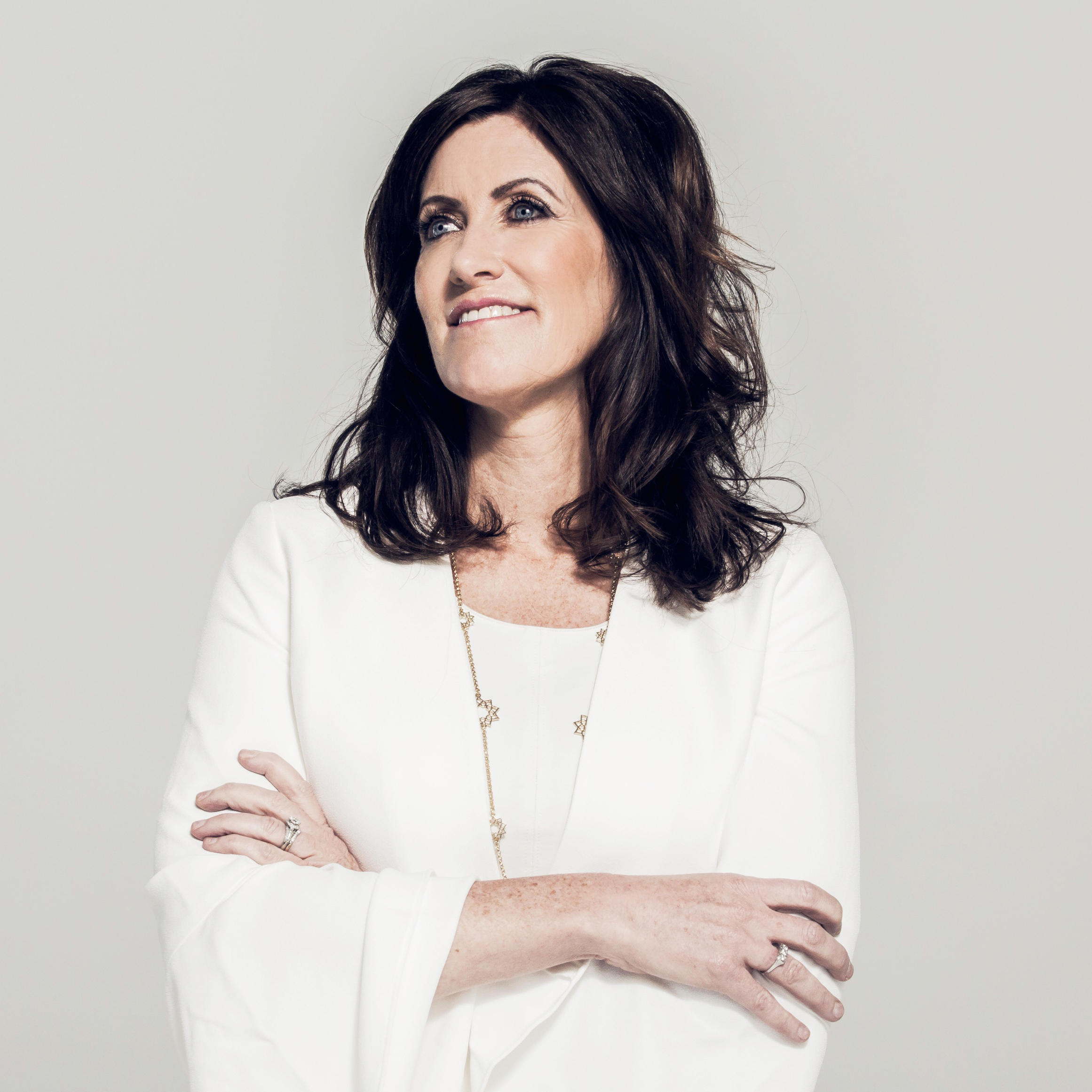
Heidi Ganahl
Heidi Ganahl is the founder of Camp Bow Wow, which she built into a $100 million leader in the pet care and franchise industry after opening her first location in Denver in 2000 and later sold in 2014. In 2019 she launched SheFactor, a book, app, and brand created to help young women build lives they love. She has been named one of Fortune magazine's Top 10 Most Promising Entrepreneurs and received the 2016 Brave Leader Award, and she founded and leads the Fight Back Foundation, a nonprofit that mentors social entrepreneurs working to improve children's lives in Colorado.
📚 Books by Heidi Ganahl

Transcript
[0:00:26] RW: Hi, everyone. It’s Rae Williams, host of Author Hour where I interview authors about their new books. The author I’m talking to today just inspires me on so many levels and this essentially starting a movement that frankly I think we need. She is hiding in all author of SheFactor. Society tells us, if you follow the plan, you can have everything. A terrific job, a great family, a perfect life, unfortunately, too many women feel trapped and unfulfilled when they find out that the plan is just an unattainable ideal. Heidi talks to us today about discovering who you are and what you really want and shares with us a bit on how her book directs us on how to do that. Here’s our chat with Heidi Ganahl.
[0:01:12] Heidi Ganahl: Well, a couple of years ago, my oldest daughter graduated from University of Oregon and I got to know all of her friends pretty well out there and the moms of the friends to go to mom’s weekend and just visiting her and going to football games. Tori is super organized and always on the ball and always has a plan and when she was getting ready to graduate, she’s kind of like, okay, where do I want to live and what kind of company do I want to work for? She did tons of informational interviews and couldn’t just nail it on what she wanted to do, she had a journalism degree. I started to use some of the tools that I used when I was building my young corporate team at Camp Bow Wow and some leadership tools, like an assessment to help her figure out how she rolls and then we used gamification quite a bit, like setting goals and priorities and scoring yourself. It worked out really well and we had some great conversations about what would help her figure out what she should do, where she should live and what kind of company she should work for. That got me thinking about the same time I was asked like if I could write a book, what kind of book would I write? I didn’t want to write just a typical, hey, here’s the story of how I built Camp Bow Wow, I wanted to write it more form a perspective of how would I advise my 20-year-old self to do things differently or what advice would I give myself. That’s the angle I took with the book and then I kind of layered on the idea for the app with the assessment tool and the gamification and teaching you how to set goals and priorities in your life. Then I added the chapter element so we’ll have live chapters which she factored too so there’s an actual human kind of community element to it too. It all came together as a way to really surround young women with lots of support and mentorship and ideas and tools and tactics and community to help them launch their lives.
[0:03:06] RW: Awesome. Who is this book specifically for? Of course you’ve mentioned young women but you know, what kind of state of life should we be in or what kind of mindset are these people in that need this book that want to access this information?
[0:03:22] Heidi Ganahl: I would say this book is going to especially reach young women that are just graduating from college or that are just out in the workforce, maybe 21, 22, maybe up to 24 years old. I think that’s the sweet spot for this book so probably, 18 to 24. They’re really trying to figure out what they want their life to look out, map it out a bit, and really kind of navigate what the decisions they need to make are to make that happen. That’s I think the sweet spot although I certainly think that women younger in high school and women older that are you know, have their feet wet and are a little bit more established can benefit from this too.
[0:04:02] RW: I will tell you, I’m a little bit above that age range but I still can’t wait to read it. You have a wider audience than you might think. Tell me a little bit about your story. You got into a little bit when you were telling me the motivation for the book but tell me a little bit about your journey and you know, why you would go back and give yourself the advice that you're now giving young women today?
[0:04:23] Heidi Ganahl: Sure, well, I had everything figured out and did exactly everything I was supposed to I guess you could say. Worked my way through college, got a degree, moved out to California to be an advertising accounting executive and it was great, I loved it but I was just missing something and I was also missing Colorado. I moved back and ended up in pharmaceutical sales and met my first husband and we just hit it off, had such a good time together. He is very entrepreneurial also but then I wasn’t really happy in pharmaceutical since I was wrestles but I’d like to say it was the golden handcuffs, it was a great job, exactly what – it looks good on paper, exactly what you should be doing early on in your career but I just wasn’t really fulfilled or happy with the job. I started thinking about other businesses that I could start and my first husband and I came up with the idea for a dog care business. One of the first doggy daycares in the United States opened up right next to my dad’s business. We thought, this is the coolest thing ever, I want to hang out with dogs all day and doggy daycare was just taking off at that point. We wrote the business plan and shortly after that, my first husband died in a small plane crash. That changed my life dramatically at that point. I really had to go back and figure out what I was passionate about, what was going to help me move past that terrible time and get me kind of back into life and as I look back at how I dealt with all of that and then dealt with figuring out how to navigate afterwards. I was really hard on myself. I was not very forgiving and I thought I had to have it all figured out and then I had to get right back on track and live life exactly the way I was prescribed to do it. But what I found is when something that profound happens to you, it really shakes you to the core and it makes you reexamine why you’re doing what you’re doing and what you really care about and how you want to live your life because you realize how quickly it can go away. Some of the lessons that are in this book come from that experience and that time in my life when you know, everything I thought I was supposed to do and how I was supposed to live my life. Was really rocked to the core and yeah, not reinvent myself but really figure out what it meant to live an authentic, really joyful life, especially coming off of an experience like that.
[0:06:49] RW: Did some of those experiences kind of obviously come back to you or I guess, influenced you more or even open up again as you were actually writing the book?
[0:06:59] Heidi Ganahl: Absolutely. As I thought back about stories that would impact the certain sections in the book, no matter which part it was, I’d reflect back and say, why did I make that decision or what influenced me to do something that I didn’t necessarily believe was the right thing for me to do and how could I have done it differently or what other influences could I have looked towards to make a different decision? That was a big part of writing this book, was, “Gosh, I wasted so much time trying to make other people happy and do things the way I thought I was supposed to do it.” If I had learned some of these lessons or tools or tactics early on, I think I could have saved myself a lot of heartache and really enjoyed life more and lived more foot loose and fancy free and having fun and not worrying so much about what people were thinking or what I should have been doing.
[0:07:50] RW: What is one thing that you would issue to young women who are either listening to you or reading the book, kind of something they can take action on immediately to get their lives changed or to move away from a certain situation that they’re in or break that mindset of I have to do this in my life, what would be that one thing they can take action on immediately?
[0:08:11] Heidi Ganahl: I think one of the most important things they can do is give themselves permission to fail and give themselves permission to play. You don’t have to have it all figured out. I mean, my goodness, I had a couple of other little businesses before I got Camp Bow Wow going. I had several other careers before I figured that out and now I’ve – I’m reinventing myself again with a different career, a different passion and different things that are priorities for me. I think if I had been more forgiving of myself and let myself kind of try different things and test the waters with you know, different careers, different jobs, different lifestyles, I think it would have been freeing and much more exciting and fun along the journey instead of you know, more critical and more pressure and more harsh I think with myself.
[0:08:59] RW: Where do you think some of this pressure is coming from for young women because I know I’ve personally felt it and I know a lot of my friends have this kind of prescribed idea of what we need to do like you talked about. Maybe you need to get married by a certain age or you should have kids by the time you’re 30 or you know, when you leave college, you’re supposed to work for this job, where is that coming from for us?
[0:09:18] Heidi Ganahl: I think it comes from a few different places. Obviously our parents come from a place of love and support but they come with preconceived notions about what they’d like our lives to be like. Whether it’s subconscious or conscious that they’re telling us that. The other thing is society. I mean, society has a very prescribed version whether it’s through the movies we watch or the education system or through the people that surround us about what a good life in quotes looks like and what that means, what kind of path that is. I think we are loosening that up a bit but at the same time, the pressure to do everything and have everything, now that we you know, women today have a lot of choices and we are so blessed to live in a country that we can do pretty much anything we want to do. Of course, it’s not perfect but it’s pretty optimal and so it’s almost sometimes freedom is paralyzing and so we’ve got to really just pay attention to our intuition and to what makes us feel good and feel happy and fill our souls and our hearts and you know, push back a little bit on what everyone else thinks it should look like. Whether that’s society, our parents, boyfriend, our teachers, the list goes on and on, the coaches, et cetera.
[0:10:39] RW: All right. Talk to me a little bit about the title of the book, just some of the chapters, how you decided to structure it this way and what SheFactor means to you?
[0:10:50] Heidi Ganahl: Yeah, it’s a little cryptic but it will make sense once they read the book. What happens is, in the book, in the app, we talk about nine different spheres of your life. Different areas that you can focus on and those are things like finance or fashion or faith, future which is your job or folks which is friends and family. It has you look at those different parts and aspects of your life and figure out, well what’s my priority right now? What am I focusing on right now? You can’t have it all, that’s a big theme in the book. You have to learn to prioritize in order to have work life balance. You can’t be a wonderful CEO and a wonderful mom and a wonderful girlfriend, typically in the same or probably if you’re a mom, you probably don’t have a girlfriend but your friend, friend. Then you could typically go overboard with trying to be great at everything. One of the lessons in the book is you know, try and prioritize, try and set really clear expectations for yourself about what success looks like. Whether it’s in a dating relationship or in a work relationship or with your faith and try and map that out a little bit. And then, set the goals, write them down which you can do in the app or through the book and then score yourself every week using what we call a net promoter score. It’s a scale of one to 10 and you basically say to yourself, you know, how did I do this week? I try to work out three times, I only worked out two, I’ll probably give myself a score of six or seven on a scale of one to 10. It teaches you to be really honest with yourself as well because no one else is scoring you, it’s just you. If you don’t score yourself honestly, it’s not going to help you move forward and figure out how to navigate personal responsibility and accountability and meeting your goals ultimately. What then the app does is it takes the scores of your top four priorities and averages them out based on your weighted priorities and that number that comes out is your she factor. That number, the she factor is how you can have a common language with your mentors, with your peers, with your boss. If you say to your peers, my gosh, I’m having a rough week. My she factor’s a three or four. People are going to get what you're saying if they’re in the she factor community whereas you know, if you typically say that to a friend and you just say, I’m having a bad week, well what does that mean. How does that rank on a scale of one to 10 and I know that sounds a little data driven but it does give everyone a basis to work off of and teaches young women how to articulate where they are and where they’re groing.
[0:13:29] RW: That is so awesome and I can see just even in friend groups just friends kind of getting together and being like this was my week and being able to hold each other accountable number one, of just kind of be more empathetic about what’s going on number two and to boost each other up, number three so I think that’s a fantastic idea. I didn’t even know that part, the app part of the book or that was connected to the title. I just thought the title was just badass in general. That is so awesome.
[0:13:56] Heidi Ganahl: Good, I’m glad, there’s a little hidden secret message in there, a little treat.
[0:14:00] RW: Nice, all right what was the idea I mean obviously we know that you know in you thinking about this book and wanting to empower women that would be a big motivation but what I would love to know is what do you think is the accountability factor in just having that app, that was important for you to have out there?
[0:14:20] Heidi Ganahl: Well I think it is really important that when we read about how to do things better in our lives or how to take a different approach that often that goes in one ear and out the other one. I mean life is so busy right now and there is not really a way to hold on tight to things that you read in a book that you think are great and so the thought here is if you read the book and then you download the app and you do the assessment and you learn a little bit about yourself and how you roll. And how others roll and how you interact with your friends and family and significant other and then you set priorities and you can hold yourself accountable for those, then you go to your she factor chapters whether it is a college chapter, a city chapter or a corporate chapter and you actually have live people to integrate with and talk to in community and get mentored and have peer to peer support. I think it brings it all together. And so, it is just a continuum that helps see you through the journey or the platform so that you can actually see results and that is ultimately what is super important. It is helping these young women create a life that they love, that’s authentic and brings them joy and it’s easy to say that but you’ve got to figure out what that practically and tactically means in your life and that is what the journey is all about.
[0:15:38] RW: Nice, okay so do you have an example of a success story or someone that’s employed some of these principles that has even gone through the book? I know you talked about when your daughter came out of college, you used some of the techniques and that is where it started out but do you have any stories that you can tell us whether from the book or just from your personal experience of young women that have conquered?
[0:16:01] Heidi Ganahl: Yes, I think one of the most important things that comes out of using the assessment tool and what that does is it puts you into what we call a silhouette. So it is just think about the difference between your friend that is an engineer and loves data and loves to watch the space shuttle launch versus your friend who is totally into fashion and very artsy and loves to create things or draw. They are different but there are lots of things that bring them together or complement each other. So the assessment gives you that tool in your tool chest to figure out how people roll, how you roll, what the differences are and just acknowledging and giving yourself permission to be different and that you don’t have to fit into a certain box. Then when you start playing the same or you know setting your goals or holding yourself accountable for the she factor scores, it really teaches you to prioritize and be disciplined about it. So the young women that I have used this with so far find that it is surprising to them what they’re focusing on like they didn’t realize that their faith was so important to them and that it needed to be a top priority and when they did make it a priority it felt really good and it brought them something like a gift that they didn’t realize they were missing but they had to actually rank the nine categories and play the game to figure that out that that was what was missing right there. Or you may have a young woman, I am thinking of a young woman who really wanting to get involved politically and become an active engaged citizen but you didn’t know what that meant or what that looked like and so she played the game and she set some prioritize and one of the priorities was to start studying some different policies of policy issues and figure out what really was interesting to her and she found that she was really interested in the foster care system. And at the same time, she wanted a way to give back. So she combined the two areas of being politically active and helping past legislation in Colorado but also starting a non-profit that provided support for foster families. So it is something that she never would have thought about if you just go along your day to day life but actually being intentional about it and looking at the different categories and figuring out how they overlay or how they could play together and what’s important in prioritizing those made a big difference and it’s helping many, many families around the state now.
[0:18:23] RW: Nice, okay so what happens when we don’t do this? So what happens when we are not prioritizing ourselves and our goals and just going through all of this and making sure that we are living our authentic lives and not just following a prescribed formula?
[0:18:38] Heidi Ganahl: I think the biggest thing I see is overwhelm. I mean it gets overwhelming when you feel like you’re supposed to be doing things a certain way, living life a certain way, keeping people happy but when you can break it into spheres as we call them or certain goals or just a few categories and you can win in those categories by accomplishing your goals even the little ones just to get started, it gives you confidence, it gives you peace of mind. It gives you the sense that you are in control of where you are going and what your destiny is and what your life wants to look like. It just gives you a clarity around it.
[0:19:19] RW: Nice, okay so what was your favorite chapter to write?
[0:19:24] Heidi Ganahl: That is a good question. I think probably the folk chapter. The learning how to navigate friends and family, parents, how do you build a life that is authentic to you while trying to not keep all of those folks happy but not upset the apple cart and go to the point of, “I don’t agree with what you wanted for my life so I am going to create my own” it’s like how do you navigate that because those are the people that are going to be most sensitive to any changes you make. And anything you try or any chances you take, any risk you take. So figuring out how to navigate that and oh my gosh do I have some incredible stories around that so it worked out beautifully as I told the stories about having my family involved with building Camp Bow Wow and having my family and friends help me get through that journey of losing my first husband and now with SheFactor and I am pretty politically involved, like how does that play with my family and friends. So that was a really interesting chapter to write.
[0:20:25] RW: Nice and very relevant too especially for those of us who are families are supporting us. It is not like we have a disconnect with our families but we still may not agree with the path that they have for us. I know I am from the Caribbean and there is a prescribed formula of being a certain type of thing or going in a certain direction and that’s kind of across the board and you know that is not for everybody. The prescribed formula is not for everybody. So that is such an interesting challenge.
[0:20:48] Heidi Ganahl: But boy isn’t it strong when your family is telling you to do something with your close friends.
[0:20:53] RW: Yeah and especially again if they are supportive. If they have been supporting your through high school and they have been supporting every career choice that you have made and helping you with your school work and they’re like, “We want you to do this” and that is not what you want, of course we need a way to figure out how to navigate that and say, “Respectfully this is what I want to do but I love you” you know?
[0:21:12] Heidi Ganahl: Yep, I respect what you say but I am going to go in a different direction and then you have people that tend to root against you like, “Well, then fine, it’s just not going to go very well” and those you got those dynamics. I think it is one of the most challenging things to do is to help young women disconnect from those expectations.
[0:21:33] RW: Yeah, agreed. So if you have to issue a challenge to your readers, our listeners, young women at large, those graduating from college maybe those who are actually kind of graduating to a new stage in their lives where they have decided, “Hey I have followed the formula but I am done. I want to be authentic” what would that challenge be?
[0:21:54] Heidi Ganahl: I would say the challenge is to follow the process, the she factor process. Just give it a chance, bite into it totally, read the book, do the exercises in the book like mind mapping and the different questions that we’re asking you to journal about. It is really important that every exercise or thing that we ask you to do has a rhyme and reason to it and so there’s the book then the app and actually playing the game whole heartedly. Going to chapter meetings so you have the community and support and being mentored by someone in our champion circle, all of it, the whole process is what is going to help you get where you need to go. If you try and piece mail it, you will get some benefits but I don’t know that you’ll have the breakthrough that we are hoping that young women have when they use this system and that we have seen with young women that have tried it.
[0:22:43] RW: All right. So I want to end on a personal note. In the beginning of the book, you do have your daughter write not the introduction but write a foreword. What was her feedback on this whole experience, you writing this book and just her process in general?
[0:23:01] Heidi Ganahl: Tori is great. I mean she is so supportive and it was weird because I kept saying, “Well this is really for you” but then I found it was really about me and what I want my legacy to be and how I can use all the lessons I have learned over my crazy life because it has been a crazy life to help this young women hopefully not make some of the same mistakes I made and take a shortcut to a happier more authentic life. It took me a long time to get there and I don’t want it to take her that long. For my own daughters or for other young women. So Tori was really helpful in just checking in occasionally and saying, “I think this is where we are going, is this accurate? Is this how you feel? Is this the challenge you’re facing?” and now I am excited to get Tori more and more involved into this SheFactor and let her tell her stories especially about what it was like to go on the journey with me and come out the other end such a strong authentic young woman herself and I am really proud of her and where she’s landed and I am excited for her to tell her story in some aspects too.
[0:24:03] RW: Awesome, okay so I am low key expecting book two to be the two of you together.
[0:24:09] Heidi Ganahl: Maybe the podcast.
[0:24:11] RW: That would work too.
[0:24:13] Heidi Ganahl: Yeah, I don’t know if Tori is – she’s really busy. She is having a lot of fun I don’t know if she’ll take time to write a book right now but I will try.
[0:24:21] RW: Yeah, all right so how can we contact you? How can we find you?
[0:24:25] Heidi Ganahl: So I am very active on social media. I have a big Instagram following, do lots of Insta Stories and then also there is a website theshefactor.com, where you can go sign up. Just leave your email address and we will keep you on the loop as things launch. The official launch for the book is April 30th and we will start a book tour all over the country. We are going to visit 30 different cities over this summer and have lots of fun. Parties and happy hours and book signings that really get young women engaged all over the country.
[0:24:55] RW: Awesome, I love it and is Austin on that list?
[0:24:58] Heidi Ganahl: Austin is on that list.
[0:25:00] RW: All right, so I am excited too, whenever that is I’ll be there for sure.
[0:25:05] Heidi Ganahl: Great.
[0:25:05] RW: All right, thank you so much Heidi.
[0:25:08] Heidi Ganahl: Thank you and I really appreciate your time and I am excited about this launch. I hope it makes a big difference for young women.
[0:25:15] RW: I think it definitely will and I am personally excited. I know our whole team here is excited. I wouldn’t say it’s weird that we get that excited because we do get excited about our books but if you have seen today just me saying, “Hey I am interviewing Heidi today” and the crowd that surrounded and the way Kyla spoke about you and the way we all caved in and we’re like, “Oh my god the graphics are excellent” and I was like, “Carrie Bradshaw” and just the different things that I think is going to do really well. So I am super excited for you so congratulations and I can’t wait to fully dive in and read.
[0:25:43] Heidi Ganahl: Thanks so much Rae.
[0:25:45] RW: All right and do you have any questions for me?
[0:25:47] Heidi Ganahl: No, I am fine that you do a great job at this.
[0:25:50] RW: Oh thank you. I do believe I have seen your name pop up. I am also in the printing and distribution team after the next couple of weeks so I believe your book will be one, if you are doing April 30th, your book will be one of the last ones that I actually doing printing and distribution so that is pretty exciting. So it will come over to me and you might see my name pop up in terms of ordering books and doing stuff and putting it up on Amazon and all of that.
[0:26:12] Heidi Ganahl: Nice. All right, well I will definitely look forward to meeting you in Austin too then. I will let you know when that date is. In fact I think I can email Kayla pretty soon with the schedule.
[0:26:22] RW: Awesome. All right she will let me know, we are always chatting so she will let me know but thanks again for taking time.
[0:26:27] Heidi Ganahl: Okay take care.
[0:26:29] RW: All right you have a great day.
[0:26:30] Heidi Ganahl: Buh-bye.
[0:26:31] RW: All right. Bye. Timely and relevant and I am super excited to see this book and this movement take off. So definitely go to amazon.com and get She Factor and read Heidi’s entire powerful journey and let her help you find a direction for your life or even just give you tools to improve. Thank you so much to Heidi for sharing with us today. Rate and review this episode and let us know how you enjoyed it and look out for a new book next time on Author Hour.
Want to Write Your Own Book?
Scribe has helped over 2,000 authors turn their expertise into published books.
Schedule a Free Consult