Annette Hines: Episode 271
Read the full transcript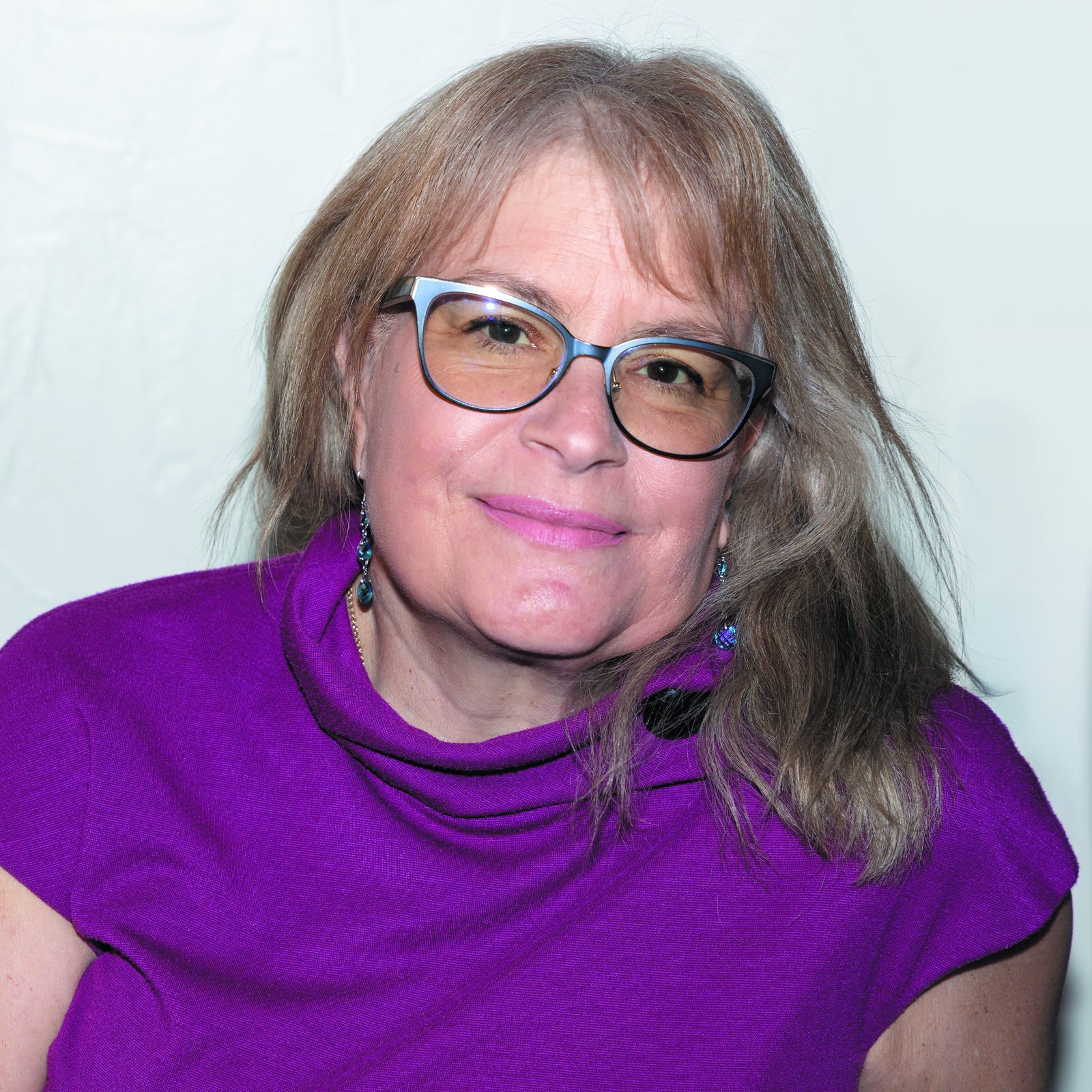
Annette Hines
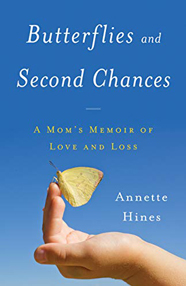
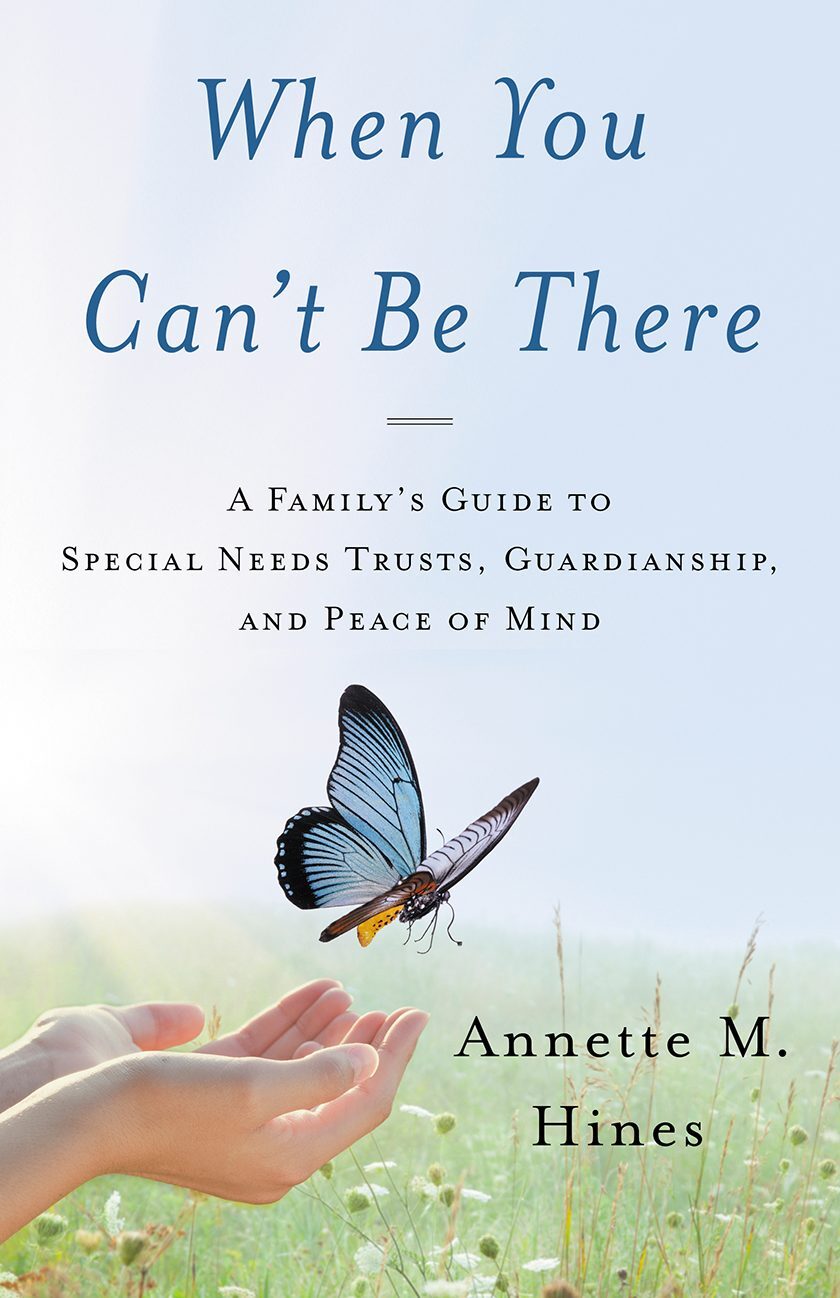
Annette Hines is an attorney, author, advocate, global TEDx speaker, and host of Parenting Impossible, the special-needs survival podcast. A special-needs mom, she understands, firsthand, the complexity of legal systems and processes for parents of children with disabilities. Amid the grief of losing Elizabeth, her beloved daughter, Annette felt that she was given a second chance to use her extensive legal expertise to help families who are experiencing the same challenges she faced. She authored the story of her and Elizabeth’s powerful journey of hope in her memoir, Butterflies and Second Chances.
📚 Books by Annette Hines
Transcript
[0:00:18] RW: Hi, everyone. It’s Rae Williams, host of Author Hour, where I interview authors about their new books. Our guest today is truly someone extraordinary. Annette Hines’ world exploded when her infant daughter Elizabeth was diagnosed with mitochondrial disease. A degenerative life limiting illness. It’s joy quickly turned to apprehension and she knew nothing would ever be the same again. She chronicles her journey and teaches us so much about life in her book, Butterflies and Second Chances. It’s inspiring true story of a mother’s special needs journey and her struggle to secure the best possible life her child in the face of bureaucratic resistance and marital crisis. Here’s Annette sharing her journey with us.
[0:01:07] Annette Hines: A couple of little things really came together and sparked for me and I did mention them in the book as my sparking points. One of them was that I got really turned on to thinking about writing something by a friend of mine who also lost a child to mitochondrial disease, she has a great blog that I found really helpful and inspiring and I had been following her blog, her son died after Elizabeth died. I found that she had been able to write about her son, Jacob, much sooner than I was able to talk and share about Elizabeth and the things that she was able to talk about, some were very joyful, some were very raw and it really made me think about writing as a way of sharing not just sharing with the world but also getting my feelings out, healing and just a lot of things that I wanted to do with Elizabeth’s story. That was one thing. Another thing was, taking my first step in my healing journey was a group that I had become involved with, a grief group that was done with children’s hospital and Dana-Farber Cancer Institute in Boston. They brought together families who had lost children and I do talk about this in the book and that group met for a brief period of time, it was a 12 week group but it was very significant for me. Those moments coming together really made me realize that I wanted to find a way to share my story, share Elizabeth’s story and that coupled with the idea that all along, I had wanted to do something in memory of Elizabeth, for her legacy to live on because she was such a special person. I really wanted to share her with the world.
[0:03:17] RW: If you could give us just a little bit of background, because I know people are going to be curious to know what your story actually is and I know we go into it in the book. But if you could give us a bit of background about what happened, who Elizabeth is, all of that, that would be great.
[0:03:34] Annette Hines: Well, my daughter Elizabeth was born at 29 weeks, she was a two pound preemie and we knew that she was going to be early, that she was going to be born with some issues, somewhat, I mean, we really didn’t have a lot of idea about what that meant. My husband and I were young and newly married and so we didn’t really understand a lot about the struggles that we were about to confront, she was our first child. We had a long journey ahead of us and she was born not just very premature but with a lot of health issues and it was the beginning of a long journey. 17 years of challenges with the healthcare system, challenges with the disability systems that were in place, that were imperfect is, I think, a very polite and kind way of saying things. But also with some beautiful moments of community coming together, family coming together, things definitely falling apart. People falling apart, I fell apart and what it means as a mother, what it means with sibling relationships. Challenges of trying to work and financially support a family when you're faced with so many crises, one after the other. And then eventually, just facing the difficulties of having to make healthcare decisions that eventually led to letting her go. She did pass away when she was 17, which was a choice that I had to make for her because she could not speak for herself. All of those in the midst of crisis of a marriage that did not last and a faith that was challenged and a career that I struggled through and that you know, I had to come through and come out the other side and that’s why I call it Butterflies and Second Chances because I think about my life in two phases. Elizabeth and after Elizabeth. Yet, you know, I have another child, Caroline and there’s that whole piece of it because you know, how Caroline fits into all of this, I struggle with that a lot as well.
[0:06:03] RW: Right, wow, that’s a lot, so many things for you to carry at one time. If you had to speak to somebody who was going through something similar, what you do in the book, what is the first thing you would say? The first step in kind of that healing process at the beginning of that second chance.
[0:06:25] Annette Hines: Breathe. Please, just breathe. There’s always another breath to come, you know? You have to breath and you have to love yourself because we’re so hard on ourselves. And as parents, sometimes particularly as mothers, we just expect so much perfection from ourselves and we fall short a lot. We do really have to just take things one step at a time, certainly, I found that there were so many people willing to help. Sometimes I just didn’t always know where to go to get help. I didn’t know how to ask, didn’t know where to look, didn’t know how to put it all together and so I hope that people will take from the book that there are places to go to look for help. I really want people to get that very first message that you're not alone, that there are people out there who want to support you, who care. You know, I hope that people will understand that, I felt very lonely especially in those early years. Even though I was surrounded by people, I was surrounded by loving family and friends, people who I called friend, by many parents of children in my daughter’s classrooms and in ballet group and girl scouts and every other activity that you could name under the sun and I still went home at night and felt so alone. I really can’t emphasize that enough. I really hope that if one person reads this book, they don’t feel that way anymore, I think that I’ll have done my job.
[0:08:20] RW: Give us a little insight into mitochondrial disease?
[0:08:24] Annette Hines: Yes. Gosh.
[0:08:27] RW: Give us a little insight to what that is and some of the day to day things that you are facing that you had to work through and overcome.
[0:08:35] Annette Hines: I’m going to say this, I’m not a scientist. I might get this not exactly correct. Anybody that’s listening that’s a nurse or a doctor, please forgive me if I mangle this a little bit because even after all these years, I still don’t always completely, 100% understand. But basically, the mitochondria are the parts of the cells that take the food that comes into our body and they make the energy that we need to run. They’re the fuel cells basically. They feed everything. They feed our heart and our brain and our muscles and when they fail, our whole body fails. That’s the most important thing that you need to understand about the mitochondria. When you have defects in those cells and the more defects you have, the worse off you are, then you have problems with all of your important systems in your body. Mitochondrial disease like so many other diseases, they have a range. Elizabeth had one of the worst versions of it. She was impaired and impacted very globally. All of her systems were impacted, she had blindness and she couldn’t talk and she had pretty involved brain injuries. She was very intellectually disabled and was in a wheelchair, couldn’t walk and you know, didn’t have function in her upper body and couldn’t sit up. You know, there were lots of things that we could list that didn’t work. Lots of things that did work too but there was just a lot going on there. You know, for her, the worst part of it is that as your cells are not functioning, they’re also degenerating too. Things got worse as the years went on too. That’s kind of what mitochondrial diseases looks like for people. It’s very unpredictable when you would get sick like having a cold or a virus or something that would be at typical little kid, thing going on, could knock her out for a week, our typical little kid thing would be a trip into the ICU. We would have such an extreme reaction to everything that was going on when you have another little kid at home that was dragging in every disease known to man, just the little carrier we would call her, you know? It was hard to manage all of that and juggle all of that and by the time my little one was a year old, my husband was out of the house and I was managing things as a single parent. It was kind of like a juggling act, a lot of fun.
[0:11:42] RW: Anybody hearing this, of course, me hearing this right now would just look at you and say, well, this person is obviously incredibly strong and incredibly just able to hold things together. But from what you were saying, you did feel alone, you did feel like you know, kind of there’s no help out there and you know, a lot of things were going wrong. How did you even just begin to manage that day to day and manage that life of you kind of managing two kids, one with significant needs, by yourself.
[0:12:17] Annette Hines: Well, if you read the book, you’ll see that I did a lot of things wrong. I made a lot of mistakes. I fell down a lot, I learned from those mistakes sometimes. Sometimes I had to make them twice. How did I manage? Well, I got lucky sometimes, I will say that I had an amazing family so I was really one of the lucky ones. My mom moved in with me. My mom has been living with me for almost the entire time that Elizabeth was with me. That’s been a blessing, most of the time. Anybody who has ever lived with their mother knows what I mean by that. Even those of you who have not lived with their mother know what I mean by that. My mom’s great, but when I had to work, you know, my mom was there, even when she was working but she retired shortly after when my girls were still pretty young and there would be laundry done and there would be a cooked meal, it was almost like having a spouse help me, you know? It was really helpful, I had babysitting. She couldn’t do the medical stuff, she did some things but the medical things were really hard for her. But she was – she really helped me a lot with Caroline, she helped me with my younger daughter and that was amazing because when I had to run of to the hospital, I had somebody there for Caroline. There were times when my mom wasn’t around and I had to drag Caroline to the hospital with me and she was sleeping on the little cot with me for three days. Because I didn’t have anywhere else for her to go. You know, those were when times got really hard. I would think about those other families who didn’t have somebody like my mom. I have a sister who was incredible too and helped a lot. You know, I am grateful for that and I do have really great friends, who were amazing. I just don’t know what else to say, I have friends at church and I have a whole community that really did reach out and as I got older, and as I got smarter and stronger, I did learn to ask for what I needed. I learned more about what I needed. That helped a lot.
[0:14:46] RW: All right. Talk a little bit about your career? Because in all of this, you’re still going to work, you’re still having the supportive family, you’re still having to perform at your job just like anybody else. How did you manage that?
[0:15:00] Annette Hines: Yeah, I mold around a lot and eventually, what worked for me was really just working for myself. I know that’s a luxury not everybody can afford to do. Fortunately, I had already finished law school and by the time Elizabeth was born, I had finished law school and I did have to wait to take the bar exam because she was already here. But being an attorney afforded me the option of being able to sort of create my own future and make my own hours that again, you know, not a lot of people have that opportunity. I’m grateful for that. You know, you still have to have some experience, you have to work for other people and I did try that for a number of years and it is hard to get that experience and there’s a whole chapter on that in the book called 'My So Called Career'. I have to say, shout out to a couple of women attorneys out there who really helped me out who mentored me, who covered me in court when my kid went into the hospital unexpectedly and I had cases that needed to be covered who looked over draft documents for me when I needed a little help here and there. These were other special needs moms who just knew what it was like and who were just phenomenal to me. I pay it forward now and I do the same. We just really have a hand out and a hand up for each other. There’s a great networking community out there and you just got to find those folks who really want to see you succeed. We're there, we're out there.
[0:16:43] RW: Talk a little bit about that outreach that you do, that in terms of kind of a marriage of your career and your life experience. Because what you do is actually very cool and very helpful. Tell us a little bit about that?
[0:16:56] Annette Hines: I am a special needs attorney which there’s not really a category for. You may know about a state planner’s, some people know about elder law attorneys and those are people who provide documents, special needs trust documents or some planning for if you need to go to a nursing home. You might have heard about that. Special needs attorneys are more like advocates, we are more well-rounded, we will help people in all facets of disability law. If you need access to social security benefits or if you need access to housing or if you need some long term planning that includes special needs trust or special needs planning. If you need to have the access to Medicaid benefits, other community resources, if you need to go to probate court because you need a guardianship petition, we do it all, very well rounded. I love my life as an advocate, I also act as a trustee so that I can help people long term manage their finances and it’s a great life, I adore what I do and I have Elizabeth to thank for that. She has, by being in my life, introduced me to the most wonderful career, the most wonderful people and I honestly don’t have very many friends from law school who really love getting up and going to work every day the way that I do. It’s been an amazing opportunity and I know many other special needs parents who say this as well as me. If it weren’t for their kids, they wouldn’t have the rich, robust life and the people in their life that they do. It’s quite a world that we live in and the people are pretty amazing too.
[0:19:04] RW: Moving a little bit away from your story but still obviously drawing on your experience to kind of give just advice to others, you know? Other parents who are going through this, what would you say is the first step that they need to take in making sure that they are setting themselves up for – success is not the right word but for the best experience they could possibly give their child who has special needs. And for themselves too to make sure that they are still being a person and just having as holistic approach to life as they possibly can.
[0:19:39] Annette Hines: One of the best pieces of advice that I give every family that comes to me is to think about the family as a group of individuals, everybody’s important. That means the parents too. You can’t sacrifice every person in that family for the individual with special needs. You have to think about what everybody in that family needs and the plan has to include everybody. The parents have to be taking care of themselves as well. If you’re looking for advice about estate planning for example, you have to think about parents retirement too, you can’t sacrifice financially, completely, for that one person. If you’re thinking about for example, everybody’s physical needs, you can’t run yourself into the ground, lose sleep, you can’t be up five nights a week, 24 hours. Taking care of somebody. You have to take care of everybody’s needs. Whatever life plan you come up with, it has to be reasonable and practical that somewhat meets everybody’s needs. I think that needs to be the first step, you have to have that mind shift, takes that into consideration. That everybody’s important, everybody’s goals and everybody’s needs have to get met. Once you have that as your launch points, I think the rest, while it’s not easy, kind of falls into place. That’s the first step for me.
[0:21:25] RW: All right. Then, you talked a little bit about Caroline fitting into your story and you know, just having a second child and what that meant, what would your advice be to parents who you know, have other children as well and want to make sure that you know, again, the experience is as holistic as possible for everybody because I can imagine you know, Elizabeth’s needs would take front seat and you spoke about Caroline having to come to the hospital with you and spend time there. You know, at the hospital. Did you ever worry about her, kind of getting the best childhood she could or things like that and how would you advice other parents to do that?
[0:21:59] Annette Hines: My gosh, yes, worst parent ever. Caroline was probably about six and she came to me and said to me one day, as I was getting Elizabeth ready for the day and you know, Elizabeth was in Continent and she was probably about 10 years old at the time. I’m changing her undergarments and cleaning her up and getting her dressed and everything and Caroline asked me point blank. "Mom, when am I going to have to start changing Elizabeth’s diapers?" She was six. I looked at her and I was like, floored. I couldn’t believe that she was already worried about that and I looked at her, the look on her face was yes, she was worrying about that already, you know? She was an anxious child, she was anxious and neurotic like from day one. Some children are if you were siblings. I thought to myself, "I cannot believe that I did not recognize this and that I wasn’t addressing this already. How could I let this go on?" You know, it is really important to recognize that this has subtle and not so subtle impacts on your typical kids. They start thinking about this very early where they fit into this whole scenario, you know? As caregiver, do they feel like they have all of this responsibility, are they going to run away as fast as they can? Are they going to feel like they want to give up their whole life to take care of this person? Do they you know, want to be the good kid who never gets into trouble because mommy and daddy are always so tired and always have to do so much for the other person. You know, how does this experience shape your other child or your other children, you know? How do they fit in? It’s a true fact that more — a higher percentage of typicals, we call them will go into the helping professions as siblings of disabled kids, there are so many facts and statistics about typicals siblings of disabled kids and you know, I think that we don’t pay enough attention to them, there’s not a lot of groups, there’s not a lot of support for typicals of disabled siblings. You know, I do think it’s really important for parents to pay attention to this unfortunately, I don’t have a ton of advice about what to do about it. I went looking for a sibling support group. I never found one. I didn’t really know what to do about it.
[0:24:43] RW: If you could, issue a challenge to just – there’s so many people that you could speak to and you will speak to with this book so you know, other parents of kids that may have disabilities or needs, you know, parents of a child who has special needs as well as you know, their typical kids as well, just other special needs attorneys. There’s so many people you could speak to but if you had to issue a challenge to them, something that they can do for themselves that would change the course of their life for the better, what would that be?
[0:25:18] Annette Hines: I’ve been thinking about this. I thought it would be really cool if we took a vow to have no more secrets. Meaning, when somebody comes up and asks you how you’re doing, don’t tell them fine if you’re not fine. Tell them that you feel lousy today or tell them that you’re really scared today, you know? If you are fine, great. But you know, just tell the truth, tell them how you really are doing and then let them comfort you. Let them tell you it’s going to be okay. Be open. Let’s share.
[0:25:53] RW: All right. How can people get into contact with you if they want to just ask more questions if they need support, if they need to – if they just want to say hey, I’m so glad you are here, you know? How do they get in touch with you?
[0:26:09] Annette Hines: Well, right now, the best way is through my law firm website and that is www.specialneeds-law.com. And there’s a blog that you can sign up for and there’s newsletter that you can sign up for so it’s pretty easy to just go on and on to the 'contact us' page and just sign up there. I would love to get in touch with people that way.
[0:26:39] RW: Awesome, thank you so much Annette.
[0:26:41] Annette Hines: It was really great talking with you Rae, thank you.
[0:26:44] RW: Annette and Elizabeth’s powerful story provides hope, solace and a path forward for parents of special needs children. And it will resonate with families everywhere. Head to amazon.com to get your copy. Join us next time on Author Hour.
Want to Write Your Own Book?
Scribe has helped over 2,000 authors turn their expertise into published books.
Schedule a Free Consult