Kayvan Kian: Episode 308
Read the full transcript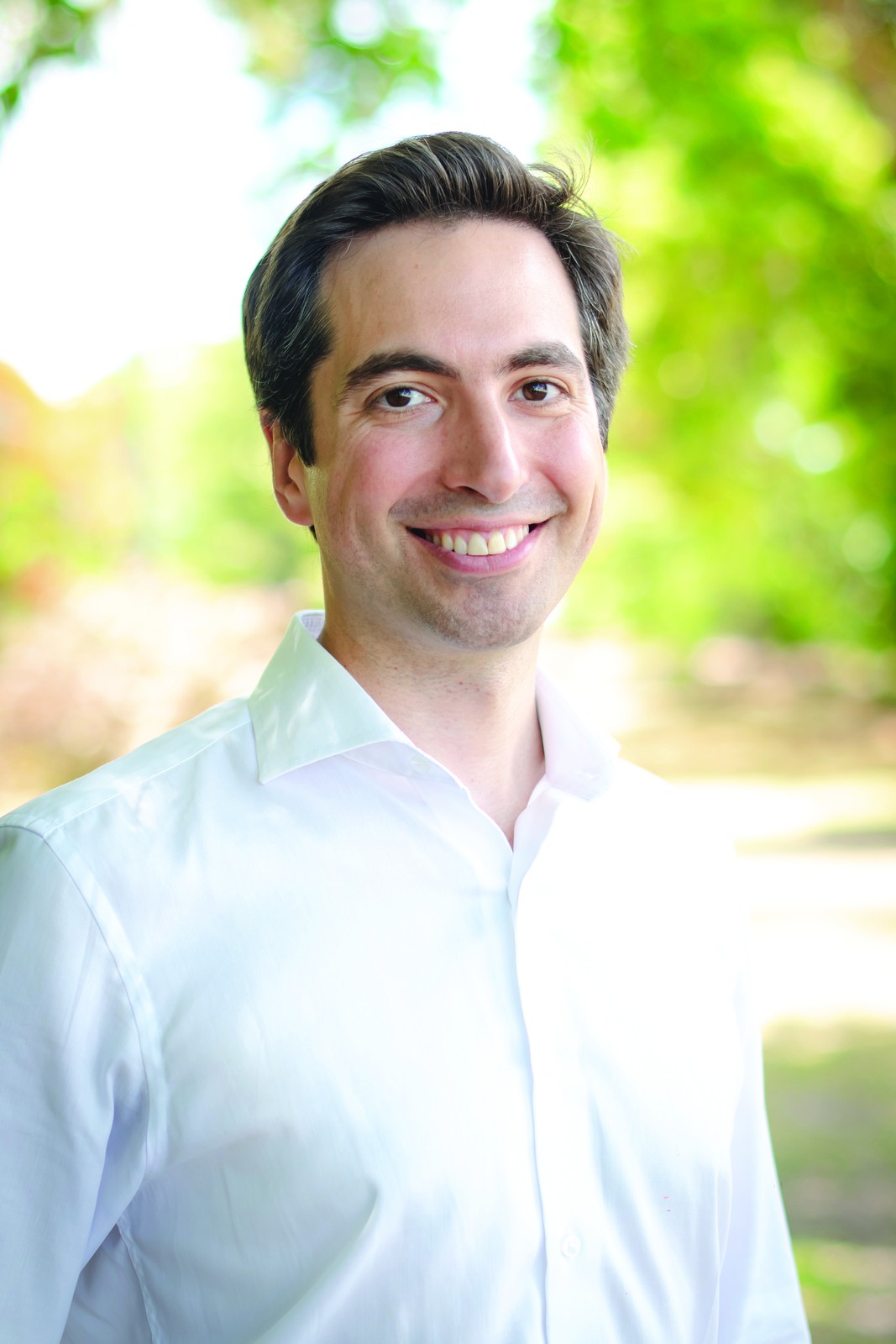
Kayvan Kian
Kayvan Kian is an entrepreneur, teacher, and management consultant at McKinsey & Company in Amsterdam. He is the founder of the Young Leaders Forum and has given guest lectures at Harvard Business School, HEC, Sciences Po, and other schools. Ever since childhood, he has been interested in understanding how some people are able to thrive through challenging times in life, and he hopes that by sharing these hard-fought lessons we can make the world a better place. He holds an MBA from INSEAD and a degree in both Economics and Law from the Erasmus University Rotterdam.
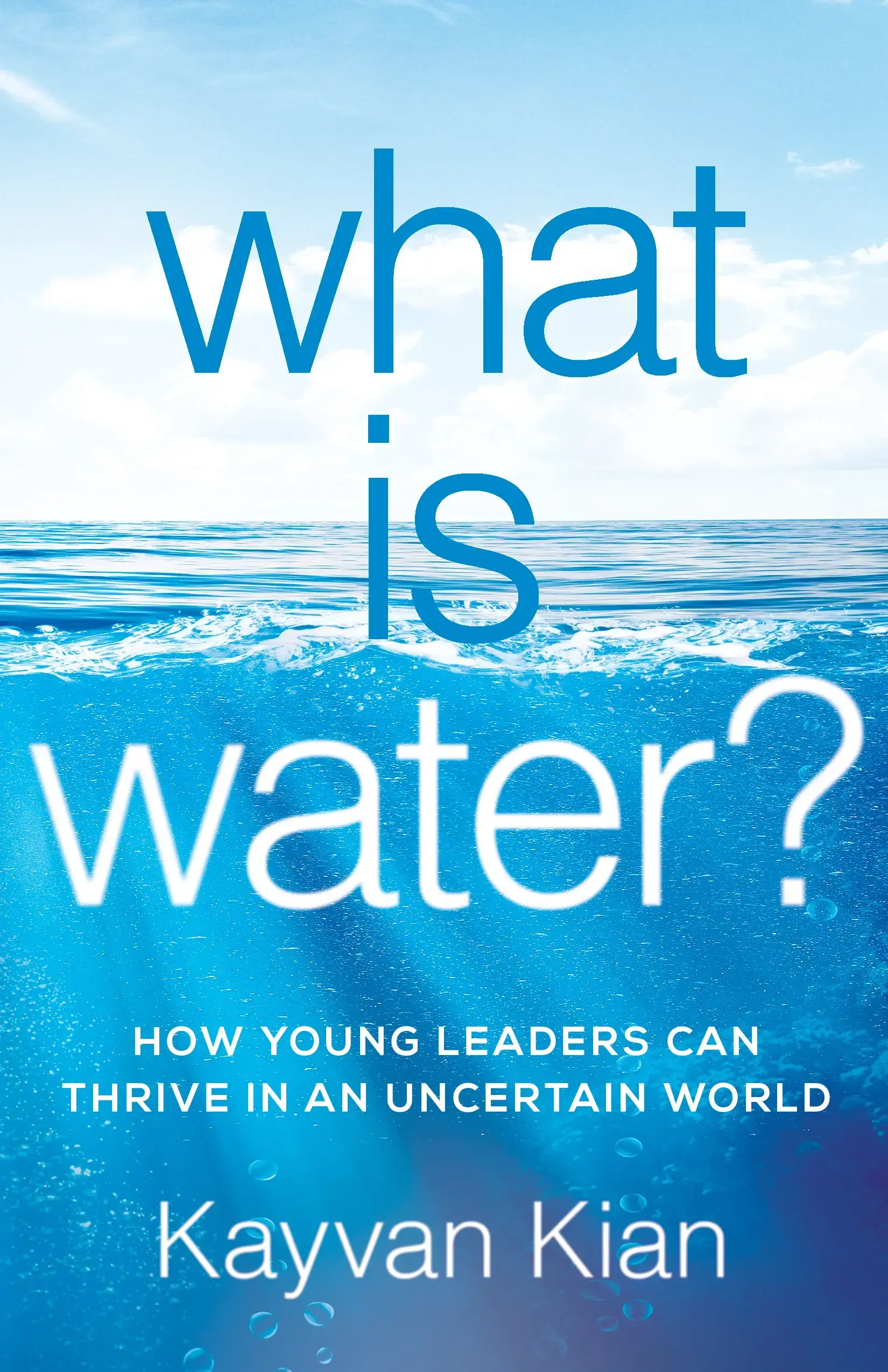
📚 Books by Kayvan Kian
Transcript
[0:00:29] RW: Hi, everyone. It’s Rae Williams, host of Author Hour, where I interview authors about their new books. Our author today was such a pleasure to talk to and his topic is one we can all relate to, but especially if you’re on the younger side. We live in a world that feels increasingly volatile and certain complex and ambiguous. For young people, this sense of unease that the world creates comes with some serious difficulties. Many are asking how can we lead, grow and thrive in today’s world? Kayvan Kian is here with us today and he’s the author off What is Water? and he’ll tell us the significance about that title in our chat, but his book is amazing. It shifts the focus away from this overwhelm and towards the ways of thinking that will help you grow stronger through it all. My favorite part about this book is that he draws on everything from ancient stoic philosophy to contemporary examples. There are some references in here that I’m just absolutely in love with and it is also relevant. Here is our conversation with Kayvan Kian.
[0:01:31] Kayvan Kian: Well, first of all, I think it started with myself, it wasn’t necessarily about the sharing with the world. When I first became project leader, I noticed all the challenges that I view with on a day to day basis leading teams, working with clients and a changing environment. Many of the topics that I like up, I would read in school and afterwards I noticed they were very relevant for me. I went to a high school where we were taught Latin and Greek, after all those years, I realized, “ okay, wow, there was some wisdom in those text that I can use.” But I mainly also noticed that many of the clients I was working with, they were personally also struggling, so hey, I was not the only one. We came with small groups together and we shared what helps you, how do you deal with all the changes and the uncertainties and small sessions without power point, without any gimmicks or technical fancy things. That again turned into a program where many other people would attend and there was a few years ago, the thought that this is very valuable for me personally. It’s valuable for many of the clients I worked with, but how can we make this content accessible to all the young leaders out there who you know, will probably never meet. It’s very nice for them to also get a glimpse of all these tools that they could apply and maybe help them as well.
[0:03:00] RW: Nice. What do you think is some of the reasoning behind the volatility and the uncertainness and all of those feelings that we feel especially as young leaders?
[0:03:12] Kayvan Kian: In a way, you could argue that volatility, uncertainty and complexity and ambiguity, what we call VUCA has always been a part of life. If you go back to Buddhists, they would not call it VUCA, they would call it something like Dukkha. Now, at the same time, you could also argue that a certain times have felt more VUCA than others. On one hand, it could be that you are more exposed to everything that’s happening, but at the same time, with technology, there are many more things connected to many more things. We are doing a lot as mankind and it all is coming together. So, it is a sense of a lot is happening and people are exposed to it. Not only on a global scale, but also in daily life and projects, how I look at my clients, what the challenges they have to deal with. Even when I joined the working, we didn’t have smart phones back then, already the introduction of smart phones was a big thing. Now, things are becoming more international. The reasons are you could argue, very broad. But book and the program is very much about given that this is the context, how do you deal with it? If on top of that, you want to change that context, of course, you can go for it, but step one is how you even thrive in such an environment in the first place?
[0:04:37] RW: All right. Why did you decide to name this book the way that you named it?
[0:04:45] Kayvan Kian: It refers to, first of all, many stories that have been told in the past that the most recent and famous one is when David Foster Wallace in his commencement speech talks about two fish swimming in the water and an older and wiser fish swims by. Asked them, “good morning, how’s the water?” Then, one of the fish looks a bit puzzled at the other one and asks, “what is water?” Now, the point is that A, when it comes to leaders, a big part of what is helpful is becoming more aware of the water that you’re swimming in, what is this environment? If it’s tough then it’s good to know that, it’s nothing that has to do with you, it is the challenging environment itself. But it’s also awareness about yourself. Who am I? Swimming, leading in this water and who are these others that I’m leading in this process? The book is also very much focused on creating awareness. It’s not about what you should do as we shared at the beginning, it’s about what you could do. Based on that, you decide what you want to do.
[0:05:52] RW: All right. What do you say is the unique idea or even story from within the book that people will remember and be able to take action on this week?
[0:06:06] Kayvan Kian: I think there are many stories from the Ancient Romans and Greeks that are weaved in, but also very practical ones about someone who is writing a wedding speech and is very happy and proud and then gets the feedback that his uncle did not like it. The one thing at the core of this book is what we call that we borrowed from Epictetus is very much just radical focus on what you can control. And this is a phrase that is sounds simple, but in practice, takes a lot of effort and wisdom to figure out for yourself, what is it at any given moment of time that is within control and what is out? We take this basic lens and we apply it to a lot of themes that are important to be able to thrive in life. Positive and negative emotions when it comes to strength and weaknesses to the relationship between you and others. A sense of meaning and a sense of starting things and finishing things. In each theme, we purely focus on those things that are within your control. Each person takes I think something else out of it, depending on what the benefits the most.
[0:07:15] RW: All right. Why does this actually matter for our listeners and your readers and just young people? What happens if we don’t do anything with this information?
[0:07:26] Kayvan Kian: I think the best answer comes from David Foster Wallace in that same commencement speech where at the beginning, he also shares that being conscious and aware of enough to choose what you pay attention to and to choose how you construct meaning from experience. Because if you cannot or will not exercise this kind of choice in adult life, you will be totally hosed and this resonates with many. This is something that – If everything is going well for you, then you have confidence about the years ahead, how you're going to lead, then this book is not for you. But from my own experience, having worked in North America, Europe, all the way to Australia and New Zealand, working with young leaders from the public sector, social sector, private sector, every single thing that they can learn and do to thrive to this challenging times is of necessity almost. Nice to have but something that without it, one is totally hosed.
[0:08:26] RW: All right. Tell us about a couple of people who have gotten the most out of these ideas and these stories. I find it very interesting that on the book that you say that they’re kind of no new stories or new ideas, it’s just there for your practical applications. So, tell us about the people who have gotten the most out of these ideas in the way that you present them?
[0:08:48] Kayvan Kian: Indeed, the book starts with this book contains exactly zero new ideas. So that is out of the way, but all that remains if I look, it’s very broad. I have people who say that they were having a very tough times leaving without formal authority. They are not able to tell people what they should do and all of a sudden in the book they realize that how creating a sense of meaning for people who might be working on the same thing for different reasons is something that is within their control, empathizing with the challenges that others are facing. It doesn’t necessarily mean that you agree with them but you do understand where they are coming from a few very practical applications, they were able to get many people on board for an initiative that they started as a young leader. On one hand on the professional setting, but I also got a lot of stories back from people who said this helped me at work, but it equally helped me at home. And before I go home, I used to always come maybe stressed or I would bring a lot of negativity with me and before I walk in the door, I now, what we call clearing out the noise, I know how to do that. I focus on the things that I am grateful for. I realize better on what a unique position I am in and just the way I show up at home is so much better and people asking them what has happened. The same person, same job, same everything, but it is a different way of thinking about what is going on in your life. So, it is very broad.
[0:10:26] RW: All right and so you talked a little bit about of course, you have the quote at the beginning that is a Latin quote and I’ve noticed that throughout your chapters, you do reference a lot of Greek methodology and just kind of historical things as well. What value do you – I know you mentioned it in school, it was taught to you, but what do you think we can specifically learn from a lot of these stories and what value do you find with these?
[0:10:52] Kayvan Kian: There is a lot of symbolism when it comes to these old stories. And the fact that after thousands of years they still fascinate us, there is something about it that is almost difficult to put into words that’s why just sharing the story by itself often says enough without any extra interpretation. They boil things very much down to the essence and for me, it’s these specific phrases that very much stick. So, when it comes to old stories, I would look at the mythology and old stories that are passed on. It is these specific phrases, so for instance with a man called Agrippinus, how calm he was and how he would deal with bad news. His life motto really translated was, “I do not add to my troubles. That will be how it would happen in the afternoon, will happen in the afternoon, but I refuse with my own two hands to add anything on top of it. So who is up for some nice exercise or elsewhere?” And it’s this phrase, “I do not add to my troubles,” that I noticed for myself and many clients and people I work with sticks. And then a year later when we see each other, it is the phrase that people will bring back again. And the same goes for many of the other stories and somehow, yeah, it’s this deep symbolism and phrases that have been filtered overtime that the people really gain value of.
[0:12:21] RW: I like that. I like that phrase too. I have actually never heard of that one before, but I really do like it and let me ask you this. So, throughout the book, you have a lot of exercises that people can do to help them out. What would you say is either your favorite exercise in the book or the exercise that you find that people would get the most value out of? And if you need to think about that one. I know that one is kind of off a bit. So, if you want to take a second to think about it, no problem.
[0:12:49] Kayvan Kian: I would say I really enjoyed many of these exercises and just because they’re in the book and I have done them many times doesn’t mean that I am done with them. I learn I do one of these myself. So, I have a few that I focus on more. I would say one of them if I would pick two, I would say one of them is about the very beginning called Your Favorite Things and as simple as it sounds, it is very much about what are the favorite things that you’d like to experience at work and in daily life. And all the business, I could leave that up to chance, but you can actually find ways to incorporate them and just because I like something doesn’t mean someone else does. So, what are the favorite things of the five people you work with? What is a way that I would say is a fun way to celebrate? That could mean something else for someone else again. So, it is this idea of what are your favorite things, I like a lot very simple exercise. The other one that is the most helpful for myself in all of these and I practice it daily is the exercise around meaning and meaning, having that sense of meaning not because you decide to do something different in that moment, but given what you are doing anyway, how can you turn on the lights and see what you are contributing to? So that you can say that which I am doing is contributing to something larger. This could be for the people that you care for. This could be for the organization you work for. This could be for society because it is quite easy to lose sight of that when you are completely into the nitty-gritty work of it could be something around your administration. It could be around a presentation that you are creating. It could be around anything that you are doing that might help make you lose sight of that bigger piece that you are contributing to and when that might not even be that evident, that you are contributing to something outside of you. The exercises very much around, “well, what virtue is this contributing to? How are you building your own character?” You are standing in line or you are doing things that you’d rather not do, well maybe you are practicing patience? Or when is the only moment you can practice patience is when you really don’t want to. Just like you can only practice courage in the face of real fear. And this thought around meaning about how can you turn every single moment into something that is contributing to something of value to you has been tremendously of help for me, but many young leaders I have seen and work with to make sure that independent of what’s happening where they are, how they are, they have a strong sense of why that as Nietzche would say helps them there almost anyhow.
[0:15:43] RW: All right, so if you had to issue a challenge and that’s to people reading your book, people who are young leaders just anyone at all and you can pick the audience or just make it general, what would your challenge to them be?
[0:15:56] Kayvan Kian: I would say, take this very basic lens in the context of that VUCA world of a radical focus on what you can control and really apply it to one aspect or all aspects of your life that you find important. How much of your heart, energy, time and effort are you indeed investing in those things that are within your control. That is a very simple exercise, a very simple lens, a very simple thought experiment that is quite to say it again, always within your control, but play with that. That would be the challenge. You could do this while hanging at work, while you are commuting, it could be at home, at any given moment at time, what is within my control and how can I focus my attention on that in making the most out of it for myself and the people I care for, for my community and beyond?
[0:16:51] RW: All right, awesome and then how can people contact you if they want to learn more?
[0:16:55] Kayvan Kian: People could follow me on social media, on LinkedIn for instance and personally, I am always very open to emails as well. So, if anybody wants to send a message, if they have questions around the book or anything else, I am very open to that as well.
[0:17:11] RW: All right awesome. Thank you so much.
[0:17:14] Kayvan Kian: Thank you Rae, bye-bye.
[0:17:16] RW: All right guys, you are not alone in the struggle and with this book, What is Water? you’ll be empowered with a strong sense of choice in life no matter what kind of situations come your way. It is available on amazon.com right now so check it out and we’ll see you next time on Author Hour.
Want to Write Your Own Book?
Scribe has helped over 2,000 authors turn their expertise into published books.
Schedule a Free Consult