Logan Sneed: Episode 391
Read the full transcript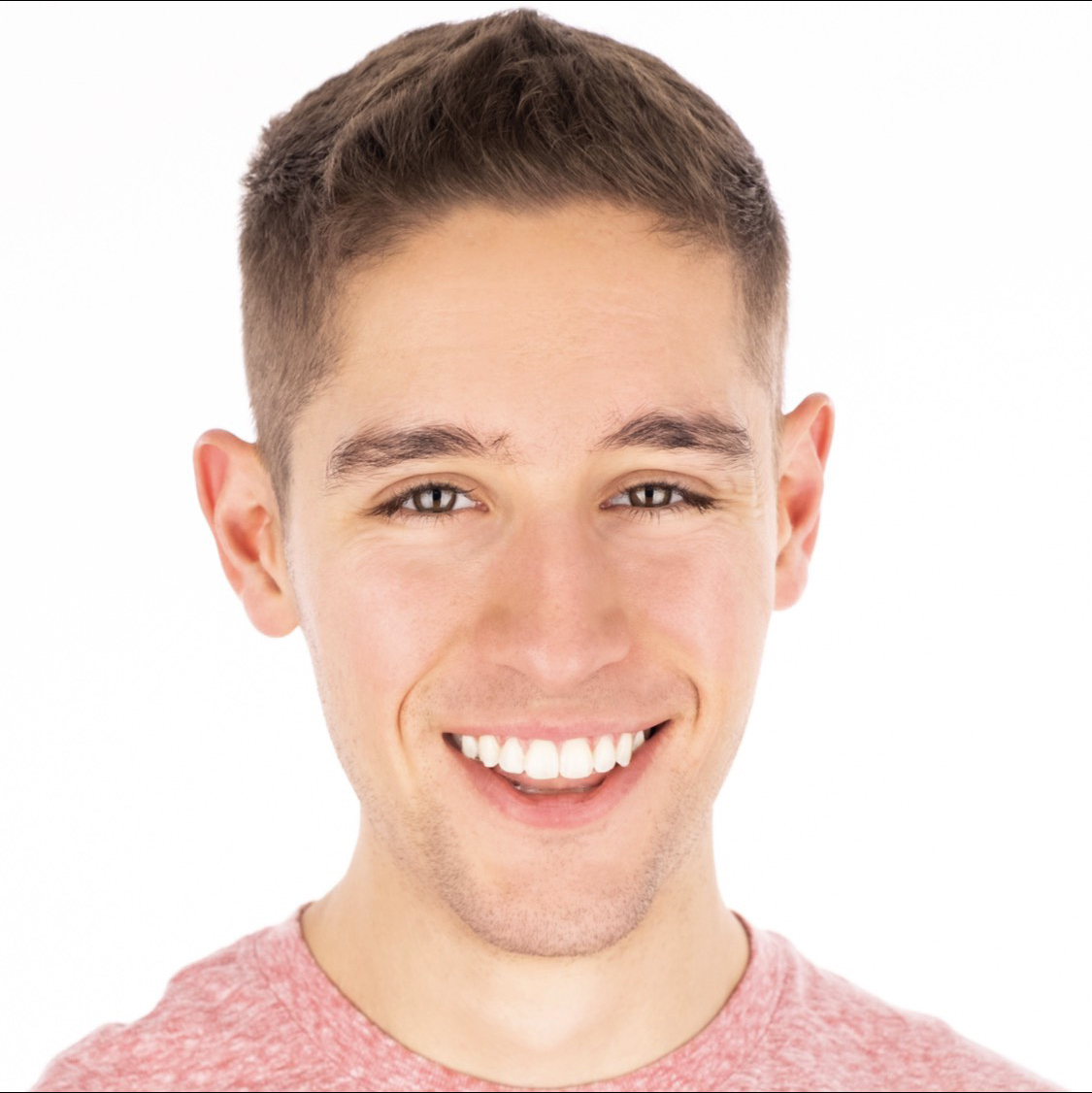
Logan Sneed
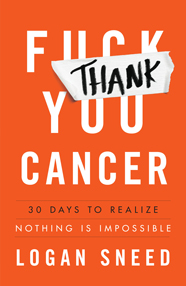
Logan Sneed is a brain cancer survivor and entrepreneur whose online business generated a six-figure income before his 21st birthday. A stage-4 glioblastoma diagnosis did not derail his desire to reinvent himself every day and pursue the dreams he was not ready to give up. Today, Logan is an inspirational public speaker, social media influencer, ketogenic diet expert, and a best-self coach with a passion for personal transformation. He is the author of Thank You, Cancer: 30 Days to Realize Nothing Is Impossible.
📚 Books by Logan Sneed
Transcript
[0:00:30] NVN: Logan Sneed was your typical college student living a typical college student life when his entire world was rocked in the course of a single FaceTime call. It was as a result of what happened on this call that Logan ultimately came to find out that he had stage four brain cancer. No one wants to get any kind of cancer but no one especially wants to get this type of cancer, which has a 1% survival rate. Four years later, Logan is still here and better than ever. In fact, he credits his cancer diagnosis for serving as the impetus to completely change his life in every single way. In this episode, you’ll hear how he draws a direct line between that potentially devastating diagnosis and all of the wonderful transformations that have occurred in his life since then. In his new book, Thank You Cancer. And in this podcast, it’s clear how Logan embodies his favorite quote from Nelson Mandela. “It always seems impossible until it is done.” Logan, thank you so much for joining us today.
[0:01:35] Logan Sneed: Yeah, thank you for having me on here Nikki, I’m really excited.
[0:01:38] NVN: Yes, as I told you before we started rolling here, I’ve been looking forward to hearing your story in person. Let’s dive right in and I’d love it if you’d start by telling listeners just a little bit about your life before you received your diagnosis?
[0:01:56] Logan Sneed: Yeah, you know, absolutely. My life before the diagnosis was literally the opposite of what it is now. And I could go on all day on many reasons that is and really, what the difference is, but to kind of start it off, before the diagnosis, my life was absolutely, I mean, amazing, there has never been really anything bad that has ever really happened and I, you know, was always was that kind of person that was like, “Cancer? Yeah, it’s kind of bad, you know? But for me, it won’t happen. That’s not going to happen to me so I don’t really need to worry about it.” I was 50 pounds heavier, it’s not that I was fat, it was you know, a lot of muscle but it was a lot of just overall weight in general and my diet was completely the opposite of what it is now. Just everything was so different. It was almost like I was a completely different person before all of that.
[0:02:48] NVN: It is so strange, that really resonates with me. Cancer is so pervasive in our society and yet, there are still something, when it hits home, that almost sends you into a state of disbelief. Like it seems like one of those things that totally can happen to other people but somehow you’re safe from it.
[0:03:08] Logan Sneed: Yeah, it’s like you know, “Cancer’s bad,” or like you know, “This disease is really bad but hey, you know, it’s not going to be me. I should be good.” And then it kind of lowers our standards on to how really powerful it really actually is until it actually comes to us.
[0:03:23] NVN: Yeah. Let’s go ahead and talk about how you found out and got your diagnosis. Did you have signs leading up to that that caused you to go to the doctor or is this a random thing that they found?
[0:03:39] Logan Sneed: Yeah, this was, I mean, It was a little bit of both. There was a lot of symptoms that I had going on for years on end but I really had no idea it really meant anything. You know, for six years, I had severe headaches every single day but I just thought it was normal. I thought headaches were just normal, that it was like, everyone gets that and so, all I did was I literally would just squeeze my head every day and then kind of man up and just say, “get over it.” Then randomly, one day, I was on the way to the gym and at the time, I was you know, dating my girlfriend and I was in such a good mood, I left the house and I was like, “Man, let’s go have a good workout,” and then, I was like, I don’t know why, I really have no clue why I was doing it but I decided to FaceTime my girlfriend while I was driving and suddenly, when I was FaceTiming her, this is the weirdest experience I’ve ever had in my life and it’s never happened to me, it’s always – you know, my life has always been perfect. I started slurring my words. I really just couldn’t say what I was trying to say. It was the weirdest, euphoric horrible feeling I’ve ever had and she started kind of laughing because she thought it was me like playing a joke and you know, I still had it there like it was like right at my tongue of what I wanted to say. I just couldn’t say it. And then suddenly, I started having a seizure while I was driving and she was you know, there on the FaceTime and off course, you know, she went – it went from a joke to, “Okay, maybe this is not a joke. What in the world is happening to him.” You know? Yeah, I started having a seizure while I was driving and you know, I drove half a mile unconscious and she was actually with her mom and her sister at the moment and they all witnessed the whole seizure and me driving unconscious and like it turned into a horrible scene and you know, thankfully, it was a blessing where I drove and I just drove straight into a ditch and then that was it. There was actually no damage to the car at all and yeah, from there, they had to like, you know – obviously they called the ambulance and they knew where I was going so they knew the route which was good and so, they all came and you know, they got me out of the car. They had to break the window to get in and they took me to the hospital and I really don’t remember anything from there. They took me there and then my parents obviously came in and said, you know, they were like “All right, well, what’s going on with your son?” They were like, “We have no idea,” they’re like, “Is he on any drugs?” Like, “is he drunk” or they’re like, “No, he’s never done any of that stuff.” They had no clue. They tested me for just about anything you can think of, there was nothing there and it kind of turned into a whirlwind of, “What in the world is it?” And so, randomly, one of the doctors said, you know, “This could be something that’s in his body. Whether it’s his brain or his spine, but it could be something in there that’s causing this and we’re going to have to figure that out,” and so, yeah, that’s really what kind of led to the MRI the next day.
[0:06:26] NVN: How old were you at this point Logan?
[0:06:29] Logan Sneed: I had just – I was about to turn 21, I was 20 at the moment.
[0:06:33] NVN: You were a baby.
[0:06:35] Logan Sneed: Yeah.
[0:06:36] NVN: Wow. This is a super specific question but I mean, I’ve never heard this particular story before. When you were in the car and having the seizure and then unconscious, were you aware on any level of what was happening or was that just lost time and you had the gaps filled in for you later and woke up in the hospital?
[0:06:59] Logan Sneed: Yeah, I literally had no clue. Again, I thought I was Mr. Invincible, like there was nothing wrong with my body. I was always in pursuit to get more muscle, have more size. It’s not like you know – my overall health wasn’t something I focused on. Now, the different context in where you can say, “I’m focusing on my health,” you know? I was focusing on my health, not for the better in the situation that was actually hidden within me. So it’s really hard to fully understand it but no, I thought I was amazing and there was nothing wrong with me and then suddenly, I had no clue what this whole thing was and then when I woke up in the hospital, I was like, “What’s going on? I’m really confused here.” Yes, I was absolutely clueless. I literally had no clue. Then they said you know, “We got to figure out what’s going on here,” I said, “yeah, can you tell me? Because I have no idea.” Yeah, that’s what led to the MRI and everything.
[0:07:51] NVN: Wow, I feel like your girlfriend must have a nervous system of steel. I think I would go into cardiac arrest if I saw that happening on FaceTime out of nowhere. So scary.
[0:08:05] Logan Sneed: Yeah, you know, it’s funny you say that. This is kind of later on down the road, you know? But we’ve never really talked and sadly I’m not dating her anymore. We had dated for four years and I can explain what happened later on but we’ve never actually really talked about what that experience was actually like for her. Because I really want to know, you know? What was that like? I don’t even remember really what it was like for me. What was it like for you, you know? It’s a very interesting question for sure.
[0:08:33] NVN: Yeah. Okay, you’re in the hospital. This happened and they have an MRI and it sounds like this happened in a pretty short period of time, like a day. Did I get that right?
[0:08:45] Logan Sneed: I believe so, yeah. It was about a day or two. I still was very clueless. I still – to me, to be honest with you, it really was not a big deal about everything that was happening because I never really thought much into it. I never thought like, “Okay, well, this isn’t a big deal, I probably just got tired one day and then just I don’t know, fainted or something, it’s really no big deal.” I never really read much into it so I went to go get the MRI and they were like, taking me in there and apparently, from what I was told is that my mom and my girlfriend were outside in the lobby, they started like bawling their eyes out. They had to go to the bathroom and they were just sobbing in the bathroom and you know, I still really didn’t even understand what an MRI was. I kind of went in, just went through the whole thing and you know, we didn’t really have like results and so, yeah, it led to like, you know, “All right, what’s next?” I got out of there and they’re like you know, “We’ll have the results here in the next few days,” and I’ll just never forget like my mom and my girlfriend just like sobbing and of course and I’m not going to be like “Hey, why are you guys crying,” you know? I just still was so clueless about everything at the moment.
[0:09:49] NVN: Why were they crying if the results weren’t in yet? Did they know something or was it like a gut fear or a gut feeling on their part? What was happening?
[0:09:58] Logan Sneed: I think it was a little bit of both because I think they honestly knew more about everything than I did because I just had that mentality. I was like, “Nothing bad can happen. It’s not a big deal,” because they probably were the ones talking to the doctors and saying, “Hey, this potentially could be a tumor because there’s nothing else, there’s no other reason as to why he had a seizure other than it probably could be a tumor or a mass in his brain.” I think that’s what the doctors told them and of course, they’re not going to come to me and say, “Hey you possibly could have a brain tumor,” you know? That’s why I was just kind of like clueless and I think they heard that and that just like shocked them and it’s like “Okay, we’re on the edge right now of him potentially having a brain tumor and potentially needing brain surgery but we just don’t’ know, you know? It could be you know, something not that bad or something horrifically life threatening and we just don’t know.”
[0:10:48] NVN: That’s the beauty of being 21, right there where you can have a seizure and be like, “Yeah, it’s probably fine.”
[0:10:55] Logan Sneed: Yeah. I mean, still really – I didn’t know much about any of – anything really. Yeah, I guess it was a good thing at the time.
[0:11:03] NVN: Yeah, totally. I mean, I think there’s a lot of value in that actually. Okay, in the few days between when you had the MRI and when you found out the results, did you just continue life as normal or were you in the hospital? What was your situation?
[0:11:20] Logan Sneed: This is where it led to, I think the next day or so, we met with a neurologist and they said “Okay, looks like there’s a mass in there.” This was the results and they’re like “There’s a mass in there, you’re going to have to take this probably to a neural oncologist to chat with a surgeon and a neuron college to see if this is something that potentially needed to be removed.” Again, I still had the personality – I was like “Okay, I’m not going to have to have brain surgery. Brain surgery is like maybe one out of every 500 people. That’s not going to be me, so you know, it’s whatever.” It actually led us going to a brain surgeon literally the next day. Now, the brain surgeon said, as soon as we walked in there, you know, again, I still had the personality, I was like, “It’s not going to be bad. It’s not a big deal.” I go in there and he said, “Hey Logan, it’s good to meet you. I looked at the results of the MRI. Whenever we go through this brain surgery, because this is something we will have to do, you probably won’t be able to speak or hear after this surgery but I just want to let you know that beforehand.” That was exactly what he said as soon as I shook his hand. That’s really when things started coming into reality of like, “What is really going on here?” This guy just told me I couldn’t speak or hear, and brain surgery?” I’m like, “Okay, well this is really weird.” Yeah, that’s what really led to that conversation and everything, you know? Just such in a fast rate and that’s when I really started realizing what potentially could be happening.
[0:12:51] NVN: How did you feel?
[0:12:53] Logan Sneed: Yeah, I mean, you know, I still was not feeling it 100% of like “Okay, I really didn’t” – again, I couldn’t take it into reality of like, my life was nearly perfect and now it’s nearly like, “I’m nearly dead,” you know? I really couldn’t bring it to reality but it was starting to weigh on my back a little bit of – this guy who was the surgeon, who I was relying my life on, who was basically making it a fact that I wouldn’t be able to speak or hear after this survey. It brought a lot of anger very fast within this whole situation.
[0:13:33] NVN: I’d like to take two different tacks at this. I’d like to talk about what happened from that point forward, treatment wise, if anything, and also, what happened emotionally for you. What was that trajectory like?
[0:13:48] Logan Sneed: Yeah, you know, here’s what happened next in this conversation. It was like – my mom and dad were very strong. You know, if they just started like sobbing and everything then I think it would make it a lot worse but they were very strong in this and so, my dad said, “Okay, well thank you for the diagnosis but what are the next steps? Let’s get started on how we can beat this.” She’s like, “I’m really sorry but you know, we’ll take him to chemotherapy, we’ll take him through radiation but it’s really that all we can do on this journey.” He’s like, “Hold on. There’s nothing else that we can do? Like we can’t, you know, I don’t know, fix his diet up or you know – maybe he should eat some greens? What’s something that we can maybe bring into this?” She’s like, There’s nothing. We can’t do anything.” He’s like, “Hold on. You’re telling my son that he could have a beer and a burger and then that’s okay for his diet? And we just can’t do anything that he can just go in and enjoy that. That’s what you’re telling my son, is that correct?” She’s like, “Yes sir, that’s what I’m saying.” By the way, I wasn’t even 21 so she agreed that I could have a beer which I don’t know what that was. Anyways, that really just was like, a wowing moment and we walked out and I felt so weak. I felt like my whole life was stripped away. I had lost almost everything. All my dreams of you know, that I always had in my life was just gone. I was like – some of my first thoughts, you know, my phone is blowing up of like, “Logan, what happened? Is everything okay? What’s going on?” Of course my girlfriend who was you know, ready to get the results too. I was like, what’s the point of – I was telling this to myself. She literally told me that I’m going to be dead here soon. Why am I even here? What’s the point? That’s really where I led to the whole like thing of like “What in the world are we going to do?” That was probably the most difficult time of it all, you know? Just right out the gate there.
[0:15:42] NVN: Yeah. I mean, I would have to imagine it’s just like having your world flipped inside out in the matter of a second. I really can’t imagine what that would feel like actually.
[0:15:54] Logan Sneed: Yeah, I mean, it’s like I became on a new planet in a matter of seconds. It was really crazy.
[0:16:02] NVN: Yeah. What a good dad. I mean, that was the one thing that I kept thinking as you were telling that story. What a good dad.
[0:16:10] Logan Sneed: Yeah, I mean, absolutely. My parents, I wouldn’t be here without them and you know, I mean, my dad has got that mindset of like, “We’re going to keep going and we’re always going to keep going,” and my mom has that mindset of like, “We’re going to figure something out,” you know? “I’ll do my own research and I’ll learn more than what the doctor can tell us and I’m going to figure it out.” Yeah, I mean, it was a big blessing, you know? In many ways.
[0:16:34] NVN: What happened from there? Did you continue on with the course of chemo and radiation?
[0:16:40] Logan Sneed: Yeah, I was in college and I was going to school with my girlfriend and everything. It was actually somewhat of a good thing but like, I went to Sam Houston state for a year and a half and Huntsville is near the woodlands. That’s really where the treatment was actually taking place. I did oral chemo. This was not chemotherapy that a lot of other cancer patients go through. The reason is because when you’re doing chemotherapy and radiation to your brain, you’re going to a war zone, you literally can’t – it’s almost like you can’t do as much as you can for other cancers, you know? If you make one bad mistake in this war zone, the whole thing will explode. That’s why brain cancer patients usually do oral chemo. I did oral chemo. I started doing radiation and you know, we were still trying to figure out what I could do. What in the world was possible? What can happen here? And so, I still felt very confident as a person just I never had the mindset of, “Something bad could really happen to me.” I was really confident. I was trying to figure out – I was ready to do whatever it really took and so, I would say, probably about three fourths of the way through this entire journey, I was down here in Austin and I was meeting with a mentor of mine, a good friend of mine, just kind of venting to them. You know, he wanted to know how I was feeling, mentally, physically, emotionally and so we went paddle boarding downtown and you know we were just out there on the waters and he was like you know heard about this ketogenic diet and I was like, “No, I have never heard of that. Can you tell me about it?” He said, “Yeah, I would really would look into it” and I was like, “Okay.” He’s like, “You know there has been research showing that this ketogenic diet specifically could potentially shrink brain tumors and or prevent tumor regrowth.” And I was like, “You’re talking specifically for tumors?” And he’s like, “Yeah that is exactly right,” and I was like, “Whoa, that is really interesting, like how does it work?” and he’s like, “Well, so it is basically a high fat, medium protein, low carb diet,” and I was like, “Really? That is really interesting,” and he was like, “Yeah, it is actually shown to potentially really help people lose weight, lose off body fat, develop lean muscle and just help cognitive function, day to day energy, everything.” And I was like, “Wow that is super interesting,” and so that day, I went home and I literally went into my laptop and I typed in the ketogenic diet and this is about a few years ago when it really was not that huge and I looked into it and I was like, “Whoa, it can help you see physical results and then mental results and then potentially starve and prevent tumor regrowth? That is perfect. That is exactly what I want!” And so that really – like it almost brought a new energy into me in the sense of like, “Hey, I don’t know if this is going to cure my life. I don’t know if this is going to save my life or this is going to help me get in better shape – whatever it is I am going to do it and I am going to make it work. I don’t care what I got to do,” and so I stayed up to 4 AM that night just researching this. The next day I started it and then I never slowed down and then it literally has saved my life in so many ways and it has really given me hope through this entire journey. And it has transformed my life physically, mentally, emotionally. I have lost over 50 pounds and it is just done absolute wonders through this whole journey. So really that is when things kind of started going back up the ladder through the whole wild diagnosis journey.
[0:20:08] NVN: First of all, let’s fast forward a little bit, where do you stand now? Are you cancer free today?
[0:20:14] Logan Sneed: Good question, so it is unknown. I personally believe that I am a 100% cancer free but for brain cancer patients, there is never really going to be a day where they come to me and they say, “Logan congratulations, you’re cancer-free. We are so happy for you. Congrats, ring the bell,” you know. They are never going to do that because they just don’t know. It is so microscopical, it is so in depth. It is almost like a whole different – and that is a scary thing about – people don’t understand how different brain cancer is really than any other cancers. Because again it is a war zone. There is so many variables that are coming into play that they just don’t know. It is almost like the ocean, right? There is 90% species in the ocean that humans still have not even like discovered. As humans, what do we really know about the ocean? We know maybe 10% about the entire ocean and the same can be applied for space, and the same applies for the brain. Humans only know about 10% of the entire brain. So that is why they can’t give me a definite answer of like, “We just don’t know if you are cancer-free or not. You could be but we just don’t know,” but as far as the whole tumor being removed, the whole tumor was removed a 100%, which is absolutely crucial. That is the biggest thing in this whole journey so that is huge and because that happened and because of my diet and you know what I am doing now I believe that I am cancer free. So I am going to say that I am personally cancer-free.
[0:21:35] NVN: Yeah and how long has it been, Logan?
[0:21:38] Logan Sneed: I think once we hit March it will be about four years.
[0:21:42] NVN: Amazing. So I want to talk about your mindset during this. For so many people I feel like this would just be a death sentence. I mean, that is a daunting thing to hear. How were you able to look at that in a different way?
[0:22:02] Logan Sneed: Yeah, it really took a lot of different things but I mean there is something there that I was given. Again, whether somebody believes in God or not, you know, there is something there that I was given of like, you know, “It is going to be okay. It is going to come your way,” and it wasn’t there right away but as soon as I heard about the ketogenic diet, as soon as I had my parents putting in the work to figure out that there is something more there than what a doctor is saying, it gave me hope. But at first I literally felt like I weighed a thousand pounds even when I was just walking. It is like somebody who is severely depressed, you know, they are usually weak physically in many different ways and that is exactly how I felt. I was always the guy who want to go to the gym and workout and be the big bad muscular guy and literally I felt like I couldn’t even lift a pound of weight. I couldn’t even lift my feet and that is just how I felt and when I was introduced to this keto diet it was like, “Hey, it’s there. I can’t write my life with this whole thing but I will do whatever I can,” and it gave me hope and it gave me a lot of motivation and all of that.
[0:23:10] NVN: So since you – you are still doing keto correct? You are dedicated to this.
[0:23:15] Logan Sneed: Absolutely, yeah.
[0:23:16] NVN: Okay, so now that you have been doing it for about four years, you have talked about the 50 pound weight loss, talk to me about the other ways you can feel that it’s impacted you and also why you believe it is that it has been so powerful.
[0:23:34] Logan Sneed: Yeah, you know like it’s helped me to lose 50 pounds, I have lost 10% body fat, I have heavily improved my skin and overall you know it is crazy because my diet before, I was doing about 400 grams of carbs and that is including sugars. I was doing about 3,000 calories. You know, my goal was to always be more muscular, more muscular, more muscular. I don’t care what it took, I would eat that much food to gain that much size. Now my diet has completely transformed of – like half the amount of calories because I don’t need that many and I also went from thinking I need to eat every two hours to now, I don’t even eat for 20 hours a day. So I did a whole 180 and in that entire journey, I feel so confident with my overall results of this not coming back because a) every MRI check in I have been to, they have seen absolutely no regrowth and b) just the way that I feel. I feel so much better in my life. I’ve literally have not had a single headache ever since this entire seizure or this even surgery. It is so interesting how much better I feel cognitively, mentally, I even feel more confident physically, and because my cognitive function has heavily improved my nervous system has improved, my overall health has improved, it has correlated with my overall physical confidence, right? I used to be thinking that confidence was built because of how much muscle you have. When in reality, I believe the confidence was built because of how you feel mentally and emotionally and that’s what led to me feeling confident physically. You know, how I approve of myself. So it literally has transformed my life in so many ways and it is like I said, it has just improved my nervous system and my brain and because of that it has given me hope in myself emotionally if that makes sense. Yeah it is a lot of different ways that it has really helped change my life.
[0:25:31] NVN: Yeah, so I mean you have already talked about some of this. The title of your book is Thank You Cancer, with one of the best covers I have seen in a while and when people look it up on Amazon, they can see why that is. Talk to me about how cancer has turned into something that you are grateful for.
[0:25:53] Logan Sneed: Yeah, so you know cancer is really almost like a bad word. When anyone hears the word cancer, I don’t care if you have cancer or you don’t or you know somebody or you don’t have or whatever it is, it is like a bad word almost because when we hear it, it is almost something that’s shooting us, and now, because I have been able to transform my own life for the better, I have been forced to do that. It is either Logan you want to live or you want to die? You can choose that. Whatever one you chose, you can write your own outcomes. So I chose to obviously not die and so that is going to require me to better myself and create the best version of myself and because now I look at this and I said, “Okay, do I think that my life would be really where it’s at without this cancer?” And because of this entire journey I have been able to generate a full six figure income through the ketogenic diet, a full six figure business of achieving my dreams. Of starting an online business, going through this whole thing and just achieving the dreams I’ve always had, I don’t think I would be able to do that without being diagnosed with cancer and through that I have been able to transform thousands of lives, their own life, you know physically, mentally and emotionally and I said, “I don’t think I would be able to do that if it wasn’t for cancer, you know?” And then I said, “Well hold on, you know I even wrote this book.” And I am like, “I don’t even think I would write this book if I didn’t have cancer,” and I look at even the people that I have met through this entire journey. I’m like, “You know, I could name a million different people who I have been able to meet because I was diagnosed with brain cancer,” and because I am now a public figure on social media, I have hundreds of thousands of followers and that sort of thing and that is all great to have followers but I look at it and say, “I don’t think I would have an impact on these people the way that I do now if it was not for this cancer.” So it is like looking at everything all together, it is like, nothing but great things has come to me because of this diagnosis with cancer.
[0:27:46] NVN: Wow, life is so crazy. This is so much easier said than done but if you can just look – and I think you’re the personification of this. If you can just lift yourself out of the moment no matter what the moment is or how horrible or fatal or whatever that moment seems to be, and realize that it is part of the bigger picture, it is a moment leading to something, life looks totally different. I mean you know I would ask listeners to think about I think a lot of us have examples of this. Your’s is more dramatic than most but if you look back at those turning points in your life that led you to the best places, I really believe that a lot of them are these pretty traumatic moments that seem very bleak when you are in them and then inspire these new directions.
[0:28:35] Logan Sneed: Yeah, I mean absolutely, and like I said, in my book there is so many different things that I didn’t even talk about on here that I experienced that could honestly have a bigger impact on my life than the whole cancer diagnosis like, you know, I was dating my girlfriend for four years, I thought we were going to eventually get married, I was so devoted to like really making this work and everything and you know one day, it was a Saturday, I was waking up, I felt like it was a great day and she left me over a text message. And so she broke up with me over a text message and ever since then, we have never seen each other ever again, and I was literally in my apartment room, and she literally was the only friend that I ever had in college. You know, I had maybe like one or two people but that was the only person I truly had in my life in college. I sat there and I literally – like that was honestly probably a worse feeling than the diagnosis. Because knowing, “Okay, you just got diagnosed, you don’t know what to do, now you are doing chemo, you are doing radiation, oh and by the way you know, the love of your life that you thought you had, yeah, she is gone now and your friends, yeah you don’t have those anymore because they are all in college somewhere else,” and that really was another reality check and that took me so long to really A, get over it, but realize. And now I look back at it, it is not like I am saying, “Oh I am glad she left me.” Not at all. I mean I truly wish that didn’t happen but you know I look back and say, you know, “If that didn’t happen, I don’t know if your life would be where it is. You know it opened up so many new doors and so many new windows to achieving your dreams that you thought was stripped away from you after the diagnosis and so,” yeah, that is where I really bring everything together of achieving the impossible and realizing that it sucks, it feels like it can destroy us but in reality it is really the ticket and the signal to recreate yourself and not chase yourself.
[0:30:26] NVN: So what is your hope that readers will take away from this book?
[0:30:30] Logan Sneed: Yeah, you know my biggest take away is I want you to realize that it always seems impossible until it is done. You know we can always think it’s impossible to beat brain cancer. They said it is less than 1% chance that it is possible. I’ve had professors and people say, “You can’t start an online business, it is not possible.” I’ve even had people tell me, “You can’t write a book at 23 years old,” whatever that is. There is so many things I have been told that you can’t do. And if you emotionally let that hit you, you are turning that opinion into a fact. I have taken this whole thing and I have said, “You know what? It is my life, it is where I want to go. I will have other voices that are always there but I am going to see where I can really go and I am going to make it limitless. I am not going to have a limited mentality. I am going to have an unlimited mentality and I am going to go full throttle,” and so you know I want everyone to take away the fact that like whatever you set your mind to, it truly is possible because you are your own CEO. And if you let any other thoughts, any other negativity in and you let that affect your overall goals then you are making that a fact and you are letting other people become your own CEO and so I really want people ending this book and saying, “Wow, if he can do any of those things then I can do the one goal that I have in my life. You know, a lot of people have doubt and I want them leaving that with no doubt on what truly is possible.
[0:31:48] NVN: I love that idea that we create the old facts of our life.
[0:31:52] Logan Sneed: Absolutely.
[0:31:55] NVN: Okay and my last question for you, I am assuming that you hear from a lot of cancer patients in particular who are feeling pretty desperate or not feeling some of the hope or courage that you felt. What do you have to say to them?
[0:32:14] Logan Sneed: You know I would say this. I know it sounds like it is something that people always hear about but things do happen for a reason and I think that people were brought certain circumstances and certain things for an opportunity to create themselves. You know, there is a lot of traumatic things that almost every human can go through and a lot of us have always had that notion of like, “Something horrible happened to me. That means I am a horrible person. Or that means that it is time for me to give up,” when in reality, it is really the biggest signals, the biggest go-to of saying, “Hey this happened but guess what? This is a time to create yourself,” and I really want them to all understand that it truly is possible that something can be reshaped for the better and that you can achieve anything you set your mind to And a quote that I believe really gave me so much motivation in my life – I have it up on my wall and everything. It is by Nelson Mandela and it is, “It always seem impossible until it is done.” So the idea of beating cancer, it always seems impossible. Like, we can hear the words about cancer all the time but we won’t actually know until we actually take action on overcoming it and doing what we could do to potentially beat it. So again, that is what I would tell them is take the word impossible cut it in half and it is, “I’m possible.”
[0:33:34] NVN: Love it. I feel like that is especially meaningful advice from you because when you’re in the depths of it and it is someone who has not been through the depths of it telling you everything happens for a reason, that can make you a little bit stabby. It is so much more powerful to hear it from someone like you who has been through what could have been a catastrophic event to hear you say that.
[0:33:59] Logan Sneed: Absolutely, yeah and you know I am not saying like – I mean I don’t have to say this but this is like sadly my cancer is the worst cancer on the face of the earth. It is stage four Glioblastoma Brain Tumor where it is less than 1% of people actually survive this thing and it is the most horrific thing. So that is where I am going with it is like if I can take this and it is actually something that is amazing that has happened in my life, I have been able to attack it, I have been able to accept it and I have been able to face it, then everybody else can do the same and understand where their life really can go no matter what is in front of them.
[0:34:33] NVN: Beautiful. Logan is there anything we haven’t gotten to that you want to make sure to share with listeners?
[0:34:39] Logan Sneed: I think that’s it. Yeah I mean the book will be ready December 3rd and there is a lot of big things in the book that people still haven’t – that they still didn’t know about me but other than that no, I think that’s it.
[0:34:53] NVN: Excellent. So the book is Thank You Cancer: 30 Days to Realize Nothing is Impossible. Your website is logansneed.com, anywhere else listeners can find you?
[0:35:05] Logan Sneed: Yeah, they find me on YouTube. Just type in Logan Sneed or Instagram @logansneed and they’ll find me on there and that is where I post all daily content, weekly content and everything and yeah, so those are the other platforms.
[0:35:18] NVN: Great, Logan you are a delight. Thank you for joining us.
[0:35:22] Logan Sneed: Thank you so much Nikki. I really appreciate it.
[0:35:24] NVN: Thanks for joining us for this episode of Author Hour. You can find Thank You Cancer on Amazon. For more Author Hour, hit the subscribe button on your favorite podcast service. Thanks for joining us, we’ll see you next time. Same place, different author.
Want to Write Your Own Book?
Scribe has helped over 2,000 authors turn their expertise into published books.
Schedule a Free Consult