Kimberly Irvine: Episode 425
Read the full transcript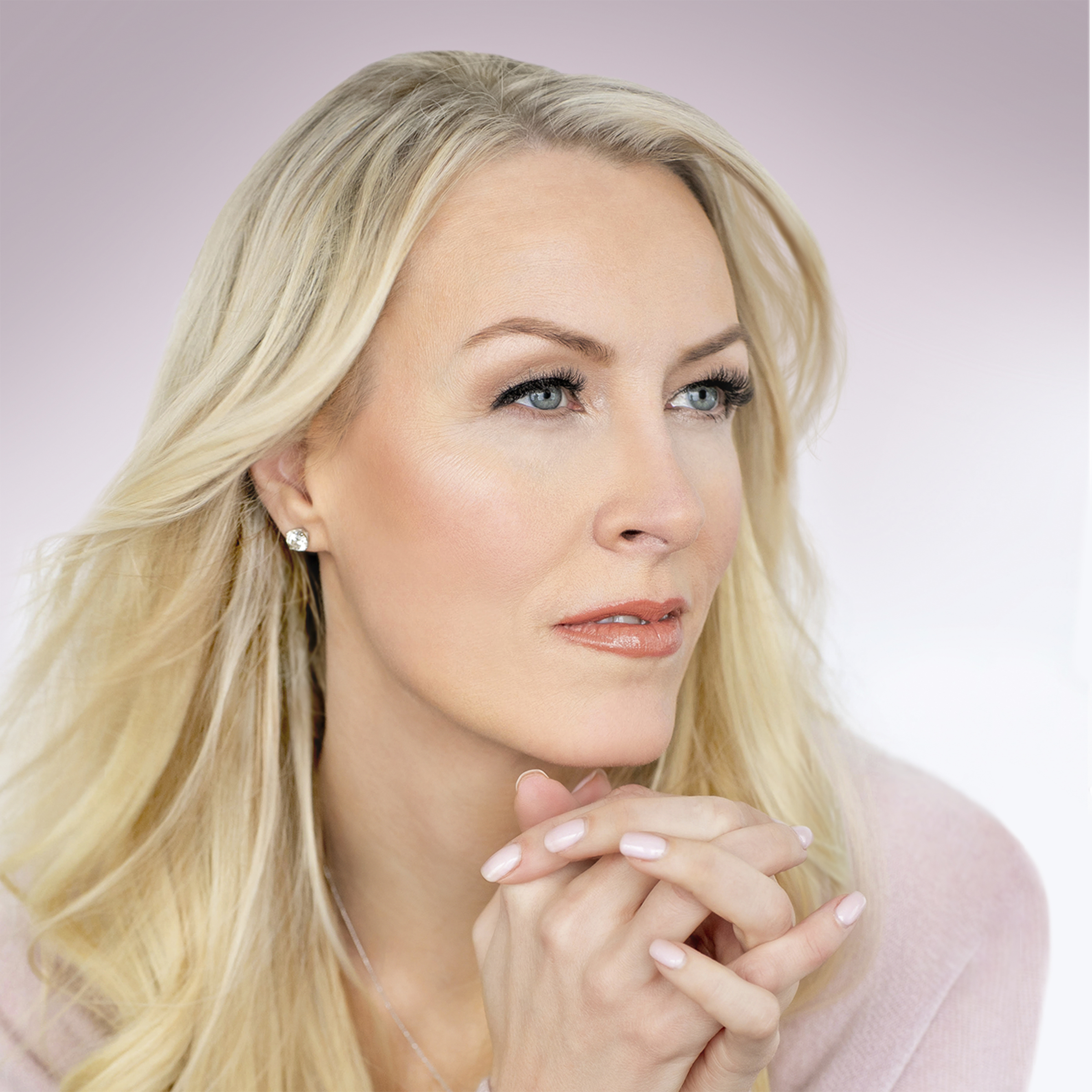
Kimberly Irvine
Kimberly Irvine is well acquainted with adversity.
📚 Books by Kimberly Irvine
![STRONG[ER+]](https://scribemedia.com/hubfs/images/books/strong-ER.jpg)
Transcript
[0:00:31] NVN: In her new book Stronger: Becoming My Own Best Advocate and Discovering My Purpose, today’s guest, Kimberly Irvine shares her story about how her battle with cancer changed her life for the better. In this interview, Kimberly describes how she emerged from cancer and divorce, stronger in every facet of life than she was to begin with. As Dr. Ann Partridge wit Dana Farber, Cancer Institute at Harvard Medical school puts it, Kimberly’s experience and dedicated advocacy should empower other young women and cancer survivors; an example of not only surviving but thriving. Today, I’m here with Kimberly Irvine, the author of the new book Stronger. Kimberly, thank you so much for joining us today.
[0:01:17] Kimberly Irvine: Thanks so much for having me on.
[0:01:20] NVN: I am so excited to get into your story but let’s begin by painting a picture of what your background was like for listeners?
[0:01:31] Kimberly Irvine: Sure, I was you know, a typical young mom with two small children, my kids were six and four and I was actually a caregiver to my mom who had just come out of her own battle with brain cancer. Young family, you know, just working on you know, just life really, just navigating life and you know, just all of a sudden cancer kind of hits us out of nowhere and you know, you just start jumping in and figuring out okay, how do I adjust our sales? How do I help support not just my mom through that cancer journey but also my dad who kind of went into this shock mode of how do I navigate something like this and it was challenging to say the least but it was certainly something that I think we all have been touched by in one shape or way or form of another.
[0:02:18] NVN: That’s a lot to go through, especially parenting your kids at the same time as you're on such an emotional journey.
[0:02:26] Kimberly Irvine: It was not easy. I mean, certainly, I think you know it’s devastating. I look at my parents life and they were ready to retire and they moved to Nashville and it really just came out of nowhere and you know, for me particularly, it was just really sad to see, you know, that they had had two grandkids and really wanted to embrace their retirement and really wanted to enjoy their grand kids and then cancer comes out of nowhere and all of a sudden, you’re starting to question. Am I going to survive this, am I going to be able to enjoy the life that we always hoped and dreamed of?
[0:02:59] NVN: Did your mom ultimately survive?
[0:03:01] Kimberly Irvine: Yeah, she’s doing great. I mean, she’s alive and she’s well and I believe in the power of prayers and she’s an amazing testimony for sure. My mom you know, obviously, went through her own battle and I would say it was about a year and a half later where I was just visiting her at her house over memorial day weekend and I had had some achiness in my left breast and you know, overall, I wasn’t feeling well. I had a lot of migraines, I just didn’t feel well, I lost weight, my appetite wasn’t there and to be honest, I attributed it to just being the care partner to my mom. I was sitting at our kitchen table in this specific visit and I’d felt this achiness in my left breast and I remember sitting there thinking. Gosh, I just don’t feel good and my mom looked at me and said, her first reaction was, are you pregnant? I thought, no. I knew I wasn’t pregnant but she had then proceeded and said, you know, have you given yourself a breast exam? I remember sitting there thinking to myself, are you crazy? I vocalized it. I said mom, I’m 31 years old, why would I give myself a breast exam? She looked at me and said well why not? She was right. I mean, at 31, I had nowhere in my mind was thinking that I needed to get myself a breast exam. I ran upstairs to the bathroom and you know, I proceeded to give myself a breast exam, it was the first time ever that I had done it and I remember lifting up my left arm and just kind of feeling around and it really wasn’t even my breast area really. It ended up being in my armpit. I felt this kind of nodule and I remember kind of you know, putting my hand over it and trying to figure out if it was hard and if it was moveable and all these different things and then I ran right down stairs to my mom and I’m like, do you feel this lump? She was like yeah, I think you should probably call your gynecologist and so, the next day, I called my OBGYN, I made an appointment and I went in a couple of days later and I sat down with my OBGYN and I said hey, I feel this lump and she kind of looked at me and she’d said, “You know, I know young women like you get these kind of lumps all the time and I’m sure it’s probably just a fibroadenoma. The other thing is honey, you just came out of this horrific path with your mom having brain cancer and I’m sure you probably just a little sensitive.” And I remember thinking for a minute, she’s probably right, I’m probably overreacting, maybe feeling a bit of a hypochondriac and – but I really just felt like my gut was telling me something and that it was my instinct and I needed to really advocate for myself and so I just responded with her and I’d said. “You know, I appreciate you know, maybe your thought but I feel so much better if you would just order me a mammogram.” She kind of paused for a minute and she looked at me and she looked up from writing and she’s like, she huffed and puffed and said, “I’m going to order you a mammogram but you're going to see, this is just a fibroadenoma.” I remember sitting there thinking to myself, my gosh, here I am, I’ve challenged her and maybe I was wrong and maybe I shouldn’t do this but it was the first moment I will tell you, Nikki, that I realized that I had to be my own best advocate. It was great that I was, right? Because then she ordered a mammogram which you know, a mammogram you know, then immediately turned in to an immediate ultrasound when I went for my test and I remember the radiologist coming in and doing the scan themselves after the tech had did it. She looked at me and said, honey, this node looks suspicious. It’s about 8 millimeters which is the size of a pea but we’re going to need to order a biopsy. I remember thinking at that moment, thank goodness, right? That I had challenged my doctor but more importantly, thank goodness that I had gotten that mammogram and that ultrasound and then the biopsy and shortly after that biopsy, I got that call and said I had cancer. At 31 years old, with a six-year-old little girl and a four-year-old little boy, never in a million years did I think after coming out of my mom’s diagnosis that I would be experiencing it myself.
[0:07:17] NVN: What was your mindset at that point?
[0:07:20] Kimberly Irvine: I mean, my mindset was certainly what every cancer patient feels, right? I mean, I certainly felt overwhelmed, I had a lot of fear and anxiety, I had lack of control and I certainly started to think my gosh, am I going to be alive to raise my kids? We started on this journey, you know? Which turned into surgery, I had to have my breasts removed and I did immediate reconstruction and then I went based on final pathology, I ended up doing six rounds of chemotherapy and it was a long journey, right? I mean, you just kind of adjust your new normal of life and it wasn’t easy and I remember you know, one moment specifically when I was going through chemotherapy. Because you're trying to just navigate getting through life and everyone was just helping us take care of our kids. You know? I was just sick and tired from the treatments and I remember my six year old daughter at one point looking at me and she was like, mommy, can you tuck me in to bed and I was like my gosh, I don’t have any strength to tuck her in to bed and she kind of put her hands on her hip and she was a little sassy at that point because she was six years old and she looks at me with her pretty little blue eyes and her hands on her hip and she started stomping and she’s like. You never tuck me in to bed anymore mommy. I remember sitting there thinking to myself, she’s so right, through the eyes of a six year old little girl, I never did tuck her in to bed and so I looked at my husband at the time and I said, you’re going to have to help me get up those stairs and tuck her into bed. I said, honey, go on upstairs, mommy will be there in just a moment. We went upstairs and you know, we got up to the top of the stairs, I stopped for a second to catch my breath and I remember I looked all the way down the hallway and I can see her kneeling at her bedside and she had her hands folded and she was praying and she said, dear God, please give mommy the strength to fight breast cancer. I remember that moment, standing in the hallway, tears rolling down my face, falling to my knees, crying so hard that I could show her that my six-year-old little girl didn’t have to pray that mommy was going to fight cancer. I was going to do it. I was going to show her that I could and I was proud that I did, you know? I overcame that diagnosis and you know, life assumed to be normal and then three and a half years later, I wake up in the middle of the night, felt an achiness in my rib, called the doctor the next day and had a PET scan and by that afternoon, I got a call back that said, my rib had no area of concern but they had found another mass in my chest wall that was suspicious and I needed to have it removed and a week later, went in, had another biopsy, turned out, I got cancer again at the age of 35 and it recurred. By this point, I had a 10-year-old girl and an eight-year-old boy and I started to think to myself, how in the world am I going to overcome cancer for the second time? I really thought that my outlook was really glim and you know, I started to really start to understand that from an eight and 10 years old perspective, they understood life and death and they immediately responded with my gosh mommy, are you going to die? As a mom, how do you – 35-year-old. How do you respond to your children and answer that? The only way that I knew how was just to help them understand that we had a belief for us in our higher power was God and that we were going to pray about it and I assured them that we had a great medical team in place and that we were going to use our faith and we’re going to pray really hard and that mommy was going to fight really hard. But I really didn’t have that answer. Because the last thing you want to do as a parent is give your child false hope, right? When you don’t know the answer and quite honestly, none of us do. We went through another round of cancer which was more surgery and chemotherapy and radiation and that second time, I had to lose my implants. I had it and went flat, you know? I wasn’t reconstructing at all but it was so irrelevant in the grand scheme of things because you're starting to really understand life or death. You know, a year and a half about rough, about treatment, you know, you come out of it and you're pretty much on this every three month of scanning and trying to navigate your life and you know, it was difficult to adjust to that new normal and you know, I’m proud to say that I was able to overcome that battle and as life as we knew it was difficult, right? But the one thing that I did know is I had no certainty, I had no control, I had no way of understanding what was going to happen and I had to take that story and I had to really use it for purpose.
[0:12:08] NVN: Kimberly, I want to ask you one question. I’m not well versed in breast cancer at all but my feeling was that, with a mastectomy, the rate of reoccurrence decreased significantly, is that true or.
[0:12:24] Kimberly Irvine: It does, yeah. When you obviously – anything that you do to reduce your risk. I mean, could be surgery, right? There are often women that will do a lumpectomy or a mastectomy, you know, chemotherapy’s another form of reducing your risk of occurrence. Radiation if it’s necessary. I mean, those are all things that you can do and it’s really dependent on your specific tumor type, the stage that you’re at and you know, your doctors giving that kind of recommendation. I mean, of course, 10 years, you know, 10 years back, the standard of care is completely different than what it is today and we’ve learned so much in terms of our genetic disposition even, right? In terms of where our genetics lay out and the risks and things have associated but yeah, I really did follow every recommendation that was given to me. Not just once but twice.
[0:13:18] NVN: It sounds like the second time as soon as you felt that feeling in your rib, you knew something could be off based on your first experience?
[0:13:28] Kimberly Irvine: Right, I mean, it was really about advocating for myself, right? I think as women, we often – we have intuition, right? We often don’t listen to the intuition and I think, you know, that’s part of you know, what I want my story to be able to do and it’s not just from overcoming cancer twice, you know, we talk about just women in general and how we can advocate for ourselves from a health perspective, right? There are so many different ways that we can advocate and trust our intuition.
[0:14:00] NVN: Talk to me a little bit about your experience. I am very intrigued by this idea of advocacy especially as it pertains to cancer because this seems to me like a blind spot for people who have no history with cancer, being diagnosed and then getting into the system and finding out that advocacy is necessary. I think most of us believe that our doctors are going to take care of us and that is not an element that is going to come into play here.
[0:14:30] Kimberly Irvine: Right, I mean I think what happens to anyone when you’re throwing into any type of health crisis, whether that’s cancer, chronic illness or a disease it is a completely different path you have to take. I mean you are starting to almost have to become your own MD. You have to educate yourself because education brings knowledge and knowledge brings power and from that you can make the best decisions for your own health care journey. And so I think you know you have people that take that journey and they can sometimes become paralyzed by it because it is overwhelming but the biggest message I often tell people when they are faced with any health crisis is that it is so important to embrace your care partners around you and that care partner could be your spouse, your partner, your friend, your family, whoever that person might be and there might be a team of them working alongside of you. But you really need to embrace those care partners and have them with you as you start to navigate this crisis and alongside of it, it is really about education and educating yourself so that you can be the CEO of what I call your healthcare decisions, right? You are assembling a team no matter what that might be and you’re the person that is in charge and so by putting these people in play gives you a sense of control, right? Because we often feel out of control in situations like that. And so the more we can be educated, the more empowered we can be and the more informed we can make our decisions.
[0:16:07] NVN: Are there any primary sources of education you would recommend to people who might be going through this right now?
[0:16:13] Kimberly Irvine: I mean you know my biggest recommendation and I get that question all the time, cancer specific I mean there are so many great resources, Cancer Support Community, CancerCare are two great global national organizations that give great information across all cancer types. If you want to be very specific in terms of breast cancer, breastcancer.org is phenomenal. It is an online platform where you can connect and see credible information. You can connect with other women who are in similar situations as you whether you are newly diagnosed, maybe considering surgery, whatever it might be, it is just great to have those resources and for me specifically I will tell you the other layer, which is just being a parent, right? I mean that I added another layer of challenge for me of just how to navigate talking to my kids and so I often say seek out great resources but then you should also leverage your health care team. And maybe even consider like the psychosocial part of it, where you look for a psychologist and you talk to somebody on just how to navigate the emotions that you are going to have and specifically if you have children, how to really talk to your children and navigate that piece as well.
[0:17:34] NVN: How did your children come out of this situation?
[0:17:38] Kimberly Irvine: You know it is challenging. I am not going to lie, six and four kids tend to be a little more resilient. They were worried more so, “Did I give this to you? Can I catch it? Why is mommy so sick? Did I do something wrong to cause mommy to get cancer?” I mean those are pretty typical things that they go through. The second time, a lot more challenging, eight and 10, they understand life and death, much more clingy, much more concerned, worried about getting me sick, those kinds of things. But now here we are, they are 18 and 16 years old and I am 43 and you know I think the fear has changed. The fear is probably more so based on, “Oh my gosh if mom has a headache, does she have cancer and is she lying to us?” right? The other fear is more probably I’d say for my daughter, “Am I going to get cancer? My mom had it, I am probably going to get it myself” I remember my daughter being 15 and starting to develop herself and she came running into my room. And immediately she was like, “Mom, I have a lump, I have a lump and I have cancer” and I remember just oh my gosh, my heart started racing so fast thinking to myself, “How in the world could that be possible?” and I had to really pause for a moment and think to myself, “This is her reality now” right? That she is often going to always go to that same place and so obviously it turned out to be nothing but it was really a moment to help her empower herself to be her own advocate. And to ensure that she was giving herself her own breast exams and still those fears never leave and I can tell you from a giving back perspective my kids have always wanted to give back to other people and try to leverage our story to help other people and now that my daughter is 18 she certainly wants to become a lawyer and work in the healthcare field and I think it is just a testament to what she’s gone through, right? It is how she can share her story, how she can help other people. But more importantly always still have that personal connection that can really empower other people and my son, he’s a boy you know? He kind of copes in his own way. He’s sweet, he is loving and he shows it in his own way, he’ll wear pink baseball cleats. He’ll ask me to buy him a pink baseball glove but my kids are doing fantastic and I could not be any more blessed and grateful to see where we are at in life overcoming cancer and I’ll tell you the other piece of it is not just going through cancer. As we started to navigate, you know, unfortunately a lot of people when you go through a diagnosis like that, something very serious it can make or break a relationship and in our situation, it was just so challenging for us and unfortunately, we couldn’t navigate it and we had to go through a divorce and so that was another adversity I like to say that my kids had to experience but we got through it and I would say for me specifically it was probably more so the fear of: “Oh my gosh I am going to make a decision to get divorced. Am I going to find somebody that’s going to love me after having cancer not once but twice but oh my gosh, how am I going to date without having breasts? What is that going to be like?” and then the other layer of being a single parent and then the fear of, “Oh my gosh what if I don’t find somebody, am I going to die alone?” and along that same path, I had to decide just because I was at a stay at home mom. And I didn’t have a college degree and it was kind of where I was at a pitchfork I guess I would say in my life and then it was kind of where am I going to go with my life and what direction am I going to take it and I started realizing that I wanted to go out and start a business and really help bridge this gap between pharmaceutical biotech companies when they are bringing products to market and start to consult and share that patient perspective as we are bringing products to market. So you know I went out and I started a business on top of all of those adversities and I think that’s where Stronger came into play, you know? There was a period in my life when I realized I had overcome all of that adversity and I had a friend, a really great mentor of mine who is the CEO of his own company and he had said to me one day, “You know you should really consider writing a book” and I looked at him and thought to myself, “What? I am not going to write a book. What are you talking about?” And he’d said, “You know you really should consider it. You have such a powerful story and your voice is really just one of passion and you can touch a lot of people” and he said, “You should think about it” and you know I went home and I did some research and I started to really understand that this could be an opportunity and so I looked at people who’d had cancer and I started looking at these books and I wanted to understand how could I be different. I just didn’t want to be another person who wrote a book about cancer. I thought that there was such a bigger story to tell and I realized that my story, the bigger part of it was that I was a woman, a young woman who had multiple layers of adversity not just cancer but divorce, you know dating in a very unique way not just normal dating in today’s world, single parenting and then starting a business without a college degree and so all of those layers were just mere adversity that I thought people would be relatable to. And at the end of the day across all of that adversity, it was really about how to empower people to be their own best advocate in any situation they might be faced with and so I created an outline in terms of what I thought my story would entail and what the lessons learned through those adversities were and how people can apply that adversity in their own life and really make a difference and so that is the preface of Stronger, becoming my best advocate in discovering my purpose. It is really to empower women and men to be their own best advocates, to look at their life and understand that we all have adversity and it’s really how we apply it in our own lives and overcome it. You know for us specifically I talk a lot about faith. I mean I am just a huge fan and you know whatever your higher power or belief is it is so important to have and for us that played a huge part in all of our journey and we really relied heavily on that to get us through. And I do believe that God has me here for a purpose and my voice needs to be heard and my book is going to touch a lot of people and you know the preface too for me is I am a huge philanthropist. I believe in giving back and for me, I didn’t want to really have the book as a revenue stream. It was really about trying to raise money for breast cancer research. So while my story is one of hope and resilience and a lot of strength that’s come from the adversity. The other side of it is I know it is going to educate, empower and inspire other people and then it is going to fund breast cancer research.
[0:25:17] NVN: That’s beautiful. I am curious what the process of writing this book and with that going back to all of these periods in your life where you did have this obstacles to overcome, the two cancer diagnoses and treatments, the divorce, what did that feel like to relive those phases in some way through writing the book?
[0:25:42] Kimberly Irvine: Well, I’ll tell you to be very transparent I wrote my book in three months, which I would never recommend to anyone ever. I really wanted to get this book out during a cancer conference and the timeline just really pushed me to write it in three months and it was challenging. I will not lie, I don’t recommend doing it but I worked with an amazing woman that really helped me bring it to life but mostly what I wasn’t prepared for is the emotion tied to it. Because as you’re pointing out I mean you’re literally having to go back and relive all of those moments and sometimes you don’t remember everything, right? But it is challenging but on the other side of it, it is so cathartic to really look back and say, “Wow, I didn’t let cancer define me. I didn’t let my divorce define me. I didn’t let the fear of finding love again define me.” I mean I did find love I will say, I found somebody and I fell in love and unfortunately it didn’t last. But in the book, I mean it certainly is something that I give hope to people to help them understand that you can allow yourself to be vulnerable. You can allow yourself to overcome the fear and the anxiety that you are dealt with.
[0:26:59] NVN: Kimberly, thank you so much for sharing your story and for joining us on this podcast. The book is Stronger: Becoming My Own Best Advocate and Discovering My Purpose. Thank you for joining us today. Thanks for joining us for this episode of Author Hour. You can find Stonger, on Amazon. For more Author Hour, hit the subscribe button on your favorite podcast service. Thanks for joining us, we’ll see you next time. Same place, different author.
Want to Write Your Own Book?
Scribe has helped over 2,000 authors turn their expertise into published books.
Schedule a Free Consult