Nick Shelton: An Introvert's Guide to World Domination
Read the full transcript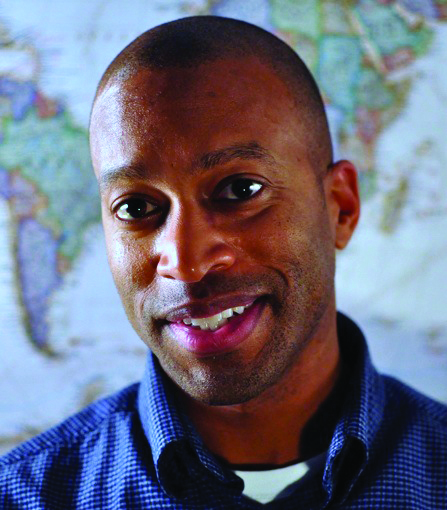
Nick Shelton
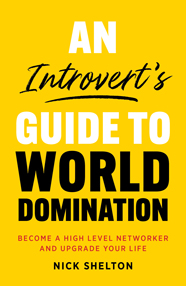
Nick Shelton, known as the connected introvert, has spent twenty years refining the craft of high-level social strategy and networking. He began developing those skills during his time in the United States Air Force and built on them through extensive research and fifteen years in the oil and gas industry. After a lifetime of shyness, he made introversion his greatest strength and built a strong international network of friends, colleagues, and associates. In his book An Introvert's Guide to World Domination: Become a High Level Networker and Upgrade Your Life, he teaches introverts how to navigate social situations with confidence and ease.
📚 Books by Nick Shelton
Transcript
[0:00:31] DA: Imagine you’ve just been invited to a high level event, the room is filled with fascinating people and you know you want to be in their orbit. The problem is, you have no idea how to get there. Instead, you find the nearest chair and stay put for the next two hours. If you’re introverted, shy or socially awkward, the scenario probably feels familiar. Social discomfort shouldn’t stop you from making connections, succeeding in business or upgrading your life and lifestyle. Nick Shelton’s An Introvert’s Guide to World Domination, will teach you how to do this and navigate social events with ease. By breaking the process into bite-sized steps, Nick offers practical, reliable strategies performing lasting connections with others. Shelton speaks from firsthand experience, after a lifetime of shine, he’s ditched the lonely chair and made introversion his greatest strength. Now you can too Hey Listeners, my name is Drew Applebaum and I’m really excited to be here today with Nick Shelton. Nick Shelton, author of, An Introvert’s Guide to World Domination. Nick, excited you’re here, welcome to the Author Hour podcast.
[0:01:34] Nick Shelton: Thank you very much for having me, I’m really excited to be here too, I’m excited to get started.
[0:01:41] DA: Awesome, Nick, I enjoyed your book and I thought it was really engaging that the first lines in your introduction are, “You’re reading the book of an incredibly flawed individual who is alone by choice, 90% of the time, and goes to bed around eight PM.” I think it’s only fair that we start off with you telling us a little bit about yourself.
[0:02:00] Nick Shelton: Sure, the reason why I started off with that is you know, there’s a lot of other material out there where people try to project themselves as super human or something like that and I’m letting people know, I make mistakes, mistakes have been made but at the same time, you can overcome those and people also like to think of, “Well, you know, will his things work for me?” But then, when you see, this guy has a lot of flaws and he goes to bed really early, I stay up later than that. I might be able to do some of the stuff that this guy is talking about. Quick story is, growing up, I was cripplingly shy, so much so that I was put in the hearing impaired kids class because the teachers thought I couldn’t hear. I don’t know if that mistake would happen these days but, back then, apparently that’s what they do to you. It was a really incredible experience, I did make some new friends that way. Because you know, nobody’s really talking, then you get along with people a lot better. But you know, growing up, it was always this really big challenge for me because I did want to have access to things, to some cool stuff, and to be invited to things. But, you know, how do you do that when you really want to be alone most of the time and you’re not really big into talking to people. It was really challenging, it was really painful at times. And I made a lot of mistakes. But going through the process of figuring out how to do it — and not by becoming an extrovert but by staying true to being an introvert. But still using the observation powers. I think, observation is like a super power for introverts. Using the powers of observation to find the path that allows us to still be able to enjoy nice things and excel at life. I think the one thing I’d like my audience to know is, it’s possible to be an introvert and be wildly successful in an extrovert’s world without compromising your integrity or your energy and so, without burning out. That’s pretty much what I learned how to do and it was really challenging and I think the biggest thing was, I got tired of people underestimating me just because I was quiet and spend a lot of time alone and I wanted to be able to actually upgrade my life and lifestyle.
[0:04:26] DA: Would you say that’s what inspired you to write the book was your transformation or your feeling that you were looked down upon and wanted to help others in this situation?
[0:04:36] Nick Shelton: Yes, first, after I learned how to structure my life in a certain way to actually be able to get invited to certain things and rub elbows with people that I wanted to, a lot of people around me, some friends and some family members, they would say, “I would like to do this, how do you do this?” People that I would meet at certain social events, they would say, “How do you do that, how do you get to do that?” I started showing them how to do it and then my brother actually was talking to me about “Hey, you know, you should probably write a book and then that would let this knowledge be accessible to a lot more people. Because there’s a lot of people out there that could really use this. And it would be helpful instead of you just trying to — help pockets of individuals, you could really get the message out a lot better if you put it in book form.” And I said, “That’s a great idea." That helped me get it organized, put it into book form so that people can actually get access to this and take those steps. And see that — because, you know, there’s a lot of stuff out there that it’s either trying to get introverts to be extroverts or it’s not written for an introvert, it’s not written in the right steps. So you could look at some other people’s material and say, “Well, that’s fine if you were that type of person but this is written for people like us to actually be able to take very easy steps and get out there to achieve the life that we want.” And I think that the book, it’s a good stepping stone that people can say, “Well, how’s Nick’s technique compared to other people’s techniques?” And they can just grab that book, flip through it really quickly and they can see, here is some stuff that would work for you right away. It’s not theory, it’s not written like hey, lab rat A did this and lab rat C did this. We figure in humans, it would work this way. This is actually me out there doing this stuff and I give a lot of examples, here’s what happens. And then, sometimes it doesn’t work out the way that I thought and I said “Well, here’s what the backup for that is.” I think it’s — wanting to make something that was a good tool for people to be able to just pick up and get some results right away and that’s how the book came about.
[0:06:54] DA: Sure, I will have to say, your book is extremely readable and relatable for anyone who picks it up and gives it a read. Let’s dive in a little bit about your book and your life and you went from college, into the Air Force, and then ended up in Nicaragua. Which was a surprising move to move to a new country for an introvert. Talk to us about the decision to head over there.
[0:07:18] Nick Shelton: When I was in the Air Force, I was living in Japan for I’d say, half the time. And I said, “This is really cool. Living in another country because you often get treated a little bit like a minor celebrity because you’re a foreigner and I said, I would like more of that.” Part of the things that I cover in the book is if you are kind of pre-known a little bit, it makes socializing a lot easier. And if you are looked at as maybe like a minor celebrity, it makes everything easier because you don’t have to go out of your way to say, “Hey, I would like to talk to someone or someone to talk to me or trying to get access to this.” People just say, “Hey, come over here, hey, do this.” I said, “Well, this is working well In Japan, helping ease my way through the social scenes and so maybe, instead of just going back to the States, I can go somewhere else.” I did a lot of research and I was originally going to move to Argentina, then Ecuador, then Nicaragua. They were having — the government there was saying, “Hey, if foreigners move here and open a business, we give you all kinds of incentives.” I said, “Well, let’s try that. The plan was to go open a bar and just hang out and socialize with people at my bar.” But, as it says in the book, I moved down there and immediately fell in love with a beautiful young lady and that completely destroyed all the plans of that bar. Yeah, I get out there and I thought it would be a good bridge to help stay active among these social scenes.
[0:08:54] DA: Yeah, that’s really interesting that you moved internationally because other cultures tend to break the ice. Let’s talk about moving forward from Nicaragua. Things ended up falling apart in several parts of your life at once and it led you down a really dark path. Even to the point of attempting to take your own life. Tell us about the evening that you’re in the car and the eventual breakthrough that happened?
[0:09:18] Nick Shelton: I figured that I have gotten to a point in my life where I knew that this was not sustainable or I just didn’t want to be a part of that world anymore. So I just said, “Well, I can end this, I can make this stop right now. Was not a happy time but it was actually — it was a little bit happy that evening because I was going to be done. I was like, “I’m going to check out and I don’t have to worry about this thing anymore.” But, then there was this very clear voice in my head saying you have to save your own life. I knew that no one was coming to save me, I had to do it myself and then all these flashes in my mind started falling into place like, “Hey, wait a minute, I know how to do this.” I didn’t recognize it before but I knew how to do it. There’s a saying, or a few sayings that say ‘your network is your net worth.’ They say, ‘show me your friends and I’ll show you your future.’ And they say, ‘you’re the sum of the five people you spend the most time around.’ They just throw those sayings out and you go, “Okay, but how do you do that?” I said, “Well, I know how to do this, I know how to change the people that I’m around, I know how to get into different social circles and networks.” And said “Hey, you know, if I can do this then that will change everything. All I have to do is just do it. — “And how do you do that?” I know, I know how to do it. From that night, I made a decision that I was going to start a new path and design the life that I wanted. Because you always hear about people saying, “Yeah, you could just design like you want.” How do you do that? I said, “Well, I think I know how to do it, let me do it and then see if it actually works and it did.” Now, I said, “Hey, this is not as hard as people think it is, let me show people how to do this.” But you know, I was the genuine pig, I did it first and I was able to bring myself out of that really dark place in my life to an awesome life that I really enjoy. And I really like seeing other people being able to do the same thing. As far as building networks, I’d like to help people build theirs because in their part of mind, in helping them build theirs, I build mine as well. So we all win and we all get to know people. When you have that connection, I think. Connection is so important, especially these days with you know, everyone being locked down for a while. If you can get some real connection in your life, even if you’re like me, alone 90% of the time and you go to bed at eight o’clock. The times that you are around people, if you’re actually connecting with them, it makes a huge difference, I think a lot of times when people are battling depression or things aren’t going right in their life and their relationships, it’s just because they’re not connecting properly so once you learn how to connect properly. I think the pieces just fall into place.
[0:12:19] DA: Sure, when people are learning how to connect, when they’re starting off with your techniques, the first thing they have to do is look inside themselves and ask what’s holding them back. What do people need to look for or ask themselves in order to find these barriers?
[0:12:34] Nick Shelton: Everybody kind of has an idea on where they get caught up or where they get stuck. Because there might be something that I might say “Hey, go and look online for a meetup group.” They might say, “Well, yeah, that sounds interesting but I’ll just skip that part and see what else he has to say.” There are certain things that are different for different individuals. There’s certain things that you know are going to be snags for you. One cool thing about it is, I know a lot of those since I’m like you, I know where you might hide out and where you might try to take the shortcut. I tried to make it easy so you don’t have to take those shortcuts. Anice little story about that would be, I remember, say like in high school, when I was going to ask out this girl and not the same story from the book but a different story. As I was thinking, “Hey, you know, if I ask her out, I hope she says no. Because, if she says no, then we’re done, it’s done and I’m successful, I had the courage to ask her out and now I can just go on about my day.” But if she says “Yes,” now I actually have to do something. And that opens up this whole other can of worms that now I have to — if she says “Yes,” she’s like, “Well, I’m kind of happy but at the same time, oh no. What do I do now? She said yes, I have to do something.” It’s the same way with these psychological blocks when you’re saying, “Okay, Nick, I’m going to change my life, I’m going to be a connected introvert and go out there and take on the world and then when you see something in there and you say, “Well, I could do this but then if I do this, then it’s going to open up this other door, then I actually have to step through that door. I don’t know if I want to step through that door.” I find if you can lay it all out early on and you can just identify what it is that might hold you back so you’re aware of it and you know it’s coming. Then it’s a lot easier to say, “Here it is, here is the spot.” And then it’s a lot easier to get past it than not actually sitting down, kind of writing it out and seeing where it’s going to be. So you know in advance it’s coming and then you can deal with it and skip past it and move forward versus just saying, “I’ll be fine.” Then it pops up and then you say, “Well, let me just set this book down and I’ll get back to that in a moment.” And then a year passes and you’re in the exact same place when you could have dramatically enhanced all your relationships and the quality of your life.
[0:15:22] DA: Let’s say you want to move forward, what’s the best place where folks can find meetups? Because I imagine it’s not the easiest to start off by just approaching strangers.
[0:15:22] Nick Shelton: Right. Good thing that you can do is you can just get on the internet and type in anything that you happen to be interested in, followed by the word meetup, it will pop up, so for example, I also tell people, “It doesn’t have to be something that you’re necessarily interested in that subject but you could just want to meet the people that are into that.” For example, if you are into something like if you’re into Dungeons & Dragons and then you type in Dungeons & Dragons meetup, something’s going to pop up and you can go there and you could talk to people about that. But, like for me, I tried bee-keeping. I was like, “Bee-keeping!” I don’t want to keep bees, that’s not my thing but I’m fascinated, I’d like to talk to beekeepers. What’s going on in the beekeeping world? Type in beekeeping meetup, do events pop up? And then I can go to those and I can meet beekeepers. Say, with pilots. I’m not a pilot but I said, “I’d like to meet some pilots, let’s see what they’re talking about.” And then polo, I don’t really know a lot about polo but I go to a lot of polo events. And because I’d say, “It would be fascinating to meet the type of people to go to polo events.” Also, instead of just typing in meetup and then just going to the event, you can also — what I’d like to call in the book, getting ‘pre-known,’ which is there is always some kind of chat group associated with these meetup groups. And you can get in there and you can see who the lead dogs are, who the people that are talking the most and kind of piggy back off of them, make some comments off of whatever they say. And then, just join in some conversations or you can either say “Yes, I agree with this,” or you can — you don’t have to go in there and be really controversial, just go in there and there’s something that you agree with, that you can agree with it. You can ask some questions and you can kind of piggy back on the leaders in here and then you say “Hey, at the next thing, Joe or Sara, I would love to introduce myself and meet you there.” Then, that way, you’ve already kind of broken the ice virtually, and then when you actually get to the event, you can look for these people. And they’ll be looking for you, until you already have that head start so you’re not going in cold. This is also something that’s really useful in these modern times with the lockdowns and things like that. People say, well, what can I be doing during this particular time if I’m stuck in the house? Well, you can maintain your relationships you already have, you can go through your phone contacts, and your email contacts and see who you haven’t touch based with for like three months or so. And just make a list, and then you don’t have to do it all in one day. Make a list and then do maybe five or 10 a day. Just go and — it’s a great excuse right now, you can say how have you been holding up, how is your family, is everybody healthy? How are things going and that just brings you to the top of their mind? You maintain your relationships you have already and then, any new relationships, it’s a great time right now — while people are still pretty much in their homes. And they’re connected online, is to go and get pre-known in some of these things. You know, type in whatever meetup or whatever organization and then find the chat part and make yourself known on there by piggybacking on some of the leaders in there. And then that way, when this whole situation falls out of it and people are going back out, you would already set that foundation. And then you can show up at the beekeepers meetup and say “Hey, what’s going on.” And say “Hey, it’s Drew, he’s here we’ve talked about the difference between filtered honey and unfiltered honey..” And you know, now you can talk about — “Hey dude, those smoker things, little things that puffs smoke on the bees, what do you put in there, how does it work?” This nice little conversation, lay that foundation, it’s a really good time to do that but yes, there’s my answer.
[0:19:16] DA: I found that really interesting but all events aren’t created equal and some folks want to network at higher-end events. I feel like you found a really interesting way into almost hacking invites into these events. Can you tell us about that?
[0:19:33] Nick Shelton: Yes, you’re talking about the lists. I wanted to network socially above where I was because, once again, I wanted to be around people who had achieved things that I wanted to achieve. That would be a good role model, mentors and that were just examples of what I aspired to be. And I said, “You know, if I can be around these people, once again, that your network is your net worth. sort of thing. I said, how would I go about doing that?” There’s lists you can put yourself on lists so for example, if you go to the Ritz-Carlton website for the hotels, there will be a place for, “Hey, more information!” You can put your name and email in there and if there’s a mailing address, you can put that in there. You know, for yacht charters, you can put your name in there for luxury cars for luxury watches. Go to the Rolex website, go to Tiffany’s for jewelry. Put your name so you’re spamming yourself, basically, for a lot of these high-end things. This is especially good in an economy like right now, our economy’s a little off and so a lot of these high-end places are really reaching out, trying to solidify their base audience. So if you get on that list, what happens is, sure, they’ll spam you, they’ll send you some stuff. “Hey, Tiffany’s jewelers is having this exclusive thing. If you want to come down.” And they’ll send you ads but then they’ll also have little events, little private events. Once you get invited to one, you have to go. For example, for me, Maserati sent an invitation, they said, this was right when they were coming out with the SUV and they said, “Hey, we’re coming out with an SUV, it’s not out yet but we have one of them here and we’re going to have some finger sandwiches, just come down and we’ll tell you about it.” This intimate group of 20 people. And I said, “Oh Yeah!” When you get that invite, you go, you have to go, you have to show up or nothing happens. And so when you show up, then you’re on another list, you’re on the list of people that show up to stuff like this. And then from there, you start getting invites to other things. And naturally, so you’re in the room. You’re with everyone else invited. So it is not like when you show up they’re like, “Who’s this person? Call security.” No, it is like, “Hey, I am here I got an invite. You’re here. I never said that I am buying one of these. I just said that I was interested, which I am.” So you show up and you talk with the people there and there might be a follow up thing. And if there is, one of the things I talk about is if you have a — Usually there is plus one, you can take someone with you and maybe somebody you met at, for example, the Maserati event. Maybe there is a Porsche event coming up and then you say, “Hey Jim, did you know that there was this Porsche event?” And then if they didn’t you could say, “Do you want to go? Just meet me out front, I got a plus one. We’ll go to that” So you’re building these relationships with people that have similar interests. So this person is interested in luxury cars as well and, say you just go there, and they might know somebody that’s at this other thing that you haven’t met yet. And you might know somebody. So you are helping introduce them to people, they are helping introduce you to people that they might know. And a lot of these events overlap. So you are going to see a lot of the same people at these events. And you might not have met them the first time. But you could say, “Hey, I saw you at this other thing. Well, I haven’t met you yet. I’m Nick” and then they’ll say, “I’m Gertrude” — or whatever. And then you take it from there and it just organically builds. But it’s about getting your name on those lists. And then really, first you get spammed, sure, but then you get an invite. And then once you get the invite you go and then the highest list is that if you actually buy something. So you don’t have to buy a private jet or anything like that. But you could go to — if there is a fundraiser and you donate $10, then you’re on the same list as someone that donated $10,000. They gave, you gave so you are now a person that went to some fundraiser and gave money. So now you are going to get an invite to more of those things and you are going to be around people that go to things like that and you will make friends with them and then you will get an invite to other events like that. And maybe to their homes and you can also hold your own events and have people in your home.
[0:23:57] DA: What do you think the expectations are when they’ve gotten the invite and now they’re attending the events? So you’ve made your way onto these lists, you got invited to these exclusive networking events and what should your expectation be walking in?
[0:24:12] Nick Shelton: So your expectation should be to meet and connect with one person. So a lot of people walk in and will think, “Oh what am I going to do, I have to try to meet everybody and try to hob knob and meet all of the movers and shakers.” Nope, one person. You are successful just for showing up, first of all, but you can consider it a grand success if you can just make one new friend. It is really hard to make a true connection with say five people at one event. You don’t have the time necessarily to really form that bond but you can really get a good foundation on one person. And it might not be the very first person you meet when you walk in but your goal should be to connect with one person and then you build from there. But you really want to walk out with one. It might be two, might be three, might be zero. But your goal in the expectation should be to find one person that you actually like and would enjoy spending — at least you’d think you would enjoy spending time with outside of that situation. Somebody that you think might actually be a friend in the future of yours.
[0:25:27] DA: Talk about some of your conversation hacks because a lot of times things will get stale at events or things die after meeting someone, after traditional “Hey, what do you do?” and I know you frown upon that. So what are some good conversational hacks?
[0:25:40] Nick Shelton: So I like to just go basically off of observation and the reason is there is a lot of other books and material out there that they’ll have all of these lists of things to memorize. These small talk memorization things and they even have flashcards that you can take out and it will give you something to talk about. But then you have to memorize stuff and then you can mess up but I want this to be as intuitive as possible. So you don’t have to memorize anything. So you’re sweating, thinking, “Did I… Oh no, what was I supposed to say?” That you just walk in and then you look around and you observe, once again the super power of introverts is observation. So you observe, you look. You don’t have to just walk in and start talking immediately, “Hey everybody, I’m here.” No, you don’t have to do that because yeah, I don’t do that but you can see something. Like somebody might have a lapel pin of a seahorse or something like that, “Hey I bet there’s a good story about that lapel pin,” you know? If they have a belt, if they have some — whatever their shoes are. Just look at how they are dressed, anyone around you, you could talk about that. You could talk about the food, “Hey, I thought that last time they had giant pretzels and this time we just had donuts. Maybe they don’t trust us with the cheese. Did we all use the cheese last time? What do you think?” Or you know, if you are already by the sandwiches and you’ve had three different types then somebody new comes up, you can say, “Hey, stay away from these two. This is the one you want.” Or if someone is already over there, you can say, “Which one of these sandwiches is the best?” Or they could be something as simple as the thermostat controls in the room. You could say, “It’s really hot in here do you think that’s on purpose? Are they trying to do something?” “I know I saw a movie back in the 80’s where the frat guys turned up the thermostat and then everyone took their clothes off in the place. Is that what they are trying to do with us here? Do you think that is what is happening? Is this purpose? You know, I would have worn better underwear if that was the case, you know?” something like that and then this gets the conversation rolling because people aren’t expecting to hear that. So it is just, whatever you can see around you or notice about, it is either temperature or something about it could be their earrings, a belt, their shoes, something about the food, something about the art on the walls. You could say, “Hey, I went to the men’s room. There is actual art in there.” This actually happened to me. I went to the men’s room and there was art and I had to come out and say, “Hey, have you been in the men’s room yet? There’s art on the wall like real art on the walls. I haven’t seen that before.” And then it starts this conversation about the art in the men’s room because you’re saying. “Hey, we are making progress. Sooner or later we are going to have a couch in there like I think they have or I hear they have in the ladies room. We are ramping up, we’re going to have our day in the sun.” So it is basically observation, what you can see around you or feel and then making a comment about it. I find you will always be able to have something to say as long as you just look around and just try to pick something out, it is a really good way to keep the conversation flowing.
[0:28:47] DA: Absolutely but networking isn’t always about social situations and I think most people don’t think about networking in their own workplace. What are the benefits of networking in your workplace and how does one go about it?
[0:29:00] Nick Shelton: So the benefits are if you know that people have a good idea about you, everything goes so much smoother. So if the human resources people already know you and they have a favorable impression of you, then if something weird happens with you, then they’ll say, “Oh that’s Drew. Hey Drew, what are you doing? Cut it out.” Or, and they say, “Oh okay.” But if they have never heard your name mentioned before and you did something weird, then the consequences could be a lot different. And then also, there are opportunities. There are so many opportunities if you are known and people feel a connection with you. Then when something comes up they say, “Have you considered Drew? Hey, maybe I would like him to be on this team, this focus group that we are working on.” Or, “We are going to this conference we should bring Drew.” Because a lot of people say, “Well I just want to be under the radar and just do my thing and I’ll be noticed.” But when you do that then yeah, you are not noticed and you’re not noticed and you're passed over for opportunities that could be for, you know, you could get a raise or just a new position or just be included in some decision making. There are all kinds of different advantages that you can get by networking in the workplace. And then some of the things you can do are, actually, you have to engage in conversations. A few of the things that I like to do that is really easy to do is with new hires. If somebody just got hired on, I always go and try to introduce myself to them within the first week because they don’t know anybody. They don’t know who I am. They don’t know that it is weird that I am over in that section that I’m not normally over there. I know I am one of the first people that they meet. And if they have a desk, I might bring a rubik's cube or something, their first desk toy and say, “Hi, I just wanted to welcome you on. If you have any questions, let me know. I brought you a rubik's cube for your desk.” Or a magic eight ball or whatever it is, a fidget spinner for your desk. And then they say, “Oh” and I say, “If you see me around, say hello.” And then a couple of months could pass them and they say, “Oh hey, Nick” and then by that time I’ve normally forgotten their name and so you know, “Oh hello, hey you” and then, “Oh yeah, this is Nick. He is one of the first people that I met here and you know he brought me that rubik's cube for my desk.” And then, later on down the line, as they work their way through the company they still remember you and you touch base with them. So I like to make the rounds, touch base with people. And also a really great thing and this could work when you are in social settings also. It works really well in the workplace and industry is, if you know somebody has knowledge about something. So if they are a kayaker or you see a picture of them kayaking on their desk or something, you can ask them about that. You can ask for their advice. Asking advice, people love being asked for advice. So it can be about, “Hey, you know I was thinking about going kayaking. What would you recommend for a beginner to just try it out? Is there a place where I can rent one? Do I need a certain license to do it? What would you recommend?” Or if it’s — one of the things that I do a lot is, so I have a nephew that’s five and I know someone has a child that’s five I say, “Birthday is coming up. I want to be the winner of the gift-giving, what do you know about what’s the hot toy? Where can I get it?” And then they’re happy that they know. They’re like, “Oh you want to get this toy. You are going to win for sure.” “Are you sure I’m going to win? Because if I don’t, I am going to come back and we’re going to talk about it.” And then they’ll say, “Oh no, this is the toy.” And then you actually go do it. You actually get the toy and here is the thing, if they see you first they have been thinking about you. They are wondering, “Did he get it? Did he win?” And then they will talk to you or you might go to them and say, “Hey that was a horrible, horrible suggestion. I did not win at all.” And then you could still have a good laugh about that and now you’ve changed it from being like, “Hey, did you work on that report the other day or what do you think about the comments?” — to, now you have bonded. You’ve gotten there. You could have gone anywhere, you asked their opinion. So you made it a more personal connection with them. And so now when they see you they’re like, “Ah there is Nick, he’s the one that comes to me when he needs advice about this.” And especially if it did work where you’re like, “Yes, I won the gift giving!” they’re like, “Yep that’s right you did. You came to the right place” and so it changes the relationship. I have asked vice presidents of companies about dating and say, “Hey, do you have any — I went on this date the other night and I think I messed up.” “Let me run it past you and you let me know where you think I messed up” and they’re like, “Yes, what did you do?” They don’t say, “No that’s not about business, get out of here.” They say, “Yeah, tell me yeah” and then they point out their stuff and as I have mentioned a lot, executives usually give horrible dating advice but they will give their two cents and then they also want to know. So you can be in a meeting about something they’ll say, “Hey, see me after the meeting.” And the others will say, “What? Why does he need to see Nick after the meeting? What is going on?” It’s like, “What happened? Did you go on another date? You know, what happened with that?” and then when there is lunches they’re like, “Hey, Nick is coming on this lunch with us.” It just expands your whole — because everyone — you do talk about work but then you also need to also make it about something that’s not work. And if you ask advice, it really opens people up I find in the workplace and that helps you get a lot more exposure to opportunities in the workplace.
[0:34:32] DA: Yeah, I really love that. Ad you’ve gone out of your way now, you've worked really hard. You have made relationships. What is the best way to maintain these relationships?
[0:34:43] Nick Shelton: So the best way is the face to face. If you can’t do face to face then you still need to reach out. You have to touch base to just stay fresh on people’s minds. So if you meet somebody and then you don’t talk to them for three years and then you pop back up and say, “Hey, how’s it going?” that’s not really a good thing to do. You don’t want to go through all of this trouble — and it is not really trouble. It is a pleasure to build these relationships — and then just let them fall by the wayside. And a lot of people do that. You want to maintain them. So the best way is face to face by actually scheduling some kind of meeting with them. Whether it’s like a lunch or maybe I have a lot of international connections and colleagues and I will say, “Well, come out there and I’ll see you in Sri Lanka” or wherever. And I will hop on a plane and I go and I maintain that relationship face to face because it definitely — I find it that the sooner you can do it. So if I meet somebody, so I met someone in Lithuania and they were from Estonia and they say, “Hey, you should visit Estonia.” And you know I had no plans to go to Estonia at the time but I said, “Yes, I will do that. So when is a good time?” and they say, “Next month.” And so that is kind of quick but I did it. And so what happens is, so the relationship at the beginning was just kind of more of like an acquaintance sort of thing. And then when I actually went and visited Estonia. Not everyone can do a lot of international travel. I understand that but basically the gist of it is, if you can get there and have that solidifying second meeting with them, where — so you might have met them at a conference or something. But now, you’re just, wherever they are, you are having a meal. And then you are actually getting to know them a little bit better and you know talking about family stuff, talking about hobbies and then that solidifies that relationship. So now if some time passes after that you’re still good because you have made it a lot more three dimensional than it was when you first met them. So the face to face, wherever they may be, and I know once again, it might be hard if they’re international or something like that. But if it is something domestic or something in town, try to get some face to face time with people as much as possible. And if not, then do video. I will send a video through the messaging apps because I think it is better than sending a text. I will make a little video and send it over. “Hey, I was just thinking about you. Hope your family is good. You know I heard about the new baby, how’s that going? I know the stress of being a new parent, are you sleeping okay?” Or, if I don’t do a video or if I am feeling ugly that day, then I will do an audio message. And then, if I don’t do the audio then I might send a text. But usually I try to do a video or audio. And a lot of times they’ll do a video or audio back and this just kind of keeps that going. It keeps me fresh in their mind and as I said earlier on the maintaining, I’ll go through my telephone contacts. I will go through my email contacts both personal and work email contacts. And I say, “Hey, who haven't I talk to in a while? Let me just send them a message.” And sometimes we might actually meet face to face and sometimes it’s just a video, or it is just an audio just letting them know that I was thinking about them. And just wondering how they were doing and if there is anything I can do to help out or add value to their lives that I am around and that helps just maintain it and keep everything going and it is a good place to be.
[0:38:24] DA: All right, so I have written down a casual trip to Estonia, I’ll try. All right Nick last question, does this get easier as you go along or is this something you’ll always have to work at?
[0:38:38] Nick Shelton: Oh that’s a great question and it absolutely gets easier as you go along because once you know what to do you know what to do. So after you learn, “Well here is a simple way to do this, here is a simple way to do this, here is a simple way to show up and here are different observations that you’ve made, and here is how I can attend this.” It becomes really second nature because once you get a few reps under your belt, then it is just way easier. You can just kind of default into it. So you don’t have to try, at the beginning it is still — you don’t have to try that much but you still have to try to get beyond your comfort zone a little bit. And actually show up to things and engage people but once you see how easy it is and once you’ve done it then you say, “Oh yeah” and then like the observation gets easier because you say, “What if I don’t notice that they have a fancy belt that I can make a comment about?” But the more you start noticing some things and exercising that, it is like a muscle. Once you exercise a little bit then it becomes easier and easier to show up and even if you have a little tinge of fear like, “I don’t know, what am I supposed to do here?” So for example, I was in Sri Lanka, let’s see when was this? In February and I went to an outing, one of my friends who is a criminal defense attorney said, “Hey, do you want to go to a party with criminal defense attorneys in here?” And I said, “Yes” because you know talking about imposter syndrome, I don’t know what is going on there but I went and I said, “I know what to do.” You know I am not going to talk to them about law stuff because I don’t know it. But if I had questions I could ask that but I would say there are so many other things we can talk about. Let’s use some of these techniques. So you talk about observations like, why are they playing salsa music at this party? It seems like an interesting choice of music to have at this particular gathering. And then the bar they have scotch and soda that is all you could get. There is no variety, it’s either you’re having scotch and soda or you are not having anything. There is a lot of interesting things — but it was easy for me to navigate that because you know I have already put the reps and so anyone who is learning how to get known, how to make connections and socialize and how to maintain the relationships, once you learn it — I break it down so simply. To make it really easy and intuitive to do, once you have it in you, once you know how to do it then it just becomes second nature to you and it becomes a lot easier.
[0:41:21] DA: I like that scotch and soda is the drink of lawyers everywhere, even internationally. Well, writing a book is no small feat so first of all, congratulations and this has been such a pleasure. I am really excited for people to check out this book. Everyone, the book is called, An Introvert’s Guide to World Domination. You can find it on Amazon and besides checking out the book Nick, where can people find you? Do you have an online community built around these or a website?
[0:41:49] Nick Shelton: Yes, they can go to connectedintrovert.com and there are all kinds of resources on there. At the bottom of the home page is a free mini master class that you can check out. It is really, really awesome and I am also on Facebook and Instagram @connectedintrovert. Please come check it out.
[0:42:10] DA: Thanks for joining us for this episode of Author Hour. You can get Nick Shelton’s, An Introvert’s Guide to World Domination, on Amazon. Also, you can also find a transcript of this episode and all of our other episodes on our website at authorhour.co. For more Author Hour, subscribe to this podcast on your favorite subscription service. Thank you for joining us, we’ll see you next time. Same place, different author.
Want to Write Your Own Book?
Scribe has helped over 2,000 authors turn their expertise into published books.
Schedule a Free Consult