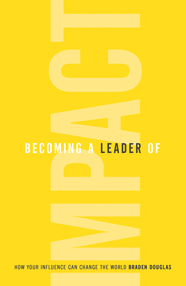
Braden Douglas: Becoming a Leader of Impact: How Your Influence Can Change the World
Read the full transcript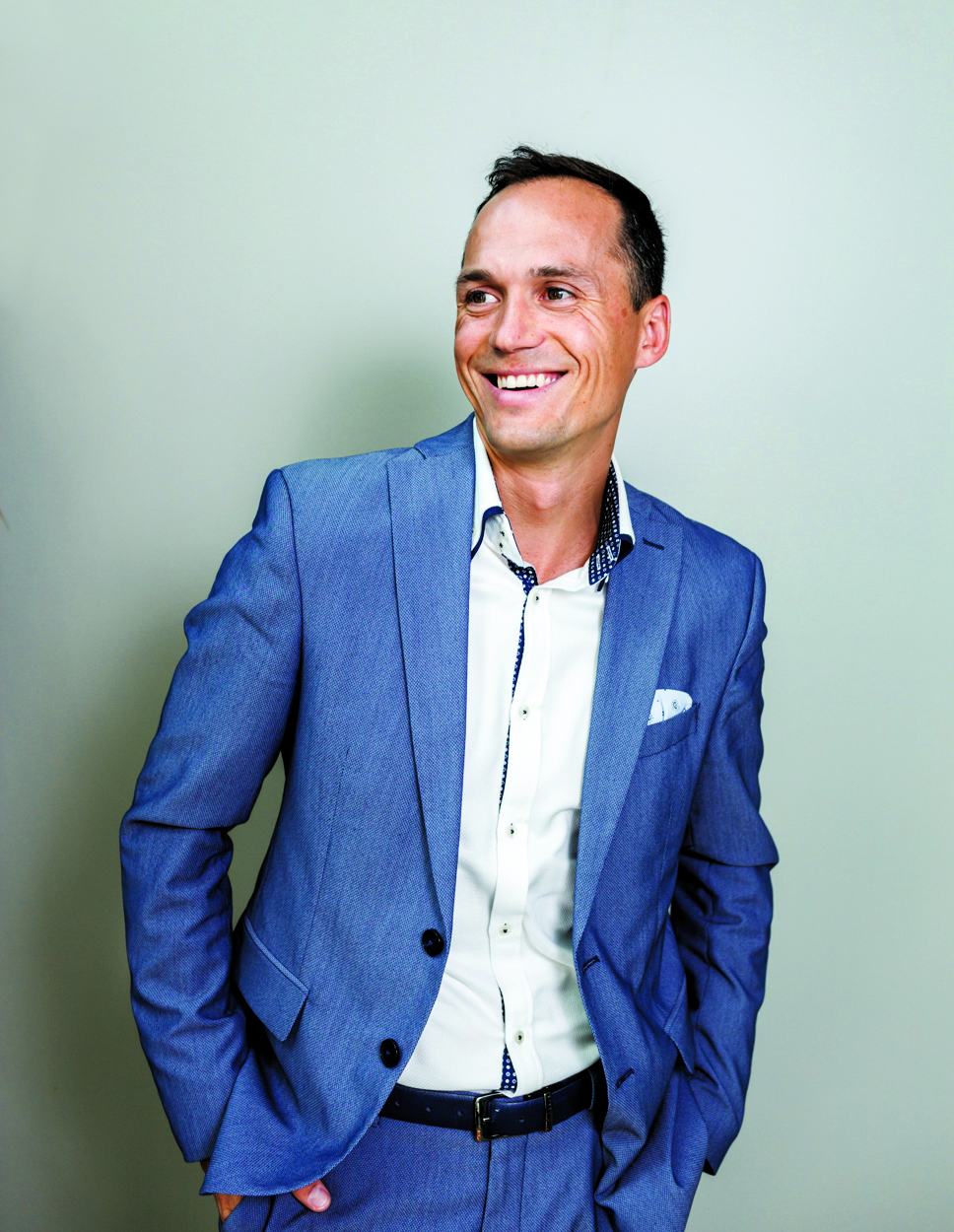
Braden Douglas
Braden Douglas is the founder of Crew Marketing Partners, one of the fastest-growing marketing and creative agencies in Canada, which he launched in 2007. He began his career in brand management at Frito-Lay and Procter and Gamble. He volunteers with LeaderImpact as a member of its Global Advisory Board, mentoring leaders, speaking, and developing content. Braden lives outside Vancouver, British Columbia, with his wife and two children.
📚 Books by Braden Douglas
Transcript
[00:00:21] MR: The word impact has been used a lot lately, but what does it actually mean and how does one drive impact and not just talk about it? The truth is, the world needs people like you and me to step up and be impactful. But how do we do it? Well, in his new book, Becoming a Leader of Impact, Braden Douglas shares a new definition of impact and how anyone can influence other people's lives for the better. And the book is packed with real-world examples and engaging stories to inspire you toward impactful change in all areas of life, from the personal and professional, to even the spiritual. And in today's episode, Braden shares with us what inspired him to leave his 9-to-5 job. How making the hard choices can lead to a better life, and how you don't have to do it all alone. Enjoy. Hey everyone, my name is Miles Rote, and I'm excited to be here today with Braden Douglas, author of Becoming a Leader of Impact: How Your Influence Can Change the World. Braden, I'm excited you're here. Welcome to the Author Hour podcast.
[00:01:38] Braden Douglas: Yeah. Thanks, Miles. It's always a pleasure to be here. It's great.
[00:01:40] MR: Yeah, I can't wait to talk about the subject to your book. I'm really excited in general to talk about leadership and impact. But before we dive into that, tell us first who you are and what inspired you to write this book.
[00:01:53] Braden Douglas: Yeah, to give everybody a background. I am from Canada. I have always been involved in leadership, whether it's through high school, university, to early career. And I'm also a marketer. So, for me, I worked at Procter & Gamble marketing fabric softener. Then went to PepsiCo and Frito-Lay and marketing potato chips, and then I had a life turnaround where I really wanted to get out of that corporate chasing ladder mentality and really give back to the world and make it a better place. And so I went to a nonprofit organization. I was a director of marketing there. Realized I love nonprofits. I just didn't want to be in them. I love business. I loved working with leaders. And you realize that if you really want to make a difference in the world, if you can get entrepreneurs or people of leadership to really understand impact, they have the affluence, the influence, the ability to really make things happen. And I thought, “You know that's? That’s what I really want to do.” And so I started my own company and agency back in 2007. We've been fortunate. It's grown quite rapidly where we have now three offices. But I also was been a part of an organization called Leader Impact, which is an organization that helps leaders have a better holistic understanding of what impact is through your professional, personal and spiritual life and how you can really leverage yourself to make a lasting impact in the lives of others, and I’ve loved it. I’ve been involved, but I just felt that they never had a philosophy or a written kind of book on business written by a business leader and entrepreneur. And so I thought, “I don't want to write another boring leadership book. I really want to help this organization as well as pour out in my life in philosophy and story that really dovetails with theirs.” And so that's where the book Becoming a Leader of Impact really came out of.
[00:03:48] MR: Amazing. And I really want to dive into the definition of impact and really what that means. But before we do, it sounds like you have, as you mentioned, this kind of regular, almost “regular career path”, and then you decided to make this left turn. Was there a deciding moment or something that happened that really made you kind of shift gears?
[00:04:11] Braden Douglas: Yeah, that's a great question. I think, I remember, when I was about 25. So early in your career, I’ve been at Frito-Lay for about three years or more. And I remember sitting down with the HR director, VP of HR, and they are going through this career pathing of high-potentials in the organization. And they're talking about, “Okay, you can then move up to this position. Have a cross-functional opportunity in sales. then maybe get a little bit of experience in operations. And then you can then really move back into marketing and you’ll have a much more strategic angle. And you can become a VP, or a senior VP, or a president one day, or whatever.” And I just remember thinking, “This is about selling potato chips, right? This is my life, and it was all about career.” And I started to take a look at all the different executives and realizing that you can be married to a job, and you can have this feeling of progression, and you can make a living. But I didn't want to make a living. I really wanted to make a life. Here's the crazy part. I loved my job. I loved marketing. I really do, and I love even chips. Right now, I'm part owner of a potato chip company as well. And for me, I love that world. I just knew that if I got into it, I would be chasing titles, money, stock options, all these kinds of things that people think give them meaning, give them purpose in life. And I knew I had to get out. And that was that moment that I felt that. And that's when I started to look around and I moved to a nonprofit. I didn't even really know much about the nonprofit world. An opportunity came through a friend that was into leadership and different things and I was like, “Oh, man! I love that. I love that world of leadership and personal development.” And I felt that, “You know what?” And at the same time, I was kind of where I really started to get back into that faith side of my life and I thought, “You know what? That's really what I want to do. I want to really make a difference in people's lives.” And I was pretty naïve and young at the time. So you kind of make decisions that you may be look back on and think, “I was probably a little bit too naïve and my parents even thought–” I was moving across the country. I was in Toronto and moved across to Vancouver. They thought I was joining some weird cult. And everybody at Frito-Lay, like even when I give my resignation, the president brought me in and basically they were saying that this is a career-limiting move that it’d be very difficult to come back into a consumer-packaged goods world. And I thought, “Oh no! But I'm really going to take on the giant here and just do this.” So I went out West and I did it. Looking back, it was an amazing decision, but it also was – I think maybe some decisions in life, if you know all the details, you probably wouldn't make the decisions that you do. But you are glad, and the lessons and what you take from it in that journey is unique for everybody. And so I'm thankful for that.
[00:06:52] MR: It’s so true, and there had been so many very successful people that have said, “If I would've known how hard this would've been before doing it, there’s no way I would've done it.” Even writing a book, a lot of people can say that. If I knew the work that it took to do this, I would've never started it. So part of that naïveté can actually play in your favor. I think it's more about really following those breadcrumbs of like there's something here. I don't know what it is yet, but I got to follow it. So that's amazing, and props to you for really following that, and now writing a book about all of this. So let's get into impact. What does it mean to have impact or make an impact?
[00:07:30] Braden Douglas: Obviously, that's the title of the book, and I'm in marketing. And so I work with many organizations. And we have hundreds of clients. And impact right now, it's such a trendy term. A lot of organizations, a lot of brands, they want to be known as making a difference and being good and doing good things in the world. And there're so many different great causes. And I love this, but when it really came down to it and having worked with these leaders, because it's people making decisions. I felt that they were a little bit lost. They liked the idea of impact. They like this mantra, even millennials that we work with, they love this concept. But how do you really live it out practically? And I felt that we needed a better definition and a better understanding of what that is. And so a question that we ask is, “Think about somebody in your life that you would say has had an impact on you.” Take five seconds right now. Think about somebody in your life, whether it’s a boss, a coach, a teacher, a parent, sibling, friend, whoever that might be, and how did they have an impact on you? Do have somebody in your mind?
[00:08:37] MR: Yeah. Yeah. It would be my yoga teacher. And I had 20 years of chronic pain, and he was someone who had a broken back, and stage IV cancer, and was addicted to drugs and alcohol and was like six years old and was in a wheelchair and found yoga. And then basically was the most flexible, grounded, amazing person I had ever met who was like 75 years old. Yeah, just his whole story, and then what he then taught was very inspiring to me.
[00:09:06] Braden Douglas: Totally. So I want you to think about this. Think about that yoga instructor, which is amazing. That's great. And the way that I define impact is that it's about your influence to create perpetual positive behavior in others. For example, there's this old saying, “Give a man a fish, feed him for a day. Teach a man to fish, feed him for a life. Feed him for a lifetime.” Right? We've all kind of heard this. And so helping is about the giving. So, the charitable philanthropy, this is about you’re giving a fish. And that's great. And it’s really good. But that's not impact. Impact is teaching to fish so that there is this ongoing, perpetual, positive behavior. And so if you think about that in your own life, there is this moment where you had instructor who gave you a vision, who invested into you, whether it’s through philosophy or even doing it by their living that lifestyle. And now you are on a path that is going to continue for years. That you are now probably changed and that you're going to continue doing whether it's being more grounded, taking care of your body, all these can the different things that is going to actually help you have more positive influence in the world than if you’ve never met that person before.
[00:10:24] MR: I love the definition so much. It really reframes I think how we – Maybe not all of us, but how many of us maybe instinctively relate to impact. I feel like it not only can be something that feels like it has to be from someone very important, but also something just very conceptual. And you just put it in a very like practical way. And what you're saying is, it really doesn't have to just come from leaders, right? Impact can come from anyone with that definition.
[00:10:53] Braden Douglas: Well, and I think that's the thing. Leadership is really about influence, and anybody can have influence. And some people have maybe a title, if you’re a manager, if you’re a boss. You’re going to have that ability to have a little bit more influence over more people. Like celebrities, the bigger the platform, the more influence you can have. But anybody can be a leader if they're having influence over others. And it's not about what you do. It's about who you are. And that's the biggest thing that I'm trying to get out through the book. And even when I'm working with organizations, is that your brand, it's not about specific charitable companies. It's about who are you as a person making these types of decisions. And do you really care about the causes and the people that you're helping or do you just want the benefits of the positive PR, or the benefits of maybe leadership, or the good vibes on social media that you're getting because of your acts? And I think there's a big change that if you really want to become a leader of impact, it has a cost to it. It's not going to be super easy, and it takes intentionality. And I think that's what I'm trying to help people understand, is that this is a lifelong journey for you to become somebody that this is going to have a major impact in somebody's life. And that’s the legacy that you will ultimately live, is how many people are you really able to influence in a better way. And that collective of impact is really what creates legacy.
[00:12:22] MR: Yeah, and you bring up such a good point in the sense of so many people can get loss and focusing on the means and not the ends. And so it's about trying to get the more likes on social media, which really, ultimately, if you would ask that person, maybe their end, their main goal is to make an impact, is to help people. But they’re so focused on these means that they can actually lose sight of the impact that they're making. I think you bring up an important point too. It isn't to say that none of this isn't without struggle or that it doesn't come at a cost, but what I'm hearing you say is instead of wasting the cost and the struggle on the means to things or on smaller kind of things and not the main point, really, the focus should be how to I really generate impact and make an impact?
[00:13:14] Braden Douglas: Yeah, absolutely. One of the best exercises – So the question I asked you is think about somebody that has an impact on your life. It’s not always an easy question, especially when you're put on the spot. And we do this with leaders at Leader Impact all the time. And when I'm speaking, I always kind of start with this too in the audience, because it forces you to really think practically about, “Well, who is that person?” And then the follow-up question is – I've done this exercise now with thousands of people. How many people would have you in mind? And I think that it's meant to create a very vivid idea of say, “Well, who would actually say I've been that person in their life?” And that's where, yeah, sometimes you feel guilty and you’re like, “Oh my gosh! I got to do more.” And it’s like, “What am I doing with my life? This is crazy.” But I think what it's supposed to do is just to say this is about intentionality, and you have to say, “Well, do you really want to do this? Is this important to you?” And I find that people, they have great intentions, super well-meaning, but sometimes it's just about they lose focus of what that really means. Even they hang out with the same friends and family and they see them all the time. But taking the time to actually say, “How can I help you get to where you want to be? How can I help you become a better person?” When you're in a room, are you looking at those people and say, “How can I really serve them well to really move them to that next level and doing that not because I many get something out of it, but because I really do care about them.” That's I think the biggest part.
[00:14:50] MR: Yeah, and I think asking that question, like how many people would name you as making an impact. Asking that question really snaps you back into that sense of, “Wow! That is kind of like the ultimate goal. That is what I want. And how does that make me feel then if knowing maybe there is not as many people that would say that as I would like?” It almost like forces you back into thinking about it, which I really like. But I liked what you said about intentions. And people, I agree, do have good intentions, but that doesn't mean that their actions are aligned with their intentions necessarily.
[00:15:26] Braden Douglas: Totally. You know what? I would say having worked with a lot of people and having done this for years now, we all love to be important, to want to have success, to be able to have influence and to be able to think of ourselves as giving charitable good people. But how we really want to make a big impact is something that I find most people don't realize how important that is until they get much older and they start to reflect back on their life. They start realizing the sun is setting. And then they start looking at mentoring, “Oh my gosh! I have to give back. And I've accumulated all this wealth maybe for retirement for what I thought was important.” And they look back and they realize, actually, it's family, it's friends. It's the colleagues that you've worked with. It’s the customers and clients that you've had. It's the consumers and the customers that you are dealing with on an everyday basis. That is really what starts to matter. And for me, I think it's coming back to relationship and about how were you really building and impacting them. And for me, this book was to help people to become leaders of impact by integrating to say, “You can do this,” but you have to integrate your professional, your personal and your spiritual life. If those aren't aligned, then things start to go off into some different directions that could lead you down paths that you wake up one day and you’re like, “Oh man! I missed it.” And my hope is that we can get leaders younger to really live this life out. To change the definition of success to becoming how can I impact more people? How can I be that type of leader? And imagine the decisions, imagine the strategies that would be created if you can really change somebody's heart and mind. That for me is really where I wanted to get this book out to help people really get excited about that.
[00:17:16] MR: Right. And so let's say there are listeners out there right now. They don't want to get to that place where they’re older and then have that regret of wishing that they made more impact and they want to do something. So how can we lead a life of impact? In your book, you talk about the leader impact assessment that you utilize as well as the Leader Impact model. So how can those tools basically help people get on the path of being more impactful?
[00:17:44] Braden Douglas: Well, I think that the reason that we created the Leader Impact assessment was to help people understand, “Well, where am I at today? Is that's important?” Because if you really have to make the decision to say, “Do you want to become a leader of impact?” And I would say most people would say, “Sure. That sounds great.” And then saying, “Well, if you want to do that, let's first take an inventory of where you're currently at.” And the Leader Impact assessment looks at your professional life. And for me, you have to be good at what you do in order to have credibility. Credibility is what gives you influence. And that credibility might be social credibility. But with leaders, this is about professional credibility. If you're not good at what you do, people are not going to listen to you. And they won't take you seriously. And I think this is where I believe that if you really want to get – You want to get better, you want to become a better professional so that people will say, “You know what? I’m to listen to Miles on this topic, because you know what? He knows his stuff and he’s really good.” So the Leader Impact assessment helps you understand where are you currently in your professional life? What does that look like for you? And it's not meant to measure you necessarily against others around. It's really taking your own inventory. And then we look at your personal life. And this is really about relationships and personal health. And it's amazing that many leaders, your body – Because I know that you're now into yoga and these different things, is that your body and what you feed yourself and the energy that you have is so paramount. And most people, they have the most influence, affluence, contacts in their 50s and above, right? You’ve got a lifetime of all these different things. And that's where I find that they either take themselves out of the game because they just don't have the energy. They get sick. Their bodies aren't as good as what they had before. And so they just start to like wind down, where I think, “Man! What a waste.” If you could take those time, and even that 60-year-old yoga teacher, right? That’s amazing. He’s out there. You’re teaching. You’re inspiring. You’re impacting people. And that's kind of what we want. And then it's really about relationships. And your personal life is going to be a really about those relationships that you’re building, that your sewing. And good relationships is about communication, emotional intelligence, being able to empathize with others. And then we'd look at your spiritual life, and this is about peace. This is about patience. This is about kindness, about goodness. We talk about this faith. And for me, when I was 25, I came back and really understood, “Okay, I think there's more to life,” and I started looking at all these different religions and different things. And for me, it came back to Jesus and wanting to follow him, but not becoming a crazy Christian. But really being like, “No. If I'm going to do this, I want to be real and really follow in that way.” And out of that comes motivation about really serving others. It's not about you. This is about other people. So that your motives and how you think about others is not driven by like, “Oh, I'm going to try to win somebody over here so that we can then drive sales. Or I can get my agenda passed through the company and maybe make more friends and network so I can maybe get ahead in life and get more followers on social,” or whatever it is. This is about saying, “No. Actually, I really do care about people legitimately and I’m going to impact them even if it's not popular, even if I don't get any rewards, even if it may even hurt me, but it's the right thing to do.” And I think that only comes through a strong spiritual life. Or else people won't – They’ll say, “Well, why would I do that? That's weird.”
[00:21:22] MR: Right.
[00:21:23] Braden Douglas: I think when those start to get integrated – And in the book I kind of talk about why they’re so important and just kind give people a little bit of a different paradigm towards it.
[00:21:32] MR: Yeah. And you mentioned too that there is a lot in this. You talk about all of these different dimensions of impact. And as you mentioned before, it can be – This isn't something that is necessarily easy. It is the work. But if you focus on the ends instead of means, you can get closer to it. But in your book you talk about, “Hey, you don't have to do this all alone, and I shouldn't feel like you're doing this all alone.” So what does that look like as far as setting our life up in such a way where we are supported to be someone who can be impactful?
[00:22:06] Braden Douglas: It’s a great question, and it's one of the last chapters in this. And I was watching this documentary on this successful car dealership out of Michigan. Lots of money, and it was a kind of one of those cribs can episode where they’re kind of walking through his mansion and looking at stuff. And he came to this fountain, and it was the sculpture of the self-made man. He looked at this and he looks into the camera and he says, “This defines my life. That I came from nothing. I built a successful business. Look at what I've done. I've made it. I was a self-made man.” And I kind of sat back and I just felt so sorry for him, and I felt sorry for his employees, because when you're in leadership, you absolutely realize that no one succeeds alone. There are people. There are – Whether it's employees, suppliers, customers, family, friends have all supported, and encouraged, and built you, and given you opportunities to where you are now. And that is so important. I think a lot of leaders think, “I have to do personal and professional development on my own, even spiritual look into this. It's about becoming more of myself, and whatever.” And it’s saying, “Well, that's actually not true.” What you need is you need people in your life. And I call it a guard pusher and a board. So a guard is somebody in your life that really helps guard you from either taking on too much. It guards you from your own behavior and actions. They can speak truth to you in a way that you're not going to get offended. But you need that person. For many, it's their spouse. That's my wife, Jen. She does that really well, and she knows me exceptionally well. For others, it might be a family member. It could be a parent. It could be a best friend. But you need that somebody that really helps guard you. And the second one is you need a pusher. You need that person or those people in your life that push you to want to live a life of impact, because it's not easy. And you can get distracted. But you need somebody that's going to help push you into opportunity and help kind of say, “No. You can do this.” When I went to El Salvador in 2004 with Leader Impact, there is a guy named Nathan Hildebrandt. And he's from Saskatoon, and he was down there, and he was organizing all these different speaking opportunities and events. And there is a large one that was happening at a university with a lot of young professionals and he was saying, “Okay, Braden. You've got today and tomorrow to prepare. And tomorrow night, you're going to be doing the keynote.” I was like, “Nathan, I’m not ready. I don't know how to do a keynote. I mean, what am I going to say?” And he’s like, “No. No. You can do it. You've got basically four hours to put something together because of the time that it takes.” So you stay up late, you're doing this. And I just felt totally unprepared, out of my comfort zone. Didn't want to do it. Didn't want to embarrass myself and with all these people, and I had to use a translator, because my Spanish is muimal. And so he came, and I just remember, he was somebody in my life that not even that moment, but he pushed me to do it, and the result was fantastic. Was it the best speech or best keynote? Probably not. But it was good enough at the time. And I think a lot of people, we need to push people. And is the result give me better than what you could do? Maybe not. But it’s actually give them opportunities that’s going to push. And last one is you need a board. And that for me has been Leader Impact has groups of leaders. There're many different business groups that are out there that talk, whether it's Vistage, or Young Presidents Organization, YPO, or all these other kind of peer groups that are out there. But you really do need that group of people who are like-minded, who want to see you succeed, who are going to keep you accountable, who you can wrestle through, but who can help you develop personally and professionally and spiritually. And there's not that many that can do all three groups. And that's why, for me, Leader Impact was such a good fit, because it hit all three. But when you meet, you realize that you're going to help impact other people, but they're also going to be able to do that for you. And you can't do it alone. It’s not like you're just isolated trying to make these things happen. You have to really be intentional with the people that you're around and they're intentional with you.
[00:26:21] MR: Yeah, I love that. I've never heard that broken down in that way. And I think it’s such a great way to think about it. And you’re so right too. We actually don't even probably want the same person to do all three of those, because it would become in conflict with one another, right? Because how do you guard and how do you push at the same time? So I really like the vision and way of thinking about it. And there are so many other things where you’re not doing it alone in the sense of two. You can set up your life to support you, buy the food that you eat, but how much you're in nature and exercise and connect with your spirituality. So, I really love that. To me, basically a lot of this boils down to, and it's a chapter in your book called Be Yourself, Just Better. So tell us a little bit about that and how essentially we can continue to be who we are, but use these resources and these other people in our lives and the way of think about impact to actually become better.
[00:27:16] Braden Douglas: That chapter when I write it, it was a story of I played varsity soccer at university, and there is a coach and he had different styles for different players. But for me, he was always on me. Just digging into me, and I still remember just working so hard and then I'd come off at half time or whatever and he'd be like, “Braden, you’re dogging it out there. We need more from you. What's wrong? Get your head in the game.” And I was like, “Oh my gosh! I feel like I was given everything here.” But you know what it did? It really instilled this element of just passion I could, “Yeah, you know what?” Just going back out there and just being like a man on fire. And I think that, for me, is I think my philosophy is that people have more potential than they realize. They have more in them than they give themselves credit for. I want to be able to wake that up and help them realize that you can make a significant impact in other people's lives that are going to have such a ripple throughout society. And I think sometimes we either settle for, “Oh, these are my skillsets. Or this is my job. Or this is who I am. This is what it is.” And I think, for me, is that there is nobody else like you in the entire world. No one else. No one else has your story, your history, your talent, your ability. That you are absolutely unique. And our job as people is not to be okay with mediocre. Is to say, “What's really important to me, and how do I go after it, and how do I really make an impact in the lives of others and to really keep getting better and keep doing this? So, for me, it's saying absolutely stay authentic to who you are. Don't try to become somebody else because you think you have to or whatever it is. Be who you are, but always be improving. Always be looking for how can I get better? How do I make other people's lives better in a way that is true, that is loving, that’s serving? So that you don't feel like, “Well, I’m just going to be –” Man! It was crazy. I still had a conversation with an executive that worked at our company two years ago. And I remember him telling me about his strategy to get internal buy-in on an organizational change. And I remember him saying, “Okay. Well, I’m going to take this person out for lunch here and really get them on my side. And then I’m going to talk with these people and we’re going to strategize about this. And I'll tell them about this opportunity, but we won’t give it yet, because we don't have the money for it.” For him, he thought this was brilliant. He was being a great politician. Really being strategic internally. And I remember thinking in this meeting while he's telling me this plan and thinking, “Oh my gosh! What are we becoming?” For me, he was doing it out of the sincerity of what was in the best interest of the business. And what it really woke up in me was that if we want what's in the best interest of people, yhe business will take care of itself. And we have the best interest of our customers, or our clients and the people that work for us. That is where we’re going to start to create that. And if we can't tell people the truth and love and have them understand it, then they might be on the wrong bus. And I remember that was a moment where I had to make some major changes and how to let him go, some others which had major financial implications on our company. It had major implications on some of the staff that left, because I made that call. And it was really hard. We actually went through a tough period of time, and it had a big cost. But, interestingly, I just actually looked at the stats yesterday. Our net promoter score was the highest it had ever been in the last eight months to a year than it had been previously before that. And we’re seeing the culture change. We’re seeing that ripple effect to be able to make that. And I think as a leader, to become a leader of impact, this is what I’m saying, it's not easy. It's not always going to be popular. But are you willing to do it because it's the right thing to do? Are you willing to go through that fire? Willing to go through the financial pain? Because it is the best in the long term interest of others. And I always believe that truth wins at the end. So if you're able to do that and make those hard calls, because you want to create that type of culture and create that type of organization, then you need to do it. But that's why you need that pusher. You need that board. You need those people with you so you can say to them, “Hey, this is what I’m thinking is. Am I crazy? Or is this right?” Because you kind of have to check yourself sometimes too. And so that's why I've always been very thankful for that, these people around you, because you can't do this alone and you can't succeed alone, especially if you want to live this type of life and be this type of leader.
[00:32:05] MR: Amen to that. And thank you for doing the hard thing and choosing to do it for the sake of trying to drive impact and writing this book, because writing a book is no joke. So, congratulations on doing it and getting it done, getting the hard thing done. And if readers could take away one or two things from your book, Braden, what would it be?
[00:32:27] Braden Douglas: I think we covered a lot, but if I had to say, there're three things. Number one, choose to want to become a leader of impact. That's number one. Number two is realize that it does come at a cost. Yes, it's going to take time. You have to take even the time to actually read a book, to dig into it, to want to improve in that area. It's going to cost you financially. If you're going to build into somebody else's life, it’s going to take your time. Sometimes it’s going to take money, whatever it may be. But that's the second thing, that it does have a cost. And the third one really is that it's absolutely worth it. When you really start to see these stories of people that living this life, seen the impact that they’re having on others and the humility that they have, and this is where the stories of these people to say, “Wow!” You realize, no one does succeed alone. And my hope is that when somebody ask that question of me or they're going to ask it of you, and if you're listening to this, if they’re going to ask you one day, “Who has had an impact in your life?” I hope that there are more people that say your name than they would have before. And that for me would be huge. If you could have that type of impact, think of the legacy that you will leave. And that's my hope, is to really help inspire and give somebody – Even writing this book. I didn't want to write it like a typical book and make you just having these principles, but filling it with fun stories and unique language and whatever and just to help people say that, “Hey, this life is really fun.” It is the absolute, greatest way to experience this world and to really help others. It's going to be tough. That's why we’re going to do it together, because this is how movements are created and this is how world change happens.
[00:34:11] MR: Love it. Braden, this is been such a pleasure. And I'm so excited for people to check out the book. Everyone, the book is called Becoming a Leader of Impact: How Your Influence Can Change the World. You can find it on Amazon. And besides checking out the book, where can people find you?
[00:34:28] Braden Douglas: I’ve got my own website, Braden Douglas. So, B-R-A-D-E-N Douglas, bradendouglas.com. Or you can never reach out to me on LinkedIn, or Instagram, wherever that is too. Yeah, love to connect. Love to hear your stories of how you're doing that. And if you read the book, obviously, we want the review there and stuff. But more importantly, for me, I want to know how it has maybe impacted your own life in that. And I think that's the point out of this whole exercise is to do that.
[00:34:55] MR: Amazing. Thank you, Braden. And thank you to all the listeners. Here is to living a life of impact. Thanks again. Thank you for joining us for this episode of the Author Hour podcast. You can get Braden Douglas's book on Amazon. It's called Becoming a Leader of Impact: How Your Influence Can Change the World. You can also find a transcript of this episode as well as our previous episodes on our website at authorhour.co. For more Author Hour, subscribe to this podcast. And thanks again for joining us. We’ll see you next time. Same place, different author.
Want to Write Your Own Book?
Scribe has helped over 2,000 authors turn their expertise into published books.
Schedule a Free Consult