Larry Benz: Called to Care
Read the full transcript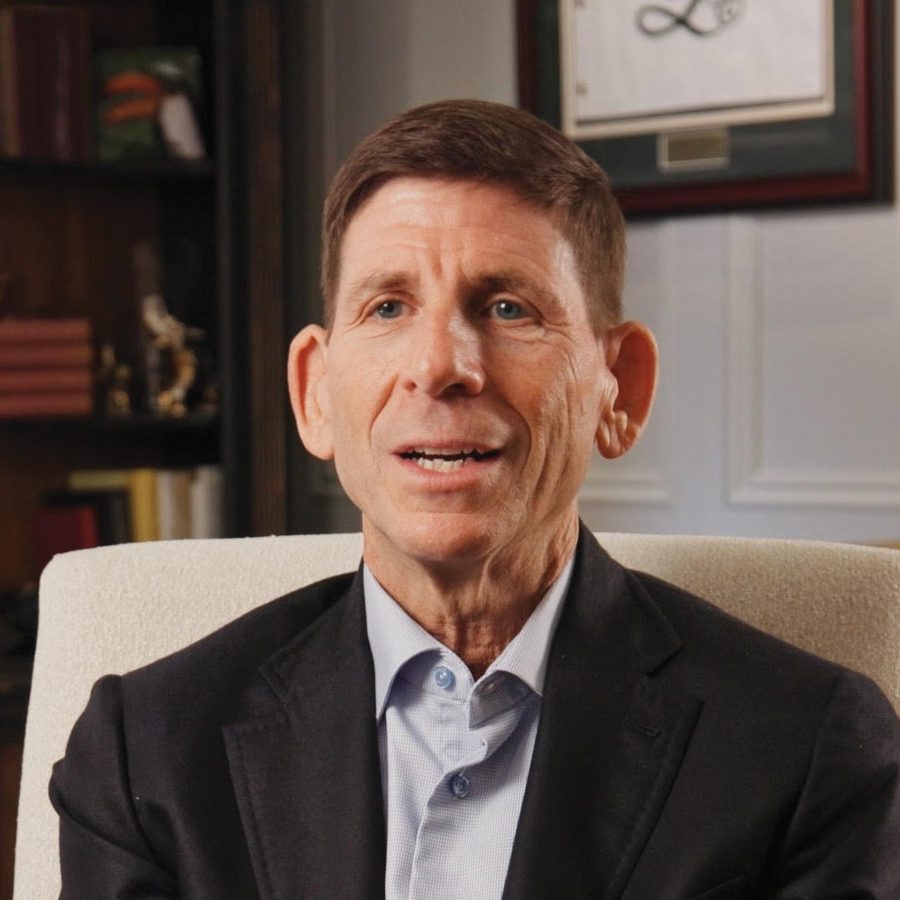
Larry Benz
📚 Books by Larry Benz
Transcript
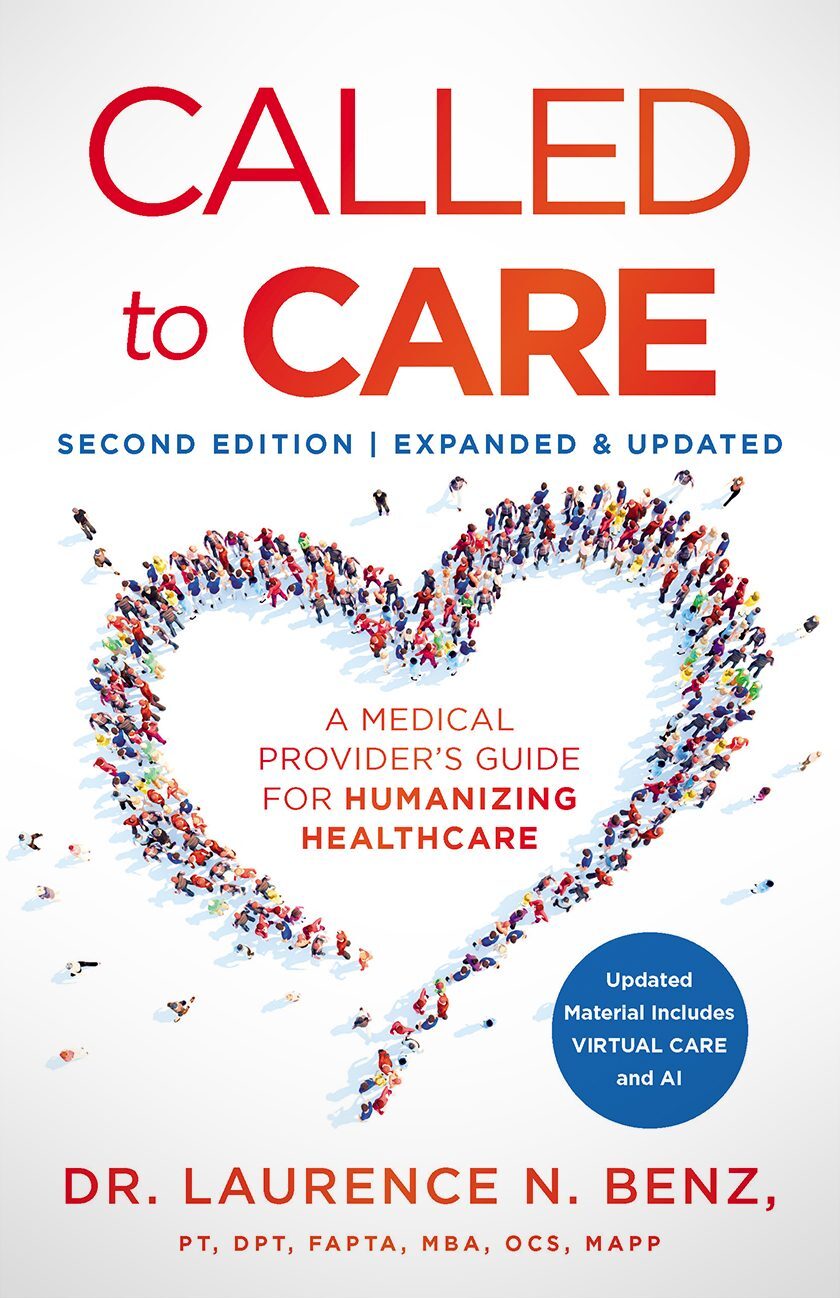
[0:00:27] DA: What is the golden standard of healthcare today? Medical professionals are operating in a more disconnected environment than their predecessors. Compliance standards and excessive documentation keep them in front of computers instead of patients, and low reimbursement rates mean packing the day with appointments and sacrificing quality of care. Dr. Larry Benz is finding ways to humanize healthcare again. In his new book, Called to Care. He shows how to ignore constraints and build quality connections by treating patients as people, not numbers. He and his team know that patients who feel heard are more engaged in their treatment and more patient engagement equals better outcomes for everyone. His book is about reconnection, claiming your compassion, restoring your patient relationships and reviving your calling. Hey listeners, my name is Drew Applebaum and I’m excited to be here today with Larry Benz, author of Called to Care. Larry, excited you’re here, welcome to the Author Hour podcast.
[0:01:20] Larry Benz: Thank you, appreciate the opportunity.
[0:01:22] DA: First, tell us a little bit about your background and then we’ll get into what inspired you to write this book?
[0:01:27] Larry Benz: Yeah, thank you, I’m president CEO of Confluent Health. Nobody’s ever heard of. Confluent Health is literally just the holding company that owns three inter related businesses, are probably our most noted is our out patient physical therapy clinics, we have various name brands in about 14 states, all out patient PT. Some occupational therapy, lots of sports medicine, you know, where people go for aches pains, sprains and strains, right? Then we have a company called Fit for Work, which does on site work injury prevention management in about 900 sites throughout the US so think manufacturing companies, any places where people have a higher injury rates than normal. Then our third business is called Evidence in Motion and we started this over 15 years ago and it’s an education company that initially trained physical therapists, once they became licensed, think residency, continuing education, fellowships, certification programs, but is now partnered with universities across the country to actually deliver entry level physical therapy graduates which are two year post graduate program that culminate and then become a licensed PT. I have the pleasure of leading over 3,000 plus employees who had incredible growth over the last several years and that’s my day job.
[0:02:45] DA: And your new job is author. Congratulations on finishing your book. What was the inspiration to put your words on paper?
[0:02:53] Larry Benz: yeah, it’s interesting, again, by background, I’m a physical therapist, I have some additional degrees on top of that, I went back and got an MBA, I’ve got a masters in applied positive psychology, I’ve got a doctorate in physical therapy and one of the things I noticed as a physical therapist, my career started in the mid-80s, I was in the military and the military is a tremendous healthcare system and at that point, we were allowed to, the extenders of physicians and treat patients in order X-rays and medications and things like that. I was always sort of infatuated by what I’ll call the “none clinical indicators of clinical success,” so how you talk to a patient, your bedside manner. If I told a patient their X rays were normal, there was a subset that automatically got 100% better, there was a study done on a Boeing that basically, if you called a worker’s comp patient within two days of being hurt, regardless of what t heir injury was and said look, we care about you, we miss you, when are you coming back to work? That had a bigger predictor of them coming back to work than what I was doing in physical therapy with them. I was kind of caught up in this kind of call it placebo, call it bedside manner, does any of this really impact clinical outcome? That kind of stayed with me throughout my career. In addition, I did some work in Haiti, under rudimentary conditions and would find that just simple things will make patients a lot better by the way you smiled with them. On top of all this, running a business, we tried to differentiate our physical therapy care along three dimensions, the first two are what we did for many years. Those two dimensions were customer service training, how can we have the best customer service? We have a program called amazing customer service that we defined, teach, live, reward monetary engineer. Then we have our evidence based practice, our clinical excellence, these are therapists that are board certified, they contribute to third party outcomes, surveys that are done by independent folks that show what our patient loyalty is, what our patient satisfaction, what our clinical outcomes is and we did pretty well with those as a company. But then I noticed there were really two things that were happening in the field that what particularly bothersome to me. One is we’re starting it providers, not just PT’s but physicians, over 50% in some studies show that they’re burned out. The other thing that started to happen was there became an overemphasis, in my view, of what is known as best evidence, meaning that I have to be able to recite three studies before I can do an intervention to tell you why it works and all the studies to show that it works, even though there’s a plethora of things that work that we don’t have evidence for. The combination of those two, coupled with insurance, declining reimbursements and regulations, caused a reaction where you had to start seeing a lot more patients to make the same amount of revenue. It became a factory approach of how much coffee can I make approach. All these things kind of laid heavily on me and I said, you know, there’s got to be a better way, how can we take kind, compassionate, empathetic care and make that highly differentiating so that providers will reclaim their passion and their calling for the work that they do which is always a meaningful job. It will also make the outcomes, the clinical outcomes better for the patients and then lastly, how does that differentiate me from a value proposition in the marketplace as a company that does care. That led me to really start study the evidence behind these soft skills or empathy and all of these kinds of kind compassionate care traits. What you find is there is significant applied positive psychology research that can be transported into healthcare but nobody’s really ever done it. We emphasize it but what is the evidence? The book really is a culmination of that journey and it’s specifically takes all of those interventions, techniques , these communication patterns and stuff and it says, this is how you make your patients better and on top of that, you’ll have less burnout, you’ll have a renewal on your career and as a company, if you adopt these principles, you’ll be highly differentiating in the marketplace that you work in.
[0:06:50] DA: Yeah, let’s dig in to those, how about in the Called to Care approach, you want to accomplish three primary objectives, what are those objectives?
[0:06:58] Larry Benz: The Called to Care approach, the first and foremost is that you want to enhance a better clinical outcome of care for your patient. You have the direct intervention, the hands on skills if you will, these are the soft skills like high quality connections and empathy it’s self efficacy and goal setting and peak end effect and all of these interventions that we discussed in the book. By implementing them, you’ll enhance, improve the clinical outcomes, the goals that they set or they will actually achieve. That’s sort of the primary objective. The second objective is that as a provider, if I have bitter empathy, counterintuitively, I’ll have better quality work relationship. I’ll have enhanced self-esteem and I’ll have enhanced self-efficacy and I’ll have renewal, meaning, less chance of burnout and a more zest for my career and so there’s this element, the second principle would be the element of renewal and reestablishing that you know, I chose this job because there’s meaningful works so that’s why it’s Called to Care because you were called to do that job. The third avenue is, by implementing this, your clinic, your company, your physician office, your hospital, you could be more differentiating in the market place. This is never anymore important than it is today when we have COVID period where lots of care is turned into tele-health, a much needed modality of delivery, but studies show you lose empathy, so you lose the ability to get patients to see them in the eyes, see their facial expressions and their posture, all this is very timely right now but those are the three primary objective.
[0:08:38] DA: Yeah, people love numbers and how did you test the efficacy of the Called to Care approach?
[0:08:46] Larry Benz: Yeah, it’s a great question. We did it a number of ways, the biggest thing we did is part of the study, my original study was when I was working on a thesis at University of Pennsylvania, The Marty Sullivan program called MAPP, Masters in Applied Positive Psychology which is essentially a blended or a hybrid program, you go on site, four days a month and then you do a thesis around your area of interest, my area of interest is healthcare. We trained 1,300 physical therapists and since then, we’ve replicated this in many different professions. On these Called to Care principles in constructs. So, we tested the empathy and the patient’s response and self-administered reports prior to training and how did they react once the therapist went through all of this training and then what did their outcomes look like. Over simplifying it when you teach therapist to be empathetic, they have better connections, they have positive interactions to do all of these things with their patient, they will in fact do it and it results in enhancement of the patient’s experience and better clinical outcome.
[0:09:54] DA: You talk about the high quality connections and connection building, can you tell us what that feels like, what is a high quality connection really look like between a practitioner and patient?
[0:10:04] Larry Benz: Yeah, the biggest thing we stress with high quality connections is the mutuality of the relationship. How am I really connecting with a patient so that they know that I care. Well, that occurs through a number of what we traditionally called soft skills, being empathetic, engaging in empathetic listening, which is taking the perspective of the patient, recognizing what they’re saying is their truth and their perspective. There is the emotional sharing behind this, meaning that I as a therapist may not have the exact experience that they’re telling me about but a similar experiences that I can draw on and then share that emotion. Then the combination of sort of these effective and cognitive types of empathy, really motivate me towards pro-social concern or action. Now, often times, we call that compassion which is not just recognizing what’s going on, but actually doing something. I think underlying all of that is not having too much judgment about the patient. You know, that’s really difficult to turn off judgment and make it non-judgment. But that’s what starts, so, it’s really the quality of the listening, allowing the patient to speak their truth and what’s happened in healthcare is because of the time constraints, a lot less listening going on — so you typically rush int, this is the diagnosis. You know, when we test medical practitioners for empathy, it’s interesting that physicians actually have quite a bit of empathy while they’re in medical school but it drops off when they graduate. With physical therapists, what we find out is they have empathy but it’s really the pro-social concern, they want to rush right into the action. I see you is a patient, you tell me your back pain and I rush to start doing the interventions and the exercise and the manual therapy for your back pain. Rather than listening to your expressed needs and your unexpressed needs. In a nutshell, that’s what really facilitates a higher quality connection with a patient.
[0:11:56] DA: You mentioned empathy in action and do you have any cases that you remember of empathy and action really changing the course of a patient?
[0:12:05] Larry Benz: Many, without a doubt.
[0:12:06] DA: Got that one down.
[0:12:09] Larry Benz: You know, one of the cases I talk about in the book is a patient that came in as a diabetic and some multi-system disease and really manifests itself in a number of ways with neuropathy, with pain, and one of the techniques we talked a lot about is called emotional handling. Really being able to ask about feelings and acknowledging and then legitimatizing the patient’s emotions because often times, we ask really objective questions — who, what, when and where, how did you get heard, how much does it hurt, what are scale, we don’t’ ask the subjective questions. In this particular patient, the therapist, after going through empathetic listening and emotional handling and a little bit of mindfulness, acting with great humility, was able to draw on their emotion of their own grand mother who is a serious diabetic and he then relayed the story of her to the patient, they both developed this incredible connection and diabetic patients, they have a compliance rate of maybe 50%, meaning, they only show up to about half their patients and we track this stuff very closely and this particular case, the patient came in for 100% of our treatments, got much better care, much better outcomes and was taught all kinds of self-management coping skills, behavioral skills and it’s just flourishing despite having what is a very difficult diagnosis.
[0:13:33] DA: Wow, that’s incredible. You also mentioned, there’s a really interesting passage in the book. A technique to increase empathy using films or music and you call the Don Quixote effect. Can you tell us about that?
[0:13:46] Larry Benz: Yeah, the Don Quixote effect is really interesting. You assume we might be aging ourselves here but I assume everybody’s either familiar with Don Quixote or has read the book which is very interesting book by an author who wrote it when he was in jail. Talk about empathy. In any event, it’s a big romantic tale about knights and princesses and you know, basically, he’s got his handful – Don Quixote’s got this squire by the name of Sancho Panza and he goes out to try to accomplish all of these deeds of great dearing and gallantry, battles, windmills and he has, he’s just incredible delusions, right? Well, the reality is, the extreme nature of that idealism, you know, what they kind of call a quixotic dreams. When you're watching the film or reading the book, you’re really become enamored with Sancho Panza who of course is you know, ends up exemplifying all of the chivalry through loyalty, courteous-ness, and protection and we call this the Don Quixote effect that you actually start to identify and really recognize with the squire and then that enhances your empathy to go out and be in a realistic situation with a patient. It’s quite fascinating actually.
[0:15:02] DA: Yeah, it was really interesting to read about. Talk about the health implications of general positive emotions and just positivity for patients.
[0:15:13] Larry Benz: This is really good question, there’s been a tremendous amount of research by Barbara Fredrickson who has been the most famed author of a concept called Broaden and Built. You often see that in the layman’s literature called the positivity effect or the ratio. While there’s been some debate about what the ratio should be, it’s generally been shown that it’s really a positive relationships, they are magnified when the positivity ratio, that means, a number of positives to negatives exceeds three to one. In marriages, they’re finding it can be as high as five to seven to one to have flourishing marriages. Broaden build basically says, the heliotropic effect or the impact of positivity is that patients will be drawn and it releases lots of downstream effects in terms of healing, in terms of mood and emotions and you know, this concept of a mind, body connection is no longer just a concept, we are intertwined with our mind the whole time so that you can impact the healing process through if you will, the psychological aspect of interacting with each other and setting up a very positive environment. You know, we use a third part survey called the CARE survey which is the compassion and relational empathy questionnaire, it’s a 10 question validated instrument that came out of Scotland many years ago. It’s terrific. You know, validated instrument that really, that’s how we measure the impact of empathy in all of these on a patient and one of the key questions is, how positive was your therapist physician or caregiver during the course of the interaction. We know that in an environment — healthcare, which can often times be a negative environment, right? There’s anxiety, there’s pain, the reality is pivoting to a positive environment through a ratio of greater than three to one and closer to five to one had a dramatic impact on the patient care.
[0:17:06] DA: It’s really interesting you mentioned the ratio because there is bad and there is some series news that happens during this care and it can’t all be positive.
[0:17:16] Larry Benz: No, absolutely not. I mean anything taken into excess is irrational. So what you want to do is balance that with the realism and the goals of the patient that you have right in front of you at any particular time. I think sometimes our default mode wants to be overly positive and unrealistic but you have to have the patient paint the picture of what their outcome looks like and you set level of expectations with them to make sure everybody is everything is in place for a positive outcome.
[0:17:49] DA: You go in depth with the book that you think good news is good news but there are endless opportunities to respond to patient’s good news and in different ways. Can you talk about those responses?
[0:18:00] Larry Benz: Yes, so I think you are referring to the active constructive process. You know there really what amounts to several ways you could react when a patient tells you good news. If you think about yourself and sharing good news with somebody, you’re taking a risk right? You are being a little bit vulnerable in that sense and what we find is that there are four approaches to it. If you tell me some good news, you come in and say, “Larry, I was able to walk down the street just like you asked me to do and I didn’t think I could do it but you know what? I did it.” And I respond to you, “Great, okay let’s go on and get started on your physical therapy,” all right? Well, I just basically threw a bomb at you. Another thing is I ignored you completely or I say, “Oh well, don’t expect to do that every day. You know you might enhance your injury if you do too much of it,” okay? But what if I responded, “Oh great! That is really good to hear. Tell me about how you felt when you were able to achieve that,” that active constructive response — That you just now given to a patient is the only one of those four categories of types of responses that has a benefit that endures the relationship, that develops the mutuality that you want that allows that patient to relive that moment and how they felt and make that connection. So it is extremely important that providers don’t routinely drop bombs on patients by inadvertently or unknowingly, unwittingly if you will, say the wrong thing.
[0:19:28] DA: You mentioned there are different types of goals that need to be set to make positive change. You had a goal of writing a book and you completed that, congratulations — and talk to us about the three types of goals that providers need to understand.
[0:19:42] Larry Benz: Yeah, so it is interesting, you know there has been fields on study on goal setting and we like to divide our goals into categories, in patient care, because all too often what we are trying to do with the patient is set goals that, “Oh I need to walk to much. I need to walk X amount or I want to run in a marathon,” and you sort of have all of these different types of goals that you could set. So what we’ve found through the research is that there are really, really three different types of goals to set with a patient. The first one is called a performance goal and that is the one you expect, right? You know you want to leave PT or you want to leave the hospital or the physician’s care and you want to be able to perform something and you want to make sure that that’s challenging but you also need to make sure that it is very, very specific. So that is your performance goal and the most logical one. That is the one is healthcare that we focus on primarily. Unfortunately, to the mutual exclusion of the other goals, which is a learning goal and part of learning goals is really allowing the patient to demonstrate the activity that you have instructed them on. You know very, very seldom do we give patients instructions. You know the research really shows that often times the patient’s cut off after about 20 or 30 seconds. The majority of patients when asked about, “Did you receive instructions on this medication and how to use it?” Say no. And so a learning goal is one that you have set with the patient that allows them to demonstrate right in front of you that they know how to do what you’ve asked them to do — and then the third one, we like to call an intrinsic goal and this one has to be set by the patient, right? So performance goal, I have a collaborative process. You know your knee hurts, here is what’s realistic, here is what we are going to set together. A learning goal, I am teaching you about something you have to demonstrate. But an intrinsic goal is exclusively based on the personal interest of the patient and because that, intrinsic goals really inspire our passion and our commitment and what we call flow, which is a challenge that is in front of us but I get caught up in it and time literally flies and what we like to say, set the intrinsic goal that’s you. That is the goal you deserve for yourself. What would take for you to achieve this goal, how would it make you feel by doing this intrinsic goal. And we also use what is known as a contrasting effect whereas, you know tell me what the end of the story looks like and let’s work backwards. Let me explain that a little bit because it is an important differentiating concept. Often times, we’ll take a patient. Let’s say they can’t walk a 100 yards and our goals might be, “Okay, we need to get your range in motion to the proper way and then we are going to ten yards and then we are going to go 30 yards and then we are going to go a 100 yards.” Okay, so it is incrementally from time going forward. We like a contrasting effect, which is tell us a vision or what is your best future ideal self look like? Describe it to me. “Oh, I am running with my kids in the park.” “Oh I just completed a 5K walk.” Okay, now let’s work backwards and what do we have to do to get you there. And that contrasting effect has been shown in research to really, really enhance a person’s ability to achieve that goal. They have taken two groups. One that they have contrasting, what is the end look like and the other is, here is where we’re at, at the beginning and every time the contrasting group outperforms the initial goal setting group.
[0:23:05] DA: Wow. Yeah that’s impressive. You know, I think what everyone finds interesting is the placebo effect and you go to a little bit about placebo responses. Can you talk a little bit about the science behind them?
[0:23:19] Larry Benz: Yes, so this is a very, very large body of research. Placebo is some of the more fascinating topics that people want to learn about and you know what I noticed, I think the example I gave you is if somebody calls you, you have a higher percentage of going back but they have done placebo research and drugs with different colors of drugs and you know basically there is an inactive substance in them but something about it physiologically, they used to think it was all mental. Now they know that that’s not true. It causes a very positive response and that is the placebo. So what I do like to tell folks about just the word placebo is well, you use it every day. When you are encouraging somebody to act in a certain way, you are in essence enhancing a placebo. One of the examples I like to give when I teach is I tell them right at the beginning, “Yeah, I got to do something here. I am going to give you this lecture today and at the end of this lecture. I am going to give you a quiz and the top of five of you who get the highest scores on this quiz, which we’re going to do over the internet and through your smart phone, you are going to get a price from me.” Well, the reality is, then I get to the end of the lecture and I tell them, “Oh I am just lying about the quiz,” the reality is those folks who at that kind of premise of I am going to have a quiz causes a placebo effect where they retain more information, okay? In fact, you can even tell them in advance. I am telling you that this is a placebo and I am not really going to do this but I want you to act like the information that I am about to teach you today you are going to be tested on and you will get a reward for having the highest grade. Even that works but in essence, just to put it out there, placebo really means I shall please in Latin and basically what you are trying to do with the patient’s symptoms improve when he or she is receiving an inactive substance in the clinical trials. It has been mostly done on medication but it is used in a lot of other facets where “nocebo” really means I shall harm and a nocebo is a patient experiences an adverse or harmful effect when they receive an inactive substance. So for example, I read to you the possible adverse effects of this drug. Well statistically we know there is a certain percentage who will experience that even though only because I read to them what the adverse effects is. You know some countries have a regulation that a patient is allowed to sign off saying that they don’t want to hear what the adverse effects are because of this phenomenon known as a nocebo. So what I really outline in the chapter of that book is that a significantly easy way to use placebo because really, we ought to be enhancing the placebo effect and mitigating or negating the nocebo effect. You know the reality is you know a placebo is a good thing. It is a positive thing. We have to recognize what it is for within the balance of ethics and all of the things you would want to do as a professional, use it to the impact that you can and much of that is through communication techniques.
[0:26:15] DA: Wow that is super interesting. Now you mentioned something earlier I want to bring back and I started to tie it together to in Seinfeld when George Castanza leaves the room after a good joke. You want patient long term interactions to end on a high peak. So talk to us about the peak end rule?
[0:26:34] Larry Benz: Yeah, so the peak end has been a tremendous amount of research on it. If anybody has ever read the book Thinking Fast and Slow, or is familiar with the Nobel Prize Winner in economics, Daniel Kahneman, who developed this idea of the peak end effect, and to just simplify it, we tend to remember events, occurrences, experiences based on how they ended and at various peaks and so for example, in any kind of musical or play or book, you will notice that they wait for this grand finally because you are experience is going to be known at the peak or at the end of it. So a celebration after a patient gets discharged and they have done a tremendous amount of research. My favorite research that they have done on this has been on colonoscopy patients where they literally have made the end of the experience of a colonoscopy appear pleasant in a way that patients ended up remembering it less of a very negative impact as a colonoscopy certainly was especially this was done in the days before the better anesthetics and so therefore, you should try to enhance this end of an experience so the patients remember the overall experience much better. So that is how you remember things as their peak and how they end. As Shakespeare said, all is well that ends well.
[0:27:53] DA: Sure, also in the book you mentioned a doctor who is so overrun with patients who have the same disease that he spends about three minutes with them, which is not the best experience. Talk to us about some of the steps or putting the patient back into patient care.
[0:28:09] Larry Benz: Yeah, so our tendency often times as a practitioner is to be in a number’s game, is to try to maximize our outputs in part because the insurance reimbursement and other kinds of things but what we unwittingly do is negatively impact the outcome of any particular patient and so what we’re really trying to emphasize in Called to Care is that you can actually achieve all that you want but you have to be intentional on empathetic listening. You have to be intentional on setting the right kinds of goals. You have to use non-judgments and perspective taking effective or emotional empathy and pro-social concern and that is not measured in minutes. It is measured in meaning and so to make that difference with the patient, you can incorporate it and so what we have done through this sort of process is at the end of the book, we have a set of skills called the skills checklist that highlights the various constructs, transportable positive psychology interventions that do work. Some of them are practitioner based like mindfulness and gratitude. Most of them are things that are actually doing with patients. The listening, the empathy, the high quality connections, peak end and those kinds of things. So the combination of all of those is what we believe will have the most dramatic impact in your career and more importantly, the re-established your why, your sword, your reason d’eter if you will of why you became a medical practitioner.
[0:29:43] DA: And there is so much more in the book. I think I can ask you so many more questions but this will be my last question, how do you see Telehealth, which you mentioned earlier is increasing by the day, how do you see it changing the way doctors and patients interact?
[0:29:57] Larry Benz: That’s a great question. The numbers on Telehealth are very impressive. I think in certain aspects of healthcare like primary care, the number are quite dramatically increasing. You know as COVID is going on here, and practices re-establish back to a 100% in primary care, there are actually above a 100% because you still have a lot of patients that want Telehealth but for more the hands on practitioners such as physical therapy and others, you would really need a combination of both. Because what you lose in Telehealth is you lose the ability to connect with a patient in a meaningful way and on top of that in physical therapy for example we put our hands on patients. So I think what you are going to see is going to be sort of a blended hybrid or eclectic approach where you are going to do some interventions via Telehealth delivery and some on site. You might even see situations where experimenting this within our own company. Where I have a patient in here and I need to access a behavioral health specialist or a pain management physician or a neurosurgeon. I can Telehealth that physician right into my care where the patient is on site. We call that a virtual clinic, and so fortunately because of Zoom meetings and team’s meetings and everything else people have gotten over a lot of fear of technology and have been sort of thrust and forced into this. You know Americans, we love our healthcare and the combination of the confluence of all of those will be great things for Telehealth delivery as a system.
[0:31:24] DA: It’s exciting to see where it might go and you know I never thought about that. It extends your reach as well and to bring other people into your practice. Larry, writing a book is no joke so congratulations and if readers could takeaway one or two things from your book, what would it be?
[0:31:42] Larry Benz: I think the biggest thing they could takeaway is the soft skills of today are the new hard skills and they have critically import relative to the patient and practitioner experience. I think the second thing is if you really want to enhance the clinical outcomes, the care and the experience for your patients, learn to talk to them, communicate and other positive psychology interventions to make it better for everybody.
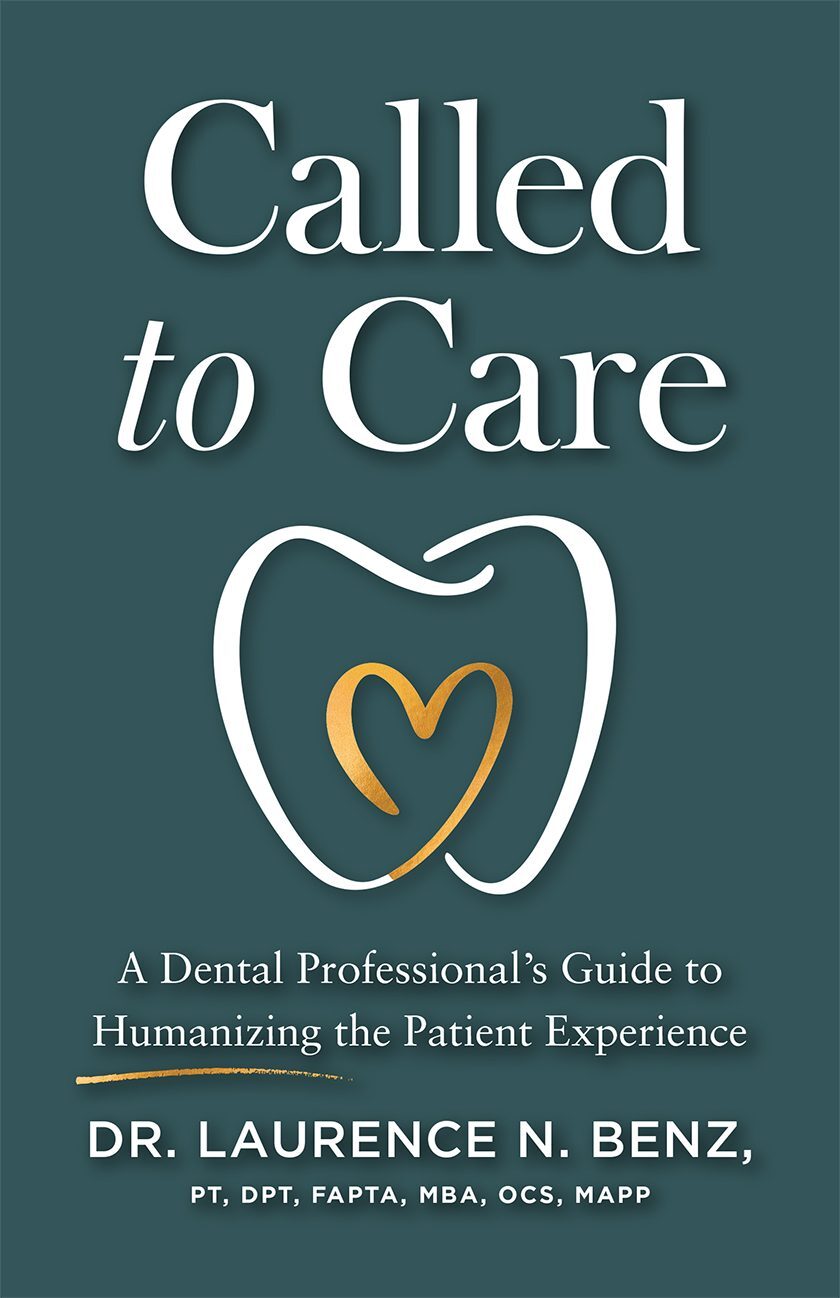
[0:32:12] DA: And everybody out there, Larry has the numbers to back it up. Larry, it’s been a pleasure and I am so excited for people to check out the book. Everyone, the book is called, Called to Care. You could find on Amazon and besides checking out the book, where can people find you?
[0:32:24] Larry Benz: They could find me at calledtocarebook.com. LinkedIn is always a good spot. I am on Twitter @physicaltherapy. I am @physicaltherapist on Instagram.
[0:32:37] DA: That’s just impressive you got those names. Well thank you so much for coming on the show. I really appreciate it.
[0:32:44] Larry Benz: Absolutely, thank you for having me.
[0:32:46] DA: Thanks for joining us for this episode of Author Hour. You can get Larry Benz’s book, Called to Care, on Amazon. You could also find a transcript of this episode and all of our other episodes on our website at authorhour.co. For more Author Hour, subscribe to this podcast on your favorite subscription service. Thank you for joining us, we’ll see you next time. Same place, different author.
Want to Write Your Own Book?
Scribe has helped over 2,000 authors turn their expertise into published books.
Schedule a Free Consult