Kelley Powell: Episode 533
Read the full transcript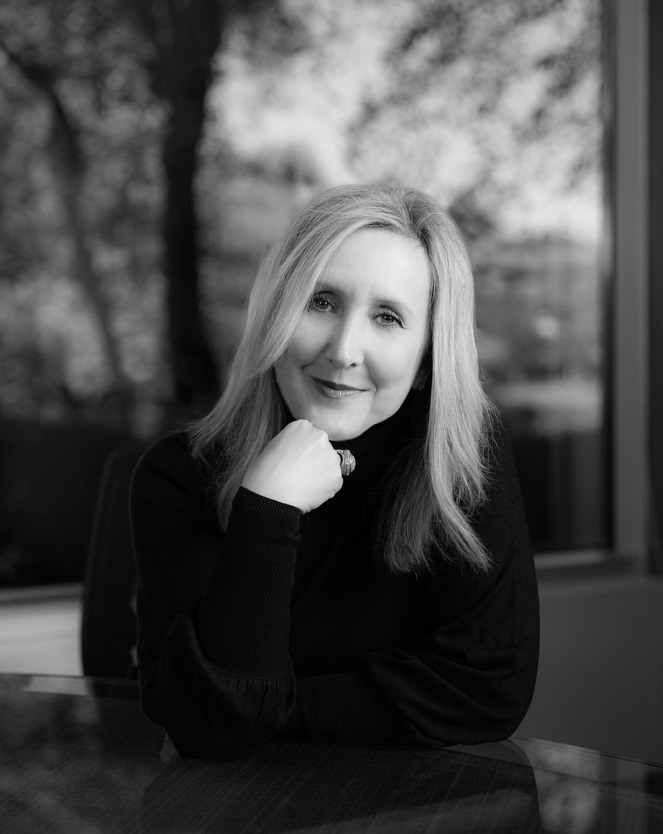
Kelley Powell
KELLEY W. POWELL is CEO and partner of MacLaurin Group, a company providing technology operating partner services to portfolios of private equity companies. Supporting companies in growth and M&A activities, Kelley brings a unique experience from founder-led organization to multiple private equity-led cycles. Kelley is an avid mentor, angel investor, and chairwoman for the da Vinci Center for Innovation Angels Advisory Board at VCU. She’s also a board member of the Richmond chapter of the Association for Corporate Growth.
📚 Books by Kelley Powell
Transcript
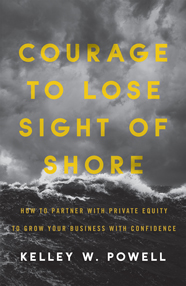
[0:00:27] DA: Kelly Powell works every day to grow the portfolio companies of private equity firms. Her new book, Courage to Lose Sight of Shore, will give you a greater understanding of your company’s story and yourself as a leader, so you could decide whether private equity is right for you. She wants to give you the confidence and clarity to move forward by sharing an honest account of what to expect when you pursue private equity. You’ll learn how to find the right firm, navigate the process and scale the business alongside your new partner. Hey listeners, my name is Drew Applebaum and I’m excited to be here today with Kelly Powell. Author of Courage to Lose Sight of Shore. Kelly, I’m excited you’re here, welcome to the Author Hour podcast.
[0:01:06] Kelley Powell: Drew, thank you so much for having me. I am as excited as well to be here with you and launching my book. So, thank you.
[0:01:16] DA: You’re welcome. Now, first, can you tell us a little bit about your background?
[0:01:20] Kelley Powell: Fort the past 20, 25 years Drew, in some way, shape or form, I have been involved in mergers and acquisitions and growing businesses and I come at it from a lens of being able to contribute from my passion of technology so I kind of marry those two things together, whether it’s from being a part of a startup, starting my own company to working on a management team for private equity or being an operating partner of private equity to support portfolio companies. I get to do what I love to do each and every day.
[0:01:59] DA: Now, what inspired you to write this book?
[0:02:02] Kelley Powell: A couple of things. First and foremost, the industry of private equity I think gets a bad name sometimes. The bad stories are probably sexier and they get more media attention, but the work that I get to do and the private equity firms that I work with – it’s funny because even the editor and publisher said, I think you should name this book The Good Guys. Really good folks who are helping founders grow their businesses in ways founders could not do on their own. Everybody wins and I think that story needs to get more media attention, I want that story to be celebrated and out in the world. And I think that there is a huge piece that is this misunderstanding of founders have to wait for private equity to seek them. And no, if you’re interested in this potentially being a path for you, you have a responsibility to figure that out. You have to know who you are as a founder and you have to know if you’re going to be a right fit partner too, not just – I mean, there’s the both sides and then there is the, I would say, near and dear to me aspect of Bill Royal who is the founder of royal and company. It’s very fortunate to work under his leadership through multiple rounds of investing, investment transactions. I call them Billisms in the book and they are just amazing stories and lessons for entrepreneurs, regardless of whether private equity or not and how to grow a business doing the right thing and being the good guy and that you can take a company from just being one person and one idea to a billion dollar company and have it done in a way that is done with integrity . I want to celebrate him.
[0:04:09] DA: Now, who should read this book?
[0:04:12] Kelley Powell: I wrote it for folks who are not sure whether or not they’re interested in private equity and want to figure out because I think sometimes that can all be very mysterious, Drew, right? So many of those meetings happen behind closed doors, the whole private aspect of non-disclosures. Some of that tends to be scary and mysterious, and opaque. I want to bring some clarity to what are really the basics that I need to understand if I’m going to take on a private equity investment to grow my business? Because it may be for you and it may not be for you. At the same time, in collaborating with Bill, regardless of whether or not you're interested in private equity, my hope for this book is that anyone who is running a business or is thinking about running a business would read this book and have actionable takeaways on how to grow their business and how to treat their clients and their employees really well, regardless of whether they want to take on investment or not. Now, do you want to give us a quick high-level overview of private equity firms, what they do, how they make their money?
[0:05:33] DA: People think that private equity has this money just sitting around. Why aren’t they spending anything? And I think that’s one of the things that even in this time of COVID, they don’t. They work for the investors who are participating in a fund. Often times, those are even retirement accounts, those are university endowments, so when you think about it through that lens, private equity, when they’re successful, are in fact fueling our economy in ways that we really should be saying thank you for the ways that they do that and they’re held accountable to those limited partners and investors in ways that they have to have a return on that investment.
[0:06:25] Kelley Powell: When they do, it’s really good for the rest of us.
[0:06:29] DA: Now, I have to bring this up, we have to talk about sailing as there are metaphors throughout the book. Is this a hobby for you, is this something you’ve studied before, if it’s even in the title?
[0:06:41] Kelley Powell: It is, I grew up with my grandparents having a place on the Chesapeake Bay. I’ve grown up down there and there’s something about the salty air, the sandy toes, all of that that’s very real. When you think about just the sheer awe of going out and setting sail and when you lose side of land being out there and knowing that it’s about you and the folks that you have in the boat with you and you’re boat and your craft. There’s just something very rejuvenating about going out and setting sail. But it takes courage. For me as I thought about going out and setting sail. But it takes courage for me as I thought about that and thinking about the book, taking that metaphor as some folks describe is that red string throughout the book, that’s how I think about a business owner because you’re having to trust, right? You’re having to trust that you’ve done, you’ve got the right crew, you’ve got the right vessel and you’re going to be able to go on this journey together and you're going to be able to go somewhere that you wouldn’t have otherwise been able to go if you were to just stay snugged up against the coast or stayed on land and you get to see and do things that you wouldn’t have otherwise done but it can be scary. I mean, storms come up. Things that are unexpected because it’s not, right? Not every day is sunny and smooth sailing, so that’s why I tied those two things together.
[0:08:07] DA: Let’s dive right into the book and inside you write about how to navigate the journey for a founder, CEO to partner up with private equity and you break it down to nine steps so let’s walk through a few of them. Talk to us about the importance of the leader of a company and not only the leader but that leader having a good story.
[0:08:28] Kelley Powell: This is something that even I, we jump right in sometimes and don’t necessarily – we forget to tell about our own personal journey. Even your questions of asking me, Kelly, tell us about your background, tell us about sailing? Those things matter to me when I am talking to a founder. Because I think there is this aspect of really having a trust and I’ve learned that you have to sell someone on who you are, before you can sell them on what it is that you do. Not everybody might agree with me on that, right? There’s this other folks that have debated with me on this concept of I don’t have to like you to be in business, I don’t have to trust you to be in business with you. I would say, with Kelly Powell, yes you do. I want to know that if we are partnering together, that I know who you are. Founders will get when they’re doing a pitch, they’ll get so deep into the product or the service and really, when you think about it, it’s that founder that had the passion and drive to even start that business. It’s that whole, you know, investing in the jockey. I’m very much someone who invests in the jockey because I know that they’re the person who is going to – who has grown this company with an idea and been able to really motivate and inspire and there’s reasons behind that, that I think are really important. And so to know that you yourself, you have to know your own story first to be able to sell it and then there’s that part of, there’s a whole value system behind why you’re doing what you’re doing and the choices that you’ve made. When you understand that value system and why someone has made choices. Then you’re going to know why they’re going to make choices in the future and all of that is what you’re investing in and you're coming together for. You need to be ready to understand all of those things and it’s funny because sometimes as entrepreneurs, we kind of skip that part ourselves, we’re so focused on everybody else, where usually these high energy folks that are pulling everybody else together and seeing the talents and expertise and what other people bring to the table that sometimes we forget to tell our own story because we’re celebrating everybody around us. I encourage folks to step back and make sure they’re doing that.
[0:11:02] DA: Now, what are a few ways a company can prove its value to private equity firms?
[0:11:09] Kelley Powell: For me, the biggest thing is client retention. Do you have happy clients that are paying for your product or service in ways that there’s longevity? Of course, there’s very important aspects of you should be making money. I do share some of those recommendations of as you’re starting a business founders, you do everything yourself and doing your own books in accounting is some of those small little things, you think it’s no big deal, no. Before you start looking and having somebody else look at your business, take care of those things and have them done, of course, you're a professional, of course you know how to do it but have somebody else do it. There’s this whole aspect of taking a look and I know we talk about it in later chapters about doing the own due diligence on yourself. It’s fascinating to me, right? Sometimes when founders will say to me, we’ll go in and we’ll do a due diligence, sometimes even before a private equity firm steps in, a founder is thinking about putting their business up for sale. They want to know what someone like Kelly Powell is going to say coming in. If you wait for a private equity firm to pay someone to do that, you may not ever know what is being said or what’s found about your business. Doing that before you even get involved in the process and I relate it, I talked about it in the book and I relate it to kind of like a home inspection, doing one before you put a house for sale, instead of waiting for someone to fall in love with your house and then come in and do a home inspect and finding something that you could have fixed beforehand, why even have that moment? Being able to look at the business and say what is it that we should do before we even have folks walk through the house and be able to underrated and maybe some of those things too. This is I think one of their really fun part of private equity and finding that right fit partner, somethings where – I’m big, I’m huge on transparency. I think sometimes folks get afraid of what might be described as your warts or nukes the founder, you’ve just been dealing with everything and you don’t have to share the good and the bad, well, sometimes that bad is not bad. Maybe Drew, you're really amazing at these 99 things and you’re missing this one to make 100% but I’m really amazing at that 1%, we should team up, we’re going to be a better fit knowing where you might have a gap or something that you need to fill so some of those words sometimes is like no, let’s talk about them, let’s share them.T hat might be the one thing that we can do together to grow the business. Understanding those things, even before you’re trying to find your right fit partner are really important. Because that could pay the one thing that you decide, wow, okay, we together, we can do a lot more than if I didn’t have someone who knew that I had this gap. It’s not always bad.
[0:14:29] DA: Now, when you find that issue and you're doing your reverse due diligence, do you think they should go in and fix that problem, do you do like a home inspection, you say like I hope they don’t know the boiler is about to explode, what do you do in that situation?
[0:14:45] Kelley Powell: Right, well of course, the University of Richmond MBA answer is it depends. You might say okay, that’s getting ready to explode. We need to fix that, why even have it be an issue. Or it might be that you don’t but you say, Drew, just so you know, we’ve looked at everything and that boiler is about ready to explode. That is something we’re going to have to address. The fact that you have a plan, maybe you don’t have to fix everything but you have a plan, even just knowing if you and I are planning, even if it’s a journey, a trip, and we’re going to have these four stomps to get from point A to point Z. Doesn’t it make you feel much better if I say, “Okay, we’re going to plan the next two weeks. Just say okay, well, we’re going to leave today, I hope we have enough money, I hope we have enough gas, I hope the car worked but you and I are going to end up, we’re going to be on the West Coast two weeks from now. It’s going to be a lot of fun along the way.” Or would you like a little bit more detail in the middle about how we’re going to get there? If I know that you know the boiler is going to blow up, I know that you’ve got a handle on it. If I go in and somebody tells we find out that the boiler’s going to blow up and you didn’t know that, what else do you not know Drew? Because now I’m coming in and I’m telling you things that you don’t know. That’s the piece about the transparency and figuring it all out. Maybe the boiler doesn’t matter, maybe I’ve got a brand-new super boiler that I wouldn’t even want your boiler anyway because we’re going to be better together. It’s having those conversations instead of assumptions and figuring those pieces out, there may be something that comes up but if it’s the right fit partner, then you’re having a conversation around how you’re addressing that together and what the plan is or you're having a conversation that says nope, I’m going to walk away. Both of those are best right answer. And people are asking me like, “wait, what do you mean? We don’t want to know, we want a yes, you know what?” Just say yes, you want the partner that’s going to work through things together and sometimes that means understanding what those things that you’re going to have to navigate together and it’s okay if people say no. That’s what you want, you want to find the no quickly and upfront rather than to – when you think about it, it’s kind of like a marriage, right? You want to date, you want to make sure that you want to get into this marriage together, you don’t’ want to get in it and figure out, we really shouldn’t have done this. No, have those conversations upfront and celebrate them.
[0:17:44] DA: You mentioned in the book that when you’re looking for the investment in your company, all investors while they’re going to provide capital, they’re not all the same and you mentioned a few factors but are there any other factors you’d like to talk on why a company offering the most money might not be the best fit at the end of the day?
[0:18:04] Kelley Powell: I talk about that a lot. This is something that with Bill, a lot of folks didn’t necessarily know this at the time that he turned down the highest bid and as someone who – when you are the founder and you’re turning down a highest bid that translates to turning down money that you could be putting in your own pocket, right? When you think about that and his vision to know longer term, I want to grow this company. Who are the right partners to grow this partners to grow this company and have it be right for our clients and right for our employees and right for the culture. I think the biggest thing is, and this goes back to knowing who you are and your values and your story and what matters to you. In the book, I call them your non-negotiables. When you understand your non-negotiables and for me, one of those is about culture. I’ve seen and experienced on multiple occasions where a deal has just completely gone bad because we think everything aligns but then the culture doesn’t. It just isn’t going to work if the culture if it isn’t there. I don’t care how much money someone is investing, if you fundamentally don’t believe in the path forward for the culture, you are going to have clashes that just end badly. They would end baldly whether you as the CEO get fired, whether you as the CEO decide to walk away or whether you are not a good ambassador for your employees or your clients. And so, when you think about what those things that matter most to you of where you want to take the company to grow, those are the things that you’ve got to look for in your partner because each private equity firm has the way that they either bring operators on. You know you got to ask yourself questions like, “Do I want someone to be highly involved? Do I want someone who is going to be hands off? Do I want someone that’s going to help me with sales?” Do I want someone who is going to help me this aspect of operations? One of the things where we talked about filling gaps before that you need but also your style and your approach and how you define success for you to be successful and I should say that I am tailoring most of the conversations around founders that want to stay, that want to stay on and want to be involved and even for those that aren’t, I am definitely tailored more to those that care about the longevity of the business. And growing to have a legacy, they want to keep going and so finding that right fit private equity firm, it is important to ask the right questions and that might not be the right fit that you are looking for and again, that’s okay. That is the theme of the book of figuring what are the different types of private equity, what are the different types of investors, what are the questions you should be asking of private equity and yourself to be able to navigate and figure out what that right fit is. The book is definitely not a rolodex of private equity firms and it is not a how to, it requires you doing work. Kelley Powell is not going to tell you what your right answer is. Kelley Powell will give you the lessons and experience that she has seen if you had asked yourself the right questions and I think that is the biggest piece is that if you can set aside what probably might sound like what the world might want a right answer for you but just be really honest and candid with yourself. My goal is that this book will help you answer those questions and find your right fit partner.
[0:22:16] DA: When you are looking for your partner, you’re seeking investors, are there mistakes that CEOs have made in terms of losing focus on their own firm while they are doing this and what can they do to stay the course?
[0:22:30] Kelley Powell: It’s tough going through an investment process and that is why I spend so much time into the know your story, to understand all of those things, prepare because like anything else, if you are prepared it is going to go so much easier. One of the most important things that owners and CEOs and founders can do is prepare in ways that you have to lean on others because the business has to keep going. You have to on the other side of a transaction, still have a business to sell. You cannot be completely distracted in the process and one of the things that with the work that we do is we make sure that it is something that’s to be celebrated because often times, when we are coming in folks may question, “Wait, why are you here? You are just here to find fault. You want to find a reason that this transaction isn’t going to work” and it is interesting and it is always fun to me. I am not sure what that says about my personality. But when we change from they get this trust that’s like, “Oh, wow, the private equity firm that has hired Kelley to come and talk with us wants to buy our business. They are fully invested and they’re already bringing on operating partners to figure out to go forward.” Because the conversations that we’re having even before transaction are about how we’re going to start on day one and have everything already started as a partnership instead of trying to figure that out. So as much as we can figure out even before the transaction, when you are doing that, if you have folks that you are leaning on to be in those meetings, to meet with the private equity firms, there are management team meetings that are how to have those conversations but also folks that are on the management team that aren’t in those conversations. The communication is a huge piece because everybody needs to understand their roles and every role is equally as important. Having folks understand you don’t have to be in every meeting to be a part of this because keeping the business running and keeping clients happy and making sure that employees understand why you are going through this process to grow the business, this is a lot to be celebrating. The biggest mistake is when CEOs get too bogged down, don’t lean on other and don’t try to be transparent. Because people will notice that you are going to be distracted. So, if you are not communicating and having folks to support you in that people won’t understand, And we as human beings are terrible when we don’t understand something, silence or not. We don’t always tend to jump to, “Well that must be something really positive and wonderful that’s going to happen.” Well he is not paying attention, she is not paying attention to me, right? We start thinking all of these bad things ourselves. Never that positive most amazing great experiences that have already happened to us. Communication is probably the biggest thing that CEOs can do.
[0:25:42] DA: Now I have to ask you, you have a data background. I am a bit of a data geek. What is the role of data in all of this?
[0:25:50] Kelley Powell: Well, since you are a fellow data investor –
[0:25:55] DA: Drop some numbers on me, Kelley.
[0:25:56] Kelley Powell: Yeah, you know so, it is all about the data. Yes, I am so this can be a whole another hour of podcast but data tells a story. It doesn’t lie and so understanding what are the things that you want to measure, the metrics that matter even before transaction and after and I talk about this a little bit. We have the transaction, now we are going forward, how do we know if we are on track? How do we know if it is working? What are the things that we set out to do? So, understanding what are those metrics that you are going to measure together to be successful and it is fascinating to me. So back to that I was talking about the communication and the last question that I just answered, I was very fortunate to collaborate with Adam Coffey, who has been the number one bestseller in private equity for a year and a half now. So, he and I collaborated on the book and he didn’t make these huge announcements because he didn’t need to. He had let the company know what metrics, once they met a certain number of metrics for growth that they would then be out for sale, right? So, having those communications around what are the metrics and it is interesting because I highlight Paymerang too as well and Nasser who is the CEO there and he has all of their metrics on the wall for everybody to see. This is something that again, is that whole theme of transparency and having the conversations. Some folks get really nervous about sharing numbers and sharing metrics because you don’t want to hurt somebody’s feelings or you want to, “No. No, no, no it’s not about hurting someone’s feelings. If the metrics are not telling us a good story, then we need to change what we are doing so that they do so that we are meeting our goals.” It is always fascinating to me because at Royal and Company, one of my roles was for leading the data analyst who work with clients around the data. And also, for our strategic analysts and we are watching every week. Data isn’t something that when we are talking about growing a company or you are talking about meeting your goals, you don’t wait until the end of it and say, “Okay, did we get there?” No and this goes back to you and I taking our two-week road trip, Drew. You have to make sure that along the way you are checking and you are holding yourself accountable so that you can pivot and you can adjust. And I get so jazzed about that with data because like, “Okay, oh shoot. We are not getting here but now we can.” And you got to look at it and you got to know what it is in order to be able to get there and so I think that the leaders who are willing to – so I think everybody likes to say they’re a data driven organization. It is much harder to do. So, when Nasser puts this numbers up on the wall for everybody to see, the good that happens from that of celebrating where they are, were they meeting their goals. And celebrating where you’re not because you are communicating of how you want to adjust, right? The Adam Coffey’s who were saying, “We’re going to get there” and this is going to be the next step for our business but we have to get there together. So, knowing where you’re falling short so that every person in the company can help and contribute to meeting those goals and so if you are not communicating them and you’re not communicating not only where you’re meeting them. But where you are falling short for people to step up and help you achieve them, you won’t get there. So, I do talk in the book about what are the right numbers and again, it is going to be different for each business and each company. There are some fundamentally that for each private equity firm they are going to say and one of those goes back to are we being good citizens as we promised to those retirement funds, those university endowments? Are we being good ambassadors of that money and growing it in the right way? So there are certain things that you are not going to get away from but it is really important that you listen to the data and what it’s telling you and the other piece I would say if I can Drew is I told you this could be like an hour long question if you asked me of that but you had me. So it is the whole –
[0:30:34] DA: Okay, we’re here to learn.
[0:30:36] Kelley Powell: Right, it is the whole piece of going back to say, “Okay, what is it we want to do together?” the one piece I think is really important and I would want business owners to listen to is I think more so we find that folks aren’t necessarily even capturing all of the right data to tell the story and that is really – that is the side that’s equally as important as listening to and understanding your data that only works if you have all of your data and you are capturing it in the right way to be able to tell a story. Because if you are not and right now, I mean to be able to maintain data and be able to build it, it’s so inexpensive and so there is no reason and there’s this aspect of round behavior data. It is not just understanding your clients and why and how and when they are engaging with you and all of that these are things that you need to understand and know and make sure it doesn’t have to be McLauren Group. Make it have to be somebody who is looking at that to say: “Do we have everything in place to be able to capture all of the data that we need to be able to inform the metrics that will be able to let us know whether or not we’re meeting our goals?” because otherwise, you may not be getting the full story and if you’re not, then you are going to be making the wrong decisions. So there’s that huge piece, which as I would say a data geek you could completely get and understand so.
[0:32:09] DA: I love a good dashboard and I want everything on it.
[0:32:12] Kelley Powell: Exactly and it has to be right. It has to be adopted. I think the whole culture around data, if you are going to have a dashboard, use it, make it actionable and you know, make your decisions from it. Don’t just have it be this report that goes out. Have the conversations, be Nasser putting it up on the wall so that you are having a conversation around it but yeah. So, I love data a little bit Drew, sorry that was probably a long answer.
[0:32:38] DA: I could tell a little bit but Kelley, writing a book is no joke. So first of all congratulations.
[0:32:43] Kelley Powell: Thank you. It is no joke, I will tell you though. I would say a couple of things with that. This team at Scribe, unbelievable. Anybody who is thinking about writing a book, this journey with the team, the creative the team, the folks who have been there, the skills and the experience, everything that I talked about finding the right fit partner of where you have gaps to be able to be hugely successful and get where you need to go, this team has been there and I am so glad that I was introduced to them at the right time. And anybody who is thinking about writing a book, I’ve had so many people come up to me and say, “Gosh, I’ve been thinking about writing a book” and my answer is do it. Do it. So, on a very personal note, this book was never meant to be a memoire for Bill Royal. He was one of the first people that down to talk to when I even has this idea of writing a book and that was him and his art gallery and told him that I wanted to write a book and that I wanted to celebrate Bill-isms and his lessons because he had been such a mentor to me and has made such a positive impact on so many lives. And of course, he was hugely supportive. Bill always was and so I am happy to help you in any way I can. Well role forward and when I am signing the dotted line with this team that we’re doing and I found right team and Scribe is amazing, these are the folks that I want in the boat with me, he had just found out he had just diagnosed with ALS. So, in June, right as we were finishing up the book, we lost him. He passed away.
[0:34:36] DA: I’m sorry to hear that.
[0:34:37] Kelley Powell: So that’s been a very emotional journey for me and just the love and light of like that was just Bill’s contribution to still being committed to this book even with that, I wouldn’t have had that if I had waited and I wouldn’t have been able to do it in a way that I think celebrates his legacy if I didn’t have this team and so I am so grateful for this team for all that they have done and so I would encourage anybody just do it. Just start writing the book. If you think you are going to, do not wait.
[0:35:21] DA: Come on over and tell your story.
[0:35:23] Kelley Powell: Yeah, come on over and tell your story and the journey of having done that with Bill to be able to capture his voice in a way again, never was that the intent but what a beautiful gift for those who were touched by his life to be able to have this and so I hope that in addition to being a book that’s meaningful and actionable for the founders and entrepreneurs and folks who are in the private equity space, I do hope for anyone whose life he touched I hope that it is worthy of his love and light for them to have a copy of this book too as well.
[0:36:03] DA: Kelley, this has been such a pleasure and I thank you for sharing that and I am so excited for people to check out this book. Everyone, the book is called Courage to Lose Sight of Shore. You could find it on Amazon. Besides checking out the book Kelley, where can people find you?
[0:36:19] Kelley Powell: You can go to kelleywpowell.com and I have two E’s, so it is Kelley W. Powell, so kelleywpowell.com. I am on LinkedIn, please find me, send information to me, give me a shout out. There is information on my website to be able to reach out and if I can be helpful to you in anyway, I do feedback is such a huge gift. I believe in feedback and by the way, if you embrace feedback and you ever want to get feedback again, I encourage you to write a book. But I want folks to give me their honest candid feedback. Please reach out, I mean that to reach out to me directly and let me know of their experience and they think there is more to this story in how I can be supportive of them I think is the biggest theme of the book and the takeaway that I hope people leave with is that together, a rising tide lifts all of those. The final chapter of the book, I talk about the philanthropic spirit that Bill and I shared of continuing the story and lifting others up. And if there any way that I live that, if there is any way I can be helpful to folks I do hope they reach out but be brutally honest with me. I can take it. I want the real story. So, if you hate it that’s okay. I really hope you are going to love it but if you hate it that’s okay. That’s the whole point, not everybody is going to agree with what’s my right fit and that’s okay because can you imagine if they’re like everybody in the world whether it was the whole world was just Drew and Kelley’s that would be horrible, wouldn’t it? And I am so glad that there would be people that would disagree with us, right? We need everybody.
[0:38:09] DA: Of course. Well, Kelley, thank you so much for coming on the podcast.
[0:38:12] Kelley Powell: Thank you, Drew. It’s been lovely to be with you.
[0:38:16] DA: Thank you for joining us for this episode of Author Hour. You can get Kelley Powell’s book, Courage to Lose Sight of Shore, on Amazon. Also, you can also find a transcript of this episode and all of our other episodes on our website at authorhour.co. For more Author Hour, subscribe to this podcast on your favorite subscription service. Thank you for joining us, we’ll see you next time. Same place, different author.
Want to Write Your Own Book?
Scribe has helped over 2,000 authors turn their expertise into published books.
Schedule a Free Consult