Simone Knego: Episode 553
Read the full transcript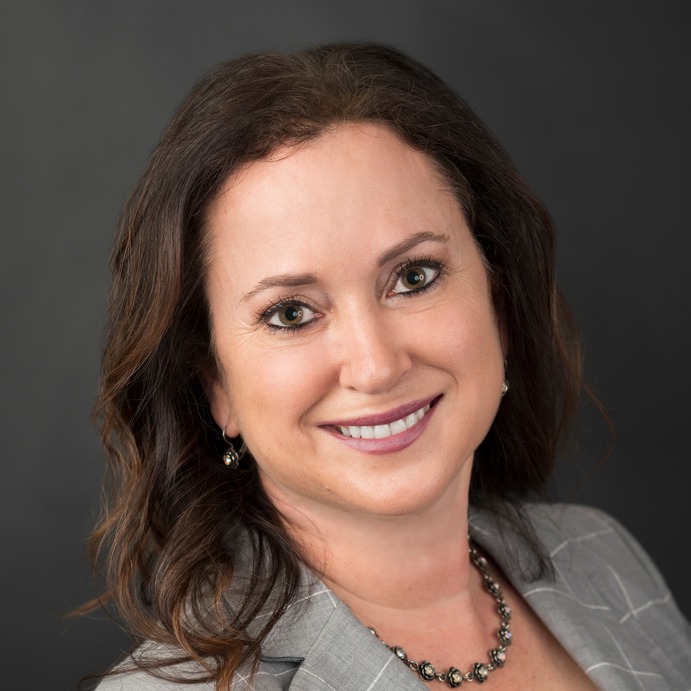
Simone Knego
SIMONE KNEGO leads an ordinary life filled with extraordinary moments. As a wife, mother to six children (and three dogs), and a serial entrepreneur, she splits her time between her family, businesses, and personal growth. She’s realized the small choices she makes every day to do good actually have the power to inspire others. Simone shared that message during speaking opportunities she received as co-chair of the National Young Leadership Cabinet for the Jewish Federations of North America. With this book, she hopes to inspire you to embrace life’s ups and downs and realize the impact you’re making on the world.
📚 Books by Simone Knego
Transcript
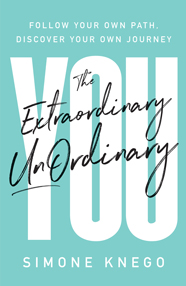
[0:00:18] DA: Many motivational books will tell you that in order to better the world, you must first better yourself. But you really only need to change the way you see yourself in the world around you will change. What you do everyday matters and inspires others and by sharing your story, you can motivate and encourage those around you and in doing so, change the world. In her new book, The Extraordinary Unordinary You, Simone Knego tells her story and takes you inside her unique journey and the extraordinary moments which have shaped her life and defined her mission. Sharing the lessons she’s learned from life’s ups, downs, and laugh out loud moments, you’ll be inspired to discover your own journey and head out to be the good in the world Hey listeners, my name is Drew Applebaum. I’m excited to be here today with Simone Knego, author of the extraordinary unordinary you. Simone, thanks for joining, welcome to the author hour podcast.
[0:01:09] Simone Knego: Thank you so much for having me today. Absolutely. First and foremost, I’m a mom, I have six kids which usually makes people drop their jaw. I have worked in many different jobs from medical sales to being a teacher and I was doing a lot of volunteer work with the Jewish federation and that’s when I realized that by sharing my story with people, that they feel the power to do different things. I decided that hey, maybe it’s time to write a book. Now I’m an author.
[0:01:44] DA: Amazing. Was there an inspiration for the book or is there an aha moment and why is now the time to write it?
[0:01] Simone Knego: There was an aha moment, I mean, again, as I was doing public speaking, I definitely had people say, “wow, you have a really compelling story, have you written a book?” You know, “I haven’t written a book.” “Well, you should write a book,” and okay, I started thinking about that. But really, the event that kind of brought me to this moment was, I was sitting at a women’s empowerment luncheon and I was listening to a couple of speakers and I looked at them and listened to them and thought, “Wow, they are so impressive, they’ve done so much amazing work in their life and that will never be me.” And then I started looking around in the room and I thought, I wonder who else is thinking this? They’re inspired but they’re also feeling like, “I don’t know how I feel about myself right now,” and that’s kind of when it hit me that that is the part that doesn't matter. You are inspiring just by being you and the things that you do every day in your life truly do inspire the people around you. People see what you're doing and it doesn’t matter if you’re delivering a meal to someone or if you’re standing on stage in front of 10,000 people those two people are just as inspiring as each other.
[0:03:05] DA: Now, who is this book for?
[0:03:07] Simone Knego: Who I really wrote it for are women, whether you’re a mom, adoptive mom, not a mom, a professional; anyone who really feels like they’re kind of in a rut, they don’t realize the importance of the work that they’re doing, whatever kind of work it is but I actually think it goes beyond that. I’ve had some men read it and they too said that a lot of the message is in there, they really connected to and today I had a friend call me, she read it and she said that she really thinks that especially teenage girls should read it. So that they kind of see, they’re not alone. That’s the biggest thing. I would say, the main audience would be women in general. But then, again, it can’t hurt for anybody to read it.
[0:03:55] DA: Yeah, I will second that a man could read this and get stuff from it because what I took from it is, how did she get all of this energy? Where does it come from, where does she store it, it was honestly a really great read, I couldn’t understand how you’re doing all of these things at once and I was incredibly impressed.
[0:04:11] Simone Knego: I don’t sleep a lot so my husband will blame it on that, but again, I think when you start doing things that you feel good about and that make you feel good about yourself, you want to continue doing them. I think that kind of is how I live my life is that I know when I start something, that when I feel good about myself, I’m going to continue it, and doing things for other people really makes me feel good about myself.
[0:04:36] DA: Let’s dive into the book and I found it such a warm and calming read and yet, it starts off with a pretty bumpy ride when you had to pick up your newly adopted son in South Korea. Can you tell us about that trip and what you learned?
[0:04:49] Simone Knego: I learned a lot from that trip – so we adopted Noah when he was four months old and at the time, our oldest son Jacob was 10 and so the two of us traveled to South Korea to bring Noah home. Again, I already had three kids, I kind of thought, “Wow, I know how to do this.” I did not know how to do this. We meet him and he’s so beautiful and his foster mom was just so in love with him and we bring him back to the hotel and the next morning, we’re supposed to be flying out back to the States and the entire taxi ride back to the hotel, he was screaming and I couldn’t calm him down and then we got to the hotel, he was screaming, couldn’t calm him down. The flight home, I had this brilliant idea that I would spend extra money to get business class seats so we could lie flat and just sleep the whole way home. No, I stood in the galley the whole way home because I didn’t know how to comfort him and it was a really eye-opening experience for me to see that what I thought I knew and what I thought that I was capable of, I really had more work to do.
[0:06:02] DA: Short time after that, you adopted again and this time you headed to Ethiopia. Tell us about that trip, how it changed you, and maybe what the difference was between your South Korea trip?
[0:06:14] Simone Knego: When we applied to adopt from Ethiopia, we were matched with our son Argo, [we] call him Ari for short. He was four and a half years old. He already had a whole life kind of before we got there. It was a completely different experience, my husband and I both traveled, we brought our older girls with us and I think really seeing this experience through their eyes completely changed us. When we adopted Noah from South Korea, basically, we met Noah and the foster mom, he wasn't in an orphanage, he was in foster care. With Ari, he was in an orphanage. As soon as we walked in, we’re like, we’re going to adopt from Ethiopia again, that’s truly what we thought. Because the kids there just wanted someone to love them, you’d sit down, they’d sit in your lap, they just wanted to hold your hand and for our girls, they really felt such an attachment to the children there, to the point where when we left to come home, they cried because they didn’t want to leave the babies and toddlers behind and they were young enough that they didn’t understand that these children already had a family coming for them but it really was such an eye-opening experience and what true love is and how important love is for everyone. To us, it was the most amazing experience.
[0:07:38] DA: I love how you run all of these decisions by your family when you’re going to adopt another child, you actually had a family vote. How tough was that decision bringing another child into the family and how did the kids deal with it?
[0:07:56] Simone Knego: I think when you have a big family, you really have to work as a unit. If you're not all on the same page, not that we’re always on the same page, but when it comes to things that will take away time or add more things that we have to do, I really think that for us, it was really important to make sure that we were all on the same page. For our last adoption, it was Millie, of course, we didn’t know that Millie was going to be our child at that point but we sat down and we said, “We know when we left the orphanage in Ethiopia after we adopted Ari that we said we would definitely be back again to adopt and dad and I are kind of thinking that this is the right time to do it and we want to see what you guys think.” Of course, they were all like yes, I’m like no, let’s really talk about this. The kids were still little but these are choices that we have to make that you understand, one more child means less time for you with me or less time for this or, we have to work more around the house, you know? There’s a lot of pieces that are involved and so we decided to take a blind vote. We had the kids write down on a piece of paper, yes or no, and as soon as Olivia got her paper, she wrote yes and she put it in the middle of the table and I was like, Olivia, you didn’t even hesitate when you voted yes and she said, mom, we’re talking about the life of another child, how could anyone vote no? Okay, what do you say to that, you’re like okay, we’re all in.? I think it has been the right choice for our family to really discuss things openly and include them in decision making of this kind because they all have to contribute and they all did and we’ve been very fortunate.
[0:09:40] DA: Now, you talk about all of these international experiences when you go to the orphanages or foster families. Can you talk about the times when you met the actual families of the children you were adopting and what those experiences were like, there’s a pretty few funny stories in the book about your experiences there?
[0:09:57] Simone Knego: When we met Ari’s birth family, again, that was a first time we’d done a meeting like that, we adopted Noah and we had met the foster mom and that was, its own experience but going to meet Ari’s birth family, it was tough, especially walking into their home and actually, when we got there, the interpreter said to us, “Look, they decorated their home for your arrival,” and yes, they live in a mud hut, it was beautiful, they had greenery, decorating the entrance to the door and we came in and we sat inside and they had a log for us to sit on – it’s a mud hut – there wasn’t anything else, there was a bedroom in the back. And Olivia – we are sitting there – and Olivia was doing what kids do kind of kicking her foot back and forth and because it is a mud floor it was digging a rut in the ground and I had to whisper to her that this is their home. This is where they eat, this is where they sleep, this is where they live, this is where everything happens and she kind of looked at me shocked like, “This looks nothing like what I am used to,” and to me that was the whole point. Eye-opening experience. A couple of other pieces of that story were at one point – so Ari has five siblings in Ethiopia and one of the brothers started crying during the conversation and we said to the interpreter, “Is he sad because his brother is coming home with us?” and the interpreter said, “No, he’s sad because he wants to go with you as well.” Oh my gosh, that was just a moment that I will never forget of this willingness to leave everything you know behind for the chance at what the brother thought was a better life. A life that he heard had all of these opportunities and that was really hard to stomach and then the other piece that was really hard was when we were almost finished with our conversation and Ari’s birth father thanked us for taking him home with us and for adopting him, how do you respond to that? How do you respond to, you know? And we just said, “We’re going to love him. We are going to make sure he never forgets you guys that he learns about his country.” And you now my hope is that he will want to go back, he will want to spend time with them and he will want to do something for his community back in Ethiopia.
[0:12:36] DA: You know from all of these stories, you could tell you’re really living this extraordinary life, and are there people whether within your family or in your life that you look up to?
[0:12:45] Simone Knego: Absolutely, I mean I think I have very strong parents. My mom grew up in rural Pennsylvania. Her mother had a 6th-grade education, her father worked in the coal mines and in a brewery but she knew from an early age that she wanted to be educated. So she actually worked for another family to save money and she applied to the University of Pittsburgh. She got in for college. She worked her butt off, she worked three jobs while she was in college. And she applied for medical school and she was one of three women in her medical school class and she – all three graduated and she worked as a physician my entire life. I mean I can’t imagine anybody stronger to look up to like she kind of broke all of the barriers and she never backed down. She is an amazing woman and I am lucky to have had such an extraordinary woman to guide me in my life.
[0:13:52] DA: Yeah. Now, there were some bumps in the road with everything and your kids were in a car accident. There was this snake bite incident and unfortunately, you were not able to be there for these incidents, and how hard was that for you because you have so much going on?
[0:14:11] Simone Knego: Those were really probably some of my toughest times. I feel like as a mom, I always want to be there. I always want to, say, control everything. It’s not that I control everything but in my mind like, “Okay, I’ve got this taken care of,” but those were two times where horrible things happened to my kids and I was on an international mission both times actually with the Jewish Federation and I couldn’t get back. One time there was a strike for flights. And the other time there wasn’t any direct flights. So by the time I got back, I don’t know what would have happened but the snake bite one was a – you know that was a really tough one. I mean Noah was at summer camp. He got bit by a poisonous snake, they had to life-flight him to a children’s hospital and fortunately my husband was able to jump on a flight and be there at the hospital as quick as he could but he spent a few days in the ICU and it is one of those moments where you’re like, “Oh my gosh, I need to be there.” And you know what? Sometimes you can’t and then you realize that this is why you have a team. This is why your family is your team and they’re there. You can’t always be at everything and you are surrounded by people who are there to help you and there to support you and give you every two-second update of what is happening. The same thing happened with the girls when they had a car accident. They actually called me from the scene of the car accident. And I was in Morocco at the time and they are crying hysterically and I am halfway around the world. There is nothing I can do from here and all I can do is, “I can’t believe this is happening, I can’t believe this is happening,” and, of course, my husband was there in two minutes and took care of it all and my mom came and helped and my friends came and cook food and again, I have such a great community. I have such a great support network that I think this is why I could handle and do everything I want to do. Because I have so many people willing to help me and I open up myself to say, “Please come help me,” I am not afraid to ask for help anymore.
[0:16:21] DA: Now in the book, you talk a lot about your family and your family experiences but you’ve also had some really great life experience on your own including a time you climbed Mount Kilimanjaro and you said there were some lessons learned there. Can you talk to us about that climb for you and that experience?
[0:16:39] Simone Knego: That was one of the coolest things I have ever done, I would definitely have to say that is top of my list other than anything family related but yeah, I had the opportunity to climb Kilimanjaro with the LiveStrong Foundation, and [they were] perfect strangers to me – I didn’t know anybody else that was climbing. You know I showed up in Africa. I met my roommate – then tentmate, Rhonda, who is a cancer survivor and she was amazing. Her willingness to do all of this, she wouldn’t give up. She was truly such a force to be around. Another guy on the trip too, Mike, starting when he was a child, he had battled cancer. He had so many surgeries and he just loves life. He is such a positive person so anytime anybody would be like, “Oh I don’t know if I could take another step” he’s like, “Yes, you can.” He literally was such an inspiration to everyone around us as we were climbing and working together as a team I think is really in that kind of situation there is nothing really more powerful. I mean you are working with perfect strangers and you’re climbing to over 19,000 feet and you are making decisions together because what one person does affects the rest of the team, and for me, the lessons of perseverance and teamwork and kindness and thoughtfulness. Like all of these things, it really changed me as a person. It changed me, every time I do something different, it changes me. It makes me realize how much more I am capable of and how much more I want to be doing.
[0:18:26] DA: Yeah, now you end the book with 20 lessons that you hope readers will take away from it. Can you mention a few of them?
[0:18:34] Simone Knego: Yeah, I mean it probably seems like a lot of lessons but I think that each person will come away from the book with different thoughts of how what affected them from the book. I want to say like a couple of my biggest – be authentic. Really be who you are and I say this to my kids all the time, be you. If you don’t want to do something don’t do it because you feel everybody else is expecting you to do it because this is who you are. Again, realizing that affecting change might not mean changing the entire world. It might be even changing the way you look at something or changing something in your house, changing the way you interact with your kids. I mean so many different pieces of change, you don’t have to put so much pressure on yourself to affect change in the way that you think, “Well that is the only way we can do it,” I think it is more about realizing that these little things do affect change. Be kind – that to me is such a huge thing. I think we are living in a time where we’re so divided and I really think that being kind to other people, you feel better about yourself and then I would say another really big one for me and really the big theme throughout the book is to share your stories with other people. Really talk to them and have them understand who you are and by sharing your story, you don’t realize until you do how much that can change someone else. How much that can affect them and make them realize, “Hey, I am not the only person going through the struggle or hey, I did that as well,” all of these things that I think are really, really powerful.
[0:20:25] DA: Simone, writing a book especially like this one, which will empower so many people is no small feat so congratulations.
[0:20:33] Simone Knego: Thank you very much. Thank you.
[0:20:35] DA: This has been a pleasure and I am so excited for people to check out this book. Everyone, the book is called, The Extraordinary Unordinary You, you could find it on Amazon. Simone besides checking out the book, where can people find you?
[0:20:47] Simone Knego: I have a website, simoneknego.com, I also am on Instagram and Facebook. So please come find me at Simone Knego, simple as that.
[0:20:58] DA: Simone, thank you so much for coming on the show today.
[0:21:01] Simone Knego: Thank you so much for having me here.
[0:21:03] DA: Thanks for joining us for this episode of Author Hour. You can get Simone Knego’s new book, The Extraordinary Unordinary You, on Amazon. Also, you can also find a transcript of this episode and all of our other episodes on our website at authorhour.co. For more Author Hour, subscribe to this podcast on your favorite subscription service. Thank you for joining us, we’ll see you next time. Same place, different author.
Want to Write Your Own Book?
Scribe has helped over 2,000 authors turn their expertise into published books.
Schedule a Free Consult