Stephen Kagawa: Aloha Financial Advising: Doing Good to do Better for Your Clients and Yourself
Read the full transcript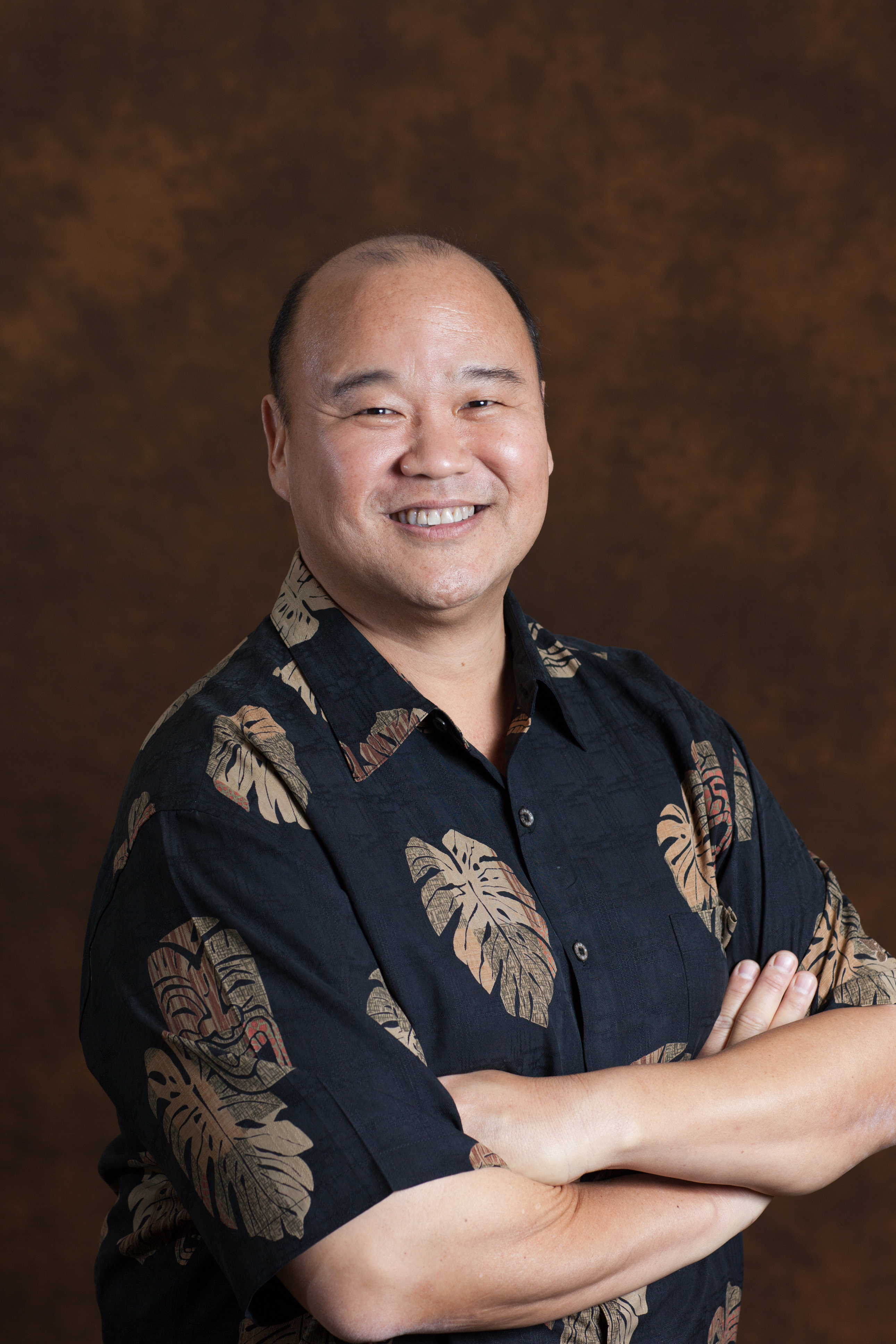
Stephen Kagawa
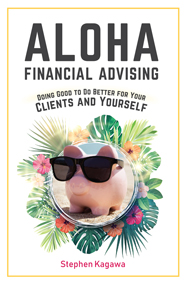
Stephen Kagawa is the CEO of The Pacific Bridge Companies, a group of international firms across the United States and Asia that helps financial advisors guide their clients wherever life takes them. A consistent qualifying and lifetime member of the Top of the Table of the Million Dollar Round Table, he has been recognized as a GAMA International Wealth Management award winner and a NAIFA Diversity Champion. In his book, Aloha Financial Advising: Doing Good to Do Better for Your Clients and Yourself, he shares the philosophy and methods behind Aloha Financial Advising to help advisors love the work they do.
📚 Books by Stephen Kagawa
Transcript
[0:00:33] MR: The dynamic between financial advisors and those we advise is broken. As advisors, we want open and honest relationships with our clients. But we also want a sense of purpose in our work that comes from serving, not selling. Yet, traditional wealth management focuses on driving profits, not relationships. Left unchecked, this tension forces us to become sales people and destroys the trust we built with our clients. Well, there must be a way advisors can do good and do well, right? There is, and in the new book, Aloha Financial Advising, Stephen Kagawa shares the better approach to advising you’ve been seeking. Drawing upon personal experience, Stephen shows you how to shift your focus away from products and services and back to those you serve. So whether you're new to the industry or a 20-year veteran, this new set of priorities laid out in this book will help you deal with the pressure to sell, help you avoid going astray to chase money and help you create the alignment with clients you’ve been missing. In today’s podcast, Stephen shares with us how traditional wealth management can do better, why it’s so important to lead from a place of love when it comes to financial advising, as well as five core values that make up what it means to be an Aloha advisor. Enjoy. Hey everyone, my name is Miles Rote and I’m excited to be here today with Stephen Kagawa, author of Aloha Financial Advising: Doing Good to do Better for Your Clients and Yourself. Stephen, I’m excited you’re here, welcome to the Author Hour podcast.
[0:02:24] Stephen Kagawa: I’m excited to be here.
[0:02:26] MR: So, Stephen, before we jump into your book, there’s so much to talk about. Tell us a little bit about your background and what inspired you to write this book in the first place?
[0:02:35] Stephen Kagawa: Yeah, well, it’s a great question and it seems like my background has always been about being in the financial advising world, whether it be the life insurance side or investments or talking to the advisors who were helping people deal with their plans and to get to wherever they want to get to. But actually, the story of my journey to get there was furthest from being that. In fact, I didn’t want to be a financial advisor, I was appalled when I learned that my family was selling life insurance to make a living and that journey is what brought me to this book.
[0:03:12] MR: So, you were first appalled by the idea and then you had tons of experience in that whole world and then you come up with this idea for a book that it should be focused on you know, being better, to be better for your clients and yourself. Tell us a little bit about that path and how you were led to you know, coming to that place.
[0:03:32] Stephen Kagawa: Yeah, so I guess, you know, it’s full circle for me as you raise that. Because, when I first – as I just mentioned, you know, when I found out, and it was in high school that I found out that my family was involved in life insurance business and I read it in the newspaper, I had no idea because dad and mom never brought it home even though my father was already a second-generation practitioner and had a huge agency. It was just part of our life and you know, the people that work with them were my uncles and aunties and I never thought of it until I read, “Hey, you know, this is what we do, what the family does because it’s something my father was involved in.” I guess it comes from the whole stereotype, right? Even when I was in high school, I was already shaped to believe that the life insurance investment person is a salesman, right? They were there to go and sell you something that you really didn’t need. I certainly didn’t want to be that person, right? Why would we be selling life insurance for the living, you know? Selling something that people had to die to benefit from. You know, how do you benefit from something that you got to die to benefit from? It was all the things that, the ignorance, I guess, that comes along with the sort of mystique or stereotype that‘s created. Yet, I have the good fortune, being that you can tell just by that I think in a quick swoop that I’m just a spoiled child that really didn’t understand, didn’t take the time to understand, to appreciate what it was that my family dedicated their lives towards, to better other people’s lives. I didn’t take that moment to – and that breath to pay attention to what was important and what was of value and you know, because of that, you know, I was led to believe that you know, it was a bad thing, because of the reputation that the industry has earned, right? And was displaying out there and reflected in the movies and whatnot.
[0:05:28] MR: Totally.
[0:05:29] Stephen Kagawa: For a good fortune fell upon me really quickly as I met a young lady that really slapped me in the face and told me in a very, very elegant way by telling her life’s story, that how important life insurance is to families. You know, she being a single parent at the time that I met her, wasn’t a single parent, right? When she first had [inaudible 0:05:52), and lost her husband and her husband argued with her about getting life insurance and he won and so they got life insurance. She was against the life insurance, she was just like me and they got that life insurance, that cash came in and swooped in and ended up being the savior in her life and the people that you know, were knocking on the door, those sales guys that she resented from the beginning became her heroes.
[0:06:21] MR: Right.
[0:06:22] Stephen Kagawa: You know, that really put a lot of things into proper perspective and I guess, like the most important one was, “Hey, you know, you got it all wrong Stephen and you better open your eyes and pay attention because this is admirable profession and it’s a difficult one, especially the phase of this reality, of this perception, of this reputation that we’ve earned, we’ve got to go up and get through that.” Advisors got to break through that to help the people that they dedicate their lives to serving, that reputation that has been created by the bad actors in our industry.
[0:06:59] MR: Right. So, you learned that okay, it’s not all bad. It seems like there is a lot of good that can come with this and this can be really important for people. But of course, as you just mentioned, there are still a lot of bad actors out there. Or, they’re not necessarily focused on doing good first and being good. But a big theme of your book is you know, it’s pretty obvious given the title I suppose, but doing good and being good is important when it comes to these things. So how did you find you know, your path and trying to bring that goodness into wealth management?
[0:07:35] Stephen Kagawa: Yeah. So, the first thing that happened to me and it’s such a great question, I really appreciate that because it reminds me of my conversation with Cathy. Cathy was the young lady who taught me about her life and immediately I jumped out and said, “Look, I got a life insurance license in Hawaii. I can get one in California.” I kept thinking about her and her children and what happens if she passed away? These minor children, you know, these wonderful kids that I just got to play with, who are they going to turn to, who’s going to take care of them? How will they finance that care and so on and so forth. I just had a very simple thing in my head, right? In that, that mission now, suddenly a mission came and you know, emerged. That was, “I got to help single mothers to you know, by asking them this question and giving them an opportunity to provide for the realities that could hit them in life, right?” That things happen and so got started with that. Along the way, what’s really interesting is that you know, when I got started, it was all about you know, they recruit you in and tell you how much good you do for people and you know, and for yourself and all that kind of stuff and – But what’s interesting is that, all the training programs that I went into, really aimed on selling things, right? You know, and I get it. You’ve got products that gotta be sold and earning’s got to be made by the companies that support you and when I got started, I jumped on a company that not only trained you but they train you to help people that – In turn, you just sell their products. So, I was limited to the products and services of that one company, by law. Because at the time, it was also restricted by law, you know, as to what I could do as a practitioner.
[0:09:24] MR: Right, and you talk about how really traditional wealth management can miss the mark both for the advisors and their clients and part of that problem, which you were just alluding to is how the system isn’t set up to reward people that are actually trying to do good. Now granted, you can say that it is set up in such a way that if you are making earnings for them, that could be good for both parties but that’s only one metric. Right now, the way it’s traditionally set up, it’s almost set up in such a way that you can get rewarded for doing the wrong things if you’re an advisor. So, when you talk about traditional wealth management missing the mark for advisors and clients, what does that look like and what do you suggest doing instead?
[0:10:10] Stephen Kagawa: Yeah, I think you hit it on the money, right between the eyes is the fact that you know, we, as advisors, we go to these training camps and we learn all these techniques and in the United States anyway, we look at perhaps tax consequences and look at the legal structure, we find ways to take advantage to come up with a better bottom line, a better bottom line financially on whatever product or service we are criticizing, right? We’re looking at and we’re critiquing and considering, “Should this person have it or not have it?” Or whatever. But what happens along the way is that obviously, we have our own biases, right? I certainly have mine, I look at my life a certain way and I look at you know, financial products and whatnot and what they do in different ways. And I can get turned on by something. So much so that you know, I go out and I preach it, right? I preach it like, I show people how they should jump on this one technique and it may be a fantastic strategy that does amazing things and yet, not being that relevant to the person who I’m talking to.
[0:11:17] MR: Right.
[0:11:18] Stephen Kagawa: And the audiences that I’m sharing it with. It begins to me, from my perspective, it begins very, very innocently. It doesn’t begin because as advisors, we’re trying to hurt somebody. I really don't believe that. I really believe that almost everyone who gets into this business gets in, really, truly wanting to do good for others. Along the way, they gotta make money for themselves and they get caught up in that and then they kind of get caught up in the excitement or the sex appeal of a certain product trap or financial strategy. It’s all over the world, this is all around the world. I see it all the time. The fact that we look at fact finding as advisors, as being the key point and we start to look at someone’s portfolio and we start to criticize that portfolio and how we can do better with that portfolio as an investment advisor is a perfect reflection of that hypocrisy, right? Better for what? Better for returns, better for income, better for the time that person needs the money, better for their pocket, better for what? You know and I think, too often, we don’t answer those questions, we don’t – we’re not really looking at the – who it’s supposed to be better for and take our biases and get our biases out of the way to help the people. The other part is that you were limited because, you know, we are limited by what we have in our quiver. So, what do we have in terms of our services and our products, what’s our purview? What is accessible to us? And then, what are the consequences once I access those opportunities and that’s limited, right? Because we’re only, I’m only one person, I can only do so much. Insurance company or investment firm that hires me perhaps, right? They’ve got their limitations. So already again, the industry itself and the way it’s set up can be limiting, you know? It is limiting, certainly in the way it is today for the most part. It’s limited to geographical area; it’s limited to area of specialization. I think we need to do better in opening that up to ensure that we do have the opportunities that all of our clients really need to get what they really want in their lives. To live fulfilled lives. That means that I’m going to have to sort of break the mold and I have to do things a little differently and align myself differently with professionals.
[0:14:00] MR: Yeah and it sounds like part of the journey to do that is really building trust with the clients that you have. So having a trusting good relationship between the financial advisors and clients and that’s also a theme in your book and how important that is and it makes sense, given the fact that you’re handling somebody’s money, it could be their life’s savings. What do you recommend that financial advisors do to really help foster a trusting relationship with their clients?
[0:14:32] Stephen Kagawa: Yeah, that’s a great question, it’s the whole essence of the book really, when you get down to it.
[0:14:36] MR: Yeah.
[0:14:36] Stephen Kagawa: You know, I guess in a nutshell, it’s really to remember that, that we’re blessed with the opportunity to sit in front of somebody, right? To listen to their lives and listen to what they want to have happen and to help them get there. You know, and I guess, step one is to sort of get out of the way. You know, it’s a very, very counterintuitive when I first sort of realized how much I was getting in the way of my own client’s happiness, my own prospects that I was [inaudible 0:15:21]. Because I was sort of carving them into, you know, “They’re all sort of like this and we should, they should have this and that,” and so on and so forth. I realized, they don’t need to have anything, you know? That it’s about what they want and in order to get to understand what people want, as advisors, we got to learn that first, that’s the most important thing. It doesn’t matter what they have, you know? At least, not in the beginning. The most important thing is what they want to have happen with whatever they got, right? To whoever they care about. And that’s gotta be the starting point. What a great opportunity that is to meet a person, right? In real terms, to really understand and appreciate somebody for who they are and what they want. I think that to me, for me, that’s really the essence of engagement anyway, right? You know, how do we engage effectively in a meaningful manner if we really don’t understand and appreciate one another, right? They don’t need to understand and appreciate me, right? I’m the advisor, I need to understand and appreciate them for who they are. Relative to what they’ve got and where they want to get to, right?
[0:16:42] MR: Right.
[0:16:43] Stephen Kagawa: That’s the starting point. I think, if you don’t have that, number one, you know, what are you advising to? You know, you’re advising now based on a performance of a product or something within a portfolio or criticizing someone else’s work? Another advisor, whatever they advise, right? You know, I think all that is not important. The most important thing is, you know, where do you want to go and are they aligned with the right stuff, you know, that they’re able to access and they’re able to do and wanting to do. You know, and maybe get to where it is that they want to get to with whatever –
[0:17:26] MR: Yeah.
[0:17:27] Stephen Kagawa: It is as simple as that and it’s starting, that as a starting point I think would resolve a whole lot but it is only the starting point, right?
[0:17:36] MR: Right. You know again, they’re trusting you because it is such a big life decision for them that in some ways you’re almost like their life guide and if you don’t establish that sense of trust and if they’re not seen as a person, you know you have a line in your book that I really like, “It’s the people not the products.” If they’re not seen as a person and instead, they’re just seeing as like a product or like a number that you are trying to balance as an advisor to you know, make you a little bit extra money or something, then how are they going to really open up to share what it is that they want and how are you going to even know if you can serve them? So it sounds like it’s really, you know, getting back to focusing on the person and their needs and not just trying to sell them on the best tactic you’ve recently learned.
[0:18:27] Stephen Kagawa: Yes and you just hit a word that makes me smile because you said it’s that person and their needs and I would say, no it’s that person and their wants. It’s a person and what they want, it’s not what they need.
[0:18:41] MR: Right.
[0:18:42] Stephen Kagawa: You know, they key point, what they need to get what they want that’s what I do, right? If I’m really an advisor of salt, you know, of worth, I will have good ideas, I’ll have the right team of other advisors that can help me to get to help articulate what they might do, right? Different ways of doing things to get to where they want to get to but we got to start with what they want. This need, want thing is a big pet peeve of mine because we do talk about, “Here, you need this,” right? We do say those things and I always wondered if, when I say those things, “No, they don’t,” you know, why do they need – they don’t need anything. They don’t need to follow us, they don’t need to listen to us, they don’t need to do anything. It’s up to them, right?
[0:19:29] MR: Right.
[0:19:30] Stephen Kagawa: But if they really want something to happen and they want it different, they’re going to have to do different things, right? They’re going to need different ways to get there and that’s what I gotta do. I need to give them alternatives. Alternatives to what they’re doing today to get to where they want to get to and hopefully alternatives that are better, better ways, right?
[0:19:53] MR: Right.
[0:19:54] Stephen Kagawa: But they don’t need to follow it, it’s up to them. They don’t need to meet the goal that they have, right? That’s up to them and at the same time, there’s different consequences depending upon what alternative path they take, right? Again, I am not there to judge that, I am there to provide some different ways and there’s a whole lot of different ways to get, you know like to get from here to there. You know like just a simple thing like we’re in Southern California, or I am right now today and you know, you want to get to DisneyLand and I mean it just depends on where you’re coming from, right? There’s a whole lot of ways to get there.
[0:20:30] MR: Right.
[0:20:31] Stephen Kagawa: It is infinite and I always have to remember that as an advisor that there are so many different ways to help somebody get somewhere. They don’t need to do it the way that I say but they do need to do something differently to get to where they want and I as an advisor need to be keenly focused on what they want, right? And how they might get there better and that to me again is hugely different than what I’m trained and how I’m trained in the industry today.
[0:21:01] MR: Yeah, and what you do and how you do it is so different and of course, the title of your book really even alludes to that, you know given it’s, Aloha Financial Advising. So you take a really different approach and one of my favorite things about your book is you list out five core values based on five different Hawaiian words. So, I’ll take a stab at saying these words and then you can maybe walk us through what each one means and how it pertains to your core values when it comes to being an advisor but the first one is Mahalo and then Aloha, Ohana, Pono and then Imua. So tell us a little bit about why you chose these words and how it relates to advising?
[0:21:44] Stephen Kagawa: Thank you for asking that question, it’s a great question and you know I didn’t realize that – you know, I’ve always been I guess an entrepreneur by heart meaning that you know, I have this idea that the world should be, that the world could be a little bit better and I could put – you know, I could be a part of that. Maybe a very, very small part but that’s what I want, you know I want to have happen and so I never looked at my work as work, right? You know I looked around me and I saw other people, you have to have employer-employee relationship, I never thought about building a business and yet, I have been doing that forever and you still have this employer-employee relationship and I looked and I just saw people struggle with their lives as they sought jobs and did things and I realized that that’s got to be a really hard way. We have this whole life to live. Shouldn’t we live our lives the way that we see fit? Whether it be in our business, in our careers, in our personal lives, in everything else just to make things easier so that you don’t look at, you know the time you got to be in the office or slaving away at something as slaving away so much as being a part of the whole of your life and how do I – you know what is it that helps me stay that way? To stay focused and I realized that you know, I needed to articulate my values. I needed to tell myself and remind myself each and every day what’s important to me, you know what makes me happy? You know, not happy just for the moment but truly happy, right? I realized that it was reflected in those five Hawaiian words. I grew up in Hawaii and so I am not of Hawaiian blood and I with all due respect, right, to the beauty of that language, I sort of defined it my own way. So Aloha as an example, Aloha it means love. So you know, I want to as it reflects on my business, you know and in my life, I want to treat others with love that I know that how they define love and who they love is going to be different than mine and being with love allows me to sort of keep my heart open, right? To people of differences as well and because we’re not the same and we’re unique and those differences make us, you know, are fascinating. You know when you get to learn other people’s thought processes and experiences and something and so I guess that leads me quickly to Mahalo and Mahalo is about gratitude and you hear people say this all the time, “Living a life of gratitude,” and you know they say it’s cliché and all that kind of stuff. No, I think it’s essential, you know that we’re so blessed to live this life, to have this opportunity to do whatever it is in our physical state that we’re in, you know, on the ground here on this planet earth and to shape whatever we want to shape, however you want to shape it and I am blessed to meet people, right, that I want to be able to love my life’s journey and as I start to articulate these things, Aloha, Mahalo, Mahalo-gratitude, Aloha being love, that starts to inform how I do my business, right? And how I want to approach my business.
[0:25:28] MR: Right.
[0:25:29] Stephen Kagawa: Then I realized that, you know, I do want to approach it with Pono and Pono is righteousness, right? To do things for the right reasons not because it is easy to do, not because it’s easy to say, not because it helps you make some more money or whatever but because it’s the right thing to do and so Pono is, “Let’s two things, you know for the right reasons and the right way.” And then Imua. You know I love Imua because Imua is really about learning, about growing, about taking the next steps. It is about having the courage to sort of, to confront the world. I mean I never thought of writing a book or to have a podcast or to share my values and yet this is so important to me, you know because I watched so many people fall out of the business and be miserable in the business and you know I love this business and what – why I love it is because I am always learning and I am always growing and I am always getting the opportunity to do better, right? Live life with even more Pono and to share more at the same time, to give love right? Aloha. And to share gratitude as well and a lot, all of these for me, it comes from – this all comes from my Ohana, my family and thank goodness for Disney and Lilo and Stitch and you know, movies like that. You know that word Ohana that Ohana does mean family and no one gets left behind and it’s very true. You know family doesn’t mean that we always say just lovely things to each other, right? We sometimes have to correct, right? Some tough love has to be, you know we have to remind ourselves to do things better, right? That we should be at our best with that, which is also goes back to Imua again and so these five words for me inform not only the way I live my personal life but the way I live my business life and I brought that to the surface to attach to our bag of principles at our company because everybody here that works with me, sort of is an extension of whatever it is that we were promoting as an organization and as an organization, of course as a leader it comes with my intentions. You know I realize that, “Wow, if every single person here is sort of not only holding hands but is the extension of me, a better extension of me, each of them is better than I am in whatever they do. Well, you know they got to be living life and working with others with those same values and if they’re not, you know they’re probably not a member – they’re probably not a valued member of the team in terms of promoting what we’re about.” And so it’s also about alignment, right? It is also about our cultural expectations and then all of the deliverables that come out of our organization are then shaped by those values but it certainly does come back down to the advising, right? You know, who I’m helping, what I’m doing within the context of that help and that assistance and each and every day in whatever we do.
[0:28:52] MR: Yeah, I think it’s so beautiful in the sense of, you know calling your book Aloha Financial Advising and then really setting out to help create Aloha Advisors, which is as you mentioned, Aloha to you means love and just kind of around that topic. So being able to financially lead others through that place I think is so different than where, traditionally, wealth management has lived. So I think this book is so important in that respect and thank you for writing this book. Congratulations on doing it because writing a book is no joke. So Stephen, if readers could take away one or two things from your book, what might they be?
[0:29:30] Stephen Kagawa: I guess if you’re a financial advisor, you know I hope you’ll rethink and reconsider or at least take a look at what we’re doing, what you’re doing. Is it aligned with what you believe in? Does it convey who you are? Is it just a part of your whole of your life? I mean I don’t think of Monday, Tuesday, Wednesday, Thursday, Friday, Saturday, Sunday kind of thing. I think of you know what I’m doing to help people or what I’m doing within the context of my days. You know I am not scrambling to do something for somebody else because I know that those values are mine and I want to live that way and so I, really ask yourself if you’re a financial advisor, “Am I doing what I promised to do? You know when I first signed that contract to serve others?” You know, “Am I doing it the way that I would like to be served, right? You know not because someone has told me I got to serve this way.” Right? Is it really the way that you’d want to be served? Is it the way that you know that you’re going to be providing value? If you are not a financial advisor and you’re somebody that seeks that advice and counsel, ask yourself if your advisor is giving you this stuff and you know, are they listening to you? Are they looking at what’s important to you and in your life or are they – are they selling you stuff that they’ve got? You know are they open and willing to bring in other counsel and other advisors to help you? Are they really looking at what’s important to you? Or are they trying to press you down paths that you know, to buy something that they think is of value or they’re excited about? Is that relationship between yourself and your advisor the way it should be, right? Looking at who you are and what you want, what you care for, what you care about and helping you live that life and if it’s not, you know maybe you want to give them the book, you know? Because I think it really – but I do think it’s a symbiotic relationship, right? It is a relationship that’s a two-way street. You know advisors need to earn the trust of those who we advise but at the same time if earned, those that are seeking advice and counsel need to rely on that trust, need to open up and share what things are most important to yourselves and that you know, that takes us to a place of vulnerability and sometimes we fear that but you know, if you really trust in that relationship and you know right up that the values of the person in front of you reflect your own, then have at it and I think you’re going to secure a much better plan, set of plans of action, you’re going to have more honesty and transparency in your relationship and you’re going to – you’re just going to have a better dynamic and better outcomes because of it.
[0:32:39] MR: I totally agree and Stephen, thank you for really trying to change the way that people look at and then interact with wealth management in general and really trying to break that traditional old way of doing it and instead help build a system that positively rewards both advisors and their clients for doing the good thing and building those relationships. It is so important and it’s such a unique idea and so thank you for writing this book. This has been such a pleasure and I’m excited for other people to check it out. Everyone, the book is called, Aloha Financial Advising: Doing Good to do Better for Your Clients and Yourself. You can find it on Amazon. Stephen besides checking out the book, where can people find you?
[0:33:21] Stephen Kagawa: Well, you can find me at stephenkagawa.com and also at the pacificbridgecompanies.com and usually you can find me – you can find me I guess that’s the best way, I guess.
[0:33:37] MR: Perfect. Stephen, this has been such a pleasure. Thank you so much and everyone, make sure you review the book and let Stephen know how much you enjoyed it. Thanks again for joining us for this episode of the Author Hour Podcast. You can get Stephen Kagawa’s book, Aloha Financial Advising: Doing Good to do Better for Your Clients and Yourself, on Amazon. You can also find a transcript of this episode as well as our previous episodes on our website at authorhour.co. For more Author Hour, subscribe to this podcast and thanks again for joining us. We’ll see you next time, same place, different author.
Want to Write Your Own Book?
Scribe has helped over 2,000 authors turn their expertise into published books.
Schedule a Free Consult