Brian Requarth: Episode 615
Read the full transcript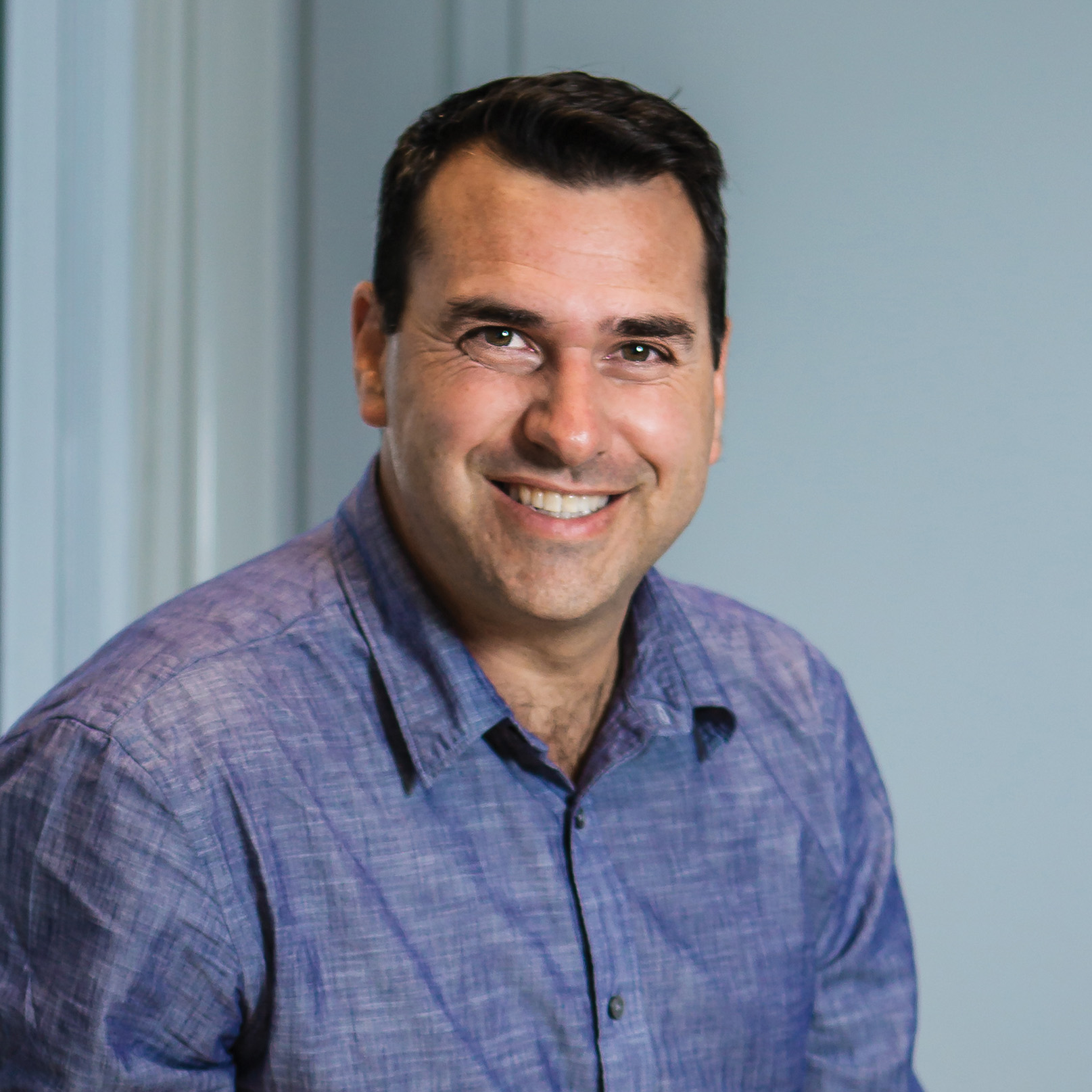
Brian Requarth
Brian Requarth is the co-founder and former CEO of Viva Real, a leading real estate technology company in Brazil. He grew Viva Real from two people to more than 500 employees and tens of millions of dollars in revenue, raised $74 million in venture capital, and merged the company with ZAP Imoveis to become chairman of Grupo ZAP before it sold for $550 million. He is now the co-founder of Latitud, which supports entrepreneurs across Latin America, and invests as an angel investor in technology companies throughout the region. He is the author of Viva the Entrepreneur.
📚 Books by Brian Requarth
Transcript
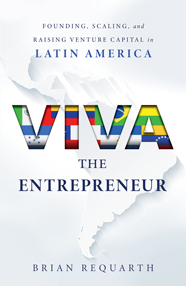
[0:00:26] DA: The journey of an entrepreneur is lonely, especially if you’re looking to start a business in Latin America, where opportunities are ripe but resources are scarce. In his new book, Viva the Entrepreneur, Brian Requarth aims to help demystify the obstacles you’ll face, teach what you won’t learn in business school and offer you inspiration and encouragement on your journey. His lessons will show you how to manage your own psychology and your operations, be it working with co-founders, building a culture or managing a board of directors, and also reveal the secrets of scaling a business in Latin America. You’ll develop an understanding of the most critical parts of an investor term sheet and gain perspective into the inner workings of the venture capital game. Hey listeners, my name is Drew Applebaum and I’m excited to be here today with Brian Requarth, author of Viva the Entrepreneur: Founding, Scaling and Raising Venture Capital in Latin America. Brian, thank you for joining, welcome to The Author Hour Podcasts.
[0:01:21] Brian Requarth: Hey Drew, thanks for having me on.
[0:01:24] DA: Let’s kick this off, can you give us a rundown of your professional background?
[0:01:28] Brian Requarth: Sure, I’m actually originally from the Bay Area, Northern California and you know, I went to school in San Diego and right after school, I didn’t actually study business. I studied Spanish literature which, you know, didn’t really make a whole lot of sense to anyone at the time. You know, people thought I’d maybe become an English teacher or a Spanish teacher, excuse me. You know, I ended up getting in my car, drove from California to Costa Rica, bought a one-way ticket to Columbia, you know, there’s usually a woman behind these stories and basically, you know, I met my wife in San Diego, she likes to say she imported me to Columbia and then I landed in Columbia and, you know, 23 years old and I in fact did teach English, not Spanish, obviously, being in Columbia. That was kind of the start of my entrepreneurial journey. But I’ve never had a real job, I guess, so to speak. Just basically been building companies since then and you know, that’s 17 years ago.
[0:02:27] DA: Now, why was now the time to write this book? Did you have an inspirational moment, did you have an “aha moment” or did you simply have a lot of time on your hands due to the current crisis?
[0:02:39] Brian Requarth: Sure, well, I ended up selling my company a few months ago and you know, the company was winding down, we’d been in a transaction for quite some time and so you know, it was being reviewed by regulatory bodies in Brazil. I had some time and it was kind of a transition time for me. You know, I really always wanted to share what I’d learned along the way and wish I had a book like this when I started because I made so many mistakes as an entrepreneur. I realized there wasn’t something tailored to the experience of building a company in Latin America and so that was kind of the inspiration behind, you know, the motivation for writing the book was to kind of pass along the lessons. Not a victory lap of our transaction but rather, the lessons that I – the hard lessons that I learned building the business and the mistakes I made.
[0:03:27] DA: Now, while you were writing this book, maybe by looking back at your journey or sometimes just, you know, through the writing process, you’ll have some learnings or major breakthroughs, did anything like that happen for you?
[0:03:45] Brian Requarth: Yeah, absolutely. I mean, as I wrote the book, I spoke with, you know, many entrepreneurs and you know, listened to kind of the pain points that they had and their experience and there’s a shared connection as an entrepreneur that is in the struggle and you know, building the business and following their dream. I think that the kind of the realization I had was, you know, there’s a lot of these examples and stories that need to get out for us to kind of elevate the next generation of startups and companies to build, you know, iconic companies in the region and so, you know, I think the big realization was, a lot of these kind of shared experiences, you know, I wasn’t alone in my kind of battle and my journey and I think that I wrote the book because I really empathize with the difficulties of building company. I wanted to share the lessons but I also wanted to write something that people would feel inspired by and connected to, that hey could pick up while they’re on their – sometimes your best day and your worst day is the same day and they would you know, be able to pick-up the book and you know, be able to find some solace in knowing that, you know, we were successful in our journey but it wasn’t a straight line. It was filled with all kinds of ups and downs and twists and turns. That was kind of the realization I had, was that you know, the importance of sharing that story to provide comfort and you know, I read a few books that resonated with me during my journey. But there was never a book that was really tailored to Latin America, so I wanted to kind of tell that story so entrepreneurs would have an example that was more local and connected to their experience.
[0:05:25] DA: Right, when you are writing the book, in your mind, who are you writing it for? Could it translate to other markets? Can you take away, can you have takeaways from the book and use them in the United States market, is it for somebody who has – hasn’t started their entrepreneurial journey yet or is it somebody who is already a few steps in?
[0:05:46] Brian Requarth: Yeah, absolutely, I mean, I think that a lot of the same challenges exist. In the book I talk a lot about the psychology and kind of managing your own psychology as you build your startup which is relevant for everybody, right? I mean, it’s hard, you’ve got a lot of things to balance, you’ve got a personal life to manage, you’ve got the dynamics of the co-founder relationship. Those are all things that are highly relevant for any startup, regardless of where they’re located and you know, we also talked about some of the things, hiring a team and you know, how to bring on advisors and mentors and investors and so, those are all things that I think are highly relevant. However, you know, the examples I gave were obviously more tailored to the experience, whether you’re in Mexico, Columbia, Brazil and so, that was something that you know, there’s obviously portions of the book that are a little bit more adopted, adapted to the reality that we live in Latin America.
[0:06:45] DA: What does this book bring that other books on the subject do not?
[0:06:51] Brian Requarth: There isn’t really any books that are written specifically tailored to this part of the region, this part of the world, you know, Latin America. The intricacies of how things are done in Latin America, the experience of what it’s like building a company in Latin America, it’s a pretty unique book from that standpoint. Because, there hasn’t been as many success stories in the region, it’s still early and nascent in the kind of the life of, you know, entrepreneurship has been around forever obviously but the whole venture capital ecosystem is such at an early stage in the region and so you know, I wanted to shed light on what that’s like in Latin America and so it’s really, it is a kind of a unique book in that sense because you know, there aren’t really any books. If you go on Amazon and you search for books around startups and venture capital, you’re going to find a lot but you're not going to find any that talk about the challenges and the opportunities in Latin America and that’s a region with over 700 million people. I think that’s the – there’s a lot talked about in the US or in Europe but there’s not a lot of things that are tailored to this experience.
[0:08:05] DA: If you could narrow it down to just a few bullet points, because I’m sure there’s a lot out there, what is the major difference between starting a business in Latin America and starting a business in the United States?
[0:08:18] Brian Requarth: You know, there’s kind of two parts to it, the first one is, you know, obviously, being in Latin America, it comes with it, a lot of bureaucracy and a lot of challenges but that actually presents an amazing opportunity because there’s friction points on your journey, whether you’re – you know, you’re buying a car, whether you’re buying a house. Those things actually operate in a lot more efficient manner in the US or you know, in kind of in Europe. This book really highlights some of the opportunities, some of the challenges in raising capital in the region, you know, as an example, I ended up building a company that was a Delaware C-corp which is the standard thing for a venture backed company in the US. The reason why I did that is because that was the general wisdom that, you know, most US investors understood and that resulted in us losing a hundred million dollars in value because we didn’t have the right company structure. That’s just an example of one detail, small detail at that, but huge impact and so I cover things about the right kind of structure to have for a venture-backed company, you know, that’s an example. Then also, just how to manage the ecosystem and how to bring on the right investors and what investors think about and look at and so, those are all, kind of, examples of things that are covered in the book that I think are unique to the region and important to be – to go in with eyes wide open.
[0:09:57] DA: Now, a lot of authors feel the need to write the book, yes, because they want to impart some knowledge but also because that knowledge came from making mistakes in the past. Can you share one mistake that’s top of mind that you’ve made and tell us what the lesson learned was and how it maybe guided your journey moving forward?
[0:10:19] Brian Requarth: Yeah, I just mentioned a pretty big one, not skimping on legal and accounting was definitely a pretty big mistake because it ended up having a price tag of a hundred million dollars. You know, other mistakes that I’ve made, I mean you know, literally probably every mistake in the book. What comes to mind is just really not understanding the dynamics of how venture capital works and understanding the psychology of the investor and you know, I mean, one example that I can give is that when I went out to raise money, I basically just kind of randomly would contact any investor. I didn’t do the research to properly understand, “Is this the right investor for my business? Is it the right stage or sector? What have they invested in that indicates they might be interested in my opportunity?” I think that really just like building a framework for how to think about capital raising is something that you know, I made some very rookie mistakes on my journey there. Team building also, I remember in the early days, as we started our company, I ended up hiring an executive who was kind of flashy, who had an amazing kind of brand associated and you know, worked at a successful big company. But it really wasn’t the right fit for the early-stage challenges that we needed. You know, on day two, it was, “I need to build the team because I’m not actually operational or I don’t execute, I have a team.” That was a mistake is that often, founders are drawn in to thinking that, “Oh, I can bring this person onboard because they have all these experience,” when in reality, you got to make sure that you’re hiring someone that can get the job done that you need today, not in two years.
[0:12:09] DA: Now, let’s dig into the actual part of being an entrepreneur. Right from the beginning. What kind of person does it take to be an entrepreneur?
[0:12:21] Brian Requarth: Yeah, I think that you have to be motivated to solve a really big problem. You know, you have to have unparalleled persistence and perseverance. I think that those are you know, the kind of, hustle and scrappiness are just essential because so many things aren’t going to go your way and you’re going to need to adapt and overcome as you're on your journey. I’d say that the single most important quality of an entrepreneur is the – just willingness and desire and determination to figure it out. You need to be, you know, going after a big problem. You know, this book is really tailored to those that want to build venture backed companies so you know, there’s plenty of different forms of entrepreneurship. If you’ve got a bakery in your hometown, you’re an entrepreneur. But this book is a different type of book, this book is written for those that want to build businesses on a massive scale that transform industries and sectors and you know, Latin America’s full of opportunities for just that.
[0:13:31] DA: Would you encourage this life on others? Or is it simply too hectic?
[0:13:38] Brian Requarth: You know, I don’t think I’d trade being an entrepreneur for anything. I absolutely – the energy that I’m filled with as I figure out challenges and you know, overcome what seem really hard obstacles in my way. I think that the reward of, you know, it’s not the end, is really like the driving force for doing it, it’s not the exit, it’s not the money. It’s the motivation to go tackle something and make a difference and see your idea come to fruition and change how things work. That, if that lines up with your MO, your modus operandi and how you see the world, then you’re probably possessed to be an entrepreneur. In my case, you know, this is something that, I’ll always be an entrepreneur and I’ll always be building businesses and it’s part of just – I feel like it’s my DNA. But if you’re on the fence about it, I mean – you find yourself highly motivated to solve a specific problem, I wouldn’t become an entrepreneur just to become an entrepreneur. I would be centered around solving a really critical problem that you just can’t stop thinking about.
[0:14:53] DA: Can you talk about the sacrifices that an entrepreneur has to make? Specifically, during the early journey.
[0:15:01] Brian Requarth: Yeah, well, in my case, I mean, you know, I didn’t have access to capital, I didn’t really know a lot of people, I didn’t go to a top business school where I had a network attached to it. I mean, early sacrifices, my wife and I, we’ve slept on the couch of my co-founder’s apartment, his little one-bedroom apartment, we slept in the living room, you know? I remember, you think twice in the early days about spending the $4 on coffee because things are tight. There’s definitely a sacrifice involved, you might be looking around and seeing your friends making a lot more money than you at that time and feel, because it requires a lot of time to kind of ramp up. I think that you know, it’s obviously something that requires a lot of fortitude and focus and desire to make it happen and it definitely comes with sacrifice but in my view, it’s all about the journey and the journey is definitely worth the price that you might have to pay. In the grand scheme of things, there are usually small sacrifices. Of course, some people are in different positions where financially, maybe they can, you know, they have a bit more privilege and they can afford to do it, there’s different levels of sacrifice for different people and that’s something that needs to be noted. But at the end of the day, when you’re determined and you’re just driven to solve a problem, the sacrifices seem kind of small in retrospect.
[0:16:33] DA: You mentioned the journey of an entrepreneur and in the early days, you’re sacrificing a lot, including even a daily coffee. Eventually, you have more hurdles along the way and if you pass that first phase, you get to a spot where you're bringing on higher level employees, senior leaders and founders and creating these high-level partnerships. Can you talk about what you looked for in those higher-level partnerships and maybe a little bit about the relationship that you had with your co-founder?
[0:17:05] Brian Requarth: Yeah, absolutely. I think that, you know, starting with the co-founder dynamic and you know, at the base, it’s just so critical to have amazing communication and that’s something that you build over time. When you start working with someone, you’re figuring each other out, you’re figuring out what their strengths are, what’s important to them, what their values are. Obviously, the values, or as I call them virtues in the book, they ideally line up and you’ve got a shared vision about the type of business that you want to build. But really, it’s just about investing in that relationship and laying the right groundwork to make sure that your motivations are aligned with why you’re building the business. I think that is something really critical and you know, co-founder disputes are one of the, I guess, biggest startup killers because, you know maybe one founder, you know, wants to sell the company and maybe one founder is building it for, you know, the wrong motivation or a motivation that doesn’t align with your motivation. I think that investing in the early kind of discovery and being really candid and authentic with why you’re building the business and making sure there’s alignment there from day one is super important. Regarding the early kind of team, you know, what I think is just the number one priority is to find people that have the motivations and you know the shared, that buy into the vision of what you’re building. That’s just, you know, when you are looking at – It is really about their motivation and their desire to just achieve what you’re setting out to do as a company, you know regardless of kind of how smart or how, you know, amazing they might be, if they’re not hungry to kind of go after what you’re setting out to do as an entrepreneur, you know, you are not going to have the right kind of DNA as a company and remember, all of those early people that join your effort to tackle this big idea, they become multipliers for everyone else that comes on. It’s really the base layer and the foundation for people to come because after the first, you know, 30, 40 hires, you know, those people are setting the tone for, and so if you get that wrong in the beginning, you’re setting yourself up for a bit of a challenge because you know, fixing culture is quite a challenging thing to do as you’re larger and so I think that finding the right people that are aligned with you, you know, we would be very candid with the first hires we made. We would let people know, “This is not going to be the easiest job you’ve ever had.” Almost to the point where, if they still wanted to work with us, they were really, really bought into the vision and what we were trying to build.
[0:19:50] DA: Now, you talk about the vision, you talk about culture and values and you talked about, it might be easier sometimes to find the philosophy of choosing the values for your company by saying what you’re not going to do in your business rather than what you want your values to be. Can you talk about that strategy and what it looks like?
[0:20:14] Brian Requarth: Well, I think that in terms of focus for the business, you know, there is a challenge as you build your business. Entrepreneurs naturally, they want to just chase a lot of bright and shiny lights. There’s so many opportunities, your mind is racing on, you know, a hundred different things that you could be building but as an entrepreneur, you need to have very strong discipline and that’s what a lot of people call, you know, talk about product market fit and focus on what are those key things that are going to really drive value for your business? I see a lot of companies that scale too early or build a large team in the beginning when they really haven’t figured out what they actually are supposed to be building and you know, what the real opportunity is. I think that something that happens oftentimes and that really, that key team in the beginning of six to eight people, you know, not much larger than that, that’s really working hard to figure out what it is that’s going to build value in the company. You know, whether it’s what customers are communicating that they want and starting to buy or starting to – you know, you are starting to see that early traction. I think that is something that is really important and you have to strike the balance of being able to kind of test those things that once you figure out that you nail it before you kind of scale it, those are the things that you’re going to need to really, you know, hone in on in the early days. I think that the culture of that is, it’s really hard when you’ve built a larger team. An early stage company is constantly pivoting, it is constantly changing and until you find that kind of product market fit, so you don’t want to have people that are, you know, maybe are uncomfortable with uncertainty or you know, that’s why people typically that come from maybe a larger company that don’t adapt well to kind of the whiplash that exist when you’re at the early days trying to figure out exactly what the business is and what it’s going to become, so I think that is a really critical point is to make sure people align well with that. The right type of, you know, the profile of people that can kind of handle that uncertainty in the early days.
[0:22:16] DA: I think what’s really interesting about your story is you start from the beginning of starting your own company and again, all the hurdles and the successes and some failures along the way and then you switch gears and you are actually the investor now and you're a VC, you invest in companies in Lat-Am. Can you talk about when you were an entrepreneur, what you were looking for with investors and now as someone who invests, what you look for in companies?
[0:22:48] Brian Requarth: I guess I can qualify as a VC today even though I am more of just an angel that likes to help entrepreneurs and this all kind of organically started mainly because in Latin America, you know, there is just – it is a small community of people that are kind of reinvesting in the ecosystem where in the US, you’ve got a lot of entrepreneurs that have had, you know, sold their companies and then they’re reinvesting in the next generation. You know, people refer to the PayPal Mafia as an example of that. Really, this kind of just organically started because as an entrepreneur, you know I was building Viva Real and, you know, I had some success at raising capital and then I would have friends that would reach out and say, “Hey, how did you do that? How did you raise the money? Who is the best investor I should be talking to? Who is a good fit for what I’m building?” I would end up making intros or giving advice and I ended up kind of accidentally becoming an investor because you know, there is the classic saying of like you ask for advice and you know, you might get some money or you ask for some money, you might get some advice and so I ended up investing in some of those companies when they would ask for my help because I would just learn more about their business. Me becoming an investor was very accidental and it was really just – It happened just naturally. And so answering your question about, kind of, what I look for now that I’m, you know, I’m still looking at building, I still want to build companies and I’m currently building something right now and still trying to figure out what it’s going to become but very focused on early stage entrepreneurs and those, that kind of, that challenging moment of idea, ideation, to your kind of first customers and so what I really look for, I guess there is kind of like, a good analogy is kind of the fishing analogy. If you’re fishing, you want to go where there’s lots of fish, so that’s like a large market. A big lake with a density of fish is a good place to be probably fishing. You want to look at who is fishing, so is this team really, really experienced, have they been through different experiences before that would give them some kind of unique insight into the problem they’re solving? You might want to look at who is fishing next to them, which you know, maybe isn’t quite as important as the market size and market opportunity and the team. I’d say team is probably the number one thing in the early days. I’ve invested in a handful of companies that maybe haven’t even figured out what they’re building yet but the team is so stellar. They just have this kind of look in their eye that shows that they’re just determined to figure something out and make it happen and so I think those are the, kind of, the primary things that I look for as an angel investor and you know, I kind of shun the idea of calling myself a VC because I just – I’m a founder at heart but, you know, ultimately as I invest in more companies in the region, right now it’s just my own capital but, you know, we plan on probably raising some additional capital from other entrepreneurs to kind of help build the next generation of iconic companies in the region but those are the main things that I look at. You know, obviously team and then market opportunity.
[0:25:49] DA: Now, is there anything though, in particular, what can a business owner say that will just catch your ear? What’s the one thing you’re looking for when they say, “Our business is doing this,” that will just say, “Here’s the checkbook.”
[0:26:04] Brian Requarth: Yeah, I mean some investors only invest at companies that have like, very predictable revenue or you know, those that are referred to more as like later stage investors. I go so early that oftentimes, they don’t even have, you know, sometimes it’s just a PowerPoint presentation. That’s kind of a fun place to be in because you’re essentially just betting on talent and betting on people. You know, I think that the things that I look for in individuals and of course, like, I do invest in companies that have revenue and growth. I think the thing that I would look for and if I look at, kind of look back at the investments I’ve recently made, what are the things that, you know, would be a turn on so to speak for me? It’s those founders that like can’t really keep up with the demand of their products. I mean that is obviously a very strong sign when you’re just so overwhelmed with the demand for what you’re building. You need to accelerate from a standpoint of maybe hiring more engineers to double down on the product. I’ve seen, you know, I invested in a company called [HEFA 0:27:04.6] which is building the bank for under-banked and un-banked women globally, starting in Latin America. When I talked to Emma, the founder and CEO, you know, she had 70,000 women on her waitlist to join her as she built this bank and she didn’t even have a product yet. That to me was like, ding-ding, like this is, one, I love the financial inclusion aspect of it, you know, and the mission and you know, you could just see in her eyes like she’s going to solve this problem and she’s going to make it happen. That is like an anecdote of something that I think would illustrate. That was something where like literally on the first call I was like, “I’m in.” It was a 45-minute conversation, I asked her for wiring instructions at the end. That to me is an example of something that just made me move.
[0:27:58] DA: That’s a dream for a founder right there. Now, what I really like about your book is that you know, you talk about your journey and you talk about, you know, you’ve had a lot of success but you are not pushing it and you really go a little existential and you ask the readers to ask themselves a few questions to find their reason for being and they have to ask themselves what do they love, what are they good at, what does the world need from you and realistically, what can you get paid for? How did you come to these questions and are they just a luxury? Can you really be successful and go through life by answering these questions and moving on the answers?
[0:28:39] Brian Requarth: It’s a good question. I don’t know if it’s – first of all, it’s the framework that I use, right? Maybe I’m in a position where I can kind of sit back and take the time to do that. I understand that, you know it is not maybe realistic for everybody and that’s okay. If you are going after something just because you think it’s an amazing opportunity and you want to, you know, you want to build a business and,you know, that’s just your motivation, I think that can work and that’s fine. Maybe it is a bit idealistic the way I’m thinking about it but it is just true to me and true to the moment that I am going through right now as I think about kind of my next decade of what I want to sink my teeth into and I do sincerely believe though, that if you find the balance of those things of what you love and what the world needs and what you can get paid for and what you’re good at and you can actually string those all together into, you know, what you’re building, I do think that your impact will be greater. Because you know, you won’t be – you know, as you face your first obstacle and it’s going to be hard no matter what but if you really, really are doing what you love, for example, then you are definitely going to, you know, you’re going to figure out, you are going to find a way out. I don’t think it’s a criteria that’s necessary for every founder and I wouldn’t, if I looked at an opportunity and I felt like it didn’t strike every single one off the list here but I do think that the biggest opportunities, you know you look at – You know, the other day I talked to a founder who – he is building the infrastructure layer for Internet access in Latin America, bringing the cost of access down to under two dollars for people that don’t have unlimited Internet access and that’s hundreds of millions of people. The person happens to have an amazing skillset that allows them to do that. I think it’s a huge opportunity because it’s an enormous market and so that founder happened to do that. I think that the companies that are going to be transformative on the scale of like, really changing society, I think that they’ll have those things. Now, not every company that I invest in is going to transform society and leave an indelible mark upon, you know, a country for a century. That’s obviously the dream when you are looking for opportunities. You want to find more companies like that but I think the best companies fit that category but it doesn’t have to be a requirement for me to be involved.
[0:31:06] DA: That makes sense but Brian, writing a book and one like this one, which is super thorough, we really just touched on the surface here today, it is going to help so many business professionals and writing a book like this is no small feat. I want to say congratulations on publishing your book.
[0:31:22] Brian Requarth: Thank you, it was quite the process and I was happy to partner with Scribe in that process, which was a great support for me and it was quite the learning experience to try to put everything down into a condensed version of how I see the world and the opportunity in the region.
[0:31:40] DA: I do have one last hot seat question for you, so I pre-apologize but if you had to narrow it down and if readers could take only one thing away from the book, what would you want it to be?
[0:31:53] Brian Requarth: The big takeaway for me is, you know, my objective for the book is a couple of things. One, I really want to help entrepreneurs navigate the challenges, the perils, the opportunities of this journey building a company and so I hope the one takeaway is that it becomes a little less lonely for you by, you know, at least learning from the lessons that I lived over the last decade in the region. And I guess connected to that, I really want the world to know that this region of the world is, you know, it’s not top of mind for many people. But with an enormous population, an enormous amount of concentration of talent, many world-class companies are going to come out from this region and so I think that those entrepreneurs that are kind of at the early stages that hopefully they think a little bit bigger about what they’re building, not just think about their city or their country but they think a little bit more on a global scale. I hope that that is something that founder’s takeaway when they read this book and they’re on that journey that maybe they think a little bit bigger. You know, it costs the same to dream small and dream big as one entrepreneur, Jorge Paulo Lemann, you know says in Brazil, so you might as well dream big and so I hope that that is the result of this book.
[0:33:18] DA: Brian, it’s been a pleasure and I’m excited for people to check out the book. Everyone, the book is called, Viva the Entrepreneur, and you can find it on Amazon. Brian, besides checking out the book, where can people connect with you?
[0:33:29] Brian Requarth: Sure, I’m probably most accessible on Twitter so find me on Twitter. It’s just my name, Brian Requarth, that’s my handle and you can also reach me on LinkedIn, which is a little bit harder to probably connect there because it is not quite as direct and then also, please go to latitud.com and there you can kind of learn more information about the next thing that I am building.
[0:33:56] DA: I’m bummed you didn’t do this whole interview with that style, with that accent.
[0:34:04] Brian Requarth: [Speaking Spanish]
[0:34:08] DA: There you go, that’s a perfect ending. Brian, thank you so much for coming on the show today. Congratulations again on the book and best of luck with everything.
[0:34:15] Brian Requarth: Hey, thank you. I appreciate it. It was a pleasure to chat with you.
[0:34:19] DA: Thanks for joining us for this episode of Author Hour. You can get Brian Requarth’s new book, Viva the Entrepreneur, on Amazon. Also, you can also find a transcript of this episode and all of our other episodes on our website at authorhour.co. For more Author Hour, subscribe to this podcast on your favorite subscription service. Thank you for joining us, we’ll see you next time. Same place, different author.
Want to Write Your Own Book?
Scribe has helped over 2,000 authors turn their expertise into published books.
Schedule a Free Consult