Katie B. Happyy: NamaCray: Eight ways to bow to your inner crazy
Read the full transcript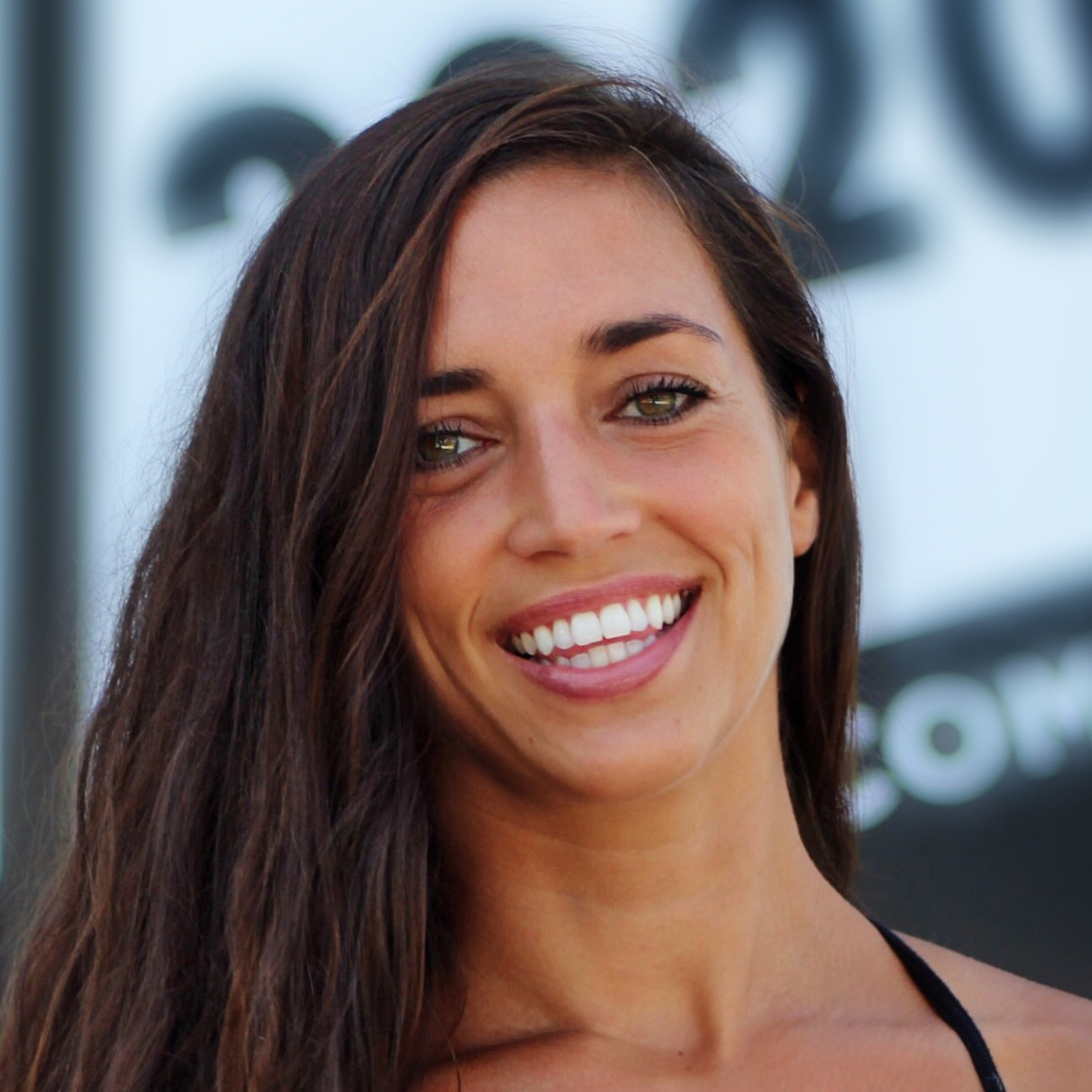
Katie B. Happyy
Katie B. Happyy has always taken inner transformation seriously—and with a healthy dose of humor. But when she woke up in 2015 with Bell’s palsy and couldn’t move the right side of her face, her spirit took a giant pause. Still, Katie fought through, giving up society’s definitions of beauty and becoming an international lululemon model and ambassador featured by NBC, CBS, and Shape magazine.
Her global company, b inspired—an LLC and 501(c)(3) charity organization—has changed thousands of lives across over thirty countries, helping broken badasses recover from loss, rediscover their power, and find their calling.
youtube.com/katiebhappyy
@katiebhappyy
📚 Books by Katie B. Happyy
Transcript
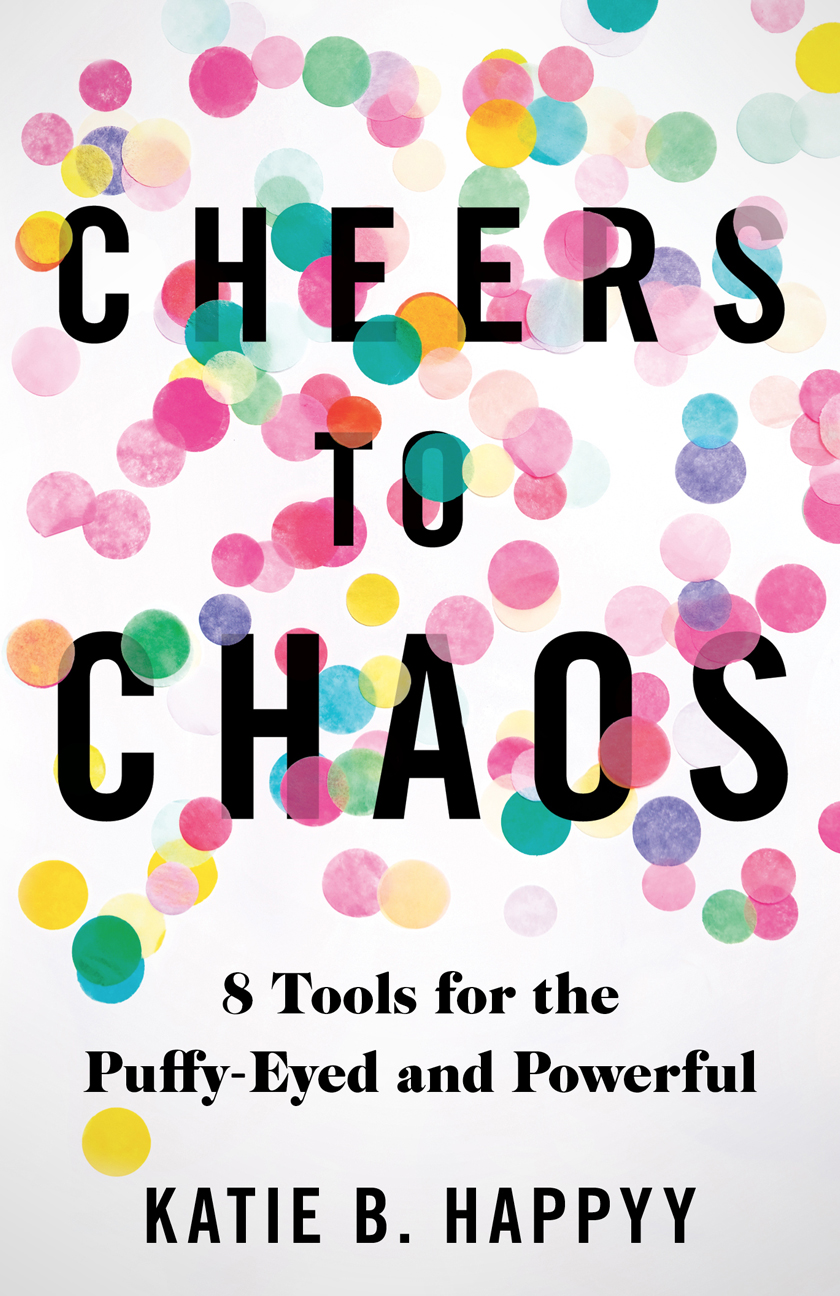
[0:00:45] DA: NamaCray: Eight ways to bow to your inner crazy, is a book that presents the shockingly raw, wild, NamaCray stories of master yoga teacher, Katie B. Happyy. Katie’s life is a wonderful hot mess. She has challenges with modern dating apps to – she had sudden facial paralysis that left her unable to smile and she put all of the details into her book. Read it for a laugh, read it to feel lighter and read it to remember the profound and fundamental truth that you are not alone. NamaCray is for every broken badass searching for happiness and meaning. Hey Listeners, my name is Drew Applebaum and I’m excited to be here today with Katie B. Happyy, author of NamaCray: Eight ways to bow to your inner crazy. Katie, thank you for joining, welcome to The Author Hour Podcast.
[0:01:29] Katie B. Happyy: I’m stoked to be here.
[0:01:30] DA: Let’s kick this off, can you give us a little rundown of your background.?
[0:01:33] Katie B. Happyy: I am a Jersey girl at heart, Italian-Irish that moved out to San Diego and I mean, between the two coasts have tried to make my way and figure out life in between. My mom passed away when I was really young, 14 and so, I wanted to get as far away as New Jersey as possible and landed in San Diego because it seemed like it was just as far as I could get. From there, I adventured through an international business degree, travelled to over 15 countries and was working really in the non-profit sector, trying to help with poverty alleviation and save the world through fundraising initiatives. I stumbled into Yoga as a way to get over a break-up and through a bunch of half pigeons and teary-eyed Shavasana’s, I started to realize that there was something to this 60-minute practice and so, the paygrade in a non-profit world was about the same if I went full-time teaching yoga at the time, I was 23. I decided to give it a shot and I think the change that I was looking for in all of these amazing non-profit organizations, I was working for Susan G. Komin in United Way specifically that I was selling a dream and I was selling the opportunity to say, “Okay, if you give me $5 of your paycheck, I’m going to get homeless people off the streets” so I’m going to help prevent breast cancer but in actuality, the one hour I could see from minute zero to minute 60, I could really see the immediate change in somebody and that ripple effect, maybe selfishly was something that I needed to keep going. Fast forward 10 years later. I’ve been doing this full-time. I’ve taught over 10,000 yoga classes, I’ve led retreats in over 35 countries and it’s now developed itself into an amazing self-venture company I call it. I do call it like, we do adventures into self. Whether that’s a workshop or a Zoom call or an awesome trip to Morocco, we try our best to get out of our heads and into our hearts and all of the cool ways that the world allows us to. The unique life that I’ve created for myself has really – it’s brought me to over 35 countries, I’ve led retreats with my company, Be Inspired. In that way, we self-venture into the different parts of getting out of our head and into our hearts in all of the ways that the world is going to try us. Whether it’s through travel, whether it’s through workshops, whether it’s through experiences where we sweat together selfishly, I’ve landed in this place because I’m just trying to figure out what we – why we get to breathe every day and some people don’t and so, it’s my adventure and people are just joining in to the crazy story about it.
[0:04:15] DA: Why was now the time to share the stories in the book? You have led quite the life so far but was there an “aha moment” was there something really inspiring or something as simple as hey, “It’s really hard to do travelling self-betterment trips during COVID.”
[0:04:31] Katie B. Happyy: I’ve been wanting to write a book about my mom’s passing and also, it details my experience with Bell’s Palsy when I was paralyzed in the right side of my face. I sat down, I remember 2016, I started to write and I was really deadest on finishing this but there’s just like a knowing inside of me that it wasn’t ready yet. I wasn’t there yet and there was something more to be had and so through a transition in a partnership, I broke up out of a long six-year relationship and then also, I mean, really, the nail in the coffin was COVID. In this beautiful way, COVID made us sit here and say, what are we facing, how can we uplift others without being able to actually see each other. I used to sit in front of 600 people a week and be able to say what I was going through. Part of the reason that I like what I do is because I literally just saying out loud all the problems I had that week and people relate to the crazy in it. They’re like “Well, if she’s saying that was wrong then I don’t feel so alone” but then in COVID, it was like, so isolating. Being single in an apartment for many, many months just so opposite of the life that I was living, that was the final push for me to be like, “Okay, I have to connect with people in a different way” and so that ended up being the last chapter of the book, the eighth chapter that helps me kind of finish. It was a hard but a really good transition that needed to happen from COVID.
[0:05:59] DA: Now, a lot of authors have the idea of the book rattling around in their head. You started writing it in 2016 and sometimes you’d even outline the idea but then during the writing process and just by digging deeper into your life because you’re the subject of your buck. It comes to some major breakthroughs and learnings. Did you have any of these breakthroughs or learnings in your writing journey?
[0:06:21] Katie B. Happyy: I think the more I wrote, the less I believed in myself in a great way. I wrote the introduction last and it basically says, don’t take a word I say for truth. Read it, take it in as your own, do your own research and if these tools and tips help you feel better about your surroundings and your life and the way that you view the world, because it’s almost like, the more I wrote, the less I knew in a really cool way. I started taking myself a lot less seriously as well in a really good way. I could see more perspective because I don't know, I just felt like you get so deep within these concepts and theories that are tried and true to me and I could see so many different more vantage points after I started writing it.
[0:07:05] DA: Now, while you were writing the book, in your mind, who were you writing this book for? Was it for Yogis that were trying to better themselves, can men have takeaways from this book as well?
[0:07:19] Katie B. Happyy: Yeah, one of the things that has always been an accolade from clients of mine or students, they’ve said that all of the ways that I share, everything that’s going wrong in a good way makes them feel so not alone but the things I shared aren’t specific to women. Women relate a little bit more because I think we’ve got 60,000 more thoughts a day than men do but in actuality, everyone can relate to feeling lost and alone, everyone can relate to defining themselves by the way that their physical physique is. My paralysis was this big literal kick in the face where I was defining so much of my success and my career, teaching at all these big festivals and all of a sudden, I couldn’t smile or close my eye or blink and Katie B. Happyy with a big smile couldn’t smile anymore so I think guys can really relate as well too when we start to lose some of that outer shell that you’ve had an identity and even in COVID if you think about it. So many of us had a certain identity pre-COVID, whether it was your job or the place you lived or how you related to your family or your partnership and then the lockdown and the pandemic forced us to look at our identities and try to define ourselves without the identity that we’ve been holding on to so long. As I lost my stage of 600 clients a week and I lost the ability to lead an international retreat each month, everything that made me reset mentally and spiritually was taken and men, women, children, people can all relate to it but I originally wrote this for that person who was like, “Okay, a transition’s coming, how can I trust the transition that’s given?” All right, my mom died, how can I trust the world without my mom to guide me? My face doesn’t work, how can I have people understand that you can feel a smile even though you can’t see it. My partner who I thought I was going to marry broke up with me and how do I see the world as if not falling in love with possibility but instead, falling in love with what is, even if it isn’t exactly how I wanted it to be. Or in the pandemic, how do we trust the transition even if we’re faced with the reality that nothing is certain and do we have it within us? Men, women, anybody to ask, “Okay, in the uncertainty, can I still face and rise to whatever is given because there’s got to be a reason that I got another breath?”
[0:09:45] DA: Did you have a goal in mind that you were hoping would happen to readers while they were reading the book?
[0:09:52] Katie B. Happyy: I think to myself in the beginning part of this lockdown, those first couple of months where I felt really alone, I mean, at first I think a lot of us were excited, we’re like, “We get some time off work” and then as we realized, it wasn’t going away then it was a little bit – I was drinking a little bit more, maybe a little spring break mentality and then that gets old too and then you’re just starting to spiral and say “Okay, well, I feel really alone in the play and I don’t see a way out.” Everything that I had felt was stable, certain in my life, winter will pass, summer is coming. It just felt like I couldn’t even trust the fact that summer was coming. We didn’t even know. In that feeling that the depth of that loneliness or I had that same feeling first couple of months after my break-up or in the first couple of months of my paralysis. In the depth of that, I call it rock-bottom café, when you’re sitting down there, I want this book to be a little bit of a light that helps people take a shot and then stand back up and keep going, you know? Sitting at that bar down there at rock-bottom café, “Okay, I can do this.” Whether or not you love the stories that I tell, you can relate to the hero’s journey in yourself and the tools, the crazy tools and tips that you get, eight of them to really dive a little bit deeper into “Okay, no matter what hits me down there, I can always get back up” I don’t feel so alone in my play.
[0:11:16] DA: Let’s dive into the book a little bit but before we do, I think I need some definitions from you from terms you use in the book. Can you define for me what a broken badass is? It’s a reference you use a lot in the book.
[0:11:31] Katie B. Happyy: I think after a person experiences a lot of transitions, losses of things that they thought, like I shared with you, relationships you thought were something and they weren’t or people fade in and out of your life, people physically pass from their bodies, they die and then you go through a lot of this transitions and as humans, we start to realize that you can feel really bad and broken and also, parts of your life in that same instance feel really badass. Maybe my relationship was broken but my business was flourishing, I was a badass. Maybe I was – physically, I couldn’t smile or I had to hold my lips together to even take a drink but then at the same time, I could still do a handstand perfectly. There’s two parts to everything. You’re welcome to be broken in so many ways. I don’t think we’re ever not going to be broken in some aspect of our lives but there’s also so many things we can still celebrate and rise to and be a badass in our own regard.
[0:12:30] DA: I need more definitions, I apologize but this is actually the title of the book. What to you does NamaCray mean?
[0:12:40] Katie B. Happyy: In India, I’ve gone eight years in a row now to teach wonderfully at the International Yoga Festival out there. Namaste is typically in a Hindi greeting, it means, I bow to the light, I bow to the light in you and it’s a recognition that no matter what the outer shell is, I bow to you, you bow to me, we’re the same in spirit. NamaCray means, I bow to the crazy and so it’s a little fun kind of a play, it’s that Jersey girl in me that’s bringing out. Unlike – I can’t just be eastern, I have to bring a little bit of cray, I curse a lot, I’m bringing a little bit more realism to it and so when we say, NamaCray, I bow to the cray. I’m bowing to this part of me that is a broken badass, is both happy and sad at the same time. Is both taking a tequila shot and meditating for 30 minutes. There’s beautiful parts to all of us and that’s the whole point of this book is that you don’t feel alone in all of the cray, let’s bow to each other’s cray.
[0:13:37] DA: Now, are you – would you say you’re like every other yoga teacher out there but they just don’t talk about these kinds of things because I love in the book that you really talk about your real life. You don’t pretend to be Zen 100% of the time.
[0:13:52] Katie B. Happyy: No, I can’t speak to other yoga teachers, I know that a lot of people use yoga in the western world currently, as a way to – it’s a gateway drug. At first, you’re like, “Wow, this feels good physically. I feel my fascia’s opening up and my body feels more open. I feel light and strong” but the next step is to really take it as a practice and for me, I don’t like flossing my teeth. I don’t know if anyone does really but flossing my teeth is not something I’m like, “Yeah, I can’t wait to floss my teeth” but I know that it’s preventative medicine, so when I floss it the gunk comes out and okay, I am preventing cavities in the future. What yoga often is, is I don’t always love the practice of yoga, I don’t love every day that I wake up. Even this morning I felt a little tired and low, it’s a Monday and the practice of yoga both the movement that I talk about but like even the yoga, which means unify, making sure that you have a daily mission or a mantra living with a little bit of a purpose, you’re flossing out any of the anxiety that could come up. It’s preventative medicine for you to essentially not freak out as hard as you possibly could. Maybe instead of reacting and losing your mind, you instead are – you take a few breaths and you’re more reaffirming and you can find your grounding and bearing and so I tell my yoga students that I am not happy every day of my life. Actually, I’m probably one out of every three days I wake up and I’m like, “Yeah world, let’s do this” but most of the time, it’s a daily practice. I have to floss mentally, spiritually, physically so that I could have more medium playing filed. There is a lot of anxiety and hurt in this world right now, there is a lot of depression and a lot of comparison and so if we can just everyday put in little practices tiny tools and techniques, it’s not saying that we’re going to live in happiness. I don’t even think that’s the point of this life. We have to create meaning and purpose rather than just happy and that in it of itself, that teaching, that lifelong journey, that’s what we bow to like we’re bowing to the cray of this crazy life and there’s got to be another reason that we woke up. Hopefully, other yoga teachers are able to express that in their own way. I’m just really – I’ve always been very confident in my ability to share my vulnerabilities because every time I’ve done that people just feel like I’m joining them without judging them. You know, I embrace my awkwardness and let them feel awkward. Hopefully people can feel seen because I’m trying my best to show people who I am too.
[0:16:33] DA: Now, you brought it up a few times and you do talk about it in the beginning of the book and I guess it’s a theme throughout. Can you talk about what it felt like when you found out that you had Bell’s palsy?
[0:16:44] Katie B. Happyy: At first, I thought I had just – I had a Bloody Mary the day before so I thought I had too much salt and I felt puffy and then when I actually went to the ER and the very crass doctor was like, “Yeah, it’s Bell’s palsy” I was like, “Palsy? A word that means paralyzed?” and he’s like, “Yeah, your face is paralyzed. 80 of people get their facial function back” and I looked at him and I was like, “20% don’t?” I just woke up and my smile didn’t work, I was placid. My eye was stuck open, my mouth was stuck open, I had to hold my lips together to eat or drink or say words like frog or power, F, B or P sounds, which is also the messes up part about Bell’s palsy because it’s a B and a P sound named after the guy who found it, so to say I have Bell’s palsy, you have to hold your lips together just to say it and I felt incredulous. I was angry in disbelief because I lead a pretty healthy life comparatively I’d say to the majority of America but also I’m a yoga teacher so I take it pretty seriously. My grace in it is I have to pretend in my mind that the reason I got it was to sit in front of all of those people, those 600 people I saw a week with half of a smile and show up teary eyed or not and just be like, “Hey, half of my smile is working, half smile is better than no smile” and it tore at my soul. I mean there’s I don’t know who I’d be if I had it healed from it. I know that those six months were excruciating because to show up in the face of people staring at you in that deformity if you would just kind of looking and then the pity and all of these things it built compassion in me but I don’t know. I still don’t know the reason I had it, I just know that I have to believe that it was because I was able to sit and be an example for other people to keep just sitting in it and seeing what is on the other side of that icky sensation.
[0:18:44] DA: Can you talk about maybe how it affected other aspects of your life and then maybe where you’re at now with it?
[0:18:52] Katie B. Happyy: Living in Southern California, it’s a land of people dipped in Barbie paint, you know? People care a lot about their outside shell here and not saying that I don’t want to feel confident and strong in the way that I look, it’s more that Bell’s palsy in the face of not being able to control my smile or my eyes, I got down on my knees and prayed to the universe and said, “If you just let me have my smile back I will never ever take my looks for granted, the ability for me to hold water in my mouth” but time passes, you know? It’s been six years and sometimes we do forget. I do know though inside of me, when you go through something health wise, which most people do in life and if you’re listening to this and you haven’t then good on you. It’s amazing but as we experience a lot of health stuff, you start to realize that the minute your health is taken from you nothing else matters. I gained a lot of appreciation, a lot of compassion for people going through health issues and therefore, it helped propelled my understanding of yoga further. The healing aspects of yoga, preventative care a lot more as well and the compassion capacity that I have within me, it stretched so big and far. It was the precipice of me forming the retreats that are now in my mom’s memory so it’s a free retreat for cancer survivors and it came because I wanted to give back in a way that I didn’t know how at the time and once I had the Bell’s, it just made sense to give back to people like my mom if she was still around who got a second chance at life and didn’t know who they were because they didn’t look the same. Their hair was gone, their eyebrows are gone, they were a shell of a human that they used to look like and I felt that same kind of – not that I had chemotherapy but I definitely felt people stared at me a lot because of the way that my face was stuck and so I wanted to just facilitate and hold space and have a compassion cultivated for these amazing cancer warriors and so that came of it and I think just slowing down a little bit. I mean COVID taught us all, the lockdown, to slow down and cherish a little bit more what we spend our time with and what we do. I think that the Bell’s palsy was that first stepping stone for me to really care a little bit more about the things that mattered not on the outside shell but on the inside, who I gave my time to, who I was letting influence me like who’s around you the five closest people to makes such a big difference and I think we can all now relate to that as we were approaching this year anniversary of lockdown.
[0:21:35] DA: I like the way you put in the book as well, you talk about it as bowing to your story no matter what your story is. It was very well put and in the book itself, at the end of each chapter, you have some calls to action. Can you talk about what some of those calls to action are?
[0:21:53] Katie B. Happyy: Yeah, about I think seven years ago now, I started doing a Monday mantra. In Sanskrit of mantra is a mind vehicle, mantra is a mind vehicle and so in order to stop the insane amount of thoughts that we have in a day, we have over 60,000 plus researches believe we can hold up to five thoughts at one time in our head, in order to stop the thoughts, the bad ones from flowing in, a mantra is a tool that I use to block out thoughts because we can never stop thoughts completely. You can definitely slow them but you can’t fully stop thoughts so instead a mantra is a vehicle for you to hold onto something good like a basic one would just be I’m right where I need to be and I say that to myself often because I’ll start to spiral where I’ll be in a situation and I don’t feel like I’m safer or in control or I am scared or whatever is coming up and a mantra, whether you fully believe it or not is a repetition of something for you to ground down in your body, trust the situation, “I’m right where I need to be. I’m right where I need to be. I’m right where I need to be.” As you repeat it mentally, it blocks out for the most part other thoughts. They’ll come back in but it is something to hold onto so as we go into these eight tools, these I’m bowing to the NamaCray tool number one and two, these tools are an extension of those mantras that it’s universal truths that have been applicable to so many situations in my life that have been a mantra when life has made me sit at rock bottom café, when it has pummeled me back there and I feel like I got 10,000 pounds weighing on my shoulders, these are tools that have helped me take the load off a little bit and be able to stand back up and keep going and they’re universal truths. Like I say in the beginning of the book, don’t believe anything I say. These are universal truths where we’ve probably heard in different ways for centuries and yet, there is a reason they’re universal truths. There are things that we as humans can hold onto and there’s a current within us that understands that and so as you move through them, the hope is that you take these eight tools and integrate them into your life. Maybe it is just one at a time, you take one chapter and you just work on that for a couple of weeks but the more that you can choose faith in your own story over the fear that something is not right, the easier it is to walk through this life because the truth of the matter is, when I watched my mom take her last breath, I was like, “All right, well we either have this choice to live as if everything has meaning or as if nothing does.” I can be this awful cynical person and not believe in anything or I can have a little bit of faith in whatever is happening to me and did I want Bell’s palsy? No. Did I want my partnership to fall apart and collapse? No. Did it hurt like hell? Yeah and I hope that I don’t have to experience certain aspects of that heartbreaking loss again and I can either be upset that those things happen to me or I can see them, I could bow to them, nama, I’d bow to that part of my story and I see it as a part of a building block that I had to have to make the fortress of what I live in. You can see something in front of you as like a damn boulder and you can avoid it and be calloused and let it weigh you down or you can see it as a stepping stone to pull you up. It’s not like I do that every day, I am one of the least positive people you’ll ever meet in a great way and it’s a constant practice, that mental flossing of saying, “Okay, that happened. I can’t change that.” The lockdown happened, I can’t leave my house, I can’t change that so what can I do to make this lockdown a part of a story that I am proud to retell because you’re the one that writes the narrative. Everyone’s memories are different and you’re the one that writes your narrative, so how you write it is how you can create a lot more lightness in your play and actually enjoy your life a little bit more.
[0:25:51] DA: Katie, we just touched on the surface of the book here but I want to say that writing a book, which really you’re so honest and you’re so vulnerable and so it’s no small feat and I want to say congratulations on having your book published. Now, there is one question left, it’s the hot seat question. If readers could takeaway only one thing from the book, what would you want it to be?
[0:26:14] Katie B. Happyy: I think that a big takeaway, the one takeaway is that you are not alone in feeling all of the things, feeling good and bad and you’re not alone. You are actually more alike than we are different and so if they could just read this book and feel as if I am there with them as if the majority of humans actually have the same low feelings but that’s supposed to be part of the process. The more we acknowledge that, the bad stuff is much supposed to be a part of our lives as the good then we start to realize that we can take back the narrative.
[0:26:52] DA: Katie, it’s been a pleasure and I am really excited for people to check out the book. Everyone, the book is called NamaCray, and you could find it on Amazon. Katie, besides checking out the book, where can people connect with you?
[0:27:01] Katie B. Happyy: On Instagram, Katie B. Happyy, there’s tons and tons of awesome free workouts on YouTube, Katie B. Happyy. There’s tons of meditations and stretching and it’s free out there because I want people to feel really connected and the more people in the world that feel connected to their own bodies and feel confident and light and strong then we can actually give that strength and lightness out to other people. It starts with you selfishly from out there, they can move mountains.
[0:27:27] DA: Katie, thank you so much for coming on the show today and best of luck with your new book.
[0:27:31] Katie B. Happyy: Thank you so much.
[0:27:33] DA: Thanks for joining us for this episode of Author Hour. You can get Katie B. Happyy’s new book, NamaCray, on Amazon. Also, you can also find a transcript of this episode and all of our other episodes on our website at authorhour.co. For more Author Hour, subscribe to this podcast on your favorite subscription service. Thank you for joining us, we’ll see you next time. Same place, different author.
Want to Write Your Own Book?
Scribe has helped over 2,000 authors turn their expertise into published books.
Schedule a Free Consult