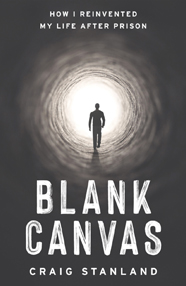
Craig Stanland: Blank Canvas: How I reinvented my life after prison
Read the full transcript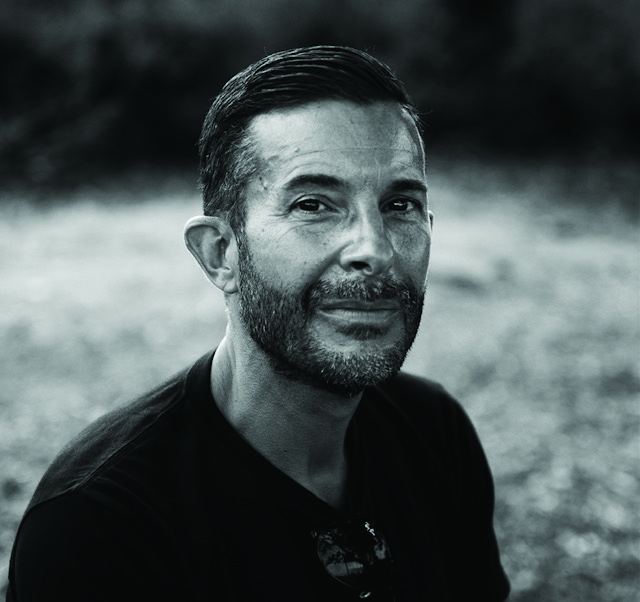
Craig Stanland
After hitting rock bottom, Craig Stanland was forced to make a choice: give up or rebuild. He thought he had it all, until he lost sight of what is truly important and made the worst decision of his life, losing everything along the way, including his own self-worth. Through the painful, terrifying process of starting over, Craig ultimately discovered that when you have nothing, anything is possible.
Today, Craig is an author, speaker, and reinvention architect. He specializes in working with people whose lives have fallen apart, helping them reinvent themselves by showing them how to rebuild their self-worth and create the extraordinary lives they have always wanted. Connect with Craig at
📚 Books by Craig Stanland
Transcript
[0:00:34] JB: Craig Stanland spent two years in prison and came out understanding the meaning of life. His new memoir, Blank Canvas: How I reinvented my life after prison is a book about redemption, love, self-love, and finding your voice. On Author Hour today, Craig shares the harrowing moments, along with the things he would never change, and discusses the life-changing power of facing your fears. Hi Author Hour listeners, I’m here today with Craig Stanland, author of Blank Canvas: How I reinvented my life after prison. Craig, thank you so much for being with us today.
[0:01:19] Craig Stanland: Thank you so much for having me, I am really excited to have this conversation.
[0:01:24] JB: I’m excited too, I really enjoyed the book and this is a book about redemption. What led you to write it?
[0:01:32] Craig Stanland: I started writing it when I was in prison and I started writing because I was in a really dark place, I was contemplating suicide and when you’re in prison, you can’t talk about suicide, you can’t bring up that word because they will lock you in solitary confinement. I already felt so lost and so alone and so isolated, even though I was surrounded by people and some amazing, wonderful people. I still felt so alone and the idea of solitary scared the hell out of me and I couldn’t mention it on the phone, I couldn’t mention it through email because both of those are monitored, I dare not mention it to any of my friends inside prison because I was concerned, if they’re concerned for me, would lead them to talk to one of the guards or one of the prison officials. I just bottled all of this up and writing became my outlet and it didn’t necessarily start off as a book, it just started as a means to get this growing pressure inside of me, out.
[0:02:41] JB: Yeah, that’s so often how books begin. The literal beginning of your book, it opens with you listening to a voicemail from the FBI. Can you tell our listeners how you found yourself in this situation?
[0:03:03] Craig Stanland: That was one of the worst days of my life when I got that voice message. How I found myself there was, I was by all metrics, an extremely successful individual. I worked for a very large technology company, I was always in the top three in sales for the company. I owned multiple homes, drove all the nice cars, wore really expensive watches, ate at the best restaurants in Greenwich, Connecticut and in Manhattan. It seemed like I had it all but really, I just felt so empty inside. I didn’t feel like I was doing work that was fulfilling to me, I wanted to – I want to say, I wanted to write – I was thinking more of a screenplay. I wanted to have some form of creativity, I wanted to invent something, I wanted to create something, I wanted to be an entrepreneur but I was too afraid to pursue any of that and I had accrued so much and so much status that it seemed so daunting and scary to give all of that up because all of those things, the nice cars, the nice watches, the restaurants, they became my identity and I have this idea that if I were to start something creative, try to start my own business, it meant that I have to give all of that up. Quite frankly, I didn’t have the courage to do that and I really attached to that identity. When the products that I was selling, they started to become more commoditized so the margin started shrinking so my paycheck started shrinking. That was not a good thing for me because my identity was now at risk. I identified a – I don’t want to call it a loophole per se but I identified an opportunity to exploit our partner company’s warranty policy for my financial gain. I committed that fraud for just under a year, until the FBI left me that voice mail.
[0:05:01] JB: Wow, I wanted to say that I can’t imagine that feeling but you actually do a beautiful job of expressing it. The book is of course about your time in prison but it’s also a love story about your relationship with your wife. How did she respond in that moment if you want to share it with our listeners a little bit?
[0:05:23] Craig Stanland: There were so many components of the day of getting arrested and the entire process. There were just so many different circumstances that came up because of such a massive event but I have to say, the interactions with my wife were the most difficult. To have to explain to her what was going on when I didn’t even know what was going on, it was so heartbreaking. To see the hurt and the anguish in her eyes and in her voice, it just was such a visceral, raw, pure emotion of sadness and anger and disappointment and just, confusion and uncertainty, what was going to happen with us, what was going to happen to our lives and it really was that – those interactions with her are really what consumed me with shame. That was the – there were a lot of components to my shame but that was probably the largest one.
[0:06:36] JB: You had this secret that you were keeping from her and from everyone, just thinking back on what you said a couple of minutes ago about also having to keep your mental health a secret while you were in prison and just want to say that I’m so happy that you were able to find writing to help you get through that. Where I’m going with this is that, you write about losing your voice and finding your voice and I’m wondering, who did you talk to or how did you – was it freeing to some degree when you got caught? Did you feel relieved at all?
[0:07:18] Craig Stanland: When I got that voicemail, it was – my heart immediately spoke up and just said, it caught up with you that I just knew what I was doing was wrong and I wouldn’t want to say that it was freeing or liberating but it was, there was a sense of it just being over. And what I found really interesting was, it took about from the day of arrest to going to prison was just about a 10-month process of pure uncertainty, of pure fear, I mean, just terror of not knowing what was going to happen. When I got to prison and when I saw that I was going to be okay because I went to what’s called a camp and I knew that my safety was going to be okay, I looked at the other people that I was going to be with and I knew that I was going to be okay. That night was one of the best night’s sleep I’ve ever had. That was actually when the relief kicked in when it was just – it was all over and now it was time to do my time.
[0:08:23] JB: Tell us about how you approached that idea of doing your time of redemption? Did you know at the beginning that that’s what was happening or did that come to you later?
[0:08:35] Craig Stanland: It came to me later. I was too caught up in the uncertainty from the day of the arrest until actually going to prison. When I got there, realized I was safe, realized that there were things that I could do that would make me feel a little bit at home, if you will. People found out that I used to be a personal trainer when I was in my 20s. I had an immediate roster of clients that I was training, which felt great. I worked in the prison kitchen, which was the only job where inmates really have to work, the other jobs, you just kind of show up somewhere and you don’t really do too much but we actually – we had to work and it was hard work but I enjoyed that and it gave me a sense of purpose and I started structuring my days and I knew that I had to – I knew that I had to create something out of the suffering but I had no idea what the heck that was going to be, but I knew that I had to give meaning to the suffering that I caused to my wife and to my family.
[0:09:39] JB: What do you mean by that?
[0:09:41] Craig Stanland: A lot of that was fueled by shame, a lot of that was really fueled by shame where it was – I can’t let all of this crap be for nothing. I needed to mean something and I needed to – again, I didn’t know what that was but I was like, I need to turn it into – I need to turn this around and I need to make something of this but it took many, many months until I was able to start putting face to that, some structure to that, what I meant by what that meaning was. That started taking the form of, I can take this story and I can be of service to other people. Didn’t know what, I didn’t have any idea, I knew I was writing the book even though it didn’t start necessarily as a book but it eventually did transform into what is now being published. I knew that was of service, I knew the public speaking component of being such a huge fear that I had this – I had a huge fear of public speaking and I knew that I needed to conquer that so I was thinking, can I speak to people about this, it still was so unstructured but it started getting some legs and that really helped keep me going.
[0:11:00] JB: You write about a shift you experienced away from loving things, items. What was that like and what did you shift toward loving?
[0:11:16] Craig Stanland: That shift really came when my best friend, Sean came to visit me inside prison and that was really at my bottom, that was at my worst, that was when I was genuinely, I was planning how I was going to kill myself, I was thinking of my resources in prison which were so limited. I was thinking of how I could do that and then again, I couldn’t tell anybody about this, so when Sean was coming, this was my opportunity because the visiting room is not monitored so I had an opportunity to get this out of me and when we sat down I couldn’t tell you how excited I was to tell him all of this emotion and shame and suicide ideation that I was carrying. We sit down, I go to open my mouth, before I can say a word Sean starts to speak. His life is a complete mess, it’s just he’s getting a divorce, he’s got money issues, he’s got work issues and it was at that moment that I realized that Sean didn’t see me as my things. He saw me as his friend and nothing more and that’s when I realized that I had value outside of what I had always thought had given me value and that was when I started looking at how I didn’t own my things, they owned me. I was constantly afraid of losing them, I was constantly afraid of keeping this image afloat and I realized how difficult that truly was, how many balls I had up in the air and how exhausting it was and then I looked around in prison. I’m living in this, I don’t know, eight by eleven concrete cube and I had nothing. There is a set of bunk beds, I had a tiny little full locker, I had one little plastic stool that looked like a mushroom, I have five hooks on the wall, I had limited clothes that the prison gave me. You could buy some stuff off commissary but I had very little and I realized how good that felt and that really started unwinding my identity and that just being so interwoven with things and realizing, “Wow, I’m okay without them” and then it was a question of looking within and trying to connect with myself and I had discovered through James Altucher’s book, Choose Yourself, he talked about his friend Kamal, who wrote this book and there’s a love yourself exercise in it and I started doing that in prison. It was basically looking at yourself in the mirror and just saying I love myself, I love myself, I love myself and I started doing that in prison but it didn’t click, it didn’t work for me. It just didn’t work but that’s where I started focusing more inward as opposed to looking to those external things that can be – I realized very quickly, they can be lost, stolen. They can disappear in an instant.
[0:14:19] JB: Yeah. Wow, that is a lesson everyone can learn. You brought this up a little bit earlier but I’m hoping to talk more about fear and I understand you made a conscious effort to start conquering your fears. You mentioned public speaking, what was the effect of that? What was that process like?
[0:14:42] Craig Stanland: That started when, after my visit from Sean. where I really started the rebuilding and reinvention process when I realized that there was hope and that was really when I understood that I could give the situation meaning. I understood that I made fear-based choices that landed me in prison. You know, not being honest with myself, with my wife, with my family, keeping those secrets because I was afraid to tell everybody what I was doing. I realized it was fear-based choices that landed me in prison. My intuition told me that I had to conquer all of my fears, so I wrote them all down and I decided right then and there sitting in my prison cube that I was going to execute each and every one of them, my number one fear was so easy to identify. It was public speaking, I’ve had it for as long as I can remember. Like I said, I was always in the top three in my company performance-wise but we’d have these national sales meetings and everybody would have to go around and they would have to say their name, the office they worked out of, and their client demographic. I was Craig Stanland, Stanford, Connecticut, I deal with some of the largest financial firms in the world. That’s all I had to say and I had to recite it like it was a mantra. I would recite my own name like I was going to forget it because of how nervous I was so that fear was so simple to identify and I said, “Okay, I’m going to conquer this fear. What is the largest stage that I can think of? What would be the ultimate representation of conquering this fear?” and I said, “Well, it’s the TED X stage.” Sitting in that prison cube, I made that goal and when I got out of prison, I would love to sit here and tell you that I hit the ground running and I just ran with it and I just conquered it immediately. I put it off for quite some time and then I would do a Google search for public speaking and this website kept popping up, Toast Masters, and for some reason, I would look at the screen and I’d be like, “I don’t like this answer” and I would try to find something else. And a couple of months would go by and I would Google public speaking again and Toast Masters popped up again and I’d say, “I don’t like this answer.” I don’t know what my block was. I think I mean, well, I do know what my block was. It was pure fear, it was me just – it could have been ABC Corporation. I would have said I don’t like that answer. Finally, I just said and there was an impetus behind this. I had mentioned Kamal Ravikant earlier. Well, Kamal put up a tweet that said, the shortest path to self-confidence I know is making and keeping commitments, and that really struck a chord with me. I started looking at myself and my fears and that public speaking, so I committed to go into my first Toast Masters meeting and I committed. If there was an opportunity for me as a guest to be able to speak, I was going to speak. I went to that meeting, scared the hell out of me, went into that room, everybody was really friendly. I sat as far away from the podium as possible as if that was going to protect me somehow. There was an opportunity for guest to speak. My arm shoots up, I look at my right arm and I literally was like, “Who the hell did that?” and I went up and I spoke for a whopping 26 seconds but I sat down in my chair, got a nice round of applause, everybody was very supportive and I sat down and I was sweating and I was nervous. I realized I faced my biggest fear. This will sound ridiculous, but I faced my biggest fear and I didn’t die and I actually enjoyed it and from that moment on, I took that making and keeping commitments all the way through my Toast Masters journey to eventually becoming president of the Brooklyn Premier Toast Masters Club competing in contests and I took it all the way to the TED X stage last February, where I delivered a talk called, How I learned my greatest worth in federal prison.
[0:18:42] JB: Well, I would be remiss if I didn’t ask you, what’s your greatest worth that you learned in prison?
[0:18:47] Craig Stanland: It would be that I’m not my things. I am not my things, I am a friend, I’m a son, I’m a nephew, I’m a boyfriend but I am not my things. I am so much more than that and that is giving that talk was one of the most cathartic and beautiful moments of my life because it was the conquering of that biggest fear but it was also the last bridge to cross in regards to the shame that I was still carrying, putting it out to the world like that.
[0:19:30] JB: Yeah, that’s powerful. How do you live your life differently now?
[0:19:36] Craig Stanland: I will give, and I hope this is a good example, so when I got out of prison, it is very hard to find a job but I was lucky that somebody that I went to prison with they were friends with somebody who owned a gym in the lower eastside of Manhattan and I had this mini-interview in the prison visiting room and the guy, true to his word, when I got out he offered me a job. Here I am, a couple million in debt, I am making $12 an hour working the front desk at a gym. I start making friends and I start meeting people and I start letting them know my story and one individual, he knew everything about me. I told him everything, he knew I was in sales and he worked for a very large company. He said to me one day, he goes, “Do you want to come work for me?” he said it’s a base salary of a 150 to 175 and your commission will be in the 150 to a $175,000 range, so a salary of 300 to 350 that would put me back in the ballpark of what I used to make. I said, “You know, let me think about it.” He said, “Of course” and I sat and I thought about it for a while and I realized I don’t want to work in an office. I don’t want to work for somebody else. I don’t want to do work that is not fulfilling to me and at this point, I had probably entered, let’s say the fourth draft of the book. I was putting together, through the Toast Masters, I was putting together and honing my public speaking skills. There is going to be a third component, I still didn’t know what it was but at the time, I was thinking I would consult for companies kind of a working with human resources on fraud mitigation was what I was thinking and these things, they made me feel good inside even though I wasn’t making any money off of them, even though that it was still a huge struggle for me financially. I went back to the gym and I said, “I want to thank you so much for such an amazing offer but I’m going to have to pass because I don’t want to do work that doesn’t light me up.” He looked at me and he said, “That’s what I was hoping you were going to say” and that’s how I live my life now, is that I do things to the best of my ability that light me up, that make me feel good and those things tend to be things that add value and service and they’re of service to people.
[0:22:01] JB: Well, I can’t think of a better note to leave our listeners with than that. Craig, it’s been a pleasure speaking with you. Congratulations again on the book and on finding your redemption. Again, listeners, the book is Blank Canvas: How I Reinvented My Life After Prison. Craig, in addition to reading the book, where can people go to learn more about you and your work?
[0:22:25] Craig Stanland: You can go to my website, craigstanland.com. I am posting on Instagram every day @craig_stanland and you could also check out my TED Talk, How I Learned my Greatest Worth in Federal Prison.
[0:22:37] JB: Great, thank you so much.
[0:22:38] Craig Stanland: Jane, thank you so much. This has been a pleasure.
[0:22:42] JB: Thanks for joining us for this episode of The Author Hour Podcast. You can get Craig Stanland’s book, Blank Canvas: How I Reinvented My Life After Prison, on Amazon. You can also find a transcript of this episode as well as previous episodes on our website, authorhour.co. Make sure to subscribe to The Author Hour Podcast for more interviews and insights into life-changing books.
Want to Write Your Own Book?
Scribe has helped over 2,000 authors turn their expertise into published books.
Schedule a Free Consult