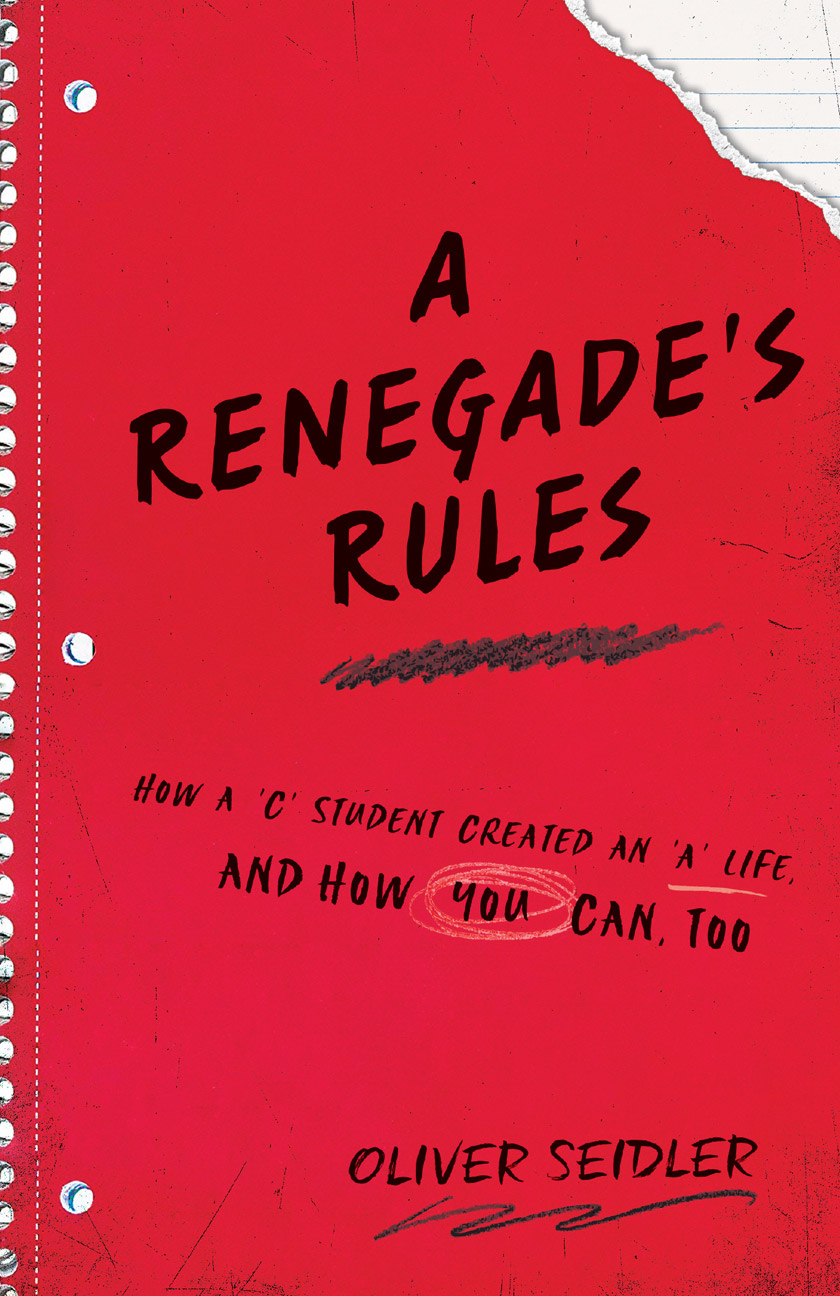
Oliver Seidler: A Renegade's Rules: How a C-student Created an A-life and How You Can Too
Read the full transcript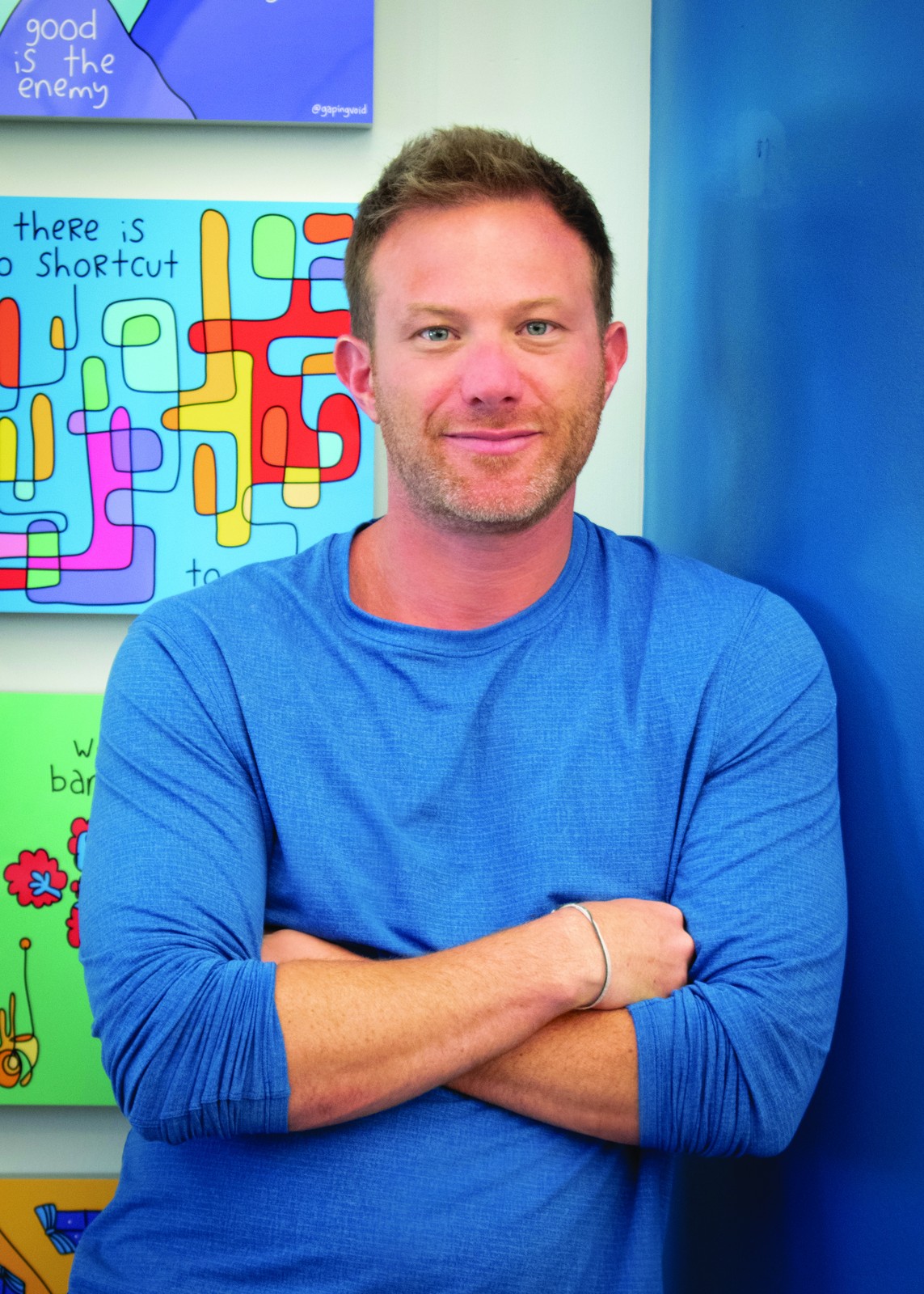
Oliver Seidler
Oliver Seidler is the co-founder and CEO of PropertyForce, an industry-leading real estate investment company focused on culture and employee success. After quickly becoming a top producer in real estate, Oliver started his own company in 2006. He weathered the recession and extended PropertyForce’s reach outside of Florida in 2017, with future expansion plans in the works. Aside from work, Seidler mentors young businesspeople, invests in startups, and works with Boys and Girls Clubs of America. He has a master’s degree in Entrepreneurship from The Birthing of Giants program at MIT and is a member of EO and YPO.
📚 Books by Oliver Seidler
Transcript
[0:00:31] JB: You don’t need book smarts or traditional schooling success to succeed. Oliver Seidler, real estate entrepreneur and founder and CEO of the company property force is a testament to that. His new book is, A Renegade’s Rules: How a C-student Created an A-life and How You Can Too, on Author Hour today, he shares some of his hustle, discussing the power of resilience, the importance of succeeding incrementally and how sometimes all it takes is being the last person standing. Hi Author Hour listeners, I’m here today with Oliver Seidler, author of A Renegade’s Rules: How a C-student Created an A-life and How You Can Too. Oliver, thank you so much for being with us today.
[0:01:13] Oliver Seidler: No problem, thanks for having me.
[0:01:15] JB: Why is it important for readers to understand that you are a C-student?
[0:01:20] Oliver Seidler: I think it’s most important to understand that I was a C-student because I was a C-student and I think why I wrote this book and a big motivator behind me was just to be able to inspire people who might not necessarily have gotten good grades or got off to what would be considered by most in their early years of school. They might not have been considered by most as the most successful in school and that they still could have the confidence to create an A-life and I think a lot of the people who were C-students might have just not had the interest in school, might have just been more street-smart or whatever it is and just not to let that be the dictating factor of what the rest of your life would have to be like.
[0:02:00] JB: Yeah, I love this that you write about a sign that you hang in your business that lists all of the things that people can use to succeed, they don’t have anything to do with any kind of inborn talent, is that right?
[0:02:13] Oliver Seidler: Yeah, correct.
[0:02:14] JB: Tell us about that, will you?
[0:02:16] Oliver Seidler: It’s actually a sign that I saw that’s pretty popular. I saw it one time on Facebook just scrolling through and you know. I mean, there’s things on it about waking up early, hard work, showing up ready to go, different things like that on it, it’s just caught my eye and we ended up ordering that sign because I really do think that everybody has a level playing field as far as that stuff goes and just coming with your best foot forward is something that anybody can do and it’s just kind of been a motto and something that we go by in our company and people who bring all of that hard work that not maybe not natural talent or whatever it is to the table every day, we do our best to make sure that they work out in our company and 90% of the time, people who bring all that do.
[0:03:02] JB: This is a book about many things but definitely, it’s a book about hustle and drive and your story is really inspiring in that regard. You write about the importance of craving to succeed and you describe yourself as burning inside. How is this different from the way we typically think about drive or, finding motivation?
[0:03:23] Oliver Seidler: Well, I think that if you kind of have that attitude of, “No matter what happens, I’m going to push through this” and you just have that drive and I think maybe some people have it more natural than others but I think that anybody can kind of create that drive within them and when you have that, I think you can overcome whatever’s put in your way. I might tell a lot of people, all the time, I mean, I’m not competing against everybody. I’m probably competing against five to 10% of people because I’m willing to outwork them and willing to just be the last person standing. I think a lot of times, that’s really what it is. It’s just having the grit, having the hard work, having that crave to succeed and just overcoming adversity because there is, no matter what, going to be adversity, especially when doing anything worthwhile or challenging and just being able to really outlast the competition or be that last person standing, it really narrows down the playing field to other people who will be those last people standing, because most people hit some kind of adversity and if they don’t have that drive or that crave or whatever it is, they’ll quit. I think that’s good for people like me or other people who have a lot of drive because they won’t quit.
[0:04:36] JB: Let’s fast-forward a little bit and tell our listeners where you’ve wound up? Tell us about your business?
[0:04:43] Oliver Seidler: You know, right now, started the business in 2006 with a business partner, we went through a lot of ups and downs. The book talks a lot about that and right now, I’m sitting in a really good place, the company is probably within the top five wholesale real estate companies in the country, it’s around 40 people and have a really good president and executive team, really running the day to day of the company and I’m serving as kind of the technical expert and visionary for the company, which has allowed me to work a really nice schedule around my times, mostly it’s around 7:30 in the morning ‘till around noon 1:00. Then kind of get on with my day and do personal interest and things like that and as well as travel a lot, I’ve been working remote while I’ve been traveling and I’m in a really good spot right now but last year was really tough and had to really get in there and grind through COVID and I know that there will be other challenges in the future. Right now, I’m sitting in a very good place, enjoying like a really good work-life balance, traveling, dialing into the company and bringing that technical expertise and that visionary leadership but also getting out of the way and letting the executive team I have right now scale the company up to the next level.
[0:05:57] JB: That says so much about your perspective that you remind yourself to focus on the fact that things are good right now. That could change at any minute and working in real estate, there are a lot of ups and downs and your book catalogs some of them. It also speaks to resiliency, which you write about. Why is that so important in life and especially in real estate?
[0:06:19] Oliver Seidler: I think that one of the things that a book that I read called Great By Choice talks about is productive paranoia and any CEO or good CEO should always be paranoid no matter how good things are going. It’s always just kind of being productively paranoid, not overly negative or anything like that but being realistic and you know, looking for pitfalls, trying to be proactive and seeing those pitfalls before they happen. That’s something I took from that book and probably already naturally did but now I’m a little bit more conscious about the way that I do it. As far as kind of goes back to the question you asked before about the craving and the drive, you know, I know that no matter what happens, I’ll be able to dig in and if I have to work 60, 70 hours a week or wake up at 4:00 in the morning to overcome whatever changes, whether that be in the market, an unexpected, you know, business situation, whatever it is that I will push through it no matter what and bring those 10 things that that poster talks about and just outwork everybody, outlast everybody and push through whatever that next adversity will be, which will come because over the 15 years we’ve been in business, I mean, there’s just thing after thing and as you get through more of them, most recently, COVID. Get stronger, you’ve seen situations before. It does make it a little bit easier to get through the next adversity that comes but you know, you combine that with the hard work, the drive and never give up, gritty type of an attitude and you can kind of get through it, whatever.
[0:07:52] JB: You write that you learn resilience from your father’s business as well as from your ancestors, can you tell us more about that?
[0:08:00] Oliver Seidler: With my father’s business, we started off when I was young with really no money and him being an entrepreneur starting from scratch, then gaining some traction, making some money, then the business is – there was a recession in around 1990, that savings and loan. They almost went out of business at that point with the downsized houses. Take away a lot of just expenses that weren’t necessities and yeah, downsize and then I saw him and his business partner work through that and on the other side of that have real success past that. I think seeing that happen and the struggles and the hard work through that as well as having opportunities and having nice experiences in life and nice things and then having that taken away kind of gave me that drive to say, “I don’t’ want to ever lose this, I don’t ever lose my lifestyle or have to downsize my lifestyle” so that’s a definitely big driver and as far as ancestry, I think it’s – I’m Jewish and I think that these Jewish people in general have overcome tons of adversity and they’re a tribe that’s been persecuted and pushed out of different countries over the course of time, they didn’t have the country of Israel until the 1940s. I think no matter what, that kind of life or whatever it is for the Jewish people probably taught all kinds of lessons of adversity and I’m sure that’s just been kind of passed down because if you're new to a land or you have to move to somewhere, you have to figure out how to get by and if you’re persecuted again like that over and over and over, you got to kind of figure out how to push through that. Again, I think that’s just probably pushed down from generations to generation.
[0:09:40] JB: You have certainly overcome adversity in your career as your story tells and side note listeners, it’s, in addition to lots of advice, there’s some really fun storytelling. Not least about your first job in real estate which sounded a little terrifying. You eventually struck out on your own, launching a business with a friend and then the housing market crashed, what happened? Not with why the housing market crashed but what happened with your business.
[0:10:10] Oliver Seidler: Yeah, there’s a lot behind that but you know, when I got out of college, I really didn’t know what I was going to do, I just knew that at some point, I wanted to own my own business and so I went to work for this company for two years and it was in the height of the boom when I got out of college in 2004 and so I was new to real estate, new to the business world, the professional world and all I saw was this crazy market. Had success in that company and that company had a lot of success riding that kind of upswing. And then, there were some things that the company was doing that just weren’t really above board and not what I wanted to put my future into. I had a friend from college who was working at an accounting firm, that also kind of wanted more than just being the typical accountant. We both bought a house, fixed it up, sold it, used some of that money and other money we had to start our business in the beginning of 2006 and we were off to the races and we started to grow actually pretty quickly and then, the subprime market crashed out from underneath us in the middle of 2007 and it was a crazy time because we really didn’t have much business experience, neither of us went to fancy schools or got MBA’s or anything like that so we were, a lot of times, learning on the fly and you know, it’s the worst housing crash ever. So, to get through that I mean, I think we just like, put our head down every single day and just withstand blow after blow, got really creative with deal making. You know, got our hands dirty just did whatever we needed to do to make profits and make money to keep the doors open, let alone profits, I mean, just to keep the doors open but somehow each year through that whole thing, we actually even profited but there was times where we drained our bank accounts. We thought we would want to give up and one of us would want to give up and that the other one would kind of push through and it would kind of a little bit like seesaw like that until finally, we just kept grinding, kept pushing, changed some direction in the business and then in the middle of 2009, the market leveled out at the bottom. Hedge funds started to come in and buy these houses and things like that and then pretty much I would say 90% of our competition had run out of business and then we had a really nice run from 2009 to say 2014 or ’15 with really not much competition and got a huge payoff.
[0:12:31] JB: Because you were one of the last ones standing.
[0:12:34] Oliver Seidler: Yeah, really one of the only – the last one standing. Everybody I knew from that other company that I worked for, they went out of business. Most of the people who are peers of mine or even bosses of mine or whatever it is or older people who had been in real estate longer, yeah, they were all cleared out of the market sometime between 2007 and 2009 and then a lot of them had moved onto different things and so we had a really clear field basically.
[0:13:02] JB: Part of why you were able to stay alive is because you didn’t have empty buildings, is that right? Part of your strategy has been to only invest in properties that you could rent immediately, is that right?
[0:13:16] Oliver Seidler: Yeah. Well, my business partner and I had flipped one property in 2005 or ’06 right before we started our business and after that, we never bought any properties ourselves just because the prices of the properties were too high and if you couldn’t fix them up and resell them, you wouldn’t be able to rent them out and cover your expenses, which I think is the most fundamental rule of real estate is just being able to cover your expenses with the rent and if you can’t do that and you get stuck with the property, you’re in trouble. We never closed on anything or held inventory or fixed up properties ourselves and stayed very lean until the middle of 2009 when all of a sudden we could buy a house for 50 or $60,000 and rented out for 1200 a month, which is around 14 or 15% return then we started buying houses ourselves and building a rental portfolio but we had to wait a long time until the market allowed for us to do that.
[0:14:14] JB: How has the experience you went through weathering the storm and coming back strong affected the way you do business since?
[0:14:24] Oliver Seidler: I think in some ways, you know really looking back on it especially how much the stock market has gone up and the real estate market has gone up, it might have hurt a little bit in the long term because I’ve been always so scared of a crash and just have that, you know, what happened and watching everybody go out of business and everybody lose all their money and all that kind of stuff, it’s such like so ingrained into me that that could happen because it did happen. It’s definitely made me always want to kind of stay lean as far as owning too much assets and especially buying things that are overinflated like what I believe the market is right now, the stock market, the real estate market. As we speak, Bitcoin just went from 65,000 to 30,000 because I think that was inflated as well. I think it’s probably affected me on some short-term gains and things like that that I could have made it if I would have rode this really big highs, but I’m more into things for like, the long-term and the long-term success, and really having a foundation. I think with that, it’s helped me but also just never taking my eye off the prize or just being productively paranoid I guess, like I talked about before because you know, anything can happen. I don’t think anybody would have guessed the market would have crashed that bad in 2007 and ’08 but it did and you know, that can happen again and so just always being on the lookout for that and making sure you’re prepared for it but like I said, each time you kind of overcome these different adversities. You’ve seen a lot of stuff that you now have the experience to help you to get through the next one.
[0:15:57] JB: This is reminding me of a story you tell in the book about going to dinner one night with your dad, one of his friends was there and gave you advice. He said, “Don’t be in such a rush to conquer the world. Work hard, be the best at everything you do and be cool with getting there incrementally step-by-step.”
[0:16:18] Oliver Seidler: Yeah and I think that’s kind of what I was alluding to is that long term stance on building cash flow, passive income and all that stuff has definitely been a main thing from seeing what happened to all the people who were kind of doing the short-term flipping before and yeah, what he said, he is one of the top cardiologist in LA and you know, I was just talking to him at this dinner and I was like 20 or 21 or something else. “Look, I am going to conquer the world. I’m going to be a millionaire” all of this different stuff and he was just kind of like, “You know, look, I’m sure you will. You’re super ambitious and smart but don’t be in such a rush. You know, take things incrementally as they come” and he was saying, “You know, look at all of these actors and rockstars and sports athletes” and stuff like that who just got these huge paydays or contracts all of a sudden and they experience everything so quickly. All the pleasures or all the fruits of success happened so quickly that they turned to drugs and alcohol and all of these things because they need that high and that he had come from nothing in New York and built his way up to being this top cardiologist in LA but it took 30 years or something like that to do and to just not be in such a rush because you can then enjoy each step along the way and then it’s going to I think build for more solid foundation not just financially but for yourself as well.
[0:17:42] JB: Tell me if this is right or not because I’m not in real estate but it seems like a business that’s really driven by risk, making big moves. Is it rare for someone like you to be in real estate to have this outlook of moving incrementally?
[0:17:59] Oliver Seidler: No, I don’t think so. I mean, I think there’s two parts or two people who could become really successful in real estate. I think it’s the developer, somebody who takes a big risk on a project and then makes a huge payday if it hits and it works and the market conditions stay good throughout that and then you have people who are flippers, you know, fixing up properties and reselling them. To me, that’s a job and that’s what their job is, to fix them up but I think the most successful people are the people who build passive income and that takes time. I don’t really think it’s big moves, you know? It’s just buying one house, then two houses, then three houses and then maybe an apartment building. It is really not much different than monopoly and that does take time. I mean it does take time to acquire those assets and then to get that cash flow coming in but I think once you kind of have that, it just builds such a foundation for money coming in forever and so for me, we owned a bunch of rental properties and they’re hard to manage especially with running a business as well and I wanted everything to be focused on our business. For me, instead of, we sold all of those rental properties when my partner and I split up and now, what I personally do is I invest in lending money to people and private lending and to me, that provides a nice passive income stream and it doesn’t take too much of my time so I can focus on the business and really growing that but I do think at the end of the day, yes, there is people who can make big moves and sometimes they hit. Sometimes they get burned but then there’s other people who are really building that passive income incrementally. I think at the end to the day to me, that’s the route I wanted to take and I do think that people who do that, they really at the end of the day create this most solid foundation and have the most money but it does take time.
[0:19:45] JB: What do you most want readers to take away from your book?
[0:19:49] Oliver Seidler: Well, I think the overarching theme is, is that you don’t have to necessarily I guess start off being super successful in school because there’s a lot of stuff that school teaches you doesn’t really have any life – stuff to serve you in your life. You are measured on that when you’re younger is, how good are you in school and I wasn’t good in school and I think I created a really good life and that anybody can do that and so just in the overarching way like I said, it’s just an inspirational type of a thing to look at it and say, “Hey, I can do that too.” Hey, maybe there is an alternative path than the typical go to school, go to college, get the regular nine-to-five job and for that person who’s maybe sitting there saying, “Wow, everybody around me is telling me that I should go to school, get a regular job” and all that stuff but they’re thinking, “Well, maybe there’s a different way” and maybe this reaches that person who says like, “Okay, yeah. This does line up with what I’m thinking.” It is possible and everybody is telling me and around me that it isn’t and maybe they get a hold of this book and see that it is and then secondly, it’s just that people who are reading it, maybe they take one lesson from it. Like you said, the book is written with a series of short stories and a lesson from each story that’s not just for the person who has their own business or wants to start their own business but really for anybody, a lesson pulled from it, maybe somebody reads it and gets one lesson, two lessons from it that stick with them, you know it’s a success.
[0:21:18] JB: Great, thank you so much. It’s been a pleasure speaking with you Oliver. Again listeners, the book is, A Renegade’s Rules: How a C-student created an A-life and how you can too. Oliver, in addition to reading the book, where can people go to learn more about you and your work?
[0:21:33] Oliver Seidler: Honestly, I think the best right now for us is Instagram. That’s where most of our people who work for us and stuff like that are very into and on, so we’ve really taken that platform and pushed it a lot and so my personal Instagram is @oliverseidler_ and our company’s is Property Force. I think, you know, get in there, follow us, follow me, whatever it is and from there, that leads into other places and other things you can check out on me or my company.
[0:22:01] JB: Great, that’s @oliverseidler_ and @propertyforce. Thank you so much.
[0:22:07] Oliver Seidler: No problem. Thank you for having me.
[0:22:10] JB: Thanks for joining us for this episode of The Author Hour Podcast. You can get Oliver Seidler’s book, A Renegade’s Rules: How a C-student created an A-life and how you can too, on Amazon. You can also find a transcript of this episode as well as previous episodes on our website, authorhour.co. Make sure to subscribe to The Author Hour Podcast for more interviews and insights into life-changing books.
Want to Write Your Own Book?
Scribe has helped over 2,000 authors turn their expertise into published books.
Schedule a Free Consult