Jeffrey Tanenhaus: West of Wheeling: How I Quit My Job, Broke the Law & Biked to a Better Life
Read the full transcript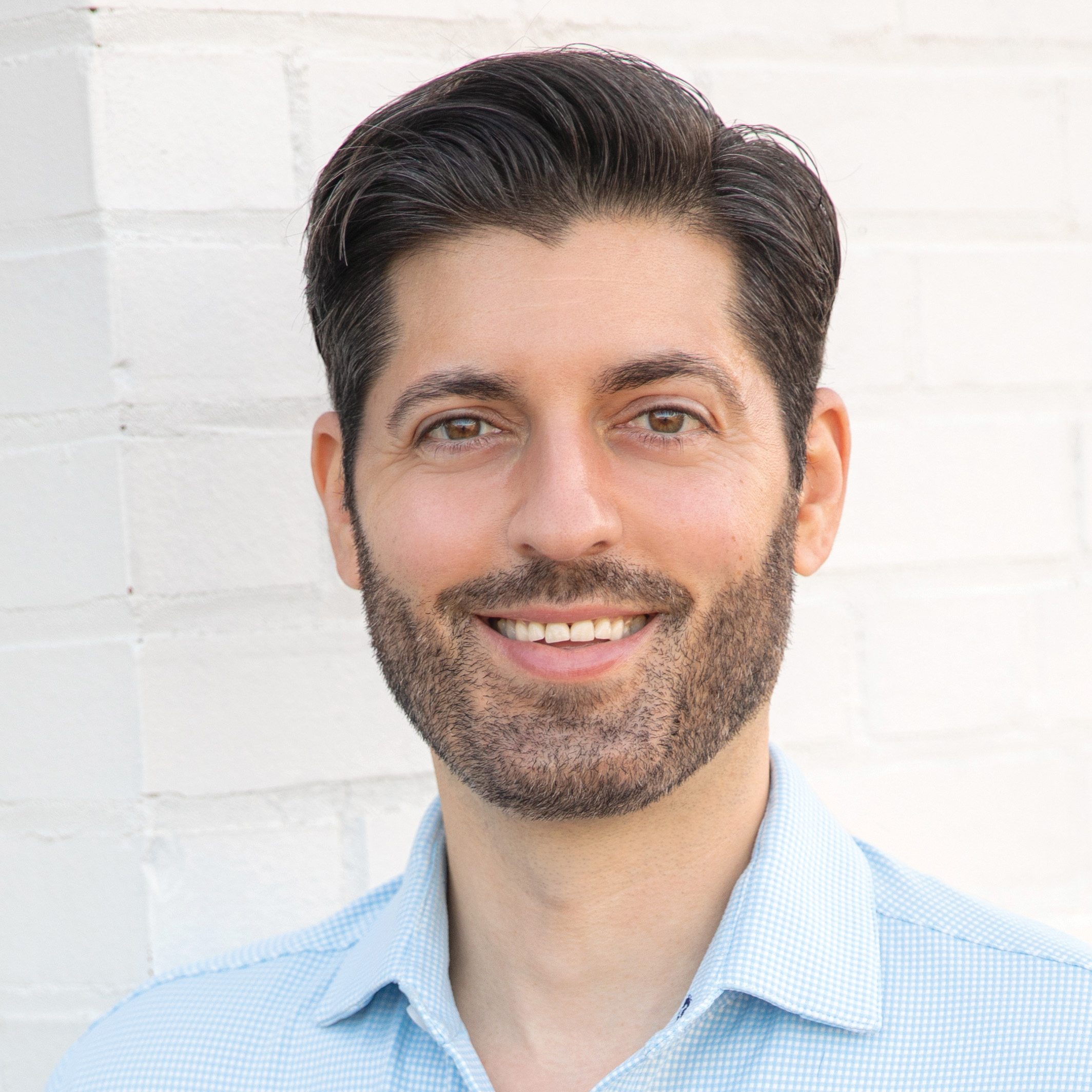
Jeffrey Tanenhaus
Jeffrey Tanenhaus is the first person to cross a continent by bike share. The native New Yorker broke away from the rat race to ride a Citi Bike 3,020 miles from Manhattan to Los Angeles. Jeffrey now lives with his two bikes in Tulsa, where he gives city tours. Connect with him at countribike.com.
📚 Books by Jeffrey Tanenhaus
Transcript
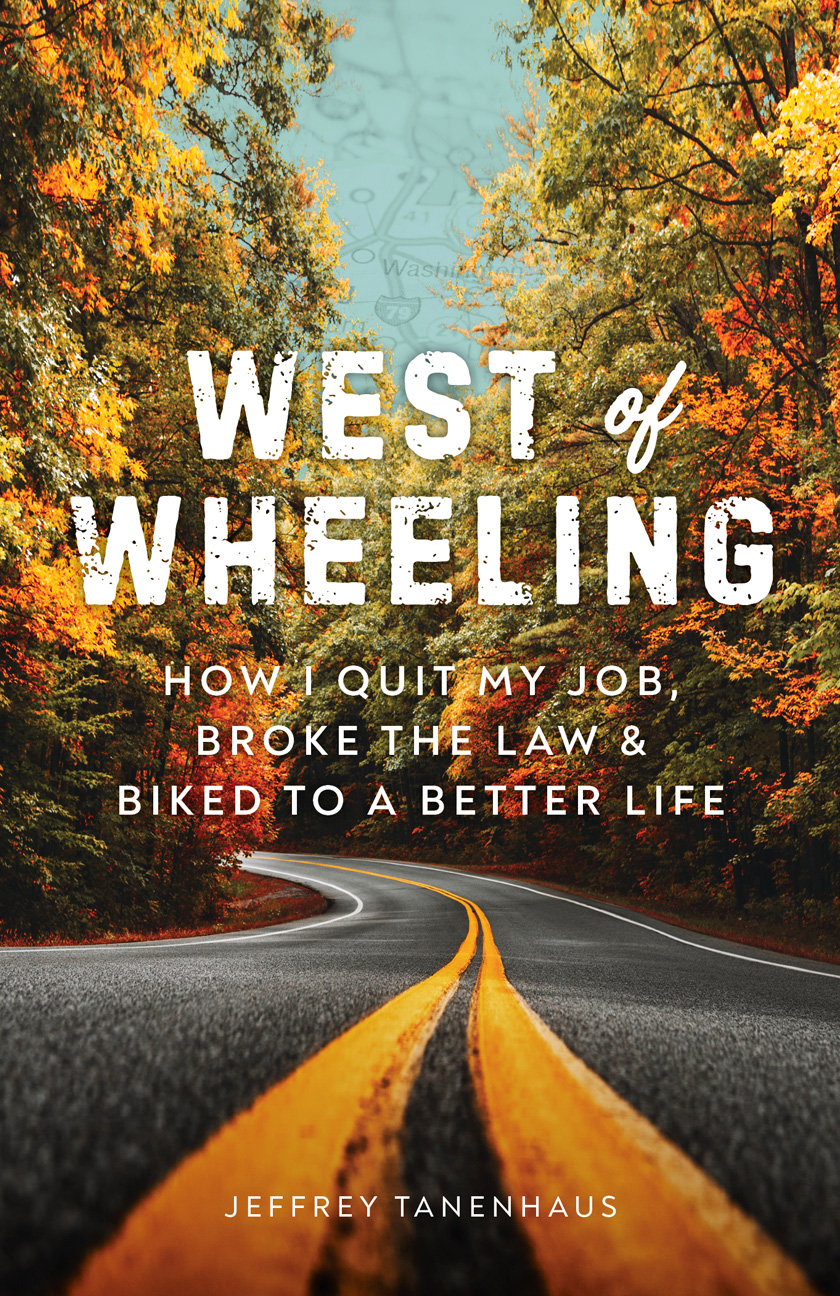
[0:00:31] JB: While living and working in Manhattan, Jeffrey Tanenhaus realized that the only part of his life he really loved was his bike commute, so he turned his bike commute into his life. He spent five months riding all the way from New York to Santa Monica California on a rideshare commuter bike. Now he’s written a book about it, West of Wheeling: How I Quit My Job, Broke the Law & Biked to a Better Life. On Author Hour today, Jeffrey shares what motivated him to hit the road, tells us some of the adventures he had along the way, and shares what it felt like when he finally reached the Pacific Ocean. Hi, Author Hour listeners. I’m here today with Jeffrey Tanenhaus, author of West of Wheeling: How I Quit My Job, Broke the Law & Biked to a Better Life. Jeffrey, thank you so much for being with us today.
[0:01:25] Jeffrey Tanenhaus: Thank you, I’m happy to be here.
[0:01:26] JB: Okay, first, please tell our listeners what a Citi Bike is.
[0:01:31] Jeffrey Tanenhaus: Sure. Citi Bikes are rental bikes, a lot of large cities have fleets of one-way rental bikes called bike-sharing. They’re often named after different corporate sponsors and Citibank was the sponsor of what started as 6,000 rental bikes back in 2014 and now the program has grown quite considerably. These are great for New Yorkers to just take point-to-point when they need wheels.
[0:02:02] JB: It’s been great marketing for Citibank I imagine, especially after all the press you got for what you’ve done, which we’re going to get into. You’re only allowed to have these bikes for 45 minutes per trip but then you decided to take one and ride it across the country to California. My first question is, why?
[0:02:24] Jeffrey Tanenhaus: That is a good question and a common question. The short way I can describe it is that the best part of my job was bike commuting to work, so I quit the job and kept commuting.
[0:02:38] JB: You planned in advance because obviously this is a big trip, it requires a lot of logistics including stealing a bike, essentially.
[0:02:50] Jeffrey Tanenhaus: Well, I would push back a little on that, but continue.
[0:02:52] JB: No, please, let’s hear.
[0:02:55] Jeffrey Tanenhaus: The bike was fully paid for. I had an annual membership at the time and that’s correct, 45 minutes, you get until overtime fees kick in but if you don’t return it or you return it or I should say, return it late, they will charge you based on every 15 minutes or so that you don’t return it, but those fees do max out after 24 hours. I did read the fine print and did actually contact them beforehand saying, “Hey, I’ve got this crazy idea, can I do this if I pay for it?” kind of thing. They were not interested in my proposal and I was pretty convinced that this was actually what I wanted to do at the time, that this was the life change I needed, and did it anyway, but when I undocked the bike and did not return it, sure enough, their system charged my credit card for the max amount. I did pay for the bike, so when you steal something, you’re usually not paying for it. I did break the law and break their terms and conditions but they were fully compensated as they wanted to be for it, and they never asked for it back.
[0:04:03] JB: Well, that is an important distinction, thank you for clarifying. Before we get into the ride across the country and the adventure that it was, judging from the way you write about New York City, you really loved it. You hated the rat race, but tell me was it hard to leave New York?
[0:04:22] Jeffrey Tanenhaus: It was, I was born in Manhattan and I grew up in the suburbs so New York City was really the New York metro area was what I knew. I’ve been fortunate to have traveled abroad in college, studied abroad and so I’ve spent some time overseas but I never really traveled as an adult in the United States. I didn’t think I really needed to. In New York, you have everything. That’s where my life was centered, that’s where my friends were and that’s where my jobs were. Eventually, the career path that I was on was just no longer working for me and I didn’t know what to do. I was very curious as to what else was out there, how other people lived in the United States and some of these cities that I would have never considered visiting because when you're in New York, why do you need to go to Cincinnati or Pittsburg or places like that? It was hard for me to leave what I had known, but also, it was necessary for me to leave and that’s why I decided I needed to get out of there. Because I knew biking so well, bike commuting on the Citi Bikes, that’s what I took to work every day and what I rode home on. I felt that that particular bike, the Citi Bike, was what gave me a sense of stability at a time of my life when I was very unstable, the future was uncertain. I was very unhappy in my professional and personal life. I was like, “This blue rental bike is like the only thing that’s making me happy right now.” It’s the only way I feel kind of connected and I was like, “Let me take this and see what else is out there.” I don’t know how far I’ll get but I knew that the bikes were very sturdy. I’m not a big cyclist, I’ve never really biked outside of New York City before, but I have done a lot of travelling so I saw this as more of a travel challenge, rather than a bicycling challenge. That’s how I approached it, as a travel challenge and just, kind of, one day at a time kind of thing rather than worrying about how am I going to get to Los Angeles.
[0:06:27] JB: Your Citi Bike was your ride or die, kind of – I mean, I love what you were just saying about how it provided stability for you because they are very heavy and they don’t have all of the different gears and speeds that a professional cyclist might have chosen to take across the country but you were like, “No, Citi Bike. Citi Bike and I are doing this together.”
[0:06:50] Jeffrey Tanenhaus: Pretty much. I named it ‘Countri Bike’, once it leaves the city, it became a country bike and since Citi Bike is spelled with an ‘I’, I decided to play with that a little bit and you're right. This was the absolute, probably the worst choice for a bike to go long distance. It was not geared for long distance, there were not bolts on the frame for me to attach panniers or saddle bags. I had to get a little bit crafty with taking my life on the road and doing something that had never been done before but, you know, that’s not why I did it. It wasn’t like I woke up and I was like, “Nobody’s done this before, let me get into the book of world records of crossing a country on a bike share.” It was, “Actually, this bike is like – I know it very well, I feel a kinship to this kind of bike. It’s been my happy place, I pedal around the city and discover new things,” and just sort of just really to clear my mind. Often, I didn’t even have a destination. I just would use it to clear my mind and focus on the present because when you’re biking in a place like New York City, you don’t have time to think about the failures of the past or the uncertainties of the future, you're worried about making it alive through the next intersection.
[0:08:04] JB: Yeah, that will force you into the moment, huh?
[0:08:05] Jeffrey Tanenhaus: Yeah.
[0:08:06] JB: Let’s get into it, you’re on the road in open country across America, you met so many incredible characters along the way because you were staying with people, right? You also did some camping, how did you approach kind of the logistics of this trip?
[0:08:21] Jeffrey Tanenhaus: Yeah, the logistics are what I thrive on, both as a traveler and as a former event planner, that was the career that I left behind so it was very much about logistics and planning. I found a network of bicycle hosts, it’s similar to couch surfing and it’s on a website called Warm Showers which sounds a little bit kinky but it’s not and it’s essentially couch surfing for cyclists and you can email people in different places and see if they will put you up for a night for free and it is this reciprocal hospitality. For the first couple of nights, I was able to find places along my route, that sort of also how I planned the route was to see where I could stay for free. If there was not a host available and there was something – campsite, I could try that or if not, then sort of the cheapest but least creepy motel.
[0:09:18] JB: Yeah, you had, I might be misremembering the number but like $6,000, is that right?
[0:09:23] Jeffrey Tanenhaus: Yeah, I did end up saving up for this trip. The chapter of my life at the time was coming to a close. I had already agreed to leave my event planning job and also the lease of my apartment was also ending. I knew that I was not going to renew it because the only way I could do that would be get another job and I didn’t want to keep working in event planning. Just sort of let everything go by the wayside but right before I left, I was still working for two months but not paying rent because my lease had expired. Essentially, I was couch surfing with friends or doing Airbnb or wherever I could find some place for the night for essentially two months. I was able to rack up the savings because I was still on a salary job but not paying rent.
[0:10:10] JB: How long did it take you to take it across the country?
[0:10:12] Jeffrey Tanenhaus: Five months of noncontinuous riding. I would go someplace, maybe I would just spend the night but if I would get to a larger city, I’d want to explore and meet likeminded people and would stay three, five, maybe six days.
[0:10:26] JB: Can you tell us some of the highlights, some of your favorite places you experienced?
[0:10:30] Jeffrey Tanenhaus: Absolutely. One of the reasons I was doing this was to figure out kind of what I wanted to do in life, this was a pre-midlife crisis and also maybe, a change of scenery. Maybe New York was no longer the place I needed to be and I was curious how other people lived. Some maybe smaller, more manageable cities and those that I really enjoyed were Pittsburg, Cincinnati, Tulsa, and also, I really liked Santa Monica at the very end but that was a little close to the ‘too big city’ life to Los Angeles but as a New Yorker, I was trained to hate on Los Angeles but I quite liked LA.
[0:11:07] JB: Yes, the age-old rivalry that really shouldn’t exist. Sorry, go on.
[0:11:13] Jeffrey Tanenhaus: I was going to say, there’s that famous New Yorker cartoon of New York City, the Hudson River and then there’s like nothing and then there’s Los Angeles, right? That’s sort of the mindset of probably Angelinos and New Yorkers. Who needs anything in the middle when we have our two cities and I think more recently, especially after the pandemic, people are thinking of like, “Maybe I don’t need to be in a big city to work, I can go move somewhere smaller?” I sort of was doing this before remote was so popular and just auditioning different cities along the way, some of those that I mentioned were places I really liked but they’re also – you know, fascinating small towns that I maybe spent an hour or a night in. Places that were off the beaten path because I was taking back roads and the road less traveled and it’s a fascinating country out there.
[0:12:07] JB: You mentioned Tulsa and it’s especially interesting that it became one of your favorite cities considering what happened to you there. Can you tell our readers? Listeners, excuse me.
[0:12:19] Jeffrey Tanenhaus: Yes, I happened upon Tulsa, Oklahoma. I’ve never been to Oklahoma before, never knew anybody from Oklahoma, didn’t know anything about it really, other than maybe there is oil. It passed through the entire state because it was literally in the way, it was on route 66, which I was following. I did not know what to expect and was pleasantly surprised at what I saw. The downtown of Tulsa has a number of historic skyscrapers and I had also done some tour guiding in New York. I appreciate history and architecture and the skyline immediately was interesting to me. I thought I didn’t think anything would be here but they’re these historic buildings. This place must have been important at one time. Yet, the downtown was a ghost town and I had passed through cities like Pittsburg and Cincinnati and Louisville that had also had their downtowns hollowed out and then were beginning to rebound the hipster millennials recolonizing the downtown and making those places fun again. In Tulsa, that wasn’t happening and I was just curious of why has nobody done anything downtown. Downtown is totally dead and I’d study geography in college which is a study of people and places, I was just fascinated and I was like, “Well, there’s so much history here, this is clearly important place. What happened? Why is there nobody here anymore? Maybe this is where I should move and start a business.” There is that potential that I saw in Tulsa and then I kept going. I also met some really great people here. I think that was the key. Had I not met anybody in Tulsa, I would have just kept going, thinking, you know what? They’re really behind and I hope they figure it out like some of these other cities have. While I was here, I got connected into certain bicycle circles and found the people to be just wonderful. They were just so interested in what I was doing, they were genuine, they were supportive, very approachable until the day I left and I met one pretty nasty guy on the outskirts of town and was attacked in a rather unprovoked incident and I ended up in the emergency room getting stitches and returned to Tulsa to recover. At which point, the local news had heard about this and I became Tulsa-famous in part because I said really nice things about the city. I mean, it’s really just every – it was just another bad news story here, New Yorker, biking cross country is assaulted, punched in the face in outside of Tulsa and instead of it being a bad news story, I said really complimentary things about Tulsa. I was like, “Actually, I really like it here. The people are nice and I’m sorry that this incident happened” but Tulsa has been one of my favorite places so far and people remember that. To this day, you can talk to Tulsans and they were like, “Do you remember that guy who got mugged?” I wasn’t mugged. I was just punched in the face and they say, “Yeah, yeah that story” and people just remember that as like a bad news story that had kind of a good ending.
[0:15:25] JB: You have an opportunity to return to that story with locals because spoiler alert, you have wound up settling in Tulsa, right, and building a business there?
[0:15:37] Jeffrey Tanenhaus: That is correct, so after the ride of 3,000 miles, I got to Los Angeles and was thinking, “Okay, what next? What am I going to do and where do I want to do it?” and I thought that Tulsa really had the most potential of the cities that I saw. It needed the most help and I needed some help too. I was like, “I need a new home” and Tulsa needs more people that are passionate about things and so I decided to move there. It was in late 2016 and it was about exactly, I timed it exactly right. I mean it was the one year after I left with the city life was when I got to the keys to my first Tulsa apartment and it was still kind of under the radar city. Now, in recent years it has made national news for it’s Tulsa-remote program. They now paid people $10,000 to move here. I would certainly not mind a check but I came here on my own and then also with the sentential of the Tulsa Race Massacre has also put the city on the national radar. It has been talked about a lot more but at the time that I moved here, it was certainly a little bit obscure.
[0:16:50] JB: There’s more to be said about what you’re doing now but I want to back up a little bit. You mentioned that you made the news when you got punched in the face, but you were making the news throughout because of this quirky thing you were doing. When did the press start becoming interested in your story?
[0:17:08] Jeffrey Tanenhaus: Yeah, this was a great study in how press works and I used to do some – I had worked on the newspaper in college and maybe some freelance travel writing when I was living in Brooklyn but it was really interesting to see how the story got picked up. It was first, I did an interview with a local blogger in New York that had something to do with bicycles called Velojoy and that was kind of a Q&A written blog post that she did with me, the founder of the site and then that got picked up on a bicycle forum in New York City that New York Post reporter was monitoring that site. Sure enough, after a couple of days later, I am not bicycling through the woods of Pennsylvania, I get a call from a blocked number and I am so lonely out there like I answer it because I was like, “I don’t know who’s calling, maybe it’s like a telemarketer or something, like somebody to talk to?” Sure enough, it was a reporter for the New York Post who have heard that I was doing this thing on a Citi Bike and the New York Post, which I do enjoy reading for entertainment value is a tabloid and they decidedly are anti-bicycle so I was a little bit worried that I was now going to be officially labelled a criminal and a thief and all of that. The story that they ran was rather heroic of like this guy doing a Forest Gump thing on a Citi Bike and then once that got published, the next morning I had requests for interviews from radio stations and other media that picked up on it. You could sort of see the flow of it kind of growing and then things really quieted down and nobody really contacted me up until I got punched in the face outside of Tulsa and then, of course, if it bleeds it leads and people became very interested in the tabloids and New York were very interested in this. Once again, the story sort of not spiraled out of control but I lost the narrative of it because people are not focused on what I was doing and why I was doing it. They just want to know how I was attacked on a bicycle and that brought some bad publicity for Tulsa, which I had kind of liked and I was like, “New Yorkers already think that Oklahoma is so backwards” and sure enough, you know, a redneck and a pick-up truck, career criminal is a pretty nasty rap sheet attacks me. This is every stereotype fulfilled, even my father warned me about being attacked by somebody on meth in one of the flyover states and sure enough, that’s what happens. There was some press there and then finally, there was a third round of press not at the very end, which you would think like, “Oh I made it” but when I crossed into California, I had not quite made it. There were still more than 200 very hard miles to go through Eastern California, if you have ever been out there, you know east of Joshua Tree it’s the desert. The fact that I had made it to California was again, was the New York Post was following my journey and decided to run a story that like, “Hey, that Citi Biker guy, remember four or five months ago? Well, he actually made it to California” and then that inspired another round of some interviews, so that’s sort of how it went and then at the very end, The Late Show with Stephen Colbert, contacted me and I ended up going on his program.
[0:20:21] JB: Then heartbreakingly, it never ran.
[0:20:24] Jeffrey Tanenhaus: Yes, that’s explained in the book that my segment was taped but it was never aired and so I talked a little bit about that. I was on the show but nobody saw it.
[0:20:36] JB: Tell me, what did it feel like when you get to Santa Monica?
[0:20:40] Jeffrey Tanenhaus: It didn’t really feel real. I mean I had been on the bike for so long and I remember seeing the water for the first time. I was still about two miles away. We did a group ride with a bike sharing company in Santa Monica. It was a really nice way to end the ride that a bunch of other cyclists came out to join me. We did a group ride and I just remember seeing the ocean glittering in the late afternoon sunlight and just kind of a lump in your throat and your stomach of like, “Gosh, that’s the other ocean. You know, that’s the water like there is no more miles to go here, this is it! This ride is over, I actually finished this thing!” So it was a bit emotional but at the same time, I was surrounded by all of these people and I just wanted to be alone because that is how I spent most of the journey and so in fact, in the days that followed, I spent a couple of days in Santa Monica. I sort of redid the end just myself because I was like, “Yeah, I just want to kind of finish it just alone.” I certainly enjoyed the camaraderie that came at the end of the ride and you know, this handlebar happy hour that ensued and that was a really fun time too but I just wanted to experience it as if maybe nobody had known about my journey and I was just finishing this for me.
[0:22:00] JB: Well, Jeffrey, it’s been a pleasure speaking with you. Thank you for sharing your story with us. Again, listeners, the book is, West of Wheeling: How I Quit My Job, Broke the Law & Biked to a Better Life. Jeffrey, in addition to reading the book, where can people go to learn more about you and your work?
[0:22:18] Jeffrey Tanenhaus: Sure. If they go to countribike.com, that will point them in the right direction.
[0:22:24] JB: That’s countribike.com.
[0:22:30] Jeffrey Tanenhaus: You got it.
[0:22:31] JB: Great, thanks so much.
[0:22:33] Jeffrey Tanenhaus: Thank you.
[0:22:35] JB: Thanks for joining us for this episode of The Author Hour Podcast. You can get Jeffrey Tanenhaus’s book, West of Wheeling: How I Quit My Job, Broke the Law & Biked to a Better Life, on Amazon. You can also find a transcript of this episode as well as previous episodes on our website, authorhour.co. Make sure to subscribe to The Author Hour Podcast for more interviews and insights into life-changing books.
Want to Write Your Own Book?
Scribe has helped over 2,000 authors turn their expertise into published books.
Schedule a Free Consult