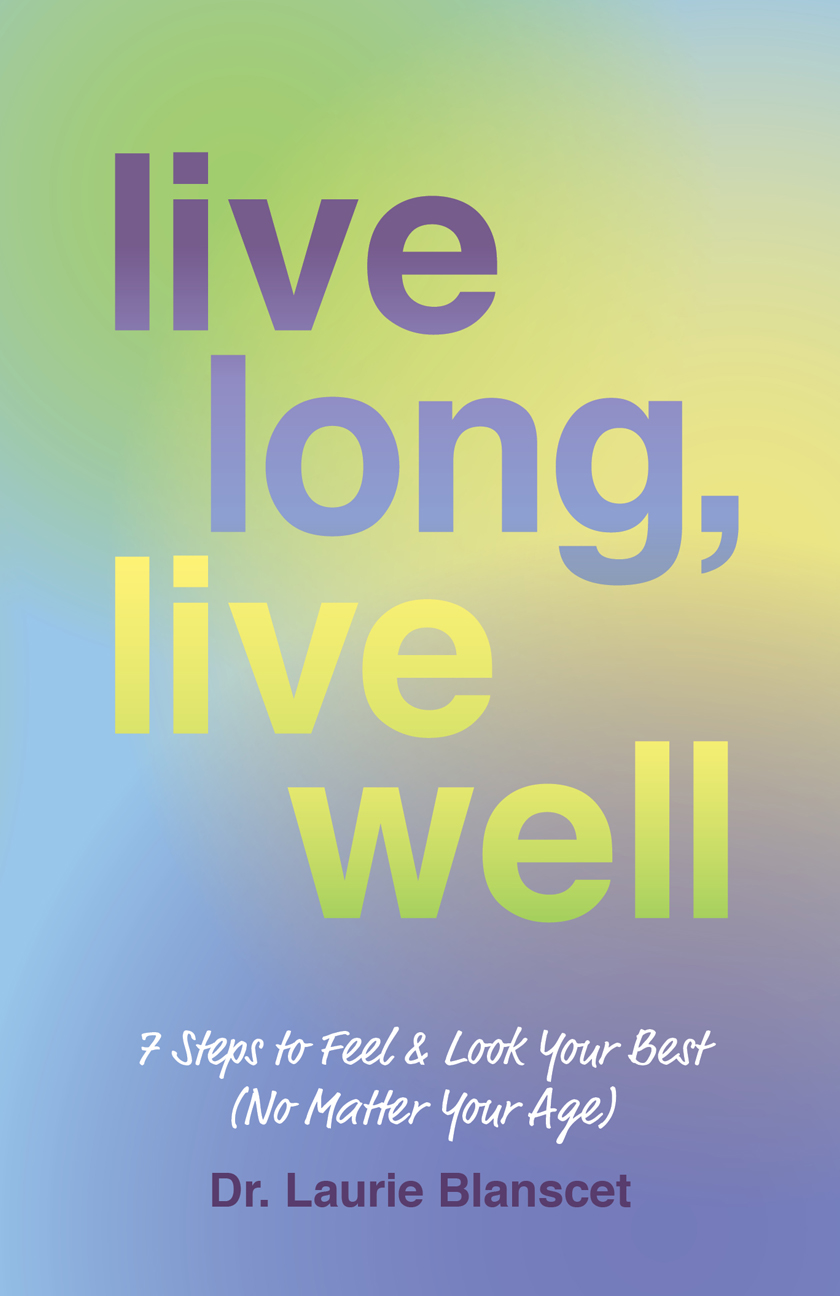
Laurie Blanscet: Live Long, Live Well: 7 Steps to Feel & Look Your Best (No Matter Your Age)
Read the full transcript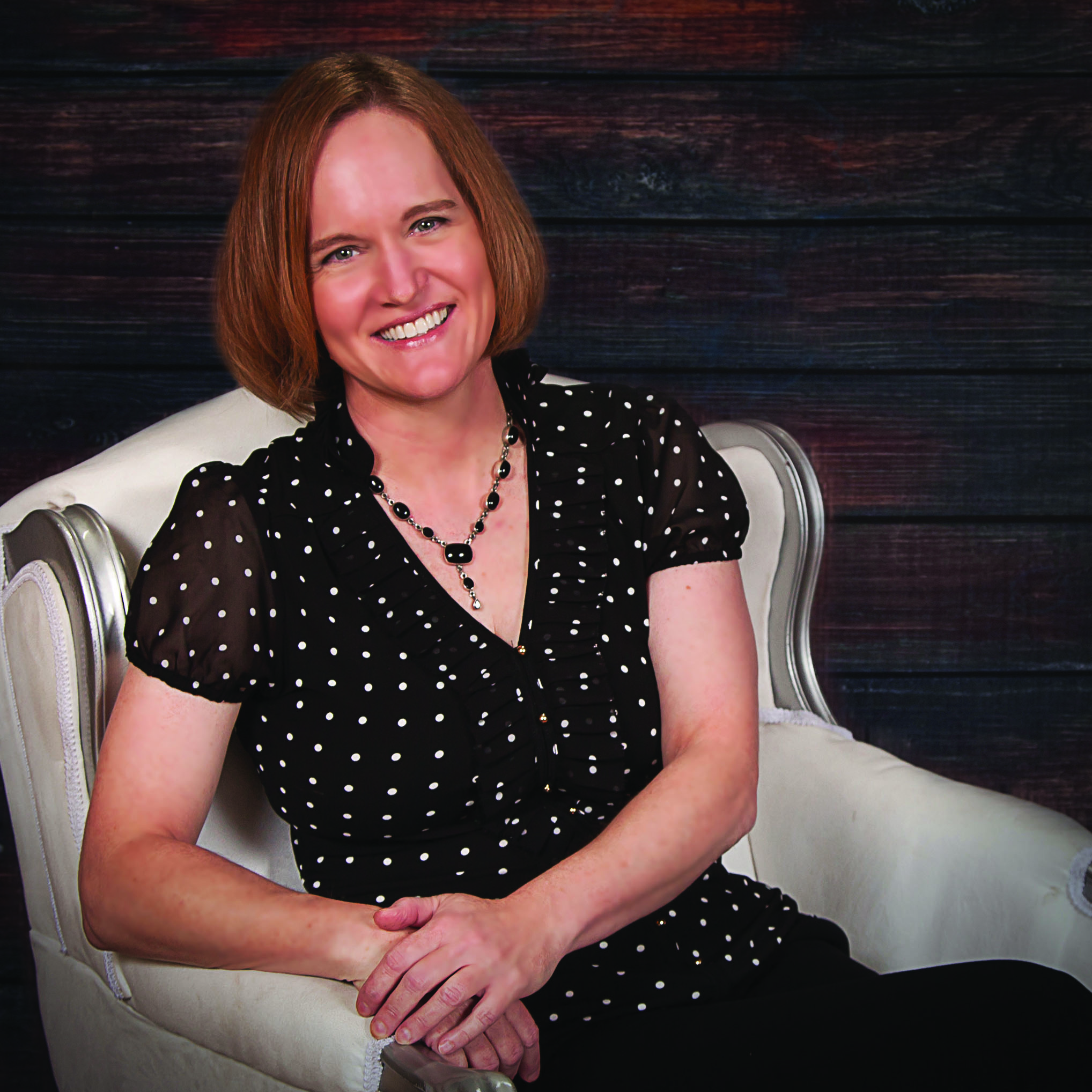
Laurie Blanscet
Dr. Blanscet is board certified in family medicine and integrative medicine and has a PhD in hypnotherapy and a MSHPE in health education. She has practiced medicine in Southern California since 1999 and offers training for other medical practitioners who want to transition their office to an integrative practice.
To connect with Laurie and learn more, visit For patient care appointments, contact her office at
📚 Books by Laurie Blanscet
Transcript
[0:00:34] JB: As a practicing family physician, Dr. Laurie Blanscet wanted to do more for her patients. She found that traditional medicine was good at locating problems after the fact but was not really designed to prevent problems in the first place, so she began studying integrative medicine instead. Now she’s written the new book, Live Long, Live Well: 7 Steps to Feel & Look Your Best (No Matter Your Age). On Author Hour today, she discusses the importance of being in charge of your own health, along with some of the intricacies of, for example, hormone balancing, detoxification, among other simpler ways to help support your body to do what it does best: Live long and live well. Hi Author Hour listeners. I’m here today with Laurie Blanscet, author of Live Long, Live Well: 7 Steps to Feel & Look Your Best (No Matter Your Age). Laurie, thank you so much for being with us today.
[0:01:36] Laurie Blanscet: Yeah, I’m glad to be here.
[0:01:38] JB: Okay, first of all, what is integrative medicine?
[0:01:43] Laurie Blanscet: Integrative medicine as a physician is looking up a whole person because so often in medicine, they look at one part, maybe your heart or something like that but integrative medicine is incorporating the whole body and looking at nutrition, looking at the mindset, looking at your lifestyle as well as obviously things that might need medications but looking at it from a dietary concept. More holistic view of medicine.
[0:02:11] JB: You started out practicing more traditional medicine and then moved into integrative medicine, is that right?
[0:02:17] Laurie Blanscet: Yeah, that’s correct.
[0:02:18] JB: Tell us about that decision and how that came to be?
[0:02:20] Laurie Blanscet: Well, what happened in 2006, which seems like forever ago, I had a thriving regular family practice and I thought everything was great, I really did. I ended up in the hospital for a hysterectomy which was a routine surgery but they found that I had a ruptured appendix. I had actually work so hard that I’d missed an appendicitis and didn’t even know it, which is slightly embarrassing but that surgery ended up almost costing me my life and I ended up in the hospital for a total of 40 days over a span of about two and a half months and in that experience, I had a lot of epiphanies and wake up calls and realized, I was responsible for bringing myself there and I’m just as responsible for getting my health back and I needed to change the way I practice medicine. Because traditional medicine is focused on reactivity and looking at the problems and not looking at the solutions and the cause of the problems and preventing them and so that really just rocked my world, it woke me up.
[0:03:27] JB: Now that you’ve been practicing integrative medicine, how did you come to write this book?
[0:03:33] Laurie Blanscet: That is a great question. I actually had been wanting to write a book for quite a while because I educate my patients, I love teaching people what I’ve learned because in this book are all the things that have taken me years to figure out for my own health that I passed on to other people and I knew I wanted to get it out there for people who couldn’t see me as a patient or even my own patients to learn more but I never seem to have the time. Well, COVID hit and I had a vacation in April that got canceled and I thought to myself, “Everything has a silver lining” every cloud, right? I took that week because I already had it in my brain and I put it on paper and got it out there and that’s how it started.
[0:04:16] JB: Let’s dig into it. You talk about this concept that you call the circle of wellness. Can you tell us what that is?
[0:04:23] Laurie Blanscet: Yeah, what happened is, I was working to get my own health back. I took a long look at again, the holistic part of me and I came up with the circle of wellness, which is the different aspects of wellness that we need to address because so often, we look at just diet or exercise. What I realized for me to achieve my health and wellness and vitality, I needed to look at the whole picture, which is the mindset, which is also nutrition, exercise, proper supplementation, hormone balancing, getting adequate sleep and detoxification and toxin avoidance because that’s unlooked at by most people. It really was in my process of becoming an optimal me and becoming healthy that I came up with this and realized that becoming vital and healthy is not just one thing. It’s kind of like creating a crockpot of food, you throw in the onions, the tomatoes, the chicken and it takes all these things to make this beautiful dinner, the same thing with our health and I wanted to make it very simple for people because often, when we don’t feel good, we are at a loss or we look at the wrong thing and by creating this circle, it makes us step back and think, “Okay, if I’m tired, let me look at this circle, what changed?” It makes it very simple to pinpoint what’s going on because there’s so much information out there. I wanted to simplify it for not only myself but for other people, to make it easy to feel great.
[0:05:55] JB: That’s such a powerful idea to just – to step back and think about what changed, what ingredient is missing from the crock pot. Before you can kind of develop this circle of wellness, you tell readers that there is a first step about taking charge I guess of their own paths, is that right?
[0:06:14] Laurie Blanscet: Yeah, it really takes ownership. I’m a big believer in personal responsibility and in the sense of not victimhood because that’s very different and so often, we feel like life happens to us and we don’t take responsibility for our part and of course, there’s terrible things that happen and there’s things that are beyond our control, that’s not what I talk about. It’s owning my responses and what I do with it and it’s a decision and once people take that step and the rest becomes easy but we have to take responsibility because people don’t end up in the hospital. I didn’t end up in the hospital nearly dead because of other people. Yes, they nicked my bell but I was the one who worked through the ruptured appendix, who didn’t get the help I needed and that’s what I’m talking about is really just taking a hard look and saying, “Hey, I am where I am because of choices, decisions I made” not in a victim, not in a blaming, not in a shaming, but in a powering and an empowering way to say, “Hey, if I got myself here, I can get myself out.”
[0:07:16] JB: We have to take ownership or else we won’t do anything about it, right?
[0:07:20] Laurie Blanscet: Right, it’s not just the magic pill, it’s not taking the magic pill that fixes me. It’s really owning that I can change how I think, what I do and I can change how my body is and today, I’m 53 and feel 100% better than I did at 38 because of the changes I made and anybody can do that.
[0:07:40] JB: Let’s get into the seven steps. First is, mindset, what does it mean to have a healthy mindset and why is that so important?
[0:07:50] Laurie Blanscet: That is, we’ve seen this last year especially is, mindset is critical because the mind-body connection is a real thing. We talk about placebo effect in medicine but we don’t tap into it. What is the placebo effect? It is, our mind believing something will work and it does to a certain degree. The power of the mind is amazing and so having a healthy mindset, number one, is knowing our outcome, focusing on what we want and not letting obstacles get in our way and being okay with setbacks. Being okay with things that come in our way and understanding its progress, not perfection. It’s really getting the mindset of, “I will be healthy, I won’t be perfect but it’s okay” and focusing what it is that we want and that is the mindset of health and it takes that decision. It really takes the siding, I am living a lifestyle, it’s not a diet, it’s not a fad, it’s a lifestyle and that really comes down to a decision and in the book, I really give some tips and exercises on how to make that easier because it really is quite easy, but we have to want it.
[0:08:59] JB: Next is nutrition and of course we all know to some degree about what a healthy diet is and what we’re supposed to eat and not eat. What is this idea that you write about, what does it mean to eat the right foods for your body, different people need different things?
[0:09:18] Laurie Blanscet: Right, what I did in my book, because there’s so many books out there with so much information, it’s overload and I wanted people to have the general concept because everybody is different. But, what a lot of people don’t understand is the concept of inflammatory foods and I myself found that there’s certain foods that I was eating that was causing inflammation which caused me to live in pain and bloat that caused me to miss my ruptured appendix because I would just be used to pain. So many people walk around with pain and bloating and they don’t even realize. It’s – the concept of there are foods that seem healthy but they’re inflammatory or irritating your body and that can create all kinds of things like aches and pains, difficulty losing weight, headaches, of course the bloating and stomach problems but it can be brain fog. It’s really hard when I talk about nutrition is not giving in diet for people or specific what to eat but it’s having them understand the types of foods we need to eat and really getting the comprehension of inflammatory foods and then detail, they will need to tailor themselves. If people have the big picture then they will want to delve into the little picture. There have been books and books on the little picture but nobody reads them. My concept was to get people the big picture so they understand it and now, they want to make some changes.
[0:10:41] JB: I’m guessing a lot of this is just kind of learning how to listen to your body? If you’re feeling bloated for example or –
[0:10:47] Laurie Blanscet: Really is empowering each individual to listen to themselves and not just think a pain is a reason to take a pill, it’s, “Oh, what does this pain mean? Where did it come from? How can I not have it happen again, how can I actually fix it long term?” It’s giving people the big picture of their body and their mind and how it functions and what they can do to be healthy because it’s really the little things. People underestimate the little things we do every day add up and I want to teach them about these little things. It’s easy, it really is. It does take some work, it does take effort but people make it this huge insurmountable thing but I want to break it down, it’s not. It’s actually the little things. I don’t do crazy things but I do a lot of little things that add up to feel great and that’s really the concept.
[0:11:36] JB: The chapter on the third step, there is a lot of great information in here on hormone balancing. First of all, what is hormone balancing?
[0:11:46] Laurie Blanscet: As a physician, I’ve actually transitioned. I treat a lot of patients on hormone balancing because that actually is one of my passions because I got thrown into menopause at 38 and after experiencing that “wonderfulness” I don’t want people to have to experience it but what happens with hormone imbalance as we age and typically starting at 35 for both men and women, we start having a hormonal decline and what happens is you start losing focus, get lack of energy. You of course could get hot flashes and night sweats but those we know but the loss of muscle tone where we gain fat, lose muscle, we get frail, again just overall mojo and we lose the essence of who we are just very slowly and it’s been said, we age when our hormones decline and when you do hormone balancing properly, you feel great. It’s not the miracle but it’s like gas in the car. It fuels your body.
[0:12:53] JB: There can be side effects as you write particularly if you’re using a patented hormone instead of a bio identical, if I got the phrases right there?
[0:13:03] Laurie Blanscet: Yeah, I want to educate people because there’s a lot of misinformation about hormones and bio identical just means is biologically identical in the chemical nature, on the chemical structure to what your body makes so it makes sense and I really explain it in a way that I believe is easy to understand. I use this example for many, many people and they get it as you think about like a postal system is like if you address an envelope to an address, it is going to go there, right? Say your cell is that home and the hormone is the letter. Well, the message is different based on the letter sent and so when you think about every hormone has a specific message that it gives to your cell but if you tweak it, if you adjust the chemical structure of the hormone it affects how the cell reacts and so with bio identical, your body is made to react to that hormone exactly in that structure but if you adjust it just a little bit like with the synthetic hormones so that they can patent it, now you actually can get some benefit but you get more potential side effect. It really is about understanding that if you need hormone balancing, you want to use what your body knows as versus what man makes and thinks is good enough.
[0:14:33] JB: Wow, so why would anyone make a synthetic hormone?
[0:14:36] Laurie Blanscet: Because you can patent it.
[0:14:37] JB: That’s infuriating.
[0:14:39] Laurie Blanscet: I know, you can’t patent nature.
[0:14:41] JB: Where do you get bio identical hormones? I mean, is it a non-profit I assume.
[0:14:47] Laurie Blanscet: No, so there are compounding pharmacies and these pharmacies are all over the country and I’m sure in other countries, I don’t know but yeah, I’m sure other countries have them but I know in the United States and these are pharmacies that have pharmacists that can custom make products for their consumers and they have a base. They’ve standardized, they’re clean, of course there is going to be company pharmacies that don’t have the highest quality but the overwhelming majority are amazing and that’s where it takes us, knowing your pharmacy. Unfortunately, the powers that be do attack these company pharmacies but I will explain that I get the best experience from company pharmacists because they are intelligent, they custom make, they tailor it to what you need. If I tell them to create a capsule of progesterone of a certain milligram, they can do that but if you go to a regular pharmacy, they can, it’s all synthetic, it’s standard, it’s one-size-fits-all. Yeah, the company pharmacies are the way that you could get them and they undergo extensive testing. I have never seen pharmacies get scrutinize as much as company pharmacies. They undergo incredible amounts of regulation to ensure that they are good. Sometimes I think overregulation but that’s my opinion but they are very safe, very effective.
[0:16:06] JB: Wow, okay that’s good to know. The next step is exercise. I’m interested in how you break down exercising into three different categories, stretching, aerobics and weight training. Can you tell us why we need some of each?
[0:16:20] Laurie Blanscet: Okay and I know you talk steps but again that’s a circle. It’s I guess pieces of the wellness because they all interact and so of course, a lot of people already exercise. I just wanted people to understand the big picture of it because I have seen people do weight training because weight training is important to build your bones, to build your muscle but then if you don’t stretch or do aerobics, I see them more prone to injuries. The guys that only lift weights, they get injured with their shoulders, their knees, their hips and so you need to add the aerobics stuff to get your heart pumping and then the stretching and then often times you’ll see a lot of women they just do aerobics but they don’t do the weight bearing and then you see them get osteoporosis or get more frail as they get older. The big concept, I don’t care what people do in terms of how they exercise whether it’s biking or walking or go to the gym or workout at home but the important thing is everybody needs to stretch because that lubricates your joints and your tendons and ligaments. Everybody needs aerobics to get their heart pumping to reduce risk of heart disease, to get blood to the brain and everybody needs weight bearing, which puts pressure on your muscles and bones because it helps to keep your bones and muscles strong. It’s just reminding people of the importance of all of those and how to add them into your day because you can simply – when you are on hold calling somewhere, you could stop and do some little chest push aways on your desk or squats. You know it’s really, you don’t have to go to the gym to do this.
[0:17:54] JB: I don’t know if we’ll have time to talk in depth about all of the seven pieces. There’s great information in here about supplementation, sleep of course, boy, I feel like at my age the biggest high from the world is not from a drug. It’s from a good night’s sleep and then I would like to spend some time discussing the last piece here, toxin avoidance and detoxification. The world is full of toxins, many of which we can avoid, some of which we can’t. How is the best and safest way to detoxify?
[0:18:30] Laurie Blanscet: Yeah and this is something that I also think is a fascinating subject because we are surrounded by toxins and the food we eat, the stuff we drink, the air, it’s out there. The beautiful thing before people freak out is we have an amazing body with liver and kidneys and skin and lungs that help us detox but we get overloaded and so one, know that we are all exposed. But the best way to detox is number one, is first watch what you’re putting in your body. Of course, reduce your toxin load so eating organic, drinking water that’s more purified and clean and using products that are safer and then to eliminate, because what a lot of times happens is people get fatty liver and their liver gets congested because your liver is a big one for breaking down toxic products. They can’t lose weight, they feel sluggish, it messes with their hormones so it’s a big issue and so, one of the biggest things I like is to do simple stuff, how do you eliminate stuff from your body? One, breathing deeply. You know, doing deep breath exercises eliminates toxins through the lungs. Two, I love Epson salt or magnesium salt baths. I love going to the float tank because that helps eliminate things with the skin, using infrared saunas are great and these are easy fun things to do and then there’s also you can do gentle detoxes. There is so many ways to do a detox and there’s a lot of books out there just on the detox but one of the simplest things people can do is take a day or two where you do kind of a gentle fasting where you’re just doing vegetables, not eating any animal products, processed foods, just allowing your body to process what’s already in there that you are not putting anything in and that way your body is just going through an elimination process.
[0:20:30] JB: So much to think about, I’m feeling really motivated.
[0:20:33] Laurie Blanscet: I know, it’s a lot. There is more information, I try to make it simple for people because you know again, it’s just you start somewhere. You don’t have to do it all, you start somewhere.
[0:20:43] JB: Yeah, no definitely. You’ve made it feel really approachable and like I said, I feel very motivated now to make some adjustments most of which are slight but will hopefully have profound effects. Laurie, it’s been a pleasure speaking with you, thanks. Again listeners, the book is, Live Long, Live Well: 7 Steps to Feel & Look Your Best (No Matter Your Age). Laurie, in addition to reading the book, where can people go to learn more about you and your work?
[0:21:11] Laurie Blanscet: Well, I have my medical site, which is my medical practice is anoptimalyou.com for patients and I am also creating a training program for other physicians, providers as well as patients and it’s drlaurieblanscet.com and that is in the works but we’ll be active very soon.
[0:21:32] JB: Great, thank you.
[0:21:34] Laurie Blanscet: Thank you.
[0:21:40] JB: Thanks for joining us for this episode of The Author Hour Podcast. You can get Laurie Blanscet’s book, Live Long Live Well: Seven steps to feel and look your best no matter your age, on Amazon. You can also find a transcript of this episode as well as previous episodes on our website, authorhour.co. Make sure to subscribe to The Author Hour Podcast for more interviews and insights into life-changing books.
Want to Write Your Own Book?
Scribe has helped over 2,000 authors turn their expertise into published books.
Schedule a Free Consult