Lynsie Campbell: Episode 773
Read the full transcript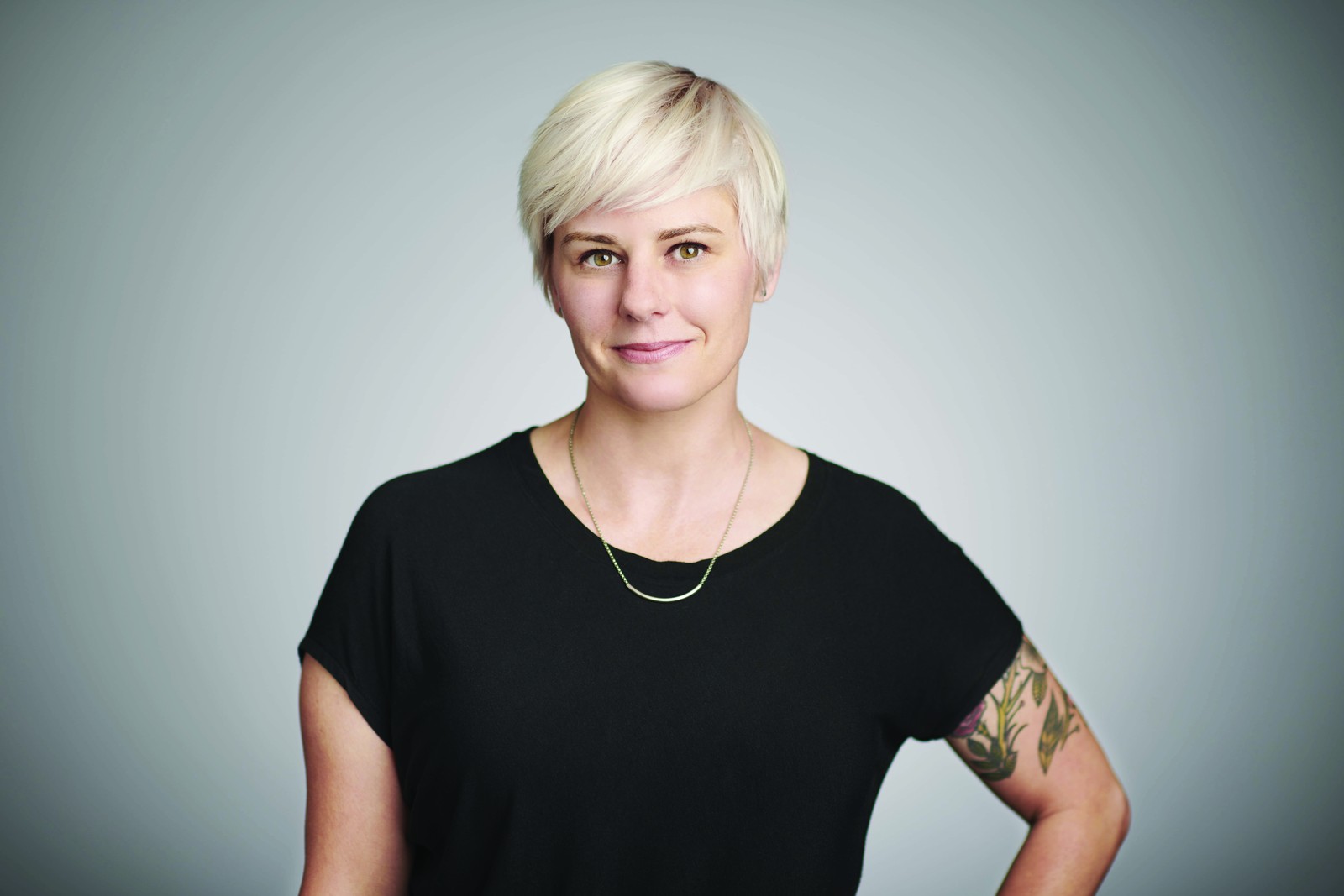
Lynsie Campbell
Lynsie Campbell is the founder of two tech companies: ShowClix and LaneSpotter. One was acquired. The other, not so much. Lynsie is also a general partner of The Fund Midwest, a seed-stage venture fund investing in the next generation of tech founders.
Before tech, Lynsie worked in the entertainment industry doing stints at The Rosie O'Donnell Show in New York City and as a music publicist in Los Angeles. Her work has appeared in NPR, CNN, Forbes, Billboard, and WSJ. She lives in Pittsburgh with her son Dylan, two dogs, two cats, and seven bikes. To connect with Lynsie, visit lynsiecampbell.com.
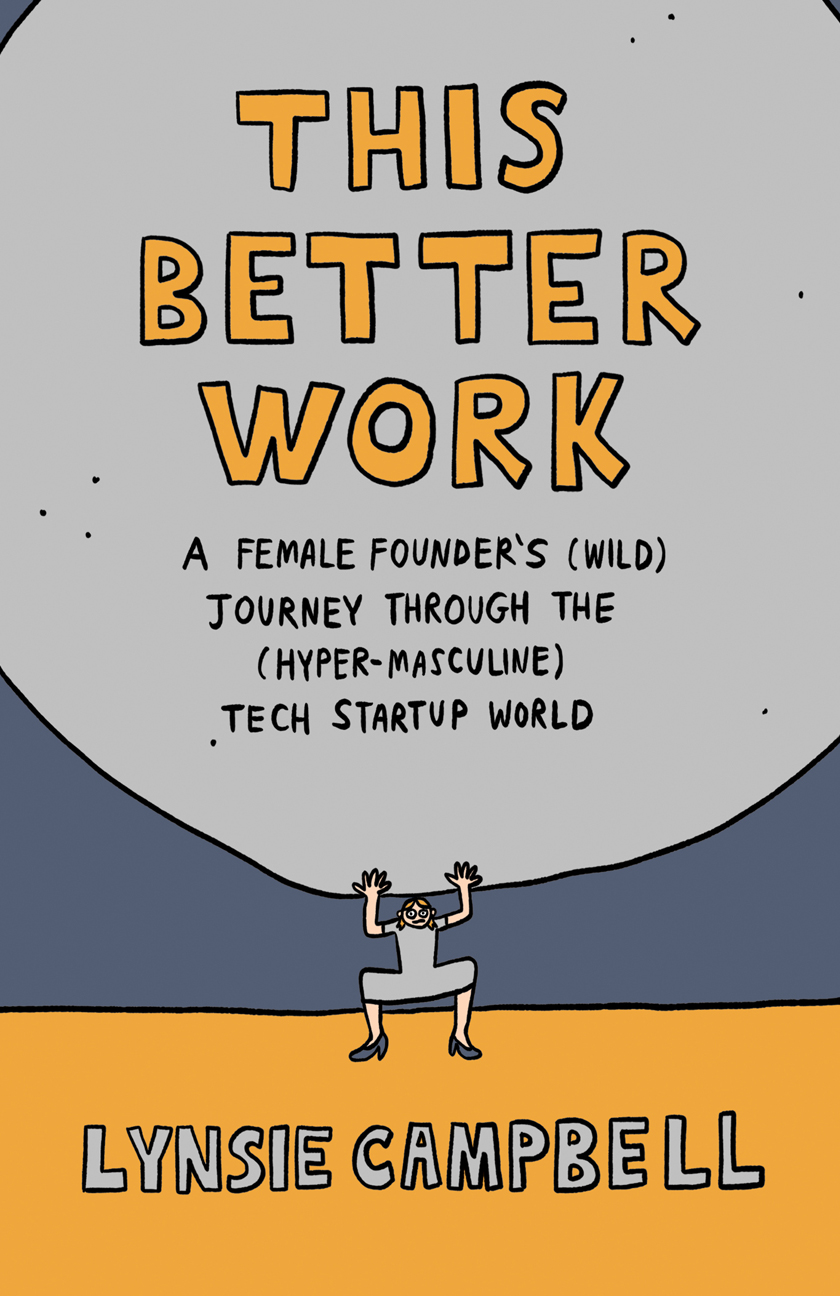
📚 Books by Lynsie Campbell
Transcript
[0:00:30] BB: Most of the founder stories we hear are the successful ones, the ones with happy endings. This is not that kind of story. Being a founder comes with only one guarantee. At times, the obstacles will be so absurdly difficult, they will seem almost comical. While you can’t predict what’s ahead, you can prepare for it and you can learn a lot from Lynsie Campbell’s experiences since she survived everything a startup can throw at you. In, This Better Work, Lynsie Campbell shares the true stories of her 15-year journey through the hyper masculine tech startup world, the good, the good, the bad and the ugly. She generates priceless advice that can help other startup founders make better decisions and avoid some horrible mistakes. This is the Author Hour, I’m your host Benjie Bach and I’m thrilled today to be joined by Lynsie Campbell. She has just released a brand-new book titled This Better Work: A female founder’s wild journey through the hyper masculine tech startup world. Lynsey, so glad to have you here on Author Hour today.
[0:01:29] Lynsie Campbell: Hi Benjie, thanks so much for having me.
[0:01:31] BB: Absolutely. Lynsie, for listeners who may be brand-new to you and your work, talk a little bit about yourself and your background?
[0:01:39] Lynsie Campbell: Yeah, I spent the majority of my career working in the tech industry, started out in the marketing department of a company called Spreadshirt and quickly after that, went the entrepreneurial path and I’ve been a female tech founder ever since.
[0:01:55] BB: That’s fantastic. What made right now the right time to write this book?
[0:01:59] Lynsie Campbell: You know, this started when I felt like I was at a pivotal moment in my journey, honestly. I had just gone through an experience with the second tech company that I had launched in 2017, after working pretty hard at it for two years, I come to the point in the journey where I had to make some decisions and as I was making those decisions, I was doing a lot of reflecting and it just seemed like the right time to pull the details together and put this together into a story and really create something that I could pass on to other female tech founders to help them navigate the journey.
[0:02:32] BB: Would you say writing this was somewhat therapeutic then?
[0:02:35] Lynsie Campbell: I mean, I say that all the time is I really had to go back, this is a lot of it is memoir so kind of the way the book is structured is, every chapter revolves around a pivotal moment in the founder’s journey. It’s things like hiring the first crew, picking the investors, meeting your cofounder. All of those pivotal moments are wrapped in my true stories of the things that I went through when I was starting growing and running two tech companies. It felt very memoir and a lot of it was reliving the good times but also reliving the bad times and I feel like I came out the other side a different person.
[0:03:15] BB: Lynsie, I know you mentioned that you wrote this book for female entrepreneurs but talk a little bit more about who your ideal reader is and who you would love to pick up this book?
[0:03:26] Lynsie Campbell: Yeah, this book was absolutely written for first time female tech founders who were getting ready to start a journey and they know there are a lot of things they don’t know and they’re looking for answers. Not only looking for ways to do things right but a lot of times, when I talk to female founders or any founders, what they’re really looking for is also trying to figure out what to avoid along the way as well. I wrap a lot of that into this book.
[0:03:48] BB: That’s fantastic. Well, here’s where I kind of want to start. I would love for you to talk a bit about where you first got bit by the entrepreneurial bug, when did that kind of first happened in your life?
[0:03:59] Lynsie Campbell: Yeah, I don’t know if I ever really – I don’t have a necessarily a moment where I got bit by the bug but I did grow up in a family, an entrepreneurial family. My uncle, through marriage was a real estate developer and he’d grown up in poverty and I watched over the course of the early years of my life, him, transform a single hotel into basically, a portfolio of hotels. I knew things were possible, I knew that if you worked hard, you committed yourself to something that you can do it. That being said, I mean, I grew up very much a creative, I wanted to be a writer, I went to school for journalism and I think one of the things I realized early in my career is that, I would just get bored. I felt like I would get to the point in a role or at a job and I was learning everything that I could learned. I think that was probably the first signs that I wanted to be able to take on as much as I possibly could and learn as much as I could. It really hit me when I started at my first tech company when I realized I wanted to work in tech. I didn’t even know it was honestly possible and I think that’s kind of one of the things about when I started my first company and when I grew up is there were no female entrepreneurs, there were no female tech founders in Pittsburg that I could look to and even know that this was an option. It was really going and working at another tech company and seeing how it was run and who the founders were. I was like, “Wait, this is something I can absolutely do”
[0:05:23] BB: that kind of actually being able to see it was a big pivotal moment.
[0:05:27] Lynsie Campbell: Yeah, I say that like you know, I think women in tech, this is an issue overall as you know, you have to see it to be it and that was one of the things I didn’t have early in my career, especially in tech.
[0:05:39] BB: Wow, in many ways, also, you talk about the story of finding your cofounder and I would call that a professional marriage. You’ve absolutely experienced the ups and the downs of that relational dynamic. You had a lot of highlights at the beginning in your journey and you’ve also experienced some really hard moments, speak to that a little bit and what your experience has been with cofounders?
[0:06:02] Lynsie Campbell: Yeah, I mean, my relationship with my cofounder was absolutely a love story. From the moment I met him, I just knew there was something different about our relationship and I was working at this early-stage tech company, I’ve been there about six months, we were looking to add a designer to the marketing team. He walked in the door and we just clicked and I remember grabbing him on the first day to go get a cup of coffee and walking back and thinking to myself, “This guy is going to be an important part of my life” and I don’t know what that means. Then we started working together and every day was so much fun and I think, you know, as we were in that environment, we started sharing stories, we started to understand where the two of us had come from, we had a lot in common and there was a similar drive and passion and there was something about that friendship that it transitioned really well into a cofounder relationship.
[0:06:54] BB: What transitioned over time, because there were some hard moments there. What contributed to some of the difficulty and maybe what are some downsides that people don’t anticipate or expect when starting something with someone else?
[0:07:07] Lynsie Campbell: Yeah, for me, I mean, I think one of the issues that I didn’t recognize and it really wasn’t an issue until it was, is that there was a 10-year age difference between the two of us. When I met Josh, I was 27, 28. We were hanging out in the office together, I said to him at one point, “Hey, we should grab a drink after work,” and talk about this idea we have. He’s like, I can’t, he’s like, “Why, what do you have going on?” He’s like, “I’m 18” I was like, “What?” I’ve been working with him for a hand full of weeks and didn’t even realize he was that much younger than me and he was very wise, very smart, he had started and sold a company before he was even 18 years old. He really was kind of a born entrepreneur. Yeah, I just knew.
[0:07:49] BB: Okay, as far as your journey, one of the things you speak to in the book is this idea of imposter syndrome and it’s been part of your journey, how have you intentionally worked to overcome that? Especially in the hyper masculine tech startup world?
[0:08:05] Lynsie Campbell: Yeah, you know, it’s something that I still struggle with, I don’t know if that’s something that I’ll ever be able to shake. I work on it really hard but one of the things that I did and I’ve done a lot throughout my career. As you know, I mask those insecurities with humor and you know, I try to make light of most situations where I’m uncomfortable, I gamify the experience so that it doesn’t feel so painful when I walk into a networking event of a hundred people and 80 to 85 people there are men. It’s overwhelming and it is challenging that – you know, I’ve always tried to amok it more fun and really find a way to enjoy it on the way.
[0:08:42] BB: Lynsie, uncertainty and failure are absolute givens when you’re starting something from scratch and many with good ideas might shy away because of that. Can you give me an example of a failure or a moment you thought you may not be able to overcome?
[0:08:59] Lynsie Campbell: Yeah, I mean, I think one of the things that I’ve struggled with the most and even looking back and writing this, the biggest mistake and the biggest failure that I made was, choosing the wrong investors to join us along our journey to build our first company. The effects that that had, it’s a snowball effect and if I could go back and change anything, I wish I would have, number one, vetted my investors like I did my early team members. I should have taken the approach of you know, these are people who I want to be sitting at the table with me, I want to go on this journey with me but when you’re a founder early, you’ll take the check because you just want to make your thing happen and I should have trusted my gut. There was something telling me at this stage of the journey with this particular investor that I shouldn’t do it and I didn’t trust my gut and it had a real long-term impact not just on my business but on my career overall.
[0:09:56] BB: How would you say kind of going off what you just said about your gut, how have you learned to trust your gut as an entrepreneur overtime?
[0:10:03] Lynsie Campbell: Yeah, I know I really lean heavy into kind of marketing sales biz dev. I am a creative at heart. I am somebody who walks the line between creative and analytical and I have struggled sometimes with I want to trust my guy but what are the numbers saying or I want to trust my gut but you know, according to this historically I should go this route. If I have learned anything it is just to trust my gut. Ultimately there is a reason why you are telling yourself why the flags are being raised and you need to take a hard look at what that is.
[0:10:34] BB: For those that are listening to this and they are a bit afraid to start or they’re overwhelmed a little bit with uncertainty of fear or failure, what would you say to someone that is in that space today?
[0:10:44] Lynsie Campbell: Yeah, this one took me a long time to learn and I kind of remember the moment it hit me but it is my mantra now and it is happiness over heartache and as you are going through this and as you’re hitting these pivotal moments in your journey, you have to focus on your happiness. You have to make sure that you are in a good place to be a good leader, to be a good friend, to be a good partner. If you are not taking care of yourself, you are not taking care of your business and I didn’t learn that early enough.
[0:11:11] BB: That’s so good. I want to stick with the harder parts of your story for a second because I have to say this, as I’m reading your book, your level of transparency is so amazing to read and I think it’s so helpful. Your cofounder walks away from ShowClix and there is so much to this story but several pieces seem to collapse at once, professionally and personally and it leaves you burnt out and so chapter 11, you call it “taking a fucking break” and there are those listening that are in that space. Talk a bit about what led to that feeling of burnout and how you began to sort of try to deal with that?
[0:11:48] Lynsie Campbell: Yeah, I had been running so hard with ShowClix in the beginning. I mean, I went five years without taking a vacation. I do not recommend that but I am a workaholic at heart. I am, it is who I am and you know going down that path and getting to the point where I knew I was burned out I think it was partially mental and emotional. I just knew I couldn’t do it anymore and there is a moment in the book where I thought there was a light at the end of the tunnel and I was running so hard toward it and I got there and it just became darkness. At that point, I had to take a break. There was no way forward for me and I moved to San Francisco and I ended up spending a year walking dogs on the beach and just really finding myself again and reflecting on the reasons why I had become an entrepreneur in the first place and what it is that I loved about it and it also gave me an opportunity to prove myself again because I have been living in the shadow of a lot of big personalities and big egos at ShowClix and I kind of forgot what my worth was along the way. I had to take a step back and prove to myself that I was who I was and I was capable and I could move forward and do this again.
[0:12:58] BB: Yes, sometimes we don’t want to take a break but life just kind of says, “No you are taking a break” right?
[0:13:03] Lynsie Campbell: It forces you to, absolutely and I’ve been taking those hints a little bit better. I’ve been much more aware of what my body is telling me as I’ve gotten older and gone through these experiences honestly.
[0:13:15] BB: Yes, so then you’d take that year and then LaneSpotter, a non-technical solo female founder, so what changes in your mind or how do you approach that differently?
[0:13:27] Lynsie Campbell: Yeah, you know leaving ShowClix and then walking away from that, I didn’t necessarily want to do that and I think that’s what makes it really hard and then I love what I was doing then getting to the point where I felt better. I could move back to Pittsburg and I came up with this idea for LaneSpotter, I did go into as a solo founder and I think for a couple of reasons. One, it started out as just a thing. It was like, “You know what? Does this exist?” I am just going to do a little research, this has to be a thing, right? Just started poking around and then that poking around turned into market research and then the market research turns into feature outlines and next think you know, I’m building wireframes. My friends always joke the majority of my life is it’s like a bit gone too far. I just take a bit and then it just goes too far. It’s like I get a bike for commuting and then I start a bike company but for me that’s what it is. Where it’s like I start to dig these little holes and I dig a little bit deeper and a little bit deeper and again with LaneSpotter too, it was very mission-driven. It was a big part of my life. I ride my bike everywhere so this was very much I was solving a problem for myself. I also didn’t trust anyone. I was not yet recovered from my first experience and I actually don’t know if I could have let a cofounder in at that time. I don’t know if I could have trusted somebody with that kind of relationship again, so I went at it as a solo founder.
[0:14:47] BB: That’s great and interesting because it is a change from that first experience. We talk a lot about how this second company, LaneSpotter was kind of you following curiosity. Do you feel like that’s something that can be taught or is it something that you’ve just had your whole life? What would you say when it comes to following curiosity?
[0:15:08] Lynsie Campbell: Yeah, I mean I think it is just who I am. It’s always been who I am. I am constantly in some sort of research rabbit hole and I think it is one of the things I love about the marketing side of business too is it changes so fast and there are so many things to learn constantly so I can’t sit back and not educate myself. I am a naturally curious person, my degree is actually in journalism. I loved telling stories, I love digging for the details. Yeah, with that being said, I think you can teach it. I think you can – when somebody is passionate about something, I think that’s the other part of this too is LaneSpotter, my level of passion for what I was building was so high that I wasn’t able to stop researching it. It was just the curiosity level was off the charts. I think too like maybe if you are not born with that but you are working on the thing that you are really passionate about, you can hone those skills. I think a lot of it is just about looking for the things that you don’t necessarily see on the surface. You know it is those gems that make all the difference.
[0:16:08] BB: Yeah, continuing to ask questions.
[0:16:11] Lynsie Campbell: Then listening when people actually answer.
[0:16:15] BB: Yep, active listening leads to the next question, right?
[0:16:18] Lynsie Campbell: Yes.
[0:16:18] BB: That’s great. Well Lynsie, we’re going to start wrapping up our time together but when someone picks up a copy of This Better Work and they read it front to back, what do you hope they feel when they’re done? What do you hope maybe some of the main takeaways are?
[0:16:31] Lynsie Campbell: You know, I think some of the main takeaways, number one is that we mentioned this earlier, you know failure is unavoidable in this situation. It’s what you do with those experiences that matter the most and I kind of joke that I brought this up before, before interview but I broke my wrist last week or I fractured my wrist and I went back to the doctor today and I am healed because I am Wolverine but I think that’s a founder trait, right? It is being able to bounce back from something as quickly as you can and move on is like a trait that you need to like. If you don’t have it when you become a founder that you need to kind of like hone because things are just changing constantly. Another one is startups are really hard but people are actually harder and you know, we are saying the relationships with my cofounder and my team members and investors and the Pittsburg start community overall, those are some of the hardest things to manage actually during my journey. The other one is that 90% of startups fail. We just don’t talk about that enough and what your idea of success might be when you start might not be what your idea of success is at the end of this thing and I know for myself that is absolutely the fact. We open to changing and adapting as you go through this journey.
[0:17:46] BB: For those wanting to connect with you further maybe online or reach out, what’s the best way for someone to contact you Lynsie?
[0:17:52] Lynsie Campbell: Yeah, you can visit my website, which is www.lynsiecampbell.com. Unfortunately, my mom spelled my first name Lynsie and my joke there is it was the 70s I don’t know what she was doing but she got real creative with it, so it’s lynsiecampbell.com but yeah, I mean feel free to reach out to me and I’m on Twitter, just Lynsie. I am pretty active there so you know, feel free to connect online. I love meeting founders, I love talking to entrepreneurs and I think at this point, it really is my calling.
[0:18:25] BB: That’s great. Well, I want to say congratulations on the book. I so appreciate the authenticity and the stories you share. Everyone should go pick it up and thanks for spending some time with us on Author Hour today. Thanks for joining us for this episode of Author Hour. You can find, This Better Work: A female founder’s wild journey through the hyper-masculine tech startup world, on Amazon. A transcript of this episode as well as our previous episodes is available at authorhour.co. For more Author Hour, subscribe to this podcast on your favorite subscription service. Thanks for joining us, we’ll see you next time. Same place, different author.
Want to Write Your Own Book?
Scribe has helped over 2,000 authors turn their expertise into published books.
Schedule a Free Consult