Martin Myers: Episode 825
Read the full transcript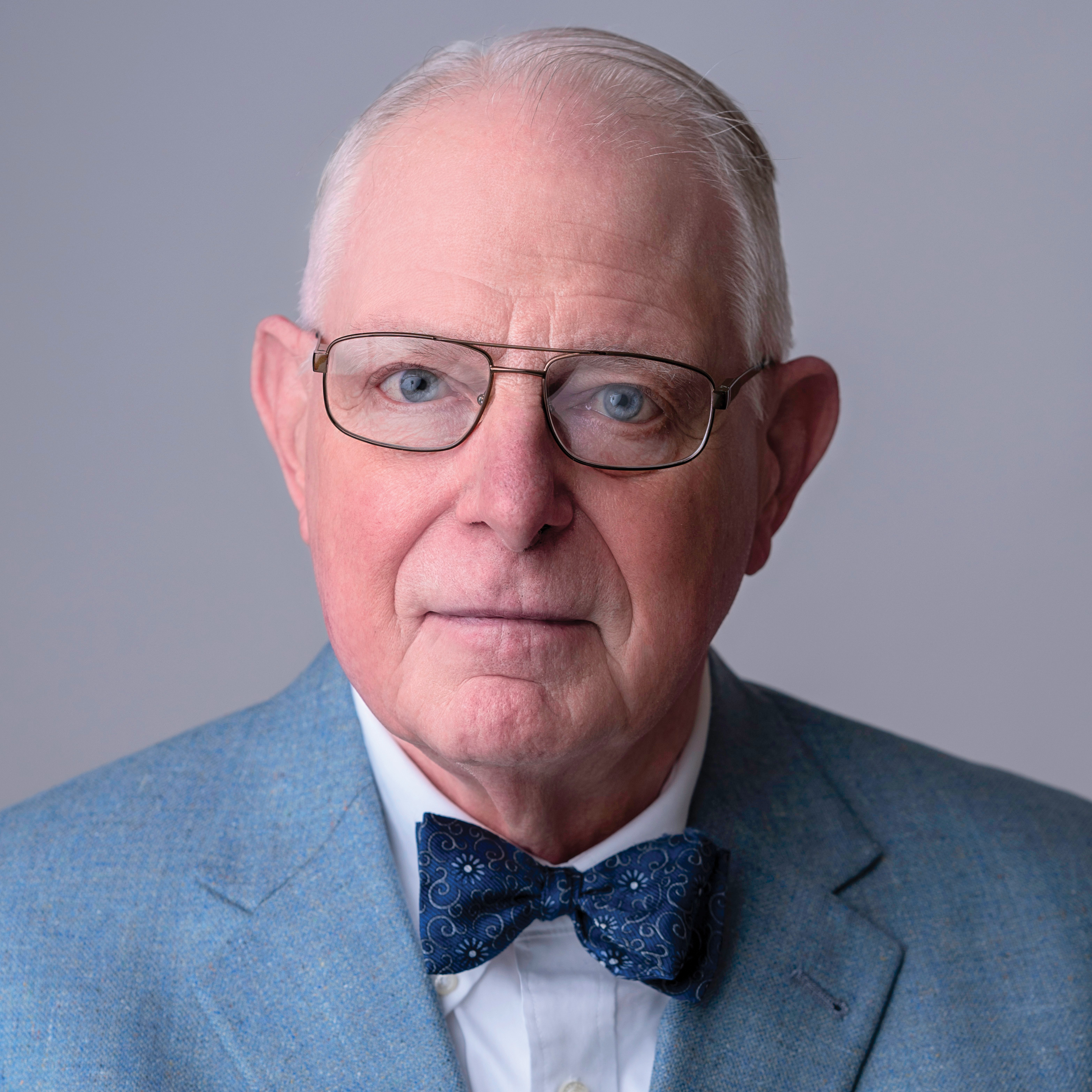
Martin Myers
Dr. Martin Myers is a retired professor of pediatric infectious diseases. The former Director of Pediatric Infectious Diseases at the University of Iowa and then the Cincinnati Children’s Hospital, he spent much of his career working with and teaching about vaccines.
He served as Chairman of Pediatrics at Northwestern University, Director of the National Vaccine Program Office in the US Department of Health and Human Services, and Director for Education and Policy of the Sealy Center for Vaccine Development at the University of Texas Medical Branch. From 2003 until 2015, he ran a vaccine information website for the National Network for Immunization Information.
📚 Books by Martin Myers
Transcript
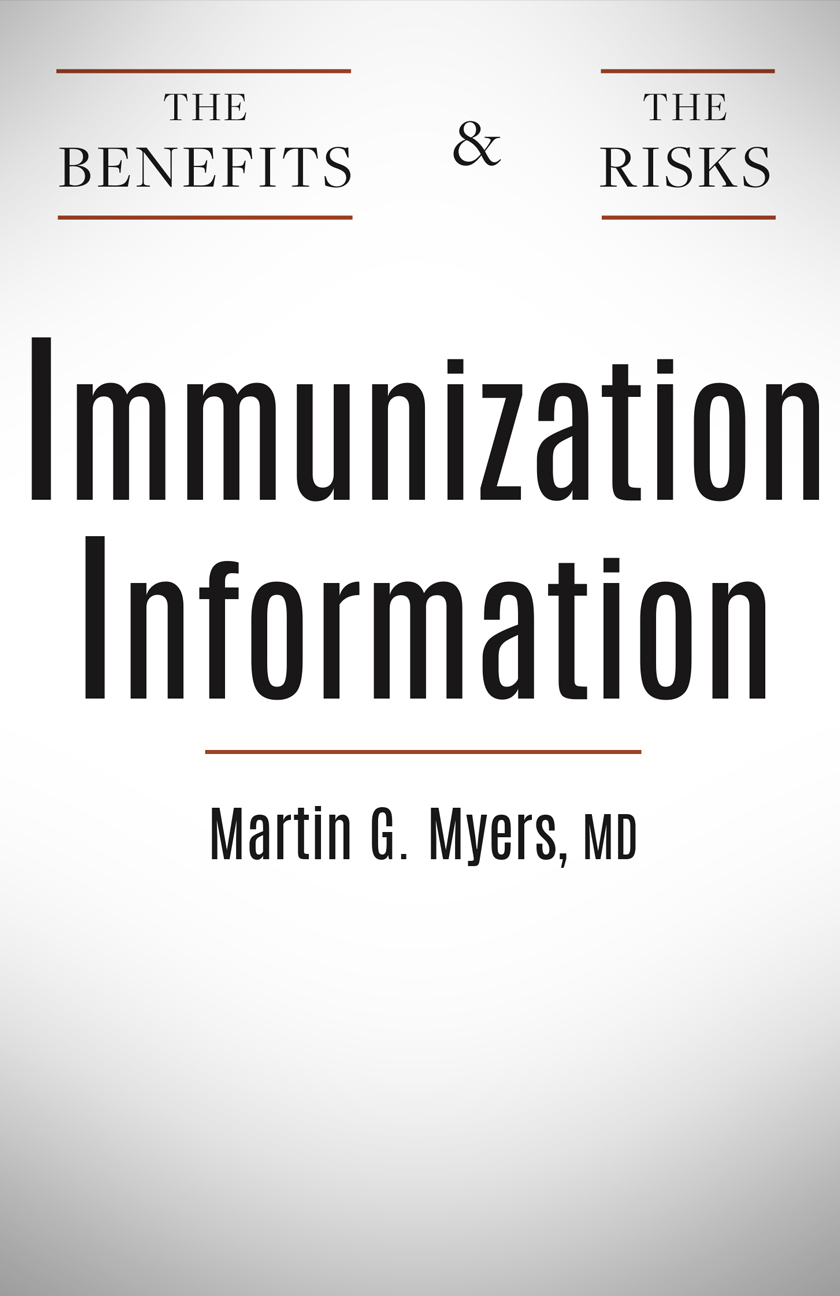
[0:00:33] FG: Looking for reliable information and answers to your questions about vaccines? In Immunization Information, Dr. Martin Myers, one of the nation’s leading experts on vaccines, infectious diseases, and immunization describes the benefits and risks related to immunization and the underlying diseases that vaccines prevent. Understand what’s in each vaccine and how they work. Learn about the infections that vaccines prevent and why they remain important today. Know how and why your neighbor’s decisions about vaccines can affect you and your family. Based on science but written in everyday language, Immunization Information helps you distinguish the facts from fiction. It will show you how to identify misinformation while also showing you how to find reliable, trustworthy information for yourself. This is the Author Hour Podcast and I’m your host, Frank Garza. Today, I’m joined by Dr. Martin Myers, author of a brand-new book, Immunization Information: The Benefits and the Risks. Martin, welcome to the show.
[0:01:44] Martin Myers: Good to be here.
[0:01:46] FG: To start, can you please just share a little bit about your personal background?
[0:01:50] Martin Myers: Well, I’m a retired pediatrician and I spent most of my career treating and trying to prevent children’s infections and so basically, I try to develop and test vaccines and then I, later in my career, spent a great deal of time on vaccine policy and then before I retired, I read a vaccine information website for non-medically trained people, it was an evidence-based information that was non-technical. I must have been doing something right because when I first started the website, I only had about 1,800 visitors a month and after about 10 years, I had 146,000 visitors a month and I realized after I retired the website that everybody who came to the website had questions about vaccines. Many people have questions and concerns about vaccines and I thought perhaps I could help them understand and answer many of those questions. I went back to the information tracking, what brought people to my website and how they – the information that they were seeking and where they went after they first got to the website and so my book is largely based upon the information I think that they were looking for. The intent of my book is to try and help people answer some of those questions.
[0:03:20] FG: When I was going through your book, you wrote about a conversation you had with a mother about I think it was some type of immunization issue that she had with her child that that seemed to kind of be an inspiration for you to write this book. Would you mind sharing that story?
[0:03:38] Martin Myers: No, not at all. I’d been thinking about the book for some time and have been trying to locate people who would be able to talk, people who had had concerns about vaccines and had had an adverse outcome because their stories are so important and a physician who had been caring for a child, who had had a serious life threatening vaccine-preventable illness told me that the mother had explained to him that what she had heard from her physician and at the clinic are different so much from what she had heard from friends and people on the Internet. She was very confused and didn’t know what to do and so she did nothing. Her child developed this terrible infection and was – is still in the hospital and recovering. I went to speak to her and ask her if I could tell her a story for other parents who were having similar confusion about the value of vaccines and she started to cry. She said, “Dr. Myers, why didn’t anybody ever tell me how awful this disease is?” and I realized that we physicians haven’t really been very effective at telling people about the illnesses that vaccines prevent and they’re so important because, although we don’t see these illnesses very much anymore, they’re still very much present. They haven’t gone away, they’re just waiting for an opportunity and though we don’t see them very often and there’s some people who do very well when they get the infections, the risks haven’t changed at all. Measles comes into the United States many times a year by airplane, there’s tetanus spores in the ground, children and adults too come into the United States from other countries carrying the diphtheria bacterium, all these diseases are there and when unimmunized people are at risk and of course, they put – place other people at risk. When outbreaks occur, they usually occur on unimmunized people first and then they spread to the community. Her story, I thought was very important to share and so you’re right, I share it early in the book. I think it’s so important that people understand what these diseases, what these infections are and how catastrophic the outcome could be, not in everybody but just in some. People need to understand that these illnesses, these infections haven’t gone away. They’re still here, we just don’t see them as much anymore and the reason we don’t see them is because vaccines work. I have one person who looked over my book say, “Well, what was the infection the child had?” I said, “Ask him.” Well, why does it matter? Pick anyone with these vaccine preventable diseases and the answer is the same. We need to be explaining to people how awful these diseases can be, they’re not in everybody but they can be and that the risk of acquiring these infections is not gone.
[0:07:04] FG: Right. I know nowadays, when the word vaccine comes up, COVID and COVID vaccines are top of mind so that’s maybe the first thing that people think about when they kind of hear that word now. Was COVID and our journey with developing the COVID vaccine, was that a driver at all for your book?
[0:07:27] Martin Myers: Actually Frank, I started this book back in 2019 and I’ve been working along on it, long before COVID raised its head and in fact, early in last year when I was finishing the manuscript, I had a colleague called me to task because I did not have a COVID chapter in my book and he said, “You really need to have one” and we had quite a lengthy discussion about this because I said, “There really isn’t enough information to be able to explain to everybody all that I want to explain about like I explain on the other illnesses.” He was very quick to say, “You know, tell them what we have, tell them what we have right now because it’s so important that people recognize that all the rules are the same for all of these illness, all these vaccine preventable diseases.” Community immunity, the ability of many people being immune protects those who can’t be vaccinated, of seriousness of illnesses. All these factors are the same, whether we’re talking about COVID-19 or whether we’re talking about measles or whether we’re talking about diphtheria.
[0:08:45] FG: Got it. One of the things you talk about in your book is misinformation that gets out there about immunization. In chapter seven, you gave a specific example about — an example of misinformation and how that led to a re-emerging infectious disease. Could you talk about that example?
[0:09:07] Martin Myers: Yes, there are actually multiple potential examples, I picked that one because it’s so clear cut. It appears in retrospect to have been an intentional misinformation attack, it was widely publicized, it’s had a profound impact. This is the misinformation allegation about that measles or measles, mumps, and rubella vaccine is somehow related to the cause of autism, which is now — the evidence is overwhelming that that’s incorrect and those studies were fraudulent. It caused terrible concern among families and many children were not immunized and as a consequence of that, the initial attack occurred in the United Kingdom and as a consequence of that, not only were the immunizations for measles go down in the United Kingdom, they went down worldwide in the European Union, in the United States and Canada, in Israel, throughout the world. The consequences of that were outbreaks of measles that occurred in multiple countries and have continued to occur in many countries. Not only that, measles is given as measles, mumps, and rubella. In addition to measles outbreaks, there have been mumps outbreaks of the mumps outbreak in the UK that also occurred following this misinformation episode and spread to the United States and to the Maritimes of Canada. Not only that, but in the Netherlands, they documented an outbreak of rubella that was detected because they started to observe the occurrence of children born with congenital rubella syndrome, severely damaged infants from their mothers having been infected with rubella. The impact of misinformation is that it causes people to withhold vaccines and places people at risk of infection. In the case of rubella, that includes if people withhold measles from their children, they are also placing their grandchildren at risk of rubella infection. Misinformation has a profound impact because it confuses people. It scares people because they’re frightened by the accusations and so they withhold vaccines and when they withhold vaccines from their family, they place not only themselves at risk but others in the community at risk and in the case of rubella, they even place the unborn child at risk of congenital rubella syndrome.
[0:12:00] FG: You know, you do later in the book talk about that vaccines can have side effects and some of them can be serious. Can you just give an example of one of those that comes to mind?
[0:12:17] Martin Myers: Of course. I spend a fair amount of time actually in my chapter six talking about the differences between adverse events, those things that occur following a vaccine, which may or may not be due to the vaccine and side effects, which are things which are actually caused by the vaccine and trying to evaluate a risk. I talk in the book about a mother I saw carrying a sign picketing her state legislature who was considering removing philosophical exemptions from the measles immunization requirements for school entry. Her sign said, “No more febrile seizures!” with a big exclamation point on it and I realized that there was a woman who really didn’t understand how to evaluate risk. It is true, measles vaccine, one of its side effects is fever that occurs five to ten days after the immunization. Actually, it can also have a rash with it and some children between the ages of six months and six years are at increased risk of instance of susceptibility to having seizures after they have – when they have fever, whether it is due to measles, measles vaccine or ear infections, what have you. The risk of having a febrile seizure after measles vaccine is about three per 10,000 children who get the vaccine and the risk of developing a febrile seizure after measles is about 20 times in 10,000 children, so it is more common after measles. If their mother really wanted to reduce the risk of her child having febrile seizures, she would be better to immunize her child but that’s only half the story. It’s not just how frequently things occur that is important, it’s the severity. Most children who have febrile seizures, it's a very frightening experience for parents of course but they don’t have long lasting impact. On the other hand, measles causes encephalitis in between one and two children per thousand who have measles. About a quarter of those children will die and about a quarter of those children will have permanent brain damage and the risk of brain damage and the risk of febrile seizures cannot be compared because of the level of severity of the outcome. The other thing in that chapter I deal with is that many people have difficulty with dealing with lots of numbers and how to evaluate. A research study said that vaccine scientists do and trying to understand the various studies, which studies are more important, how do you evaluate which is an important study and which is not and so I spend a fair amount of time explaining big numbers and how to evaluate numbers and to explain how the studies are done and how to interpret them. One parent told me once, “It’s great to tell me I have to evaluate all these studies on their own merits but why don’t you tell me how to do it?" So in that chapter I’m trying to tell people how to evaluate information that they find.
[0:15:48] FG: Yeah, one thing I really liked is I saw that you said that for your manuscript you had that reviewed by both professional colleagues and parents because you just wanted to make sure it was easy to understand for everybody. What led you to make that decision?
[0:16:05] Martin Myers: Well, when I first started in my website, I knew that I was going to be – I was intentionally trying to write for people who didn’t have a medical background or didn’t have a science background of biology background. I realize that we often – we in the scientific community, particularly physicians, often use scientific language and we’re not aware when we do it and so when I started the website, I had everything I put on the website had to be peer reviewed. I had my colleagues read to make sure they were accurate but then I had a group of parents and grandparents who would read, also read the articles to be sure they were clear and it turns out that I’m used to writing for my colleagues and so they weren’t nearly as difficult as when I called my parent reviewers who had no trouble chewing me up and spitting me out as they say. When I wrote my first book, Do Vaccines Cause That?!, I had all the chapters also reviewed by parents. I explain it in the book how glad I was that I did that and how important I realized it was because I’d been out of town for a weekend and I came home and one of my best reviewers, parent reviewers non-technically trained is my spouse and I find a manuscript for a chapter sitting on the kitchen table all marked up and so I was delighted that she’d read it for me and I sat down to read her suggestions and she tried to completely rewrite chapters, I mean its paragraphs and I just was taken aback. Fortunately, we’re pretty good friends and so we sat down and talked about it and what I learned was there are a whole bunch of words that meant something very differently to me than they did to her. My technical meaning was very different, she suggested and I complied. I included a chapter in that book of the difference in the meanings of some of these words because they’re commonly used words. Words like naïve, which to a vaccine scientist means I haven’t had say chicken pox or chicken pox vaccine but to somebody who doesn’t use the word technically, it means they’re uninformed. And so we found a whole bunch of those words and after I started talking about that after that previous book was published, a whole lot of my colleagues started to tell me additional words and that table, which is also in this book but it’s about two or three times as long because I have a whole lot more words that we found that I utilized. I realized having my non-technical reading group was absolutely very important and I guess one of my mothers really made my day when she wrote in her summary of a chapter, several chapters that she had reviewed for me is, “What I like most about this, the author assumes that the reader is an intelligent thoughtful person whose questions require thorough and respectful answers” and she was one of those people that managed to find a lot of those kind of words for me.
[0:19:23] FG: Martin, if you wanted people to take away one to two things from the book, what would it be? Or maybe another way to think about that, aside from what we’ve already talked about it, is there anything else you want to make sure listeners know about the book?
[0:19:41] Martin Myers: Well, I think the most important thing for me to communicate is that I’ve written this book for people who have questions about vaccines. I have tried to write the book for them. I know that some of my colleagues will utilize this book to teach people in training but it is really a book written for people who have questions about vaccines and that was my purpose in writing the book. I’m not writing for any organization or institution, I am writing this book specifically for people with questions.
[0:20:20] FG: Well Martin, writing a book is such a feat so congratulations for getting it done. I think you’re going to reach a lot of people who are interested in learning more about vaccines, especially in today’s world. The book is called, Immunization Information: The Benefits and the Risks. Besides checking out the book, where can people find you?
[0:20:40] Martin Myers: Well, I have a website, immunizationinformation.org, where I have some descriptions in the book and it includes table of contents and the preface. I have included the link so that people can send me comments or questions that they don’t feel I answered in the book, they want an answer specific personal questions that’s more appropriate for their primary care provider but if there are questions that I left unanswered, I’d like to know what they are so that I can address them. I suppose they will likely appear on the website and they’re likely to appear in another edition of the book.
[0:21:20] FG: Thank you Martin.
[0:21:21] Martin Myers: You’re welcome.
[0:21:24] FG: Thanks for joining us for this episode of Author Hour. You can find, Immunization Information, on Amazon. A transcript of this episode as well as all of our previous episodes is available at authorhour.co. For more Author Hour, subscribe to this podcast on your favorite subscription service. Thanks for joining us, we’ll see you next time, same place, different author.
Want to Write Your Own Book?
Scribe has helped over 2,000 authors turn their expertise into published books.
Schedule a Free Consult