James Cunningham: Episode 860
Read the full transcript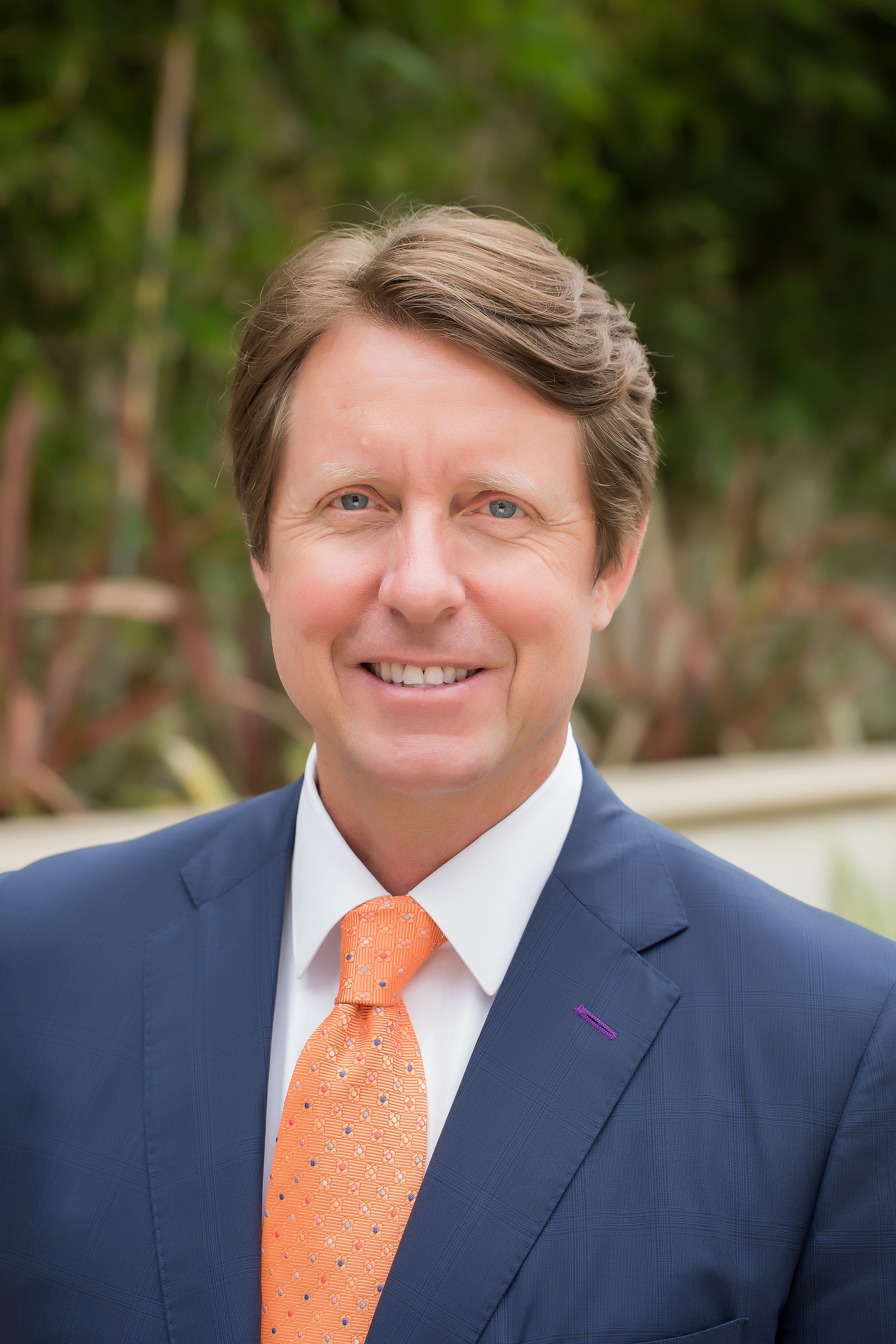
James Cunningham
James L. Cunningham Jr. is an estate planning attorney and the founder of CunninghamLegal. He holds a bachelor of arts in history from the University of California, Santa Cruz, and a Juris Doctor from Whittier College of Law. He is one of the few attorneys certified by the State Bar of California as a specialist in estate planning, trust, and probate law, and he oversees six offices along with a team of attorneys and professionals focused entirely on estate matters.
📚 Books by James Cunningham
Transcript
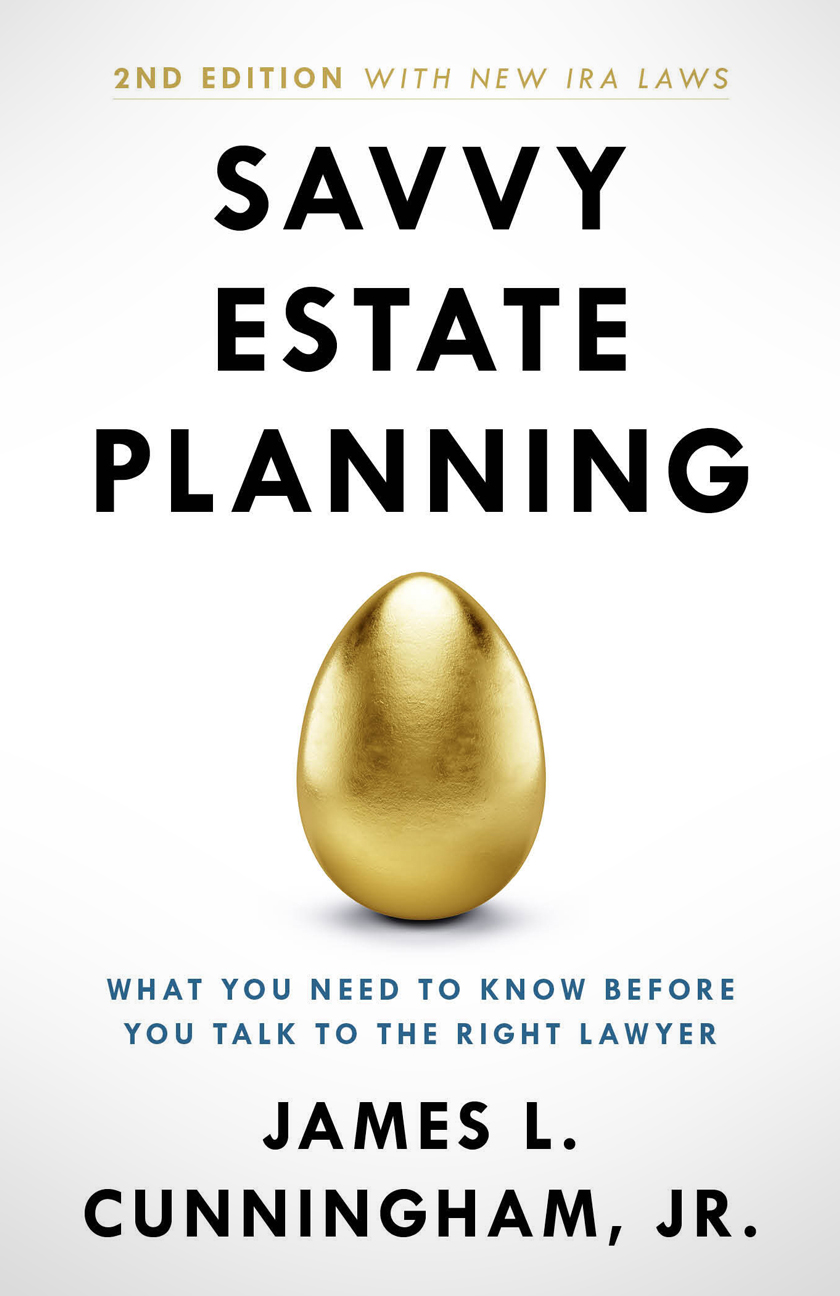
[0:01:03] BB: Too many people make the wrong choices when it comes to estate planning. If it’s not done properly, you could leave your love ones facing trouble when you pass away or become incapacitated. Fortunately, you can learn from other’s mistakes and you can be prepared before speaking to a lawyer about your future. In this no nonsense guide, Attorney Jim Cunningham shows how to avoid the top 10 mistakes that could damage your financial succession, your family, your heirs and your legacy. Savvy Estate Planning provides the essentials you need to know about estate planning. The only mistake you could make now would be to ignore it. Here’s my conversation with Jim Cunningham. Welcome into The Author Hour. I’m your host, Benji Block. Today, we’re honored to be joined by Jim Cunningham, who has just authored the second edition of Savvy Estate Planning. Jim, welcome into Author Hour.
[0:01:56] James Cunningham: Thanks for having me.
[0:01:58] BB: Absolutely. For listeners who are new to you and your work, just provide some context and a little bit of your background?
[0:02:07] James Cunningham: Yeah, well, I’m a lawyer and I’ve been a lawyer for over 25 years. I’m a certified specialist in the estate planning, trust and probate law. All that means is I’ve taken, not only one bar exam but another one and have a lot of experience in the estate planning and I’ve helped thousands of families over the years, helped them setup their wills and their trusts and then when loved ones passed away, help them through that process of all the stuff you have to do, whether you have a will or a trust, a living trust. All the stuff that you have to do when somebody passes away just sort of settling the affairs and what I found is that lawyers, they’d speak in legally and you know, no one understands what they’re saying and so what I did is I broke down what I felt were the things that people need to think about before they meet with any lawyer about their will or their trust.
[0:02:53] BB: That’s fantastic. Because this is the second edition, give me some context, when the first one come out and then things needed to be updated so now it’s just go time for that?
[0:03:01] James Cunningham: Yeah, well, the first one came out before the pandemic so which was like a million years ago, right? That was in 2017, it seems like seriously, 25 years ago. What happens in the world of law is laws change and they change irregularly. I mean, you cannot predict when they’re going to change, they just – law makers get together and they say, “Hey, we think this is a good idea” and they make a change to the law that affects everyone and then we’re left trying to figure out how to deal with it. One thing that happened between 2017 and now is there is a massive change in the way that government treats retirement accounts like IRAs and 401(k)s especially when a person inherits an IRA or a 401(k) from a loved one. Now, most of the people, 87 percent of the time, they take all the money out of that account and here’s a big problem. You take money out of an IRA or a 401(k), you’re going to pay income tax on that. In California where I’m based out of, like many other states, Illinois, New York is very high tax states, even Oregon is considered a high tax state, you got to pay not only federal income tax but state income tax and in California, it’s getting close to 50 percent
[0:04:11] BB: Goodness, yeah, it’s good to have that clarity and obviously when there’s a change. You’re going to have to change what you came out with. Okay, this book is clearly meant to help a very specific group of people and give a big picture sort of idea on estate planning and empowering us to move forward with some level of confidence. I love that you’re not using legal lease here, it was easy to understand. When you think of the ideal reader and when you're writing this bit back in 2017 and making updates now, where are they in life, when are they picking up this book?
[0:04:42] James Cunningham: Yeah, I mean, that’s a really good question. Who is this book for and what is it for? Those are really two important questions. I think this book is for anyone that cares, right? That cares about their loved ones that what happens to their stuff when they die. At the beginning of the book, we talk about how we can agree or disagree on religion, we can agree or disagree on politics but it is a fact. You come into this world naked and you go out and you leave everything behind, that’s just the way it is, you don’t take it with you and it does go somewhere. I think people, I mean, this is kind of captain obvious stuff, right? I don’t think people really think about, “Well, when I go, what happens to all these stuffs, okay?” I think for some people, it’s really important, for some people they frankly don’t care. For the people who care, read this book and I would say, look at the book with an open mind. I would say, I would approach it, I would sort of empty your mind and approach it with a beginner’s mindset. There’s a lot of bad information out there, I think a lot of people come to the subject with preconceived notions that are sometimes correct and incorrect. I would say, come to the book with a beginner’s mindset and really – I think this book is designed to get you to think and be prepared before you go to the lawyer’s office. This is not something you pick up, this is not like a user’s manual on living trust. This is not how to do it, it’s why it’s important and getting the reader to think about the things, to think about the answers to the questions that I know a good estate planning attorney is going to ask, okay? A savvy estate planning attorney, that’s I call it Savvy Estate Planning. This is not a space for general practitioners or novice attorneys and I would tell you, just because you’re a lawyer, it doesn’t mean you know how to do a great estate plan or an appropriate estate plan for a client, that takes specialized training.
[0:06:32] BB: Let’s do this, let’s define what is an estate plan because they provide different thoughts but what would be your definition and what is an estate plan?
[0:06:40] James Cunningham: Yeah, an estate plan is kind of like saying a garden, right? A garden. What is a garden? Well, it means different things in different people but in an estate plan, it’s a general descriptor for a set of documents and this is again, this is lawyers and we’re in the trade of documents but fundamentally, these are a set of documents that are instructions to people and to institutions and to the government on who is in charge, who gets what and when and the sequencing of when things happen. Also part of an estate plan is healthcare decision making, a lot of people don’t really think about that as part of estate planning but especially during with COVID, a lot of times, you kind of only one person can go into the hospital at a time to visit somebody or assisted living or skilled nursing care. I know my father-in-law was in assisted living during COVID and we couldn’t even go inside to see him. We had to wait outside and then we kind of talked to him through a glass partition like he’s inside, we’re outside which is really strange. I think part of estate planning is dollars and money and part of estate planning is naming a guardian like if you have minor children who is going to take care of your children if you leave this earth and they need a guardian and also, it’s who gets what and when. I mean, that’s I think what people think about when they think about a will. “Okay, who inherits? Are we going to read the will on a dark and stormy night that at the lawyer’s office with a big fire?” you know?
[0:08:02] BB: That is what I picture.
[0:08:03] James Cunningham: Bats flying around or something, you know?
[0:08:04] BB: Okay, I assume you get a lot of people who probably get interested in this far too late. People that just don’t know what to do, but what are the common errors? You walk through some situations, some scenarios in the book and talk me through some of those things you commonly see.
[0:08:23] James Cunningham: Yeah, well you know what’s interesting? Every day is different, it’s kind of, every day in my law practice is different. It’s kind of like the Forest Gump, life is like a box of chocolates, you don’t know which one you're going to get. I will tell you some, I think – gosh, where do I start? There’s so many more new examples since I wrote the book. This is not a do it yourself project, if you’re a smart person and you're listening to this podcast or you read the book and you go, “Wow, you know what? I’m not a dumb person, I’m a smart person. I can figure this out on my own” I would say that number one mistake is people trying to do it on their own, whether they handwrite a will or they go to an online thing or they see something to get a trust for $399 and it’s all just boiler plate, you just fill in the blanks and then get it done. The problem with that and this is why you need an expert, only an expert knows what’s missing. What I mean by that is, you can look a lay person, can read a document, written in legal lease and kind of figure out what it says, right? “Okay, this person set up the will or the trust and when this person dies and these other people get the money” that’s pretty straight forward but there’s some things that are missing and I will tell you, I – my home state is California but this is a problem throughout the country, half of marriages end in divorce, okay? Many people after they inherit, guess what happens? The spouse leaves and says, “Oh, that’s marital property, that’s community property, I want half that inheritance.” One of the things that I would say, the vast majority of attorneys that do estate planning do not focus on is divorce protection for your children. If you’re leaving your estate to your kids, nobody thinks, “Divorce protection for my children, wow, that’s important to me.” Well, if it’s important to you, you need to put it in there. Another thing and this is, we cover this in the book, it’s called a trust protector. This is really important and if you're listening to this and you’re thinking about your estate plan, it’s very important that you pay attention to this because a trustee is constrained or an executor – An executor by the way, if you have a will that’s the executor, that’s the person in charge. The person in charge of a trust is a trustee and so the executors and the trustees are constrained by the documents, so what I mean by that is they have to follow the document as written, which most of the time is a really good idea but sometimes it’s a really bad idea, right? Sometimes, it’s very tax inefficient and you know, many times we’ll rewrite an estate plan, a living trust to fix a specific tax problem but sometimes these problem arise, these problems don’t arise until after someone passes away. There is something called the trust protector and the trust protector has power over the trust but it’s not the trustee. For example, if you said, if the trust mandated that the trustee had to take a horse and buggy from Los Angeles to New York, this is hypothetical.
[0:11:03] BB: Right.
[0:11:04] James Cunningham: We would both say, “Well, that’s kind of nuts. Why don’t they just hop on a JetBlue flight for $800?” right? The trust protector could rewrite the trust and say, “Yeah, you can take a jet because this trust is written so long ago there were horses and buggies, there weren’t jets” so that’s an example. If you don’t have a trust protector, then you got to go to court to have that changed. I did meet with some people recently and they ignored the fact that their mom had passed away. It was a large estate, not only are they going to have to pay death taxes but they are going to have to pay a two-million-dollar penalty plus interest at $500 a day and that’s because they’re not paying attention to it and that’s because they didn’t seek out help timely. The bigger the numbers, the bigger the consequences.
[0:11:46] BB: That does kind of lead into and this is another just practical, you know, I’m new to this so I am going to stop going. Man, I’ve got some questions for you. One thing I think of when I think of estate planning is I go that’s for a certain amount of wealth. That is for someone that you know, when you hear that estate plan, you think of is there an amount of wealth that needs to be acquired before I’m thinking about this? Is there an age I should hit before I’m thinking about this, so just touch on that briefly for me?
[0:12:12] James Cunningham: Yeah, I would say it’s a little bit of a barbell and so I would say on the people who just have a home and they’re elderly, typically the home is their largest asset and a lot of times people cannot afford in home care and so they have to be institutionalized and that’s like 10,000 a month, okay? Protecting the home, big, big concern, you need a very specific type of estate plan to protect a home when an elder goes into assisted living or to a field nursing care facility. You know, I would say the rank and file people, you know, if you own your own home outright and you got a pension and you got social security and you got a couple hundred thousand in the bank, you don’t need an expensive estate plan but you need a competent lawyer to do that. Once you get into the bigger numbers and typically this is over five million or if you have an IRA, a retirement account of more than a 100,000, you really do need an expert because you can really mess things up pretty quickly but I would say that the barbell if you will, on the one side is an elder with the house and maybe unlimited amount of cash and then on the other end would be the five million and up type person but they need very specialized estate planning. You know, the vast majority of people are in the middle.
[0:13:17] BB: That makes sense. Okay, so you’ve brought up several times, you know, we need an expert. I wonder if you have like a checklist of sorts, things that we should be asking ourselves. What are those touch points we need to be considering while we’re picking an attorney and an expert?
[0:13:31] James Cunningham: Yes, so many states have a certified specialist program and so California is one of those states. California has an additional bar exam, they’ve got an additional education requirements, they’ve got additional practice requirements so you have to be out and handling certain number of matters, not every state has that. I would say that if your state has that that it’s very easy to access. You can typically access that online or for states that don’t have that certified specialist program, there are a few national organizations. National Academy of Elder Law Attorneys, which is known as NAELA, there is the American Academy of Estate Planning Attorneys for estate planning, there is Wealth Council, there is National Network of Estate Planning Attorneys, these are affiliated groups in terms of lawyers are members of these organizations. What that means is, you know, there is a barrier to entry, which is paying a fee so then the lawyers are very serious about estate planning and it’s a big part of their practice. Whether or not they’re a member of that organization or not, pick someone who does a lot of estate planning. If you pick someone who says, “Hey, I got out of law school two years ago and I handled criminal matters on Monday morning and divorce matters on Monday afternoon and immigration on Tuesday morning…”
[0:14:38] BB: An all-you-can-eat buffet.
[0:14:39] James Cunningham: Yeah, you know that’s just too scattered and estate planning is too important and again, this goes back to the issue of what’s missing and there are a lot of things that are missing in estate plans when I meet with a client to review an estate plan, which by the way you should review your estate plan every year, your own estate plan, your will or your trust. You should do it with a lawyer probably over three to five years because stuff just happens. If you’re not looking at that estate plan, it just maybe out of date, right?
[0:15:03] BB: Right.
[0:15:04] James Cunningham: I would say look at your estate plan and make sure it correlates with what you want.
[0:15:08] BB: What are some important things to consider in when it comes to the living trust?
[0:15:12] James Cunningham: Well, living trust, so in the universe of trusts which have been around for about a thousand years since the crusades, that’s when trust law started in England, a living trust is also known as a revocable trust. This is a trust that you can amend or you can revoke. That is treated differently than an irrevocable trust. An irrevocable trust is a trust you can unamend and you cannot revoke. When we talk about living trust, we’re talking about revocable trusts. I would say that if you are listening to this and you have a living trust and you’re married and you did your trust before 2012, so 2011 and earlier, you likely have something called an AB Trust and we cover this in the book. An AB trust is a mandatory split of assets on the death of one’s spouse, so what that means is, husband and wife have a million bucks. Husband dies, the wife has to put $500,000 into what is called a B trust, which is an irrevocable trust. A lot of people are surprised when this happens. The reason why that was around back in the day, there was a really good reason, a tax reason and then the law changed in 2011, at the end of 2011 that did away with the need for AB Trust and for most people, not only are they annoying but they are quite frankly harmful to the creation of multigenerational wealth, so they can be really bad and there’s a tax reason why and we discuss that in the book.
[0:16:36] BB: You just brought up the law changing again and it has me thinking as we kind of start to wrap this conversation up, are there any other major law changes that you want to highlight that were really important to you to come out with the second edition?
[0:16:50] James Cunningham: Yeah, so the really big one is in 2017, the government passed a law that’s president signed that doubled the death tax exemption. What that means is, right now you can leave and as we’re talking it’s 2022, you can leave twelve million sixty thousand dollars free of federal death tax. Now, there are death taxes in certain states, so if you are – you know, just Google it and you’ll get an answer if you want to find out what the death taxes are on any given state. That is set in 2026 and this is really important, so please pay attention. In 2026, that’s going to get cut in half and so that’s why you said if you have an estate of over five million, you probably do need, a greater need for a specialist because in 2026, in January 1 of 2026, the amount you can leave tax-free is going to be cut in half. Anything above six million plus inflation, anything above that number is taxed at 40 percent. That bill is due nine months after death, a very short time window.
[0:17:51] BB: Wow, that’s insightful and this book is full of insights. I appreciate you coming out with a resource like this. I know it is something that people need and so it is not just a want. It’s a must have and I appreciate the language that you used here to make it explainable. Let me ask you this Jim, just on a personal note, what gets you excited about this line of work? What gets you just passionate about helping people and what keeps you kind of going in your law profession?
[0:18:18] James Cunningham: Boy, that’s a great question. I would say that some people thrive on novelty. What I mean by that is something new, something new, something new. This is an area of nuance and the nuances are the ones that are very exciting to me and I also have the opportunity, you know, just before this podcast defended one of my clients who we were talking to yesterday passed away unexpectedly.
[0:18:39] BB: Wow.
[0:18:39] James Cunningham: It is an honor to work closely with loved ones after somebody who you care about passes away because it’s a meaningful job. You know, a lot of jobs out there just aren’t that meaningful. You are working for some faceless corporation making, you know, rich people even richer, whatever it is, right? This one we’re actually helping people and it’s very human and it’s very emotional but I really like that aspect of being in service to people and helping them out through a difficult time.
[0:19:08] BB: Well, thanks Jim for the work that you do. It is meaningful and we appreciate you taking time to be here on Author Hour. For those that want to connect with you further beyond just the book, what are ways for people to do that?
[0:19:21] James Cunningham: Well, check out our website, it’s cunninghamlegal.com. Also, check out our YouTube page, we have over a 100 videos on YouTube and we do a weekly webinar. We just did run one of those today, every Thursday at 12 PM Pacific Time, those are then posted on our YouTube channel. A lot of great content, we go into depth on a lot of different topics and the feedback we get is very positive from the people who are watching these videos.
[0:19:46] BB: Fantastic. Again, the book is, Savvy Estate Planning, this is the second edition. It’s on Amazon now, you can go pick it up. Honored to chat with you Jim and know this resource is going to be a huge benefit to so many.
[0:19:58] James Cunningham: Well, thanks for having me on.
[0:20:01] BB: Thanks for joining us for this episode of Author Hour. You can find, Savvy Estate Planning, the second edition, on Amazon. A transcript of this episode as well as all of our previous episodes is available right now at authorhour.co. For more Author Hour, subscribe to this podcast on your favorite subscription service. Thanks for joining us, we’ll see you next time. Same place, different author.
Want to Write Your Own Book?
Scribe has helped over 2,000 authors turn their expertise into published books.
Schedule a Free Consult