Chris Boman: Episode 872
Read the full transcript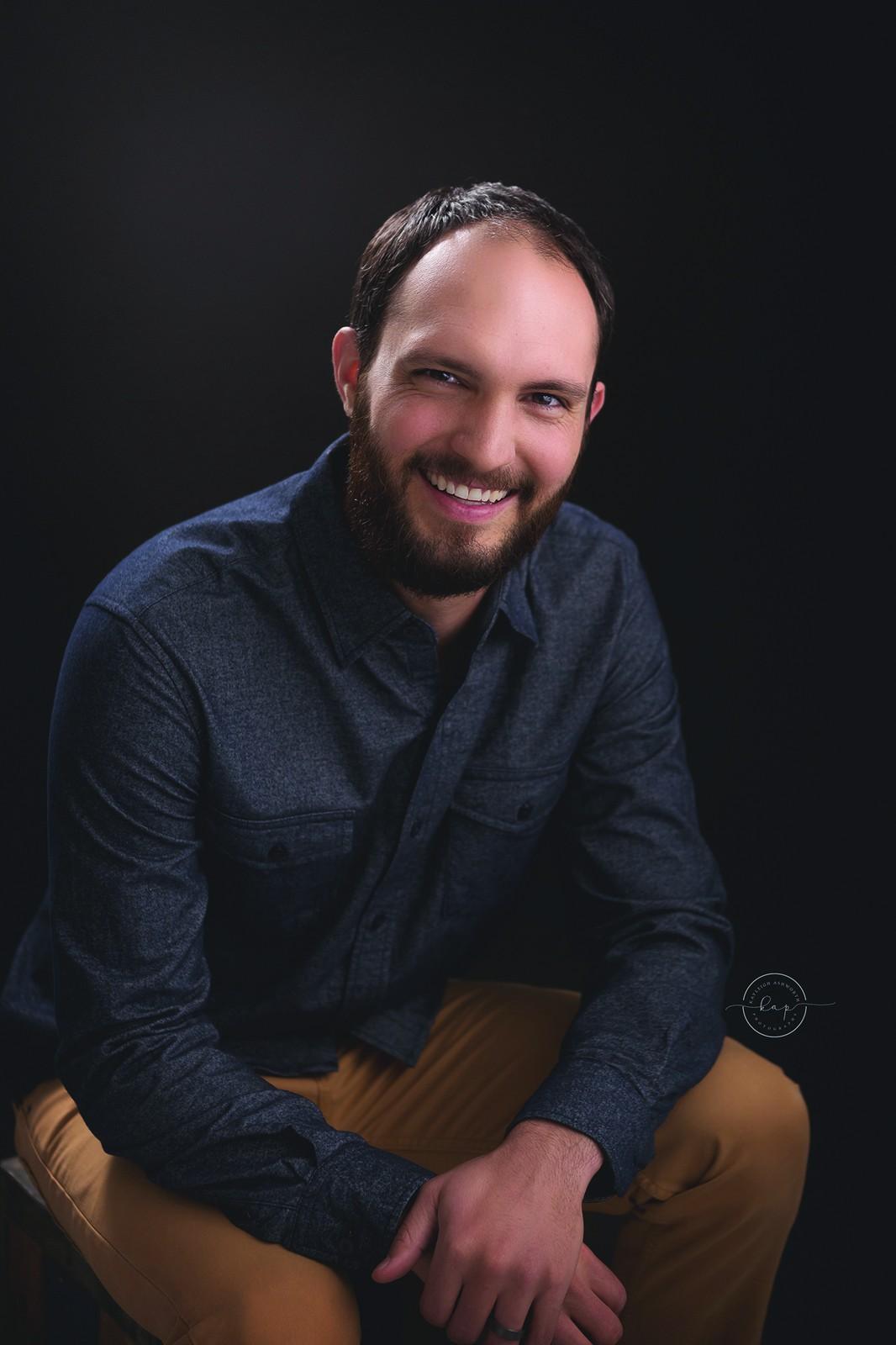
Chris Boman
Dr. Chris Boman is a chiropractor who helps heal his patients by identifying problems at their core. He has a focus in chiropractic pediatrics with degrees from the University of Montana and Southern California University of Health Sciences. Driven by his faith and a recognized higher purpose, Dr. Chris leads families in discovering their God-given health potential. He’s also a professional consultant for aspiring entrepreneurs and frustrated CEOs, reigniting their passion and enabling them to pursue a goal beyond paying the bills.
📚 Books by Chris Boman
Transcript
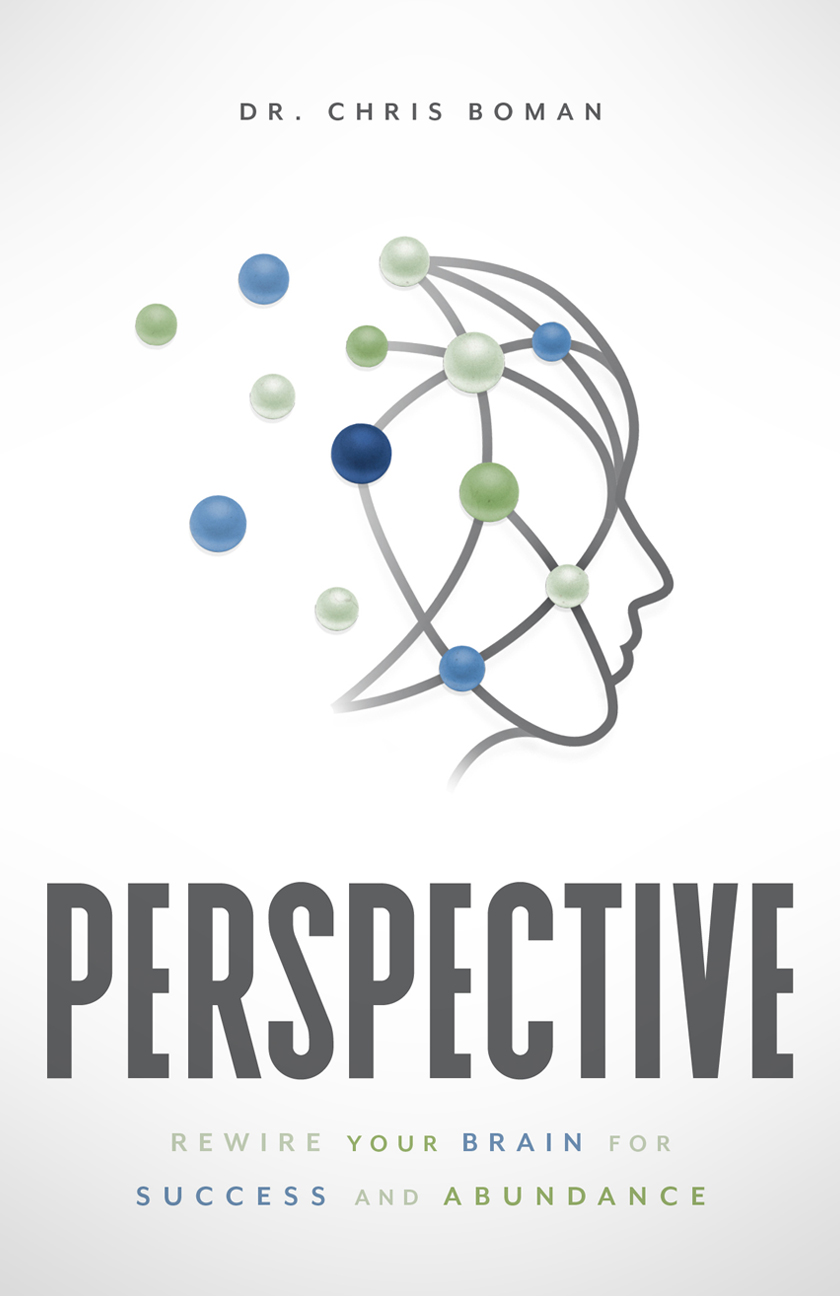
[0:00:34] FG: Your work life is boring and your marriage has grown stale. The diets you’ve tried for the last 10 years have gotten you nowhere and you feel tired, worn-out, and unproductive. It’s time for a change but not one prescribed by another self-help podcast or Instagram influencer. You need a real solution, one that will help you rediscover the real you. Sometimes the change you need isn’t in the steps you take but in the perspective you hold. Dr. Chris Boman understands this well. For years, he has worked as a chiropractor focused on helping his patients bring life back to their bodies, rather than take disease away. Now, in Perspective, he shows you how to identify the mindsets holding you back with a combination of clinical science, practical strategies, and thought-provoking questions. Through root cause analysis, Dr. Chris shows you where and why problems originate, so you can uncover the sources of stress in your life and make intentional decisions to achieve your goals. Whether you want to feel better, fulfill your potential, or embrace professional change, now you can, with this inspirational guide for finding your passion and sharing it with the world. This is the Author Hour Podcast, and I’m your host, Frank Garza. Today, I’m joined by Dr. Chris Boman, author of a brand-new book, Perspective: Rewire Your Brain for Success and Abundance. Chris, welcome to the show.
[0:02:06] Chris Boman: Thanks so much for having me, it’s awesome to be here.
[0:02:08] FG: To kick things off, could you please tell us a bit about your background and how that led to you writing this book?
[0:02:15] Chris Boman: Yeah, thank you for asking. I am a chiropractor, specifically, pediatric, prenatal, and special needs chiropractor, my diplomat in chiropractic pediatrics and that was my – has been my world for the past five or six years. I realized in school, they really only trained you to be a clinician, they don’t really train you to run a business and you kind of don’t know what you don’t know. Up until maybe four or five years ago, sorry, two or three years ago, four or five years into practice, I actually started to think like an entrepreneur and a business owner rather than just a clinician. I had a few experiences running my practice as a clinician where things nearly fell through, when you read the book, you’ll hear my story in 2019 how I nearly gave everything up and just decided to want to be a W2 employee and not deal with the entrepreneur life. Luckily, the Lord kept me from making that decision and I decided to, you know what? There’s a lot of service providers out there that come out of cosmetology school, aesthetician school, massage therapy, physical therapist, personal trainer and everything in between, chiropractors as well, where they’re treating their business like a practice rather than treating their business like a business and therefore they’re not making business decision, they’re making emotional therapist, clinical decisions. Oftentimes, that can lead down the road of burnout, it doesn’t allow you to think into the future. Often times business owners in those fields don’t take care of themselves until they’re unhealthy. I decided, “You know what? I’m going to take the lessons that I’ve learned and hopefully save other serious professionals and other entrepreneurs and parents from making the same mistakes I did.”
[0:03:51] FG: Yeah, you talk about that and you talked about your issues you were having in the fall of 2019 and the intro of your book starts right away with that story. Why did you choose to start the book with that story?
[0:04:04] Chris Boman: You know, I’ve given hundreds of presentations over the course of my career, health workshops and keynote speeches and things like that and I’ve always found, one, I have the most fun when I feel like people know me, like really know me rather than just being a talking head up on stage. I feel like I engage the audience better when they know that I’m coming from a place of humility rather than coming from a place of standing on top of my private jet, Lamborghini and you know, I don’t have any of those things but coming from that like, hottie place, rather than coming from a place of like, I’ve been there, I thought the thoughts that you’re thinking if you’re reading this book but I want you to know that I hear you, that I see you and that I’m here to support you and not judge you because I went through the same exact failures and trials that most people that are reading this book have gone through or are going through.
[0:04:56] FG: You talked about some of the people that this book is for. I’d like to ask you to dig into that a little bit further. Who did you write this book for? Who would you consider your target audience?
[0:05:07] Chris Boman: Yeah, I mean, I wish I could write this book and then go back five or six years and read it before I started my practice. I think it would have helped me make much better decisions and so it’s for those people that are startups and especially people that recently graduated school and want a quick course on how to start a business for the long haul rather than making short term scarcity, fear-based business decisions and trying just to get an income. It's for those moms that – and possibly dads too or people that are stay-at-home that did work but gave up their career for having kids and having a family but still have that desire to work and to contribute financially but don’t think that it’s possible to break away from the kids or whatever it is, to inspire them and hopefully, give them the nuggets that I have learned to start a business, whether it’s part-time, it’s a small business that they can feel like they’re contributing. One of my favorites for those CEOs that have started a business in maybe 10, 15 years ago or even shorter but are burnt out but they can’t leave because this is their means for an income, how we can kind of reignite that passion, reignite that fire to enable people, empower people to make decisions that will give them a life that they enjoy, a business that is profitable, a business that is scalable and hopefully one day, a business that’s sellable, so that way they can leave their legacy instead of everything living and dying with them.
[0:06:33] FG: In the first chapter of the book, you talk about this physiological perspective shift that’s needed and you talk about how important it is to understand how your body works when it’s in a state of stress and when it’s in a state of ease. Can you talk about what each of those two states are and why that’s so important to understand?
[0:06:52] Chris Boman: Yeah, great question and this really is the difference-maker. I feel like in perspective versus other entrepreneurial books or self-help books, motivation books is I’m able to leverage my training and experience as a clinician to get to the root cause of the scarcity mindset, which is obviously the opposite of the abundance mindset and the scarcity mindset comes from a physiological and neurophysiological source, all the way down to a little tiny part in your brain called the amygdala. The amygdala is fired and activated when there is a real threat in your environment. That would happen in the old days when you’re hunting or you're in an environment that is physically going to hurt you. Our modern-day life doesn’t really procure that many threats, our desk jobs aren’t terribly dangerous. There are other sources of stress that are overwhelming the nervous system, causing our amygdala to fire to a perceived threat instead of an actual threat and because it’s a perceived threat, the stress is perpetuated, causing a person to live in a continual state of stress. When in somebody is living in a continual state of stress, when their amygdala is constantly active instead of their prefrontal cortex, they make decisions that are impulsive, they make decisions that are reactive, they’re running away from fear, instead of running towards success and so, in my opinion, people can’t live in this state of abundance and will never achieve the state of success that they want to if their neurophysiology isn’t balanced and in a continual state of ease. We talk about the three T’s, traumas, toxins, and thoughts or emotions that trigger this perceived threat and perpetuate the stress cycle and then what we can do to actually unstuck our brain in our nervous system from living in a state of stress to actually living and thriving in an optimal state of ease.
[0:08:51] FG: Yeah, could you dig into those three T’s, those three traumas that you mentioned and maybe just give us a brief summary of what each of those are?
[0:08:58] Chris Boman: Yeah, so like I talked about earlier, you have perceived threats and you have actual threats. In the old days, when we were kind of hunter-gatherer species, most of our threats came from actual, another tribe attacking another tribe, you’re being hunted down, you’re being – the weather, whatever it is, there’s actual threats going on that our body needs to go into a state of survival to make it through those moments. In our modern-day culture, like I said, we don’t have too many of those, at least here in the States, in the suburbs, and the city but that doesn’t mean that we are without stresses. Stresses have gone from – to physical stress of your health blowing over or those sort of things to micro stresses such as sitting all day. That’s a trauma that your body has to deal with or repetitive motion. The prime example is the grocer that is twisting left to right, left to right all day moving groceries, as a golfer that’s doing the same motions. All those are physical traumas and then there’s macro traumas such as car accidents, trips and falls on ice, those things are things that can jar the spine and cause an insult to the nervous system. When we talk about emotional traumas, it’s not too hard to find that in today’s day and age. You know, with the pandemic going on, I’m losing jobs, divisive families, yes, stressful work environment, stressful house environment, we deal with the news on or fighting. All of those things are also insults and cause the stress response, a flood of cortisol, epinephrine, adrenaline to the brain which turn off the higher executive function of the prefrontal cortex and put that person into a state of stress firing the amygdala and then finally, chemical. This is one that I go into extensively in the book, our modern-day diet is very different than our ancestor’s diet. You’ve heard of maybe paleo diets and those sorts of things, all of those are is really going back to our roots, we’re eating things that come from the ground that eat from the ground, mainly fruits, veggies, and high-quality protein. Our modern-day diet is high in processed foods and food dyes, you have chemicals on our water, we have chemicals in our air and so our nervous system, immune system, and digestive system get overwhelmed and we can’t either detox the amount of chemical threats that are coming in or we’re actually malnourished. There’s a lot of people in the United States that are actually malnourished because we’re not getting the electrolyte, the vitamins, the minerals, the amino acids and things that we need to actually build a strong system. When we have continual chemical influx, whether that’s a lack of or too much of our body will also trigger that fight or flight or stress response and go into this state of survival.
[0:11:38] FG: I’d like to ask you a few things about this “Purpose of Purpose” chapter and you already alluded to one earlier where you’re talking about running towards safety rather than from danger and you say another. You say an important question to ask yourself in the book is, “Am I running to something or am I running from something?” Why is that such an important question to ask yourself and what can you learn from it?
[0:12:05] Chris Boman: Yeah, I love this chapter. I just had a patient the other day that got a sneak peek and was on this chapter and I was so excited for him to read it because it really is, once your nervous system is working the way it’s supposed to do and you have the chance to develop a vision and create core values, purpose is really that thing that’s going to keep the motor going. It’s the coal on the engine, it’s that thing that’s never going to fail you because your vision could change a little bit, your core values will morph over time but your purpose is usually something that sticks with you for a long time. When you have that purpose, you always make decisions that are aligned and congruent with that purpose rather than floating through life without one going wayward left to right or trying to make and I think a good example is taxes. Everybody has taxes. I talk to so many people, I don’t want to make more money because they don’t want to pay more taxes, so they are pursuing life running away from taxes rather than if I make more money, there is extra things that I can do. Different accounts, different savings plans, different investments that I can put it in that not only will I have to pay or will I get to pay less taxes but I can also run towards a goal of making more money rather than run away from having to pay somebody more and so it’s ultimately different of somebody that’s in a state of scarcity, where I’m going to horde what I have, I am going to run away from what’s trying to take something from me rather than I am going to run towards value. I am going to run towards creation, I am going to run towards legacy and I think those are the things that will push you through difficult times and difficult decisions because you have something to latch onto that is bigger than fear.
[0:13:49] FG: Another thing you talk about in that chapter is how important it is to create core values for yourself and you mentioned that the two most important core values in your life are freedom and abundance. Can you talk about what is freedom and abundance mean to you and why are those your two most important core values?
[0:14:09] Chris Boman: Sure, so freedom can mean many different things to obviously many different aspects of life. I think just saying the word freedom, right now, the people that are listening it’s going to mean a whole bunch of different things. I mean, whether freedom from debt, freedom from government, freedom from having to buy food, freedom from whatever it is and so for me, before I make any relative major decision I ask myself, “Is this aligned with the type of freedom that I want to live.” I mean, I will give you an example, also in the book I talk about that. I am a bit of a regenerative farmer and we have two milk cows right now that every morning we are out there milking. Now, this doesn’t allow me the freedom to travel and take a week off and those sort of things but it allows me the freedom from going to the grocery store. It allows me the freedom to search, you know, to not have to find entertainment or find things to do because I have natural things to do here at home. Abundance is the same thing, you know paying a bunch of money for a cow, obviously the buying money from the – or buying milk from the store might be a little bit cheaper in the short term but I have an abundance that now I can share and build a network with people and that goes from me just kind of buying stuff for my needs to building a network of people around me where we can share and build experiences. I think it’s really important to have core values that you can evaluate the bigger decisions that you want to make from multiple different angles. Does it provide me the type of freedom that I’m looking for? Is it going to lead to an abundance of more than just what I need for me but is it going to allow me to build a network and be a service and be a value to people around me. Not everybody’s core values have to be freedom and abundance obviously. Even if they are freedom and abundance, that can look different for you. For you, buying a milk cow may strap you down, it may give you less freedom because you like to travel. Maybe buying a house and getting into a bunch of debt isn’t a good thing for somebody that values freedom to travel because then you have less money and then you have something to take care of and so maybe renting. Even though you find a good deal on a house or something like that, staying congruent to your core values is ultimately going to allow you to live the life that you want to live rather than maybe building a life that is somebody else’s dream.
[0:16:30] FG: In the “Essentials” chapter, you talk about some key tools that can help people solve problems they’ll encounter along the way and I was hoping to dig into a few of these. The first one I wanted to touch on is why the problem isn’t the problem. What’s important to know with that one?
[0:16:48] Chris Boman: Sure and I’ll explain this in an analogy. I might talk about this in the book, I can’t remember if I use this one or a different analogy but as a chiropractor, obviously I see people with lower back pain all day every day. What most people are surprised of is usually the root cause of the issue is either in the front of their back, so in their hip flexors or their main issue is up in their neck. When people are just pursuing where they feel pain, they’re never going to address the root cause of the issue and so we start adjusting the neck and the neck back to proper motion. We start releasing the hip flexors without even touching the lower back and the low back pain starts to go away. I think a lot of people are stuck on, “You know, my business isn’t growing because I don’t have enough new leads.” Well yes, you might not have enough new leads, you might not have enough new leads because you don’t have a team following up with the ones that you already have or you don’t have systems in place or if you did have a bunch of leads, where would they go? I think it’s the skill that I have learned as a clinician and now as thinking more like an entrepreneur where if I am experiencing a problem, I don’t just want to throw money and resources. What seems to be the issue, I want to take a critical look and look at the other joints per se around the problem that I might be experiencing and the symptom that I am experiencing. Another great example, somebody might have knee pain. I might adjust the ankle and the hip and the knee pain goes away, so we didn’t even address where the symptom is expressing but we addressed the root cause of where the actual dysfunction was. Sometimes what you may perceive as a problem is a symptom and the problem is actually hiding somewhere deeper within your systems and maybe somewhere just like the example that I give about the problem of blindness, where all your systems are running well, your sales team, your support team, customer service, all of that is running well but there may be an issue with how the business is running that you need to look at before actually throwing time and money at the symptom.
[0:18:46] FG: Okay next one, clean out the clutter. What’s the key message there?
[0:18:51] Chris Boman: Yeah, I mean I think most people look at the elephant rather than taking little bites at a time. We’ve all heard that example but a lot of the times too, cleaning out the clutter can mean letting go of things that you want to work and things that you want to make happen, letting that die, and letting some new birth come up from getting rid of a heavy thought that is just not working out. I think I give the example of we have a high priority of making high-quality soil on our farm and that requires things to live and then to die and then to live and then to die and that replenishes the nutrients in the soil and gives off new ones as molecules and structure and whatnot changes and so I think when you look at cleaning out the clutter, you know the example, the image that’s supposed to come to your head is you pull out your desk drawer, there is a whole bunch of things, even if you like some of them, if you are not using it, it’s okay to let it go. It is okay to throw it away, it is okay to give it away in order to make room for the things that are essential.
[0:19:55] FG: In the last chapter, “Perspective”, you write and I am going to quote in this last chapter, “Let’s explore more about what a congruent life looks like and why it is so important for achieving your goals.” What is a congruent life? What does that mean and why is that so important?
[0:20:12] Chris Boman: I would say, when you lock in your vision and your purpose, nothing that you do or I guess I would say it the other way, everything that you do should be in line with that. You don’t want to say, “You know, I want to build this big e-commerce business” and then buy a brick-and-mortar massage therapist those things don’t go hand in hand. You are going to be focused on two completely different business models. A congruent life is also including your relationships, it’s also including your nutrition, it is also including your exercise habits. If your goal is to build a big company, you’re going to need to have a huge resource allocated to your stress reduction and emptying your plate continually of things that don’t matter. I’ll give you an example from my practice, somebody that wants to come in and wants their back pain to go away but they sit eight to 10 hours a day and drink a bunch of soda, don’t exercise at all, and have a stressful marriage or relationship at home. Coming to me to make their problems go away is not living a congruent life because I am promoting holistic health and the body can heal itself but yet you’re at home, you are not doing things that enable and empower the body to heal itself the best that it can. I think living a congruent life is everything, every decision that you make is filtered through your vision, your core values, your purpose and then you set those goals in order to keep you focused, to be able to reflect, and to know that your life hasn’t strayed away from the ultimate purpose and vision that you had set for yourself.
[0:21:47] FG: Well, writing a book is such a feat. Congratulations on getting this published. Is there anything else about you or the book that you want to make sure our listeners know before we wrap up?
[0:21:57] Chris Boman: Yeah. I think I was initially insecure about how much I wrote. The book is only 150 or 160 pages, when you pick it up it does feel light. It does feel like you can flip through it right away but now, it’s actually one of the things that I am most proud of. I think a lot of these self-help, self-motivational type of books have a lot of fluff and things in there that for somebody like me that wants to know what to do and to get on with it, a book like this would be really, really helpful. Then a book that takes all aspects of life into account, you know, you can’t run a business if you don’t have a bunch of home responsibilities but if you have a bunch of home responsibilities, you need to take into account how much time that’s going to take from it and really, I think a lot of people look to building a business as you got to be this big multimillion-dollar business and it’s looked down upon to only have a five-figured business or a low six-figured business but for some people, that’s all they need and that’s all they want and that’s okay. This book reaffirms that and no matter what type of business that you want to build, no matter what type of life that you want to build, I think the principles in this book are something that’s going to last because it is based on you building your life the way that you want to live it in a healthy way that is sustainable, follows really the principles of life that once discovered you will always want to be able to follow. I am excited for you to read this book, to be inspired, to learn more about your body than you might know, to learn more about business building than you might know, and really, just to learn from my experience and save you what I always like to say, ignorance tax, so that way, you have the wisdom to go ahead and make better decisions for your life.
[0:23:34] FG: Chris, this has been such a pleasure, and thank you for putting this book out into the world. The book is called, Perspective. Besides checking out the book, where can people find you?
[0:23:43] Chris Boman: Yeah, Instagram, Dr. Chris Boman @drchrisboman. If you want to know more about my clinical side, my practice is @trailheadchiro. I have a website, it’s the same at Dr. Chris Boman, sorry, www.drchrisboman.com, and you can find all things consulting, all things speaking and all things video and all that stuff on that site as well.
[0:24:03] FG: Thank you Chris.
[0:24:04] Chris Boman: I appreciate it, thank you for having me.
[0:24:07] FG: Thanks for joining us for this episode of Author Hour. You can find, Perspective, on Amazon. A transcript of this episode as well as all of our previous episodes is available at authorhour.co. For more Author Hour, subscribe to this podcast on your favorite subscription service. Thanks for joining us, we’ll see you next time, same place, different author.
Want to Write Your Own Book?
Scribe has helped over 2,000 authors turn their expertise into published books.
Schedule a Free Consult