Susan Combs: Episode 880
Read the full transcript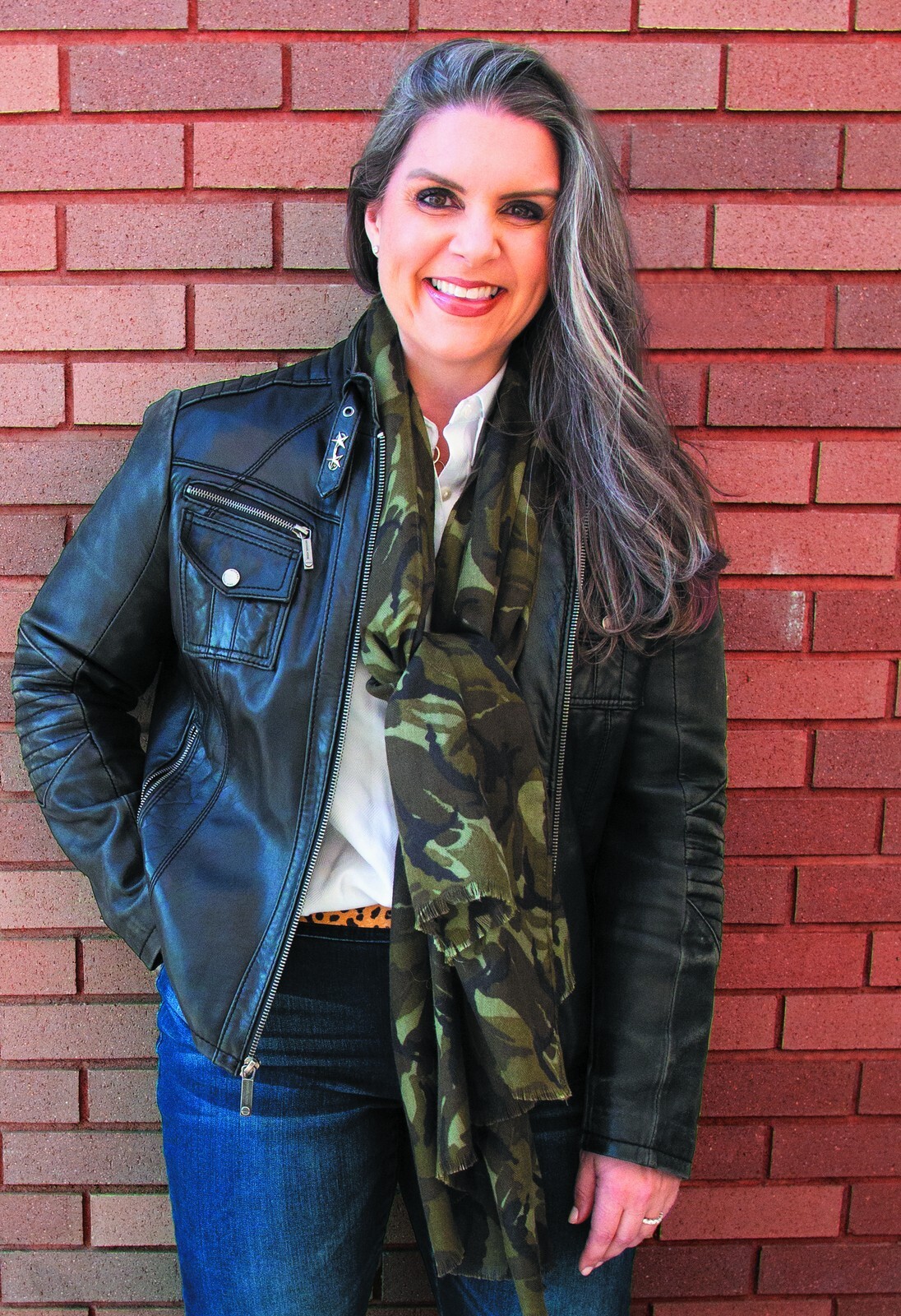
Susan Combs
Susan L. Combs is President of Combs & Company, a full-service insurance brokerage firm based in New York City. Susan started the company at twenty-six years old with a drive to “Do more, better.” This internal mantra has resulted in numerous successes and firsts, like being named the youngest National President in the over eighty-five-year history of Women in Insurance & Financial Services (WIFS) and the first female Broker of the Year winner for BenefitsPro.
Susan is “a Missouri girl in a New York world,” and it’s the lessons she learned during her Midwestern upbringing and two-plus decades in New York City that are the basis of this book. The insights contained in these pages come from family, friends, colleagues, and life in general. But the most important teachings are from her late father. It was his steady guidance in life that set Susan’s foundation and it was his passing that inspired her new movement, Pancakes for Roger .
When Susan’s not running her business or trying to help others through their own challenges, you can find her flipping tires at her beloved CrossFit gym, supporting the Missouri Tigers, KC Chiefs, and Royals, or slaying the dragons that have come her way.
📚 Books by Susan Combs
Transcript
[0:00:00] Susan Combs: One of the things that I don't think I realized until I really got into writing this book is that I've had so many great mentors. I've had mentors throughout my entire life, but not everybody does. And so kind of the premise of this book, I in a way almost wrote it to my business partner. That's about 10 years, almost exactly 10 years younger than me. And you know, so she's somebody, I mean, she's in her early thirties now. But when she came to me and started working with me, she was in her mid twenties and it was, you know, kind of like trying to help people that are, that maybe they're uncertain on their career path or they're wanting to take on more or they're wanting to shift things to work towards their passion or develop, you know, maybe a nonprofit or start their own business or things like that. And sometimes you just need to have somebody that can kind of regurgitate a lot of information that they've gotten along the way.
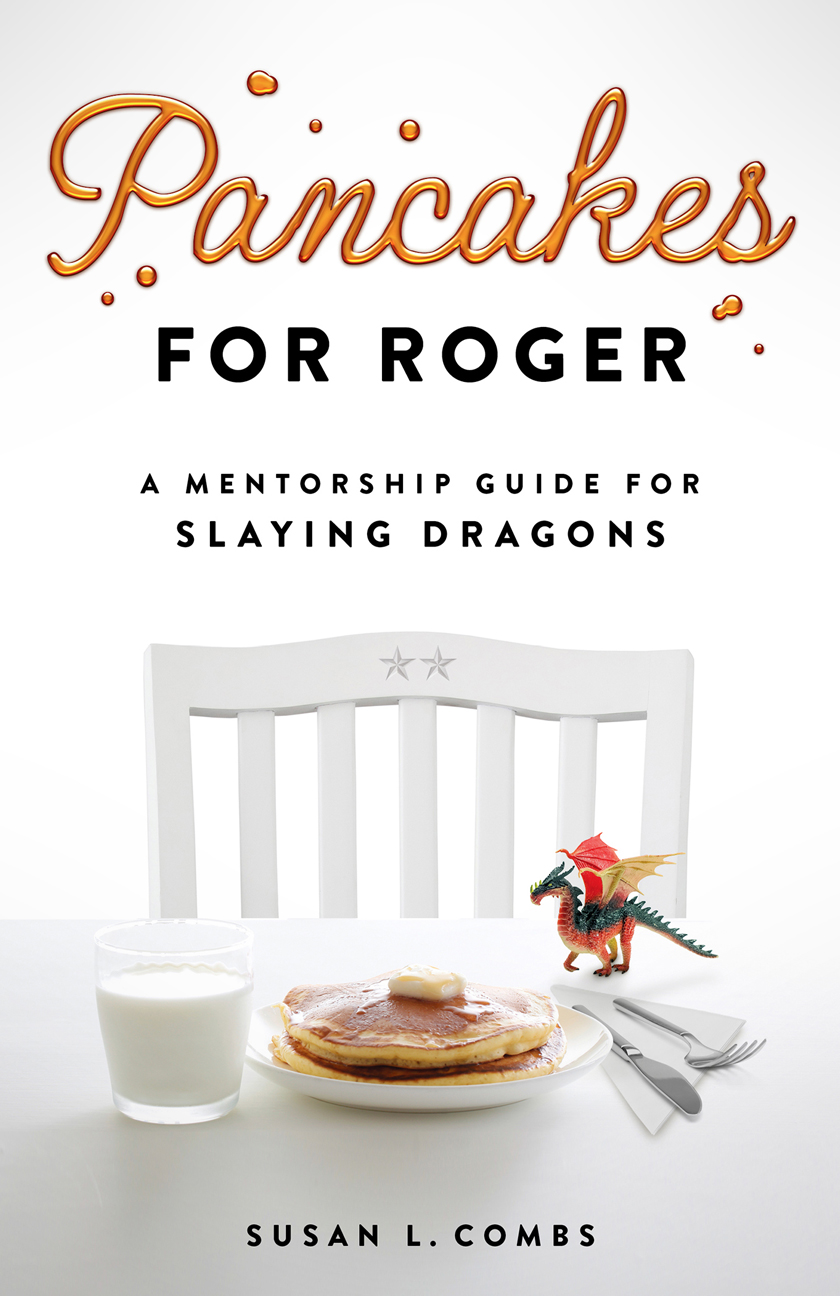
[0:00:55] Host: In a world that can feel shaky and uncertain at times, one fact holds true. Nobody gets anywhere alone. Susan Combs has learned this lesson many times over and she's held on to the advice that has guided her on her journey. One that's taken her from a tiny town in Missouri to the hustle of New York City. She's faced immense grief and she's fostered immense growth, both personally and professionally. Through it all, she leaned on the guidance from mentors in her life. One of those key mentors was her father, Roger. He wore many hats as a judge, a veteran, and a two-star major general, as a leader in his community and as a loving husband. And though he passed away in 2018, his legacy lives on. In Pancakes for Roger, a series of quick, straightforward snapshots delivered with no fluff and a whole lot of heart, Susan offers some lessons from Roger and others so that you can lean on them too as you set out to slay your own dread. Here's my conversation with Susan Combs. Welcome in to the Author Hour podcast. I'm your host, Benji Bloch. Today, thrilled to be joined by Susan Combs. She's just authored a new book. The title of the book is Pancakes for Roger, a Mentorship Guide for Slaying Dragons. Quite the title. Excited to talk with Susan about this book, but Susan, welcome in.
[0:02:19] Susan Combs: Thank you. Thank you.
[0:02:20] Host: So again, unique title. I like this one. So let's just start right there. Set the scene for us for this book, if you would.
[0:02:28] Susan Combs: I fought for this title. So the whole pancakes for Roger actually comes from more of a personal story. So I lost my father to Agent Orange related throat cancer about three years ago. And he was a two star general in the Air Force. And he was also a civilian judge. And he had been diagnosed with this cancer about 10 years prior than he passed away. But then the last year of his life, he relapsed twice. And during that time, he also had a feeding tube. And when he had the feeding tube, my father, very much like me, extreme type A, you understand life is life. If you have a feeding tube, that's just how my life's going to be and what I need to do. So when my father became really ill, I live in New York City and I'm originally from Missouri and my parents still live in the house that I grew up in. we had to bring in hospice for my father. And so I moved back from New York to Missouri for basically the last three months of his life on and off. And so being the type A people that we are, and we were always the early risers in our house, we had kind of a system, so to speak. And I'm a big cross fitter. So I, you know, I'm always at the gym, but I would get up and my father was on oxygen. That's important to point out. And so if you've ever dealt with anybody that on oxygen, if their oxygen level goes low or when they're sleeping and they move around and their nasal cannula comes out, then they can get a lot of confusion as a result. So a kind of unspoken rule in our family is if you got up at any time during the middle of the night, he would go check on dad, make sure his oxygen was on. He was all right. And then at five o'clock every day I would get up, I would check on him as long as he was good. I would go to the gym about two blocks from my parents' house. I would do my CrossFit workout. I'd come back, check on him again as long as he was good. Then I would go and shower and then come down and kind of start the day and he would start to stir and then I would help him get his tube feeding formula and then we'd be kind of good to go for the day. He would sit in his chair. I would literally be with my laptop sitting at my parents coffee table there if he needed anything. Well, one morning I was coming downstairs from showering and he was already at the table and he was setting the table and I looked at him and I said, dad, what are you doing? And he said, well, I'm going to have pancakes for breakfast. And I looked at him and I just, it broke my heart. And it also shocked me because this is a man that never once complained about the feeding tube or never once complained about not being able to eat anything. And I looked at him and I said, dad, I said, you got a feeding tube and we have, you know, a DNR as part of his hospice protocol. And I said, if you eat pancakes and you choke, I said, we're done and I don't think we're ready to be done yet. He looked at me and said, yes, I can have pancakes. Matt said I could. My brother's name is Matt and he's a nurse and my brother wasn't there that morning. I knew his oxygen level had gotten low and he had some confusion and that's why he thought it was okay for him to have pancakes for breakfast. I looked at him and I said, well, let me see what I can do. My dad the type A guy as he was, always won his tube feeding formula, warmed up for 14 seconds. Not 13, not 15, 14. I took the tube feeding formula, I heated it up for the 14 seconds and I brought it over the table and I set it down in the Pyrex little pouring spout like we all good Midwesterners have. He looked at me and he said, what's that? I looked at him and I said, that's your syrup. the oxygen levels had started kind of rallying. He started kind of coming back around. He looked at me, kind of resigned. He got a smirk and he nodded his head and he said, okay. And so that story I've shared with so many people, just because at the end of the day, it's all about the little things, right? And our lives, you don't have to be somebody that has terminal cancer or somebody that's just so sick to understand that life can change in a blink of an eye. I mean, car accidents happen every single You can always be in the wrong place at the right time. I've shared this story with a lot of people saying, you know what? It's the little things in life that make the difference. You know what? Go out and enjoy some pancakes for Roger. That was my dad's name was Roger Combs. I said, go out and have some pancakes for Roger and just celebrate the little things in life and appreciate what you have because you just never know when they can change. That's kind of where the whole Pancakes for Rogers started. And then we've also, it's become this national, actually worldwide campaign.
[0:06:48] Host: That was my next question, because it's one thing if it's like, okay, Susan, you, your family, like, you know, my family, we have our things with like my grandparents and those little stories. But it became a bigger thing. And I'm glad to hear this evolution.
[0:07:02] Susan Combs: Yeah. And so we just kind of had the idea. I mean, I took one day off of work when I came back to New York after my father passed away. And my husband said to me, he's like, let's go to the diner and have some pancakes for your dad. And so, you know, that's where the first picture for pancakes for Roger was taken. And I shared the story on Facebook. And I said, you know what, if you're so inclined, go have some pancakes for my dad today and just think about all the great things you have in your life. And so His birthday is February 22nd. So that's why, you know, the book's coming out on his birthday, 2-22-22 this year, which is pretty cool. And so it started out with the month of February saying, okay, go have some pancakes for Roger. And I'm very heavily involved in the University of Missouri Law School Veterans Clinic, and they provide free legal services to veterans and their families navigating the VA claims and appeals process. And they provide them with free legal services. And since my dad went to that same law school, it just seemed so very fitting to become involved in their cause. So the month of February, for every pancake loving picture we get with the hashtag pancakes for Roger, my company, my insurance brokerage in New York City makes a donation. to the Veterans Clinic in his honor. So it started out as like, I mean, the first year we got like 50 pictures. And then now like last year, I mean, we're in the midst of it right now. But last year, we got all 50 states and 15 countries. So right now, I know we're going to get 50 states and we're already at 10 countries. But we have, I think we're at 39 states as of today, because we update the pancake map every Tuesday and Friday. So and then as for the slang dragons part, I mean, You know, I've just been blessed with so many great mentors in my life. And we always have obstacles that come our way. And I think sometimes people can just throw up their hands and say, you know, why me? Or they can just meet it head on and, you know, slay some dragons and, you know, get to the next level. So that's I woke up at two in the morning because we were trying to think like Pancakes to Roger. And then like, what's the next thing? And we were like, oh, a mentorship guide for life. And, you know, and that's where we were kind of going with. And then I woke up at two in the morning and I was like, Mentorship guide for slaying dragons. I'm like, that's freaking it and we need dragons. I have a girlfriend named Kat. She's an attorney in New York city. And when I shared that with her, cause I tested it out with kind of my crew and I shared that with her and she's like, Oh yeah. She was like, Susan, when I was a senior in high school, like the principal or superintendent spoke at her graduation and he basically said to them like, you know what? I know a lot of you guys want to go out and just kind of, you know, take on the world and slay some dragons. But he's like, why don't you just start with lizards first? And Kat's like, I was sitting there. It's just like, fuck lizards. I'm a dragon. And so when I said this to her and she just lit up, she's like, yes. And so it's just, it's been almost like this reaction that people have when they read the title. He's just garnered so much excitement.
[0:09:54] Host: Yep. And the cover is beautiful too. It's really, really well done. So I love the backstory there. And I love hearing how it pancakes has like taken off. You know, my wife and I, we have a routine because there is a coffee shop in town. where the last Saturday of every month is pancake Saturday and they do two pancakes for 99 cents. And so we already have it in our habit to do that, right? So the 26th, I will post a picture and I'm excited to share it. And I'm excited to see this book come out and really just explode this as a thing, right? In the culture. So I love it. Give me one more little on the purpose of the book. I think of the ideal reader, obviously your dad and the hardship that you walked through in those times, you wanted to honor his legacy. But beyond that, this book is really what for anyone who's going through a hard time or who do you imagine being like the right person to pick up this book?
[0:10:49] Susan Combs: You know, I think that one of the things that I don't think I realized until I really got into writing this book is that I've had so many great mentors. I've had mentors throughout my entire life, but not everybody does. And so kind of the premise of this book, I in a way almost wrote it to my business partner that's about 10 years, almost exactly 10 years younger than me. And, you know, so she's somebody, I mean, she's in her early thirties now, but when she came to me and started working with me, she was in her mid twenties. And it was, you know, kind of like trying to help people that are, that maybe they're uncertain on their career path or they're wanting to take on more, they're wanting to shift things to work towards their passion or develop you know, maybe a nonprofit or start their own business or things like that. And sometimes you just need to have somebody that can kind of regurgitate a lot of information that they've gotten along the way. And so the purpose of the book was always very simple. I'm a very much a realistic person. And so I kind of wanted to hit two things. I wanted to be able to bring more recognition to the University of Missouri Veterans Clinic because part of the proceeds are going to go to them. And I think that the work that they do is just incredible. And so I wanted to bring recognition to them. And then I want to help five women. So I think that there's, I mean, nobody got to where they are by themselves. And I've had a lot of people that have taken the time with me. So it's made me want to take the time with other people because there's always people that are like going to, you know, climbing the ladder and they're the people that turn around and put their hand out and pull the next person up with them. So I think that that's been kind of how I've lived my life and how I've mentored people. And so it was just kind of putting it all together. And kind of the premise of the book started because I do a lot of public speaking and I always end my books with unsolicited advice or end my talks rather and unsolicited advice. And there are these quotes from people like these quick hits that I'm able to give a little bit of information. So people have been after me to do a book for a long time. And when I started out, I thought, okay, this will be cool. Each quote will be a chapter. And then I'll give the backstory about the person. I thought my dad was just gonna be a chapter. I really, really did. But then when we got, you know, going in the process and anybody that's written a book knows that it's definitely a process. It just, my dad's in every single page. And so, you know, that's why it had to be Pancakes for Roger. I mean, there was no way it couldn't have been. And I really think it was very healing and cathartic for me. I was extremely close to my dad and, you know, my world was very much shattered. I mean, I didn't expect to lose my father in my thirties. And I know there's been people that have lost parents much, much younger, but it doesn't matter what age you are. I mean, it's still life altering, so to speak.
[0:13:28] Host: Well, I'm excited to dive into the content here for a bit and you split the book into four parts. So there's self love, family and career. I'm going to read you a quote from that first section that I thought was very funny. It's a quote from your dad. He said, be aware of the toes you step on today because they could be connected to the ass. You have to kiss tomorrow. Now there's several phrases that you kind of pull out, but that one is so funny. So we're phrases like this, just super common in your house or what gave you a love for some of those quick hits.
[0:13:57] Susan Combs: Yeah, you know, I mean, it's just I mean, my father was in the military for over 39 years and he was just he was a go to guy. He mentored so many people. I mean, whether it was in his legal career or in his military career or, you know, just being a good guy. And so I was, I mean, It was always great to have these little kind of anecdotes. And the one that I don't have in the book, but my brother and I kind of laugh about and I've shared with a lot of people is, you know, my dad and I both like we always were all in and just never go about anything halfway. And but it's always just like just a little bit extra. So in our family, we call it the combs twist. And so it's just like, you know, when you're screwing in, you know, a screw into a board and you're like, oh, just a little bit more, just a little bit more. And then you shred the screw and then it doesn't even work anymore because it's just, just a little bit more. So, you know, I mean, I've just gotten so many lessons from my dad along the way and I share them with a lot of people. So I get people that start throwing them back to me, which is kind of cool. Cause I'm like, where'd you get that? And they're like, I don't know. I'm like, yeah, you got it from me. You know, you got it from my dad.
[0:14:58] Host: I love that. You grew up in a town of less than a thousand people and you graduated from a high school with like 15 kids.
[0:15:05] Susan Combs: One cousin, only one cousin in my class.
[0:15:09] Host: So you end up moving to New York and it's documented in the book. But I wonder like, what are some of the things that now looking back, you appreciate and remember? Because you have a section in there about where you came from and remembering where you came from. Even going home, right? To be with your dad in that season. What do you appreciate most about where you came from?
[0:15:29] Susan Combs: I think it's a couple of things. You know, I think with I appreciate how I was raised the older I get. And I think that's probably true for a lot of people. So, you know, my father was a real big deal. I mean, he's got like a four page Wikipedia page that I think half our family and half my town didn't even realize probably more than that, more than half didn't realize. But, you know, my parents were very, very good about like, my mother had a travel agency, my dad was in the military, we traveled a tremendous amount. And I had, by standards at that time, I had the older parents, you know, my dad was 35 when I was born, my mom was getting ready to turn 32. And, you know, back in the Midwest, I mean, most of my friends parents were like, you know, in their early twenties when they were born. So since my parents were quote unquote older, they financially had the ability to let us, you know, see a lot of things and see the world. And, you know, I think with that, I mean, I knew it was a little bit different when I went on senior trip. And when we went on senior trip, we flew to South Padre Island and half the students and teachers had never been on an airplane. my dad was a pilot, so we had an airplane. It wasn't like a rich, rich kind of thing. It's just how it was. We were always able to see the world, but we were also shown that, you know what? The world's bigger than your backyard, but if you want to come back here, that's okay, too. We were given the permission to really choose our own adventure. I have two older brothers, and one's in Kansas and one you know, lives 30 miles from where we grew up.
[0:17:03] Host: And that's great.
[0:17:04] Susan Combs: I mean, that works for them, but it was just never really going to work for me. But I've always stayed true to my roots and I've always kept in touch with where I came from. So I think with my parents allowing us to kind of explore and see what works for us, I think that's something that I really, really appreciate. And then also, you know, there's a lot to be said for just good Midwest solid of the earth people. And, you know, people are just very, very kind. Like I love New York. I've made a home here. I've made a life here. But I think I have a greater appreciation and a great perspective by not being from here. Because you get people that just say, oh, well, I remember being at a bar like one of the first few weeks I was in New York and a guy was like, how does it feel to be in the greatest city in the world? And I'm like, well, where the hell else have you been?
[0:17:50] Host: Give me a rap sheet, man.
[0:17:52] Susan Combs: That's a pretty bold statement. I know. And I looked at him, I was like, here's like, well, and, you know, New Yorkers are kind of notorious for not knowing anything west of Pennsylvania. And this kid had never, I mean, grew up in Long Island, you know, lived in the city, went to school, like in Syracuse. I mean, he had never left the state. And I'm like, how can you make that bold statement when you haven't even seen the world? So I think it's, you know, having such a big dichotomy, so to speak, on where I came from and where I live now. I mean, one of the smallest towns in the country to one of the largest cities in the country. I think it gives me kind of a unique perspective that I try to kind of keep my finger on the pulse and just keep balanced too.
[0:18:31] Host: One thing I appreciate is this balance of, yes, you're choosing your own adventure and you have agency in your life, but then there's this other side of uncertainty. And uncertainty being inevitable in life, it's just baked in, it's part of what's true. And you said that you came across a quote after your dad passed, trust the weight, embrace the uncertainty, enjoy the beauty of becoming when nothing is certain, anything is possible. And I thought that was a beautiful quote. Now with the things that you've been through and working through this book, even how have you grown in your appreciation for uncertainty? And tell me a bit about that process.
[0:19:09] Susan Combs: Well, I think I mean, I found that quote, God, I was at the airport getting ready to fly back to New York after my father passed. And because I just looked for things to just kind of fill me up. because I don't know, I've always been somebody that was a big motivational quote person because things resonate to me. And that one just like stopped me in my tracks. I looked at that, God, almost every single day, you know, the first year my dad passed. And, you know, I think that sometimes we can be such a reactionary as a people, like in general. I mean, it's just like, we just are. And so I think sometimes you just have to sit with it and understand that, you know, the universe has a lot to offer. And, you know, I think a lot of times people are like, oh, you know, I mean, they always say, what wonder closes, another one opens or, you know, stuff like that. And I mean, you just have a little bullshit platitudes. You know, I think that that sometimes you have to trust yourself and that you have to know that it's the circle of life. Right. I mean, it's just like, we're not all vampires. We're all not going to live forever. And things are going to kind of come your way. And so sometimes you just have to trust the uncertainty because Sometimes that's where the growth comes so much because you learn so much. I mean, I had a mentor, she was also national president of an insurance organization that I later became national president of. And she always said, if you're not uncomfortable, you're not growing. And so I think sometimes, sometimes I'm really uncomfortable. So I'm like, okay, where's the lesson? But I think that sometimes we just have to sit with it. And instead of being reactionary and just saying, Like what's this going to lead to? Like sometimes you just have to be quiet and then the lessons will come.
[0:20:50] Host: It's so frustrating that you have to be in the uncomfort for a while before you can even find the lesson. Like you got to comb through and sit in that space for a bit. And then it's like, Oh, I did learn a lot from that season, but it's coming through the other side. You have this idea of this section in the book called the syrup. And I love that idea, but explain that for those that haven't picked up the book yet and how you want readers to engage those sections.
[0:21:15] Susan Combs: So the syrup kind of goes back to the story of the whole pancake storage where I put the pitcher on the table and said, there's your syrup. So that's kind of what we felt like that would be really, really good. It's like, okay, after you're done with these four sections, like what can you pull from it? So what are the lessons? So it's almost like a summary, so to speak, of kind of like what, you know, what the different antidotes and the vignettes like kind of taught you. And so then you can kind of go back and like reflect on it or, you know, I mean, even parts of the SERP are kind of like challenges, like, you know, asking people what they should do or how they could look at things a little bit differently. So it's just kind of like a recap, so to speak, at the end of each section to kind of know what lessons you can glean from it.
[0:21:53] Host: Yeah, I pulled one here from your section on love. It says, be open to taking on a supportive role to other people. Be open to being a mentor when you're ready. At the same time, accept help when you need it. Those relationships evolve organically when you leave room for them. And so I really liked that. I'll ask you this because you hit on mentorship and obviously that's a key paradigm and part of this book. So I feel like there are many that would struggle with maybe asking for help. I know I'm in that place often. How do you grow in that over time, Susan, or was it something that you just kind of had happen naturally that there were mentors around you?
[0:22:33] Susan Combs: I think I've been very lucky that, I mean, I had a great mentor and my father, and that's the thing I understand. Not everybody had a great father. you know, not everybody has great parents. And I totally understand that. I guess I can sympathize, but I don't empathize, right? Because I feel like to truly have empathy, you have to like bend in somebody's shoes. But I think, you know, you have more than just like your family, you have your chosen family. So, you know, you can choose to bring the people in your life who you want to bring into. And I think that when it comes to mentorship, it's actually like kind of like stepping out in bravery when you ask for help. And, you know, one of the things that I always think about is kind of a mybarometer, so to speak, before I ask for help. If I ask for help on something, I always think to myself, if somebody asked me this, would I do it for them?
[0:23:17] Host: Hmm.
[0:23:18] Susan Combs: I like that. And if I would be willing to do it for them, then why not give them the honor of service? So, you know, a lot of times I think people get stuck. They're like, oh, I think it's a weakness when I ask for help, or I think it's a weakness when I ask for advice. I mean, hell, I asked for advice. I tapped some of my crew yesterday because I had an issue that I was like, I just was a fish out of water and I didn't know what to do. So I went to people that I knew had been in those shoes before and said like, hey, ah, God, what do I do here? And so, you know, just like I know that, okay, when somebody else has the issue that I have, like I'll be prepared next time and I'll know how to help somebody else that asked me. So, you know, for me, the barometer has always been easy. because I know I'm an all-in-person and I know that, you know, if somebody said like, hey, Susan, I need some bail money, I'd be like, well, how good a friend are you? But for the most part, if somebody's just like, I'm stuck, I need help with this, can you do me a solid here, then I'm happy to do that. So, you know, when it comes to mentorship, I think sometimes You know, there's like the loose type of mentorships where it's just like a, Hey, I know I can pick up the phone and, you know, call Benji when I have a question on X because he's like, that's his field. Or there's like, Hey, you know, Benji, let's have a relationship where we do once a month check-ins and we'd put some parameters around it. And I come to you and I have certain topics that I want to know, you know, I want to talk to you about. So I think that you have to make the first decision, like, are you wanting to formalize like a mentorship thing or are you wanting it to be more loosely? In my opinion, when you put a little bit of parameters on it, I do think you can have it be a lot more beneficial because there's a little bit more structure around it.
[0:24:56] Host: One other thing I wanted to kind of touch on, you found it to be extremely beneficial in your time of loss was this idea of reaching out and being a help to those that were in similar situations. So you became a hospice volunteer. You say that connecting with others who are grieving honored your dad. And I was just wondering if you'd expand a little bit on how you felt like service allowed you to heal in ways that maybe you wouldn't have otherwise experienced.
[0:25:23] Susan Combs: Yeah. It's like a tender topic. So I think, you know, for me, I've always been a caring person, right? I'm a kind person. I'm, you know, I was a nice kid. Like I played powder football and like they made my nickname one year. Hey, Susan, hey, how you doing combs? Cause I guess that's always what I did. Hey, how you doing? Like I didn't realize I did that so much until they made it my nickname and then I would catch myself doing it. So I was always just a kid that would, you know, if you asked for help, I was always there. But, and when somebody would say, you know, you'd be at a business meeting or you'd be at a networking meeting and somebody be like, Oh, you know, I lost my mom last year, you know, and, you know, in my family, we call it like, ugly third grader, you know, everybody's fricking ugly third grader, you know, it's just like, you feel so awkward in your skin, you feel uncomfortable. And it's just like, it is uncomfortable, loss is uncomfortable, pain is uncomfortable. And so, you know, I would always say they're things that you're supposed to say, Oh, I'm so sorry for your loss. Oh, I can't even imagine things like that. But I never truly saw them. until I went through it myself. And I just think that that's part of it. I think that if you haven't lost a parent or you haven't lost a child or you haven't lost a spouse or something like that, you're kind of unqualified to comment on it. And I'm not saying that in a derogatory manner. You can be caring, you can send food, you can send cards, you can tell them you're so sorry and you can show up for them and say, what can I do? But you just, you're out of your element. And so, you know, and the reason I showed up for other people is because I had so many people show up for me and people that I'm not even close with. I mean, you know, like if you're on Facebook or whatever, I mean, hell, my town is 986 people. I think I'm, you know, connected to about 3000 people on Facebook. You know, I mean, so it's just like, you have those people that you know, but you like, don't really know no one. Right. But it's like those people that were almost like a third or fourth level of friendship. were the ones that helped me the most because they were part of the freaking dead dads club. And it's just, and you don't even know this club existed until you're there. And then you're like, well, son of a bitch, I didn't want to be in this club. So that's one of the things like, if I see somebody, I mean, I saw somebody on Facebook just a couple of days ago that had put that they had lost their mom. And, you know, I don't respond to the 45,000 comments that everybody else did on the thing. I messaged them privately. and because I think that, you know, it's those people that help you more. And it's almost like a safe space then if it's a private conversation, because you get people that really will open up. So that's what I felt like, you know, somebody did it for me, so I can do it for somebody else. So that's kind of how it started. And if I see or hear about something like that, I'm always reaching out to those people. And, you know, for the hospice thing, you know, the hospice thing was cathartic for me, but it was also Hospice was a such a wonderful thing in my family. You know, I think there's a very big negative connotation with hospice that, you know, somebody triggers hospice and it's like, okay, the person's going to be gone in a week or a couple of days or things like that. And, you know, hospice supports the family and kind of the rule of thumb is hospice is if somebody didn't have any medical intervention, they'd probably no longer be on this earth in six months. And so, you know, sometimes people don't have to be like knocking on death's door. but it's giving support and giving, you know, respite care to the family because being a caretaker is hard work, hard work. And so, you know, by becoming a hospice volunteer, it was a way to kind of pay tribute to my father and pay tribute to the hospice organization that supported my family so much as well.
[0:28:58] Host: Well, this has been a fascinating conversation. I could ask several more questions, but it's kind of time to wrap up. I want to do this. I want to ask, could you boil down sort of your hope for when readers finish this book? Like, what do you hope they walk away with if it's a feeling or an action item? What's your hope for the readers?
[0:29:18] Susan Combs: I think my hope would be that they pass it along to somebody else. My hope is when they're reading through the book, almost getting like these light bulb moments or snapshots in their head where it's like, Oh, wow, somebody was asking me about this the other day, this would really help them. Or, you know, or it's almost like they put it in the vault in their head to tap into when they need it. Because, you know, I talk about in the book, it's just like not every section is going to resonate with you. Because, you know, this is kind of a I mean, I'm 42 years old, like it's there's been some life there. So, you know, I think that it's just like having a resource to tap into when you need it, but also then paying it forward. You know, I think if you get some good advice, I mean, it's kind of our jobs to to share it with the world and tell other people about it. And so that was one of the premises of the book is, you know, I've gotten a lot from other people and why not share that information with the world?
[0:30:07] Host: Wow, that's great. Well, I want to give you an opportunity here as we wrap up. You mentioned it early on, but a portion of the proceeds for this book benefit the University of Missouri School of Law Veterans Clinic. Talk a little bit about that Veterans Clinic and the work that's being done there.
[0:30:23] Susan Combs: So with the Veterans Clinic, I mean, man, anybody listening to this, if you've ever dealt with the VA, God bless you. I mean, it is rough. And, you know, the VA claim system can be such a complicated process. I mean, if you go to the VA website, it puts on there that on average claims take seven years. I mean, one out of 14 veterans pass away during this process. And it's, it's so difficult. And the forms are so confusing. And you know, my father was a judge. So he went to law school, but he was also a general. So he had connections. My dad's claim took three years. And we thought that was a long time. And the clinic when I sat down with them for the first time, they almost fell out of their chairs. They were like only three years. That's
[0:31:01] Host: Like nobody gets it done in three years.
[0:31:03] Susan Combs: So, you know, and that's when I learned on average, it takes seven years. And so, you know, the clinic, what they do, I mean, it's just, it's a labor of love. I mean, there's, and a lot of law schools have veterans clinics. So, you know, I went to University of Missouri, my father went to University of Missouri for undergrad and for law school. So, you know, if you're looking to get involved, I mean, check out a university that you went to or one in your state and see if their law school has clinics like this. because a lot of them do. University of Missouri and Syracuse, I believe, have the largest two veterans clinics in the United States. But it's about providing free legal services and helping them navigate that VA system. Because also, too, when you're sick and you really are needing help or you're really needing assistance or maybe it's not so much money and back pay, but it's just providing care, providing health care, providing the treatment that you need because you gave your life for this country. I mean, you're sick or you're injured because of serving your country. And so the Veterans Clinic is great with either helping people navigate or pointing them in the right direction or giving them advice on some things that they could try or look at, but then also representing them legally and helping them to recover money that's due to these men and women that have served our country.
[0:32:14] Host: Thanks for sharing that. Susan Combs, thank you for being on Author Hour. Where can people follow you and the book and where can they reach out?
[0:32:23] Susan Combs: Gotcha. So we have a website, pancakesarodger.com. If you head over there during the month of February, you'll actually see our happy pancake map that gets updated every Tuesday and Friday, like I said. It'll also give you kind of the premise of Pancakes to Roger and where the backstory is about how it came to be and a little bit about the book. The book's going to be available on February 22nd. So it should be available now on Amazon.
[0:32:47] Host: Wonderful. Well, again, yeah, books called Pancakes for Roger, a mentorship guide for slaying dragons, and been an honor and a privilege to talk with you, Susan. Know this is going to be a great book for so many. So thanks for stopping by the podcast.
[0:33:01] Susan Combs: Thank you.
[0:33:03] Host: Thanks for joining us for this episode of Author Hour. You can find Pancakes for Roger, a mentorship guide for slaying dragons on Amazon. A transcript of this episode as well as all of our previous episodes is available at AuthorHour.co. For more Author Hour, subscribe to this podcast on your favorite subscription service. Thanks for joining us. We'll see you next time. Same place, different authors.
Want to Write Your Own Book?
Scribe has helped over 2,000 authors turn their expertise into published books.
Schedule a Free Consult