Bill Tsu: Episode 881
Read the full transcript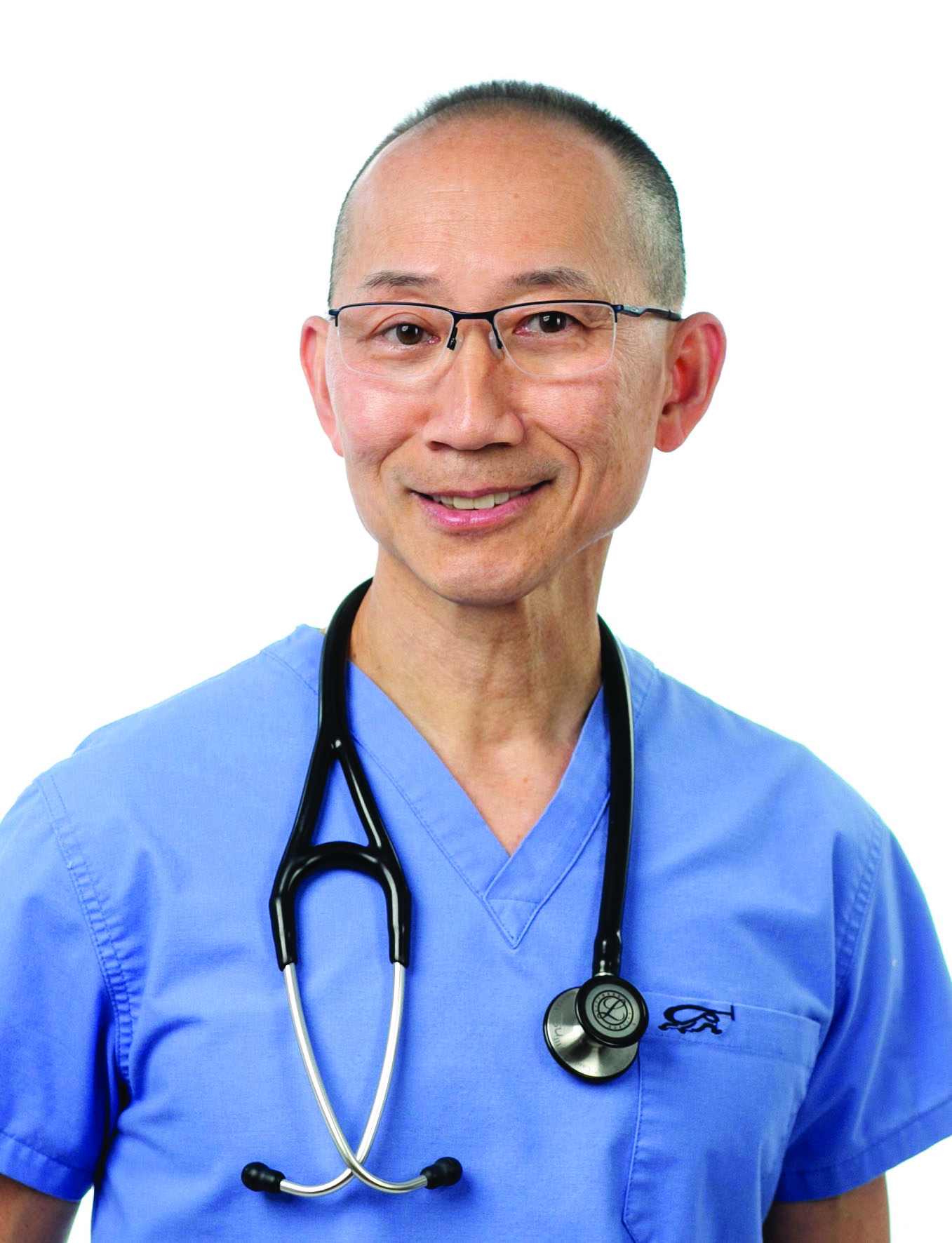
Bill Tsu
Dr. Bill Tsu became a health and fitness enthusiast when he was a young teen playing the role of English translator for his immigrant parents during their doctor visits. This experience sparked his passion for learning about the human body and what it takes to stay healthy.
Now, with a career in medicine that spans more than thirty years, a degree in engineering, and a lifetime of caring for a centenarian, Dr. Tsu has written this unique book that will help others improve their health and live longer.
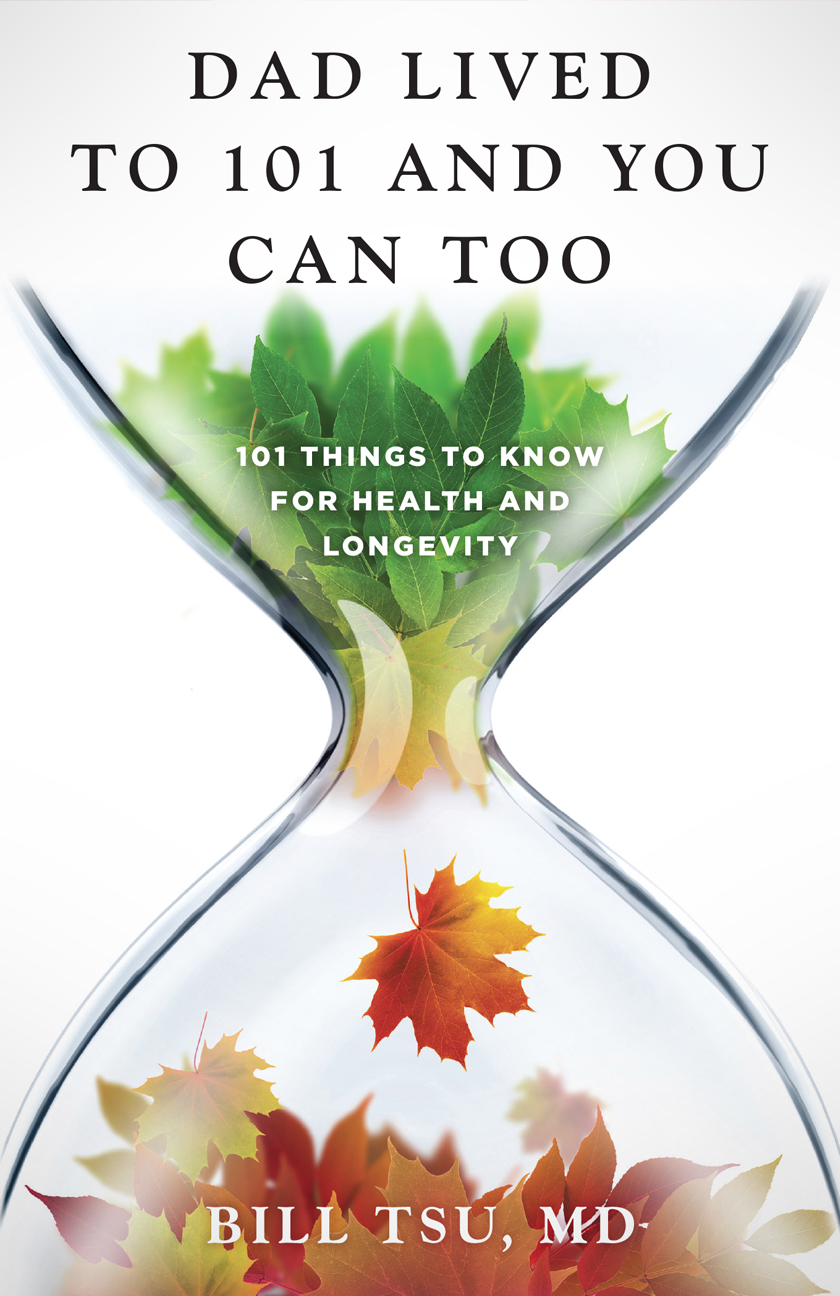
📚 Books by Bill Tsu
Transcript
[0:00:32] FG: Do you want to live a healthier, longer life? Thanks to essential health practices in a sometimes-unconventional lifestyle, Dr. Bill Tsu’s dad, Eddie, lived to be 101. Now, in this one-of-a-kind collection, Dr. Tsu lays out the keys to his father’s extraordinary health and longevity. Discover how Eddie stayed lean and t while eating plenty of carbohydrates and snacking daily, how his habit of walking backward improved his health and how his three pessimistic expectations for life contribute to a happy, low stress existence. Just as important, learn how to reduce your risk of cancer by doing one simple thing, how monitoring techniques like checking a pulse can prevent a strike and how basic health concepts can lead to better healthcare decisions. The knowledge collected in, Dad Lived to 101 and You Can Too, helped Eddy reach his centenarian years and it can do the same for you. This is the Author Hour Podcast, and I’m your host, Frank Garza. Today, I’m joined by Dr. Bill Tsu, author of a brand-new book, Dad Lived to 101 and You Can Too. Bill, welcome to the show
[0:01:50] Bill Tsu: Thank you for having me, Frank. It’s great to be here
[0:01:53] FG: To kick things off, could you please tell us a little bit about your background and how that led to you writing this book 1 © 2022 Author Hour fi . fi fi fi . ? ] 1 AH 88 Transcript
[0:02:00] Bill Tsu: I’ve been interested in health and wellness for most my life. It started when I was a teenager, when I used to accompany my immigrant parents to doctor visits. I played the role of the English translator. This experience taught me, from a young age, the value of learning about the human body and staying healthy. It eventually led to medical school but not before I obtained an engineering degree, chemical engineering degree. Now, this is important because what does an engineering degree do? It teaches you to think logically and systematically to understand and solve problems. They help me greatly appreciating the intricacies of the human body and its physiological processes. When I nished writing the rst draft of this book, I looked it over and wow, I was surprised at how much my engineering background in uenced my writing. It helps me to more clearly explain concepts related to, for example, managing one’s body weight and how hypertension damages the body. After medical school came anesthesia residency and fellowship training and then a career in anesthesia that has spanned over three decades. You know, I’ve taken care of thousands of patients during that time and being always interested in health matters I’ve taken careful note about how one’s health and longevity is affected by our actions, by our lifestyle and our non-lifestyle actions. I noticed that these patients, when they were young, they got away with poor lifestyle choices. They didn’t eat right, they don’t exercise but you’re still relatively healthy until about 40 or so, and then you notice a divergence in appearing to these patients. Some that lived a healthy lifestyle, they have minimal amount of disease, they’re not on any medications, only just a few, while those that didn’t take care of themselves, they start accumulating all these chronic illnesses and the list of medications is going – starts growing and it’s incredible how fast, how big this list can get. So life is important. Lifestyle’s obviously important, I learned that watching these patients, also non-lifestyle actions. I remember multiple times, operations where we had to resect colon cancers, resect part of the bowel because the patient didn’t get a colonoscopy. These patients would be 65 or whatever 2 © 2022 Author Hour . fl fi fi 1 AH 88 Transcript and they never had a colonoscopy and that could have prevented the appearance or the diagnosis of a colon cancer On a more personal note, my background included being the son of Eddie who lived to 101. Hence, name of the book, Dad Lived to a 101 and You Can Too. A hundred, my dad stayed mentally sharp and he was in good health. He could still walk around, climb stairs. It was amazing how well he aged and partly because he made it look so simple. I remember a friend meeting with him after he became a centenarian. He asked him, “How did you get to a hundred, a hundred years old?” and my dad replied, “I didn’t try to live so long, it just happened.” Well, the reality is, it didn’t just happen. You know, how he lived his life, things that he did greatly in uenced his health and longevity and this book was written to share his story so that other readers could bene t from it. I should also mention about his wife, my mom, she’s in her 90s and she’s still mentally sharp and still can walk up and down stairs. Now, what led me to write this book? I wrote this book because I believe I could help people improve their health and in the process, live a longer life. I felt that there was a need for this book, a personal book that can guide you, outline how to be healthy and stay healthy. It turns out right now that it’s also timely, coming out of COVID, we need more than ever to focus on our health and wellbeing
[0:06:07] FG: Can you talk more about – you started to talk a little bit there about who you wrote the book for, who do you consider your target audience for reading this book
[0:06:18] Bill Tsu: You know, when I wrote the book, I really didn’t think about writing for any speci c subset of a population. I wrote it to bene t everyone, the young, the old, those that just starting to think about their health and those that are already committed to maintaining their health. My hope is that peoples can learn something important from this book, all people
[0:06:40] FG: Okay, you mentioned your dad’s story there and his story of course is the theme throughout this book. Chapter one of the book, you talk about healthy eating with an unremarkable diet and you mentioned that your dad ate a lot of white rice and he snacked 3 © 2022 Author Hour . ? fi . . fi 1 fi fl AH 88 Transcript regularly. These can be things that are thought of by some as not super healthy things but why didn’t this hurt him?
[0:07:10] Bill Tsu: One of the rst question people would ask me when they discovered that my dad lived to a hundred was, “What did he eat?” I wish I could tell them that he ate lots of ginger or seaweeds and if you did the same, you too would live a long, healthy life, but I can’t. In fact, I tell them that he ate basically an unremarkable diet. You know, he had a lot of nutritious foods but I would also tell him that he liked to snack a lot. In fact, he snacked daily and many were surprised to hear this but there’s reasons why snacking didn’t hurt him. Let’s look at the rice issue, the white rice issue. Rice is a simple carbohydrates and carbohydrates are blamed for lots of the weight problem in this country alone with related health issues but it didn’t hurt Eddie. If you think about it, it also didn’t hurt the Japanese people. They too eat plenty of white rice, percentage wise, they eat much more carbohydrates than Americans but they have one tenth of our obesity rate and they have one of the world’s greatest lifespans. Clearly, carbohydrates are not necessarily bad for you and why is this so? What’s the secret behind that? When you really think about it and analyze that the answer is really pretty simple. Although percentage wise, again, parentage wise, they ate lots of carbs, the actual amount of carbohydrates, calories that they ate was not excessive. The amount of total calories they consume didn’t exceed the calories that their body burned, so they didn’t gain weight and they didn’t have the problem associated with weight gain When you look at that habit of snacking, my dad’s habit of snacking, I would estimate that he consumed about two to 300 calories per day, maybe 400 at times. This will be unhealthy if he consumed a lot more calories, excessive calories and of course, weight gain but again, this total calorie didn’t exceed what his body burned, so because he didn’t overeat and most of his diet was nutritious food, probably close to what I would say 80% just provided enough nutrients that his body needed and allowed for him to snack a bit without hurting his health
[0:09:29] FG: Moving on to the next chapter, chapter two, getting enough physical activity without exercising, one of the things that caught my eye right away was you talk about how your 4 © 2022 Author Hour . fi 1 . AH 88 Transcript dad used to walk backwards and that there’s bene ts of walking backwards. What are those bene ts
[0:09:50] Bill Tsu: Let me just go into the general thought about exercising rst. My dad never exercised a day in his life and yet, he was able to stay lean and in shape into his 90s. When you think about it, most of the longevity here isn’t the world, populations that stayed healthy and t for most their lives, they didn’t really exercise. They didn’t have to go to gyms or workout, they simply lived an active life and that’s the same with my dad Now, when he was a teenager, he used to work as a deck hand on ships that picked up laborer’s form the port of Shanghai, that’s where he was born. He told me he would go out to sea for months at a time and work mopping the decks, cleaning dishes and even shoveling coal to feed the ship’s engines After he landed in the United States, he worked on a farm for a number of years and eventually bought his own dry-cleaning business. There, he pressed clothes six days a week for over 30 years until he retired at the age of 75. Even after he retired, he stayed very active, you know, working in this house or maintaining his garden so he never needed to exercise. There are speci c activities though that he engaged in that promoted his health and walking backwards was one of them. It’s actually practiced in some Asian countries for centuries, they believed that it helps the mind and the body. The mind, because it forces your brain to do something different, the body, because it utilizes muscles that you normally don’t use to walk forward, to ambulate. I think the main bene t for my dad was that it improved his balance and exibility, you know, important factors that decrease your risk of falling, which is a leading cause of injury and accidental death in this group. Other activities that I talk about in the book is his love of standing and his climbing stairs.
[0:11:45] FG: Chapter three is three pessimistic expectations to manage stress. What were those and these are three pessimistic expectations and that your dad had, what were these three pessimistic expectations? 5 © 2022 Author Hour fi fi fl fi . fi ? 1 fi fi . AH 88 Transcript
[0:12:01] Bill Tsu: I could remember my dad repeatedly saying to me I am so lucky I can’t ask for more. Now, this is despite being born into a poor family that couldn’t provide steady meals or any chance for education. He felt that even though he worked so hard throughout his life, he was lucky. And why was this so? You know, I believe it was because of his perspective on life. He used to say to me, “How you see life is how you’ve experienced life. This perspective was shaped by his expectations and there were three that he lived by and he taught me, he saw the expectations that you are referring to. He told me that life is hard, you have got to expect dif cult times, unexpected problems and obstacles in your path. And life is not equal and fair, expect that some are born or given advantages in life that you don’t have and expect that you are not always going to get what you think you deserve. The nal expectation is that life doesn’t owe you happiness, expect that happiness will not come from you without effort and you have to search within yourself what makes you happy. You know, it sounds – when you think about it, these convictions sound harsh, like someone who is a pessimist but from a lifetime of knowing my dad, it’s the opposite that’s true. You know, he was amazingly cheerful, optimistic. You know, always looking at the positive side of life but I think that because he understood the realities that there were things that he couldn’t change or control, dif culties that he would have to overcome, you know, he was able to manage these problems with less stress. He was more prepared for it.
[0:13:46] FG: You talked about optimism there earlier, it sounded like you are eluding to gratitude. What are some other key character traits that people can develop that will improve their health?
[0:13:59] Bill Tsu: You heard the expression “nice guys nish last.” I am glad to say that’s not always true, at least when it comes to your health. Here, nice guys nish rst. You know, positive traits such as humility, gratitude and empathy have been shown in numerous studies to improve your overall physical wellbeing. They make you happier, less anxious and you know, help you to see life differently so that you feel better about yourself. There de nitely are some character traits then can improve your health and your longevity. 6 © 2022 Author Hour fi fi ” fi fi fi 1 fi fi AH 88 Transcript On the other hand, I also know there are character traits that could hurt your health. I remember when I rst started my anesthesia of residency training, that’s amazingly over – almost 40 years ago. I was working in the operating room when the scrub nurse accidentally handed this particular surgeon the wrong instrument and this guy wasn’t a very tolerant individual. He cursed, he threw the instrument across the room and he kicked this bucket that was positioned next to his feet. You know, the bucket is there to collect discarded surgical sponges, he kicked that across the oor. Always aware of health matters, I remember thinking to myself saying, “Man, you are hurting yourself more than anyone else.” You could imagine how this anger raises blood pressure, heart rate and stresses the heart. This is an example of how a negative character trait can affect your health.
[0:15:27] FG: There is a chapter called health concepts for detecting and preventing diseases and one of the sections is about non-speci c symptoms or easy to ignore. What is a non- speci c symptom? Can you talk more about that and why that’s important to understand?
[0:15:46] Bill Tsu: Yeah, non-speci c symptoms is essentially a symptom that doesn’t point to a speci c diagnosis. Like fatigue, for example. There are many causes of fatigue, it’s a symptom but it can be caused from lack of sleep, from you working too hard, or it could be caused from anemia. Anemia that you have because you have an ulcer in your stomach or you have a cancer in your colon. The danger is ignoring non-speci c symptoms and assigning a benign reason, a benign cause for them. You know persistent symptoms should be evaluated to rule out a more serious cause.
[0:16:27] FG: Another thing you talk about in that chapter is to be aware of diseases without early symptoms. What are some examples of those?
[0:16:36] Bill Tsu: Yeah, they are called insidious diseases. Let’s look at hypertension. It is called the silent killer and for good reasons. It’s the number cause of heart disease and signi cant risk factor for stroke, yet when you have hypertension like Eddie did, he was hypertensive, he didn’t have any symptoms. You know, he felt perfectly ne. We found that by monitoring his blood 7 © 2022 Author Hour fi fi fi fi fi 1 fi fi fi fl AH 88 Transcript pressure regularly at home but if we didn’t do that, left undetected, that blood pressure, elevated blood pressure could damage his heart, his brain, his kidneys, without a trace of pain or discomfort. Another insidious disease is cancer and that’s why we fear cancer because it could strike unexpectedly. You know, it would be great if cancer announced itself with some type of pain or some type of symptom. It would be great if you initially had cancer you would know it but it doesn’t. For example, lung cancer, you might not know it until you have pain in the shoulder or bone when it metathesizes, so that’s the danger of insidious diseases that you don’t look for them. The takeaway here is that you have to look for these diseases. You have to get your medical checkup, you have to check your blood pressure, you have to go for your cancer screening exams and that’s the way you detect insidious diseases and protect yourself.
[0:18:03] FG: Chapter six is lifesaving physiological monitoring at home and there is a section called 'Feel a pulse to save a life.' You give several examples of when you’ve done this for family members, you know, check their pulse and by doing that, recognize serious issues that were going on. Could you please share one of these examples?
[0:18:29] Bill Tsu: Yeah, absolutely. You know, I rst want to say that most people overlook self- monitoring and the role that it could play in their health. They look at that monitoring, it belongs in the doctor’s of ce or hospital but there is no reason why you can’t take advantage of it and use it at home. It’s a valuable tool and could save your life. Now, what happened here was that one day in the kitchen my mom told me she wasn’t feeling quite right She was 87 years of age at that time. Her complaints were vague, they didn’t appear to be serious but just to be sure I reached out and I put two ngers on her wrist and I felt for her radial pulse. It is such an easy maneuver but it provided me with critical information. You know in less than a minute, I discovered that her rhythm of her pulse was very irregular. You know, the beats of her pulse occured randomly. 8 © 2022 Author Hour . fi fi 1 fi AH 88 Transcript I felt some immediately after one another, some after a short pause, some after a long pause, there was no predictability as to when I would feel the next beat. This nding was new for the way she didn’t have any prior history of irregular heart rate rhythm, so I knew right away that this was a medical emergency. Within a couple of hours, I had her seen by a cardiologist who con rmed the diagnosis of atrial brillation and she was immediately started on anticoagulant to prevent a stroke, one of the most dangerous complication of this arrhythmia. Now, atrial brillation is one of the most common arrhythmias in this country. Over ve million people have atrial brillation and as the population ages, the incidents of it will increase. Now, what’s important about AFIB to detect it early, why it’s important is that it increases your risk of a stroke by 300 to 500 percent. It’s one of the major risk factors for having a stroke but if detected early enough, if detected you start on anticoagulants and reduce the risk of a stroke signi cantly. It’s important that people learn this technique. You know, there is also now some smart devices that detect the regular rhythms for you. You know, it is just such a simple thing to do and I am a doctor and I know how to do it but it is not true – I think that even a layperson, as long as they practice it, they could learn to detect an irregular rhythm.
[0:21:00] FG: Well Bill, writing a book is such a feat, so congratulations on nishing this up. Is there anything else about you or the book that you want to make sure our listeners know before we wrap up?
[0:21:14] Bill Tsu: Yeah, I think one of the most important things to get out of this book is to realize that in today’s world you have more control than ever over your health and longevity and that you shouldn’t take your health for granted. You should make a conscious effort to live your healthiest possible life. You need to commit to it, make it a mission, a quest, a passion so that you could do what is necessary to obtain and stay in good health. And I think that’s very important, just to make a commitment to living a healthier life and when you do, longevity may naturally follow. 9 © 2022 Author Hour fi fi fi fi fi fi 1 fi fi AH 88 Transcript
[0:21:51] FG: Bill, this has been such a pleasure. Thank you for putting this book out into the world. The book is called, Dad Lived to 101 and You Can Too. Besides checking out the book, where can people nd you?
[0:22:04] Bill Tsu: They could reach out to me on LinkedIn, that’s probably at present, that’s the best way to reach me.
[0:22:09] FG: Thank you Bill.
[0:22:11] Bill Tsu: Thank you Frank, I appreciate the time. [END OF INTERVIEW
[0:22:13] FG: Thanks for joining us for this episode of Author Hour. You can nd, Dad Lived to 101 and You Can Too, on Amazon. A transcript of this episode as well as all of our previous episodes is available at authorhour.co. For more Author Hour, subscribe to this podcast on your favorite subscription service. Thanks for joining us, we’ll see you next time, same place, different author
Want to Write Your Own Book?
Scribe has helped over 2,000 authors turn their expertise into published books.
Schedule a Free Consult