Charlena Berry: Episode 886
Read the full transcript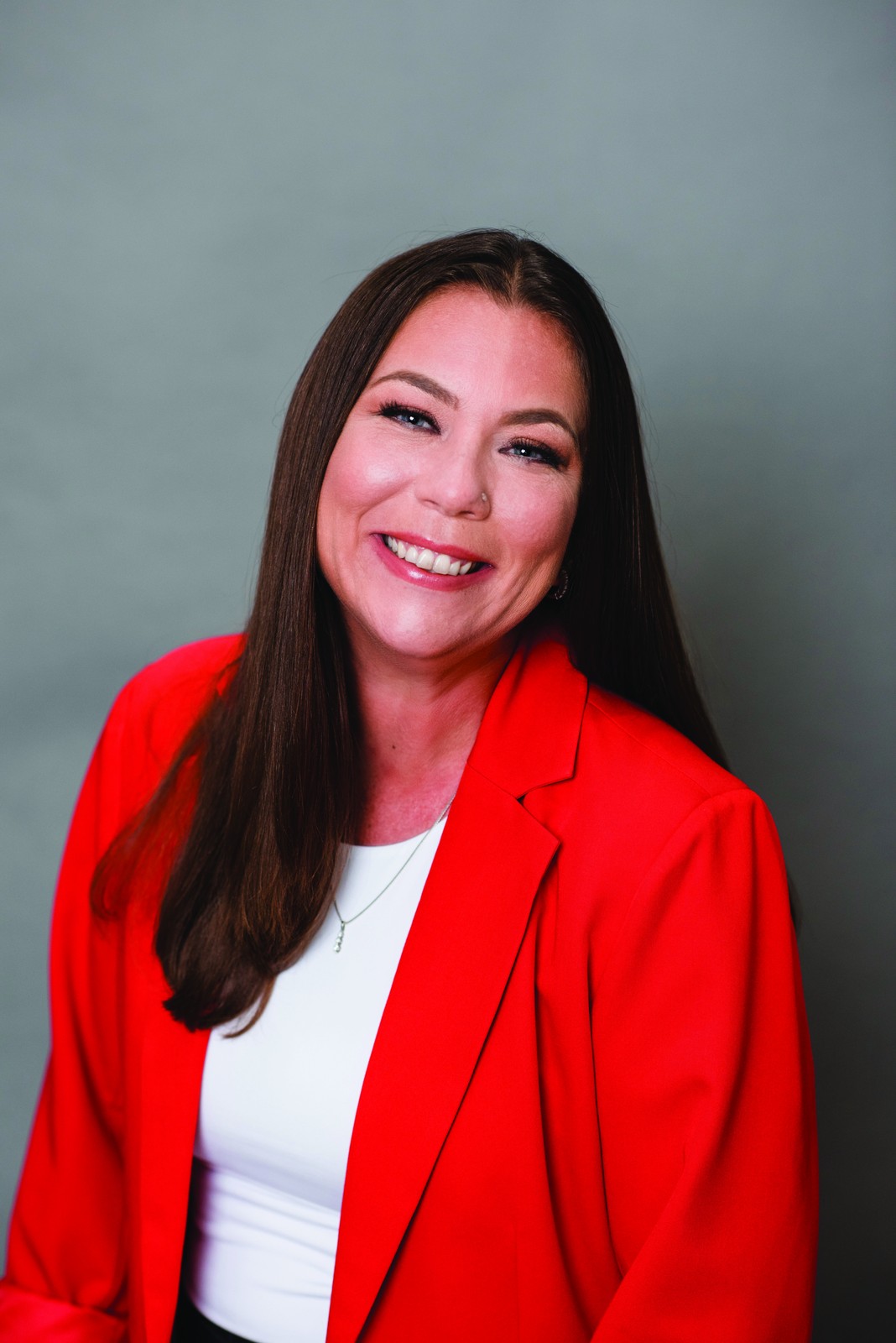
Charlena Berry
Charlena Berry founded Cannabis Business Growth after spending more than a decade in Supply Chain and Retail Operations for Fortune 500 companies like Whirlpool and Office Depot/Office Max. A global cannabis business executive and the company’s principal consultant, Charlena forms strategic partnerships, guides entrepreneurs, and leads projects in all sectors of the cannabis industry, from cultivation and manufacturing to commercial retail and distribution. A witness to the impact of addiction and the illicit market, Charlena is a proud advocate for cannabis and its potential for healing and personal growth.
📚 Books by Charlena Berry
Transcript
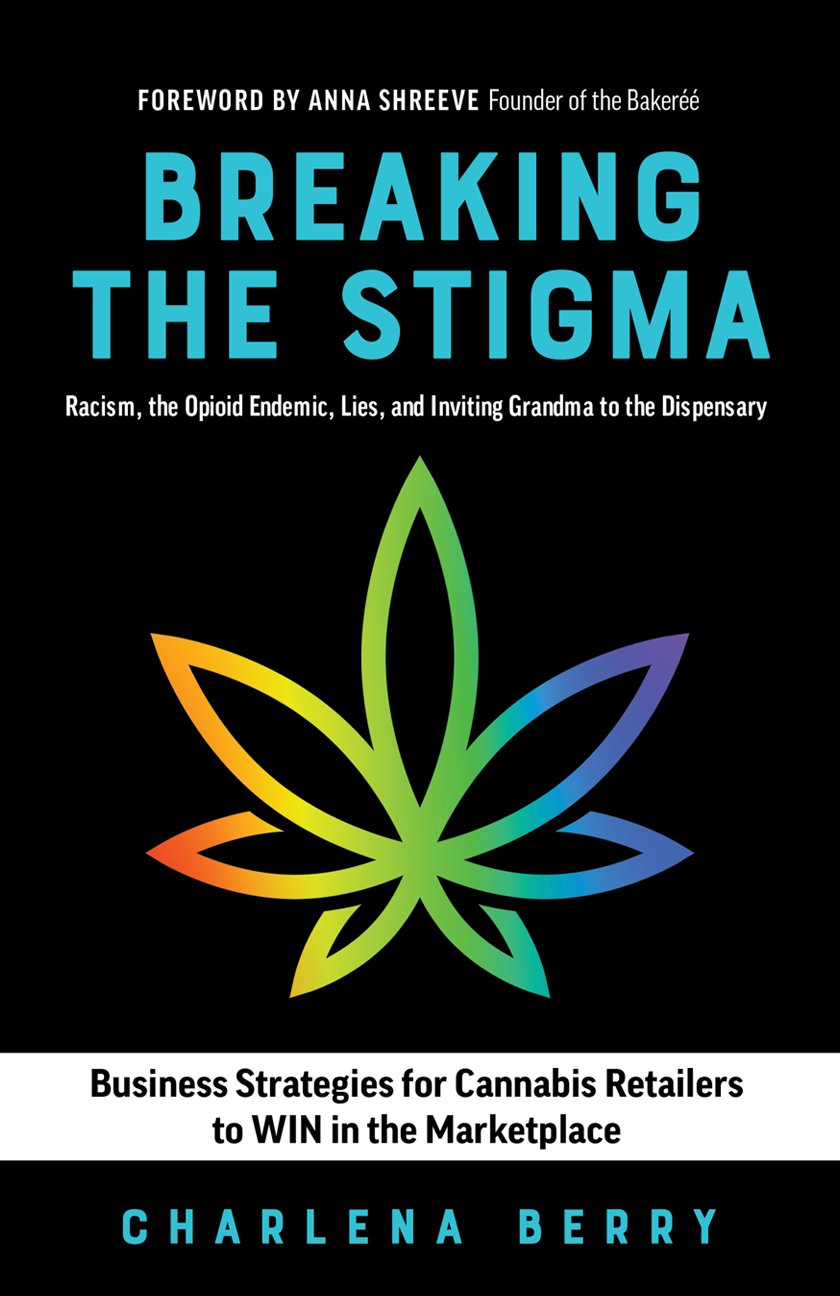
[0:00:37] DA: As a cannabis retailer, you face the same challenges as every business today. There are more obstacles for you than the local brick-and-mortar shops or dominating online stores. Being successful means creating a customer experience fueled by a thorough understanding of the consumer. For retailers in the still newly forming cannabis industry, this knowledge only comes from breaking through barriers of a deeply ingrained stigma, one with catastrophic consequences. In her new book, Breaking the Stigma, Charlena Berry provides a framework for becoming a prosperous cannabis retailer, showing you how to overcome your product's negative connotations and impart vital need-to-know truths about your industry. With firsthand experience with the devastating opioid endemic, Charlena’s fight for cannabis’ legitimacy is a personal one, and in the book, she shares decades of business insight to show you how to gain market share using her proven, fact-based strategy for long term success. Hey Listeners, my name is Drew Appelbaum and I’m excited to be here today with Charlena Berry, author of Breaking the Stigma: Racism, the Opioid Endemic, Lies, and Inviting Grandma to the Dispensary; Business Strategies for Cannabis Retailers to Win in the Marketplace. Charlena, thank you for joining. Welcome to The Author Hour Podcast.
[0:02:10] Charlena Berry: Thank you so much for having me, Drew.
[0:02:12] DA: Super excited for you here and if you wouldn’t mind kicking off the show by just giving us a little bit of a brief rundown of your professional background?
[0:02:20] Charlena Berry: Sure, I spent the first part of my career working in the Fortune 500 space and working in supply chain and then transitioning to project management and eventually, retail operations. About five years ago, I decided that I no longer wanted to work in the Fortune 500 space or corporate world anymore and I decided to leave my career and start my own business in consulting. When I started, I really wasn’t sure what I was going to consult in when I met an attorney in the medical marijuana space here in Florida. His name is David Cutler and he introduced me to Cannabis consulting and application writing and really, overall, cannabis operations and I realized that there was actually a pretty big business there and after a few months, I transitioned from part-time consulting on the cannabis business startup side to full-time consulting in cannabis operations and cannabis business formation licensing, startups, et cetera.
[0:03:28] DA: Why was now the time to share the stories in the book? Did you have an "aha moment", did enough people tell you you need to write this down and share this knowledge with the masses?
[0:03:39] Charlena Berry: You know, what’s interesting, when I decided to write my book, I’ve spent the last five years, I think I started like everyone else and I kind of thought that cannabis, marijuana, weed, it was a trojan horse. We all grew up with the war on drugs and put that in our head that cannabis is bad and to be quite honest, I thought it was funny that I was working in the space because it wasn’t something that I’d really cared about or paid attention to and it was just like, “This is a fun new industry.” What I’ve learned over the last five years is how dark the prohibition on cannabis is, how that’s fundamentally rooted in racism and then when you tie that to the opioid endemic, there’s a lot of things there that I discovered and put all the pieces together to say, “Holy crap, cannabis not only is legitimate but there’s this whole group of people that are negatively impacted by the opioid endemic, including myself and that no one really understands or knows how all of these things are connected.” It’s not widespread, it’s not mainstream and when I came to the conclusion and really, so to speak, discovered how these things were related, I felt compelled to help other people understand and that’s a lot of the reason that I wrote the book is you know, let’s see the big picture for everything and let people understand how all of these moving parts came together to create these stigmas that we’re all still trying to overcome, including myself. In the beginning, I was embarrassed that I worked in cannabis and wouldn’t tell my fellow peers and now I’m proud of it and I believe that fundamentally, access to cannabis is a human right and the places that there’s still no accessibility were only perpetuating not only new criminals by keeping it illegal but we’re perpetuating the continuance of the opioid endemic.
[0:05:47] DA: You saw a lot of this in the day-to-day but while you were actually doing the writing, maybe by researching more or just by digging deeper into some of the subjects you just brought up, did you have any major breakthroughs or learnings along your writing journey?
[0:06:04] Charlena Berry: The writing journey was interesting because I felt as though I needed to dump this out of my heart. It was very much something that I felt that I couldn’t keep inside anymore and then, if I didn’t share it and didn’t provide this information that I’m somehow doing the community, you know, everyone a disservice. Even if only a handful of people read that, my text, my book, I honestly hope for lots of readers but if it helps one person understand the bigger picture of what’s at play then it’s done its job. I certainly hope to impact more people than that but it definitely was once I had the breakthrough of how these pieces and parts are tied together, I had to get it out of me. It had to be told or I wouldn’t be able to rest.
[0:07:02] DA: Would you say, when you started writing the book, you were really just writing a book for yourself or were you writing this also in mind saying, “Hey, this could help folks breaking into the industry, this could help establish store owners” but then, also, build that greater narrative around it?
[0:07:18] Charlena Berry: When I started writing the book, I was definitely writing it for myself. Mid-stream in the book process, I lost my youngest brother to a fentanyl overdose and it became more of a life’s purpose to understand that his death potentially could have been preventable with access to cannabis.
[0:07:42] DA: So sorry to hear about your loss and it’s all too prevalent these days to know somebody or have a personal experience or a family member who has gone through addiction or has lost someone they know and loved due to opioid addiction. I would love to keep going on that line and so, how hard is it to tell the story and have people understand that cannabis can help in the struggle with pain management or addiction to opioids?
[0:08:14] Charlena Berry: I think what’s interesting about the industry is that you have this group of people that are devout believers. If you find somebody working in the industry, we’re all extremely passionate about the value that the plant provides. It can almost be described as cultlike sometimes. Outside of the industry, it’s still clouded with that dirty stigma of, “Oh, people who smoke pot are bad” or they’re lazy or they’re stoners and then you have municipalities that are afraid to let cannabis inside their communities because it’s going to bring bad people in and I think it’s still very much a mixed bag. However, it’s not regularly spoken about enough how cannabis can in fact reduce opioid addiction and I think that until that becomes a mainstream conversation, even in states where there’s doctors who recommend medical marijuana, there’s still a big gap between the doctors that would openly be willing to say that they would recommend marijuana as an alternative to opioids because of the stigma because it’s not accepted or it’s not covered by insurance and there’s lots of ways where it’s simply just not talked about enough. I do recognize that opioids have a place in terms of surgery. Major significant injuries. However, it should not be used for daily pain management, ever. There’s nothing in my mind that can convince me that it should be used for daily pain management because there is a non-addictive solution out there that if studied and used appropriately, it could be used for effective pain management without all the horrid side effects.
[0:10:12] DA: What happened that you actually – you grew up being force-fed the usual marijuana is a drug and drugs are bad. Yet now, as you mentioned earlier, you kind of turned into the supporter now, and a public supporter if you will. What was that one turnaround point for you that really just changed everything?
[0:10:36] Charlena Berry: I approached this the trojan’s horse, “Ha-ha-ha this is funny, people just like to smoke weed” and to be honest, I’m from Michigan and I wanted to kind of do my own social experiment to prove it to myself that in fact, it can be used for pain management, which seems silly but I needed to know. I decided to make a batch of topical, which is really, it’s the oil of the cannabis flower mixed with some coconut oil and beeswax and I added eucalyptus oil. I brought that to my Girl Scout troupe. I was a girl scout troupe leader and when the moms of my girl scout troupe started learning that I was working in cannabis, they all had these secret questions, they’re like, “Man, I’ve got this back pain, could it help with that? I get these headaches, could it help with that? Hey, I just had this neck surgery” one of the moms, “Do you think that the oil could help with that?” So by having the oil on hand that I made, I gave it basically to the moms in my girl scout troupe and there was just this resounding impact of yes, it helps my neck pain, yes, it helps my back pain, yes, it helps all of these things and you know it was that “aha moment” or “Hey, this works” and simultaneously, I had an auntie in the Carolinas who I gave her the topical and she’s a – I love her dearly, she is just a traditional southern woman, who, “war on drugs, drugs are bad” and she gave it to her husband for a shoulder injury after he had recovered from an opioid addiction after a surgery and she calls me for the recipe. You know, she called me for the recipe so you know, to convert that kind of person and to this day, it’s been about three years now, she makes this topical for her husband for his pain management for his shoulder and so it was hard not to come up with lever after I guess with my own social experiment.
[0:12:49] DA: Let’s move on to actually opening up a dispensary, I think even as we speak more states are hopping on board starting with medical and moving to recreational. What does it take in the average state to actually physically open a dispensary? Is it kind of like a franchise like you are opening a Mcdonald's?
[0:13:11] Charlena Berry: You know, opening a dispensary is very cash intensive and quite frankly, it is very difficult, which is why I have had a successful business and licensing because I help entrepreneurs really navigate how to open a dispensary. Best case scenario from start to finish in a legal state, you are looking at probably 12 to 14 months to open a dispensary in states where there are lawsuits and litigation. You know, I know in the State of Illinois, I think there are groups that are waiting two or three years now at this point for their licenses. It is very, very difficult. I think some of the barriers are breaking down but there is definitely plenty of places. I think in New York, recreational cannabis has passed, which is fantastic but almost all of the municipalities have banned the cannabis businesses from their town, which is complete irony, right? The state has come in, the voters all said, “Hey, let’s bring recreational cannabis to the state” and yet the municipalities still remain really scared and afraid of it and so you know, the timeline and the lift to enter the industry is extremely difficult.
[0:14:24] DA: Some states are rolling out dispensaries with social equity programs but due to these delays, due to these initial investments, this insane amount of paperwork, are these programs actually working, and is any particular region doing it better than another?
[0:14:45] Charlena Berry: I would say that for the most part, social equity is not working. I think the spirit of the law is there, people have good intentions and a way to make it work, however, when you make it so difficult to open a business, you’re not truly offering social equity. I think of cities like Sacramento or Oakland, they have been very successful and California with their social equity programs, and then I also think of Massachusetts has also been very successful with their social equity programs. States I’d rather not call out by name, they really have dropped the ball and the spirit of the law is there but the implementation has been flawed.
[0:15:34] DA: Now, you actually have some interviews in the book, so who did you actually talk to, how did you decide to talk to them and what kind of insights did you gain by interviewing them?
[0:15:46] Charlena Berry: In my book, I interview Betty Mitchell. I met Betty through a project with a client in Sacramento and really just fell in love with her. She is a successful graduate of the Sacramento Core Program and has a cultivation facility in California. The reason I was intrigued with Betty was a number of things. First of all, her personality is just charming. She is funny, she is someone you can relate to, she believes in her work and what she does. She is an advocate for social causes but she has this unique story of how she actually became a believer in cannabis herself and almost all of us do within the industry and it’s when she was a young girl in Alabama, her uncle actually would take cannabis and turn it into a liquid form and pass it out to homeless people for pain management and so she and her family have essentially known the secrets of the plant since the 60s and it’s only been here in 60 years later that she’s able to carry on his legacy in a way openly and legally. That’s why I am excited about her story and sharing it because it is kind of like, you know, this family secret that’s been protected for all of these years and with the paving the way through social equity and the law, opening that up, she’s finally able to share that with the world.
[0:17:20] DA: Have you seen any issues and even speaking with her, did she bring up any issues that you are consistently seeing with established dispensaries? Any problems that are continuing to occur maybe after the first year of business?
[0:17:39] Charlena Berry: What’s interesting is when you – after you open the dispensary, because of how hard it was, you feel like, “Hey, the work is over now. The dispensary is open” and really, that is where it just begins and almost all retailers that are in the space don’t have a history of being retailers. The first year of operations is really in particular like a state of California or Michigan where there is really some open accessibility. You know, it really feels like you’ve hit the lottery. You have, profitability is very high because the product, people yearn to have access to it. The traffic counts at some stores are just incredible and it is a cash business but what we are seeing is that as cannabis does become more accessible there are more stores that are opening and as more stores open, the consequence of that is that you have more competition and it becomes a truly competitive market where you have to really go after your market share in a way that in the early days you didn’t necessarily have to.
[0:18:46] DA: Now, a reader picks up the book, they go through it, maybe after they finish or along the way, what impact do you hope it will have on them, and are there any initial steps that you hope people will take whether you are dreaming of opening a dispensary, whether you are just learning about cannabis overall or the insane lobbying that goes on around it, is there any action items you wish people to take?
[0:19:12] Charlena Berry: I think there is a couple of things that I’d like a reader to take away. The first one is understanding the industry and how we got to this point, the prohibition, the impact, and then the next piece that I am hoping a reader can take from that is if you’re looking to get into the industry as a retailer, how do you do that the right way? Are you thinking about all of the things that’s required to operate a dispensary and making sure that you do it responsibly. I am huge into the idea of conscious capitalism, which is that you work with social purpose, you work with the development of people in mind. You work with the customer at the front of the experience. I believe that the cannabis retailer, we’re the front lines of the industry and it is our responsibility to put our best foot forward so that we can break these stigmas down because as we see in New York with the number of municipalities who banned cannabis sales, they are going to be looking at their neighbors who allow it to see if they may consider it someday in the future bringing that in. Last but not the least, for existing retailers who are looking to really fine-tune their operations, now I see this is a great read for dispensary manager, a multi-location manager to say, “What principles can I bring to my retail stores to improve the customer experience, improve operations, improve the dispensary brand image. It is tactical strategies for being a better operator.
[0:20:47] DA: Well Charlena, we just touched on the surface of the book here. There is so much inside but I just want to say that writing this book, one being very vulnerable about things that have happened in your life and educating people on the cannabis business and just cannabis in general is no small feat, so congratulations on having your book published.
[0:21:10] Charlena Berry: Thank you so much. I really appreciate it.
[0:21:12] DA: I do have one question left.
[0:21:13] Charlena Berry: Okay.
[0:21:14] DA: It is the hot seat question, so prepare yourself, you just mentioned a few takeaways but if you could really break it down to if readers could take away one single thing from the book overall, what would you want it to be?
[0:21:29] Charlena Berry: That’s a really hard question.
[0:21:30] DA: That’s why it’s called the hot seat question that you may get to that but feel free to take a moment and really think about it.
[0:21:37] Charlena Berry: My biggest takeaway for my readers which would be individuals who already are working in the industry is to realize where the stigmas come from related to cannabis and understand that — how important our role is as frontline workers to be responsible stewards to customers to change that message.
[0:22:06] DA: Well Charlena, this has been a pleasure and I’m excited for people to check out the book. Everyone, the book is called, Breaking the Stigma, and you could find it on Amazon. Charlena, besides checking out the book, where else can people connect with you?
[0:22:20] Charlena Berry: You can connect with me on my website, charlenaberry.com. I am also on Facebook as well as Instagram. If you search my name, you’ll find my Facebook page as well as my Instagram.
[0:22:32] DA: Well Charlena, thank you so much for giving us some of your time today, and best of luck with your new book.
[0:22:39] Charlena Berry: Awesome, thank you so much, Drew. I appreciate you having me today.
[0:22:44] DA: Thanks for joining us for this episode of Author Hour. You can get Charlena Berry’s new book, Breaking the Stigma, on Amazon. Also, you can also find a transcript of this episode and all of our other episodes on our website at authorhour.co. For more Author Hour, subscribe to this podcast on your favorite subscription service. Thank you for joining us, we’ll see you next time. Same place, different author.
Want to Write Your Own Book?
Scribe has helped over 2,000 authors turn their expertise into published books.
Schedule a Free Consult