Jarik Conrad: Episode 912
Read the full transcript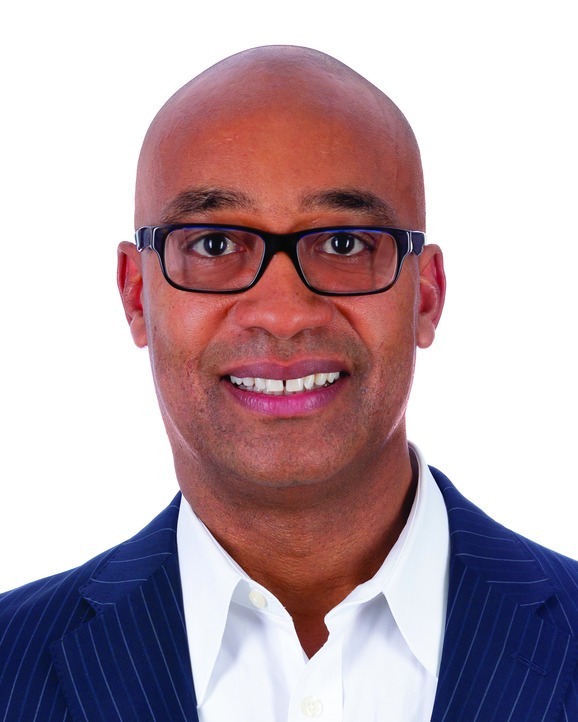
Jarik Conrad
JARIK CONRAD, EdD, SPHR, SHRM-CSP, NACD.DC., is a sought-after speaker on many of the most important business leadership topics of our time, including employee health and wellness, the future of work, emotional intelligence, and workplace diversity, equity, inclusion, and belonging (DEI&B). In 2021, Dr. Conrad was recognized as one of the world’s top “people practitioners” in the annual HRD Global 100 and as a top 100 HR Influencer by Engagedly.
Dr. Conrad, who grew up in public housing in East St. Louis, Illinois, earned a bachelor’s degree from the University of Illinois, two master’s degrees from Cornell University, and a Doctor of Education from the University of North Florida. He holds certifications in intercultural sensitivity and emotional intelligence and is a member of the Consortium for Research on Emotional Intelligence in Organizations (CREIO). Connect with him at jarik@humanlikeme.com.
📚 Books by Jarik Conrad
Transcript
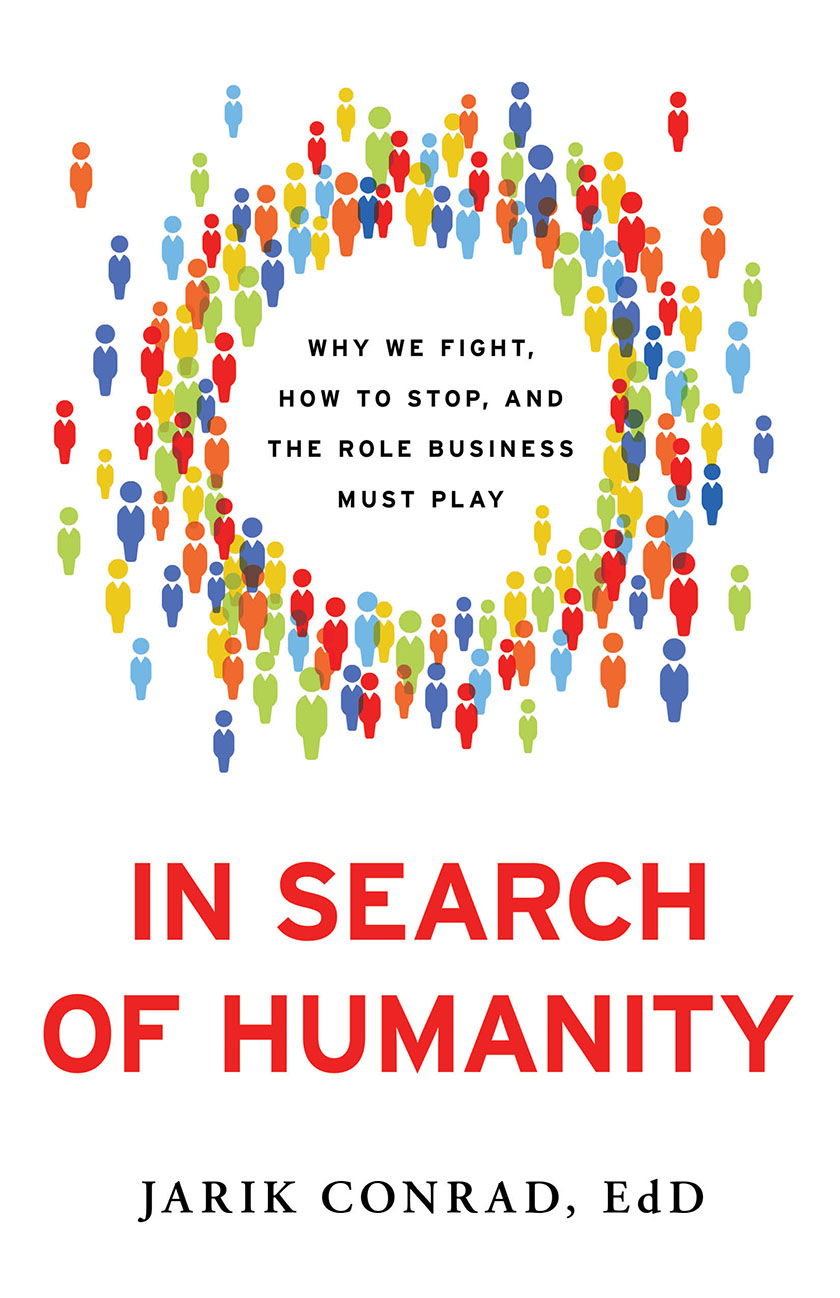
[0:01:00] BB: Humans can be incredibly kind, but our evolutionary wiring can also lead to astonishing cruelty. With In Search of Humanity. Dr. Conrad exposes a history of mind numbing social and economic inequality of government promises made but not kept and of ineffective plans to level the field, from politicians whose policies are paid for by powerful industry interests. Discover why the American Dream is a fantasy design to enrich the few over the many, how this country developed into what it is today and how change can be achieved against such overwhelming odds. We can no longer trust solely in our governing bodies to drive us forward. American companies, many of them complicit in maintaining inequality as the status quo, hold the key to bridging America's significant ideological divides. Here is my conversation with Dr. Jarik Conrad. Welcome into The Author Hour Podcast. I’m your host Benji Block and today, I’m honored to be joined by Dr. Jarik Conrad who has just authored a new book, titled, In Search of Humanity: Why We Fight, How to Stop and the Role Business Must Play. Dr. Conrad, welcome into the podcast.
[0:02:20] Jarik Conrad: Benji, thank you, thank you. I’m happy to be here, I’m looking forward to our discussion.
[0:02:25] BB: Lots to discuss here, the title is fantastic man, it’s something that you can tell is just timely. Let’s jump here first. Give us some context, tell us a bit about yourself and your background?
[0:02:39] Jarik Conrad: I’ll do that but it’s interesting, you mentioned this word timely. You know, I have been working on this a long time and when people get the book, they’re going to think that this is just a reaction to all the things that have happened just in the last six months or a year but I started this project two years ago and you could see things were brewing. Like you – we couldn’t be anywhere but where we are today based on what I saw a couple of years ago. So it's interesting for the book, I’m glad it’s timely but in the bigger picture, I wish I didn’t have to write this book and we’ll talk about why.
[0:03:11] BB: Yeah.
[0:03:12] Jarik Conrad: But a little bit about my background, I have a pretty unique background. Personally, I grew up in one of the poorest cities in America in East Saint Louise, Illinois. I grew up in public housing there. As a young person growing up, I probably had questions that were bigger picture questions than other people that might have been just worried about their daily, got to go to school, I come home. I mean, I’m thinking about why things are the way they are, why are some people living better than others, why do some people – why some people born into situations where they have more challenges than others. I mean, as a little kid, I used to ponder those kind of big questions and I never stopped trying to figure those out in this partly, some of the subject matter in the book but I grew up there. I was fortunate enough, did well in school and really education was my ticket out to do some other things. I went and got an undergraduate degree and a couple of master’s degrees and then went on to get a doctorate degree. So you know, Benji, I’m one of those people that if I’m going to talk about something, I want to feel like I really know what I’m talking about. So I go and stay it, get a degree or certification. I need some governing body to tell me, “Okay, yeah, you know what you’re talking about” and then I’d feel confident enough to go and talk about that. So those are personal situations, I have two little kids, I have been married 22 years.
[0:04:39] BB: Wow, congratulations.
[0:04:41] Jarik Conrad: Thank you, thank you so much. From a professional standpoint, my career’s been in human resources, that’s one of my graduate degrees was about, I’ve been in and around HR for over 20 years. Now I work in HR software company, UKG.
[0:04:56] BB: That gives us some really good context on your background and I think it’s one thing to be a kid and to ponder why are things the way they are, even as adults, right? There’s lots of people that are pondering why things are the way they are but few choose to actually go down the path of, “Okay, I’m going to get a degree or take the class.” Whatever it would be. To move from ponder too, I’m going to write a book on this, that’s a different thing, to take on a project of that kind of scale and size. You mentioned this right up top that it’s not just a reaction to the last six months but instead, it’s a project for over two years at this point. Tell me why you originally started to say, “Okay, I got to write a book on this.”
[0:05:42] Jarik Conrad: Yeah, it really, I mean, it really is connected a little bit to the first book I wrote. I think it was 2006, I think when my – I have a book, The Fragile Mind came out and I really in that book, explored issues of psychology and neuroscience and try to understand human behavior and how do those disciplines, how can those disciplines contribute to our understanding of diversity, equity, inclusion and belonging. I wanted to move away from the touchy feely, let’s hold hands and sing Kumbaya to really understanding the science around what makes us tick and how is that affected when we’re interacting with people from different backgrounds. So that was that book and I think this is just probably a more nuanced, hopefully more advanced, more sophisticated, more experienced version of some of those same concepts because we’re still dealing with the same challenges. We still struggle to understand ourselves, we struggle to understand people who are not like us and I mean, we’ve really gotten to a boiling point here and this is unsustainable. The way we live, it’s just unsustainable, so that’s why I feel like I had to put something down. I mean, I’m fortunate for my job, I lead a thought leadership group at UKG, I get to travel around the world and speak about these issues. I spend a lot of time in hotel rooms and on planes just trying to connect dots. The book is kind of a result of where I feel like maybe I’ve connected some of these dots over the years.
[0:07:13] BB: Well, I was struck by something in the introduction of the book because you’re talking about the divided America that we all feel, see, experience, even if maybe we don’t have language for, which is why I appreciate this book. But you talk about a potential way forward in saying, there’s really only kind of two clear options for America to bring what a firm conclusion to what you call is our current kind of civil war, right? Find the common enemy and gang up on it, and we see that in our past, right? That did unify us sometimes in our past or we unite around a common goal and you vote for the second option. I definitely vote for the second option as well. I wonder, before we kind of take this discussion all the way into the content, talk about who you want to read this book because I love this picture, this goal, right? That we would unify around a common goal but people got to maybe read this or understand some of the concepts first. So, who are you hoping reads this and units around the common goal?
[0:08:13] Jarik Conrad: The answer that is not the answer is, everybody. I want everybody to read it.
[0:08:17] BB: Of course, every author’s answer.
[0:08:19] Jarik Conrad: Right? But of course, you know, I do want people to hear the title and realize, “I’m in a position to do something, let me learn about this.” I’m really talking about leaders, you know? The C-suite in corporate America, non-profit leaders, people in position to make decisions to change systems and structures. That’s who I need to read it and I’m not looking for the choir. You know, a lot of times you write a book and you draw people who already believe what you believed, they already believed the contents in a book. So you know, they say, “Hey, I love this book, it’s great because it’s consistent with my own perspective.” I’m trying to draw people in who are, “Man, I don’t want to hear about anything about diversity. I’m tired of hearing about that. You know, everybody has a first shot, I don’t want to hear about this stuff, there is no discrimination, it doesn’t exist. There is no such thing as structural racism.” I want to get to those people because I hope that I’m presenting this in a unique way that might somehow awaken a better sense of curiosity and a desire to fix things, you know? Those are the people I’m trying to – I’m trying to get the naysayers, the people who just haven’t been engaged or have been very skeptical but they are in positions to make decisions that affect people’s lives because one person then, I could impact thousands of people through touching that person that has that kind of ability, that kind of influence.
[0:09:52] BB: Yeah, I really hope that the people that are curious but maybe don’t land exactly where you are pick this thing up. I think that’s always the hard part around topics like this, right? You’ve got people that already have their mind made up that then are reading more books that just further prove where their minds already made up. Curiosity, it is so crucial.
[0:10:10] Jarik Conrad: Benji, I want them too, I don’t want to alienate them because you know, sometimes when you’re in that fight, you want a fresh perspective to help you when you’re having these discussions. If you are for instance, an HR professional in your organization and you are trying to move the needle to make your workplace a more equitable workplace, you firmly believe in this. I’m hoping this kind of book will give you some ideas around how to do that, some language around how to help do that. I don’t want to alienate the choir, we want them but we hope we can bring in some other people as well.
[0:10:45] BB: Yeah. It’s interesting because – and you can correct me if I’m wrong but the way that I was reading this book, I read the first half, it’s almost like a history lesson, right? It’s not just straight history but there’s a lot of history. And then the second half, it’s like, let’s jump to business, let’s jump to HR, your experience over there, which I find really refreshing to hear it in the context of business because that’s where my mind is often as well outside of just podcasting and so, having those things sit next to each other as topics is important. With that in mind, I want to dive into the content here a bit. What you say is, “Right out the gate, right? Is the most fundamental challenge facing human beings in the 21st century which is how to navigate a modern world with primitive and predatory instincts and this is what I mean by history” right? You bring up these three words, fear, violence and tribalism. Go in there for a moment and just kind of explain how things that maybe were once advantages to us as a species are now in the way.
[0:11:47] Jarik Conrad: Yeah, I think we need to be honest with ourselves. You know, often times, there have been many articles over the past several years around making workplaces more human, you know? How do we bring more humanity to the workplace? As though, humanity is all glorious, you know? We have to be honest and understand that some of those very traits that are uniquely human are not always so positive, right? We need it to be comfortable. For instance, you mentioned violence, we needed to be comfortable with some degree of violence way back on the African savannas in the early days of human beings or we wouldn’t have survived. Our brains are designed to release hormones to actually make violence pleasurable to some degree so that we can continue to do it because if we don’t do it, then, we can’t survive and that’s our number one goal. I mean, every species, the number one goal is survival, right? Part of our wiring makes us a little bit prone to violence and those behaviors get reinforced in some ways because we’re more likely to survive in an environment where an animal is getting ready to chase you and eat it. You got to have what you need to fight it, you know?
[0:13:07] BB: Yeah.
[0:13:08] Jarik Conrad: Well, sabretooth tigers are not chasing us anymore. In some ways, those predators, those instinctual behaviors have gotten to be outdated and they play out in the modern society in a very negative way. Think about tribalism, tribalism is one that I talk about all the time because everybody can relate to it because we’re all part of multiple tribes, you know? We all look for people who have connections, who have some sort of shared experience. You know, I happen to be a baseball fan for instance and you know, this is the first baseball season just started so we definitely put games into it. If I’m going through an airport in, I don’t care what city it is, if I see someone with a Saint Luis Cardinals baseball hat, that’s my team.
[0:13:50] BB: Oh no man, I’m a Cubs fan.
[0:13:53] Jarik Conrad: Oh no, you should have told me that before we started man.
[0:13:56] BB: We might have to quit this podcast early.
[0:13:59] Jarik Conrad: So, you see how this tribalism plays out? We get a very different perspective based on that. That’s fun and games, you know? When we’re talking about being a Cardinals fan or a Cubs game, you know, it’s fun and we joke and tease each other and by the way, for people who don’t know, the Cubs-Cardinal rivalry is about the nicest rivalry you’re going to find in sports because you got part of the family is Cubs, part of the family is – they got to go home together.
[0:14:24] BB: Yup.
[0:14:25] Jarik Conrad: But anyway, that’s fun but you see tribalism in the case of wars. I mean we’re obviously didn’t want a war now on a global scale, we see tribalism when it come to the “isms,” you know, when people feel differently about people that they perceive in a different tribe based on what they look like, what they practice, what they believe. Those traits, that human necessity to make connections with people who are like us has been an enduring quality of who we are and it’s been very helpful for people. A sense of belongingness and connectiveness, that’s all great, although, you then can create and isolate others and create these silos. So we have to learn how to balance that and then in our modern society, when we have access to information and we see what social media can do. You take those tribal instincts and add social media to it and the results can be devastating. It has been devastating for teenagers for instance. It’s just one example of those traits that have served us so well in many ways, it’s potentially our greatest downfall moving forward.
[0:15:38] BB: Yeah, especially if we aren’t bringing it to light and talking about the effects because we got to be aware of our evolution and the way that we are wired, that is so important. I really appreciated that you take readers through some key parts in American history so like, for instance, the horrors of Columbus and colonization and then you point out like after Columbus, and those expeditions, those initial expeditions, one thing that literally from the beginning right after that starts to motivate governments, corporations, religious institutions that are funding the expeditions was making a profit from the beginning. I wondered if this is more of just like a, “How do you see this playing out?” question but how do you see that desire for profit from the beginning, kind of informing pretty horrible decision making.
[0:16:33] Jarik Conrad: It’s been central. I mean, it has been central. We talk about things like slavery and all that and we don’t talk about it as a business, we don’t talk about the people in the north who didn’t have slaves but funded the whole operation and benefited from it. I mean, we got to step back and think about these things. It’s not just about, “I don’t like this person” or “I hate this person” or “I think I’m superior and this person is inferior” it was about, “How do we make money?” In many ways, corporations, you know, we tend to think of corporations as it’s wonderful, right? We don’t trust government but we trust business. There is an element trust index that they published every year and consistently, businesses score higher in terms of trust, the public’s trust compared to governments. That’s always been interesting to me because when people complain about what the government has done, oftentimes, we get into the details of, “Well, the government spent $3,000 on a toilet seat. I mean, that’s just so inefficient, we need businesses to take care – ” Well, wait a minute, the government had outsourced that contract to a business. It was the business charging the government $3,000.
[0:17:46] BB: Yeah, the business sent them the receipt and they gave them the contract.
[0:17:50] Jarik Conrad: How can we miss that? We know that our politicians are really motivated by those campaign contributions, we know that. We know that if you're someone that can give a campaign contribution, you can influence decisions that they make that ultimately affect legislation in people’s lives. I don’t understand how businesses have been let off the hook in this whole process. I mean, businesses profited throughout history from the atrocities that we have committed, that people have committed against each other. So I’m saying, I’m glad that now the trend is, businesses are thinking broader than profit. I happen to be with an organization and this is not the political organization but you know, our fundamental purpose is around people, you know? It’s kind of a natural to us and that’s not as unusual as it used to be a few years ago. So many organizations are saying, “We need to rethink this profit motive, it’s out of balance, it’s dangerous for society. We got to start thinking more about a purpose.” So corporate social responsibility is different today than it was. So that’s great but we’re not going far enough. We’re not recognizing that businesses have not been on the sideline watching this stuff play out, they’ve been in the middle and sometimes they’re even in the backroom pulling the strings. It’s time to step out in the front, take some responsibility for creating a better society, not just creating a better workplace for your people but contributing to a better society for us all.
[0:19:24] BB: One of my biggest fears is that it just becomes a PR stunt because I think there’s been some good movement forward, right? But if any company with enough pressure to their bottom line, they’ll figure out a way to look like they’re doing social good just so that their bottom line isn’t affected.
[0:19:40] Jarik Conrad: Yeah.
[0:19:40] BB: I think there are really some great companies out there that are making waves and they’re doing the right thing. I hope we see more of that and less just like, “Oh this will look good on social media.”
[0:19:52] Jarik Conrad: Yeah, I think you are right about that and I think it is a mix and it gets back to the first thing that you mentioned that you got this history lesson before I get into, “Okay, what does this mean for organizations and what can they do?” and that’s the part that’s missing. I used to run my own business and I did consulting and coaching around leadership and emotional intelligence and diversity issues. If somebody asked me to come in and help them move their diversity initiatives forward, I would come in and I would start talking about history. They don’t want to hear that like, “What does that have to do with us today? Just tell us what to do.”
[0:20:29] BB: Everything.
[0:20:31] Jarik Conrad: “Give me the cheat sheet, give me the boxes, what specific steps, I don’t need all that background.” No. I’ve got to lay this context out for you because if I don’t give you the context and you could understand it to really – in a much more sophisticated level then I don’t have to give you all the cheat sheet bullet points. You are solving really complex operational business issues, yet when it comes to something like creating an equitable workplace, people say, “Oh, it’s so hard. Oh, I just don’t know what to do.” You are making billion-dollar decisions every day and remarkably complex decisions and you can’t use those same analytical skills and you can’t use that same level of emotional intelligence and balance when you are trying to face these decisions? I don’t buy that. I think we need to reshape this but it starts with the history. You know what Benji? Some things that people don’t know about, so organizations often times struggle with recruiting diverse candidates. Sometimes it is because of the geographical locations that they are in and the lack of diversity in those communities. Well, they don’t know how those communities got to be that way. They don’t know about red lining and discrimination and segregation and all of that. It seems to me if I know that then if I am going from a diversity standpoint, I don’t feel like I am just giving somebody a handout by just trying to hire some diverse. I realized, “Wait a minute, we would have had him here in the first place” they have been engineered away from us and so we are trying to redress our wrong as oppose to just trying to do a good, you know what I mean?
[0:22:08] BB: I totally know what you mean and I love the word you just used, “engineered away” because in the same way, if we want to see a better future we have to engineer a nearness.
[0:22:18] Jarik Conrad: It’s got to be engineered. We have to re-engineer it if we hope to have it. Otherwise, we’re going to have people who are well-meaning but if you don’t understand the systems and structures and processes that got us here and keep us here, it’s impossible to move us forward.
[0:22:35] BB: Yep, information and knowledge and yeah, it’s the starting place so thank you for bringing that up. I want to talk about one kind of history thing in particular that has been sort of a hot button issue that you touched on, which is landmarks. It’s got to be one of the only ones and then we’ll jump to business but you talked about there’s still stands an Andrew Jackson monument statue, right? Was it in your hometown Jarik?
[0:23:02] Jarik Conrad: Yeah, it was in Jacksonville, so his name –
[0:23:04] BB: In Jacksonville, yeah, he’s got the town too. Yeah, okay so he’s responsible for The Trail of Tears and if we’re going to come together with any sort of common goal of lasting equity and inclusion – I want to your take on what do we do about the way that we think about our past? You don’t have to tell me – I mean, you can exactly what you think we should do with the landmarks but in general, our past is extremely complicated so when we come to it. I wonder what your take is on and what do we do when we talk about it or remember it?
[0:23:40] Jarik Conrad: I think the first thing we need to do is to get some training and practice around emotional intelligence and so if we can harness our emotions and we can understand our emotions and how they might drive our behavior and our perspectives. if I can have a balance of that, then I can engage in a conversation but if I have no control over my emotions, I can’t really engage in that kind of conversation because it becomes emotional weighty for me and facts don’t matter. We got to get ourselves to a point where facts matter and I urge organizations to really invest in emotional intelligence training in their organization so that we can get people at a place where we can start to have these discussions. So let’s say we’ve had that and now we have people with different opinions but we’re in an emotional level, a balance level that we can talk about it. So then, you can bring in the facts and go through the history of these monuments, why were they erected, when where they erected, where were they erected, who sponsored them to be erected, what did those sponsors say when they sponsored them? If you go through all of that history, it is really easy to understand what the intended impact of those were. So it is not about my opinion about how I feel about them or my opinion about what it looks like, it’s about this was the intended impact and it was successful. It had that impact on people, on people’s lives. It made them feel a certain way and that was the intended impact per the state of goals of the people who sponsored the monument. So what is your argument there? You can’t argue about that fact if that is the fact. So I feel like for most of these things, it is pretty clear cut for me. They never should have been there in the first place, we’re not changing history. I don’t understand when people say we’re changing history by taking out something like that. You are not changing history, you are recognizing that there is some things that happened in history had a negative impact on people and you don’t want to perpetuate that.
[0:25:41] BB: Yeah or celebrate it.
[0:25:43] Jarik Conrad: You are not changing history, you are changing the future by doing the right thing. It’s not you can’t erase that it happened but you don’t have to glorify it and act like it was a positive thing. That’s really odd to me that we end up in those discussions but most of these discussions again are about emotions, they are not about facts, you know?
[0:26:06] BB: So much of life is about emotions and not actual facts, so yeah, that kind of becomes a quality baseline for us to then move forward in any sort of constructive conversation.
[0:26:18] Jarik Conrad: It is almost impossible to make some real change, you know, sustainable impactful change, transformational change without being able to step back and more objectively look at these things.
[0:26:32] BB: Well, I want to shift gears here a bit and in our remaining few minutes together, let us dive into more of the business side and how I know we have been touching on it a little bit in our discussion but we think of diversity, equity, inclusion and belonging and I think of within the context of business, specifically culture and you take some time on that. We all know the quote, “Culture eats strategy for breakfast.” Within our businesses, how do we begin to build a culture that doesn’t just pay lip service but actually begins to truly value these things?
[0:27:11] Jarik Conrad: Well, I think number one, this is the thing that I think is missed. I think we got to be really smart about who we bring into our organizations, number one. We bring in – we say that these are our core values. We believe diversity, equity, inclusion and belonging is probably one of everybody’s core values now, whether they really mean it or not is there now. Yet, when we hire people, when we interview people specifically for higher-level leadership positions, we don’t do a whole lot of screening to determine whether it’s a core value of theirs. If we do some screening, we ask them, “Hey, is this important to you?” well of course they are going to say, “Yeah. Yeah, that’s really important to me” but we don’t ask questions like, “In your past work experience or life experience, can you give us examples that demonstrate how you value diversity, equity, inclusion, belonging, specific examples?” because now, we have a better chance of bringing in people who are instinctually going to make decisions that are more likely to lead to more equitable workplace, right? We don’t, why bring them in and have to remediate and have to go through and check? So that is one thing, we need to be careful about who we bring into our organizations and make sure that their values line up with ours because that is the impact they’re going to have particularly at leadership levels. The other thing that again I think organizations need to do is specific education and awareness. Those are two different things. When I think of awareness, I think of information like, “Here is this historical information, here is what happened” just data information et cetera. That to me is more of making you aware of something you didn’t know about. Education in my mind is more skill-building and so now, how do we bring in emotional intelligence training? How do we bring in cultural intelligence training? How do we bring in training that actually gets you to practice certain skills that can change your behavior as opposed to just making you aware of things? You need both but we kind of conflate the two and we think we give them an hour lecture, we have educated them. No, you have made them aware and so that is part of what I think needs to happen around this issue. You know ultimately, this issue has to be part of the fabric of who you are as an organization. It can’t be a side initiative, it can’t be, like you said, it can’t be just I am looking for some good press here and there. I mean, the organization has to build equity into its bones, into every aspect of what it does and then it becomes part of the culture. You know, it is like the air we breathe, you know? When you are in a culture, you don’t even necessarily know it. It is kind of how you do things. It is kind of how we are and you got to make it not just what you do but who you are and that’s the challenge.
[0:30:13] BB: I love the description of education awareness and kind of pulling those to be two separate words because it seems to me that most companies that are going to taut this is something that they’re about are good at doing the one hour exactly like what you said, one hour of awareness and then checking that box, right? Or it will come up a couple of times a year. So I wonder for those listening that sit in positions of leadership that are really pondering these issues of diversity and equity and inclusion. If we’re going to move towards this actually being baked into our culture, this actually matters to us. What are some of the cadences that you might advocate for, specifically more around that education piece, right? The skill-building and training, what does some of that look like in a business? Even as practical as saying like on a reoccurring basis Jerik like what do you think would be optimal?
[0:31:12] Jarik Conrad: I think number one we got to understand human behavior, so if you think about for instance the tribalism and you think about stereotypes and biases, generalities and all of that. Most of that is a result of us just being around people like us, you know? Most of that is –we’re still very segregated across racial lines, across economic status, we are still very segregated. So when people go home, they oftentimes go home to communities where the people who are just like them, so it is very difficult. Even if you are a kind well-meaning person, nice person, it is very difficult to understand other people when you don’t have interactions with them and some of our companies we don’t have enough diversity for there to be interaction there. So if you are not getting into that work, you are not getting it at home, you got to be a really special person to avoid stereotypes and biases. You got to be really special because the design of our brains lead us to stereotypes and biases when we don’t have experiences otherwise and I think organizations for instance knowing that about how we are wired, we might need to manufacture some experiences. If we don’t have enough, first of all, I try to get enough diversity so that people are having those experiences but we don’t have enough, what can we do? Well, what about technology, what about bringing in virtual reality? We can take anybody to anywhere in the planet through virtual reality. If I am a leader, an executive and I’ve lived the life that I have been pretty much been around people like me. I haven’t interacted with folks from different religions or races or whatever it is. Going through some kind of program that puts me in a situation virtually where I have to see how people are treated or I have to make decisions while I am in this virtual environment, I got to do something. The result of my actions will cause something to happen. This to me becomes more skill-building kind of stuff. I think the brain maybe tricked and not realize this is a – I mean, I think you’re going to see that the brain is going to go through stress. Your amygdala, your fight or flight will probably trigger in certain situations, so it is the closest thing that we can get to making it real life for people. Why not bring that kind of technology in organizations in a scalable way to put people in situations that they would otherwise never be in but it is still a safe environment because it is virtual. That is the kind of stuff that I think we need to think about if we are going to retrain our brains.
[0:33:46] BB: Two words come to mind as you were saying that. One is empathy because it grows empathy when you would do something like that and then the second word was language because I think the more that you – whether it is being put in a virtual reality kind of a simulation of this, whatever it is post that training, you end up with new language.
[0:34:07] Jarik Conrad: That’s right.
[0:34:08] BB: New words, new descriptors and that becomes so valuable in how the culture then like you rightfully said, that the water we swim in that we don’t often see, it changes because we now have new language, so the way we’re talking about issues is now different.
[0:34:24] Jarik Conrad: Benji, you just made me think of something Benji, that is so important and such a great point and you just made me think about this. It is having the language and it is having a connection. If I have never – I have never seen a light blue Cadillac before and all of a sudden, let’s say I go to the store and I buy a light blue Cadillac just because I want some attention. As soon as I purchase that car and I am driving around, what am I going to see?
[0:34:52] BB: Oh every light blue Cadillac ever.
[0:34:53] Jarik Conrad: Like everybody went today and bought this. No, those cars have been on the road that whole time but you had no connection to a light blue Cadillac. You didn’t need to see it. Similarly, if we can put you in an environment that provides some kind of context and connections for you, when you are out of that virtual world, maybe you’d be like, “I’ve seen this before.” I know discrimination exists, I know bias exists, I know these decisions can happen because I have seen it before. I have been there before, so I am going to behave differently in this situation. That’s my hope, I really believe that that can happen.
[0:35:30] BB: Well, I think it can happen for sure and I think your book is a good piece of both partially knowledge and then if actually applied, there is legitimately going to change the way we do things and it is not just knowledge but it becomes lifeskills, so thank you for spending the time on this book Jarik. We are going to start to wrap up here but I wonder for those that are listening, they are going to pick up the book, they are going to read it, when they’re done, what do you hope is the kind of main takeaway, the main reminder or the main potentially prompting that readers start to act on?
[0:36:07] Jarik Conrad: I hope they feel like I have to do something. I hope they realize that doing nothing is actually doing something. If you are in a situation that there is already discrimination, bias, if there is already disparities happening as a result of how we live, if you do nothing you are actually perpetuating those. You are contributing to the perpetuation of those challenges, so you got to do something. You got to take some intentional steps to change the future for your circles. I mean, you got to start with your circles and your organization and the people that you have influence over. I am hoping that they do that and one thing I should mention Benji is that it is bigger than this book, so I have started a campaign, Human Like Me, you go to humanlikeme.com. I’ve created some hats, some t-shirts that have some messaging, Human Like Me. Because I want to see people from different backgrounds and shapes and sizes and colors and ages and political perspectives and all of that stuff, all wearing something to say, “Look, I am human and I respect and value your humanness.” You know, this is what we have in common, we are part of the same family and so I am hoping to inspire a movement around this Human Like Me concept.
[0:37:28] BB: I really like that, humanlikeme.com. Jarik is that where you tell people to go connect with you or are there other ways that maybe people could reach out as well?
[0:37:38] Jarik Conrad: They can go there, they can connect with me on LinkedIn. I don’t do as much Twitter stuff as I probably should.
[0:37:44] BB: Same, man, same.
[0:37:45] Jarik Conrad: But I am out on LinkedIn and certainly go look into this website is great and it is not about trying to make some money. We are going to donate part of the proceeds to an initiative that is trying to fight for equity in the workplace but I would love to see people broadly proclaim that we’re all in this together.
[0:38:07] BB: Yep, what an honor to discuss this book. Great work and thank you for taking time to chat with us on Author Hour today.
[0:38:07] Jarik Conrad: Thanks so much for the opportunity. I appreciate it.
[0:38:19] BB: Again, the title of the book, In Search of Humanity: Why We Fight, How to Stop and the Role Business Must Play. It is on Amazon now, I encourage you go pick the book up and visit humanlikeme.com. Man, great conversation with Dr. Jarik Conrad. We’ll be back real soon with another episode of Author Hour. Thanks for listening today everybody.
[0:38:43] Jarik Conrad: Take care all.
[0:38:47] BB: Thanks for joining us for this episode of Author Hour. You can find, In Search of Humanity: Why We Fight, How to Stop and the Role Business Must Play, on Amazon now. A transcript of this episode as well as all of our previous episodes is available at authorhour.co. For more Author Hour, subscribe to the podcast on your favorite subscription service. Thanks for joining us, we’ll see you next time. Same place, different author.
Want to Write Your Own Book?
Scribe has helped over 2,000 authors turn their expertise into published books.
Schedule a Free Consult