Chris Dages: Episode 916
Read the full transcript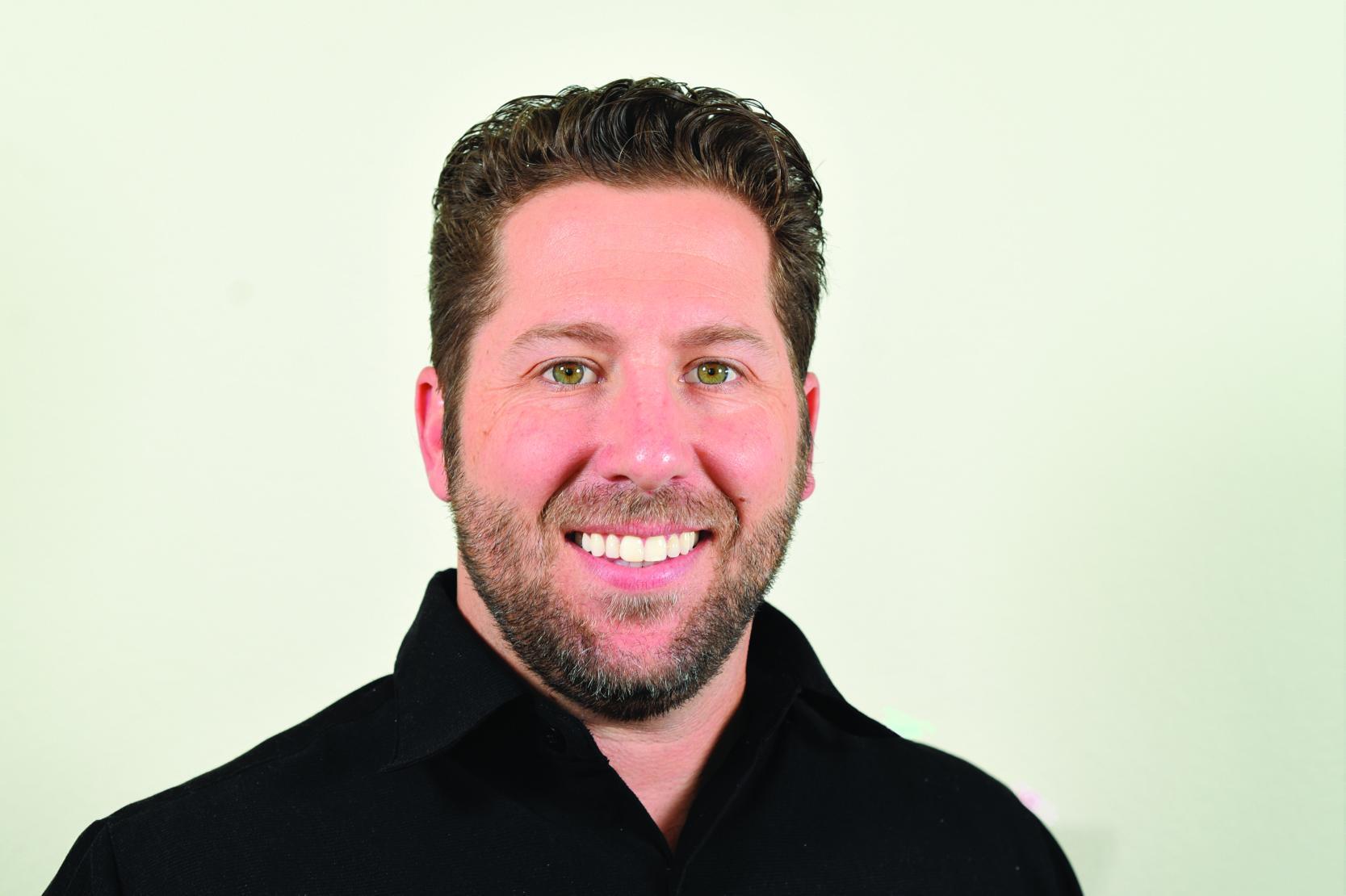
Chris Dages
CHRIS DAGES is a scholar-entrepreneur with degrees in accounting, economics, international business, and an MBA with a focus in entrepreneurship. With almost twenty years of entrepreneurship under his belt and a lifetime of team-sports experience, Chris understands what it takes to build a cohesive, winning team (and what causes a good thing to go to waste).
Chris coupled his education and experience with his love of philosophy to create Founder’s Footing, a simple, straightforward, and easy-to-read guide that anyone can use to create an amazing team of their own.
Today, Chris resides with his wife Lindy in Reno, Nevada, which they currently call home base for their many travels around the world. Connect with him online at FeatherBrickLLC.com.
📚 Books by Chris Dages

Transcript
[0:00:41] BB: Whether you’re an entrepreneur building your first enterprise or a seasoned professional in your prime, it can be challenging keeping the team working together and focused on a common goal. Founder’s Footing offers 30 valuable lessons to help you strengthen any team. Create integrity, cohesion and balance and manifest amazing results. Learn the art of culture sculpture and design your team with purpose and intent. Discover how your own mindset and conduct are constantly shaping the culture around you and gain the critical insight you need to manage that process. Best of all, learn how to free your team from past issues and problems designing a fresh renewed organization that can push beyond the boundaries of what you originally thought possible. Welcome into The Author Hour Podcast. I’m your host Benji Block and today, we are thrilled to be joined by Chris Dages who has just authored a new book. The book is titled, Founder’s Footing: An Entrepreneurial Guide to Leadership and Culture Sculpture. That’s an awesome title man, welcome to the show.
[0:01:58] Chris Dages: Thank you, I appreciate it.
[0:01:59] BB: I love that last line, I’m like, have to try saying culture sculpture 10 times fast.
[0:02:04] Chris Dages: Yeah, it throws people off, it’s not really a phrase people have heard much before and it’s kind of catchy I think.
[0:02:09] BB: I think it’s very catchy and a fantastic concept. Excited to chat with you more on this book. Before we go there, let’s just get some context on your background and maybe tell me a bit of led up to the writing of Founder’s Footing?
[0:02:24] Chris Dages: Well, I’ve been highly entrepreneurial since my early 20s so for about 20 years now, and I love building businesses. I went back into college after I first dropping out in my mid 20s and did a lot of the regular classes, you know, accounting degree, MBA, economics degree and I realized, there’s a lot of stuff that’s omitted in the college courses and that you don’t really learn about in practice. I just through a number of different methods, became aware of all these different techniques and approaches and decided that it was a good idea to put them into one book.
[0:02:55] BB: It’s one thing to collect them and have them for yourself or even be like, “Oh, someday down the road, I’m going to put all of this into a book” but to actually take on a project and get this thing through to completion. I mean, that’s a big deal. What was it about right now that you felt like, “Okay, this is the time to jump in and do it?”
[0:03:15] Chris Dages: Well, I had the idea for the book back in like 2015 but I couldn’t get past the initial organizational blocks that I had. Then over the next few years, I started to develop and morph into something different and it just came together and went and started the flow, it’s just fluid. I mean, not every chapter went smoothly, some were like, super quick and easy, some were a struggle but really, I had to find a way to take all these different ideas and approaches that I learned from all these different inputs and make them mine. That was the hardest part. It was kind of customizing and personalizing them so they were really owned by me to some extent and then you know, the pandemic hit and I had a lot more time on my hands and just came together.
[0:03:54] BB: Yeah. Well, I’m excited to get to jump in and talk about some of the concepts and the content here but I really – I mean, clearly by the title, you’re talking to entrepreneurs. You say that you were introduced to a lot of the concepts back when you were a philosophy major in your early 20s. Talk about how that has influenced the concepts that we’re about to dive into?
[0:04:18] Chris Dages: Definitely, yeah. I’ve always been a big fan of philosophy, obviously ontology, things like that, psychology. You know, entrepreneurship as many know is a challenge and you can have all the hard skills down and have the understanding of, “I have my product or service” and sell it and that’s what makes a successful company but really, it's – there’s so much more than that and it’s a lot about who you’re being and adopting some kind of morals and ethics and values that you can apply to your business. I just felt that that was missing and I knew that there was a spot for that and entrepreneurs a lot of the times, I think overlook that. Existentialism and Taoism and Confucianism have always interested me. And Buddhism, I just found like a cross section where they all kind of came together.
[0:05:02] BB: I’m fascinated by that, been doing a lot of reading actually on Taoism and so when I was just taking a look at this, I was like, “Man, that’s fascinating” and I love the intersection and some of those lines that you’re mixing and bringing together. Last question of sort of maybe a behind the scenes question here is just, when you're working on this, are you thinking of entrepreneurs broadly? Is there someone that comes to mind that kind of help push this thing across the finish line because you're like, “I’m writing this book so that they have these concepts written down.” Who is your ideal reader in your mind?
[0:05:34] Chris Dages: I think, honestly, I wrote it for myself. This is something that I was talking to an individual who was helping me out last December. He’s written a few books and he said, “You know, we usually write the books that we need the most.” This was designed to help me and summarize my thoughts but really, it’s for all entrepreneurs, successful or struggling. In the very beginning, I mentioned how it can be applied to any organization, whether it’s a sports team or a family. A lot of these concepts, they can be applied too many different places and the entrepreneurship is what’s closest to home for me. It was easy to write from that angle but really, there’s a lot in this book that anybody can apply to any kind of leadership environment.
[0:06:18] BB: Well, let’s dive into some of the content here. We’ll take it by parts and the first part of the book is setting the rules. Your first rule is to be coachable. What does this kind of looked like for you and how have you gone about maybe finding those right mentors for you specifically, Chris?
[0:06:38] Chris Dages: Yeah, it’s a great question and it’s not always – it hasn’t always been easy for me to find mentors but it’s critical. I think, especially for entrepreneurs who may be haven’t had success yet or on their early ventures to get some kind of guidance and have an open mind to the fact that you know, no matter how much education you have or money you have or how great your network is, there’s always more to learn. There’s always people out there that can lend you a hand or give you an idea that maybe you haven’t thought of yet. Without having that open mind and that approach where you’re willing to allow people to help you out and guide you, I think people really make it challenging for them. It just keeps it too narrow focused and you got to keep that approach where, “Hey man, there’s somebody out there who has done it, who can help you, who is willing to assist you” and be open to that.
[0:07:23] BB: How have you practically gone about finding the right mentors? Because it’s one thing to talk about it but I wonder, did you stumble into it at first and then over time, you saw the value of it and started asking people proactively or what did that look like?
[0:07:38] Chris Dages: Some were college professors that I developed relationships with, some were business partners, parents, some were friends of friends. I think you’re alluding to a good point where it can be hard to find a mentor or a coach that fits and there are a lot out there that aren’t that great or might even be scamsters. I think it’s just a matter of destiny and fate to some extent and you have to be open to it and have to be actively looking for it and not be afraid to ask people. I have had LinkedIn contacts. I have people in different countries like Singapore and Canada. I’m like, “Hey man, I need a mentor, can you help me?” And they might not always say yes but they will read this book, it’s helped out myself and many other people a lot or I know somebody that can. You have to have an open-mind to being coachable and then you have to go be proactive about it and find coaches, however you can.
[0:08:27] BB: Okay, I love the phrase like to be coachable, being open-minded but I’ve never met anybody that’s like, “I’m close minded” right? Let’s do an assessment here and maybe for our listeners, how would you say we can adequately gauge if we’re being coachable? Is it self-analysis, is it asking someone else if they think that we’re coachable because it’s one of those areas where it’s like, you don’t see pride in the mirror, right?
[0:08:54] Chris Dages: Yeah, great point. I think a lot of the time, you have to look at how you’re operating and figure out, do you have somebody that you can rely on and fall back on immediately, do you have somebody who has experience in the field that you can call up or text or shoot a telegram message to or whatever and like, “Hey, I have an issue, can you help me out?” Do you have a support group in place or person in place and if you don’t, maybe – it’s not that you’re not coachable but you’re not looking for coaches or you don’t have one. You know, I’ve seen business founders and entrepreneurs kind of think they knew it all and not want to go get new coaching outside of their sphere of knowledge and I’ve seen it hamper them. Just being able to take a self-assessment and look at who your group, the support groups that are around you is a big deal.
[0:09:39] BB: Well, we were talking about the Tao philosophy earlier and I see it in many of your rules that you break down here but, in a couple, mainly be present and let go of the past, there is only the present. Let’s just do the work to connect the dots here for a second. How are these rules around presence so vital, specifically in the business and maybe entrepreneurial space?
[0:10:03] Chris Dages: Yeah, definitely. Being present, I think is something that a lot of us don’t do and I myself am guilty of not being present many times.
[0:10:10] BB: Same.
[0:10:11] Chris Dages: I think it’s when people aren’t present, when they’re not really in the environment situation they’re in, they tend to lose their temper. They tend to have emotional swings, they tend to overlook empathetic issues that maybe employees or co-owners have. Just being present to the situation, not like adding meaning, if you get a rejection, just really helps with the emotional stability of entrepreneurship and leadership in general. It's a challenging concept for many people because there is some deep diving into understanding what it means but once you can really master that, I think the world opens up for many people.
[0:10:48] BB: Yeah, I think it’s the foundation that we have to build off of because if you’re not present, then even if you were somehow to get lucky and build something amazing and big, you’re still not present there either. So, like, you’re not going to appreciate it then and I think a lot of us are living for some imagined future when all we really have is now. I super appreciate the work that you’ve done to try to bring that concept to life.
[0:11:12] Chris Dages: Thanks. It is important and like I said, I think, I wrote this book for me more importantly. A lot of these concepts are reviewing my book and I’m like, “Man, you just need to apply this more myself.” It’s funny because I read a book like this and these concepts, I’m clearly fully aware of and I can grasp them but if I find myself not doing them so often, it’s so ironic. I’m like, “Man, just follow your own advice.”
[0:11:36] BB: Yeah, isn’t that the big deal of most things, right? It’s like we drift and then we have to call ourselves back and then we drift and we call ourselves back so I think the work to write this for yourself but then also know, there’s others that are on this journey and they’re going, “These are the things that matter to me but I’m going adrift for a moment, I’m going to call myself back.” I think this is a great way of doing that specifically around presence in the west where we’re bombarded by notifications in our phones and everything. Presence is needed, right? All time high so I think that’s a good thing to be thinking about in business as well. I’ll take us to part two here which is identify the current state. With the new lens that you’ve kind of provided these ground rules, then we’re set to assess where are we right now actually. I think actually is a key part of that question. What’s the current state? So talk to me about in maybe a team that already has some sort of momentum, some sort of orbit, how do we go about establishing the new values?
[0:12:40] Chris Dages: Yeah, great question. You know, for a team that’s already in motion of organization that’s founded and moving forward and maybe company that’s revenue generating or profitable. You know, so often, people join companies and there’s not much harmony and there’s not much cohesion in terms of what they stand for, right? You know, so often, people join companies and there’s not much harmony and there’s not much cohesion in terms of what they stand for, right? You hire employee X, you hire employee Y, they have all these different beliefs, morals and values and they might be different than yours and that’s fine. Of course, that’s great, that’s the diversity which makes business and life great. But I think understanding what those are within the team, making sure that everybody is heard and there’s like this continual group effort to just kind of have some cohesion and have these morals, values and ethics that can be seen across the company, something that you all stand for, something the business stands for, something to come back to in case you do start drifting That is where I talk about like making a charter and your declaration. You can do these team events that help you really establish this awesome cohesiveness where you all have these underlying commonalities. Then when three or six months down the road and you start noticing people aren’t acting as optimistic or people are drifting, you have something to come back to and that’s by identifying all of these personal but also group morals, beliefs and values.
[0:13:54] BB: There is a lot of value in core things that you are kind of agreeing on and calling people back to. You have this line where you talk about how you have seen many employees of startups stay at the company despite getting a measly paycheck with no benefits because they believed in the core values of the company and they wanted to be a part of something bigger than themselves. I actually was like just talking about this on LinkedIn as well this week because we clearly want to be paid well and we want to pay well as business owners and entrepreneurs but the effort that comes when people know that the work that they’re doing is tied to value, it is tied to virtue, it is just different and it is so much better. How have you experienced that and what have you seen in that arena?
[0:14:38] Chris Dages: Definitely with entrepreneurs especially with startups, which is there is no shortage of, I mean, entrepreneurship is blowing up right now for a number of different reasons I believe. It is tough being an entrepreneur and you don’t get paid and a lot of times, the people that are joining the company early on, they do get measly paychecks. They don’t get benefits because you are growth phases and you have to constantly reinvest in growth endeavors. It is having these core values, having this like this team feeling, this almost family feeling that you have helped create together. You know, it is more than just, “I am coming to work for a paycheck” it is like, “I have this team, this company, we have done the work, we have these declarations. We have this commitments that we can all stand behind” and that just helps allow people to have more of that connection. Have a little more faith and hope that this is more than just a random startup looking to make money, this is a family unit to some extent with a good leadership base and people that we know and trust that we can relate to that we have built with. That will help a lot of people I think just slog through the mud that much longer and harder because it is not just go to work, do your work, get your check and go home. There is actually a lot more there and I think that goes farther too to get through the tough times. You know, when people get down and when sales are slow and people don’t know how you’re going to make it to that next quarter or how you’re going to make payroll, there is just more there for people. There is more emotion, there is more depth to the whole organization that really I think helps just people push harder and drive forward more.
[0:16:01] BB: Well, I’ve asked you a lot of questions on your content so far and I want to let you lose for a couple of minutes because by part three of the book, you are talking about key concepts to embrace. Would you maybe just pick out two or three of these key concepts and then we can discuss them further but what are some of these key concepts that you’re inviting us to embrace here?
[0:16:25] Chris Dages: Yeah. Well, I started out that part three with your word as your currency and I think that’s probably the most important because everything is founded off the value of somebody’s word. I don’t think it’s really recognized that often and I think, you know, I grew up in Southern California where people were very lax and just kind of chill and people would say, “I’ll be there in 20 minutes” and 40 minutes later they don’t show up and they say, “Oh it was traffic.” Having the understanding that if you can stick to your word and people can count on you as your word, you can get so much more done. There is so much more trust and respect and when you get into the habit of keeping your word, it becomes almost automatic. If you are the person who is like, “I’ll call you at five. I’ll call you at three. I will call you at two” and every time you call at five and three and two on the button, first people can rely on you and that’s a big deal. They can trust you, that is a big deal and then the more you reinforce that you keep your word to yourself and others, it just becomes automatic. You don’t question it, you know? I use an example in my book where a lot of people go out drinking with their friends and they’ll say, “I am only having two drinks and that’s it. I’m out” and then seven drinks later, it’s two in the morning and they’re like, “What happened?”
[0:17:30] BB: Yeah.
[0:17:31] Chris Dages: When you constantly fail to keep your word, it is that much easier to break it and lose it. There is definitely a lot of value when your team can really – if you say, “Hey, we’re going to hit this sales goal in six months” and you are known for keeping your word, that really helps strengthen the team, bond, and people trust you and respect you a lot more and then on the contrary, if you never keep your word, no one is going to ever respect you, you know? You are just a flake, so that is a big one. I put it first for a reason that’s really important I believe.
[0:18:01] BB: It is interesting on that too because the more that you prove it to yourself, it is like a self-fulfilling prophecy, right? You can choose at any point to go, “Hey, my word is going to matter” people might not believe you at first if you broke in your word often. You might not believe yourself but then you prove it to yourself and overtime you are proving it to others and then it’s the snowball effect.
[0:18:21] Chris Dages: Yeah and it can become a very, very powerful tool and it creates a big world for a big person when you can constantly keep your word. I see so many people not do that. I see people in leadership positions, CEOs, business owners, you know, clearly politicians. People are just – they laugh at them and it’s really, if you are a leader and you want to build a great organization that’s not the kind of mentality you want to adopt from people.
[0:18:47] BB: Yeah, give me one other key concept that you would want to highlight here and then clearly we’re going to tell people to go grab the book and get all of them but what is one other one that stands out to you right now Chris?
[0:18:57] Chris Dages: You know, the anxiety of failure I think is a big one for me because it takes obvious risk to start a non-entrepreneurial endeavor or any kind of organization or family for that matter and failure is a big deal. Failure can beat people down. If you tried a number of entrepreneurial type concepts and you failed them, that can really wear on you mentally and I think it is just important to address for people that there is anxiety for sure. It’s a big step to do something like this and the failure is just part of the growth and I know that is kind of a cliché and sometimes cheesy statement, right? You only fail when you don’t get up, right? But it is important to address and this is really like I said, this is for me a lot because I’ve had some successful businesses. I co-own a few that are up and running right now and I’ve had a number of failures and I think it is just you have to really reinforce that, “Hey man, things are going to go wrong.” Things are going to be tough and it might not be a complete failure. It might not be a complete organizational failure. It might be a failure in a sales endeavor. It might be a failure in hiring the wrong person. You’ve just got to be with it, accept it and understand it’s part of the growth process and embrace it.
[0:20:04] BB: Have you seen the most growth in that area? Do you see anxiety through a different lens now that you’ve done different businesses like the multitude of times and the reps essentially then give way for you to see the growth that comes from potentially failure and you can kind of deal with the anxiety differently? Or is it each time it’s own sort of monster that you have to tackle?
[0:20:30] Chris Dages: Yeah, sometimes it’s easy for me to personally deal with, sometimes it’s stressful. You know, I have a chapter in here about momentum and I think getting, you know, when you get into your groove of course it is easier to handle failure because you get back on the horse faster. But when you are constantly getting knocked off, it can be tough. So you know life generally tends to move in phases for people and I think we kind of have our cycles. When you are in a negative cycle, it’s tough and that’s kind of why I wrote this chapter as a reminder just keep plugging along and learn from your failures. You know, if you have to fail an entrepreneurial endeavor and you know, pretty much shut it down, it is not like you’re starting it from zero, you are starting from the middle somewhere and you have a lot of knowledge and wisdom to embrace and take with you to move forward if you choose to. Some people fail and they don’t do the lessons learned, they don’t take those failures and lessons into their next venture and that’s a travesty because you learn a lot in failures and there is a lot you can do moving forward to address those issues.
[0:21:27] BB: Yeah, it is interesting with anxiety because if you have never started anything, you don’t have a track record that you can point to so that first time you need immense courage because you don’t have a proven track record. But even if you were to get a little bit down the road, you could look back at some previous momentum, some previous successes and at least start to draw there, draw from that and so I appreciate the honesty of this book and the honesty of this conversation where you’re sharing some of that. Hey, it still comes up, right? It is something that we have to keep addressing and keep going back to even if we’ve had some level of success. We’ve all read books where I think we would love the – we would say we loved the concepts but then we struggle to implement and that is always going to be a mountain we have to climb but if we’re leaving this conversation today and let’s say we go out, we read the book and now we’re sort of an action mode. We’re going, “We want to apply some of what Chris has written here” what do you hope is that action item? Where might you tell an entrepreneur to start in applying this stuff?
[0:22:34] Chris Dages: Definitely some kind of personal look at one’s self to make sure that if you are coachable, if you do keep your word like you’re addressing your own personal issues before you start to apply it to a team and look at the concepts in here that, “Do I have a history of breaking my word or keeping it? Do I have a history of being coachable or am I closed off?” and whatnot and then once you kind of address this within yourself, you know I knew at the end of every chapter I have action items that say lesson 19, everyone needs a piece. Then I have the little breakdown summary at the end of the chapter like, “Do people have a piece of your company? If not, when are you going to implement it by?” so by having like this, “When are you going to do it by?” kind of spur people to take action but there is so much in here. I think I mention in the book not everyone is going to appreciate all of these concepts. Not everyone is going to want to apply them but I think there is something in here for everybody. Grab one or two and work on it and then find a way to address it and then a by when to have it completed by and the more that you can just address and identify these things, have a completion date and then complete them, the more you’re reinforcing yourself that you can do it.
[0:23:40] BB: With all this stuff, with all the conversation we’ve had so far today, I want to end with just a personal question on your kind of crucial rhythms for success. Anything that you’ve found and implemented I love the by when question because I think that helps continued momentum, anything else that you are doing personally Chris that you think you’ve seen a ton of reward from?
[0:24:02] Chris Dages: Consistency is obviously a big deal. I wrote a book in entrepreneurship and I am one of those people that is always niche jumping like trying to do X, Y and Z. Focus and consistency is critical. It is important to know when to cut your losses, when an idea isn’t going to work, when there isn’t enough market pull or timing, isn’t right to end it but at the same time, you have to really have a lot of – I think the word I heard in high school was stick-to-it-iveness.
[0:24:28] BB: Right.
[0:24:29] Chris Dages: To get it done but yeah, it is just that constant drive that, “It’s going to work, it’s going to work, if this doesn’t work the next one will work” and then it’s not meant for everybody. You know, entrepreneurship but like I said, this can be applied to organizations and families so there is stuff in here for everyone but you know if you have family, I don’t have any kids. I’m married no kids but you know, kids are a lifelong commitment to some extent, it’s just having that long term focus and having faith in yourself.
[0:24:58] BB: For sure. Well Chris, thanks for taking time and discussing the book with us. I know it is going to be helpful to a lot of people. Tell us as we wrap here, where can people stay connected to you? Maybe it is a website or LinkedIn or something that people can reach out.
[0:25:15] Chris Dages: Yeah, I have my own website. My consulting company is called FeatherBrick Consulting, you can reach out to me there. I have my own website, chrisdages.com and then I have my LinkedIn profile, which I don’t use too often but I do check to see if anybody’s messaged me. Anyone of those three outlets you can find me on.
[0:25:33] BB: Love it. Well again, the book is called, Founder’s Footing: An Entrepreneurial Guide to Leadership and Culture Sculpture. It is going to be a great resource. We say this at the end of every episode but we really do mean it, go take a look on Amazon, buy it there. I think this is one of those books where it’s not just a read it and forget it, it is an application and it is about applying this concepts and so Chris, thanks for stopping by Author Hour today. Man, it was great to have you.
[0:26:01] Chris Dages: Thank you, it was all my pleasure. I appreciate it.
[0:26:05] BB: Thanks for joining us for this episode of Author Hour. You can find, Founder’s Footing: An Entrepreneurial Guide to Leadership and Culture Sculpture, on Amazon. A transcript of this episode as well as all of our previous episodes is available at authorhour.co. For more Author Hour, you can follow this podcast on your favorite podcasting service. Thanks for joining us, we will see you next time. Same place, different author.
Want to Write Your Own Book?
Scribe has helped over 2,000 authors turn their expertise into published books.
Schedule a Free Consult