Unique Hammond: Your Taste Buds Are Assholes
Read the full transcript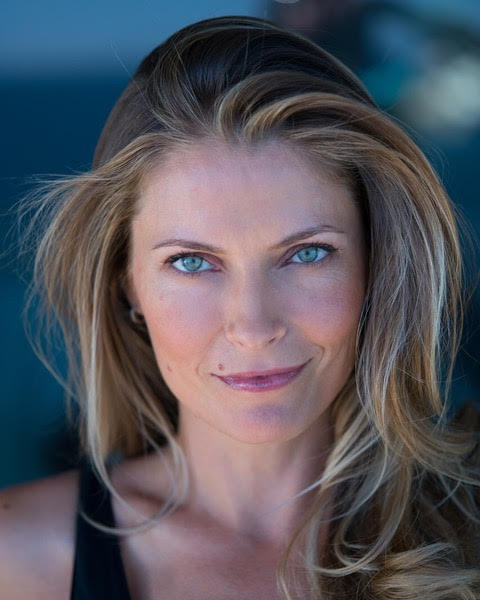
Unique Hammond
Unique Hammond is a nutritionist and the founder of The Bean Protocol, which she developed from her own experience healing from Crohn's disease. After a severe battle with the disease, she recovered through the power of soluble fiber and has spent years in private practice helping others pursue natural wellness. In her book, she shares the science and story behind her protocol and the everyday changes readers can make to improve their health.
📚 Books by Unique Hammond

Transcript
[0:00:36] Charlie Hoehn: You’re listening to Author Hour, enlightening conversations about books with the authors who wrote them. I’m Charlie Hoehn. Today’s episode is with Unique Hammond, author of Your Taste Buds Are Assholes. Do you suffer from painful digestion issues such as Crohn’s disease? Well, that’s what this episode is about. A while back, Unique thought she was healthy until Crohn’s disease left her struggling to sleep, eat, or even drink water. In this episode, you’ll hear Unique’s journey from a 90 pound patient to successfully overcoming Crohn’s. By the end of this episode, you’ll know the basic changes you can make to improve your own health and ensure your best life for years to come. Just a quick note, if you have kids around, please pause this episode right now because we use adult language throughout the conversation. By adult language, I mean, shit. There, I said it. Now, here is our conversation with Unique Hammond.
[0:02:00] Unique Hammond: Crohn’s was a kind of an interesting journey because it didn’t – Crohn’s kind of didn’t happen, the diagnosis didn’t happen for a while, I just had transient stomach problems that I would blame on a bad meal or just having too much alcohol or whatever it was. I didn’t really own that these transient stomach issues were part of potentially a bigger story. You know, I just kept kind of ignoring them because they weren’t big enough to take me down, they were just big enough to annoy me and make me feel just not great. I saw a lot of natural doctors if you will, homeopaths and a Chinese medicine doctor who is also a really dear friend of mine. He treated me for a while and I’m considered somebody who has a humming bird disposition I guess. I move quickly, I’m constantly on the go. High adrenaline makers, another way to put it. He was like, “You know, yeah, you’re not getting better and you need to give a name to this thing.” I really didn’t want to, I was kind of scared to what it was becoming but slowly but surely, I couldn’t smell food cooking, I couldn’t smell people’s cologne, I couldn’t smell a car passing by, the gas. Before I would start feeling really upset. Like “Why is there so much pollution in the world?” Just irrational and you know, it was really coming from my stomach because my stomach was so out of sorts that everything else around me became super heightened and my sense of smell became super heightened and my taste. I remember, it was my birthday and my husband opened a bottle of champagne and I could smell it and I was like, “I can’t touch that, I can’t drink that.” Slowly, the pleasure in life started to just fade away and everything was revolving around my stomach which was really annoying. I ultimately took his advice and I sought, he gave me a GI that I saw a gastroenterologist and that was horrible. I saw him and we started running tests and blood and blood came back healthy. I wasn’t in any great need to get a colonoscopy or an endoscopy, so we ran a bunch of other test and everything kept coming back negative which ultimately kept pointing at I needed to do this. I needed to go on and do this and have them look inside me and I was really scared of that and against it. Just on principle of like I don’t want cameras inside of me. Down my throat and other places and so I fought it, I kept trying to do it naturally but ultimately, the idea of giving it a name and trying to find out what it was, was the route I had to take and it was scary. I’m not kidding you, I canceled that appointment probably three times I think. The GI was like “So, are we actually going to do this?”
[0:05:02] Charlie Hoehn: Were you scared of getting really bad news or something else?
[0:05:07] Unique Hammond: I was scared of getting news of something that I couldn’t reverse or heal, you know? I was scared of living on medication my entire life. I was scared of having to have an operation, I was scared, yeah. I was scared, I was really scared. I didn’t want to live an altered life, I wanted the life I always knew which was kind of carefree and living on my own whim, you know? To some extent. To me, that diagnosis was really weighted and I probably put too much into it now looking back but at the time I was really sick. I was losing weight, I was nauseous all the time, I was in pain 24 hours a day at that point. All of the diets that I was trying for stomach issues, none of them were really working. I ultimately did, I was like “Okay, let’s do this.” I ultimately made the appointment and I kept it. I came up with a firm diagnosis of Crohn’s and weirdly, what happened next was I felt relief. Even though all of the treatments were scary, it was like immune suppressants for the rest of your life and taking out the part that’s infected but the part that’s infected, the infection will show up somewhere else kind of whack a mole if you will and I was like, “Okay, that route sucks, what else is there?” That was kind of what started my journey was that point of going, “All right, if I’m ready to hand myself over for dissection in a world unknown then I can do that. That’s cool to know that that’s there but I’m not going to do that because even though I’m in pain and I’d love to get out of pain, I’m not going to take that. I’m only going to take that if I truly get to the point where I just cannot handle it anymore and nothing ends up working and then I’m really happy that that’s there for me.” “Right now, I’m not going to do that.” It wasn’t because I wasn’t in a lot of pain, it was because I just – I had it in my mind that this was something I could actually heal, they didn’t give me a diagnosis of cancer, they gave me a diagnosis of Crohn’s which is this weird – okay, it’s inflammation of the intestine or the colon or whatever. For whatever reason, I felt like I could climb that mountain. I was like “Okay, even though you’re telling me I have severe Crohn’s and I’m super messed up and I’m not getting nutrients and I need to take care of this now.” Weirdly, in my mind, I heard, “You can do this, go find the answer.”
[0:07:41] Charlie Hoehn: I’m glad you did. I’m glad you did think that. Crohn’s is inflammation of the colon from my understanding, it’s an autoimmune disorder, is that not accurate?
[0:07:54] Unique Hammond: Those are all correct. Small Intestine. I was infected at around the illium. It presents itself slightly differently for everybody which is why it’s kind of this weird moving target which I think a lot of diseases, that’s actually not too far from the case for many. But yeah, for Crohn’s, they call it an autoimmune disorder, it’s your body attacking yourself. Which by the way, I don’t know if it was just because – you know, I was raised super natural all that stuff but when I heard “Your body’s attacking itself,” I was like, “That’s stupid, why would my body attack itself?” It’s attacking something but I didn’t believe it was attacking me. I believed it was attacking malfunction in me. I don’t know if those beliefs are what allowed me to climb my mountain but those were the beliefs that started me and I was in insane pain the entire time. I was on this year, this journey for many years looking for my answer, for me, the needle in the haystack of what was going to get me better. I didn’t have a set amount of time of when I would stop. It was more just like I would get to the point where I could no longer function anymore and I’d have to go in and start getting other stuff done. Yeah, all of those terms, “Your body’s attacking itself, autoimmune disorder, you got to live with this for the rest of your life.” All of those things became nothing for me, they were like, “You can heal this, you can overcome this, how are you going to do it?”
[0:09:24] Charlie Hoehn: Did you think at some point, because you mentioned you’re a high adrenaline producer, did any of the healers and things that you saw, did any of them say, “Oh you just need more sleep.” How many times were you given, presented with potential solutions and they failed?
[0:09:45] Unique Hammond: Many times. I now understand why. I am a person that I wake up energized at 5:30 in the morning and I crash hard at night and that’s kind of just who I am. You know, I’ve been told, you need to slow down, you need to meditate, I’ve tried meditating, I’m not that great at it. I have gotten to the point where I can sit and just breathe for five minutes, just chill but I love to do. Life is exciting to me, this disease was debilitating not just on an emotional level but on a mental level because I couldn’t overcome the center of my body that was everything was pointing there. Yeah, you know, meditation, slow down, which by the way, the disease made me do. Sleep would have been really nice but I literally did nothing, I couldn’t do anything. I couldn’t walk a block without feeling like I ran a marathon. I rocked all of the time if I was at my daughter’s play, I was sitting in the audience rocking back and forth because the pain was so intense and nothing took the pain away so it was kind of crazy.
[0:10:56] Charlie Hoehn: Sounds horrible. Your book, tell me what the big idea is in this book, what do you want listeners to remember about your book and how you overcame this?
[0:11:09] Unique Hammond: That we as people are actually co-contributors to our health. The food we put in our mouth, the choices we make in that place, part of our health or disease story and you know, I hear people all the time, “Organic is for wealthy people” and I’m like “No, it’s for healthy people.” It’s such an important distinction because people, the bottom line is, people, if you have the will, you will find a way and if you have excuses, that will also become your way. You know, organic foodd and eating naturally and especially if you’re eating Crohn’s, buckling down and doing this diet or something else that works for you because I know that there’s not a one size fits all. But I guess the takeaway would be is know that your body, if you get behind your body and push and you give it what it needs, it will – it can heal. I learned that because I was as far down the disease path as I could get before I came out. I was 90 pounds and I’m five seven. I was wearing jeans my daughters could wear and they weren’t even teens yet and they were baggy. I was really sick and I couldn’t drink water without being nauseous and I’m healthy, I’m working out, I’m living a totally normal life. I’m not restricted by what I can eat. I eat gluten. I just eat really healthy, that’s my restriction to myself is I will eat healthy for the rest of my life. I am not eating crap, I refuse to put that in my body because I now – I understand what that has the potential of leading to.
[0:13:04] Charlie Hoehn: Let’s talk about the crap that you were putting in, that you no longer take part in. I know this to some people might sound like, I guess redundant because a lot of the conversation around nutrition and health, these days – our society, it’s beautiful thing, we’re all focusing much more on what we need to put in our bodies but we’re still gaining a collective consciousness of “What is crap?” What do we need to keep out? What were you eating before that you now have eliminated?
[0:13:41] Unique Hammond: Anything artificial, I don’t need anything processed or artificial. The only processed food I eat is the one that I process in my vita mix, you know, I make my own milks, not everybody’s going to have that dedication or time. What’s amazing about where we are today in health awareness is that you can buy that stuff if you can make it. If you can’t afford it fresh, you can buy it frozen and you know what? That’s even better than whatever else you’re going to eat. You know, this book is really affirmation of people on the healthy path that “Hey, you’re going in a good direction” but it’s also for the Crohn’s people, even if you start eating healthy, that’s not necessarily going to heal you which is the hardest part to swallow. Because I followed a lot of the diets out there that are supposed to be good for autoimmune and none of them helped me which was really frustrating because I was like “Wait, this is supposed to be good for inflammation and autoimmune and turmeric’s a big word right now.” But turmeric made me want to hurl and to this day, turmeric kind of makes me want to hurl unless I put it in a curry. You know, I see turmeric lattes and I’m like, “Gross.” Good on you if you can do it though. You know, this book is really about, if you’re buckling down to heal something, you’ve got to go back to zero. You’ve got to go back and rebuild your intestines and all of those amazing healthy diets out there and juices and raw will just tear you up if you have Crohn’s or even irritable bowel.
[0:15:26] Charlie Hoehn: What’ I’m curious about Unique is why didn’t some of those diets that are tailored specifically to conditions like Crohn’s, why didn’t they work for you?
[0:15:37] Unique Hammond: What I ultimately learned is that you know, the paleo diet for example, that was one of the things I kind of went into and the reason for Crohn’s patients, I believe it doesn’t work and I think there are Crohn’s patients out there that it does work or irritable bowel or colitis or whatever, there is. There is that possibility and I totally accept that and I’m aware of that. Definitely in my case, the more fat and protein you eat, the more bile you make because you have to break down that food. In the case of Crohn’s, you actually don’t want to produce more bile, you kind of want to go in the opposite direction. You want to eat things so simple that your body gets quick energy which is everything you’re taught not to eat these days, I was eating toast, white toast, white – the beginning of this diet is just white, it’s all of the white stuff that people are like, you know, “Get away from it, that’s horrible.” That is the beginning, that’s where you start and it’s so counterintuitive to where the health movement is to eat white stuff. But literally, you know, every doctor was like “Go gluten free” and I’m like, “But I’ve eaten gluten my whole life” and they’re like “Yeah, but it’s bad now for you because you have Crohn’s” and I’m like well, “Okay.” That was what I ate, I ate toast. Now if a person is celiac or whatever then they definitely shouldn’t but in my case, I wasn’t so I was eating just plain toast, no butter for the first three days of this diet. What happens is every three days that you are not producing all that bile, your intestines have this weird opportunity to heal and add a layer back in there. I ended up doing the white diet many times because I was so far down the rabbit hole. I was so far down that everything hurt. Joints hurt, my back, my neck. I just felt like I was falling a part and that white diet was the beginning of putting myself back together again.
[0:17:32] Charlie Hoehn: Wow. I totally would have never guessed that white diet – in fact I don’t think I’ve even heard of that. Where did you stumble upon that diet?
[0:17:46] Unique Hammond: In the many years of my illness, I was shy about sharing them, you don’t really want to share shit, you know? And talk about like “Hey guys, I can’t live further than five steps away from the bathroom.” I lived a kind of a – I got pretty hermit in my ways and – but over time, people knew because they would see me and I was really skinny and friends of mine, you know, I stopped going out because I couldn’t eat anything. People took an interest in my crazy journey to heal naturally, some of them didn’t get it, they’re like “Dude, go in, take the meds, cut it out, whatever you have to do, live.” I’m like, “Yeah, but what if my doing that now affects my life” later because I’ve done a lot of research and it doesn’t look like it ends up well for people that do that path. I want to know that I tried this other path first before I give myself over to that and I have to know in my mind and in my heart that I tried everything I can possibly do to heal it naturally before I do that. I’m glad it’s there, it’s almost like a parachute, right? They knew this and people knew I was trying different diets and you know, people would send me links to poop transplants which I definitely considered for a while. One of my friends dropped a book off at my door and I had Googled everything you can possibly imagine on autoimmune and Crohn’s and just everything. I Googled. I couldn’t sleep, I was up all the time, either watching Californication or Googling my disease and you know, nothing came up on this woman. My friend dropped this book off, I picked it up, I literally threw it at full – whatever the skinny force was I had at the time, at the wall and just left it there for 24 hours and ultimately picked it up and it was by this woman called Karen Herd. She, her family, her baby, after they had carpet bombed their house for bugs, termites, whatever. They came back, whatever the amount of time was – they were told to and within the following month, her baby who was crawling on the floor started getting really sick. She, the mama bear, went on a mission to find the answer and found none and ultimately had to do it herself, had to help her baby survive and she came up with this diet and I am white diet, I was like, “White diet? You want me to eat white stuff?” I was raised by hippies, we don’t eat white stuff, that’s just not part of the program. She was the one who created this diet that I followed and I followed it to a T. In her book, she said she has 99% success rate in healing people with autoimmune disorders and I asked her, I love this woman, I love her so much, she’s intense and powerful and well educated. I said, “Why did you put 99%?” “Because nobody believes you if you put a hundred.” “Okay, well yeah, you’re right. If you put a hundred, first of all – I thought you’re full of shit because you’re telling me to do this diet but if you put 100%, I would have definitely not gotten further, so you’re right.”
[0:21:54] Charlie Hoehn: First of all, a quick note, I really admire anyone who can take a radically different path and I know it ends up causing you to be reclusive and kind of secretive about your treatment but I know it takes a level of courage to do what you feel is right in the face of everybody telling you “No, just listen to this person’s orders.” Just kudos for that. How long was it before you started seeing significant results?
[0:22:31] Unique Hammond: It took a while, I would say, but, imagine you're in pain 24 hours a day, imagine, that’s not just like level three, that’s level between eight and 10 and eight’s a relief from 10. That kind of pain, you’re nauseous all of the time and you know, you just feel horrible and the pain doesn’t just hang out in your intestines, it radiates up your back and your neck. So much though that you’re like “Wait, something else must be broken because why is my back and my neck hurt all the time?” Imagine that you’re sleeping bent over a pillow because you can’t lay straight and bending over when you sleep takes a little pressure off. Like, that’s the state I was in and you start doing this crazy diet and all of a sudden, you’re not – oh and by the way, you’re running to the bathroom all the time. You’re kind of like another version of Jackson Pollic, you know? But in the bathroom and it’s bad. That’s your life you know? You’re not living the way I put it was like, I was just dying but I was stubborn, I was stubbornly dying, “I’m going to do this on my terms, you know? If I’m going to hand myself over after I do this crazy diet, that’s when I’ll do it.” I put a lot of weight on this diet because it was literally the last kind of stop on my train and this was going to be it, if it was going to happen, this was it. I really buckled down and I didn’t fight it, I was like, “This is the last thing I’m going to try.” So everything she told me to do I was just like, “I’m doing this” and what happened is, what started first is I stopped running to the bathroom all the time and that was huge. Uncontrollable shitting has to be the worst possible human sentence if you will.
[0:24:31] Charlie Hoehn: I think that’s one of the seven circles of hell actually.
[0:24:35] Unique Hammond: Yes. “Now you shall run to the bathroom all of the time.” It’s not sexy and that’s another thing, you know? I wasn’t – I was still a woman and yet I was in this entirely suspended, unsexy state of being all of the time. I didn’t mention that you couldn’t touch me because my skin hurt.
[0:24:54] Charlie Hoehn: Right. Yeah, literally because it would be extremely painful.
[0:25:00] Unique Hammond: Yeah, no it was bad. It was inhumane I think is what Crohn’s is. So I started running to the bathroom less, the beauty of the white diet is that because it was all white, you can eat as much as you want and there’s still not a lot to it. The bathroom runs became infrequent and I was still in a lot of pain. The pain was the consistent but over the period of months, suddenly I would have hours without pain and that was the first time I experienced that in a long time. So those hours were like this little moments of like, “Holy shit so if I can sow these hours with other hours, then those hours can turn into a day and I can have a day without pain at some point and those days if I keep going I can sow those days together and soon I’ll have a week,” and soon I was thinking like that. I didn’t have these huge goals of like, “I am going to be better and I am going to live a totally healthy life.” It was, “I am going to string together days without pain” that’s my goal. And so I rode that wave and as the months went on, hours became days and days became weeks and weeks became months and then some months, I would go back to square one and I’d have to start with the white diet again for a couple of days and then I would build back up to eating beans and lean protein and squash. You know that was my diet for six months was a rotation of white rice, simply cooked beans, nothing in it, no spices, no oils, nothing. Lean everything is super lean, salt was my only extra. It’s like, “Oh I can have salt” and a lot of hot water. I drink a lot of hot water at that time. So that was the first six months of my life and then I think I got in some veggies like baby food veggies at some point but yeah.
[0:27:04] Charlie Hoehn: Wow.
[0:27:05] Unique Hammond: Yeah, those months turned into – I mean those weeks turned into – and it took a long time to have a full month without pain. I would say I think I hit them the year point, the beauty of being a woman is that every month you ovulate and have a cycle and for me, for whatever reason no matter how strong and how good I felt around that time I would flare and so every time I’d flare I’d have to go back to the white diet and that was a lot of fun, as you can imagine. It was like, “Oh shit I am sick again! This sucks!”
[0:27:38] Charlie Hoehn: Yeah, so were you ever eating out at restaurants with friends or were you having to prepare all your meals at home?
[0:27:47] Unique Hammond: Yeah, no if I went out with friends I would try to book places where I could just get a bowl of white rice because restaurants they’re too busy to – and I think they’re better now because so many people are walking around with legitimate allergies that they have to be a lot more careful than they ever used to but still at that time I would say, “Okay I am going to get just rice, nothing in it please and some poached fish” or steamed chicken breast or whatever like no fat. And you know they would bring it to me and somewhere along the way they put something in it. They’d put fat and then there’s something and I would have stomach issues all night. So it was really sensitive like bringing me back from the edge that I was on, it took a lot of work and I had to be really strict. So it wasn’t the fun of hanging out with friends was taken away by the fact that A, I couldn’t drink alcohol because just the smell made me feel crappy and then you couldn’t control the food. I would say the first year of doing this diet, if I did go out I would eat first and then go out and hang and just talk and see people. But it took a while to feel that’s social as well.
[0:29:04] Charlie Hoehn: Yeah and so tell me where you are today and I can’t remember how long ago this journey started, where are you now?
[0:29:15] Unique Hammond: Now I am – I mean it blows my mind, I sometimes just sit and think about it because where I am now isn’t a place that I thought I would get to. Where I am now is food doesn’t bother me, not at all. I can drink alcohol if I want. I choose not to drink very much of it or very often because I understand that my body has a disposition that I have to honor and I am happy to honor it because I’ve got plans. So I eat whatever I want, I choose to eat very healthy and simply. But if I do go out with friends and everybody is having a burger, I’ll have a burger and I have no repercussions from it and that’s pretty cool. I know that may not always be the case for everybody who does this diet. They may have to be strict forever depending on the level or who they are but for me, I am back a 100%. I trail run, I go to Orange Theory, I do yoga. I do all of these things with my body and I no longer have arthritis in my hands. I feel amazing.
[0:30:19] Charlie Hoehn: That’s so wonderful to hear, I’m so happy for you. That’s fantastic.
[0:30:25] Unique Hammond: Thank you.
[0:30:25] Charlie Hoehn: It feels like obviously very cathartic to be able to write a book about it but it’s funny how the human body works where it’s like once you’re acclimated to the new norm, you get accustomed to it, but do you still find yourself pinching yourself after being in pain for so long? Like, “I can’t believe I feel so good again”?
[0:30:48] Unique Hammond: Yeah, I do and one, writing this book was a weird thing for me because one of the things that happened when I was sick is like I said, I didn’t sleep and when I slept I would literary just pass out for 40 minutes in a weird position somewhere in the house where somebody would find me and tiptoe like, “Oh shit leave her alone because she’s finally sleeping.” I think I slept maybe and in total with all of the weird little pass out naps maybe a two hours every night, an hour or two every night. That was it which is also that breaks you down, as a human that just breaks you down, you know? Emotionally, physically like I think I would just – people would find me, my family would find me just crying in weird places because I was so broken down and the last thing that happened was that I actually had to sleep train myself to sleep again because my body was so used to being up all the time that when I was out of pain I still couldn’t sleep. So, I had to sleep train myself. I am now getting eight hours of sleep which for me, that’s the big being out of pain amazing. Being able to work out like I was so sick I couldn’t wear tennis shoes, they were too heavy. I had to wear five toes which now is like a thing, everybody is wearing five toes but many, many years ago when I was sick, the five toes, people looked at me like, “Okay first of all you have an eating disorder and second of all, why are you wearing those five toes shoes?” And I wanted to say that it’s because I can’t lift just a normal shoe. I can’t lift it, it’s too heavy. So yeah, the fact that I can run and sleep and eat and my skin doesn’t have rashes all over it, yeah I am pretty much every day pinching myself. But the one thing that happened which I think is an interesting thing for a lot of people who have to battle an illness is that I started making deals at night like, “Oh if I can better, please let me get better, if I get better I will give back.” “I will find a way to give back. If I get better, I’ll share my story, I’ll do something” and you know those were things I said in the dark of night when the pain was the worst and I’d go back and forth between crying and watching a show and crying because my scenario was so hopeless feeling. When I got better and I was better for about a year, I’d remembered that I’d said those things and then I was like, “Oh you know what? I have to do something with that.” So at the time I left my job, a really great job working with really amazing people who by the way hired me when I was sick and I left and I didn’t know what I was going to do or how I was going to make this thing that I said out loud real, “How can I help others, how can I give back in some way now that I have my health?” I started with doing a course, being a health coach because that seemed like okay that’s the quickest way to start helping people is to become a health coach. I signed up for the year long program with IIN and then once I did that, I realized I didn’t know enough. I knew why I got better but I still didn’t know enough to help other people. So I was talking to a really good friend of mine, Mark Sisson and he has written so many books and I just wanted to tell him my journey and I was like, “Hey I really want to write a book” and he was like, “You should. That’s exactly what you should do is write a book.” So I took his advice and I was like, “I don’t know how this is going to come together but if I write this book, it’s about my journey of healing.” It’s about healers that there are people out there that understand how to help you and to hopefully inspire people to take that path and I even reached out to my gastro and I was like, “Hey I just want you to know I am doing this and I want you to know that I’m better” because he jumped through a lot of hoops with me. Because every point that he offered me relief I said “No” and I wrote him a thank you note. I was like, “I know I was not your easy patient because everything you knew to help me I declined and that must have really sucked for you but I want you to know that this is my mission. It’s to enlighten people that they can eat their way better.” I know it’s out there and I know that a lot of people are doing that for various diseases but it does work for Crohn’s which is kind of right now an epidemic for people that’s just kind of out of control.
[0:35:27] Charlie Hoehn: Yeah, so that brings me to my next question which was is your book primarily for people with Crohn’s or is it a broader audience?
[0:35:39] Unique Hammond: I would say primarily it’s for people who are suffering with stomach issues. I wouldn’t say necessarily Crohn’s but definitely because I had Crohn’s that’s a natural fit but it’s for people with stomach issues. I think that anybody who has transient stomach issues would actually benefit from doing this diet and seeing what the outcome is. To me the amazing thing with food is that your body is made of it. That is what your body is made of is all of that fat and protein and vitamins and minerals. And carbohydrates and so food is to me is the least risky option to get better. Medications are now proven most of them to kill off just a little bit of that micro biome that you want to help flourish and keep you healthy. So I think I was that person before who was like, “Oh I got a headache. I’m going to pop some Advil.” Like I had a cyst in my wrist, my doctor was like, “Take it out” and I’m like, “Yeah, just cut it out” you know I didn’t really contemplate that. All of that stuff is an unnatural substance going into my body and that there’s just this perception that your body is going to take care of it and what if it doesn’t? What happens then? Like, “Oh no you are going to pee it out,” well what if you don’t? What if all of that stuff is hanging out in your bile and causing some kind of destruction? I don’t think we really know enough about the manmade chemicals in the world that we just take for granted, that it’s okay that we take it. I was definitely one of those people that didn’t contemplate anything. I was like, “I got a headache. I don’t really know why I have a headache but it hurts so I’m going to take something to make it go away” and so this book is really to provoke thought of maybe we need to pause and maybe ask different questions. “Why do I get headaches all the time?” Maybe there’s another answer than “Okay I get it, you don’t want to be in pain.” You don’t want to guzzle water all the time because a lot of people are dehydrated and maybe it has nothing to do with water. Maybe it’s something you’re eating, maybe it’s something in your life. You know it’s really just an inquiry of like I had a knee-jerk when the doctor said “Take that,” I took it. When I was in pain I just wanted the pain to go away and now I live differently. If something isn’t working, I listen and I am like, “Okay so what am I doing and what’s different” and there is a pause and some inquiry. We have so many amazing things at our fingertips to make thing go away and I guess this book, yes, it’s for people with Crohn’s, stomach issues but it’s also ultimately, it’s an invitation to contemplate longevity of health and what does that mean and whether you work out and you look good, are you good? Are you made of strong materials that will last the test of time, you know? Or for as long as hopefully your ride will go because this is our ride. You know this is our Porsche and you are not going to put shitty fuel in your Porsche. You are going to put the best fuel and for a good reason. That is going to keep your engine strong and running well and that’s how I view it now. This is something that I really want to take good care of and honor it the best way I can.
[0:39:06] Charlie Hoehn: Yeah, I completely agree with everything you’re saying. One of the things I think men struggle with especially is recognizing and processing their feelings, their emotions and even at times they are physical feelings. Do you have any recommendations for people who are thinking, “Maybe I have transient stomach issues, I don’t know, what do I need to be more aware of?” Or is it going to be blatantly obvious?
[0:39:40] Unique Hammond: It’s not always blatantly obvious. I think a lot of the things that we put in our body are sanctioned. It’s like, “Okay, you do this” and I think that sanctioned makes it okay and I don’t think we stop and go, “Okay wait, it’s sanctioned by people that this is what you do” and I’ll go all the way to vaccinations that you start your life with being injected with chemicals and a lot of kids, I am not saying “don’t vaccinate” by the way just in case people start coming after me. But what I am saying is that you start your life off injecting yourself with chemicals, most people end up doing that for the rest of their life to some extent whether it’s medications or whatever. There isn’t the counter balance to it. There has to be a counter balance. If those are the choices you are making, there needs to be a counter balance in the food that you are eating to support your body in proper detox and when people, when I say detox people go, “Oh my god juice cleanse” or something. No, no not juice cleanse like proper detox to me is elimination and that’s what it’s come to mean to me and that’s what I have been educated that it means is you have to eat high fiber diet. In today’s world I don’t know if we always as humans needed a high fiber diet but in today’s world we do. We need a high not just dietary fiber but soluble fiber diet because that actually helps your body detox and eliminate and it supports your liver and your gallbladder. You know when people think of soluble fiber they think of pooping and that’s what detox is. Detox is pooping and it’s peeing and it’s as simple as that. I think there are herbs that can support that but to me, I don’t really get into all of that. I keep it really simple and so I would say if you are having transient stomach issues, if you stop and think about it and you go, “You know what? I am Jackson Pollock. I don’t have pain not everybody has pain but my bathroom time…” which here we go, talking about something that you are not supposed to talk about. But it’s a weird experience and I don’t want people to go into the bathroom after me because that’s not – it fucking stinks but stopping like, “Okay let me check out my diet, what am I eating and how can I simplify it for a while to see if that helps?” I think the problem for most people isn’t that they don’t know something is wrong. I think most people know that you are not supposed to be Jackson Pollock in the bathroom and what I mean by that is just spanking the walls. You know it’s not a good scenario. You are not making ice cream swirls. They don’t stop and go, “Why is that happening? Oh it’s just my stomach. It’s the way my stomach is”. Well no, actually your stomach doesn’t want to be like that. Your stomach wants to be perfect ice cream swirls and I remember when I finally did that and it was like, “Oh shit can I take a picture, is it weird to take a picture? It is amazing.” You know? I don’t really want to do that because I don’t want anybody to know I did that and if you take a picture somebody will ultimately find out.
[0:42:49] Charlie Hoehn: I’m surprised you didn’t frame it and put it above the toilet as a motivational poster.
[0:42:58] Unique Hammond: In my mind I did. I totally did. I was like, “You guys I had so many years of painting the walls that this perfect poo was really, I just wanted to dip it gold and have it forever” because it was a reminder that I came that far. I came back to having a healthy gut which is pretty massive. So yeah, this diet is a diet that anybody can do and by the way, I love for parents if their kids do not have good bowel movements like you don’t have to eat a lot of beans. Which by the way is the best source of soluble fiber. I cook them, I soak them, I am constantly in a stage of cooking beans. I think they’re amazing. I know that they recently did add some legumes to the paleo diet which I applaud because beans have been around forever. I love that people are more and more eating beans. So beans are an amazing source of soluble fiber, the best but it is not always easy to eat beans. So I give my kids psyllium husk, a teaspoon of psyllium husk and mix it into water. And they drink it and you know, they don’t love it because it’s weird and gelatinous but because it is a soluble fiber but they do it because they’ve seen what I do, where I’ve been and what I’ve gone through and they know “Okay, nobody eats enough soluble fiber so because we hate beans, we’ll eat that instead.”
[0:44:32] Charlie Hoehn: Yeah, psyllium husk I’ve had that stuff it isn’t the greatest but it is not super difficult to take in. So, if you are not a big fan of beans, check those out. So I want to give our listeners a challenge, maybe what is one thing they can do from your book today or this week that could have a positive impact on their life? Would it be have a serving of soluble fiber or four servings of it today? What would you say?
[0:45:05] Unique Hammond: I would say take psyllium husk most likely and take it in the morning, an hour away from a meal. The whole magic of psyllium husk is that it binds with fat and if you are having transient stomach issues and even if you’re not it’s a healthy thing to add in there at least once a day. I eat a serving of soluble fiber or beans three times a day. That’s my commitment and not always by the way. I get into situations where I forget when I am in meetings or whatever, I try to do that three times a day. And it should be an hour away from a meal because soluble fiber binds with fat and bile is fat so if there is stuff hanging out in your bile that’s toxic that your liver isn’t able to detox for whatever reason, it will keep rotating until it binds with something and it can bind with – if you get enough soluble fiber it can bind with it but if you eat it with fat your soluble fiber, your beans and your psyllium husk, will bind with that fat and a lot of times if you’re eating healthy fat you don’t want it to bind with it. You want your body to get that fat so I always say do it in the morning, an hour away from a meal If that’s the only thing you do this week, that’s the only thing you change this week you’ll be taking a step in a healthier direction.
[0:46:29] Charlie Hoehn: Absolutely, so Unique how can our listeners follow you in your journey, connect with you that sort of thing? And from my understanding you do some speaking as well, where can they get in touch with you?
[0:46:45] Unique Hammond: So I am on Instagram, Unique Hammond is my handle, I know original. I do have a website called You’re Great, which is my commitment to you and my message to you is that you’re great wherever you are in your health journey and you have the potential for greatness. I think those are where I got to about myself is the fact that you can go from a little stick figure back to being fit is pretty cool, that’s pretty great. My body was able to do that.
[0:47:19] Charlie Hoehn: Yeah.
[0:47:20] Unique Hammond: So those are the two places. I also have a page, a Facebook page, Unique Hammond Health and those are all the various ways you can find me if you are interested.
[0:47:30] Charlie Hoehn: Excellent, so You’re Great is youregreat.com.
[0:47:35] Unique Hammond: Yep.
[0:47:36] Charlie Hoehn: Cool, Unique this was phenomenal. Again, I really wanted to emphasize that I’m so happy that you are where you are. I have friends who struggle with Crohn’s. I know the pain is excruciating, so it is really great to hear that you got through that and that you are helping people with their journeys as well. So thank you for being on the show.
[0:47:59] Unique Hammond: Thank you, I really enjoyed it.
[0:48:01] Charlie Hoehn: Many thanks to Unique Hammond for being on the show. You can buy her book, Your Taste Buds are Assholes, on amazon.com. Thanks again for listening to Author Hour, enlightening conversations about books with the authors who wrote them. We’ll see you next time.
Want to Write Your Own Book?
Scribe has helped over 2,000 authors turn their expertise into published books.
Schedule a Free Consult