Jesse Cole: Episode 941
Read the full transcript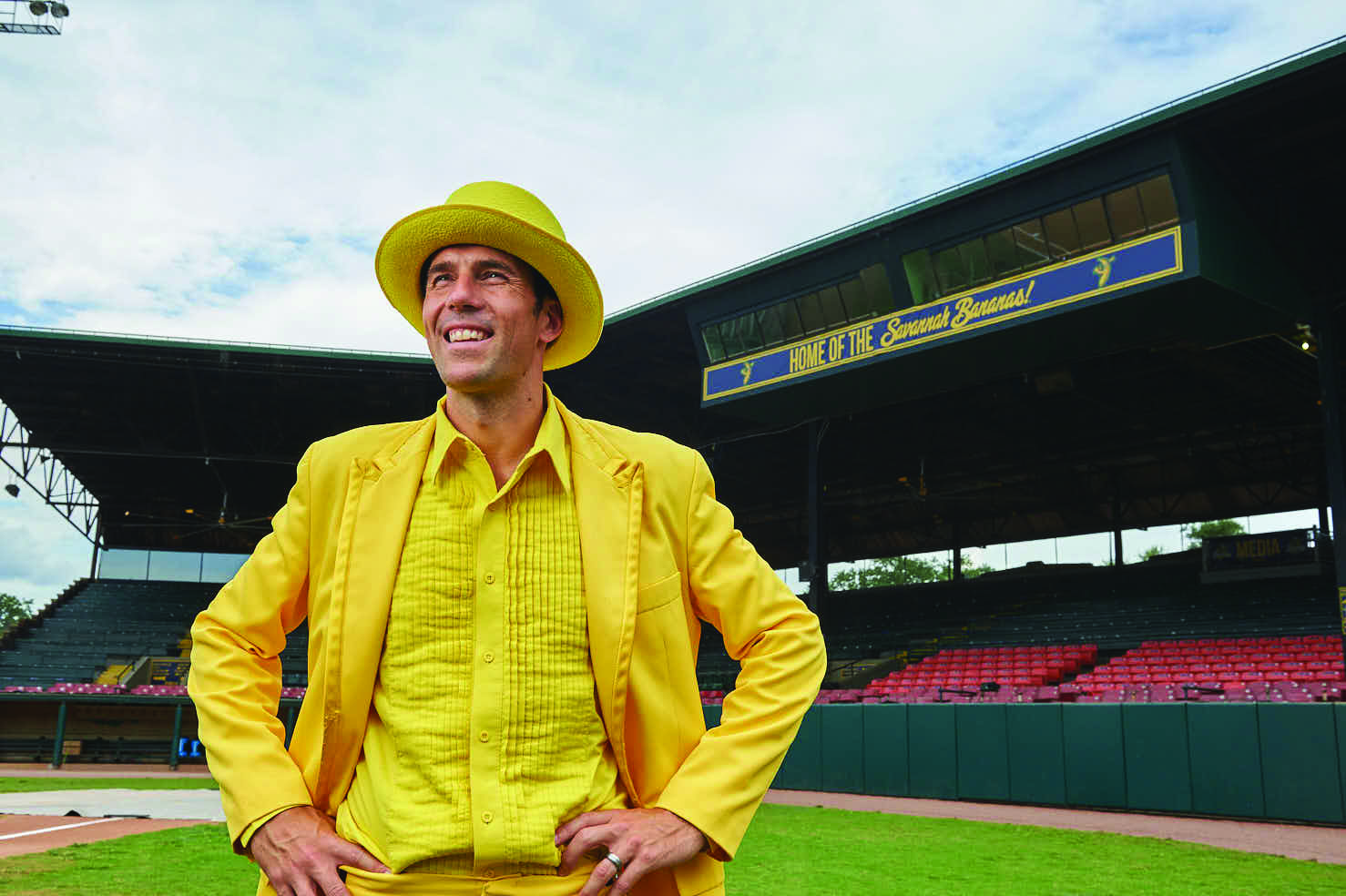
Jesse Cole
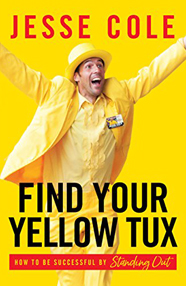
Jesse Cole is a fanatic about fandom. In 2016, he founded Fans First Entertainment and launched the Savannah Bananas with one mission: to spark a fan-focused movement. Whether at the ballpark, on social media, onstage delivering keynotes, in features for ESPN and Entrepreneur, or in his first book, Find Your Yellow Tux, Jesse continues to create fans all over the world.
Jesse is the proud inventor of Banana Ball and Dolce & Banana underwear and not-so-proud promoter of the Human Horse Race and Flatulence Fun Night. He’s a raving fan of his wife, Emily, his kids, and peerless promoters like Walt Disney, PT Barnum, and Bill Veeck. Jesse owns seven yellow tuxedos.
★ Scribe Case Study
How Jesse Cole Used a Book to Build His Brand and Become an In-Demand Speaker
Jesse Cole built his business by engaging his community. He shared his secrets in his book to help others and became an in-demand speaker.
📚 Books by Jesse Cole
Transcript
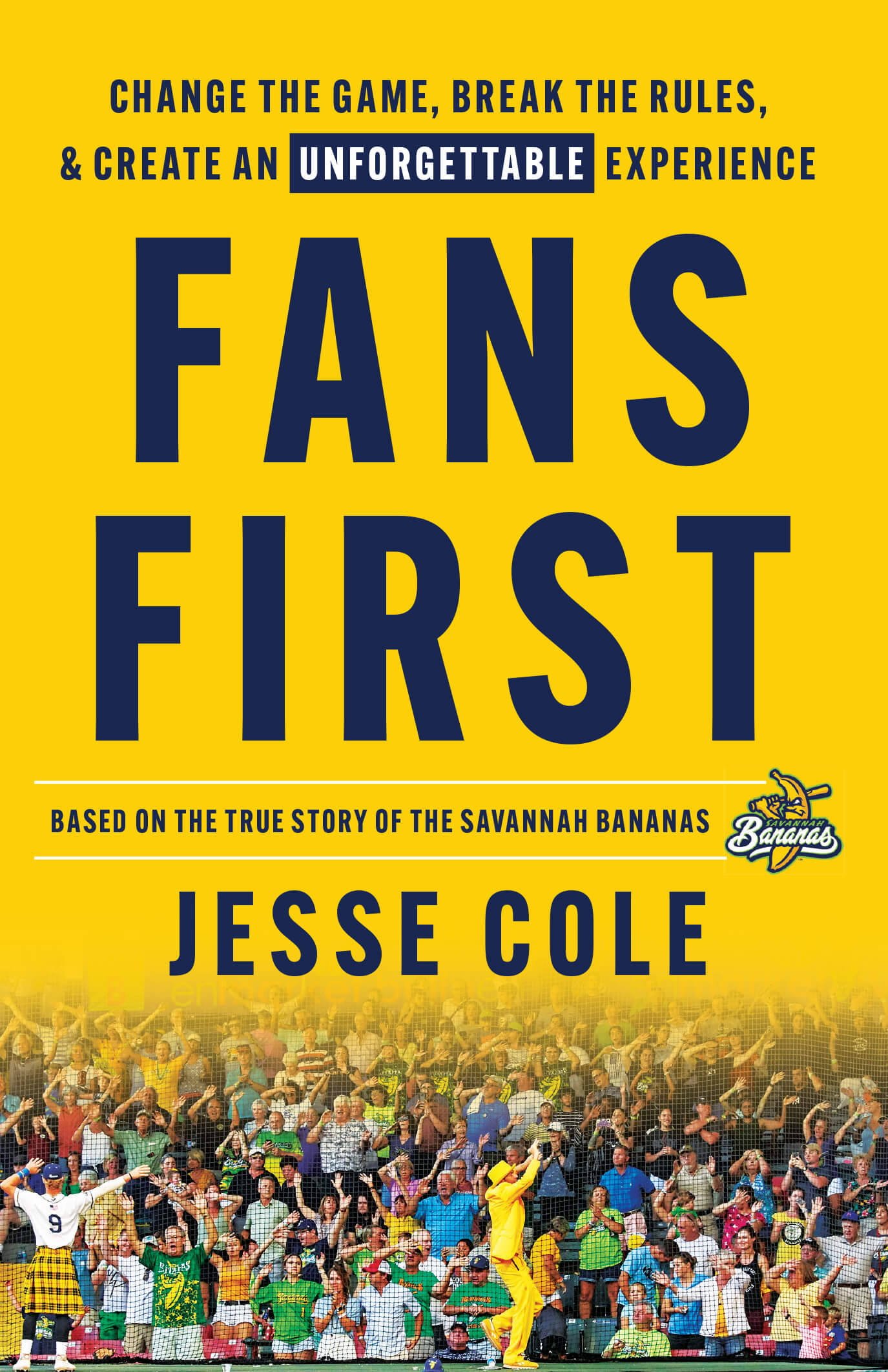
[0:00:39] BB: Coming up on this episode of Author Hour, you’re going to hear a conversation I had with Jesse Cole and he just wrote a book called Fans First: Change the Game, Break the Rules and Create an Unforgettable Experience. Here is a brief description of the book. The Savannah Bananas shouldn’t exist, you can’t name any other players, they play in a 1920s era ballpark with no ads or billboards, they play in quilts, stilts and stilettos. They even have an all-grandma dance team, the Banana Nanas. Everything the Bananas do is unconventional and it shouldn’t work and it yet, they sell out every game, have a wait list in the thousands, ship merchandise around the globe and entertain millions of followers on social media. ESPN calls The Bananas the greatest show in baseball. How is this even possible? Two words, Fans First. Packed with the behind the peel stories, hard earned lessons and a few other surprises. Fan First teaches you how to stand out in your marketplace, drive explosive growth and inspire fanatical loyalty. If these all sounds bananas, that’s the point. Normal leaders normal books and get normal results but if you’re ready to change the game, break the rules, and create your own unforgettable team, then it’s time to go fans first. Here’s my conversation with Jesse Cole. Jesse Cole, welcome into Author Hour man, congrats on the new book.
[0:02:06] Jesse Cole: Thank you, excited to be with you.
[0:02:09] BB: Yeah, going to be a fun and fascinating conversation. So the new book is titled, Fans First: Change the Game, Break the Rules and Create an Unforgettable Experience. Love the title, some of our listeners are going to be familiar with you as they Yellow Tux guy, you are the owner of the famous Savannah Bananas baseball team which I have to say, if someone can say savanna bananas without smiling or laughing, I would say, run from that person. I just love that name. So okay, tell us a little bit about yourself for those that may not know you, I know this isn’t your first book, yeah, well, what are you up to in the world, Jesse, what should people know about you and the leadup to this new project?
[0:02:52] Jesse Cole: Of course, well, I was a guy that just loved baseball as a kid, very close to my father, very close with my family and fell in love with the game and very quickly realized, when I was in college, I tore my shoulder, I would never played a game again. I thought I was going to go into coaching and watched baseball and got terribly bored watching the game, realized that it was long, slow and boring and said, “Well, what if we made it more fun, what if we did something differently?” and so, for 10 plus years, I did some crazy things with our team in Gastonia and went to Savannah, met the girl of my dreams, an art director of fun and proposed to her in front of a sold out crowd in a yellow tuxedo and she said yes and married Emily. Then we launched a brand-new team in Savannah, Georgia and proceeded to fail miserably for a few months before we figured out what the most important thing in running a business and creating something that matters and it all goes down to create fans and that’s really where this book is stemmed from.
[0:03:41] BB: Yeah, a lot of people asking questions around how to maybe get an audience or get attention I know, but this, I love this conversation around fans and we’ll dive in there a bit. You say, this book is for the fans and by the fans. Explain how you went about that and why this really matters to you.
[0:04:02] Jesse Cole: Sure. Well, I mean, I believe there’s nothing more important than building a business and creating fans. I believe way too many people are having conversations now and how to chase customers and they’re talking about sales and revenue and profits and they’re not talking about creating fans and I was in that same boat. Six and a half years ago, came into Savannah Georgia with this big vision to create something special and we were selling and marketing and promoting like everyone else. We only sold a handful of tickets in our first few months and by January of 2016, we’ve over drafted our account we’re completely out of money. It was at that point that Emily and my wife told me and said, “We need to sell our house so we sold our house” empty our savings account, we’re sleeping on an air boat. It was at that point that I made decision that we can’t be like everyone else, we have to go all in on creating something unique, something special, something memorable and go on all in on creating fans. What we did is we did that and lo and behold, after a lot of challenges, adversity, you know, so fortunate we’ve sold out every sing game since we started in our wait list just passed over 40,000 and we’re traveling all over the country on our world tour so, it’s been really special.
[0:05:00] BB: I want to go back to some of those early moments because it’s one thing to go, “Well, you know, what we need to do is we need to create fans” It’s another to actually go about doing that, you know? It’s great now, the success story of it, you get to write a book on it. But you’re waking up to this idea of like, “Okay, the traditional way of maybe marketing or advertising or any of this getting customers isn’t working” but then you have to start generating ideas that then cultivate the type of fans that you were wanting. So, take me back to like, what that thought process was, man, how do you go from, “We need to create fans” to like, “Here’s a bit of a roadmap or here’s the fun that we’re going to go about to do this thing?”
[0:05:42] Jesse Cole: Well, first, we had to get the eyes and ears, I believe before you get the hearts of potential customers and fans, you have to get the eyes and ears so we had to get some attention and I believe a thousand percent that attention beats marketing all the time every day of the week and so, we had to get attention. So yes, with the first step, we got attention, we named a team after a fruit and became the Savannah Banana’s and we’re ripped apart. Everyone was saying, “You know, the owner should be thrown out of town and whoever came up with this name should be fired, it’s the worst name ever” but we have a bigger vision. We said, “We could have a senior citizen dance team called the Banana Nana”, you can have a male cheerleading team called the Mananas, we can have a banana baby before every game, we could do music videos to can’t stop the peeling. We had all these ideas of how to get attention. Once we do that, we said, “All right, well, we need top put ourselves in our customer’s shoes, in our fan’s shoes” and I think this is something that one of my biggest mentors is Walt Disney. He had an apartment above the fire station in Disney Land and solely so he could spend time interacting with his guests and watching how they move around and going on rides with them and so, we put ourselves in our fan’s shoes and said, “What are those things that we don’t like about baseball or the fan experience and how do we eliminate them?” From there, you know, looking back, you know, that was the first step to us creating fans and in the book, I shared the five E’s to creating raving fans and the first step was, to eliminate the friction and the only way you can do that is put yourself in the fan’s shoes and look at every single thing that frustrates you and do the exact opposite.
[0:07:02] BB: Yeah, so put yourself in the fan’s shoes, I think it’s a great way, you’re giving question there to try to remove some of that friction and you can go about it. I wonder, this idea of creation though, and generation come easy to you? Some of the people you have around you or do you feel like by asking them those questions, putting yourself in the fan’s shoes that actually, like idea generation start coming easier and easier the more you did that and got around those people?
[0:07:29] Jesse Cole: So, how you view things is how you do things and I think often, people may be viewing things and looking at things in a different way than others. So, with our first team, I sold sponsorship, now, we actually eliminated all of our sponsor for our stadium because I believe no one wants to be sold to, marketed to or advertised to and that’s crazy.
[0:07:44] BB: I love that.
[0:07:44] Jesse Cole: We throw away hundreds of thousands of dollars. People in the industry didn’t like us for doing that one but the reality is like, when I used to sell sponsorship, everywhere I looked, I would see ads. Billboards, I hear them on the radio, I’d see them in social media and I was looking for that. Once I started putting myself in the fan’s shoes, I started – I look everywhere now for now for one of those friction points. So one of the big things, whenever you buy a ticket, you’ve probably been there you buy a ticket to a concert and there’s ticket fees and then convenient fees, which are the most inconvenient fee in the world and a $35 ticket is 58.50 because of all those extra fees. So I was like, “All right, if I’m a fan, I don’t’ like that.” So, we eliminated that, then we thought about, you come into a ballpark, you pay seven bucks for a drink, $8 for a burger, $9 for this and all of a sudden, at the end of the night, you’re broke, you pay for your parking and everything else. So I said, “If I was a real fan, what would I love? What would be the perfect experience?” I said, “What if we eliminated ticket fees, convenient fees, we pay our taxes and made every single ticket all-inclusive for $20” and so now, you come to our game, you can’t come to a game in Savannah without getting all your burgers, hotdogs, chicken sandwiches, soda, water, popcorn, dessert for free and free parking with no ticket fees, no convenient fees and we pay your taxes.
[0:08:45] BB: Goodness. Okay, so I would assume then. Some of the – well, I’m not even going to assume, I’m going to pose this right back at you. What’s the common objections you run into? What are people, if they’re pushing back on your ideas like, what are they most critical of?
[0:09:00] Jesse Cole: Well, in the industry, you know, people feel like we’re throwing away profits, that’s going to kill your business model and I’m saying I’m playing a different game than you guys because I’m not focused on short-term profits, I’m focused on long-term fans.
[0:09:11] BB: Right, which you have also in the fact that you have these people that I mean, they’re lining up.
[0:09:16] Jesse Cole: Yeah, I mean, to think that we have a waiting list of over 40,000 and, well now, it’s a city that we’re coming to and sell out the city in 16 minutes, it doesn’t make sense. I’m like, you know, I’m still that guy that was sleeping on an air boat with my wife trying to figure it out but when you look at when you're creating long-term fans, that’s what happens and so, you know, I share the story about Southwest Airlines and how they decided to not do what everyone else was doing and charge for bags and they literally found that they could make millions of dollars by charging for bags and they said, “We’re not going to do it.” “Instead, we’re going to spend millions of dollars promoting that we’re not going to charge for bags” and they ended getting four times the return, they took market share from all the other airlines because they didn’t focus on the short-term profits, they focused on the long-term fans and I think it’s really easy in the industry to say, “Oh, if we just charge this, we do this, we add this on, we’ll make more money.” We leave hundreds of thousands, maybe even millions of dollars on the table every single year because we’re focused on our fans and we put ourselves in their shoes.
[0:10:10] BB: So, one thing I was noticing over and over again in whether it’s past interviews you’ve done or even in this book like, if I was defining you, I would say, Jesse Cole cares about fun and it’s interesting because then, as you're talking about what the fans want, ultimately, what the fans want is fun, right? They want to have an entertaining and like, they want to be, they’re there for a reason, they’re there for a show, they’re there for something beyond just another baseball game but how does that word, “Fun” like, become sort of a guiding light and I would wonder, even just for you personally, I mean, you're wearing a yellow tux around, like, have you always just kind of been that way, do you feel like that’s helped you lean into that or like, how has that developed for you?
[0:10:53] Jesse Cole: Well, 100%. The biggest pressure point we’re fighting in baseball, is that it’s not fun.
[0:11:00] BB: Oh, 100%, yeah.
[0:11:01] Jesse Cole: I mean, baseball to many is too long, too slow and too boring and you know, games are getting longer every single year, they’re losing young fan base so I saw it as the biggest friction point, you know, we’re going to be fun. And so, yes, by wearing the yellow tux, as the owner, I’m running around throwing Dolce and Banana underwear into the crowd, which I literally throw out, Dolce and Banana, we made our own underwear. Most teams have T-shirts, we do have those but we also have underwear which we sell over a thousand pairs every year, which makes no sense at all, I throw them into the crowd. You know, by having a breakdancing base coach, by having players in stilts, by having our players bats on fire and come up to bat, by having players do splits when they come into bat, by having approach and called living pinata where we literally a person in a costume and have little kids with plastic bats hit them while I threw candy in the air. None of it makes sense and a lot of it fails but you know, on our website since day one, it said, simply, “We make baseball fun.” A lot of people say, “Well, baseball is fun” and I’d argue and say, “Well, you know, the fanbases aren’t showing up that way and we don’t attract baseball fans” we attract people that are there for fun. So yeah, the second E to creating raving fans in the book is entertain always. Our guiding light as we make baseball fun but how do we do that? We’re fans first and we entertain always and that’s every step of the way from having parking penguins greeting you in the parking lot to sending music videos before you even come to our game with playlist of music, we try to do a fun touch point every single step of the way and I think you’re right, that’s been huge in creating fans and I think, most businesses can do that. I think a lot of businesses take themselves too serious and I don’t know about you but I don’t know the last time someone came home and or your spouse came home and said, “Honey, I met the most professional person today. They were just so professional, oh, they’re professionalism was unbelievable.” They talk about what was fun, what was unique, what was different, what was memorable so we lean into that.
[0:12:42] BB: Yeah, I mean you could replace everything you just said as far as put business in where you said “baseball” and it translates so perfectly. That’s why I’m such a – I love this book because man, there’s so many people that could go about reading it and just go, “Yeah, I need to take myself less seriously.” The complexity of it though was like, okay, if one person on your team gets sold on this but your whole team doesn’t, right? It gets complicated because you still have a bottom line and so I wonder like, is this something you’re sheering on Jesse, for businesses to go, “Okay, make some small changes” or is this like a, “Hey, we need to throw everything out and start over to really put fans first.”
[0:13:21] Jesse Cole: You know, we’re going in a great order, this is great segues. I don’t think you’re realizing we’re doing it but the third E to create raving fans that I found is experiment constantly and what that means is you can do small experiments that can then lead to big experiments. So to give you an example, we first had a dancing players, our first year with our first team way back in Gastonia and I said because people were saying we don’t like baseball. I go, “Well, our players dance” and I had no idea how I was getting our players to dance but I just threw it out there like I do a lot of things and they were like, “Oh really? Maybe our fans, maybe our company or employees would like that” I go, “Okay” and so we taught the players how to dance. In the first few nights, they were bad dancers but the fans liked them. The signed autographs and by the third night, I remember walking through the crowd and husband and wife were talking. The wife goes, “Shut up honey, they’re about to dance” and I was like, “Okay, we’re onto something” and because that went so well, then I had the extreme of having a breakdancing coach that would do the moon walk and single ladies and you name it in the middle of the game and then that led to, “Could we go even further? Could we have a dancing umpire that literally at strikeout calls and does unbelievable dance moves in the middle of a strikeout call?” Then that led to the Banana Nanas and now, we have a new group, the Banana Splits, a six and seven-year-old dance group that literally finishes each dance routine with a split and so my point is that one experiment of dance has led our team to really surround ourselves with dance. Our players now actually do dances in the middle of the pitch that really went viral on TikTok with 200 million views over the last month and a half. So you can do one experiment and then all right, then you put the gas on it, you put the brakes on it and I think that’s where it starts. That is the whole experiment mindset. Jeff Bezos said it best, he said, “How success is a direct function of how many experiments we do per year, per month, per week, per day” and I don’t think businesses take enough experiments or test enough things to really see while they make a big impact on their fans or customers.
[0:15:09] BB: Okay, highlight a bad experiment or experiment gone wrong, something you guys tried that you’re like, “No, all right we got to nix this one.”
[0:15:15] Jesse Cole: Oh that first ever halftime show in a baseball game and I actually shared that in the book. I don’t want to give too many teasers but I will right now. This is the only book ever that has an actual halftime show in the book, as an example of an experiment that went horribly wrong. So it was our St. Patrick’s Day game last year and I hired a pipe and drum band like in kilts to play the halftime show but they couldn’t. They weren’t able to make it to rehearsals and so I didn’t really know much about them and I heard their music and I was like, “Oh this would be perfect for a halftime show.” So in the middle of the game in a Banana Ball, you know obviously we invented a brand new game. I haven’t shared that, that’s a huge experiment for us but a brand new game of Banana Ball where fans catch a fail ball, it’s an out, batters can steal first, there’s no bunting and it’s a two-hour time limit. So the game started at 7:00 so at 7:59:50, we started a countdown and the whole stadium, I get, “10-9-8-7…” the players were on the field. They are in the middle of the game, “5-4-3-2-1” and when it hits, the players run off the field and everyone’s, “What’s happening?” and our announcer goes, “Fans, it’s now time for our halftime show. Please welcome the Savannah Pipe and Drum Band to the field” and they were in the dugout. I realized when they got to the dugout, they were all in their 60s and 70s and when we announced the halftime show, it was the slowest moving halftime show you could ever imagine. It took them about four minutes to actually get out into the field. It’s like our halftime show and then one person slowly walked out and then another person slowly walked out and because they don’t rehearsed, they didn’t even faced the crowd. They faced each other in a circle playing near the mountain and they played for like four minutes and everyone was like clapping like, “What is going on?” thank goodness, I had a dancing umpire dancing out in the outfield behind them to entertain and then they finally go out the field and I am like, “What just happened?” so that didn’t go well. So haven’t had a halftime show since then but I will tell you we will do a halftime show again, it just needs to be much more fast and much more exciting.
[0:17:01] BB: Yeah, I mean again, like you are failing forward and you are experimenting constantly in order to get there. Okay, I have kind of tied you up with eliminate friction, entertain always and experiment constantly kind of on purpose Jesse, having us give you a peak behind the curtain but you have two more that I want to run through, which is engage deeply and empower action. Talk a little bit about because to me, you’ve already taught like hit on engaging deeply in a number of ways you are doing that by all of this but what makes engage deeply like what embodies that to you?
[0:17:34] Jesse Cole: Sure, I think the quote for me Andy Stanley sums it up, “Do for one what you wish you could do for many” and while we’ve gone from only selling a handful of tickets to now hundreds of thousands of fans in front of each year, we have plans for everyone. They always get a part of hey baby and yellow and our dancing players and they see a lot of that but then there is also unique fans with special circumstances that get and experience that others don’t get. I think this is one that any business can really, you might say, “Oh I’ve challenged with entertaining” you know that is not on my alley and even though I believe the definition of entertain is to provide enjoyment so I believe every business is in the entertainment business but with engaged deeply, do for one what you could do for many. So the great lesson I learned from Darren Ross in Magic Castle Hotel and he said, “We teach our people something simple” and they’re the second rated hotel in all of Hollywood. We teach our people to listen carefully, respond creatively. I wrote down those four words, I was like, “Listen carefully, respond creatively” and he said, “We just teach them to ask questions and understand why our guest are coming in to really understand our customers and then when we get to know them, we surprise them with things” and so he shares stories about just how guest have come in to see Marilyn Monroe at the Wax Museum and at our Star in Hollywood and the receptionist had surprised them and got a custom poster and put it in their room and said, “Thanks for coming to see me. Love, Marilyn” which to me is one of the creepiest things I could ever imagine but it was a way to make an impact. So we look at all of those opportunities, listen carefully, respond creatively. When we find out one of our ticket members is having a baby, we will get a onesie and we’ll send it to them even though they are already reaching out to us to be on our Banana Baby waitlist, which is hilarious that there’s a waitlist for the babies but we look at those opportunities and we teach our people. You know they say, you know, what can we notice by on social media or what our people reach out to us or our fans they’re coming from Utah? Like a family came from Utah and drove 40 hours to our game and they came up to me after the night, three kids, a mother and her husband and said, “We’re driving 40 hours back tomorrow. It was everything we hoped it would be” you know, finding that address and saying we surprised them with something when they get home. Those little moments is engaging deeply that really creates the raving fans.
[0:19:31] BB: Okay, I want to turn this on its head just slightly for a second and ask it’s something to be looking at. We are looking at fans, it is another thing too with your internal team to create like a culture within your employees and those that are working within the organization. So is it the same approach there? Like how is the leader? Are you facilitating that internally as well as the piece that you just hit on, which is more maybe external?
[0:19:56] Jesse Cole: I think it all starts with the vision of the leader. So the leader shares what we’re trying to do and fans first and every night after every single game, we talk about fans first moments and so what were those fans first moments created? So every night before the game starts, our director of tickets would say, “Guys, we have fans coming in from 32 states including Idaho and Washington. We have fans coming in from six countries. This group coming in from Saudi reached out to us, this is their story.” So we get to know a little bit behind the fans and so that’s really important to share that and then share what did we do, what were those special things we created afterwards to show that it is more than just baseball but to answer your question, if you want our people to live a great experiences for your customer, we have to deliver great experiences to them first and we now have one percent of our topline budget that goes to solely surprising and dividing our people. So even just this year we sent Kurt, he is a diehard Duke fan to the last game for Mike Krzyzewski at Cameron. We sent Patrick who is one of the biggest golf fans to the waste management 16th hall when he got to see the hole-in-one this year. We sent Marie to Ireland with her dad on her bucket list trip because that was Ireland. She went with her dad, we’ve sent her to keep on the cruises, World Series games. We invest that money, which is not cheap but to create those experience of engaging people so that everyone knows what it’s like to experience something truly magical.
[0:21:09] BB: Fantastic. Man, I’m excited for this book. I love your unique approach, I love the idea of breaking the rules and I want to kind of come up for air in this conversation and just ask clearly, you’re putting yourself in their shoes, something we talked about earlier. That’s an easy way to go, “Okay, what are the rules we should break?” but anything else you would say as far as like a mindset shift for let’s say a business leader who maybe isn’t quite in the same space or lane that you run in or you’re going, “This is how I would maybe tell someone to start trying to break the rules or do something different.”
[0:21:42] Jesse Cole: Sure and it is a simple concept but it takes time and it takes changing your lens and I think that’s the first step to change your lens, ask this question: A: What makes you different? What makes you different as a business? It doesn’t what makes you faster, more convenient, better. What makes you different, what can you be the only one in your industry? How do you get there? Concept whatever is normal, do the exact opposite. So what we did is we wrote down all the normal things about baseball game, all the normal things of a fan experience at a baseball game and said, “What would be the exact opposite?” For instance, you know, the three to four or five-hour game and then you just keep playing extra ratings. We said, “Well, what if it was on showdown, pitcher versus hitter and the hitter has to score and it’s like a one-on-one penalty gig?” That’s the exactly opposite of why just continue to play with the whole thing out there and so what’s the exact opposite of a walk? A sprint. So instead of a walk, which is I can’t believe in athletic sport, there’s a play called a walk, anyways, so they have a walk. We say, “We’ll have a sprint” and so on the fourth ball, the umpire yells sprint and the hitter takes off full speed out of the box while the catcher has to throw the ball to every single position player including the outfield before it’s live. So then you’ll have the hitter running around going to second, maybe going to third, the players are throwing the ball around, that’s the exact opposite and so that’s when you create real magic because people are seeing things they haven’t seen before and I think that leads into marketing, that leads into creating attention. That leads into creating fans and creating stories. When you create stories, you create fans. When you create fans, you create stories and that’s what builds a business. So whatever is normal, do the exact opposite. They don’t get nickeled and dimed, everything is all inclusive. You know, those are all those instead of seeing ads all over the stadium and hearing announcements and seeing programs full of ads, we have zero ads. So we have built our business by doing the opposite of what everyone else is doing.
[0:23:20] BB: Man, I love that. I think that is such an easy first step like what’s normal, do the opposite. It is going to be harder in actuality to walk that out for each individual like business but that is a good prompting question. As someone reads this, they get through Fans First and then they’re kind of coming up for air and going, “All right, now I am going back to my life” what do you hope the main takeaway is? What do you hope the feeling is when someone finishes this thing?
[0:23:44] Jesse Cole: When we first developed a Fans First Playbook that we share with our team and now anyone before they get a uniform, they get a Fans First Playbook, where we’ll go through the stories. You know, everyone has most businesses have core beliefs or a mission but they have stories that back those up and so we share stories. You know, we share the story about Brian Encarnacion and when he was just a conditional player for us. He was supposed to be with us for a few days and two kids came up to him and say, “Can I have your autograph?” and he got down on his knee and said, “Only if I could have yours first” and the two kids signed his hat and put their names on his hat and we share that story now. If you look around our team, half the guys have tons of signatures of kids on their hats and even their jerseys and on their gloves because they’re making the kids feel like stars. So on the back of that Fans First Playbook, we have “Be patient and what you want for yourself but be impatient in how much you give to others” and that’s the simple whole mindset of Fans First. Give without asking for anything in return. Give more to others and then you will be paid back more than you could ever imagine not just in money but in purpose and fulfillment in what you do. We want to create our people to be the biggest fans of what we do and I think it is because of that purpose of doing something that really matters.
[0:24:50] BB: Yeah, it speaks to a bigger message, man. So often in business and life and baseball, we get wealth wrong. We get it all mixed up. It’s like money when in actuality it’s what you just said, it’s purpose and its value and so looking to others and man, thank you for taking time to chat with us. Thank you for writing this book, working on this project and creating this incredible experiences for your fans. Again, the book is called, Fans First: Change the Game, Break the Rules and Create an Unforgettable Experience. Jesse Cole, all right man, where should people stay connected? I know you are active online but what’s the best way for people to follow you?
[0:25:29] Jesse Cole: The Bananas, we’re pretty easy to follow. You know, they have a big following on TikTok and Instagram. Myself, I spend most of my time on LinkedIn sharing the stories, the behind the peel look of what we’re doing and the challenges and the adversities. So that is where I spend most of my time but yeah, if you search Yellow Tux, you’ll find me. I am pretty easy to find.
[0:25:44] BB: Fantastic. Thank you for stopping by Author Hour today man, it’s been a pleasure.
[0:25:49] Jesse Cole: I appreciate it, it was a lot of fun.
[0:25:52] BB: Thanks for joining us for this episode of Author Hour. You can find, Fans First: Change the Game, Break the Rules and Create an Unforgettable Experience, on Amazon. A transcript of this episode as well as all of our previous episodes is available at authorhour.co. For more Author Hour, subscribe to the podcast on your favorite subscription service. Thanks for joining us, we’ll see you next time. Same place, different author.
Want to Write Your Own Book?
Scribe has helped over 2,000 authors turn their expertise into published books.
Schedule a Free Consult