Ashleigh Warren: Episode 973
Read the full transcript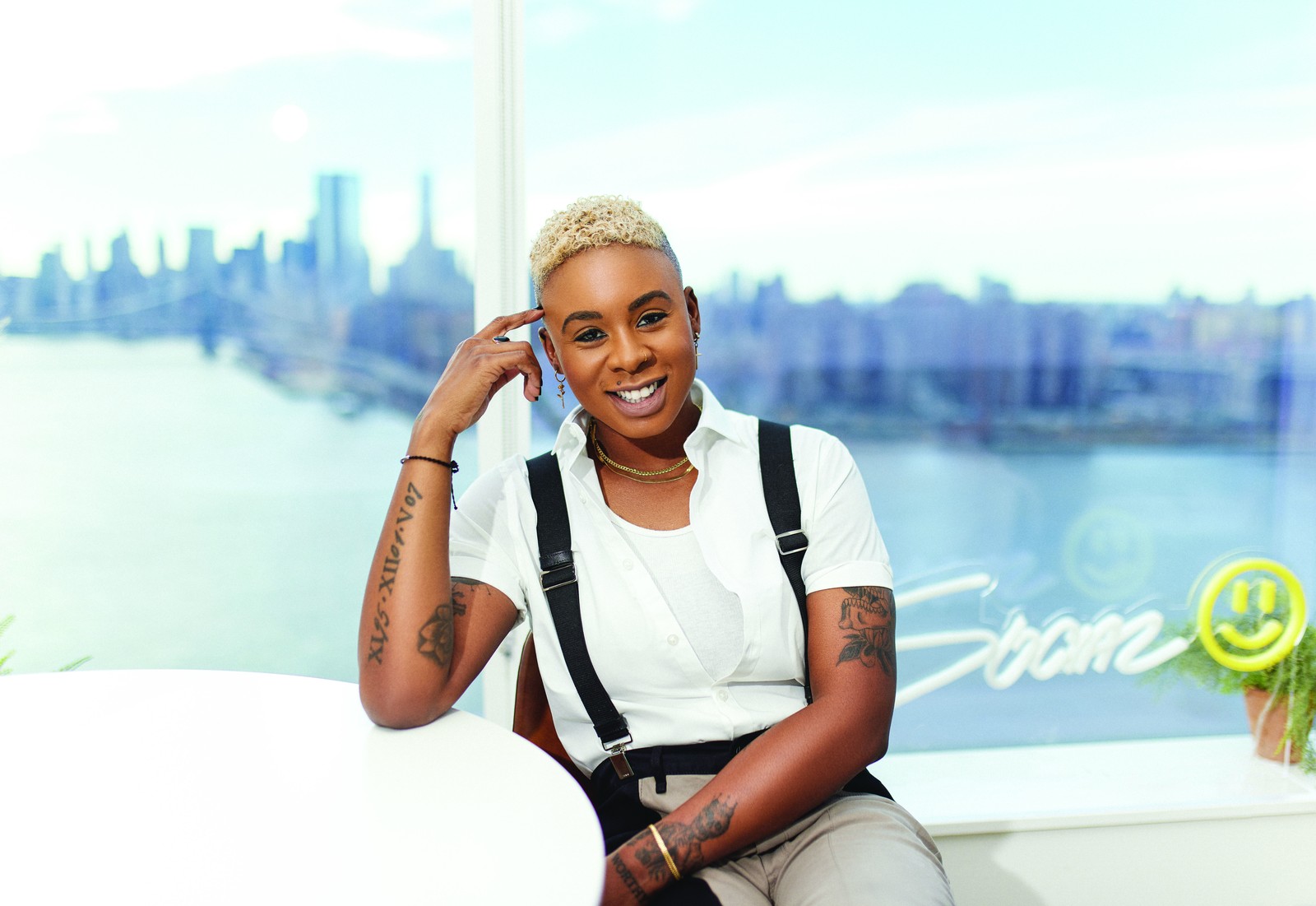
Ashleigh Warren
Ashleigh Warren is a social media marketing strategist and the founder of So Social, an agency helping influencers and creators turn connections into impressive profit. Having produced more than $150 million in revenue for her clients and with expertise in social media platforms, talent-backed brands, product curation, and ad campaigns, Ashleigh has worked with the biggest names in the industry, helping countless influencers and brands achieve true influence.
📚 Books by Ashleigh Warren
Transcript
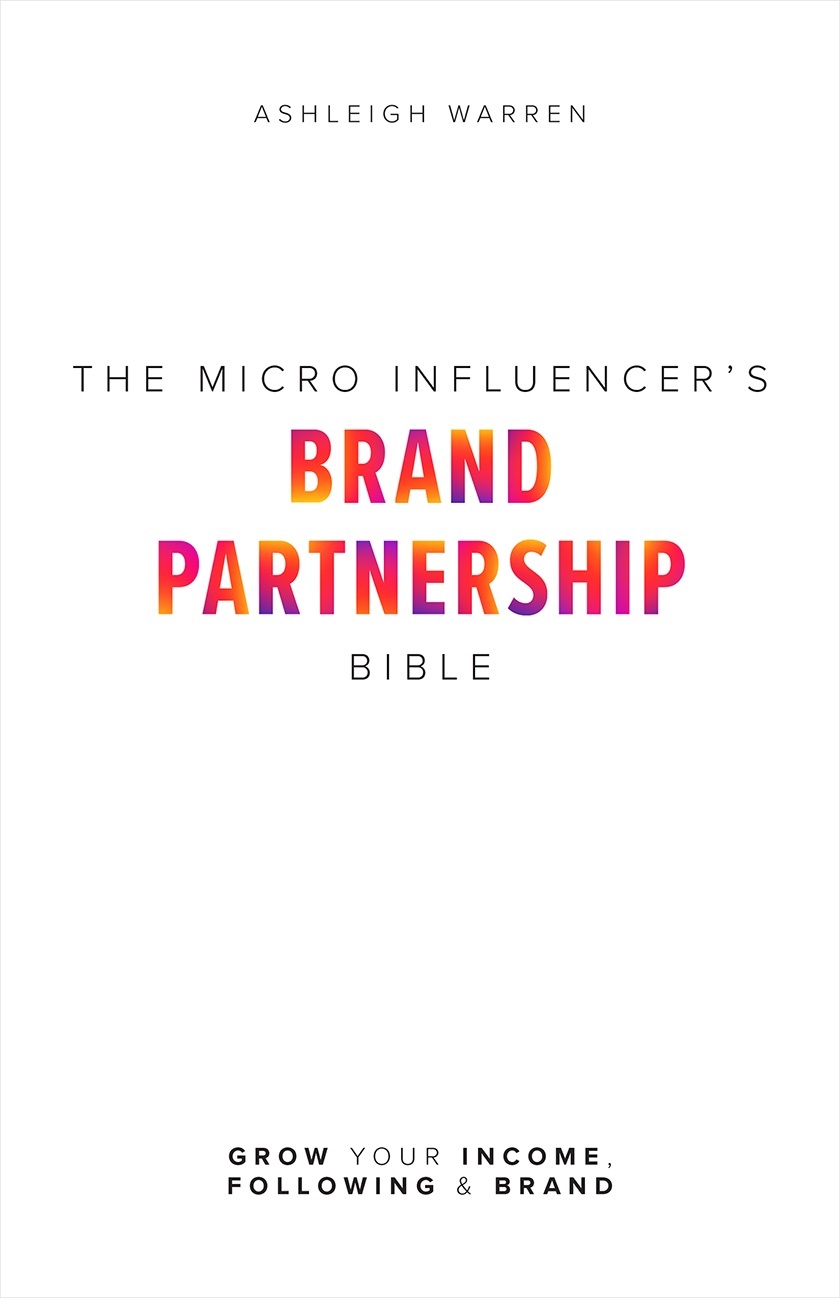
[00:00:43] BB: Today on author hour, I sit down with Ashleigh Warren to discuss her new book. Here's a bit of a description. Becoming a true entrepreneur is a big decision, but it can pay off tenfold, as long as you have a strategic plan. In The Micro-Influencer's Brand Partnership Bible, social media marketing strategist, Ashleigh Warren, provides a manual for growing your personal brand and navigating the influencer path from start to finish. A consultant to the world's top creators and influencers, Ashleigh provides key tactics to build a brand people love, and earn lucrative income with any following size. Control your entrepreneurial destiny and gain financial freedom by reading this book and building a sustainable career as a social media content creator. Here's my conversation with Ashleigh Warren. Welcome back to Author Hour. I'm your host, Benji Block, and I'm thrilled to chat with Ashleigh Warren today, who has just authored a new book titled, The Micro-Influencer's Brand Partnership Bible: Grow Your Income, Following, and Brand. Ashleigh, excited to talk to you today.
[00:01:54] Ashleigh Warren: Thank you so much, Benji. I’m so happy to be here.
[00:01:56] BB: Yes. Okay. So, I love books, and I have a question for you right up front. Because when you're taking on something like influencer marketing, and you're talking about growing your income, following, and brand, I thought it was interesting that you went book over maybe, say, video course on this type of topic. So, just take me into your thinking real quick, before we dive in anything else. Why book? And why now?
[00:02:23] Ashleigh Warren: Great question. So, we actually do have a video course, an Academy for Micro-Influencers. And when I started this whole process, honestly, I think it was 2020. The year everything went to shit. So, I built this academy, it took me a million hours, I had nothing else to do with my time it felt like, and any kind of academy is going to be a higher price point. It does really well. It sells well. However, I get so many people, I felt so bad. They're like, “I can't afford it. But I'd love to join. Do you have anything else for me?” In that process, I never set out to write a book. I was just like, “Oh, let me look and see if I can send you some resources, a book that I can recommend. Because I've read it and I know you're going to learn something.” And I couldn't find any. I literally bought every influencer book for micro-influencers that I could find about growing your following, growing your brand on Amazon. I'm like, “This is not good. This is for someone who downloaded Instagram yesterday, and doesn't know how to use the platform”, and that's not most people. So, I was like, “Man, I've never really wanted to write a book for micro-influencers.” I thought, I read my first book, but I'm like six years old and be about life. I'm also surprised, but I thought, let me try to offer another resource to people. Let me offer fundamentals that will still be applicable two years from now, three years from now, four years from now. It is the foundation. So really, this book is about how do you market yourself to brands? We get into the nitty gritty of Instagram and Facebook and TikTok, and the foundations of what works, that have worked since the book was written and continue to work today. But really, it's self-marketing and that's not something you're taught in school. That's not something you can learn through looking at all these mega influencer’s profiles and channels and things like that. It's how do you present yourself to brands to where they're, number one, not going to ignore you, and number two, pay you what you're worth.
[00:04:27] BB: I'm so appreciative that you switched up the medium that you chose to go with book, because I think ,even in how you flesh out an idea in written form versus things like video courses, it's just a great thought exercise and I'm sure it's even internalized a lot of this stuff for you in new unique way, when you have to get across the message like this. I love the thought put into this book. Let's give some context quick to your story because you run So Social, it's an agency for, basically marketing mega influencers, celebrities and then you have worked with 40,000 micro influencers. So, to name a few. We're talking like Post Malone, Mr. Beast, Dude Perfect. I have some friends that freaked out that you did some Shawn Mendes things. Walk me through just some of the types of work so that people can kind of get a feel for what the launching pad was, what the work you were doing before the book came to fruition.
[00:05:21] Ashleigh Warren: Yeah, definitely. So, all of our mega influencers, everyone, it's so funny. They're like, “What do you do? I don't understand.” It's like my first date question all the time, before I found my great girlfriend now. How do I explain what I do? So, we run marketing initiatives for mega influencers. That could be paid advertising, that could be like, “Hey, we want to grow our following.” That could be like, “Hey, we have a new brand launch with X, Y, Z, how do we get more eyes? How do we make more revenue for our personal brand?” And that's where we come into play. So, a lot of that has to do with just attacking the dominant social media platforms. For an artist, that's very easy. It's very applicable to understand. You got a new single out, you want as many downloads as possible, because you're trying to hit the charts. We'll run a paid media campaign for you or we'll give you an organic strategy for how you can use, maybe super fans or micro influencers to get people to know about this new single, outside of you talking about how great it is.
[00:06:22] BB: So, Ashleigh, take me back, if you would, because you're finishing college, and then you're working at Starbucks, and I imagine that you're scheming that you're going to start this massive agency. Am I right in that? Or like, who is Ashleigh in that season of life before this break and all of this marketing stuff starts happening?
[00:06:42] Ashleigh Warren: Yeah, there was definitely zero scheming. I had no idea what I was going to do. I was one of those people that was really lucky to work with people that I loved. So, I didn't love serving coffee, but I loved my team. I had a great manager, who was always like, “You need to go do bigger things with your life.” I don't know what that means. So, one day, I was just like, “Man, I'm tired of not knowing what I want to do with my life.” I was in college, I had taken time off, and I really was trying to figure out what am I going to do? I thought, at first, I'm going to play professional basketball like everyone else, and then I thought I wouldn’t make it. Man, I thought I would be a graphic designer because I love art, but I'm a really terrible artist. So, that didn't happen. And then, I was like, okay, maybe law, and didn’t like it, so it’s funny. That didn't happen and I was honestly terrified of like, I don't know what I'm going to do with my life. So, I thought about joining the Air Force. And the only reason I didn't do that was because they get up very early, and I really like to style my hair specific way that I'm like, I don't think I'm going to – I don't think they're going to be down with me bleaching my hair.
[00:08:00] BB: Yeah, you're too artsy for that.
[00:08:03] Ashleigh Warren: I’m like, I don't think so. So, I was terrified, honestly. One day, Iitwas just out of frustration, and like, I need to find something else. So, I got on Craigslist and I was looking through the business and marketing section for admin work, and they were looking, this company, this agency was looking for, I think it was, a media buyer assistant, marketing assistant, actually, and you could write content. I'm like, “Oh, I can I can write. I've done well in school writing.” And they gave me the job. I really loved not working at a Starbucks anymore. Yeah, within like four or five months, they promoted me to media buyer and I didn't know what that was. But I was down to learn it. It was $40,000 a year, which was the most I'd ever made in my life at that point and it offered commissions. I was like, “This is amazing. I'm going to be here forever.” That obviously didn't happen. The only reason I thought to leave was if you ever work, it was a very stressful environment, in a sense that you have numbers to hit, and then you realize that you are only bringing home like maybe 1% of what the agency is making. Everything falls on you. So, I was just like, “This is weird. Why are we not paid better? We're making you hundreds and thousands of dollars a day, why are we only making this much, and why are we stressed out to make this little?” I'm like, that is society, right? So, I didn't really think about leaving. I picked up a side hustle. Someone introduced me to an awful pyramid scheme thing. I was like, “This is not for me. I don't like this kind of marketing.” Yeah, basically the founder or the manager over that entire company, the little pyramid thing was like, “If you quit, you're never going to make it. You will always be broke without us.” That enraged me. So, it gave me this fire to just figure it out. It was very good fuel. At that time too, my little sister was trying to commute back and forth from school. We lived in Chula Vista. She went to school and Point Loma. For someone who doesn't know how to drive, that’s terrifying. So, I was like, I need to get a two-bedroom apartment so that she can just live with me and I can take her to school until she has the confidence to drive. I needed to figure it out. I didn't have the income to better—I lived in a very small studio. So, I was like, let me just try to find a client on Craigslist, because Craigslist at that point hadn't failed me. So, I'm like, okay, let me see if there's something out there, and there was. There was this ecommerce tell company that needed someone that could run Facebook ads, and they hired me. I made them a lot of money in a short amount of time and they just kind of became word of mouth at that point. They had a friend that ran an influencer merch company, and truthfully, I didn't really like influencers at that time. I thought these people were super corny and cheesy, and like—
[00:11:00] BB: A lot of stereotypes around them, right?
[00:11:02] Ashleigh Warren: A lot of stereotypes. He was just like, “I want to work with you.” I’m like, “No. That's not what I'm trying to do.” He's like, “You will love him. He's a great human and it's not what you think”. So, we have a call, and I loved him. I'm like, “This is great.” So, it went on to be one of my longest long-term clients ever had. Yeah, that kind of just kind of skyrocketed my career in that space, and then we started reaching out to people who were artists, and other mega influencers that had personal products or influencers that were just trying to grow their following. Try to do pop ups. Try to build their own personal brand, or work with larger brands, as far as partnerships go. That just came from a place of learning. I love to learn. I think it is probably my favorite trait about me. Once I find something that I enjoy, I want to know everything about it. And I think that's helped me so much in this space, because as an influencer, you kind of have to be that way. The platforms are always changing. So, if you don't care to learn, you're never going to earn as much as you possibly can. In that, social media is like, I do this, you get DMs. I was getting a lot of DMs at one point about like, “Oh, can you help me? I'm at micro influencer.” I'm like, “No, that's not what we do.” So, for years, I would just tell people, that's not what we do. And then COVID happened, and I had an absurd amount of time, it felt like, and not really, it's just like, everything was so quiet. So, it's work and bake bread is what everyone was doing. And I was like, “I guess I could try to figure out how I could plainly explain to micro influencers, how they can build a following, how they can grow a brand and increase their income.” So, I built this academy, and it took me a million hours.
[00:12:48] BB: Good thing you had a million hours.
[00:12:50] Ashleigh Warren: It was just one of those things that I really took complete ownership over because I didn't know if it was going to work, and I didn't have the confidence of like, this is going to crush it. Because we had worked with just the best of the best. So, I would help friends here there, and they would do well. But I'm like, I don't know. I don't know. I went to the academy, I sent it to a couple micro influencer friends, like this is amazing. I'm like, okay, I'm doing good. I know what I'm doing. I don't ever live in a space where like, we're the best.
[00:13:24] BB: You've clearly had a lot of growth, I mean, your time at the agency then leads to a wealth of knowledge that you can tap into. But particularly with micro influencers and everything you've built since 2020. I wonder what is making micro influencers have this moment in the sun? We know macro, huge influencers, but I don't think many people are quite as aware of the power of the micro influencer and the value that they can have for a brand.
[00:13:59] Ashleigh Warren: Totally. I want to thank COVID for five seconds. I think that happened. I think COVID happened in a sense of where the beauty of pain and suffering in society is like people have to adapt. It grows a community and I think people really learned like, “Okay, I need to take care of myself, number one.” So, I think it was two things. I think it was micro influencers, people, normal everyday people were like, “Okay, bad things can happen and my job may not take care of me forever. What do I do? I have a family. I have a life. I need to figure out something.” I think a lot of people did that. So, they realize like, “Oh, maybe I can do this.” And they realize, “Oh, brands will pay me.” On top of that, just knowing from our agency side, ad spends. Things just got very expensive. Everyone was advertising because they couldn't go in store. So, all these brands that never advertised, now all of a sudden, Facebook was already competitive, it's super competitive now. So, as an agency, we have all these brands coming to us like, “Do you have any micro influencers, do you have micro influencers?” Because they don't understand how to find people that will promote their products well, and also their target market. So, I think COVID really did change everything. There are over 32 million micro influencers and that number is going to keep growing. I think this is the fastest growing industry, I think, we've seen in a very long time, and social media is just going to keep evolving. So, Instagram could die tomorrow. We saw TikTok. TikTok can die tomorrow. Something else will come up the next three years, five years, guarantee it. It's a cheaper way to reach more people for a brand, because you can test so much more. So, for example, Zara, they ran this campaign a couple years ago, where I think they had like 150 micro influencers, maybe even 50, and they reached far more people than they would have with just plain ad spend. Because people trust people. It's like, when you go on Amazon, before you buy anything, you read the reviews, and if Susan from California said that this product doesn't work, you're not going to buy it, although there could be five other people that say it was great. You may not buy it just because of Susan’s negative experience and vice versa. So, with mega influencers, people know they're paid to say good things. People know that Kim Kardashian is going to get paid a million dollars to say she loves this water. With a micro influencer, you're a normal person. I can see you and my life in my space, and when you say something, I believe you because I can tell you're building community by the way you speak to your audience, by what you post. You're not just constantly promoting things. You are actually someone who cares about their community. Brands love that because you can't put a price on trust. So, yeah, you might have a celebrity that can reach people, but they don't really have this whole influence that everyone thinks that they do. They have the ability to reach millions, but like, do you have true influence? You don't. Micro influencers have that.
[00:17:06] BB: Yup. Okay. So then, let's talk about building a successful, sustainable influencer career, and you give a five-step formula. Obviously, we're telling people go pick up the book. I'll hit you with a couple questions on this. But you say the first of these is follow the damn rules, which when we think of social, I don't know that a lot of people are thinking about rules. It's just the Wild West and whatever. But what are you talking about there? And why did you make this number one?
[00:17:32] Ashleigh Warren: Yeah. I mean, most people don't realize when you download any app, specifically, like a social media app, you sign terms and conditions, which are constantly changing. The email that you just naturally delete, you never read it. I think a couple days ago, Instagram updated, they are Meta, updated their Terms of Use. You should read those, because there's just things you're not allowed to do. And then people wonder why like, “Oh, I feel like my engagements are down, or I feel like I'm being shadow banned.” You might be violating the terms of use and not even know it.
[00:18:03] BB: Interesting. Yeah. So, you just start there and then—
[00:18:08] Ashleigh Warren: Yeah. You want to be on good ground with Instagram. It is not a democracy, it is a dictatorship. It's a privately held company. This is not America. You can't be like, “I'm mad, you deleted my account.” And it happens all the time. They don't care. They don't have to care. So, you want to make sure you're always in good standing with the platform that you're trying to monetize, because it doesn't matter if you have a million followers. Let's say you start posting content that Instagram does not like, they can shut you down. Let's say that that's your major sheet of income, you’re a micro influencer, you have 20,000, and you're making $5,000 a month, that's awesome. What happens if you start pissing off the platform, because you're violating their Terms of Use, now you don't have a means to get that income. You just want to start on a solid foundation and people feel like that's so basic, but it's not because, I get DMs all the time where someone's like, “Please help me recover my account.” I'm like—
[00:19:07] BB: Should’ve followed the rules first.
[00:19:12] Ashleigh Warren: I'm like, it depends. It really just depends if we'll ever even get it back.
[00:19:15] BB: Okay, so then the second one is understand the reward system. And then I'll just read through all five. So, understand the reward system. Three, is get clear on yourself, your brand, your audience. Four, continuously create valuable content. And then five, which is probably I think, one of the harder parts for creators but pitch, negotiate, deliver. So, let me go to point four here, continuously create valuable content. The surest way to do that is to lock down your niche, and your audience, really know those things well. But also, I see so many people that are fearful to niche down early on because they're afraid they're losing people. How easy is it to get these two things wrong? I mean, like, you really harp on this in the book.
[00:19:59] Ashleigh Warren: Yeah. It's easy, but it's at the end of the day, it's like, what do you like the most? Because it's your account. What could you speak about for free and still do it? Because you enjoy it so much. So, people mess up where they're like, “Well, Addison Rae is doing this and she's rich and has a lot of followers. So, I should be doing dancing videos.” I hate to dance. So like, no. I mean, it doesn't matter. You have to be true to yourself, number one, because people can read through the BS. If you aren't true to yourself, no one's going to follow you because you appear to be inauthentic, and that's the worst thing you could do. So, don't be afraid to commit to something that you thoroughly enjoy, that you would speak about for free. Number one. And then number two, it's just, okay, finding that and then committing to that process and sharing valuable content within that realm. Because then people will be naturally attracted to your account, because you're speaking their language.
[00:21:00] BB: What's the difference between getting that topic locked in versus maybe you talk about a brand vibe? Okay, you know the zone that you sort of want to be in topically, but then you also have a brand vibe. How do those things kind of coexist? What are the differences there?
[00:21:16] Ashleigh Warren: Yeah, so I mean, it's like, for me example, I always think it's funny why people follow me, because I wouldn't consider myself an influencer. My profile is very lifestyle. But anytime I speak on something very motivational, people love it, more so than me. Hey, I work with Post Malone, or I've done this or whatever. So, you got to listen to the numbers and the vibe of what works for me, is motivation. My content necessarily isn't motivational, but the vibe of everything that I talk about and who I am as a person is motivational. And then when I think about it, that makes so much sense. I was voted most motivational student going into school. I'm like, that's so funny, because I don't find myself to do that at all. But apparently, that's my vibe. You know what I’m saying? So, I wouldn't stress on understanding the vibe, because that'll come to you in time. But it's really, what do I enjoy talking about, that people tend to respond to? Share that.
[00:22:15] BB: That's good. Okay. So, then I wonder, as you've worked with all these influencers, as you've put this content together, if I was to go, “Ashleigh, what do you see as like the most important skills for those who succeed? What do they share in common versus those that don't, when it comes to becoming an influencer?”
[00:22:33] Ashleigh Warren: I would say, it's impossible to pick one. Two, it's quality content and consistency. People give up too soon. I like to say it's not their fault. It's the society that we live in. Social media, you see someone who posts that they just made a million dollars in 30 days. You're like, “Why can’t I do that? Forget it, this doesn't work.” That's just not how life is. Our parents tell us that growing up, like that's not how life is. That's not how social media is. That's not anything worth having in life. Relationship, a business, social media, nothing is worth anything if you don't put the time and consistency into it. So yeah, quality content, it doesn't matter. I heard someone say, and I thought it was so good, your audience is never wrong. If they aren't responding to your content, the content is not good. So, you can't like let the artists in you be louder than your audience, and as creatives, as an agency, we work with designers and stuff all the time. Typically, they're very particular on their art, because they're creatives and they should be. However, the audience is never wrong. So, if it's not converting in our ads, this is not the right creative for this audience. The same thing, as a creator, it's like, you might love this video. Personally, you might just think this is the greatest video I've ever done. But if you have one like on it, it probably isn't good for this audience. You have to learn to learn from that, and appreciate that feedback from your audience. Because ultimately, you're there to serve. I think once you change that frame of mind, with your own personal channels, my purpose in posting is to serve my audience. That's what it's for. If you can have your own personal social media that's like your private account, that's for you, whatever. But if you're trying to monetize the purpose of your social media, it is to serve your audience.
[00:24:30] BB: When you talk about consistency, how long are we talking? Because I think that's where some people just like, “Okay, should I be committing to this for a year, where I'm just like, pumping out content?” What does that look like?
[00:24:40] Ashleigh Warren: Yeah, I mean, there's no timeline, just be consistent. It's like a job. I want my boss to pay me, so how many times I had to show up? I had to show up for like a year and then like you're going to pay me. No, you show up until you decide you want to do this anymore. That's it, and that's really just a true testament of being content creator. You constantly have to show up. And I'm not saying, there's all these like, we speak specifics in the book. But I'm not saying you need to go post 12 times a day, every day of your life. I believe in balance. It's something we do preach a lot in the book, because who cares if you are extremely wealthy and exhausted, but that's not the point. The point is finding, I don't like to call work life balance, because I don't think it exists. I think it's just the synergy of really finding that place where I'm happy.
[00:25:29] BB: Yeah. You're listening to yourself.
[00:25:30] Ashleigh Warren: I’m happy doing my job. And there were seasons. There are seasons where you're going to post more than you do in another season, because your mental capacity, your emotional capacity, and that's fine. But you have to decide, let's say, with anything, like I want a six pack, great. I have to go to the gym five times a day. I have to eat clean six times a week to do that, for many months. It’s just is not going to happen, because I've decided for three weeks that I just want to cut out carbs. That’s just not how it's going to work. It's not sustainable. So, same thing as an influencer. You could do all the right things. You could post 10 times a day for three weeks and grow, and then the second you stop, stop growing, why? So, you have to find a like sustainable model for you. It's like, if you're a mom and you work full time, and you also want to be like a mommy influencer, you probably don't have time to create 10 pieces of content a day, and I'm not telling you need to do that to be successful. You have to decide, I can do one piece of content a day, and I can post my stories five days a week, that's great. I guarantee you will grow. It's about consistency. Also, the algorithm favors consistencies specifically for Instagram. They want to know that you were posting this amount at this time regularly. Right now, it's all about Reels, just post Reels. It's not just posting crappy Reels, like posting quality content Reels. Reels that are motivational. Reels that just look nice. Reels that people want to save, like savable content is what you need to focus on. So, it's so easy to be overwhelmed and I think that's where like the inspiration for the book comes from, because it's still the wild, wild west. It's still very, very new. There are a million blogs that say completely contradictory information all the time on this, but I'm like, I can speak to this, because I have worked with the best of the best, because I have worked with over 50,000 micro influencers at this point. What actually does work? Why does it work? And how can you apply those strategies?
[00:27:33] BB: I think that's fantastic motivation to use your word, Ashleigh, to like, just stay consistent, keep posting. I want to follow up with one question, because of these five, when I read over, follow the damn rules, understand the reward system, let's say someone gets clear on their brand and their audience, they're creating that valuable content consistently. It's a switch you have to flip to get to the mindset of someone that can pitch, negotiate and deliver. So, let's say you have the content, but then you get to that point where like, “Okay, but I'm also like really looking to monetize this”, that's a skill set, you have to go out and learn. That's a different part of your brain that you're using. So, to that side of things, are there some things we can do to better equip ourselves to know the business portion of content, and how we can monetize versus just the create valuable content side?
[00:28:26] Ashleigh Warren: Totally. That is the premise of being a self-marketer. That is what this is all about. It's not enough to have great content. It pains me, because obviously, I spent a lot of time on the platform professionally, and just because I am 30 years old, and I'm obsessed. So, we constantly are seeing content that I'm like, “Yo, this is such a great video. Why does it only have 10,000 likes? Why does it have only have 100 likes?” You know this person spent so much time on it and they're probably really proud of it. And you see no sponsored content on their feed. It's because they don't know how to pitch. They don't know how to negotiate with brands. Yeah, if you're creating great content, why on earth would you settle for $100? Or like $300, for a reel, that took you hours to produce from a brand. So, I understand why people don't work with brands because they get low balled, and that's not really the brand's fault. Their job is to save money. That is their entire job. So, you have to learn to live and not take offense to it, and I think that is something that you have to learn as a creator is like, there's an entire department dedicated to saving money. That's why you exist as micro influencers because they don't have to go pay this football player $2 million, who wore these shoes. When they can just go invest in 100 micro influencers and save over 50% of what they would have to invest in a professional athlete, and reach more people who would actually buy from them, because they trust their audience. So, it's learning the foundations of negotiations. It's learning what your rights are as a creator. Usage is huge. There's none of this accepting, “Oh, yeah, I'll give you my reel and you can use it forever on whatever platform you want for as long as the world exists.” No, you should be paying me for that. Because that's my content. Understanding your usage rights and knowing how to negotiate, because you could give a brand, a photo and say, “Yeah, you're allowed to use this on social for $200.” They're like, “Well, we're going to use on email. Great, that'll be another $200. How long do you want to use on email?” “For six months.” “Amazing. Now, that's $1,000.” “We also want to use in our ads.” “Cool, for how long?” Now, that's $200, that now turned into maybe $2,000, all because you ask the right questions, and you read the contract.
[00:30:51] BB: That's a really good example. I thought that you had a really insightful quote, when you said to truly build an influencer, successful career, that you have to master the roles of all the people you would find at a traditional marketing agency, and you go on to list like branding expert, digital marketer, creative director, photographer, videographer, TV host. And at that point, I'm not batting an eye as I'm reading your book. I'm like, okay, though, all those things make sense. And then you go copywriter, lawyer, agent, and more. It's those last few where I feel like, it'd be so easy, and maybe this is just me personally. but I'm like, that's where it gets more complicated. Because you can have these people that are highly creative, that grew up in a social media environment where they know the type of content to create for the algorithm for their audience, all that stuff. But then you go, “How do I do this in the right way when I'm going to monetize?” So, I really appreciate you taking on this topic, because that's the side that you've learned really well, that you can heavily speak into.
[00:31:50] Ashleigh Warren: Facts. Yeah. And then that's the thing is like, platforms will change. What will work will always change. But the fundamentals of understanding how to negotiate, understanding how to present yourself, and make as much money doing the least amount of content possible, because two, you don't want to be that person that's constantly posting sponsored content. You're going to suffer. Your engagement will suffer. People will stop following you because now you're one of those. So, how do you make 10 grand and only post sponsored content four times a month?
[00:32:18] BB: That's good.
[00:32:19] Ashleigh Warren: That's what we talk about. Because it's not about doing the most, it's about doing it the best.
[00:32:23] BB: The book is great. You're going into practical advice. So, what I wanted to do is obviously, we're going to push people to go actually pick it up, read the whole thing, but leave us with like a homework assignment. A step one, if someone's going, “Okay, Ashleigh, you convinced me. I want to take this more seriously.” What's the first step that you would tell us to do?
[00:32:41] Ashleigh Warren: I mean, I wouldn't think of my book. That would be step one. I mean, I would say buy the book, read the book, and implement everything in it. I think – and I'm guilty of this all the time. I love motivational books. I love a good business book. I buy them. And I either forget to read them. And if I read them, I don't take the time to implement, like use it as a Bible. I don't mean it in a religious way. I use that word specifically because it is a manual. It is like something you want to go study. It's something that it should be gross. It should be like, you took it to war, because you've read it so much, made marks so much in it, because that is how I intended it to be used. It's not a casual read. It's something that you go back to over and over and double check yourself on before you go pitch this brand. “Oh, let me go back to page 47 where we talk about X, Y, Z”, because I want to make sure that even if it's $100 more, you do that over 10 times, that's $1,000. Really taking the strategies and not just reading it as a book, but using it as a textbook, as a guide, as something that will for sure make you more money if you implement strategies.
[00:33:54] BB: Ashleigh, thank you for stopping by Author Hour. Obviously, you're on social. Where can people find you and reach out?
[00:34:01] Ashleigh Warren: Yes, thank you so much. Honestly, this is great. You can find me on Instagram @_ashleighwarren, and on TikTok @girlwithgoodjob.
[00:34:08] BB: Nice, awesome. Okay. Again, the book is titled, The Micro-Influencer’s Brand Partnership Bible: Grow Your Income, Following, & Brand. Ashleigh Warren, fantastic getting to chat with you. I know this is going to be a great resource, a great Bible for so many. Thank you for being here today.
[00:34:26] Ashleigh Warren: Thank you so much for having me. I really, really appreciate it.
[00:34:30] BB: Thanks for joining us for this episode of Author Hour. You can find The Micro-Influencer’s Brand Partnership Bible: Grow Your Income, Following, & Brand on Amazon. A transcript of this episode, as well as all of our previous episodes is available at authohour.co. For more Author Hour, subscribe to this podcast on your favorite subscription service. Thank you for joining us. We’ll see you next time, same place, different author.
Want to Write Your Own Book?
Scribe has helped over 2,000 authors turn their expertise into published books.
Schedule a Free Consult