Why Every Campaign Needs a Book: Jon Henderson on Running for Governor of California
Jon Henderson
Jon Henderson is a Certified Financial Planner, entrepreneur, and independent candidate for governor of California. A native Californian and a graduate of San Diego State University, he has spent more than twenty-five years advising families across the state, working with clients of every political persuasion at the fiduciary standard. He founded Echo45 Advisors and Echo45 Tax and Estate as fully independent firms built around that standard. His book, California 2.0: An Independent Vision for California's Abundant Future, grew out of his desire to help Californians find common ground and restore balance to the state. He lives in the Bay Area with his family.
📚 Books by Jon Henderson
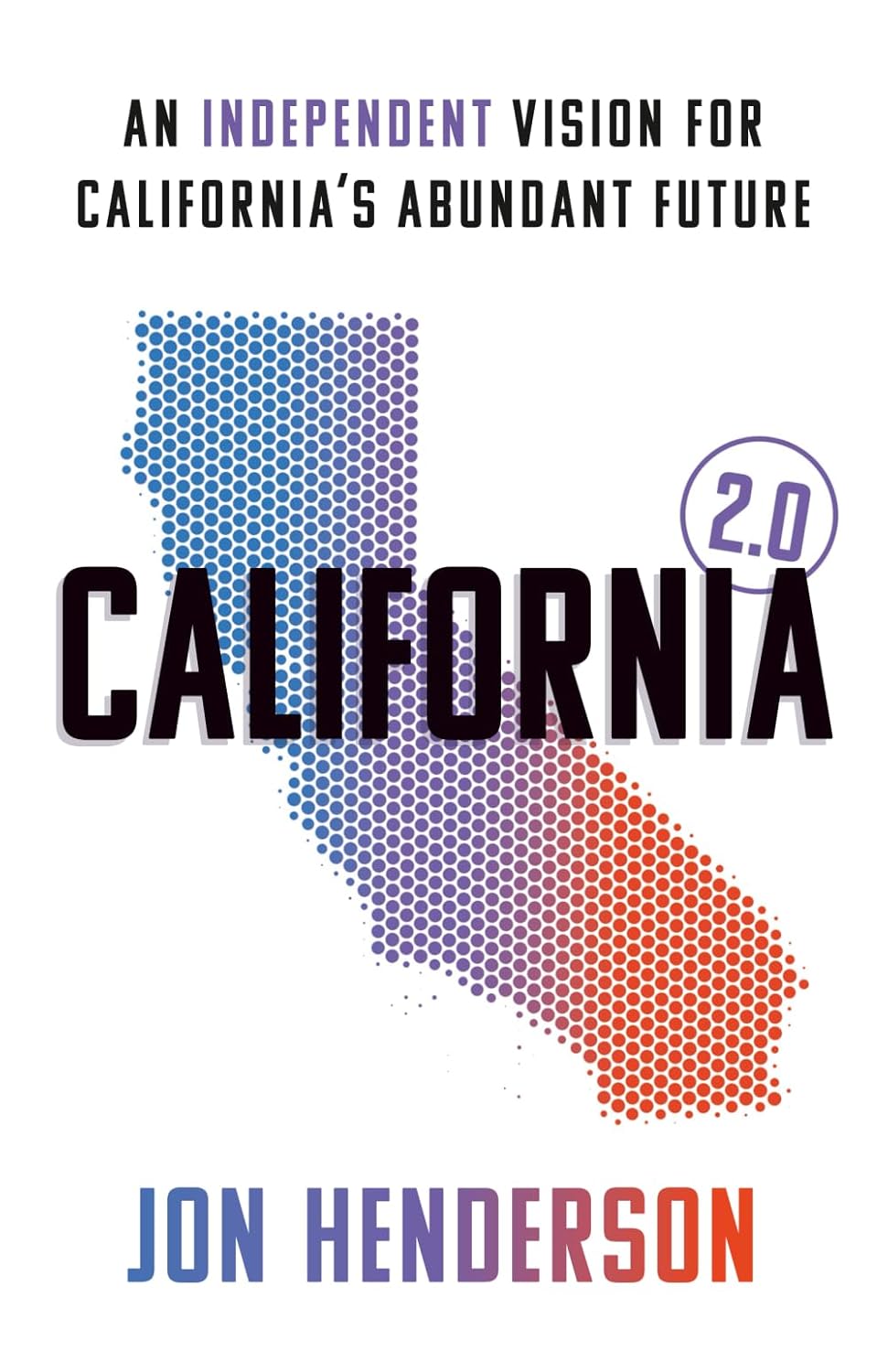
Independent California gubernatorial candidate Jon Henderson joins Eric Jorgenson to talk about how a financial planner who'd never been on social media ended up writing California 2.0, a 22-chapter plan for "the politically homeless," and why the book, not a campaign speech, is the only thing he believes can carry his ideas into the long-term conversation. Jon shares how he mailed 100 copies to key influencers and to the moderators of the upcoming CNN debate, why permanence is the real value of a book, his case for blockchain voting, blind trusts for lawmakers, and his belief that California needs a "purple" governor to bring the all-star team to the table. A first for the Author Hour podcast: an interview with a sitting candidate for governor.
Transcript
Guest: I was hoping to get this out in six weeks. In my first conversation with Scott, they said six months. The elections, eight months, none of it made any sense. And this is why I've just been inextricably drawn to keep moving forward as doors have got to open. None of this makes any sense. Me putting all this money and time into writing a book that was this specific, but I have not regretted it for a second. And we'll see where it goes, right? If I end up in the governor's office, that's obviously what we're shooting for. If not that, if some of these ideas become a reality, that's a huge win right there too. You know, just getting that in the world. I can't do that, I don't think, from a campaign speech. I think you need the book and its permanence to get the idea out there where people can take time in their own way to let the ideas absorb and then hopefully get into the conversation.
Eric Jorgenson: Well, this is a first for me to interview a candidate for governor, let alone of California, the great state of California, where I lived for many years and have many warm and fuzzy feelings. But this is quite a quest you've undertaken. I'm excited to hear more about it. What inspired this run? Well, first, what part of California were you in? I lived in the Bay Area in San Francisco proper for maybe seven or eight years.
Guest: Perfect, yeah. My wife and I lived on Sutter and Hyde for the last seven years before we got pregnant and came out to the burbs very, you know, stereotypically as we are now in Walnut Creek, but Bay Area still. To answer your question, yeah, it's a huge undertaking. If you know me and my friends, they go, oh my God. And then they go, whoop, that tracks every one of them, you know, because it's everything I've done. I'm always just like, I've tried to see what's the next thing that makes sense, what I really want. And if it's something that I really, really care about, something I really want to try and go after. I don't really look at the obstacles, you know, whether it's a small thing or a big thing, that's probably to a fault. You know what I mean? My wife probably doesn't love that about me all the time. But when I started down this road, writing the book, the book started much more national. Actually, I started writing the book in July. We were on vacation actually in Cabo and I was sitting on our back porch when they passed the One Big Beautiful Bill Act. And I'm a financial planner. I've been a certified financial planner since 2018. I got into the business in the year 2000 and I do a lot of tax planning for clients. And I was getting a lot of, a lot of just confusion coming in from clients and a lot of marketing about what was going to be in the tax bill. You know, lawmaking didn't used to be that way. I feel like, you know, and so now this is 870 page omnibus bill, which people used to hate. You know, these big bills because they'd pack in so much pork, you know, as they call it. And now it was literally calling it the one big, beautiful bill act. So that bill started getting me the questions I was getting from clients. I was, I was like answering the same questions over and over and I said, somebody should write a book. So that's what started writing me this book. You know, the book started coming out of me as a much more of a national thing around tax. And gerrymandering was the first chapter in the original version, because I wanted to write something that I thought what do 80% or more of my clients. agree on, you know, I feel like everybody writes about the things that, you know, differentiate. And now that I'm running for office, I realize those are the only people that actually want to donate or get involved with the people that are on the, you know, that are the really, you know, true believers. Now I understand a little bit more about this, like why, you know, moderates can't win because, you know, you can't, you know, it's just like, Hey, check me out. I'm boring. So it's an interesting kind of lane that I'm trying to get some interest from people and get money into the campaign. But I also think that money into the campaign is the problem with our politics to start with, right? So you kind of have to play that game. And that's what I went into this as a large experiment to see if it was possible to do it as a grassroots movement, not being a billionaire, not being politically connected, but having ideas and having energy and having a plan. And so the book, that ended up being the plan for California. If I were to win and as I was writing it as what am I writing? You know, I guess I'm running for governor, you know, and that's what it ended up being with Gavin being turned out around that time. Kamala Harris was still deciding if she was going to get in or not, that of course not. And then a number of other people from, you know, Alex Padilla, other really big national names deciding to not jump into the race. And then of course, the biggest name Swalwell, already not only out of the race, but out of Congress and potentially facing criminal charges now in In a 48 hour turnaround, this race just, you know, did a complete 180. And then, you know, everybody's looking at cal she just reading off the calcium numbers to say who's the, you know, who's likely to be the next governor, which is crazy. And I think when they look into that, they're going to find some people that were too close to the campaigns. We're probably funneling money into calcium because that is a new political ad. You know, it's a way to get the name of that candidate to come out of every newscasters mouth and they all do it. The ones that didn't have money to do polling anymore immediately started buying that data from cal she and now people don't even buy the data. They just you see like the people online is pulling up and just reading it. It's because that's where they can get an even just a clean number handed to them.
Eric Jorgenson: Yeah. So the betting markets, you know, maybe they used to be evaluating truth and now people are putting money into that affect the odds because the odds affect people's perception of the odds. In a political campaign, I would say, yes.
Guest: If you're betting on, you know, and I think that there's, you know, there was a book halfway through that, you know, is basically covering all of this and say everybody loses, you know, in this. And, you know, I think it's true because if you're rooting against your home team because they you wanted to cover the spread or not cover the spread, You know, I think people already think it kind of ruined sports in a way, but in politics, politics is different than sports because politics, people actually will throw money at something like whether it's a political campaign at whatever. That's the whole thing is they will throw money at it. So I think. is this perverse way that they found that they can throw money into it and directly, you know, almost like a money laundering. It's not money laundering. It's like a direct benefit, you know, just dollar for dollar because you're buying, you're buying that air time. You could never get it with, you know, way more investment. Yeah.
Eric Jorgenson: Interesting. When you started writing this book, it was just a book, right? Am I understanding correctly? You were like, I'm just trying to kind of express something and figure out how to explain this to my clients and people that might be my clients and the population at large. And then as you wrote, you gained the conviction that you wanted to run for governor?
Guest: Well, it's that's such a great question. Thank you. I mean, because I don't really think about these things and you're making me think about it right now. But I think the book started about 20 years ago and it was in my mind. I was calling it we're doing it wrong because clients kept telling me like they're so angry and, you know, if they're both sides of the aisle and they're telling me all they're mad. So we're doing this wrong. You know what I mean? Like, what are we doing that we can't just get people together? and come together with the solution. And then it was that trip in July where basically things kind of got to just a fever pitch. And it just had to had to get it out of me. And it wasn't like, now's the time to run for office. It was like, I can't stop thinking about these ideas. I now have to get this on paper and getting it out. And then I was, I guess I'm running a book. And then it's like, okay, well now I need to find out how to do that. Who do I call? And that's where I ended up finding you guys. You know, and then toward the, when the book got to its third iteration, because the first iteration was very national. And I realized that's not really what I need to be writing about right now. It's not what, you know, it just wasn't the right direction. Then I discovered the book Abundance by Ezra Klein and Derek Thompson. And they were running about, they did such a more eloquent job than I did on some of the points in there. I said, oh man, these guys already, they already built the framework. And they had their five, their five pillars, you know, build, grow, you know, govern. So I just said they've already done that. I'm just going to give them credit and just kind of build mine on their framework and then get into my inspiration on each of those. And then what happened was each of the 22 chapters ended up being a specific. interlocking plan with other ideas that I've had in the book. Then I was like, this is actually a framework or a plan. And candidly, I skipped a step. There was a version where it was the America party. And I know that you guys are, you guys wrote a book on Elon, but recently put one out on Elon, but I have no connection to Elon. I have no connection to Tesla, any of that stuff other than he's the richest man in the world and obviously very, you know, very well covered. And at that time, I remember sitting in the airport and Elon announced that he was going to launched the America party and people loved it and they freaked out and they said, Oh my God, a party for the 80% in the middle sounds great. And I thought. He's not going to have time to create the ethos. There's other people need to sort of create this, this framework. And if there's going to be a brand new party that's going to be funded and there won't be all of this, you know, money, you know, gathering that you don't spend your whole time just trying to raise money for the campaign. If you could actually have a fund, you know, the richest man in the world is going to fund this party for the 80%. Now you can immediately argue, how would he understand what the 80% wants? You know, he's going to be the furthest from understanding that, but. It made sense for a minute when he said it, right? And then it went nowhere, right? And so, but at the moment I said, this could be the America party, if there's gonna be a brand new party, they're gonna need an ethos, they're gonna need structure. And that's what I started kind of building in the book, the first version, which is national. Then it went to the sort of, it noticed more abundance related for California. And then it became California 2.0 and its final version, which was then me as an independent realizing that the whole issue is that people aren't talking to each other. or they're getting very different sets of facts. And I'm a financial advisor hearing that in the background from them and managing their money and hearing their real fears, not what they, you know, might talk about the coffee shop, you know, so, yeah, the, the express preference, you know, what people post about versus what they vote for or what they say in public versus what they say in a private conversation, like where they, where they really feel.
Eric Jorgenson: And I, you know, you, I've always wondered where, like, where are the radical moderates, you know, where are the people who are, who are like dead set and willing to go to war for the very normal center, rational, like the anti both extremes people like that feels like a thing that everybody should sort of be able to rally around. I'm glad to hear that you're, you know, you're carrying that flag and you've got, do you call it the purple sort of purple vision in California? Yeah.
Guest: Yeah. I, you know, everyone thinks of California as the blue state, you know, and, and I look at it at a kind of a mirror of Texas, you know, you have 60 40 in the actual electorate, you know, here in California, we got about 60% voting Democrat, 40% voting Republican and the mirror opposite in Texas. But in both of those states, the loser gets no voice. And I just I don't think we're doing that the right way. Right. I mean, so you have a bunch of my clients that were more conservative leaning that have left the state over, you know, the politics or the coverage of the state, even you lived in San Francisco, like you said, you know what I mean? Like, yeah, there's a problem with with the streets being cleaned. And it seems like we should have been able to get in front of that. You know what I mean? Right. And I don't know how much you've traveled, but my wife and I had the pleasure of going to Singapore on our honeymoon and the whole city state. It feels like Disneyland. I mean, they don't allow gum into the country. Like there's just certain rules that like when you're when you're logically planning, you know, for everybody's benefit. you know, like getting to wear seatbelts, right? People really kind of push back on that. Now, you know, everyone's on board and, you know, it's not like a loss of your personal freedoms. It saves a lot of lives and, you know, carmakers get behind it and all that. So you can start to affect just positive change by just being logical. And I think thinking from the top down instead, you look at what happened. And that's why I love abundance, because they do such a good job of critiquing the left from the left. And when I saw the Senate hearings where basically Kristi Noem was being interviewed by everybody, it was Tom Tillis. And it was a Republican being critical of a Republican that kind of went viral because it's in a way that's much true. You know what I mean? You know what your own team's doing, right? And that's really what the party should be. They should be policing their own extremists and they're not. And they stopped doing that a while ago. And so it's so refreshing when you see Tom Tillis be honest, but you're like, why do we have to wait for these guys to retire? to hear this level of honesty.
Eric Jorgenson: That's why they should have one-year terms, or whatever you want to do.
Guest: I always thought we should just bring people in like jury duty, right? You got 300 Americans going to be like, you're a lawmaker for the next two years, then you go back to being a dentist, or whatever it was you were doing before. Yeah. You're in the corruption. Come on. Yeah.
Eric Jorgenson: Yeah. It's interesting. So how did you find that the book and the campaign are sort of intertwining. Like this is a really interesting, you know, so many people write books for so many different reasons, but to have one that's sort of a core part, if not a driver of a campaign is a really unique and interesting thing.
Guest: The book is giving me some gravitas. Hopefully I'm going to find out pretty soon here because the way that the timing went with everything. I've just mailed out about a hundred of these two key influencers and I'm just about to start hopefully here in the phone ring. I got it. I got a call this morning. Local news station wants to interview me. So I feel like I've got about five weeks to kind of go up that influencer ladder. And this has been my My goal the whole time, I don't know if I'm going to end up on a debate stage. I'm trying to get on the CNN debate stage. I just mailed a book to both of the moderators of that debate directly. And that's my, to answer your question, that's the only way it's going to separate me from the other 60 people. you know basically in this race that are that that would love to gain some traction so hopefully the book is the thing that can differentiate me and i would like to be the independent you know getting that equal time on stage because i think like 40 percent of california now identifies as independent And so I can't believe there's no independence up on that stage. And it's time, as you say, for those sort of that moderate middle to start to flex its muscle. And we could really change a lot across the nation just because it's such a razor thin margin. Now I'm running for governor, which is an executive position in a state. But for me, that would allow me to work with our legislators to put blinders on all of our lawmakers. And one of the chapters is about requiring blind trust. And I think that that's the only way we get back to trusting our lawmakers again, is by not having to trust them, you know, right? And just making sure that when they go, okay, there's a whole mutual fund that follows Nancy Pelosi's trades. It's, it's perverse, right? You know, but she beats the S and P because of presumably insider information. And apparently all of them do it. You know, it seems very clear all the way up. And to me, that shouldn't even be option. They should, they should have that money into a blind trust. They don't even know what they own third party, dispassionate, you know, manager being, you know, you know, watched and, you know, monitored by the SEC kind of thing for all of that, and then get rid of all of the ability for them to benefit directly off of insider information.
Eric Jorgenson: Yeah, that seems like a, everybody agrees with that except the people who have to vote on it. You know, it's a classic, like the Congress is exempt from all the laws that they make for people. And this is, you know, holding people to account is critical.
Guest: So if the feds won't do it, the states could do it and we could, we could send our lawmakers to Washington, you know, with those blinders on that. And I can't think of any other state that wouldn't follow California's Lee after that.
Eric Jorgenson: Yeah, I would love to see that take off. And that seems like the kind of talking point that who among the people would have anything to disagree with about that? And calling people out, asking for leaders within both parties to sort of lead by example and take this moral stand to not enrich themselves at the cost of the population. What has been maybe surprised you like I love how you described the writing of this book is like it just like tore out of you right. It like you know just happened it fell out of you because you've been thinking about it for 20 years. Did anything surprise you in the process of like externalizing all of this.
Guest: It felt great. I mean, it really did. It was a release to get that out. I mean, you know, like a workout, you know, I mean, just, you know, get that sweat going, you know, and it was every night for months after my daughter was asleep. It became my 9 PM to 1 AM. sort of exercise, you know, and I talk in the book, I worked with AI, you know, I'm not, I don't have the attention span or the, you know, the editing capability to sit down. I'm an idea guy. I'm a big thinker. I've got a lot of employees that do a lot of the minutiae work for me that would just burn me out and just wouldn't get done. Okay. And so that's why I think, you know, it's a fine line between people that are successful, you know, that are, I don't know what I am. I'm a Gen Xer. I'm undiagnosed, right? So I don't know. It works for me, you know what I mean? Like, I love my daily experience and the book, writing of the book. For me, I think probably a lot of people that have a lot of ideas like me also lack the ability to sit down and write and get it out, right? And so that's why I didn't feel that release as a writer until age 51. Okay. And so that's why in a weird way, I think people are like, Oh, AI is going to kill all this creativity. I think it's going to be an enhanced. I tend to look at the glass half full if I can, but I'm hoping it becomes like a crutch to a lot of people that have a book in them and want to get that out and share an idea with the world. But they, they, you know, that they need that help. Now, not a lot of people I'd have like an editor, a real person, you know, they can work with, but not everybody has that to get started and really get rolling. So. don't let AI write the book, you know, but, you know, yeah.
Eric Jorgenson: I'm a huge advocate for the, you know, use the best tool for the job. You know, Steve Jobs called the computer, the bicycle for the mind. And I think in a vault called AI, the motorcycle for the mind. Like it just enables you to do a whole different level of things. It unlocks opportunities that might not have been available to people before. There's, there's so much good that comes from that. And yeah. I feel like it's fashionable inside the publishing industry for the more traditional folks to shame people for using AI or say that it can't do or would never do good human work. I think that depends on how good the person is who's using it and their bar for quality and how much effort they put in. I've seen truly great books written with the help of AI and truly crappy ones written by humans. It's all in the tools that you use and the quality bar that you hold for yourself. You have a phrase in your book description that I really like, which is that it's for the politically homeless. And I think that that's probably, you know, it's been an increasingly common feeling, but I'm curious sort of a lens I always approach books through is like what transformation is offering the reader, right? Like who is going to be better off having read it and why? And that's a really clear signal to people for maybe who should read this book. What's the transformation that you're hoping that they go through?
Guest: Anyone who feels like they were proudly either a Democrat or a Republican and no longer feels that the parties represent them because they feel that the parties have moved to the extremes. And I, I know so many people that have expressed that that's how they personally feel. And that's, that's who I wrote this book for. So I feel like it's a larger number than people think it is. I think a lot of people are still, you know, clinging to one or the other, one or the other, because I think that's the only option, you know? And so this is. The book is really written for anybody who thinks those are the only options and feels that they've had to vote for the lesser of two evils and is looking for fresh ideas and out of the box ideas and get a conversation started.
Eric Jorgenson: Yeah. Where are those people coming from? Like, do you have a sense yet of like, are they coming more from the right, more from the left? Like who, who is sort of coming to this, this idea, this new purple middle? Chapter by chapter.
Guest: Yeah, it's, that's great too. Like I, I, I wrote it. I find most people like, I think like four or five chapters. I don't like, and I was like, that's great. That means 80% of it we agree on. Let's focus on those. Let's get those done. You know, and it seems to be, but you know, I'm, I'm, you know, certain thing I talk about the way we should handle, you know, gun rights. You know, we border with Arizona and Nevada that have effectively zero restrictions on firearms. And California has got insane gun regulations. Like I am a shooter, so I own some guns. I want to do some video work on this of like the monstrosity that this thing is that, you know, makes it California legal. It's no less lethal and in fact becomes more dangerous according to everybody up at the range as far as accidents, because California legal pistols create more jams, which is usually clearing. It's usually where people end up getting, you know, erroneously shot. You know, so, yeah, and I'm all about less violence, right? I'm all about law enforcement, you know, all that. So there's a balance in there. And that's the whole point is I think that we've got a winner take all one side gets their thing and the other side's job is to stop them from getting as far as they can. And then we don't get anywhere as a society and everyone's everyone's frustrated. But as an independent governor that's looking to bring both, you know, bring the All-Star team to the table, the best Republican ideas, best Democratic ideas. That's a win-win to me, for everybody. So yeah.
Eric Jorgenson: Is that how you arranged the book? You said that you wanted to start with gerrymandering. That was like chapter one. Did you arrange it in terms of like, sorry?
Guest: Yeah. And that went out because that was national, right? And then when I really got focused, I was just too much. And I said, I've got to be specific on California. And I do talk about voting on the blockchain. But I should rewrite the larger national book, I guess. But the way that we get rid of gerrymandering tomorrow is through blockchain. Okay. Once people get their head around that, I mean, it's so eloquent. It's so low cost. It gets rid of all of the problems that we have in our, you know, it's, I say it reduces the cost of trust. That's a Gary Gensler quote from the book as well, but it really does. And right now people look at cryptos and they think, you know, fraud and all this stuff, just like when the internet came out, like if you were on the internet, when it first came out, you were a creep. Okay, you know, not anymore, right? I mean, it's running your thermostat, you know, so people need to get their head around what blockchain will do. And for voting, I think is the highest, highest use case for the public. And if you think about it, every state would be one block would be 1% of the population, you know, Rural areas, big block, you know, densely populated areas, small blocks, still 1% each you got. And then, you know, all of it would be public, all of it, pseudonymous, you know, you know, it's you, you see your votes and logged everybody from anywhere you log in. You can see it's not been changed, altered, lost. And then, you know, boom, a hundred percent democracy. They don't want that. Okay. But, you know, if you look at what we pay for elections, I mean, you could vote weekly and get the pulse of the people on the blockchain. So I propose actually creating a California blockchain in the book. And then hold everything that the states ever owed you on there. Like every time you get free passes to the state park, you shouldn't be able to lose that. You know what I mean? Like it's just on your blockchain. You know what I mean? And just waiting for you to use it. So just try and make it easier for people. Try not to get in their way so much.
Eric Jorgenson: I know the book's only been out a couple of weeks as we're recording this, I think, but I'd really like to ask what unexpected good things have resulted from this book being out into the world? What doors have opened? What surprised you? What ways has the world felt smaller? Any of those kinds of stories?
Guest: Well, I don't, I've never been on social media, things like that. I don't like that, you know, putting myself out there. I love one-on-one conversations. I love, I don't mind public speaking to a group even, but I just thought it was kind of awkward. Just like, Hey, this is me at the, at the store, you know, and like just putting my life out there for her to see. And now it's just so ubiquitous. But the book has been that for me is like people who I don't know. are texting their messaging me saying, Hey, you know, I really liked your idea. And I'm like, wow, you know, so actually having it out there where I could be, you know, doing something completely different and people are hearing my ideas, you know, at that moment, that's been a wonderful feeling for me. And then a lot of positivity, mostly positivity, you get you get some bots online or trolls or whatever it is, you know, who, you know, I'm sure that's the thing that I avoid in the beginning, but every real person that has taken the time to speak with me has been very positive, and it started a good conversation. And my goal with all of this was to get people talking again. You know, I think that's our biggest cancer right now is in society is that we are not talking people are not speaking the same language, they're not they're not getting the same set of facts in the book. Hopefully, like I said, you know, like depends on which chapter, you know, people might like the idea, they might not like the idea, but let's talk about it. And let me hear your idea. So I can refine it better.
Eric Jorgenson: Yeah, this is a great example of like, I would say books is like, how do you scale conversation? How do you scale the intimacy, the trust, the nuance of a deep one-on-one conversation? You can't spend six, eight, 10 hours with every potential customer, potential voter, potential teammate, client, whatever. But you can write a book that gives people that experience of like a deep understanding of who you are, where you're coming from, what you believe, why you believe it, how you think, your background. and the conviction that you have in these ideas. This is a really powerful version of it. You're just kind of doing something else. You get that message that somebody's like, I just read this. I loved it. I agree. You changed my mind. Those kind of things. I gifted this book to somebody who I know would really need it. These things can travel in some really interesting ways. I'm curious going back to you started letting this book rip out of you. There's a million ways to get a book out in the world. How did you arrive at Scribe and why did you choose us to be your publisher?
Guest: It was one of my raffles. It's when I go step to step and what's the next thing I need to learn to get to this next point in my life, whether it was launching a company, launching another company. This is all new for me, this whole book world. And you guys, Scribe is amazing. So I guess hybrid publishing, I guess is maybe the term, but I didn't know anything about any of that. And I didn't really get a lot of guidance. It was all my online research. I was hoping to get this out in six weeks. In my first conversation with Scott, they said six months. Oh, the election's eight months. None of it made any sense. And this is why I've just been inextricably drawn to keep moving forward as doors have got to open. None of this makes any sense. Me putting all this money and time into writing a book that was this specific, but I have not regretted it for a second because I feel like it's just, and we're in it right now. We got these five weeks. This is what this is all about. Okay, and the interest in the conversation that I can start and we'll see where it goes, right? If I end up winning, you know, if I end up in the governor's office, that's obviously what we're shooting for. If not that, if some of these ideas become a reality, that's a huge win right there, too. You know, just getting that in the world. I can't do that, I don't think, from a campaign speech. I think you need the book. and its permanence, and to get the idea out there where people can take time in their own way to let the ideas absorb and then hopefully get into the conversation.
Eric Jorgenson: Yeah, it's a powerful, as you say, spreading these ideas and getting them amongst the citizens. If they agree with it, it'll come up more and more each election, each state, at each level. And hopefully more of these, I totally agree with blockchain voting, agree with so many of these sort of common sense centrist policies that are just politically difficult to get moving because it's nobody's, it's in no politician's best interest to advocate them or no career politician's best interest to advocate them. So it does take, you know, this somebody sort of comes in with a fresh look and a clear eye who's willing to kind of put the people first. My traditional closing question here is, if you think back to yourself pre-book, you've had this stewing for 20 years, but you haven't yet put pen to paper and said the words yourself like, I'm writing this book. What advice do you have for somebody who's in that position, who's teetering on the edge, who's been thinking about it or feels a book brewing in them but has not yet made the leap?
Guest: Oh boy. I'm certainly not like a seasoned author, you know, and haven't done all of this, but I'll tell you just from my, my limited experience, just look at all the options and what I loved about, you know, the hybrid option. I didn't, I didn't want them to go strike my book. You know what I mean? I didn't want someone to, I'm not, you know, at that level where I'm the president and just have to get a book out and, you know, I can approve, you know, so. you know, wherever these people are. So if you're like me, where you're not, you know, where money is an option, you know, and it's, it's your own time and all, it's a, it's an important thing for you. I really liked the hybrid approach because I was able to effectively write the book that I wanted to write, but it didn't have to go through the channels that, you know, were basically, I was then recognized in the author community, but it's not a blog post either, right? It's not me just throwing my ideas out there, which is what I originally I wanted just to get this going quickly. And so If you're looking to have a legitimate book that is, you know, as high quality as you're going to get it, that's this was the path for me. And I think there's a lot of people like me out there that are maybe not, you know, on the, you know, LA Times list or, you know, whatever, but also not just bloggers and look, they're looking to spend the time and investment and really put a real high quality book out there.
Eric Jorgenson: Yeah. There's a world of difference in how you're perceived between a high quality book and a series of blog posts, right? These are traditionally gate kept mediums and it just takes a different level of investment and effort to get a really great book out there than a series of blog posts. And I think as this campaign continues and your career continues to unfold, you're going to see a lot of returns from this. Hopefully we get to do another one of these in a year or two and you've got even more incredible stories to tell.
Guest: Well, I think that'll be when the real value will kick in because, like I said, this is my first rodeo and it's the permanence of the book that I think is the real value here. And to your point, I think someone may read it in six months, long after the election and go, wait a minute, this guy's got some good ideas. Like, let's reach out, let's have a discussion. So I'm actually really excited about the long-term, but I'm only focused on the next five weeks right now. Right now, that's what we're doing. And thank you again for helping me to get the word out. But I couldn't have been happier with my experience with the, with everything, getting the book out there. I'm very pleased with what we finalized and what we put out there. So hopefully everybody reads it now and then we'll take a minute.
Eric Jorgenson: Thanks so much for the time. Thank you for coming on and sharing and teaching and leading from the center. Do you have anywhere you'd send people to learn more about you, the campaign, the book?
Guest: Yeah, campaign website. Thank you so much. It's henderson4cagov.org. That's our campaign site. From there, it's a direct link to buy the book, direct link to buy the audio book, which I recorded in my own voice in my studio here, about four and a half hours in total length. In a single day, I could read the whole book to you. You'll have all my ideas well before the election. So yes, that's the best place to go.
Eric Jorgenson: Thank you so much, John. I hope you and everybody who reads this book can help save California from from itself and the trajectory that it's on. It's a beautiful place and needs it needs some change. Thank you for your part in doing that. Thank you so much.
Want to Write Your Own Book?
Scribe has helped over 2,000 authors turn their expertise into published books.
Schedule a Free Consult