 NA
NA
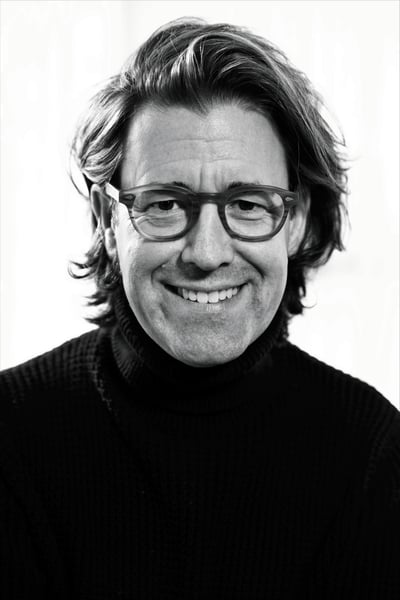
About Nathan
:
Long before I figured out exactly how to bounce beyond adversity, I was doing it on the fly. A teacher of mine once asked, “How have you jumped across TK different career paths; endured discrimination; lived through an earthquake, a tsunami, a typhoon, and a terrorist attack; and you run marathons?“ She wanted to know what special ingredient I had that other people don’t. I wanted to know that too. That conversation sent me on a path of discovery that led me here.
I was certified as a coach in 2015, and in 2017, I earned my masters degree in Coaching and Learning & Development. Once I started coaching, I quickly locked onto the two main ingredients of my work: authenticity and resilience building. I wanted to make sure I understood these concepts from all 360 degrees. So I began a pattern of delving into research, to critically think about these ingredients, and then meeting with clients again…then going back to the literature, and back to my clients again. (This is still my process today. I will never stop reading and learning from clients. After all, perseverance is part of the model!)
But my understanding of adversity and various responses to it actually started at a much younger age. I was bullied as a child for being “different”—something a lot of gay children know about themselves, but don’t have the words for yet. The bullying continued into high school, but this is also where I first understood the power of authenticity. I became involved in Key Club and the leadership roles therein. In the process of campaigning and running for office, I realized I had to be me. In order to serve others, my community, and my school, I had to be 100 percent authentic. The empowerment that developed from that decision was profound and also directly related to my success—both as a leader and in my teenage relationships. It was as if I didn’t even hear the bullies anymore. That was the first time I truly felt confident. The lesson stuck with me.
Next, I attended Marquette, a Jesuit university, which further instilled in me the desire to serve others. One of the school’s founding principles is Cura Personalis, Latin for “care for the whole person.” This is also a founding principle of my work as a coach. I dedicated my life to service when I was 18 years old. This book is part of that. I want to give people the gift of learning how to help themselves and care for their whole persons.
After college, I pursued a lifelong dream of living in Japan. While there, I came out. During those five years, I also came to fully understand who I am and I learned how to live without apology or fear. I returned to America even more confident and ready to take on the world. That’s when I somewhat accidentally wound up working in HR, for Nanette Lepore in New York City. It was the greatest gift that could’ve happened to me. Working in HR launched my curiosity about people and, ultimately, led me to coaching.
I remember the first time I had to encourage someone to leave a job. I was terrified. But this person was not right for the job, and the job was not right for the person. Immediately after our conversation, I felt devastated. I had just convinced someone to quit a good job at a great company. Further, now I was going to have to recruit someone new. But a few weeks later, after the employee resigned, she was incredibly relieved. She thanked me.
And then I was able to upgrade the talent in a way that strengthened the position. I had stumbled onto a career that would allow me to use my confidence, and my abilities to drive conversations, connect with people, and care for the whole person.
In total, I’ve worked in HR for 20 years. Along the way, I’ve picked up even more coaching skills and, more important, I’ve clearly developed my purpose: I want to be a light for others that shows them the way through their struggles with adversity. That’s why I pursued coaching more specifically, as it allows me to more purely live in my purpose.
A coach does not solve the problem and only rarely counsels or advises. Rather, a coach is there to hold space for a person, probe with the right questions that enable a person to access what they need to solve a problem, and then play back for a person what they’ve accessed and seen. I help people create what they want for themselves. It’s magical every time, and often reminds me of that first taste of confidence and authenticity I felt back in high school.
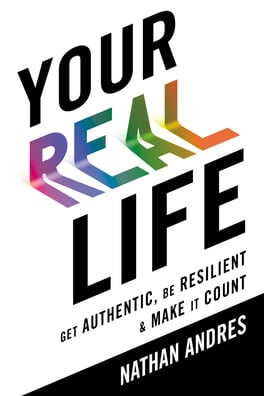
As for the model, the “aha” moment finally came a couple of years ago…when I was watching the television show RuPaul’s Drag Race. You may be familiar with the word realness, coined by RuPaul. I’d heard it before, but something about watching the show that night just slapped me in the face: this model is about being real. I went back to my notes and research and saw that the acronym was already there and had been staring me in the face. So I named the model R.E.A.L. and shared it with some friends. A couple of days later, my best friend called and said, “Nate, you’ve been telling me to ‘get real’ for 30 years now.” That’s when I realized that although I had only been a professional for a couple of years, I had actually been coaching my whole life.
Published Books
Industries
Ready to Write Your Book?
Join Nathan and 2,000+ authors who have published with Scribe Media.
Schedule a Consult