Back to Published Books
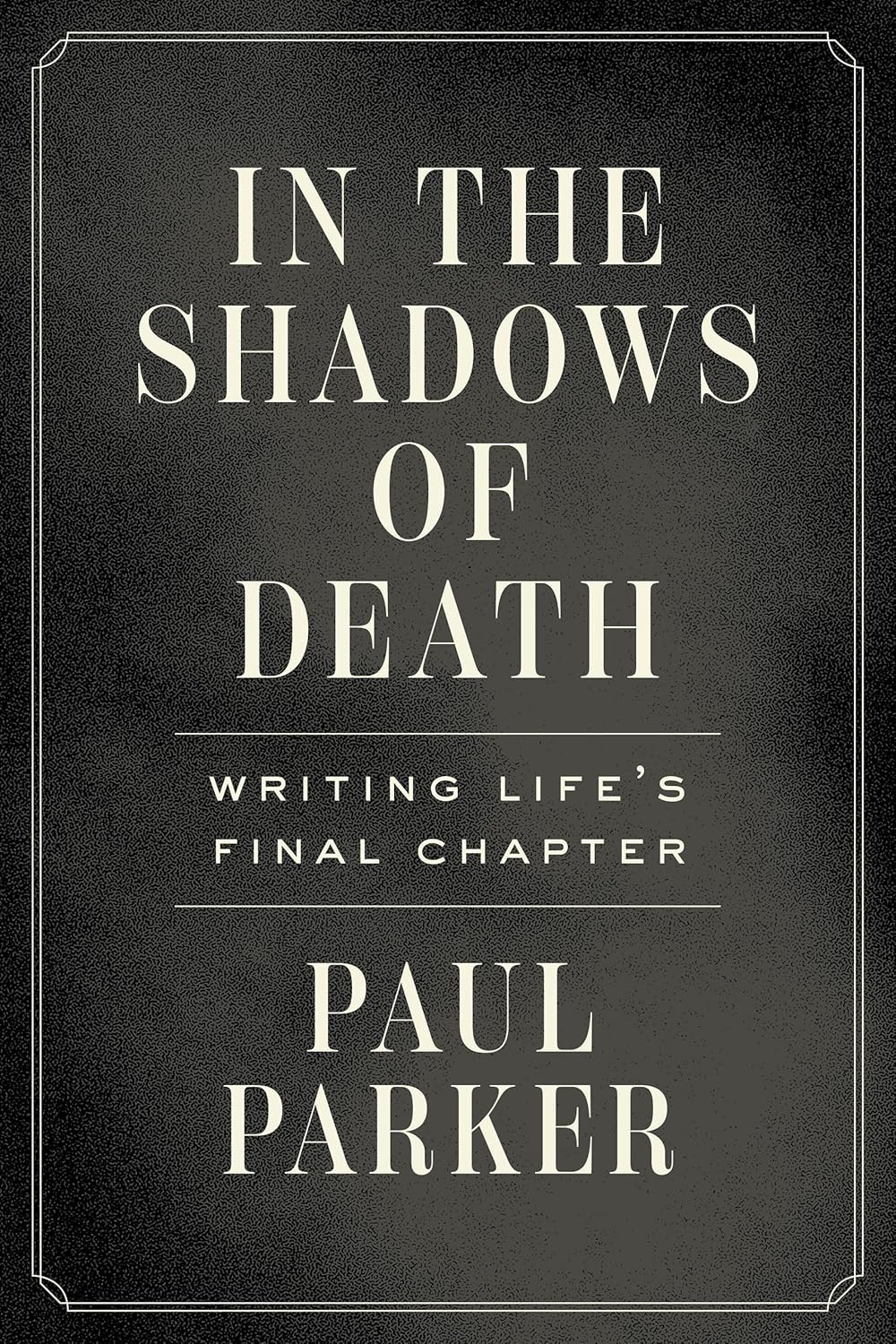
In the Shadows of Death
Bestseller in Trauma Psychology
About This Book
Being raised by a dying grandmother, Paul Parker lived in the shadow of impending death for years. At 10 years old, he was selected by his school officials to write a letter to the Mayor of Atlanta expressing condolences for the serial killer deaths of several children. During his teenage years in Philadelphia, he watched the MOVE incident resulting in several deaths unfold a few miles from his house and was greatly impacted by the live broadcast of the suicide of a state politician and the tragic death of a local television personality.
When his grandmother died in his presence during his senior year in high school, Paul conducted the first of his hundreds of death notifications and was introduced to the concept of bringing order to chaos, which served as life's mission for the next 35 years.
After becoming a police officer, Paul was involved in a life-and-death struggle during a foot pursuit and ultimately was forced to use deadly force. After coming face-to-face with his own mortality, Paul entered the field of medicolegal death investigation to see what would have happened to his physical body if he had been killed.
Paul has conducted or overseen medicolegal death investigations in five Medical Examiner or Coroner offices in the southwestern United States: Maricopa County (Phoenix, Arizona), San Diego County and Los Angeles County, Clark County (Las Vegas, Nevada), and Pinal County (Florence, Arizona). He was the lead death investigator in the 2003 Cedar Fire in San Diego, the Chief Investigator during a tragic misidentification in Maricopa County, the Assistant Coroner who assisted in bringing a much-needed focus on emotional wellbeing of death investigation personnel in the years leading up to the Route 91 Harvest Shooting in Las Vegas, attended several executions via lethal injection on Arizona's Death Row, and had a front row seat to eye-opening and misguided practices at the world's best known death investigation operation in Los Angeles.
Paul's lack of healthy coping mechanisms combined with his mental health struggles and alcohol addiction nearly cost him not only his career but his life. Three months of in-patient treatment along with outpatient electroconvulsive therapy and ketamine treatment saved his life. Paul's hopes his story will shine a light on the overlooked, yet tireless and critical job performed by medicolegal death investigation personnel.