Janet Newman: Living In the Chemical Age
Read the full transcript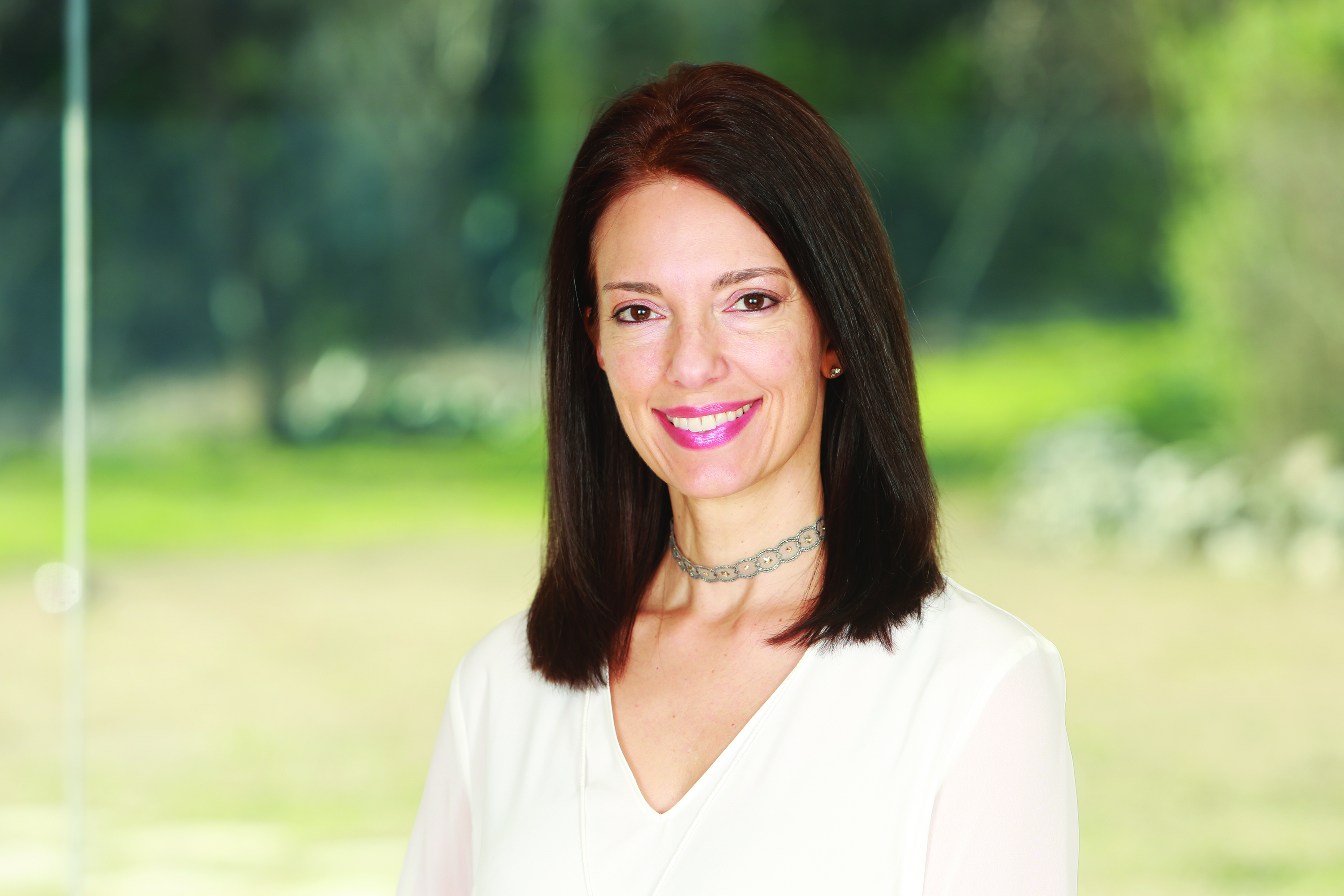
Janet Newman
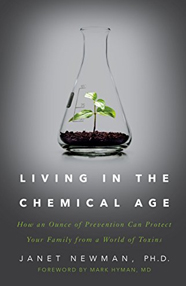
Janet Newman, Ph.D., is the author of Living in the Chemical Age: How an Ounce of Prevention Can Protect Your Family from a World of Toxins. A consultant based in Austin, Texas, she holds a Ph.D. in psychology and a master's degree in social work. Her longtime interest in health and nutrition led her to study the harm that hidden environmental toxins can cause and to identify practical, everyday ways to reduce or eliminate their impact.
★ Scribe Case Study
From Health Crisis to Helping Others: How Janet Newman Used a Book to Create Better Lives
Family health issues inspired Janet Newman to become an expert on a preventive approach to environmental toxins and share this knowledge with others.
📚 Books by Janet Newman
Transcript
[0:00:33] Charlie Hoehn: You’re listening to Author Hour, enlightening conversations about books with the authors who wrote them. I’m Charlie Hoehn. Today’s episode is with Janet Newman, author of Living In the Chemical Age. Janet is a PHD who believes that more toxins are invading our lives than ever before and the best way to prevent harm is to avoid them. That’s what this episode is all about. In our conversation, Janet tells us how we can live less polluted lives. We talk about the contaminants in our food, our water, personal care products and how these chemicals can affect our bodies. Whether you’re a mom who’s concerned about her kids or a citizen hoping to live in a healthier world, this episode is for you. Now, here is our conversation with Janet Newman.
[0:01:38] Janet Newman: It was early 2010 and I will never forget this moment, I received a phone call from my mother, I was living in Texas and she was living in San Diego and she told me, she said, “Are you sitting down?” I said yes and she said, “I just came back from the doctor and they told me that my breast cancer came back and that it spread to my liver, lungs and bone and that I have three months to live.” My mother didn’t have a lot of resources, she lived by herself and I said, “You are not going through this by yourself.” My husband and I and our two kids, we went to California, we helped her pack up and we moved her back to live with us. My kids at the time were two and four. I was getting my PHD in psychology, so I definitely had my hands full with my kids and whatnot. And my mom and I were very close so I just felt not only an obligation but I felt compelled and I wanted to make sure she was comfortable and it was just an awful piece of news and I didn’t want her to ruminate over it all by herself. My mom was always very into healthy living. She read everything she could get her hands on and nutrition and whatnot. She chose not to do chemotherapy. She did some natural alternatives instead and she had been diagnosed 10 years prior to that with breast cancer and she was able to eradicate the tumor all by herself with nutrition and a very restrictive diet and lots of other things.
[0:03:34] Charlie Hoehn: How was she able to do that specifically? What did her diet look like?
[0:03:38] Janet Newman: Like I said, very restrictive, no animal products, no sugar, no caffeine or alcohol, really, nothing processed. She did a lot of supplements and juicing, vegetable juices, fresh, organic and she did some special teas and so forth. It was a protocol that she got an idea from a source that I don’t feel comfortable mentioning. She thought, if she goes back to that kind of diet that maybe that would help. We got out the juicer and started doing all kinds of things to help her and it really – I think, helped to prolong her life, she ended up living 20 months with us which was a real gift to be able to spend that kind of quality time with her but it actually came at a price to me. My health began to spiral downwards form the experience of burning the candle at both ends, not getting enough sleep, taking way more on than I could probably bear, you know, as I said, I already had kids to take care of and getting through my PHD program and so forth. I wasn’t getting enough sleep and I found myself drinking wine as a coping mechanism, just started out as something to relax me at dinner but I noticed that even after my mom passed away, I was still drinking my glass of wine at dinner every night and I think that my adrenals were kind of shut down form the stress and so forth. I started really having some symptoms that I was concerned about and I certainly didn’t want to go down the same path that my mother went down. I began my health journey of trying to improve my health so that I could be there for my kids and my husband and kind of pull myself back up.
[0:05:37] Charlie Hoehn: Sorry to interrupt but what were some of the symptoms that caused concern?
[0:05:41] Janet Newman: Well, right around the time that my mom came to live with us, I was having some symptoms that I thought were signs of early menopause. Things like dry skin and my hair was falling out a little bit more than I thought was normal. Just some anxiety and low energy, things like that and when I was going through this with my mother, I wasn’t really paying attention to my health necessarily but I started also having some gastrointestinal problems, some bloating. I noticed that a variety of foods wouldn’t sit well with me, I couldn’t digest them. Things like that, they were subtle but there were enough of them that caused some concerns. My first step was to go to my conventional doctor and she ran some test, she said no, it’s not peri-menopause, you actually have a slight thyroid disorder so she wanted to put me on two different medications that I’d have to be on for the rest of my life to fix my thyroid and she also gave me a prescription for an antidepressant to help with the anxiety. I left there thinking, “Well gosh, you know, that’s not going to help my dry skin or my hair falling out or things like that,” and I just felt like handing me three strips of paper with prescriptions on them wasn’t satisfying for me and I felt, I don’t know, I just felt like there was a better answer. I didn’t end up taking the medications and a couple of months later I decided to see an integrative doctor.
[0:07:20] Charlie Hoehn: What is an integrative doctor?
[0:07:22] Janet Newman: An integrative doctor is somebody who really looks more holistically at the person and does a lot of eastern and western approaches towards medicine so this particular doctor decided to –
[0:07:37] Charlie Hoehn: Just a quick point. For somebody who might be a little skeptical of that listening, they hear the word holistic and they’re like, hippie, granola, maybe they’re – it’s sensitive to that, is that a ridiculous assumption? Is that a ridiculous thought or is there some validity to that? I don’t’ know.
[0:07:55] Janet Newman: Well, integrative doctors are becoming much more mainstream and popular than they ever used to be. They’re MD’s, they’ve been trained just like any conventional doctor. It’s just that they have additional training to really look more at nutrition, the average conventional doctor doesn’t get very many hours of nutritional training in their med school and so –
[0:08:21] Charlie Hoehn: Yeah, they get less than a week, right?
[0:08:22] Janet Newman: it’s pretty dismal. An integrative doctor has just more training and some of those modalities and when I say the word holistic, I think of more open minded. They’re not as prone to think of you know, every ill deserves a pill, they look at it more like “Okay, well what are you doing in your lifestyle? What are you consuming for food? Are you drinking too much coffee? You know, that kind of thing. They’ll ask a few more questions and I noticed that he also did a lot of other tests that the first doctor didn’t do. That really was helpful for me.
[0:09:04] Charlie Hoehn: Like what?
[0:09:05] Janet Newman: Well, they did a food panel to see what I was sensitive to because I had talked about the gastrointestinal issues and that was very eye opening. My panel came back and showed that I was very sensitive to numerous things that I had no idea and they basically ran some test for candida albacant which is a yeast and we all have this yeast in our bodies but the yeast in my body was systemic. It was just all over the place and getting out of control. That was causing some of the other symptoms like dry skin? Well, I don’t know if it was a director coronation, It could have been more of the thyroid causing the dry skin, I really don’t know what was causing the dry skin to be honest, it was never said like A equals B. I think that my system was really over reacting because the candida, it’s kind of – this is just layman’s terms here that I’m going to describe this but the candida can bore holes in the lining of the intestine. So you have these little permeable areas of your intestine where little food particles that are undigested can seep into your blood stream and then your immune system sees this as foreign invaders and they go to attack it. Something like mushrooms or carrots or whatever, can be seen as something that your body will put up a defense against. Anyway, this was going on in my body and I had no idea. He put me on a very restrictive elimination and rotation diet and I had to do this for six months and it was very, kind of regulated. I kept a food diary of every single thing that I ate which is kind of cumbersome but at the end, I was fine, my gut had healed, I wasn’t having symptoms, I didn’t have any bloating. It was pretty miraculous. He did that test, he also said that my cortisol was off the charts because of stress. He put me on some nutritional supplements and it was just really something that I felt comfortable doing as a protocol. It was very proactive and I felt very good about it.
[0:11:35] Charlie Hoehn: That’s awesome. I want to talk now kind of about your book. That really laid the foundation for how it came about, your personal journey and everything that you went through with your mother. I’m curious, if you had to distill your entire book which is really packed with a lot - I mean, I’m looking at it in front of me, a lot of information about very specific things that we all consume or are exposed to, if you had to distill it all down into a big idea that the listener could walk away with and remember, what would it be?
[0:12:12] Janet Newman: Throughout my journey towards wellness and I only gave you at the very beginning of it, I had to do a lot of research. Not only to help my mother because I felt that just a little statistic, only about 5 to 10% of all cancer is caused by genetics. The remaining percentage is due to environmental or lifestyle factors. Things that we can control, ultimately. I saw some things that she was using and eating that I thought, maybe that’s not so great. I did a lot of research and that’s kind of what got me into really looking at all of these products and trying to discern what was harmful and why.
[0:13:02] Charlie Hoehn: Just a quick note Janet. I really want to say, I really admire this mindset of proactiveness and being able to take control. I mean, I’ve heard the phrase when people get cancer or some disease that obviously frightening, I’m not diminishing that but I’ve heard phrases like getting struck by lightning and it’s sort of this feeling that it’s out of control and on the one hand, I understand that fear and just not knowing what to do but you’re really saying, 90% of this can be within our control and the body’s really good at healing when the environment and the choices we make allow for that to happen. I just wanted to say that. The second thing I wanted to say is, for the listener who is wondering, what is the tapping noise we hear in the background, that is a cardinal at Janet’s house that pays her a visit and likes to say hello on her window. When that bird says hi, just pay any attention to it.
[0:14:01] Janet Newman: Yes, I think it thinks that it sees its reflection or something. We’ve tried numerous things to subdue the cardinal with all kinds of coatings on our windows and I even printed out a picture of a big scary cat, thinking that that would do it.
[0:14:18] Charlie Hoehn: Did you have like a cardboard cutout just giant cat hanging out?
[0:14:22] Janet Newman: I did. Well, I wanted to point out, you know, I appreciate what you just said about getting struck by lightning with a diagnosis. That’s very common but what we have to realize is that those diagnosis don’t usually come out of the blue, it’s years and years in the making before it’s detectable. I think that one thing that we can remember is that there are over 85,000 chemicals on the market today and most of them aren’t even studied before their put into products that we use. We really don’t know what some of these effects are and we’re just starting to really understand that a hundred years ago, these chemicals didn’t exist. The rates of disease were much lower. We have diseases now that we wouldn’t have ever even heard of. We can’t say that it’s all because our diagnosis detection meters or whatever are better. Our testing is better. I mean, that’s part of it, we’re able to label things better but when I was a kid growing up in the 80’s and 70’s. I never heard of for instance, autism in my classes. There were zero kids and now, my kids go to school and there’s a lot of kids with autism in their school. I mean, it’s not just autism but cancer, it’s really amazing how much illness is out there. And so, I really began to look into some of the research and say that some of these chemicals that we’re oblivious to because you can’t smell them, you can’t see them and most of the time, they’re not even on the labels of the products that we’re using. They’ve got to have some kind of a build up and an impact on our bodies and you know. Our bodies are great, they want to heal, they’re designed to heal but if they’re overwhelmed, they have a hard time detoxifying from some of these chemicals.
[0:16:41] Charlie Hoehn: Yeah, our livers get overloaded, we can’t filter everything out and one of the things that my wife and I like to say in regards to drinking water at the very least ,is you can either buy a filter or be the filter.
[0:16:55] Janet Newman: So true.
[0:16:57] Charlie Hoehn: I mean, you’ve got so many things listed in your book, from the usual suspects of pesticides and herbicides and sugar and all the way to common things that we don’t really give as much thought to, I mean, coffee, wine, I almost don’t know where to begin, we won’t have time to cover them all but why don’t we start with water actually? I’m a big believer in this myself. We have a Berkey filter to eliminate fluoride and I know that a lot of the times, when you see anti-fluoride people on the news, they’re kind of painted as tin foil hat people but talk to me about water. What do we need to be thinking about with our water?
[0:17:39] Janet Newman: Wow, well, we take water for granted, we think that it’s tested, actually, most of the things on the market, we just assume that there’s someone who is responsible for making sure that it’s perfect for us and I do want to say that there is the EPA safe drinking water act. There’s people in our own municipalities who are responsible for filtering, that’s their job for sure. But there are so many things that get into that water supply that we can’t –
[0:18:17] Charlie Hoehn: We can’t even test for.
[0:18:18] Janet Newman: Right. We can’t test for it, nor can we filter it out. Yeah, I mean, there’s things – I mean fluoride is just one of the things that actually is added to the water on purpose.
[0:18:28] Charlie Hoehn: We’re one of the only countries that does that.
[0:18:31] Janet Newman: That’s true. I found that we are very lax with our regulations and probably even more so in this administration but Europe and Japan and I mean, most developed countries are way ahead of us in terms of studying these chemicals, knowing how they effect the body and choosing not to subject their population with them. I think we have a lot of catching up to do.
[0:19:08] Charlie Hoehn: Author Hour is sponsored by Book in a Box. For anyone who has a great idea for a book but doesn’t have the time or patience to sit down and type it out, Book in a Box has created a new way to help you painlessly publish your book. Instead of sitting at a computer and typing for a year, hoping everything works out, Book in a Box takes you through a structured interview process that gets your ideas out of your head and into a book in just a few months. To learn more, head over to Bookinabox.com and fill out the form at the bottom of the page. Don’t let another year go by where you put off writing your book. I think it was either Canada maybe and New Zealand actually, who was looking into the science of adding it into their water and they were like, “Oh wait, nope, not going to do that. It doesn’t make sense,” so yeah, I agree there. So what’s wrong with bottled water though?
[0:20:07] Janet Newman: Oh gosh, well a lot of times, bottled water is just tap water that has been bottled plus there’s plastic that we have to consider. I mean I could do a whole other podcast on plastic. But the plastic that most bottled water comes from its PET and PET they have found that it disrupts the endocrine system and to make matters even worst, we don’t know how these water bottles are transported. Say it’s a hot summer day, these water bottles are sitting on a truck for umpteen hours, waiting to be delivered to your grocery store, what we find is that heat and PET plastic don’t go well together. So the plastic leeches a lot of these endocrine disrupting chemicals directly into the water and even if you think of getting a cold plastic bottle of water and it might not have always been cold. So that’s one thing that people need to think about but there’s also what I have discovered is that a lot of bottled water, they’re not required to disclose the results of their testing. So sometimes you can even find more contaminants than in a tap water that you get from your sink. So I don’t know, I find that it is a risky thing. You know I remember the first time that I saw someone buying bottled water and I thought it was so silly because I just didn’t understand. I thought, “Well water is free right?” We just go to a restaurant and they put it on your table in a glass and we don’t have to pay for it. So why are we going to the store and buying a bottle of water? So anyway, I just remember that sensation, I think I was in high school when that first kind of came out and I thought, “Well this is an interesting concept, buying water that someone just put from their tap and they’re selling it for a profit.” But I think just thinking about the plastic alone is one of the things that we need to really be concerned about and then you also have the problem with recycling. A lot of these plastic water bottles don’t get recycled and that causes a whole other issue for the environment, that we’re just starting to wake up to. It’s pretty sad how much plastic is just thrown away and it’s landing in our oceans.
[0:22:54] Charlie Hoehn: Yeah, fortunately there’s innovation happening right now to hopefully deal with that problem or make it better in the very near future. One of the questions I have with books like that, I mean I’ve read books on detoxification and stuff is how do you balance being healthy and being aware of these 85,000 chemicals with sort of just operating in a joyful, normal way of living you know?
[0:23:23] Janet Newman: Right, it’s daunting.
[0:23:24] Charlie Hoehn: It’s a balance, right? You can quickly become very OCD and obsessed with these details if you allow yourself to do it but really the message of your book and the whole idea is really to take control of your health and to allow your body to thrive even in the face of a challenging environment. So how do you maintain that balance Janet?
[0:23:46] Janet Newman: Well I think it’s a really good point Charlie. We can get obsessed and depressed with thinking about all of these chemicals that we’re being subjected to. I read one source that said we’re bombarded by 250 pounds of chemicals on any given day and that’s kind to wrap your head around. So you’re right, we could be obsessed with this idea. Be scared but I think what I try in my book to really distill some of these overwhelming information. And I distill it down to really practical and useful tips that are generally easy to do and you know, I look for inexpensive resources and I really think that if we just start small, take baby steps, really look at one area that each chapter in my book covers a different topic, whether it’s food or personal care products or water or whatever and if you just start with one section and say we just talk about water so let’s go with water, I look at a lot of different products. I recommend some of the things that I think are good, ways to filter your water, things to be aware of, maybe do a water test to see what is going on with your water, because depending on where you live in the country we have different problems like the lead and Flint for instance. I just read that there are over a thousand cities that have just been confirmed to have led in their water. So I mean it’s really kind of overwhelming material but if you know what’s there and you know what to filter for that’s a huge step in the proactive camp. To just say, “Okay I am not going to let it affect my health. I’m going to do something about it,” and that empowerment is just amazing. Once you start being empowered, you’ll realize it has its own energy and you’ll be empowered to look at other areas that you can tackle and make positive changes to improve your health.
[0:26:08] Charlie Hoehn: May I make a personal suggestion as well to add to what you just said Something that I found helpful with living healthier but also not letting it dominate my thinking is I try and think now in terms of systems. What can I implement that will take care of 90% of this issue without me ever having to really think about it ever during the week? So an example, I know you have a section in here about your environment in breathing. Which is crazy to me that this never gets talked about, the quality of our breathing can dictate how we feel every single day. It can dictate how productive you are, how creative you are. There have been studies in putting in certain types of plants in your work place and how it affects your productivity. So one of the systems that my wife and I implemented is just we always have a couple of snake plants in our bedroom because snake plants at night are really good at converting carbon dioxide into oxygen. And in cleaning up the toxins in the air, they’re really good at it. So that way, I don’t have to worry about it anymore and the same can be said with you have all these great stuff in here about cosmetics, insect repellants, pharmaceuticals, antibiotics, molds. You know if we can approach these things I think in a systematic way where the decision making only has to happen really once and then the behaviors can be automatic flowing from that system then we’ll be at a better place.
[0:27:49] Janet Newman: Yes, I love the fact that you just brought up the plants because I have a section in my book that talks about the different plants and their properties. Plants are extremely cleansing for the air. It was amazing to me and maybe not a lot of people know this but the EPA says that indoor air is more toxic than outdoor air and we don’t think about that but there are so many things that we have in our home because our homes are usually locked tight. We close our doors, we close our windows, we seal our gaps so it doesn’t breathe and so all these things just kind of percolate in there and accumulate in the dust. I love that idea Charlie where you can – what’s that commercial? You can set it and forget it, things that you do once and it just becomes routine and you don’t have to really think about it anymore. Another great example is the water filter. Getting a good water filter to use in your home. And I give a lot of different price points and alternatives for putting in a water filtration system or just having something at the sink that use the most for water but you know, just implementing things like that where you don’t have to think about it on a daily basis I think is really key to not being overwhelmed.
[0:29:10] Charlie Hoehn: Yeah, totally. So again the book has all the things that you could ever wonder about. It’s awesome. I wish we can go through it all but we won’t have time to tackle them all. Although I will say I just recently learned about cosmetics, perfumes and stuff and I was shocked at how they’re just basically cleaning supplies they are the same chemicals which made total sense to me because I have always struggled being around people who wear perfume. I cannot walk into perfume shops. I can’t walk through that section in the mall because I just immediately react. My nose starts running and it’s like, “No, no, no.” Yeah, my body rejects it.
[0:29:51] Janet Newman: Yeah, I feel the same way. I have multiple chemical sensitivity which I talk a little bit about that in the book as well where if I smell someone’s perfume or cleaning product or something, I have actually walked out of places within two seconds of walking in because my airway feels like cut off. I can’t breathe so yeah, it’s amazing how strong fragrances are and there was a law in 1938 that was developed to ensure the safety of our personal care items and it has not been updated since. They are trying to pass it to legislation. It’s one of those bills that are stuck since 2015 but you know the word trying, I think a lot of people are recognizing that some of these laws need to be overhauled and updated but they’re not. So we are the guinea pigs if you will.
[0:30:48] Charlie Hoehn: Yeah, well let’s talk about your book isn’t out yet but it will be when the podcast is out but what are some of the transformations that you’ve seen apart from your own from, I don’t know, your clients that have implemented some of these changes, what have you seen with them?
[0:31:04] Janet Newman: Well I am going to tell you a story about my husband because we had an interesting journey though mold. We found and it was kind of strange how we found it because it wasn’t evident. It’s not like we saw mold on a wall and you know dealt with it that way. We moved into a home and an office in the same year and they both turned out both had mold, different types of mold. There’s over a thousand different types of mold. The one in my husband’s office was black mold. You’ve heard some of the scary stories about that?
[0:31:42] Charlie Hoehn: Oh yeah that’s not good.
[0:31:44] Janet Newman: Yeah and I was working as a little bit of a general contractor while that building was being renovated. So I was there on a daily basis for about three months and I was subjected to the black mold as well but my husband started getting joint pain and inflammation and it was pretty concerning. He had been pretty healthy all of his life and just came out of nowhere and I was getting very severe migraines around the same time. Now these are two very disparate kinds of symptoms so we didn’t know if there was a common denominator until he went to his rheumatologist in town and she says, “Well it’s definitely arthritis but I can’t determine what kind it is. It looks like it’s an autoimmune type of arthritis.” And so she wanted to put him on a drug that he’d have to be on for the rest of his life and it’s actually a chemotherapy agent and that freaked me out. I said, “I don’t know.” It reminded me of the time that I was given three prescriptions and said, “Okay go do these.” And was kind of pushed away. So we luckily found another doctor in town who specializes in functional medicine and she’s just heard a little bit of the story and she said, “I think you have mold,” and he’s like, “What are you talking about?” And she says, “I want to do a mold test for you and for your wife.” And sure enough, we definitely tested positive for that. And I think a lot of buildings in America have mold that’s not – maybe it’s behind the walls or in the ventilation system. We don’t really realize it. When we live in a humid environment or we’ve had some kind of a spill that we didn’t completely dry out immediately, mold really only takes 24 hours to start to form. So I think a lot of buildings have this problem. But anyway, he decided to not take the chemotherapy agent. He instead was under the care of his new doctor. And really discovered a lot about how to open up his, this is a big word, but methylation pathways, basically allowing the body to detoxify naturally from some of these stuff and there are certain protocols for mold that I won’t get into here but you know, he had to take some supplements and do various things and retest and whatnot to make sure that mold was leaving his body. So I have seen the success story if you will. He is completely arthritis free. Did not have to take conventional medicine to accomplish that. Obviously we cleaned up the mold, that was first and foremost. But he really learned how to take care of his body in a way that allowed him to reduce his toxic burden in his body and I really believed that that is the key. Working with your doctor to help you heal and eliminating the toxic build up that is already in your body and not adding any more to the mix.
[0:35:15] Charlie Hoehn: So this a perfect transition which is what should our listeners take away from this? What can they do this week from your book that’s a challenge maybe, what can they do this week that could change their life in a positive direction?
[0:35:31] Janet Newman: Well I think that it’s really simple. I think that we need to start reading ingredient labels on everything, on your food, your cleaning products, air fresheners, anything that comes into contact with your body and as I mentioned, not all chemicals are listed on the ingredient label but I do think it’s a start. You know our generation is the first generation that’s expected to have a shorter life span than the previous one. That was really a wakeup call for me. I think that if we see an ingredient that looks obscure, like maybe it has a long name or an abbreviation or you just – it’s so long that you can’t even pronounce it, I mean, that’s my tipoff that – it’s not always, sometimes there’s like a derivative of a natural ingredient and it just has this strangely long name but that’s usually a tipoff for me. “I’m going to go look that up and see what it is and how it can affect me and is it harmful for me.” I provide some resources in my book for where we can look these things up and get some information but as a general rule, if you can’t pronounce it, you might want to stay away from it.
[0:36:53] Charlie Hoehn: Good rule. Read the nutrition label. Janet, how can our listeners get in touch with you, follow you, connect with you?
[0:37:02] Janet Newman: Well, you can visit me on my website, livinginthechemicalage.com. You can sign up there to receive my monthly blog and you can also go to my Facebook page which is just living in the chemical age or you can follow me on Twitter @drjanetnewman.
[0:37:21] Charlie Hoehn: Fantastic. Janet, thank you so much.
[0:37:23] Janet Newman: Thank you.
[0:37:26] Charlie Hoehn: Many thanks to Janet Newman for being on the show. You can buy her book, living in the chemical age on amazon.com. Thanks again for listening to Author Hour, enlightening conversations about book with the authors who wrote them. We’ll see you next time.
Want to Write Your Own Book?
Scribe has helped over 2,000 authors turn their expertise into published books.
Schedule a Free Consult