Renee Joyal: Episode 1174
Read the full transcript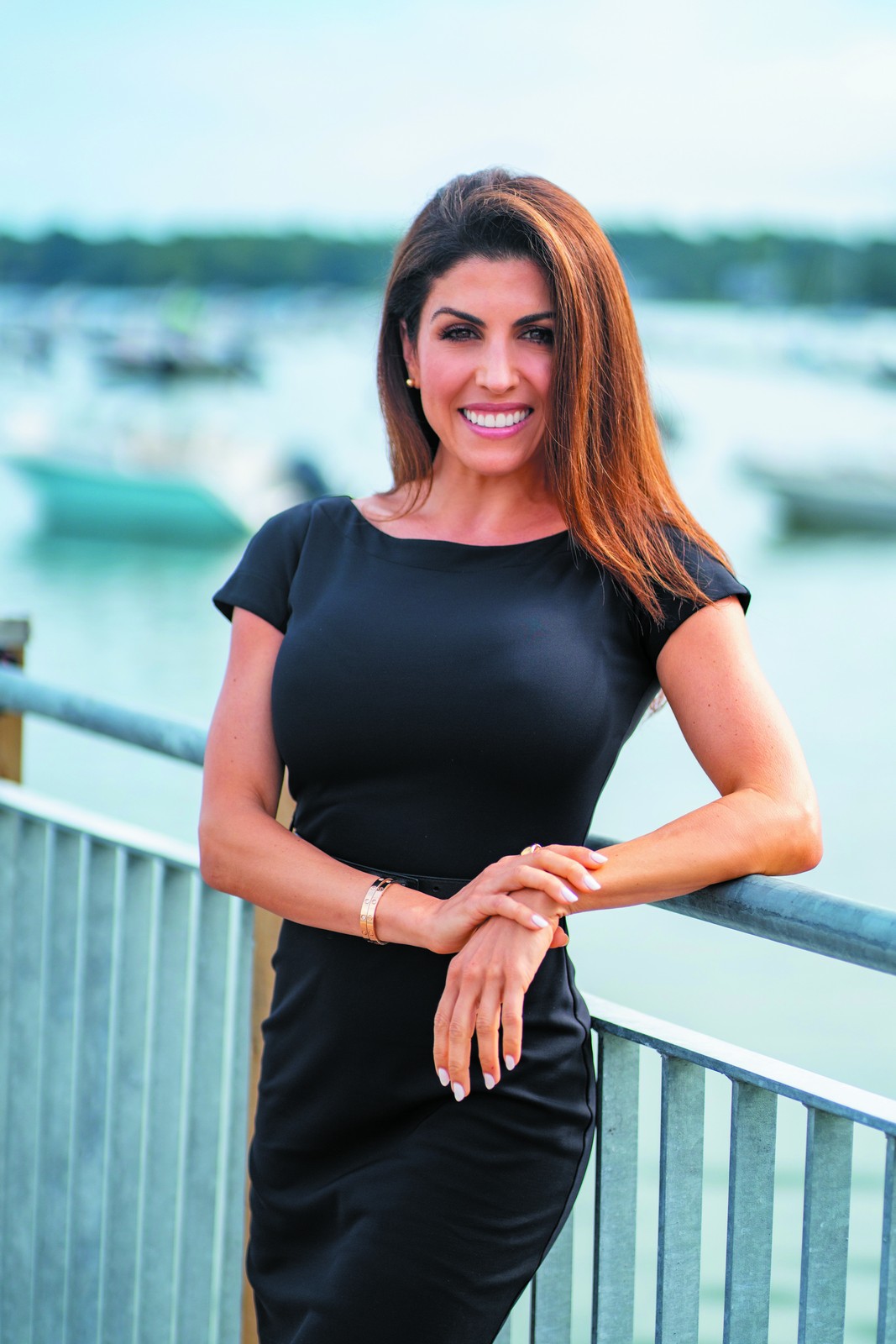
Renee Joyal
Renée Marie - With over 20 years of personal exploration, study and research, Renée has a
uniquely genuine voice that shines through in her newest tome of everyday practice and the
importance we place on the legacy of our health. Renée has spent over a decade researching functional medicine and the impact on health including Yale University course studies on the Science of Well-being. While incorporating movement, mindset, and nourishment as a central part in health and healing. Heath & wellness instinctively became a lifelong pursuit and passion while determinedly searching for answers to live a better life. While overcoming the obstacles of a life-threatening illness and autoimmune disease Renée is also a survivor of a drunk driving accident. Her resilience and perseverance to keep her mental and physical wellbeing in shape has saved her a life of pain and affliction. Renée is compelled to share her knowledge and research that has helped her navigate a wholesome, beautiful, strong body and mind. Today she currently lives a healthy and active lifestyle incorporating daily Pilates, yoga, cycling, strength training and nourishing recipe curations. Renée currently resides in South Florida and Cape Cod, Massachusetts.
📚 Books by Renee Joyal
Transcript
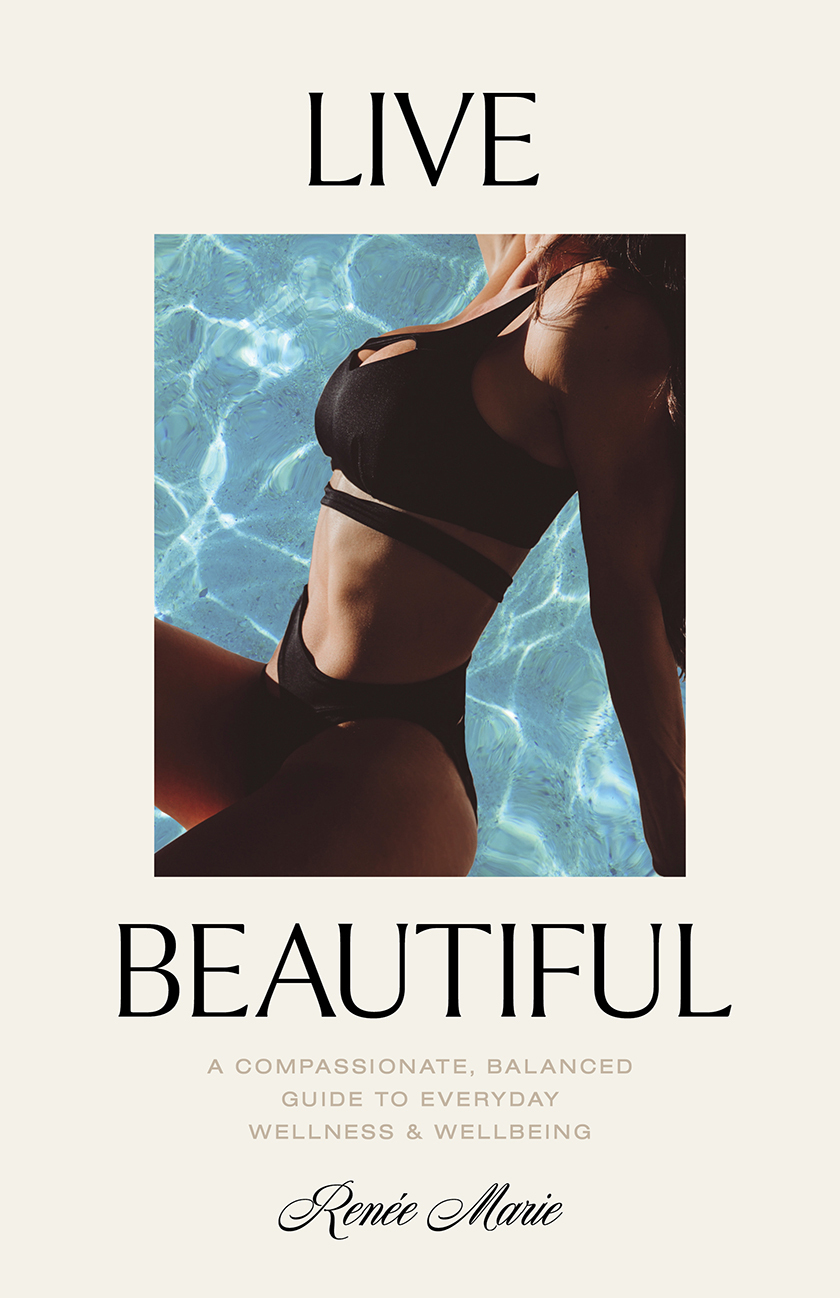
[0:00:22] HA: My next guest suffered a life-threatening illness in early adolescence, enduring multiple surgeries and months in the hospital. Doctors told her to expect a life marked by pain and limitation. Welcome to the Author Hour Podcast. I’m your host Hussein Al-Baiaty and I’m joined by Renée Joyal, who is here to talk about her new book, Live Beautiful: A Compassionate Balanced Guide to Everyday Wellness and Wellbeing. Let’s get into it. Hello everyone and welcome back to Author Hour. I’m here with my friend, Renée Joyal, who is here to talk about her beautiful new book. It’s literally called, Live Beautiful. Renée, thank you so much for joining me today.
[0:01:08] Renee Joyal: Thank you so much for having me.
[0:01:10] HA: Yeah, this is so great. Like I said, you know, before we got on the recording, that you know, I’ve been able to kind of swift through your book and it was so, sort of like, easy and it felt like a magnet. I just kept being pulled in and I had other things to do so, I had to put it down. But –
[0:01:25] Renee Joyal: That makes me so happy to hear. Thank you so much.
[0:01:26] HA: Yeah, it was so beautifully written. So great job on that, congratulations on launching your book. I’m super excited to just have you on but before we get into the book and all the juicy stuff that you took so much time to put into words, I really want to share with our audience a little bit about your personal background. Perhaps, where you grew up and maybe, what led you down this path, maybe a person or an event that occurred that got you on the path that you’re on today in your wellness and healing, yeah.
[0:01:54] Renee Joyal: Sure. So I grew up in Massachusetts. I have an amazing family, my mom and dad, still married, they’re 40 years married. I have two sisters that were very close in age and what really led me to my lifestyle and the way that I live today, I grew up with a lot of health ailments that imposed a lot of restriction on my life and I was given labels and circumstances that were something that I was told, you’re a child, you’re healthy, and then you’re not, and this is how you’re going to have to live the rest of your life. So I struggled for quite some time but it had changed the trajectory of how I live my life and who I am today, and how show up in the world.
[0:02:43] HA: Yeah. So talk to me a little bit about you know, being young and being diagnosed. Can you talk to us a little bit about sort of what you were diagnosed with and you know, go a little bit further on like the limiting beliefs that were sort of, almost wanting to be imposed on you?
[0:02:58] Renee Joyal: Yeah. So I was always a healthy kid, super active, I was involved in every sport you could imagine, always happy. Everyone’s always commenting on how much I smile or talk and all of a sudden, age 11, I became really ill with some hormonal issues and then I was triggered with an internal staff infection, which actually almost took my life at one point and then landed me in the hospital for 10 days. It was a blood infection that was affecting my heart, my liver, my kidneys, and my lungs, and I recovered from that and then I was like, “All right, I’m good to go” and you know, again, you’re a kid. You’re a young kid and you know, I was doing fine and then still maintaining the same lifestyle, you know, you’re young, you’re eating America's processed foods and I ended up struggling with some severe chest pain and some health issues. I felt like I had an elephant on my chest as I would take a walk just take a walk to the stairs and that’s not me, I’ve always been super active. So after countless doctor’s appointments and doctor’s visits, my parents were amazing, bringing me everywhere, I was told, “You know, you’re just growing, it’s probably your chest bone growing, it’s growth spurts, you’re fine, take some Ibuprofen.” Turns out, I was not fine and I ended up with a virus that was attacking my heart and my major organs, I ended up in the hospital for a very lengthy amount of time. Two heart surgeries later, and I was, you know, left the hospital basically saying, “You are not a healthy person, you’ll never be a healthy person, and you're going to have to live a life with limitation and restriction, and you probably won’t go to college or have a family.” So, in now in my adolescence, that’s pretty heavy information.
[0:05:06] HA: That’s a lot. That’s a lot, yeah.
[0:05:09] Renee Joyal: But at the same time, there was no information from doctors that told me how to eat, how to sleep, how to manage my anxiety because you can imagine that, never having anxiety before, you can imagine when someone tells you those things, naturally, you’re going to have a little anxiety.
[0:05:31] HA: 100%, yeah.
[0:05:33] Renee Joyal: And then there was also you know, you don’t want people to think that you can’t do certain things.
[0:05:42] HA: I feel like it’s one of those things that like, if you know something that will impact the child, it’s better to kind of – you know, I feel like, that being said to you triggered two things in my mind, right? For me, growing up, a lot of stuff was said to me, specifically from some of my teachers. Like one told me that like, I wouldn’t be an architect. I wanted to pursue things because I was – I didn’t speak great English when I was young, right? I came from a different country but I always feel like those hardships and especially having gone through surgery and heart surgery and then coming out of that and feeling so deflated, right? Because I feel like, any time we’re in and out of hospitals and especially when the doctors are like, “We don’t know what’s going on. We don’t know what’s going on” and then it’s like the worst thing that could happen to you. It’s like, “Oh, this has been happening and you didn’t know?” So it’s like one of those things, yeah. So that’s a lot for a young person to handle but you have a really unique resilience set of mindsets that I feel like you deployed. So what happen when you left that hospital and what did you start doing to kind of say, “You know what? All of these beliefs and limiting things, they can either define me or refine me” right?
[0:06:58] Renee Joyal: Absolute.
[0:06:59] HA: So tell me a little bit about what happened, yeah, in that moment in time?
[0:07:02] Renee Joyal: I chose to live by design and not by default. I wanted to live like every other child was able to live. I wanted to play sports, I wanted to go to college, I wanted to do excel in school, I wanted to – if someone told me I couldn’t do something, I wanted to show them I could. So I became, still, feeling extremely unwell. You can imagine no energy, lethargic, nauseous and you know, I was – my hair was falling out. I was becoming so ill even just from the medications, as a side effect from medications that you’re ingesting. So I had to figure out first and foremost, “How can I eventually come off of these medications?” which really scared the hell out of my parents at the time but I said, “I can’t, you know, they were making me so sick.” I didn’t know if I was doing better with them or without them. So I said, “How can I start to see improvement in my life in day-to-day?” So I became my own researcher and my own practitioner at a young age. So now by this time, I’m probably 17, 18 years old and I am researching everything under the sun. You know, how you hydrate, how you eat, how you sleep, how you move your body, the thoughts that consume you, the quality of your thoughts, your mind, and it really did make an impact on how I was feeling and making small lifestyle changes and this is not an overnight thing and I hope that people understand that, that micro-changes can have a long-term effect. So for me, it was making small improvements in my life, even with the people that I surround myself with, are they good people? You know, that are not draining from you or people that are there for you. That affects how you feel and how you can recover and how you can heal. So my life totally changed and I’m very passionate about it because it does affect how you feel and I am living proof that how you live your life can have a long-term effect.
[0:09:23] HA: You know, I love that you mentioned that you know, you wanted to live your life by design and that you wanted to create a life that you wanted to feel healthy. You wanted to embrace the certain things and really, the only answer to that is you taking the reins, right? You taking control and saying, “I’m going to research everything. I’m going to figure out how to get healthy” because the answers I keep getting are not leading me to it or even the medication I’m getting, it’s not leading me to a prosperous life. A life that I want to live and I think, by making this decision I think of just taking responsibility, if you will, almost accepting what’s happening and taking on that responsibility. You may not have known it then but I feel like that’s what it looks like for me, you kind of took responsibility.
[0:10:10] Renee Joyal: Oh, absolutely.
[0:10:11] HA: Yeah, yeah. So tell me a little bit more about that.
[0:10:14] Renee Joyal: Sure. I mean, nobody can make changes in your life for you. You’re really the only person in the driver’s seat. So you can have a support system and you can have people in your life, which I highly recommend having a strong support system and it’s just surrounding yourself with good people but you really have to nurture yourself and be your own researcher, be your own advocate. What makes you feel good, what lifts you up, what gives you a sense of purpose? You know, you really have options in your life. You can look at things and say, “Let me find the best in the situation” because you're not going to find any good in a negative situation or in a negative mindset.
[0:11:04] HA: Right.
[0:11:05] Renee Joyal: So even finding one thing that could help me feel better or lead to a path that I could come out stronger on the other side, it was worth it.
[0:11:18] HA: Yeah. What was that one thing for you thought? You know, what did you start leaning into as far as like, taking the first steps towards improving your health and well-being? Was it the food, the air, the people, like, or just the mindset?
[0:11:33] Renee Joyal: There is so many things but I would say number one and you know when you’re young, nobody ever wants to sleep but sleep is the foundation of health. So if you are not getting a good quality sleep, you can’t give your body the time that it needs to actively heal and regenerate and also the sleep affects your mood and your energy, and your – the quality of your thoughts and then how you eat. So usually if you’re not sleeping well, it’s easier to eat a little unhealthier the next day or not want to exercise or move or – I really do think that sleep is the foundation of health.
[0:12:18] HA: That’s so powerful, and I’m 37, and I feel like I wasn’t up until like this last year that I realized how important sleep is. You know, you always know that, of course. Everybody – it’s like eating healthy or exercising. It’s like you know that but knowing and doing are two different things, right?
[0:12:35] Renee Joyal: Absolutely, absolutely. So don’t get me wrong. I mean, I do like to – I am more of a morning person. I do like to go to bed early, so there are occasions where I’m an old lady but there are occasions, you know, where you have a late night, but it’s okay as long as you are maintaining the balance the majority of the time. If you’re able to track your sleep, get good quality sleep, allow your body that time to heal and regenerate, it makes a significant difference and impact in the next day.
[0:13:10] HA: Yes. Yeah, I know in my life, once I started really like, you know, setting myself up, positioning myself up that you know, prioritizing sleep, I think that was the big shift for me was that I know if I sleep well, I’m going to be sharper tomorrow. That’s just how it goes, right?
[0:13:28] Renee Joyal: Yes, absolutely.
[0:13:29] HA: For me, once I kind of started feeding myself that new narrative about how important sleep is, things started shifting, man, I just became a lot more clearer earlier on in the day. Like you said, I’m kind of eager to get to the gym because I am energized in the morning. I am refreshed and just like everything else, right? Your Tesla needs a charging, your brain needs a charging and we could probably talk about sleep forever because it’s so amazing. But I want to get into a little bit about like in your experiences, what are some of the most common misconceptions people have about this idea of just healthy living? How do you address that in your book?
[0:14:07] Renee Joyal: Well, I think that people think that you have to fall into a category or a fad or a trend and a lot of that falls with restriction and that’s not sustainable. Living with restriction is just not enjoyable and for a long term, it’s not fun. I wouldn’t recommend it. So for me, I think that you have to find something that you enjoy, and find what works for you, what makes you feel good. Usually, when you start feeling good, you’ll enjoy what you’re doing and you’ll want to do it again. So I think I’m around so many people in today’s society that also just what we’re exposed to and you know, social media and in this digital age of diet trends and you know if you’re – everything has a label or a name. I really don’t fall into any of those. I think that you have to do what works for you and it has to be within balance and without restriction because otherwise, it’s not going to work long term.
[0:15:18] HA: Yeah. I think some of the best health and well-being sort of advice I got was from my wife. She’s remarkable and that she very much takes care of her health and got me going to the gym when we first met because I was super, you know, just building my business. I was working lots of hours and she saw what that was doing to me, obviously, and she kept thinking and I’m like, “Yeah, I will go to the gym and get buff” you know? This is like eight years ago, almost 10 years ago now, so definitely different mindset but you know it’s that persona of what I felt like I needed to do was to have this body, right? Her mindset was just like, “What do you need to do to feel good inside?” right? Because that is always going to be an outward sort of like –
[0:16:06] Renee Joyal: Of course.
[0:16:06] HA: Once you focus inward, it will kind of display itself outwards, right? She’s like, “What if you just go to the gym to feel good and not necessarily need to like pump all the weights and get exhausted and not go back for another month, you know?” I’m like, “Oh, okay.” So that slowly shaped my thinking and it’s like eating this much, it tastes good, it feels good but then you feel lethargic then you’re like laying down for hours, right? Or whatever it is, what is something that’s going to do the opposite? Once you eat it, it is actually going to give you that energy that you want and so once I started thinking in that because of my amazing wife and her mentality and how she thinks about health, I slowly started sort of reframing my own experience and reframing my day to day activities and you’re right, I love that you said this idea of micro-changes. Can you go a little bit deeper on that with the micro-changes and what’s maybe like a couple of micro-changes that we can do as listeners that you sort of applied it in your life that you feel have just added up to just so much significance?
[0:17:12] Renee Joyal: I mean, they sound so simple but honestly I think that we overlook some of the most basic things sometimes that have such a huge benefit. For me, I would say I bookend my day. So meaning how I start my day and how I end my day are two pivotal moments that have to take place, at least five days a week so that I have that balance and I have just that time so that it’s not so strict. Not every day has to be in that same sequence but how you start your day and how you end your day are so important. You have to wake up and just tell yourself, “You know today is going to be a great day” or “Today I’m going to feel good” and you know, start your day. Hydrate, map out your day, what you want to do for your life, whether it’s for your family, for your business, your routine, and then also how you end your day is so important because that’s setting you up for a good night’s sleep, which is also starting you for your next day. So that is a micro-change that I think is absolutely necessary, it’s how you start your day and how you end your day and I would also say hydration. I think that especially as a kid, I don’t remember ever anyone telling me drink water. I just don’t think that occurred but I do think that you know if you’re not drinking water or if you don’t enjoy drinking water, find a way to hydrate that’s enjoyable. You know, whether you make it a citrus water, make herbal-infused teas, you should be hydrating all day long. You know, we’re like plants, you have to water a plant if you want it to thrive.
[0:19:04] HA: Yeah, I love that so much because I genuinely believe that for me, having made that mind shift in you know, more hydration, honestly just thinking about it, right? Just being aware, knowing that how you are in the day and how you feel is completely correlated with what you eat, drink and how you sleep, and how much movement you get. It just dictates the rest of how your day can go or how your week can go. I love that these micro sort of small adjustments – I do a thing at night where I just call it the brain dump. In order for me to go to sleep, I just have to write down all the BS that’s on my mind in that moment, you know? Whether it was good, bad, whatever, just get it out on paper and kind of – and then sometimes, not all the time, I like to start my day by kind of planning out the day but sometimes kind of leaving notes in. For, “Okay tomorrow, I’m going to think about X, Y, and Z but that’s tomorrow’s problem” right? And just kind about like telling myself that I kind of disengage with having to really think about it and stay up all night thinking through it and worrying and I kind of put those worries onto paper and get them out and 98% of the time –
[0:20:15] Renee Joyal: Oh, I highly recommend that.
[0:20:17] HA: Yeah, it’s so powerful and I don’t remember where I learned that but it’s so powerful. Can you share a little bit of a story of someone that you’ve helped implement some of these tips and practices from your book and what kind of significant improvement in their health or well-being?
[0:20:32] Renee Joyal: Well, it’s amazing, I actually never intended on writing this book, but my sisters, who are just two beautiful amazing women, they’re always coming to me with questions or they’ve never had a health issue in their life, God bless, and you know, but still, you can have struggles. You can still feel unhealthy at times, you can still not feel good at times or have worry, and I wanted to put something together for them. I said, “Let me help you with this” whether it’s diet, nutrition, what you’re eating, how you’re moving and I started this book for them and honestly, just seeing them evolve and how they live their lives and just some of the small changes that they’ve made and how appreciative they’ve been or the realization, watching the realization that, “Wow, this actually – something so simple can make me feel so good” that’s been very rewarding.
[0:21:29] HA: I love that so much. I love that it just comes from such a core and deep place, especially with our siblings looking up to us in those ways and I know this book is going to significantly help so many others but what was your favorite part of pulling this whole book together? What was that journey like for you?
[0:21:45] Renee Joyal: Well, the journey is a long journey. Writing a book is no joke, the commitment was there. So as I was writing this book, I experienced more life obstacles in this journey, which actually was just more of a reason to say, “Renée, you have to finish this book.” So I’m so happy that I did and it was just a commitment that I wanted to be able to share it with my sisters and then it turned into so much more than that. I said, “If I can help one person that maybe is going through challenges in their life” because we all have challenges, there is no escaping it. We’ll all experience challenges in some capacity, whether it’s family, health, financial, relationships, we’ll all experience something, and if I could help one person then this would be all worth it to me.
[0:22:40] HA: That’s so amazing. What do you think that one person, what do you hope they get out of reading your book after putting it down? What do you hope they feel?
[0:22:51] Renee Joyal: I hope that I can give someone the energy to carry on a lifestyle that is something that they enjoy and that they can move through life gracefully knowing that things are going to come into our lives but find a way to enjoy it and feel good in the process and not take life too seriously. You know, just to – I am really hoping that I can help someone live a healthier life, something where you really just appreciate the present moment and enjoy the journey and not just the destination.
[0:23:30] HA: Yeah, that’s so powerful. I love that so much because it comes from a very pure place and having read parts of your book, your stories, and your experiences are, I don’t know, they’re essential to read through because you really shed such an amazing light on resilience and that’s I think resilience is one of my favorite words and it’s one of my favorite human sort of attributes that’s already built in and we all have it. It’s just how is it, what is it exposed to, and how is it activated and I think, you know, for you being exposed to such health ailments at a young age, it really sort of unpackaged your resilience at an early age and now that you’re able to speak from those experiences made your book so much more powerful and I just can’t wait to like pick it back up this week and push through it.
[0:24:22] Renee Joyal: Oh, thank you so much.
[0:24:23] HA: Yeah, like I said, I resonated with it. You know, I was at a young age I was in a refugee camp, all these things that happened, and obviously, when you’re young, you can’t make sense of it all but you know, later in my late teens, early 20s, when I got into college finally and all these things, I started realizing how much that played a role in my life and how strong I was by just having gone experience that.
[0:24:47] Renee Joyal: No, that’s amazing.
[0:24:48] HA: Yeah, it didn’t necessarily defined who I came to be and all these things but it definitely, to me, gave me a knowing of what I’m able to do, what I’m capable of and that’s really – that is so empowering and I feel like for me, just reading a little bit of it, that’s what it reminded me of. It reminded me of my inner strength and I love that so much.
[0:25:08] Renee Joyal: You know, we all have micro or macro traumas in some way or another but if you’re able to turn your pain into purpose and use those experiences to help others and you’re unknowingly helping yourself at the same time.
[0:25:26] HA: Yeah, that’s so powerful. Well, Renée, it’s been an absolute pleasure having you on.
[0:25:31] Renee Joyal: Oh, it’s been amazing speaking with you.
[0:25:33] HA: Yeah, I know that people are going to learn so much from you and your book and I know again, it’s going to resonate with a lot of people. The book is called, Live Beautiful: A Compassionate Balanced Guide to Everyday Wellness and Wellbeing. Besides checking out the book, where can people find you, Renée?
[0:25:50] Renee Joyal: They can find me at livebeautifulbook.com, is my website or you can find me on my social media Instagram page, which is @reneemarie_livebeautiful.
[0:26:02] HA: Love that. Thank you so much, Renée. It’s been an absolute honor just having you on today.
[0:26:07] Renee Joyal: Oh, I appreciate it. Thank you so much.
[0:26:09] HA: Absolutely. Thank you all so much for joining us for this episode of Author Hour. You can find, Live Beautiful: A Compassionate Balanced Guide to Everyday Wellness and Wellbeing, right now on Amazon. For more Author Hour episodes, subscribe to this podcast on your favorite subscription service. Thanks for joining us, we’ll see you next time. Same place, different author.
Want to Write Your Own Book?
Scribe has helped over 2,000 authors turn their expertise into published books.
Schedule a Free Consult