Charles Ryan Minton: Thanks for Coming in Today
Read the full transcript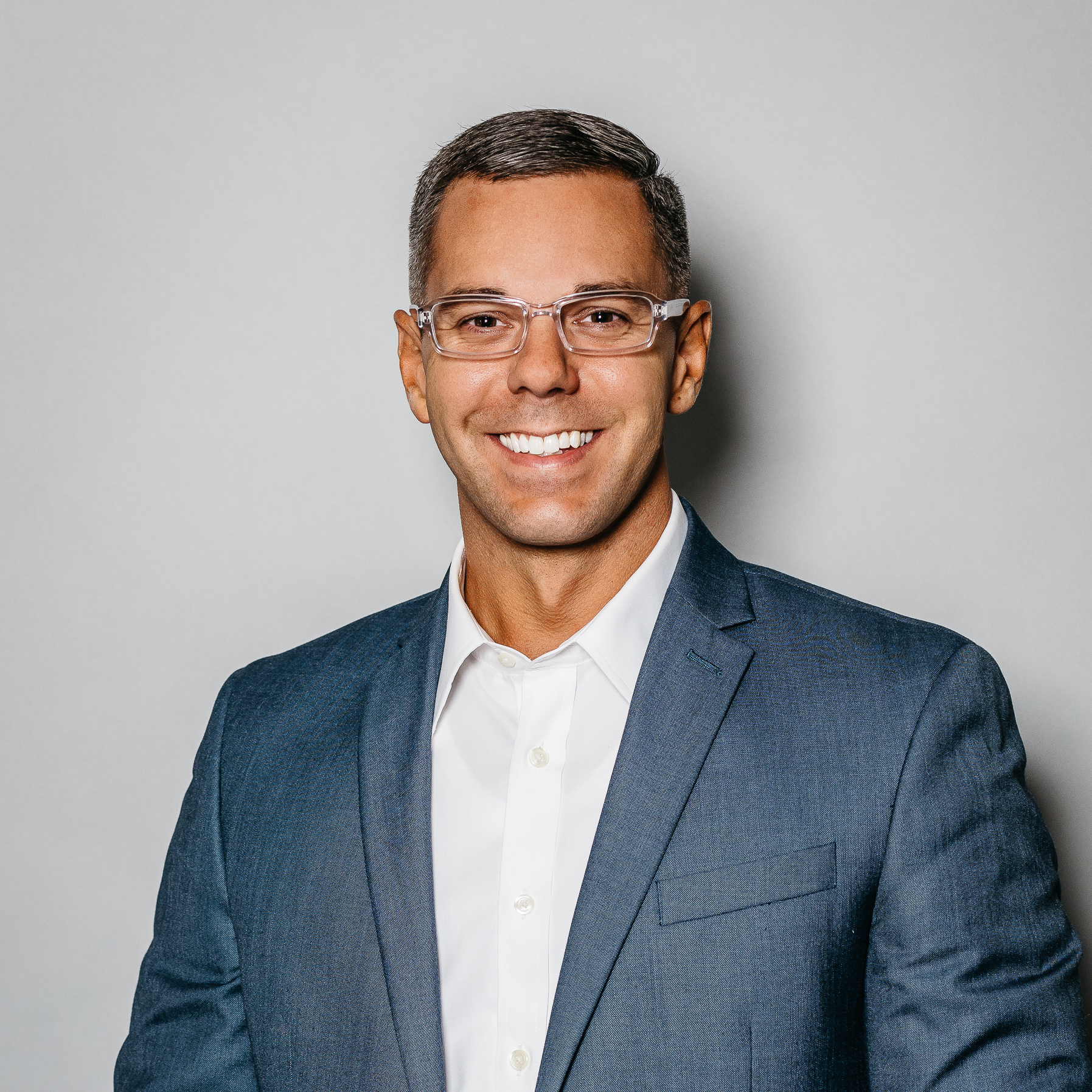
Charles Ryan Minton
Charles Ryan Minton is a customer service expert, keynote speaker, and the president of CRM Hospitality and Consulting. An award-winning hotel general manager, he has more than twenty years of experience leading world-class hospitality brands, including Hilton and Marriott. He is the bestselling author of Thanks for Coming in Today: Creating a Culture Where Employees Thrive and Customer Service Is Alive, which shows leaders how to build and retain an all-star service team by creating an environment where employees can thrive.
📚 Books by Charles Ryan Minton

Transcript
[0:00:17] CH: What’s up everybody, it’s Charlie Hoehn, the host of Author Hour where I interview authors about their new books. Today’s episode is with Charles Ryan Minton. He is the author of Thanks for Coming in Today. Charles is a customer service expert, he’s a keynote speaker and he’s the president of CRM Hospitality and Consulting. He’s also an award winning hotel general manager, that was what he did before this and he worked with some of the world’s biggest brands, helping them shape their customer experiences. Companies like Jaguar, Land Rover, Hilton Hotels, Marriott, Ultimate Jet Charters, Delaware North, you name it, he helped them improve their customer experiences. In this episode, he’s going to be laying out all his wisdom that he’s accumulated in his career, learning about all-star customer service and how to create an environment in a culture where your team can thrive. If you feel like there is a real opportunity at your company, to improve employee engagement and to be able to elevate the customer experience, this is the episode for you, he’s going to give you immediate low cost solutions that can transform your culture into a customer centric enterprise. Now, here is our conversation with Charles Ryan Minton.
[0:02:02] CRM: At a very young age, I knew I was born with hospitality in my blood and so after college, I gravitated towards the hotel industry and my first hotel job was at a Marriott and I was the front desk manager and I had a young man named Jason who works for me who is a hospitality student at a local university, he was aspiring to be a hotel general manager. Jason was just the kind of guy who as an employee, you just wanted to just replicate him and just put him in every department because he was so incredible on so many levels but the biggest thing was his attitude and his energy. It was really funny because Jason actually was very much like a country boy with a little bit of a Twain in his voice but when he put that suit on, you would never know, except for his giant belt buckle that I allowed him to wear. Jason would come in to his shift with this energy that was unlike anything I had seen before and he would seek me out and when he got to work and he would come up to me and just give me this really like strong handshake, look me right in the eye and he’d say, “Thanks for coming in today, Ryan.” It was funny because I was his manager, really, I should be thanking him but he was thanking me. In a funny way, it was really endearing and it made me feel like I mattered. I watch Jason do that with everyone, with his coworkers, with the guest and Jason was just – like I said, “I wanted him in every department.” I kind of became a little bit of a mentor to Jason, I took him with me to another hotel as he moved up the ladder and one night I got a really difficult call from his fiancé that he had been killed in a car accident.
[0:04:01] CH: My gosh.
[0:04:02] CRM: I know, it was devastating and he had so much in front of him, he was a young guy and he was about to graduate with his degree but I found myself as kind of a way of honoring him as I started to say, “Thanks for coming in today,” to my staff, to guest and before I knew it, it was just becoming this part of me and as I progressed through my career and I would go to a new location or take over something a new project, you know, I’d say, “Thanks for coming in today,” to a new employee. A lot of times I got this kind of you know, “of course I’m here, you know? You’re paying me to be here.” They thought I was you know, being sarcastic but I would explain no, really, thank you because if you didn’t come in today, you have a choice to come to work. If you don’t, it impacts everything, it impacts your coworkers, it impacts your managers, it impacts the guest in and it ultimately impacts the bottom line. I just adopted that and as funny as it sounds, I run into ex-employees and they say to me, “you know, I miss you saying that.” I realize there was something to that. That’s obviously the title of the book and what I’m really focusing in on is the importance of showing sincere appreciate to those that work for you. The reality is that it’s critical because if employees feel valued, they will turn around and make customers feel valued. To me, t hat’s really where it hits home for me and why I title the book, Thanks for Coming in Today.
[0:05:53] CH: That’s beautiful and heartbreaking story and great way to honor him. I’m curious, when it comes to shaping a culture, is it really just as simple as saying thanks to your staff? Thanks for coming in today?
[0:06:12] CRM: When you strip it all down, I do believe that certainly there’s other things that have to happen but one of the things that I really focus on in the book is that as a leader of a department or a manager of a business. A lot of times you don’t have control over the budget. You don’t get to decide how much your employees make or how much you can spend on doing a particular sign of appreciation for your team, et cetera. What you can control is your ability to create a positive working environment. That’s so critical and I’ve always said that as a GM of a hotel or when I was a GM of a hotel or any leader that has someone or a team of people reporting to them, your number one responsibility, your ultimate responsibility is to create an environment where people genuinely want to come to work. Because that’s the first step. If you can do that then, other things can start falling into place but if you have people that are coming – that don’t want to come to work, you’re already starting off on the wrong foot.
[0:07:29] CH: What are some simple or even surprising ways that companies can actually start to create that environment?
[0:07:38] CRM: In the book, I talk a lot about how the employee experience really should be right in alignment with the customer experience. All the things that you hear companies and brands talk about that they’re doing with their customers. Very easily translate to the employee. For instance, Marriott likes to surprise and delight their guests. Well, surprise and delight your employees and what I mean by that is you know, look for opportunities just like you would with a customer where you’re listening and you’re looking for queues on how to make an impact on a customer experience. Look for queues and opportunities with your employees so for instance, you know, if you overhear that an employee is moving into a new home in a couple of weeks. Make a mental note of that, put it on your calendar, step away, because that’s a big deal on someone’s life, that’s a big deal in anyone’s life. When that time comes around, you send a house warming gift to their home from the entire business. Can you imagine the impact that would make on someone that their place of employment thought to do that? I talk a lot about in the book of just as you would try to find opportunities to impress the customer, you got to try to find opportunities to impress your employees.
[0:09:01] CH: Absolutely. Now, tell me some other stories from this book. I mean, some of the chapter titles, maybe things that business owners have heard they need to do in order to instil a better culture but share some stories from the book in what makes it unique?
[0:09:21] CRM: You know, I talk a lot in the book about the importance of being present as a leader and as a manager. It’s very simple to say you know, roll up your sleeves and get dirty but I think that a lot of companies say that or a lot of managers say that but you have to be intentional about it. Especially know because there are so many distractions when you are managing a business, whether it’s a restaurant or retail location or hotel or anywhere. Especially with technology. If you’re not intentional about being in the frontline then a lot of times it will not happen. As a general manager, one of the things that I did was I would get to the hotel by seven AM and I would literally be in the lobby from seven to nine AM. I wouldn’t even go to my office. In the hotel where we refer to that as lobby duty or marble duty or lobby lizard. Not all GM’s do that and because it can feel like there’s so many things that I need to be doing right now but it is so crucial to be present because there’s a lot of things that happen organically just by you being there. I dive into the book about how being there, especially at the beginning of a shift can set the tone for the day, it instills trust to your employees that you’re going to be there if they need some help. It gives you a sense of confidence about how the day is going to go. I talk in the book about how you should make time to work in every department, even if it’s just for a few minutes. You know, one of the things that I always found really entrusting about being a GM is that when the sky was falling or all hell was breaking loose and something was happening. Maybe two tour buses just showed up and they’re all trying to check in at the same time. You get the call that it’s going crazy, we need help. I would pick up my fire hose and just run down the hall and want to go help and then when I would get there. Say "hey, how can I help," it was, “we’re good.” There’s just something about showing up that was so key and I know that that just goes a long way in fostering an environment where your employees feel like that you’re part of it that they’re a part of it and that they can trust that you’re going to help them whenever they need it.
[0:12:08] CH: I’m curious, what other lessons you learned Charles from testing out work in multiple departments, what did you notice, what did you learn?
[0:12:19] CRM: Yeah, I mean, one of the things that I really caught on early on was when things were just going crazy or something unexpected happen. There are departments where I didn’t know necessarily how to do exactly the task within the department and I learn very quickly that you had to be okay with that. I remember specifically the first time this really dawned on me was, as a young manager, I was running a hotel at night and we had a- I was an airport hotel. The airport called and said “Hey, we just had a whole bunch of canceled flights, we’re sending you a hundred people.” It was almost closing time in the restaurant. Needless to say, these folks were coming to us already frustrated, they weren’t getting to their destination and they were hungry, I mean, they had been in an airport all day, they did not have any food and we had one restaurant. You know, the shuttle van start bringing them over and they’re just you know, crushing the restaurant.
[0:13:23] CH: How did you feel in that moment? I mean, were you panicked or had you seen this before?
[0:13:29] CRM: As a young manager, seeing it for the first time, I was panicked. I was, I was like, you know, what’s going on here and my immediate response was to go in the kitchen and try to help and so, I threw on an apron and I jumped on the back line and I was grabbing tickets and I just absolutely like made it a hundred times worse. Because these guys, they had a rhythm, they had a system, you know? I’m not a cook but I felt like, “Oh my gosh, I’m the manager on duty, I have to help this.” I ended up doing so much damage, I mean, our wait times were probably –
[0:14:10] CH: Like, what did you do?
[0:14:12] CRM: I mean, it got to the point where finally, the guys were like, “You need to go, you need to get off the line” and in that moment, I was very frustrated, I felt like you know, they should want my help and you know, again, I was a young manager and I felt like I could help wherever I want and could jump in and – I realized, I can’t help if I don’t know exactly what to do. I have to be okay with not knowing exactly what to do and there’s things in every situation like that one where you can help and not be the expert in that particular area. You know, I can help with the wait staff and help them clean tables or get on the other side of the line and get trays of food ready to go to go out to the dining room or you know, there’s a giant pile of dishes that were piling. Help out there but – as my career progressed and I learned that and I would respond differently obviously in those situations where you know, when the kitchen did get slammed, I would go in and help in the dining room or help on the line, putting up plates rather than getting back there, trying to flip burgers or prepare a steak perfectly. Just being there is just – there’s just something about the morale that changes, there’s something about the team that just really embraces seeing the leader come in and say hey, I’m here with you, we got this.
[0:15:44] CH: Man, that story was particularly funny to me because I have been in almost the exact same situation and I’ll tell you real quick what happened. I was put in charge of planning an event where 130 people were coming in from all over the world and for this four-day conference. I thought I had every detail meticulously planned perfectly. A lot of these people, they paid a lot of money to come. We had like a wine tasting setup the first night and everything and this is great, perfect. They finish up with the wine tasting and I realized, it’s dinner time. All of them want to eat and the restaurant at the hotel is closed. I have nothing planned for this. It is like the one detail I’ve overlooked and like you say in your book, first impressions matter. That feeling of panic of a hundred plus people wanting to eat, I totally get and I did not quite go back into the kitchen to start putting on an apron and flipping burgers but I do remember saying something to the effect of to the hotel manager, please, please, open your restaurant, I will pay any amount of money for you to get people in there right now.
[0:17:10] CRM: Well, I want to help you feel a little bit better in that that happens all the time. I understand where you’re coming from in that and it does happen a lot. The good hotels will keep the restaurant open for you.
[0:17:23] CH: Yeah. They accommodated, thank the lord. You’ve had to learn a lot of these lessons the hard way I’m sure. Do you have any stories, part on of your book is about creating that culture of success. You talked about like first impressions matter, setting the bar, lead, don’t manage. Treat your employees like customers, are there any other stories you want to share from this section of the book?
[0:17:50] CRM: One of the things that I really think is so important is understanding immense responsibility you have, especially in a service industry of potentially being someone’s first boss. I hate that word boss, I really try to stay away from it but a lot of people relate to it. In a service industry, there’s a lot of people that’s their first job. You are the first manager that they may ever have and so, you know, I think my first manager is the reason why I feel this way, you know, Brian Perkins was my first general manager. He was amazing, he was just the best to this day, the best leader I’ve ever had and so at a very early age, he modeled for me, what a great leader looks like and a lot of ways, that’s why I am the way I am today because of him. In the service industry, you have to understand like you have a big responsibility, you’re modeling for people potentially what a boss looks like for the rest of their career and you know, I always say you think about your first job, you always remember your first boss. It can be a really good memory or a really bad memory. You know, I think that that’s one thing that sometimes you have to pause and remember like “wow, I have a pretty cool opportunity here, I could really impact someone and their career."
[0:19:16] CH: That’s the truth, man, I definitely remember my first boss, good experience but yeah, you’re absolutely right. Now, let’s transition to part two of the book. This is about winning customer experience strategies. Tell me about empowering your people, how do you go about doing this?
[0:19:36] CRM: It’s easy to say you should empower your staff. I think a lot of people say that. Then, you’re on the flip side here, well, up to. They get to up to $500 they can do this. Or Ritz Carlton I believe has you know, an employee can do whatever it takes to take care of a guest up to $2,000. That’s incredible and you know, Ritz Carlton absolutely is the model for customer service in my mind but that is one area where I take a little bit of issue and that by saying that it is $2,000 you are saying, “Okay that is where we draw the line” and I think that empowerment really means that you trust your folks to the front lines to do whatever it takes to take care of that customer and you have to support that. So you know one of the things that comes to mind is I have a new employee at one of the hotels that I managed. And we had set up the expectation, “Hey whatever you need to do you have to take care of the customer. We don’t want the customer leaving here upset” and so a customer checked in, it was late and she checked them in. She did great and then the customer went down the hallway which in this particular hotel the elevators were a mile away and so this would happen occasionally and so the guest gets to the room and then five minutes later they’re back in the front desk. And they are just upset because the key didn’t work. I mean how many times have we experienced that right? We go to a hotel and the key doesn’t work.
[0:21:09] CH: Oh gosh, yeah all the time.
[0:21:11] CRM: Right and I think it is such a good example because this is where you have to understand that every guest is different. Every customer is different because when that happens depending on how your day went as a guest or what is going on that may not be a very big deal or maybe a very big deal and so this particular instance, I sit off the side. I wanted her to do her thing and she was very apologetic and she showed empathy and all the things that she should do. And then she said, “I am going to take care of your stay. I’m sorry this happened I am going to take care of your stay” and he was there for an entire weekend and I observed the guest –
[0:21:52] CH: When you say take care of your stay she just waved all of that?
[0:21:57] CRM: Yeah, we’re comping your stay.
[0:21:59] CH: For messing up the key?
[0:22:01] CRM: Right, exactly and I had observed the situation. I knew that this gentleman, I mean he was a little annoyed but he wasn’t –
[0:22:09] CH: He wasn’t huffing and puffing?
[0:22:10] CRM: He was blown away when she said that you know? So now here’s an opportunity, do I beat her up because she gave away the weekend and then potentially she’s never want to do anything for a guest again or do I maybe just use this as an opportunity to coach? And so that is what I did. I mean I absolutely applauded her for taking care of the guest and what she felt like she needed to do in that moment but helped her understand that maybe in the future that maybe free breakfast would have been fine. But the thing about this is I’ve personally interacted with guests where giving them the entire weekend because their key didn’t work would have been absolutely the right thing to do. So when you empower your team you got to be –
[0:22:57] CH: And just to pause you there Charles for interested listeners who would like a free weekend, what are the circumstances to make that happen?
[0:23:07] CRM: Maybe that will be my next book where I give you all the secrets to getting whatever you want in a hotel because I will tell you, there are ways. There are definitely ways.
[0:23:17] CH: I will, consider me your first pre-order.
[0:23:21] CRM: I will tell you this though, it definitely depends on the brand. There are certain hotels that are black and white and I talk about that in the book. I remember walking into a hotel that I took over in the back office and there was a huge chart on the wall. It was like a grid and it had if the guest is upset that the internet wasn’t working then you give them a breakfast coupon and if the light bulb is out in the room, you get 25 point and I immediately –
[0:23:52] CH: If this then that, it is like programming.
[0:23:54] CRM: Yeah and I immediately ripped it off the wall because if you start having prescribed responses you are taking away from the authenticity of the interaction with the guest. So I can’t stress it enough when you are empowering the team and I carry this a lot when I am working with new customers. You know they are going to give away the house or we’re going to go broke because we are giving everything away. I can confidently tell you and I tell them that never happens. I never experienced it and the times that they do have to give away something, it’s so much better in that moment to do it in there than potentially the backend. Stress, financial issues, impacts of social media negative reviews, all of those things you can have. You know I literally would argue with this point in where we’re at today that the value of a positive or negative social media review far outweighs any marketing dollars that you are going to spend.
[0:25:02] CH: Social proof, yeah I fully agree and I am sure you’ve seen those types of moves actually result in those types of reviews.
[0:25:14] CRM: Yeah, you know I always say you have to celebrate when a customer complains and I know that sounds weird but I get excited. I mean I get excited if I get called to interact with a really upset customer because it is such a huge opportunity to turn that person around and a lot of times, they can literally become your most loyal customer if you handle it properly.
[0:25:42] CH: I totally agree. I was just going to say that, I have noticed that the angrier the person is the further the pendulum can swing back the other way to the opposite end of the spectrum of totally delighted overjoyed blown away like the more volatile their emotional state the more of an opportunity it is.
[0:26:03] CRM: Yeah, it is huge.
[0:26:04] CH: It goes the other way too. If somebody is exuberant and overjoyed, you can turn them into a hater pretty quickly by messing things up.
[0:26:13] CRM: Oh yeah, absolutely. I mean that’s the flip side. That is the hard part is that you have to – I think there is a study, a Stanford study that said for every five positive experiences someone has all it takes it one to completely erase them and then you need five more to get it back.
[0:26:33] CH: Yeah. I think that applies to marriage as well.
[0:26:36] CRM: I agree.
[0:26:39] CH: Another subject and a future book, yes. So I am going to give you a deal –
[0:26:44] CRM: I’ll let you take that one.
[0:26:45] CH: Oh I don’t know if I could do it. I don’t know. I’ll let you do dealer’s choice here for this last topic. You have two chapters in this section of the book with interesting titles. The first one is everything speaks and the second one is aggressive hospitality, which one do you want to cover and tell a story about?
[0:27:07] CRM: Yeah, let’s talk about aggressive hospitality because a lot of people when I say that phrase there they don’t really understand what I mean by that.
[0:27:14] CH: It is a great phrase.
[0:27:14] CRM: Yeah and it goes back to my first general manager who I mentioned earlier, Brian, he was like a bull in a china shop in the lobby with guests. I mean he is just high energy everywhere and he modelled for me just what being aggressive with your hospitality was. There was no one that was going to come within his space that he wasn’t going to interact with and help and ask, “How can I help you? How are you doing?” and so when I talk about aggressive hospitality I talk about how you have to be over the top and there is a lot of people that do service well. But if you want to differentiate yourself from your competitors you have to be above average and the way you do that is being aggressive and so one of my favorite stories, there’s a restaurant group here in town that my wife and I are extremely loyal to and it is because of an interaction we had. My wife made reservations for my birthday at this restaurant. It’s called Boca and something came up where she had to cancel it and we didn’t end up going to our reservation. So fast forward several months, we go to the restaurant for a different occasion and I think we were with her sister and my brother in law, sister in law and brother in law and no special occasion just dinner right? And we order our drinks, well out comes the drinks and this beautiful plate of fried pickle chips and fried pickle chips are my favorite all time comfort food. I just love fried pickles and important to know here it has to be chips not spears because spears is too much pickle. And I probably should say this in the beginning but Boca is the nicest restaurant in Cincinnati. They don’t serve fried pickles. This is not a pub so I looked at my wife all excited like, “What did you do?” and she looks at me and she’s like, “I didn’t do anything” and so I looked at the server and she says, “We just knew you like fried pickles” and I am like, “This is incredible”. So of course you know I have to find out how this happened. And so my wife didn’t even really recall but when she had made my reservation for my birthday she mentioned that I really like fried pickles like months ago and they made a note of it. They have our system obviously just like a lot of places do. They made a note under our profile or whatever and they did it. You know if they would have brought out the fried pickles for my birthday I still would have been blown away but the fact that it was months later I was extremely blown away. To the point where I was like, “All right, I have to know more about how this happened, how this worked” and so I actually met with the chef and I actually interviewed him for the book. This restaurant group literally has a program in place called BPA and it stands for blow people away and they look for opportunities like what they did with us to blow people away because what that does is it creates a story that now I am telling you. I have told hundreds of others. So to me that is such a great example of what aggressive hospitality is and another thing I talk about in the book a lot is the whole book really is a lot of things you can do to impact your employee experience and your customer experience really doesn’t have to cost a lot of money. That probably didn’t cost them anything. I’m sure they already had some pickles in the kitchen, they threw some flour on it and they friend them up. That was dollars if anything you know and that made all the difference in our experience. So I think that is a key point in understanding that it is easy to get overwhelmed if you are trying to shift your culture that it is going to break the bank. No it is actually the opposite. There’s so many things that you can do and I talk a lot about it in the book that really doesn’t cost anything.
[0:31:34] CH: Now your book is set to come out in a few weeks from the recording of this podcast. So it hasn’t been out quite in the world long enough yet to really make an impact but the principles that you teach have affected many people that you have worked with including customers who come and experienced these services. So what are you most proud of in seeing the execution of some of these principles? Does anything really come to mind that sticks out?
[0:32:10] CRM: You know I think about the hotels that I have gone into and try to shift the culture and have shifted the culture with literally all the things that I lay out in the book and I don’t know, I think the thing I am most proud of is just watching that shift. The last hotel that I managed was the Marriott in Cincinnati and when I came into that hotel, the hotel was doing okay but it was really near the bottom system wide in Marriott for service and it wasn’t because they were giving bad service. It was that and a lot of businesses deal with this where their surveys are sent to the guest or customer after they leave and it is a one to 10 kind of scale. Well in Marriott if you get an eight or less on a survey from a guest it’s a zero.
[0:33:01] CH: That is a rough net promoter scale.
[0:33:04] CRM: Yeah and so that was what I quickly dug in was this particular hotel. We were just getting a lot of eights. So it wasn’t like we were given bad service and so on the flip side of that our employee engagement scores were actually the lowest in our company and so I just started to make very slow and deliberate steps that like I said, I outline a lot of it in the book and over the two years I watched as we shifted from being one of the lowest ranked Marriott’s to being the top 10 of North America out of over 360 Marriott’s. And I watch us go to the top of the list in terms of our employee engagement and all of the things that we as a team implemented really did not cost anything and really wasn’t – there weren’t resources that we when we got there were extra. We already have everything at our disposal.
[0:34:05] CH: So this is when I am wondering about this Charles is if it didn’t cost you anything, if it really didn’t cost a whole lot of extra time and money, why is it that more hotels, more businesses are not implementing these things? We all know the cost of employee disengagement. It is massive.
[0:34:25] CRM: That is the million dollar question and I think there is a lot of reasons why but I think the biggest one and it is one of those cliché things but it starts at the top and if you have someone whether it is the GM or the owner of the business who doesn’t embrace everything that we are talking about and doesn’t model it and doesn’t live it every day because it is a discipline. You know I go back to being aggressive. You have to come in aggressive on this every day. Every minute, every interaction and for some people, they get tired. They don’t want to do it. They just don’t for whatever reason. Their heart isn’t in it so I think that is why you don’t see a lot and then the other reason is and obviously I get into this in the book as well but you have to make sure you have the right people in place. You have to hire people that genuinely want to provide good service and care for people and that’s a lot of times the first step is you have to evaluate, “Okay, do I have the right players in place to do this?”
[0:35:42] CH: Well this has been awesome. I really enjoyed hearing these stories and as we wrap up here, I’ve got a couple more questions for you. The first question is what is the best way for listeners to get in touch with you, follow you in your journey that sort of thing?
[0:36:02] CRM: Yeah, I appreciate you asking me that. I love interacting with my followers on social media. So you can find all of my social media channels on my website, charlesryanminton.com. I am very active on LinkedIn. It is probably my most interactive social media platform and of course you can find me just by looking, searching Charles Ryan Minton.
[0:36:24] CH: Nice and it looks like you do some speaking as well just looking at your website.
[0:36:28] CRM: Yeah, absolutely. I speak to companies all over the world that want to engage with creating and bettering their employee experience, their customer experience, leadership.
[0:36:41] CH: Awesome. I can’t help but look at the testimonials on your site and your blurbs, you’ve got some big players on here. You’ve got the president of Small World Alliance who was a former Disney executive, people who run planet fitness, that sort of thing. So you’ve got a wide array of people you have helped in the service industry.
[0:37:03] CRM: Yeah, I think that is what I am very excited about. One of the things I am most excited about with this book is that if you’re in any customer facing business, I know there are parts to this book, actually all the book that will apply, it certainly rings very true for restaurants, hotels retail but really anyone that has a customer facing part of their business will find value in the book.
[0:37:33] CH: Awesome, so the final question I have for you is to give our listeners a challenge. What is the one thing they can do from your book this week that will have a positive impact?
[0:37:45] CRM: I think you know one thing that would be very, very simple, it is almost too simple but I know that there will be or you will see a difference and that is just apply the title of the book and you’re interacting, with interactions with your customers and with your employees, take the time, take a minute as you interact with folks to maybe you don’t have to necessarily say “thanks for coming in today”. You can take it but just say, “Hey I really appreciate you being here today”. You will see people’s eyes light up, you will see people respond because it is so easy to get in the grind every day of the customer service things that we have to do all the different tasks and sometimes we forget. We need to take a minute and thank the people that are making it happen.
[0:38:41] CH: The book is, Thanks for Coming in Today. Charles, thanks for coming in today.
[0:38:47] CRM: Thank you for coming in today.
[0:38:50] CH: Thank you for coming in today.
[0:38:53] CRM: It’s my pleasure.
[0:38:53] CH: Or you can just keep escalating. Thanks again to Charles Ryan Minton for being on the show. You can buy his book, Thanks for Coming in Today, on Amazon. You can also check out the show notes for this episode and all of our other episodes at authorhour.co. Thanks for tuning in on today’s show. If you liked what you heard, here is what I want you to do next. Open up the podcast app on your phone or iTunes on your computer and search for “Author Hour with Charlie Hoehn” and then click “ratings and reviews”. Take 10 seconds to rate this show or leave a review. It is a small favor but it’s really the best way to show your support and give me feedback and if you know someone else who’d love Author Hour, take another three seconds to text them a link to this episode. We’ll see you next time.
Want to Write Your Own Book?
Scribe has helped over 2,000 authors turn their expertise into published books.
Schedule a Free Consult