David Glass: Episode 213
Read the full transcript
David Glass
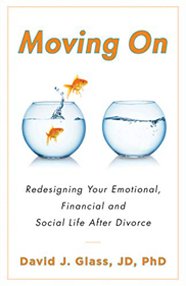
David J. Glass is a Certified Family Law Specialist who also holds a PhD in psychology and previously worked as a therapist. He is the managing partner at Enenstein Pham & Glass in Los Angeles and has practiced family law for more than two decades. Voted a Super Lawyer by Los Angeles Magazine many times, he is a frequent legal commentator on outlets including Good Morning America, the Associated Press, and CNN, and he hosts The HourGLASS Podcast. In Moving On, he draws on his legal and psychological training, along with his own experience of divorce, to guide readers through rebuilding their emotional, financial, and social lives.
📚 Books by David Glass
Transcript
[0:00:40] CH: What’s up everybody, it’s Charlie Hoehn, the host of Author Hour where I interview authors about their new books. Today is a super valuable episode. The book is Moving On and the author is David Glass and David has worked both as a therapist and a divorce attorney in a career spanning more than two decades and what we talk about in this episode is the year after divorce. How do you move on with your life? So once the papers are signed and all the legal issues are settled, a lot of divorced individuals really struggle with this insecurity about what comes next in their life. But David really believes and has seen that divorce cane be your second chance at happiness. This episode is really going to help you get on the path to a more fulfilling future. David shares his experiences both from his career as a family law attorney with a PhD in psychology but also his personal experiences with his own divorce. He’s going to walk you through exactly how to rebuild your life, including finding a new home, redesigning your family and your social life, reentering the dating scene and strengthening your social support. Even though a divorce is really challenging, it is also an opportunity and in this episode, you’ll take your first step to leaving your past behind in starting your new life. Now, here’s our conversation with David Glass.
[0:02:30] David Glass: I guess the moment would be was when I was finally deciding to get divorce to myself about a decade ago. I had been married for almost 15 years but the last two or three years had not been the best years of the marriage. Me and my ex-wife didn’t argue in front of the kids and we didn’t fight about things but we weren’t very close, we had lost intimacy and neither of us was completely happy. But I was still reticent about starting off on my divorce because I was mainly concerned about what’s going to happen next. That’s even with a background, I have a PhD in clinical psychology and practiced as a therapist and by then I’d been practicing as a divorce attorney for over 15 years and I still had these issues that were holding me back from moving on to the rest of my life. I talked to a bunch of friends both divorced and married and single and tried to figure out what would come next and how could I maximize it. I figured my way through the process, divorce was relatively easy for me. The year after divorce was much more difficult and just keeping those ideas in mind for the last 10 years, I turned around how I started counseling my own divorce clients, trying to get them to focus on what comes next. Rather than continuing to focus on the unsuccessful relationship in their backgrounds.
[0:03:47] CH: You said the year after divorce was much more difficult. What made it so difficult? Was it just the nature that you’d been through a trauma or what was it?
[0:03:57] David Glass: For me, there weren’t legal proceedings, my ex-wife and I were both smart and level headed and we worked out a deal right away. There wasn’t a lot of fighting about it but still, getting divorced is a psychological injury, it’s an injury to your ego, you tried something, you picked someone, you tried in marriage and developed a family but ultimately, it didn’t work out. It’s admitting failure to everyone. Everyone’s going to know that you failed in this thing. It turns out that you know, with 50% of the population getting divorced, it’s not an unusual failure but for each person going through it, they themselves, it’s very personal. For me, up to that point, II had gotten into the college I wanted to get into, I got in to the graduate school I wanted to get into. I got the jobs I wanted, I interview, I get the jobs, I’d never been fired from a job and so, luckily, for me, this was the first failure that I had to experience. That was all new for me, that’s what was somewhat paralyzing at the beginning.
[0:05:00] CH: Would you say that’s really common with your clients as well is what you’re describing that it is this psychological injury, it is this admission of failing at something many of us really aspire to have?
[0:05:14] David Glass: Absolutely, that’s the – most of my clients are doctors, lawyers, dentists, teachers, principals. Sort of regular everyday people and most of them have not had major problems in their lives. Some of them may have been through a bankruptcy or some of them may have had a parent or a family member deal with an illness but those were much more external things that you can control or try and modify. But getting your own divorce is trying – if you do it the right way, it’s trying to figure out what you did wrong in addition to what your soon to be ex-spouse did wrong and then converting that into how am I going to avoid having this happen again in the future? But that feeling that you know, this didn’t work out, I picked this person, we had a big fancy wedding, we lived together, we’ve held ourselves out as a family for all these years and now, I have to admit to everyone, it really wasn’t working out and now I’ve got to figure out the rest of my life.
[0:06:11] CH: Wow. I want to dig in a little bit more on what that year after was really like because I’d imagine a number of people listening to this right now are either in the thick of it or they’re about to be and they want to know what did that really look like for you?
[0:06:29] David Glass: Right, the year after divorce is now – used to live all together in one home and whether you were happy or mildly happy or upset, it was still the stasis, it was what you were used to and anytime human beings move from some place where they were, something new. It’s hard to make that change. And so the first thing I was dealing with was living on my own. I had two daughters who were eight and 10 and we had a 50/50 custody arrangement. 50% of the week, they were with me and then I could focus on them but 50% of the time, I was alone in an apartment and that was a brand new experience for me after having been married for a relatively long time and after having dated and lived together with my ex-spouse. Just dealing with being alone in a home space was a brand new experience for me. At first, what I did was I made all sorts of social arrangements, I contacted all my friends and lined them up for the nights that I didn’t have the girls and one night, we would go out and play tennis and another night we would go for a sunset hike, other nights we’d go out for drinks but it was scheduling myself so I wasn’t at home, sitting in an empty apartment and wondering how I got to that period.
[0:07:47] CH: I’d imagine that helped a lot, right?
[0:07:51] David Glass: Absolutely. Keeping myself busy during my downtime when I didn’t have the kids prevented me from ruminating about things that I really couldn’t change anyway. Keeping busy and being social also opened me up to all the great things that go on in the world that you can forget about if you’re in a troubled marriage. The last couple of years of anyone’s troubled marriage, you’re probably not taking care of your fitness as much as you could, you probably not seeing your friends as often as you would like. You’re probably not doing as many enjoyable activities and so when you have this free time, if you look at it not as what I’ve lost, I don’t have my kids half the time or I don’t have an intact nuclear family. If you look at it instead of now I have an opportunity, what do I want to do with this time? That’s the shift in perspective that allows you to start moving forward.
[0:08:43] CH: That’s great. Let’s get into your book now and what Moving On really covers? You begin the book with assessing where you are now. Why is it so important with the assessment?
[0:08:59] David Glass: The assessment is just making sure people are ready to move on. Until you make the decision I am getting divorced, I’m going to divide the assets, we’re going to figure out support, we’re going to figure out where the kids live and then you put enough of that stuff on paper, you’re in no position to move on. Again, while you’re going through the divorce, it takes up a lot of your time and a lot of your energy and there’s no way around it. Once you're at the very end of that process, then you can start opening up and figuring out what comes next. The assessment becomes K, because if you’re not divorced yet or you’re just starting the process, then maybe the book’s as little bit early, you can start leafing through it to think about it but you’re not going to be able to invest enough energy and your emotions and your intellect into figuring out what comes next.
[0:09:48] CH: Got it. Okay, once they’ve gotten to that point, they’ve assessed where they are, this book is definitely for them. The next step in the process is telling family and friends, right?
[0:10:02] David Glass: Right. That comes, it’s sort of an overlap with what came before but telling other people that you’re getting divorced can be a paralyzing experience. I’m going to call up my parents and admit that – maybe my parents were right, this person was never right for me in the first place or maybe my friends who never really liked my now ex-spouse were right. It’s admitting to a lot of people that you were wrong but if you turn that into an opportunity to say, this is what I’m doing and this is the help I need from you. I think it makes it a better experience so what I did was, I sent out emails to my key people. Both of my parents, my college roommate and best friend, a local close friend and my sister. These were the people I decided I was going to rely upon to first know about the divorce and then help me through it. I explained. My marriage wasn’t working out, maybe you saw it, maybe you didn’t. But here’s what I need from you. I need you to support me and sometimes listen to my nonsensical rantings and get me back on course and here’s what I don’t need from you. I don’t need you to tell me how bad my ex-wife was or is. I don’t need you to tell me all the mistakes I made along the way. By laying out for these key people who were closest to me, what I needed from them, they all told me afterwards, it made it so much easier to get on the phone with me because they knew, here’s what he needs and as long as I provide this, he’s going to be in good shape. I used this announcement that I’m getting divorced to shape how people were going to interact with me over the next year.
[0:11:40] CH: Wow, that’s super smart. Holy cow. Did you really see that immediately, how effective that was?
[0:11:49] David Glass: Yeah, absolutely. I saw it first from my parents because most parents, when their child’s getting divorced, they take that very personally and of course, they love their child and they want to support them but a lot of parents turn to the negativity. I never liked him or her or they never worked as hard as you and you could have done better. They just fall into that trap and hearing that doesn’t help anything. If you’re trying to move forward, hearing about what went on wrong in the past doesn’t really help you and hearing from your parents definitely doesn’t help. By them hearing, them just being refocused, all right, you’re right, we’re not talking about the ex, we’re talking about what comes next and what we can help with. You know, I turned to my parents for some financial help because all our assets were being divided and were tied up and I didn’t have as much cash as I needed and I turn to my friends for social life and for just talking things through but I’d let them know, this is what I’m going to be asking for and this is what I want in return. Which sounds very controlling but I think it help them be the best friends and family members and close confidants they could be.
[0:12:56] CH: Did you deal with any push back, any commentary from family or friends that was harsh even in spite of that email?
[0:13:08] David Glass: No, they all played along with the playbook exactly as I asked them to and it was a pleasure to deal with them. I did have problems with one of my friends farther along. Once I was through the process. After a year, I started dating and I became relatively close with my wife than the girlfriend became fiancé, became a wife. Relatively quickly. That friend was telling me, you’re moving too fast and don’t jump into something right away and maybe date a while. I just didn’t want to hear that negativity. I had to basically exclude myself from this person for a while.
[0:13:42] CH: How do you balance that out though? Because on the surface, that does sound like reasonable advice.
[0:13:49] David Glass: Absolutely. It was reasonable advice. I just didn’t want to hear it from this individual person right then. I tried to redirect this person and say, listen, I don’t really want to talk about that, I’m very happy with this person. I really want to focus on it. I appreciate what you told me but I don’t’ want to talk about it anymore. It’s hearing it but then not getting stuck constantly talking about it.
[0:14:12] CH: You seem to have a really healthy set of personal boundaries. For people who maybe are getting divorced who aren’t used to speaking to others with that kind of directness. What do you suggest for them?
[0:14:28] David Glass: It’s just practice, it’s not being so careful about what you say. If you're talking to your closest circle of friends and family members. If you say something that’s wrong, if you say something obnoxious, if you say something even aggressive, they’re going to forgive you and they’re going to realize what you’re going through. So it’s first, letting go of all those inhibitions that you’re not talking to your boss or your subordinate at work or a client. That’s a totally different way of talking. You’ve got to figure out how to be a lot more free and just let everything out with these close couple of people. In time, when you practice that, it becomes very easy. Once you let go of all those filters and you’re just talking. It actually relives a lot of anxiety and worry about things.
[0:15:17] CH: 100% agreed, that’s great. Now, let’s talk about the finances, right? Because this is a constant stressor for many people who go through divorce. They feel it’s unfair to them that they’re maybe paying a lot in child support and having to go into debt and having their wages garnished and all this stuff. How do you design your financial strategy to help you move on?
[0:15:48] David Glass: Right, it’s convincing people that while it may seem unfair or may seem like you’re paying too much or on the other hand that you're receiving too little. All the state legislatures, when they’ve set up these support rules and their formulas for figuring it out. Try to get to something that’s as fair as possible. Recognizing that you’re not going to change the state legislation, you’re not going to change the law on how support is calculated and so complaining about something that you have absolutely no control over just isn’t productive. Again, it’s turning form what’s behind you. You have a support order that you have to pay. Is now figuring out what is your personal budget going to be on a monthly basis so that you have enough money to pay the support and still meet your own living expenses or on the other side that with this influx of support, plus whatever you can make on your own, you can afford your living expenses. It's basic budgeting, getting a one page budget and figuring out what you pay in rent or mortgage and what you pay in rent or mortgage and what you pay for electric and gas and your cellphone and your cable bill and putting every possible expense down. Then adding it all up. I’ve got a $10,000 a month budget and I’ve got $3,000 coming in, that means, I have to make $7,000 a month. If you can’t make $7,000 a month then you’ve got to change your budget or you’ve got to get a different job. By putting everything down on paper, it forces you to think about what you’re spending money on. I looked and I was spending $187 on a cable bill and I didn’t watch TV and my girls were streaming everything. I just realized, why am I paying for cable that no one’s watching and I switched to just an internet only thing that was like $49. That saved me some money but if you look at each category, you can realize, I’m spending 50 bucks a week going to Starbucks and I could brew my own coffee and I could save a lot of money over the course of this next year, not going to Starbucks. But until you see it down on a piece of paper and you see it all added up, it’s hard to imagine even where your money’s going.
[0:17:53] CH: It’s absolutely true. I mean, you can imagine where your money’s going but you're not very good at it unless you actually look at it and review it. Not to get too much into the financial portion because you cover that in your book but it really is shocking that you think you’re on point with being good with money. A friend of mine looked at her finances recently and realized she was spending several thousand dollars per month going out to eat and she thought she was doing maybe a thousand dollars a month. I mean, I’ve had the same issue with cellphone bills and all this stuff. That’s great that you include that. Now, let’s move on to some of the more complex things. The things that carry just as much emotional weight when you're changing your life. Starting with choosing a new place to live. Walk me through this.
[0:18:52] David Glass: Right. Most people, when they get divorced, if you have two incomes and you’re contributing to the mortgage on a house. Now, neither party can afford the house. In most cases, the marital residence where everyone lived together gets sold and now you’ve got to figure out where you’re going to live. With that opportunity, I advise people during the first year to rent something until they figure out exactly what’s going on, you’ve got too much up in the air during that first year post divorce, you’re getting used to schedules with kids and paying support and figuring out your budget. Having to pick a new house, apply for a mortgage figure out if you can afford it I think is something that you shouldn’t do in the first year. Either way, whether you’re going to buy a new house or you're just going to rent for a year to figure out where you want to be, eventually, you have to figure out how close do I want to live to my ex-spouse? If you’re going to move somewhere very far, you're adding all sorts of commute time if you have kids and exchanging the kids. Or you figure out I want to be close to the kid’s school or I want to be close to my own work. You have to figure out what your most important things are and list them out and then come up with the neighborhood you want to live in. You don’t have to live in the same place, the same exact neighborhood or the same part of the city or town where you used to live. But, it makes sense to look at what schools your kids are going to, where you have to go to work, where your friends are and where your favorite activities are and then pick somewhere in the middle of all those.
[0:20:22] CH: That’s phenomenal advice to rent and not get caught up in overspending potentially or overcommitting to a place that you either can’t afford or may not end up in long term. Do you find that a lot of your clients have difficulty taking that step back in their life that - maybe downgrading?
[0:20:52] David Glass: Absolutely. A lot of people do and I had some concerns about it myself. I was in a relatively big house with a big yard and a pool and I decided to go in to an apartment, a three-bedroom apartment that had a shared pool for the apartment complex but I didn’t have a yard, I didn’t have my own pool. A lot of people are, again, it’s an ego thing, going from owning a house to being in an apartment is a step back.
[0:21:16] CH: Right, I mean, some people listening to that might think, a three bedroom apartment, wow, that’s really great. But it’s all relative, it’s all subjective so if your previous living situation was much bigger, grander, opulent or anything, it felt like a major downgrade.
[0:21:33] David Glass: Right. Going from owning to renting is some sort of downgrade. But for me, a lot of people use the excuse, I don’t want to move the kids out of the only home they’ve known or the kids won’t like it or the kids won’t be able to adapt. I can tell any person who is thinking about that out there, it’s absolutely not true. Your kids are much more flexible and more flexible and more resilient than you are and definitely more resilient and flexible than you think they are. My girls were eight and 10 and I was worried about going from a house into an apartment and what they would think and the surprise was, when we moved into this apartment, they were so thrilled that they were allowed to take the elevator up to the roof of the building and ride their scooters, their razor scooters around on the roof without me being there because there was a building with a door man and it was safe. They could go up and down the elevator by themselves, they were so thrilled with that, they started bringing friends to the house just to show them that they were allowed to go up and down the elevator. I would have never imagined that, I thought they’d be upset that they were now sharing a bedroom instead of having their own bedrooms. None of that mattered because children just want to be with their parents, they want time with their parents and they want to be able to keep going to school and keep doing their activities. Where they live is way down on the list of things that are important to kids.
[0:22:48] CH: Did you give any consideration to, into your new living space? How fun is this going to be for my kids? Will this be a magnet for them to want to come visit me?
[0:23:00] David Glass: It was and so I made sure I had a building, I’m in Southern California so everyone has access to a pool or swimming becomes three quarters of your activity. I made sure there was a pool. I made sure there was an outdoor area that they could shoot basketball or hit a tennis ball against the wall. I made sure those things were there but again, I rented because I did not want to be locked into anything. I’ll go one step further. I rented a fully furnished apartment because I didn’t want any of the furniture from my old home. I was thinking ahead, I’m thinking, I’m a man, if I get my own apartment, I’m going to set it up as a bachelor pad. Then, I’m eventually going to meet some women and she’s not going to want my black leather couch and she’s not going to want all the decorations that I felt were great but most women wouldn’t like in their home and it’s exactly the way it worked out. A year later, I met a wonderful woman, we ended up buying a house together, we furnished it with her furniture and her designs and the fact that I didn’t come with any furniture or any decorations made it very easy.
[0:24:06] CH: Now, let’s talk about the new dynamic you’ve created, right? You’ve created a new dynamic for your family life and this I know is a lot of the concern for – that holds people back from getting a divorce is what is it going to do to our family. Will this permanently damage our kids? Talk to me about building or rebuilding this new family life?
[0:24:34] David Glass: Yeah, well first of all, I mean, the psych literature, they’ve done longitude studies, following kids of divorce over five, 10, 15 and now even 20 years and the research clearly shows that children of divorce are not any worse off than children in intact families. In fact, they’re better off than children who are in intact families where the parents argue a lot. That children just need their parents to be friendly. They don’t need their parents to be friends, they don’t need their parents to be married. But if their parents are friendly and can get along and don’t argue about them or talk about them in a negative sense, kids very quickly learn, I’m with dad this part of the week, I’m with mom this part of the week and they very quickly fall into line, even if mom and dad have very different ways of parenting.
[0:25:24] CH: Wait. This is really surprising to me because everything I’ve heard has been about how hard it is on the kids and it’s permanently like this thing that sticks with them and I’ve heard friends of mine growing up. Yeah, my parents got divorced and you know, it’s always kind of stuck with me.
[0:25:46] David Glass: The problem is that most people don’t get divorced in a smart or emotionally adept way and so if you have two divorce parents and they’re constantly complaining about each other, “Your dad doesn’t send his support on time, he doesn’t send me enough money.” “Your mom is crazy. She’s too caught up into trying to force you into therapy.” If they are talking badly about the other parent, that definitely leads to long term problems for kids. Who see the two people who created them and created a family can’t even get along when they are living apart. That is where all the negativity for kids comes from. If their parents can cooperate on a minimal basis, it opens up the opportunity, really, for them to see their parents hopefully find a new mate that they get along with. I remember when I was getting divorced I was thinking about what example am I showing my two daughters. They are seeing two people who ran a marriage like a business. We made money and we accumulated wealth and we went to the right activities and we went out to dinner but they never saw their parents close and intimate and they didn’t see us doing things together. And I didn’t want my daughters to have that model as that’s what’s a marriage is. It is okay, it is sort of middle of the road, it’s not bad but it is not great either. And in my case, both me and my ex-spouse within two years found new mates who better matched who we were and how we like to live our lives and my daughters who are now in college and a high school senior talk about it’s great to see both you and mom happy. Both have happy homes, it’s a pleasure to go in between your two homes because wherever we are, everyone is happy.
[0:27:29] CH: That’s beautiful and this reminds me of another interview I did with Philip McKernan. He did a book called One Last Talk and in that book he shares how this woman confessed that she’d always felt guilty about the divorce that she went through. She was ashamed she felt like she’d failed as you mentioned in the beginning and worried that it had hurt her kids. And then after she gave that talk, her daughter told her, “Oh my gosh you couldn’t be more wrong. I viewed that time as, wow mom is really stepping up and taking charge of her life and what she wants in pursuing what is most important to her.” It gave me more of a model of what it’s like to assertively retake control of your life.” And it was this really positive example for their family. So I think that’s exactly what you are saying is that kids are resilient and it could be a positive thing depending on how you handle it.
[0:28:45] David Glass: Right and it is not even so much what you tell your children and you should tell your children the right things that this divorce isn’t your fault and we are going to try and keep as much steady and the same for you. Same school, same friends, same activities. The only thing different is that mom and dad aren’t going to be living in the same home. That’s all important to tell them but the most important is showing them by example. I have a quote in the book from Robert Fulghum, the author, that says, “Don’t be worried that your children aren’t listening to you. Be worried that they are watching everything you do.” And so by showing them how to live in an effective and happy life that’s the best thing you can do for your children. They are going to figure out their own way but if they have had a model of what a good relationship looks like and how people can argue and get over it and how people can work together and build a new family, that’s the best thing you can possibly teach your kids.
[0:29:39] CH: Absolutely, speaking of quotes you have a lot of great quotes in the book. One that made me laugh is “Money is not the most important thing. Love is. Fortunately I love money.”
[0:29:52] David Glass: Right and that’s Jackie Mason who has a million one liners but that was – and doing the research for the book I try to find the quote for each chapter and I was so thrilled to find that one.
[0:30:05] CH: Yeah so we covered a bit at the beginning how you redesigned your social life. You filled up your calendar and reached out to friends and is there anything else that we need to know about redesigning your social life in order to properly move on?
[0:30:24] David Glass: Yeah, it is actually a step before you even think about your social life is redesigning your emotional life. I strongly advice all of my clients to get into therapy. If they haven’t been with a therapist, they need to find one. If they had known one they need to reconnect and if they’re in therapy they need to change the focus of the therapy and I think the focus for people in that year after divorce should be on what did I do wrong in this prior relationship. It is very easy to make the list of what your ex-spouse did wrong. Everyone can do that, everyone could talk about it for hours but it doesn’t get you anywhere other than determining you weren’t right for each other. But figuring out what you contributed. What did I do that made him or her then do this in return and how did I contribute to any sort of dysfunction in the family or how did my way of being not make me a good spouse? That is the most valuable thing you can do for yourself before you figure out who your friends are, before you figure out who you want to date and before you ultimately find your next mate. Because if you don’t do that work the odds are you’re going to end up picking – you are going to find the same exact person and so if the first marriage is the divorce rate is over 50%, the rate for second marriages getting divorced is actually 65% and the third marriages are 75% in the United States. And that statistics shows you that people get out of one relationship, they pick the same person or a similar person, they don’t change anything different about themselves and guess what they have the same exact bad results.
[0:32:01] CH: Same result, yeah that is really wise and taking a cue from how you communicated with your family and friends when you announced the divorce, do you think it’s a good idea to tell your therapist, keep me on the track of only taking about what I did wrong so I can figure that out and don’t allow me to trash talk my ex?
[0:32:23] David Glass: Absolutely and most good therapists will do that anyway. But just reminding me upfront and you can have a session or two, an hour or an hour and a half maybe two hours of talking about what went wrong. But then you very quickly got to transition into focusing on yourself. Again psychotherapy is about what you feel, how you behave and figuring out what you need to change to fix things that aren’t working in your life and talking about a third party who is in your past doesn’t help you do any of those things that you’re supposed to be doing.
[0:32:55] CH: David, I’d imagine some people are a bit resistant to therapy for any number of reasons. It could even just be as basic as it costs money and I am financially strapped right now. What are your recommendations for people who are maybe on the fence or resistant to the idea of getting counseling?
[0:33:16] David Glass: Right and so the first thing I tell them is that although there were are all sorts of social norms and reasons not to go into therapy, it’s going to be black mark against your character, it means you’re weak, it means you have a problem. Most of those things have fallen away and again, I am in Southern California and it is hard to a wave of a stick and not point it at someone who has been in therapy or is currently in therapy. Different parts of the country it’s not as used. But the bottom line is that it is worth any money that you’re going to put into therapy and most health insurance provide for 30 sessions that are covered with a therapist that they recommend you to and most therapists –
[0:34:01] CH: If you are going through a divorce?
[0:34:02] David Glass: Yeah for divorce or any reason, anytime you go into therapy through your health insurance most of them provide 30 sessions which will get you through once a week for three fifths of the year which is a good long time. They have it covered, yeah and even if you don’t have it or you don’t want to go with the insurance person it’s a very important budgetary consideration, find a therapist that you can afford. You don’t need the most expensive but you just need someone who is experienced and who you enjoy sitting in a room talking with because this is the person who all they’re listening to is you during that one hour you’re with them and their only job is to try and help you and that’s what makes the therapist unique and different from your family members or friends or best friend or colleagues. They have a million things going on in their life and while they are listening to you, they can’t give you a 100% of their attention. This therapist not only can give you a 100% of their attention, they are also trained in techniques and skills and ways to improve your life and if you’re talking and listening to them that back and forth, you are going to feel better after the 12 weeks that you’d go or the 15 weeks or even the 30 weeks that you go.
[0:35:16] CH: Yeah, absolutely. So I am in total agreement there and I’ll just quickly double down on what you said you really just need someone experienced and who you enjoy talking with. I see a lot of the sticking point with people choosing a therapist is, “How do I find a good therapist?” And the data, the studies have shown that it really just needs to be somebody who is good at what they do, good enough at what they do and like you said, feel a good emotional connection with them. Otherwise if they are the greatest therapist in town but you don’t like them you are still going to get bad results.
[0:35:55] David Glass: Right and the same studies also show that the amount of time someone has practice as a therapist is not correlated with being any better at helping any individual, patients or clients and so you don’t need the most experienced, you don’t need the most expensive. You don’t need the person that everyone talks about and who can’t give you an appointment for another six weeks. You need someone who you can get to on a weekly basis, have that hour carved aside where you’re just focusing on yourself. And most therapists who have gone through either a masters or a PHD program are capable of helping you with that issue.
[0:36:34] CH: And that is so valuable to know about most health insurance providers can give you 30 free sessions of therapy regardless of the reason basically. So how did you find out or did you call your health insurance provider or did you look it up on their site? How did you go about fulfilling those?
[0:36:54] David Glass: Yeah, I already had –
[0:36:56] CH: I know I am getting tactical but -
[0:36:57] David Glass: No it’s all right, I already had this therapist for years before when I had some issues with my career. I’d gone to see a therapist trying to figure out again what my [inaudible] was in it and then I hadn’t seen her in a while. So went right back to her but when I originally found her I got on the website for my health insurance program, I put in my zip code and gave a five mile radius and it gave me 30 names and then I clicked through the names. And looked at their background and for me I didn’t want anyone to be old side of 40 and I didn’t want like a new age therapist. I wanted what’s called a cognitive behavioral therapist someone who helps you reset your thinking to then be able to reset your behavior but whatever you’re looking for, they have it all on the website and I picked two. I went to talk to both of those people and I preferred one over the other and I jumped in. So it seems like a big step to find a therapist but if you just take the little steps along the way and you take that first step, I am going to go to the website and look up the names and then the next step is where and the next step is what kind of therapist and then you interview two of them that you are going to find someone that you feel you can work with.
[0:38:10] CH: Awesome advice. Now let’s talk about the dating scene I guess. How do you break back into the dating world after being married for so many years, what is this transition like?
[0:38:28] David Glass: Right and that is actually one of the harder transitions. It is comparatively easier to figure out where you want to live and how you want to run your budget or even who you want your friends to be but then that dating especially if you have been out of the dating scene for a number of years and most people getting divorced have everything has changed and for me, when I met my ex-wife we were both in law school and that was it. There were a bunch of law students around and you met people, it was easy to meet people because there were 200 people in the class but there wasn’t any online dating services and there wasn’t Facebook, there wasn’t Twitter, there weren’t any of that stuff when I went through it the first time and the second time - I was 23 years old at the time when I went through my divorce and post-divorce I was 40 or 41 years old and so it is hard to get back into it. And basically the way I did it was I got three friends with different styles and I call them informally my three wise men. One was a guy who had been divorced and vowed he was never going to get married again and one was someone who was happily married and one was a guy who was never been married and I asked them how do you date and how do you meet people and what should I say to someone and what should I propose doing. And I would ask all three of them and I try to come to a consensus and that’s how I acted and two out of three said don’t even do online dating. You don’t want to be caught up in that quagmire and so I didn’t and so I really don’t know a lot about online dating other than I didn’t do it. But they always have all sorts of advice and the funny thing is that when I met the right person, when I met the woman I am married to after we had dated for a while I told them. I’ve got these three guys, I call them the three wise men and they say this, that and the other thing. She is wonderful because she is very straightforward and I have learned to be a lot more straightforward from her. She said, “You don’t have to listen to them anymore. You are doing everything fine, you don’t need their advice. You and I know how to communicate, let’s just live.” And then I jettisoned the three wise men and I just figured it out from there but at the beginning they were very helpful.
[0:40:39] CH: That is awesome, you’ve got some good friends and that is a very rational reasonable methodical approach to re-entering the dating scene. I’d imagine a lot of people don’t take such a methodical approach as you just because they’re freaked out and they’ve just been through the - they’ve got a lot of negative chatter in their head. So it goes to show the importance of you talking to your friends relying on their input and following the blueprint that they layout for you. That seems to help and also the counseling as you have laid the ground work there to talk through most of your issues and to bring yourself out as a better potential mate, is there anything else?
[0:41:28] David Glass: Absolutely, my father, at my wedding gave a brief speech and he said, “You know the important thing is not only to find the right spouse but also to be the right spouse.” And that goes right back to the issue of working on yourself so that you can be the best person you could be. But with dating, it is just trying to find out a way to do anything and all of these solutions that I am giving people in the book whether it is financial or emotional or social or dating, they’re all very practical. They’re almost pen and paper figuring out a strategy and taking things step by step because I just believe that’s the way to work through any issue that you have is what’s called creative problem solving. Number one, you identify that you have a problem. Number two, you then brainstorm to try and figure out as many possible solutions to that problem as possible and you don’t edit yourself during that process. You don’t say, “Oh that’s stupid,” or that would never work or that doesn’t make sense for me. You just get it all down on paper and you generate 12 to 15 possible solutions for a problem and then you look at those 12 to 15 possible solutions and you ask yourself, “If I did that what would happen next?” And by following that ‘what would happen next’ progression out of those 12 or 15, one or two are going to come to the top as the best solutions and so by forcing yourself to get didactic and putting things on paper and slowing your thinking down, it naturally leads you into the best solutions. And the other thing to remember is that creative problem solving isn’t an all or nothing thing. If you narrow it down to one or two things and you try something and it doesn’t work, it’s not a tragedy. You just regroup, come back, try a different alternative and probably the second thing will work. So it’s not being afraid to have small failures along the way. That is part of the problem solving solution.
[0:43:26] CH: That’s awesome. David I say completely sincerely, I really respect the way that you think about improving your life. It is really measured and I think that might even be your next book is how to think like that so it’s really, really good. So a couple more areas I want to cover which is, you’re in the dating scene and let’s say it goes well. You are now in a relationship. What do we need to know about this with this part of the process?
[0:44:02] David Glass: Right, so the next part of the process is basically if you have children the question is when am I going to introduce my new girlfriend, boyfriend, lover, potential mate, whatever you are calling them to my children. And I set a hard and fast rule that you should be dating at least six months and hopefully closer to a year before you ever introduce someone new to your children.
[0:44:27] CH: Why is that?
[0:44:28] David Glass: I set up these rules just to make sure that you are being as conservative as possible because if you meet a new person, you introduce them into your kids and then it doesn’t work out then you meet a new person, introduce them to your kids and then it doesn’t work out, your kids are seeing that people are either throwaways, that you can have multiple relationships and never have them work out and that’s fine which I don’t believe is a good answer. Some people will tell you it is, but I don’t believe that. And the other thing is that it takes investment for children to start accepting a new mate for their parents and I think it is unfair to force kids to get acclimated to develop a relationship with a person until you are absolutely sure this is the right person for me and for my family. And so I set it to six months to a year and that’s what I did. I dated during my non-kid nights and I told my now wife at that time we’re going to have our own relationship. And I don’t want the kids weighing us down and we want to make sure that we are on the right track before you ever start meeting the kids and then when we are both ready then we’re going to introduce you to the kids and it worked out or me. For my clients who have also done the same thing, having a hard and fast rule it just takes it out of your mind to try and decide is the timing right or not. Don’t worry about making that decision. Just go with six months to a year, date without having your kids meet your new potential mate.
[0:45:52] CH: That is phenomenal advice as someone who has witnessed that among peers, the frustration of parents dating new people and getting introduced a little too quickly in that sensitive period where it may not work out. That can create so much frustration and anger and resentment and just avoiding that is huge for the family. So we have covered a lot, the final question I really have is blending the families together when you get remarried or if you decide to get remarried. What are the things that people need to know in this new chapter of their life?
[0:46:34] David Glass: If you are getting remarried and you are remarrying someone without children your main focus on - for the period of time where you’re engaged but not yet married is figuring out how you’re all going to live together as a family and that period I think the emphasis has to be on your new mate and in a weird way you have to put your new spouse a little bit ahead of your children which is hard for a lot of parents to hear. But if they think about it, you are choosing a new person. You are starting a new life with this person. You are going to incorporate your children into your life but unless this new partner is a little bit ahead of the kids and they’re needs come a tiny bit ahead of whatever the children need you’re never going to have that close relationship that you need to establish a family and so the example I give people is when I dated for about eight months and then I introduced my then girlfriend to my children. We allowed them to work out everything they have to work out. They started by spending an hour together, when we’d all go out bowling or when we would take a two hour hike and we’d slowly build up the amount of time that we all spend together. But back when she was a fiancé and I bought a house and we were all going to move in together, my fiancé and I moved into the house first and we spent two or even three weeks living there before my children moved into the house. And the reason I did that was because I wanted my children to understand that this was a house that me and my new almost wife were establishing for our family. There wasn’t any question that this was my house with my children and I was inviting her in that this was a new family house. There were new family rules and they were being invited to join us and then the next step was having a family meeting and saying these are the rules for our new house. This is how we going to live together. We are not going to take food up to our rooms or we are not going to leave our sneakers by the front door. Whatever your rules are, if you lay them out at the start in a family meeting, everyone knows what the rules are and there’s less resentment when they’re told not to do something or how to do something different later.
[0:48:46] CH: This has been just tremendously valuable to anybody who’s going through this experience now, who potentially might want to follow you and your work or even reach out to you, how would you recommend that they do that?
[0:48:59] David Glass: So the easiest way to reach me is through the website, www.glassfamilylaw.com that will redirect them to my professional page. The book is movingonbook.com and that will also get them to me either by email or phone and the only other thing I want to emphasize to people is that divorce really is a second chance for happiness. It is a bad thing that happens in your life but it opens up so many possibilities for you that I just hope people really take the opportunity to investigate every area in their life and try to maximize their happiness going forward.
[0:49:37] CH: Beautifully said. David, the final question I have for you is to give our listeners a challenge. If they are going through this right now, what is one thing from your book that they can do this week that will have a positive impact? You have about 15 seconds, go.
[0:49:57] David Glass: Right, if they take a piece of paper and divide it into six sections and the sections are social, financial, housing, children, dating and emotional, if they list out what they’re problems are in each one of those boxes that’s the way to get started on problem solving in each of the various areas.
[0:50:16] CH: The book is Moving On. David Glass, thank you so much for being on the show.
[0:50:21] David Glass: Thanks a lot, this was really fun.
[0:50:24] CH: Thanks again to David Glass for being on the show. You can buy his book, Moving On, on amazon.com. Thanks for tuning in on today’s show. If you liked what you heard, here is what I want you to do next. Open up the podcast app on your phone or iTunes on your computer and search for “Author Hour with Charlie Hoehn” and then click “ratings and reviews”. Take 10 seconds to rate this show or leave a review. It is a small favor but it’s really the best way to show your support and give me feedback and if you know someone else who’d love Author Hour, take another three seconds to text them a link to this episode. We’ll see you next time.
Want to Write Your Own Book?
Scribe has helped over 2,000 authors turn their expertise into published books.
Schedule a Free Consult