Michael Zhuang: Entrepreneur Wealth Management Made Easy
Read the full transcript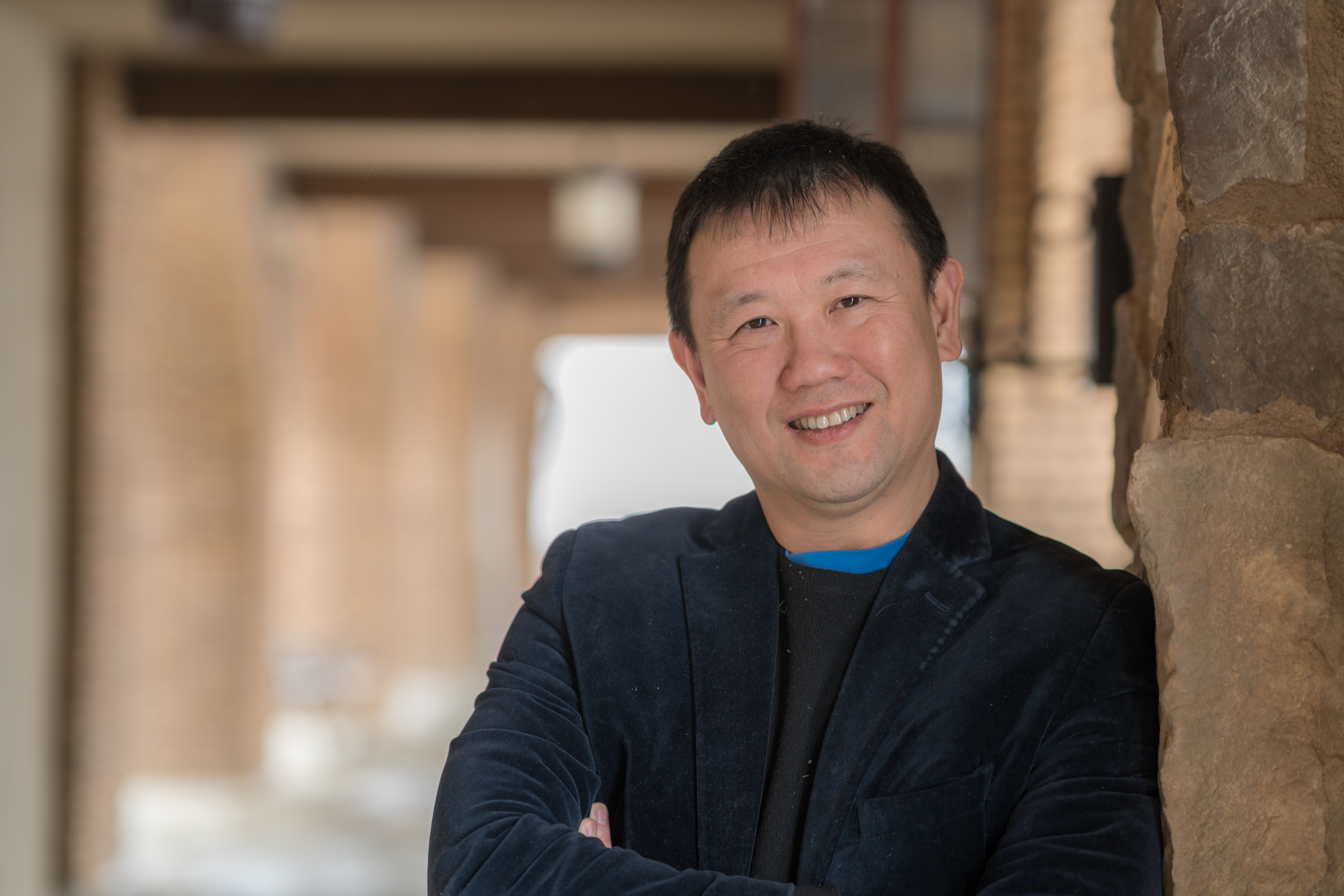
Michael Zhuang
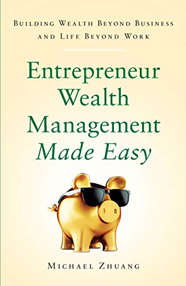
Michael Zhuang is the founder and principal of MZ Capital Management, a fee-only registered investment advisory firm in the greater Washington, D.C. area that he established in 2005. He holds dual master's degrees in mathematics and quantitative finance from Carnegie Mellon University, and his earlier career included roles with Société Générale and PG&E. He blogs as The Investment Scientist and has contributed to Morningstar, Investopedia, and KevinMD. He is the author of Entrepreneur Wealth Management Made Easy: Building Wealth Beyond Business and Life Beyond Work.
📚 Books by Michael Zhuang
Transcript
[0:00:15] RW: Hi, everyone. It’s Rae Williams, host of Author Hour, where I interview authors about their new books. It happens all too often, a visionary business person achieves phenomenal success but ends up in a financial hole years later because of poor planning. Owning a successful business does not guarantee that you’ve achieved your own long-term financial security. But Michael Zhuang, our next guest and author of Entrepreneur Wealth Management Made Easy. Is here to help you grow and protect your personal wealth. Here is Michael’s take.
[0:00:49] Michael Zhuang: I come across many entrepreneurs who have very successful businesses who have sold their business for good money but they still fail in their personal finance. I think at the beginning, at the introduction chapter of my book, I call of a story of very successful entrepreneur I’ve encountered in venture capital meetings. He sold his business to IBM, maybe like 20 or 30 years ago, for a good multiple tens of millions of dollars and by the time I met him, he was like down to his last 200,000 and he was beginning to worry about his – basically retirement securities and had to go out to look for work in his 70s. That really had a – leave me with a deep impression and then later on, I really come across many other entrepreneurs and I know that his situation is not an exception, it is rather the rule. So I felt like I needed to write a book to give entrepreneurs and some idea that a business success does not mean financial success.
[0:01:55] RW: All right, tell us a little bit about your personal story, how you just came into just the idea of wealth management and everything else.
[0:02:03] Michael Zhuang: Well, I actually came to wealth management because of – I think it happened about 14, 15 years ago. By the time I was running a hedge fund in Florida and one day, I got a call from my own family doctor and he said, Michael, I can’t be your doctor anymore. I of course I asked why, what’s going on? It turned out that he was diagnosed with pancreatic cancer and he thought that I’m a financial advisor and he asked me for help. I ended up in his house in helping his family prepare for his imminent death. It’s not something that I do, but I couldn’t say no to him and up to then. He passed away three months later and then after that, I have his family making the necessary adjustment with their new and reduced reality. They were very grateful. I also felt very rewarded from the experience so I changed my hedge fund into a wealth management firm. Since then, I work with physicians and entrepreneurs as well. These are the two groups of folks that I work with primarily and as you’ll know that my first book is on physician wealth management and I have noticed that the problem that entrepreneurs encounter are actually very different from what physicians encounter. That’s another reason that kind of compelled me to write a book specifically for entrepreneurs as well.
[0:03:28] RW: All right, what are some of those major challenges that you’re seeing specifically for entrepreneurs?
[0:03:35] Michael Zhuang: Well, I would say, the biggest challenge that I see is that what make them successful in business would make them fail in their personal finance and they’re not aware of that. What made them successful in business is confidence and sometimes over confidence. What made them very successful in business is taking risk before other people and this risk taken propensity and this over confidence tend to lead them to do the wrong thing in personal finance. A good number of entrepreneurs has a very successful business but they really screw up their personal finance and by the time they’re in their old age, they’re in a financially dire situation.
[0:04:20] RW: What are some of the ways that you can just begin to make sure that as an entrepreneur, that you’re managing your personal finances properly?
[0:04:29] Michael Zhuang: I think awareness is the first steps because most entrepreneurs are not aware of that. They really thought that personal finance is like their business, they think they’re good at business so they must be good at personal finance. At first, that means awareness that they’re not the same. The skillset is not the same. The personality that require one type of enterprise is different from the other – from personal finance. This is why the books try to call into attention is this, the difference. Yeah, the aim of the book is to bring about this awareness I think.
[0:05:06] RW: All right, in your book, you talk about the six pillars of wealth management. What are those and I know you kind of start with a bit of a story in that chapter. It’s an old Chinese tale and I would love for you to tell that. I want people to read it in the book but I found it interesting so I want for you to repeat that for us.
[0:05:24] Michael Zhuang: Yeah, that’s right. The tale was actually – I think the original purpose of my grandma, sharing the story was basically they had to kick me out to find my wife, prepare me for that. This two families, the Chen and the Lin, they’re competitor in their village, they produce cloths, right? I think the wife of the Chen or the wife of the Lin, I forgot which family. He would put aside some boat every day without her husband’s knowledge, right? When hard time come, the Chen family has nothing left and they had to close out their business. But the Lin family, while the husband was desperate, the husband was like wife, what do we do now? But the wife says, don’t worry, no worry dear, I put aside many boats of coals and we still have something to sell and they survived the hardship.
[0:06:22] RW: What does that story kind of mean for you and just relate to your entire message in your book?
[0:06:29] Michael Zhuang: Yes, because I’ve noticed many entrepreneurs, right? All their wealth is in their business. All they had in their business, they don’t have anything putting aside. They thought their business will always be successful.
[0:06:42] RW: All right.
[0:06:44] Michael Zhuang: If the business knock and they’re in big trouble. There are a lot of entrepreneurs like that. I want to be aware that business success is not the same as financial success and they need to be conscious about building wealth beyond their business.
[0:06:58] RW: Right, that’s a good point. What are these pillars of wealth that you talk about? It’s the six pillars of wealth management that you talk about in your book. What are those and why are those important?
[0:07:11] Michael Zhuang: The six pillars of wealth are areas that I want the entrepreneurs to focus on. At least be aware of that. The number one, the first pillar is wealth preservations, basically means that you have to put aside some of your wealth and to invest it in a way that would grow steadily, right? Not invest in your own business because your own business is a risky business but invest outside for your own business and let it grow steadily and safely. It’s called wealth preservation. The second pillar is called, tax mitigations. In other words, you want to pay as little tax as possible but legally. The third area, the third pillar is called asset protections. Any business is a risky business. Not just the business risk but the risk of getting shoed by unhappy employees, unhappy customers and unhappy suppliers or whoever you deal with in business. You need to have a plan to protect your assets from being unjustifiably taken away. It is called asset protections. The fourth pillar is called, heir protections. Yes, if something happened to you then you want to make sure that your family, your children are well taken care of, this is called heir protections. Then, a good number of entrepreneurs are charitable. Especially if they’re successful in business, they’re charitable. There is a way to maximize your social impact while minimize their tax. This is called charitable planning, this is the fourth pillar of wealth management and the last pillar is called, business successions. A good number of entrepreneur has healed their business and when they retire, they get very little from their business. There’s a way to capture the value from the business by selling them basically. This is called business successions. These are the six pillars of wealth management that entrepreneurs should pay attention to.
[0:09:16] RW: All right, awesome. Usually I go in to giving your readers a challenge. If you could challenge your readers or people listening or you know, anybody who is an entrepreneur that wants to make sure that their finance is in order, what would that challenge be to them?
[0:09:32] Michael Zhuang: I would challenge the entrepreneur to listen to your podcast. Do this mental exercise. That, they don’t get much money form their business. If your business fail, I know they don’t believe their business will fail but you know what? It’s like – say, one in 100. It’s a very small odds but it happens. Their business fail. How can they retire? How much money they need to retire comfortably if their business fail and where does those money come from? It’s a mental exercise. How much they need to live on if their business fail.
[0:10:08] RW: Right. If that does happen, if they kind of take that challenge and think about that and realize that they don’t have enough, what steps should they take first?
[0:10:20] Michael Zhuang: Well, they should start to put aside. They should start and put aside some money outside of their business and invest in a way that is prudent and we’re diversified. In a way that would grow towards their needs. They should have an idea, they should have idea how much retirement fund they would need for secure retirement. They should have an idea, right? If they need 5,000 to live on every month, I just give an example. Random example. They need 5,000 to live on every month, they will need about 1.5 million dollars by the time they retire.
[0:10:57] RW: Right.
[0:10:57] Michael Zhuang: A simple rule of thumb is take whatever their monthly expense and multiply that by 300, that would be the money they need for retirement. If they need 10,000 to retire, then they need 10,000 a month to live. Then they will need about three million dollar to retire. These are the rule of thumb calculations. And based on their monthly expense, they can calculate what they need to retire. Then they plan, how to save towards that, how to save and invest towards that amount, right? By their calculation, they need 1.5 million to retire, they have a successful business then no worry, he’s going to sell their business and get 1.5 million dollar then that’s great. Then, you have to prepare for the small possibility that they may not have a successful business, they might not be able to sell their business then where will the money come from? Where would the 1.5 million dollar come from, right? Then they need to put aside now. Put aside and then invest prudently to get to that. In fact, once they have the money put aside. Once they build towards their retirement security. Then they have to freedom to sell or not to sell their business. They will have so much freedom.
[0:12:16] RW: How does a financial advisor play into this? Should you get one and if you get one, where do you begin to look for financial advisor?
[0:12:25] Michael Zhuang: Yes, actually, when I ask the challenge, the challenge I was thinking about, you know, they should really reach out to a financial adviser, especially me. I thought it was way to self-serving. I answer the question in a different way. I think a good financial advisor at the very least, give entrepreneurs some clarity as to what they need to get to, right? This is the basic service that I found – a good financial advisor would provide. Another importance role in a good financial advisor can provide is almost that behavioral correction. I’ll be the sounding board of entrepreneurs. They are inherently more of a risk taker and prone to be confident and do things that is risky in nature and a good financial adviser would become his sounding board basically and would provide an alternative opinions and hopefully would put the internal in a more financially safer trajectory.
[0:13:28] RW: On that note, how can they actually contact you? I know you said you don’t want to be self-serving but at the same time, I know when people read the book, especially if they’re entrepreneur’s, they’re going to want to know more. How can we get in touch with you and contact you if we want more information?
[0:13:42] Michael Zhuang: They can go to my website, the MZCAP.com and it can go to my website and schedule a second opinion review, this is a pro bono service is like about two hours, consist of two meetings. Basically, we all just have a conversation with the entrepreneur and I find out where they are, where they want to get to and I would basically tell them what I see, the gaps in their personal financial life and at the second meetings, I would have prepared a big picture, financial plan for them. That identify what they need to do. I usually give them the freedom, they can do what they want to do it themselves, that’s fine and usually, one in five people come to me for that service and end up becoming my client, it’s good for my business as well but when they come to me for a second opinion, financial review, I provide it for free.
[0:14:36] RW: All right, awesome. Well, thank you so much, Michael.
[0:14:39] Michael Zhuang: You are welcome.
[0:14:42] RW: Managing personal finances is different from managing a company. Checkout Entrepreneur Wealth Management Made Easy for a path to building wealth beyond business and life beyond work. It’s available now on Amazon and we’ll be back with another episode and another author soon. See you next time.
Want to Write Your Own Book?
Scribe has helped over 2,000 authors turn their expertise into published books.
Schedule a Free Consult