Chris Meroff: Episode 321
Read the full transcript
Chris Meroff
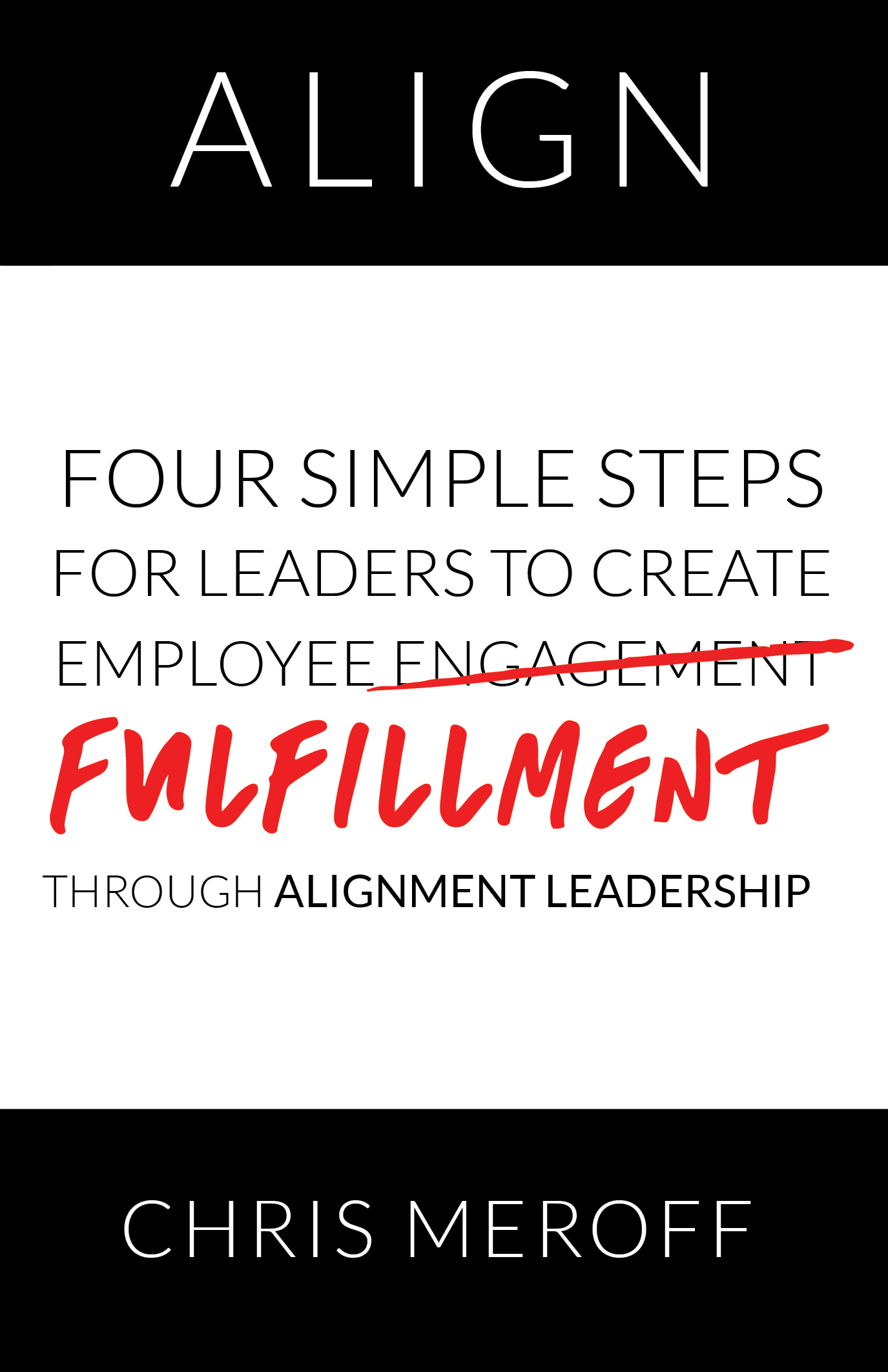
Chris Meroff is an author, speaker, and entrepreneur who has spent more than 25 years supporting leaders, with much of that work in education at the campus and district levels across 17 states. He built his company, MSB, into a business of more than 170 employees and a laboratory for cutting-edge cultural ideas, and he founded Alignment Leadership Consulting to teach leaders how to build workplace cultures that prioritize employee fulfillment. His work has been featured in Forbes, CEO World Magazine, and Great Leadership Magazine. He lives in Austin, Texas. In Align: Four Simple Steps for Leaders to Create Employee Fulfillment, he shares the approach he calls Alignment Leadership.
📚 Books by Chris Meroff
Transcript
[0:00:31] RW: Hi, everyone. It’s Rae Williams, host of Author Hour, where I interview authors about their new books. Being a leader is not easy. Learning to juggle new responsibilities is one thing but nothing can prepare you for the anxiety you feel over how you’ll be perceived or the ever-present fear that you might disappoint your team or your boss. In his first book on alignment leadership Align, our next guest, Chris Meroff shares four simple steps that will transform the way you lead and renew your self-confidence. He’s here today to discuss how we can develop the courage to connect with your team in a meaningful way and start winning together. Here’s our conversation with Chris.
[0:01:15] Chris Meroff: I have now four adult children who are or have entered the workforce or about to enter the work force and I know I spent a career, trying to figure out what my value was to my employer, to my employees and to my clients. Chasing value has been kind of a hallmark of this pursuit, what I’ve called my career. And so, as they are entering their careers, I really wanted to be able to set the stage for them, to understand their value on day one and that it really had little to nothing to do with who their employer was. Who their employees were or what their clients thought of those services but they have intrinsic value as human beings and so when they enter the workforce, I want them to feel ultimate fulfilment in what they’re doing because I know what a lack of fulfillment feels like outside of work and so I want to take all my success, mostly failures throughout my career and to be able to break that down into a process by which everyone can evaluate for themselves what fulfillment should look like. And that’s what I really wrote the book to be able to present them with a blueprint to that fulfillment.
[0:02:27] RW: All right. What do you think is the main crux, the unique point of your book that people can take action on?
[0:02:34] Chris Meroff: Absolutely. Well, I would say, the number one thing that I would say that would present, maybe even a hurdle for people as it relates to taking action is what we all try to avoid, which is talking about the elephant in the room. If I really were to challenge the reader, it would be along the lines of we go through our day living an uncertainty with other human beings, whether that’s again our employers, whether that’s our employees, whether that’s our family members, whether that’s clients, vendors, whoever it might be. We all tend to live in this uncertainty and out of that uncertainty comes anxiety and stress, it manifests itself in frustration, disappointment, discouragement. For me, the number one thing is to be able to challenge someone to talk about the things that they might not want to talk about with all those folks and so, enter into a conversation that allows everyone to remove uncertainty. Uncertainty as it relates to expectation, uncertainty as it relates to understanding what they’re supposed to do every day. That really is kind of the main point of the book is, when we talk about prioritizing tasks, we don’t say that because it’s hard skill that they’re going to develop in order to be able to accomplish more things. We prioritize tasks for instance in order to know exactly what to do next and that next thing is the most important thing. And, so removing that anxiety or removing that uncertainty allows for employees, employers to feel fulfilled in what they’re doing each and every day. So, that’s what I would challenge is to have that conversation that maybe you avoid having because you don’t want to look foolish, you don’t want to look maybe like you don’t know what they’re asking you to do, maybe you don’t want to have the conversation because you don’t want to hurt someone’s feelings and maybe you’re just avoiding the conversation because you think that you already know the answer. Whether it’s pride, whatever the reason is, overcome that so that you can live in certainty which for me is what has represented the pathway to fulfillment.
[0:04:35] RW: All right. I just want to kind of dive in a little bit to some of the chapters of the book and some of the steps that we take because of course, the book is called Aligned. Four simple steps for leaders to create employee fulfillment through alignment leadership. Actually, before we go into the chapters, what exactly is alignment leadership?
[0:04:54] Chris Meroff: Yeah, alignment leadership is consulting that we offer to businesses, to nonprofits, to school districts as it relates to teaching leaders how to have these kind of conversations. And there are really good ways to do that and then there are poor ways to do that. If we can sit with business leader for instance and kind of set for them in motion, this path toward alignment then what that does is it allows everyone that works for them or works with them to align to a single purpose, a single set of core values or guiding principles. So that everyone has a level playing field and so alignment leadership is a consulting offering that we give in order to create that path for them and to be able to kind of coach them through and partner with them on that journey to alignment.
[0:05:40] RW: All right. Jumping in to some of the chapters. The first chapter you have is called create a culture, it’s step one. What is so important about culture in businesses, in leadership, you know, just alignment leadership?
[0:05:53] Chris Meroff: Culture is one of those buzz words that’s going around right now and I think for the last probably five years, everyone’s trying to grab on to this idea of culture. We’re living in an age where employers, business owners, CEO’s, we love to create excuses as to why we have so much turnover. To solve the turnover problem about five to 10 years ago, it’s this massive move toward culture. The problem with that is that the depth of understanding of what culture could represent isn’t there and so what happens is, because of our misunderstanding of what culture represents, we do surface level things in order to create kind of a space for people. And so whether you have the break room that has a lot of snacks or you’ve got ping pong tables or you’ve got happy hours, whatever it might be. By the way, I’m saying this because we’ve tried all of those things, the reality is that doesn’t really create culture. For me, culture is really made up of these kind of five traits to people’s world views. Culture is a culmination of those world views that are assembled. And the reality is, every business has a culture. It’s really identifying what that culture is, first and foremost. Then, identifying what you want the culture to be, in other words, what is that culture going to be based on? For the book, it really speaks to the fact that culture needs to be based on one specific trait that represents people’s world views and that’s belief. Belief is the engine for action and so, what we want to do is we want to tap into people’s personal beliefs and we know that by tapping into that personal belief and aligning that belief with a purpose for the company and then guiding principles or core values that align with their own belief system. We get to engage people in a way they’ve never been engaged before and that allows for employees for employers, everyone involved to feel fulfilled in that process. Culture is a living active breathing entity that needs to be fostered and cultivated and talked about and nourished because it never goes away, it’s something that is consistently being challenged, every employee bring in is going to challenge that notion of culture and so it’s understanding that every human being h as value, that their world view is a legitimate world view that diversity of thought in what they bring to the table is something that we want to understand. So that we can understand the impact to our culture. So, that’s why culture is kind of the foundational aspect to alignment leadership is you need to push through and create these purposes, create these guiding principles or this core values that can be known and not just on a surface level, but deeply so that then allows for the employee to engage their belief system, again, which is the engine for action.
[0:08:46] RW: All right, awesome. Moving into a – and you mentioned this a little bit when we were speaking earlier, prioritization. I think you were saying that prioritization is not just prioritizing to prioritize but how does prioritization specifically funnel into leadership and what is so important about prioritizing that we need to make it a priority?
[0:09:06] Chris Meroff: Yeah, absolutely. Well I think, all leaders know and understand the stress they live under as it relates to like knowing what we should do next and so as a leader, now that kind of intensity intensifies because reality is, you’ve got outside pressures on you to pick the right thing to do next. And so, as we sit back and we think about “hey, I’ve got these 30 things on my plate today, which one am I going to focus on first, what thing am I going to focus on second?” If we can’t know how to prioritize for ourselves, let alone the employs that have been entrusted to me, then we’re all going to live in uncertainty and in that uncertainty, it creates stress and anxiety and fulfillment and that doesn’t end in the office, most human beings take that home with them. That’s why to have kind of a level playing field, we eliminate subjectivity as it relates to what should we work on next and we really try to make that a little bit clearer for everyone, we do that by always pointing back to the purpose for the company, the purpose for our department or the purpose for our role. And so, through that lens of purpose, we can hopefully start to identify what thing we should do next and by knowing, at least on a high level, what we should do next, it allows us to feel better about what we actually do. As supposed to continually feeling though as though I’m striving, I’m working, I’m accomplishing but I still don’t know if it’s what my boss wants me to do, what my employees want me to do, what my vendors want me to do, what my clients want me to do. We just continually live in uncertainty because we’ve not taken the time to create a purpose that is really clear on why we’re here and because of the reality of why we’re here. Now we know what to do next and that’s why we prioritize tasks.
[0:10:57] RW: And then, moving on a little bit into aligning tasks with resources, now, what’s interesting is, when we talk about resources, I’d love a definition of what you mean by the resources we have or own The resources for leadership, resources we just have as a company, what kind of resources are we talking about?
[0:11:14] Chris Meroff: Yeah, it’s kind of all of the above, it really wraps in, in a business. Money and personnel or staff, really are tied together and so we want to be good stewards of the resources that we’re given as a leader. And so the way we do that is we do that is we again, setup a purpose for everyone to live with and live under, a purpose that everyone can believe in that allows us to prioritize our tasks and then that next step is to be able to look at our resources and I kind of leave it more generic only because it may mean that we need to take some of those dollars and resources and go hire more folks in order to get those things done that we say are the most important. Yeah, we want to allocate the right resources to the right tasks. And so, first and foremost, it’s figuring out, do we have enough resources? Do we need to go hire more people? Do we need to maybe reduce the number of folks that we have because we have too many resources? And so, it is first aligning the resources, where the task that we have as a whole because of the purpose and then what we can do is we can start evaluating individually now those resources and so we can take them as people and we can identify their strengths, their passions. We can identify their world view in a way that allows us to put them on the right tasks. And so, if you’ve got somebody who is very analytical and you ask them for instance to go out and do public speaking, you might not be allocating your resources effectively. You might want somebody who is more analytical to spend more time maybe analyzing a spreadsheet and so it is just taking the makeup of a person and determining what fires them up? What turns them on? What engages every aspect of who they are so that they are going to be able to accomplish much more than we ever give anybody credit for being able to accomplish and so, we’re just aligning those resources to those inner passions. So that those folks will not only be able to be fulfilled because it aligns with who they are but then as a team, as a company, as a department we are going to accomplish so much more because we’ve engaged at the very core of people’s beliefs and their passions.
[0:13:23] RW: All right and then the last one that I want to get into because I think this is the most interesting to me personally and you can let me know what you think is the one that you think people will either have the most trouble with or you need to focus the most on in terms of these steps but creating a personal success plan. Because I feel like that is something that a lot of people struggle with, how does that feed into our master plan of leadership?
[0:13:45] Chris Meroff: You know let’s say I am really people focused and so I want to get to know my folks. And I really want to figure out how to create for them a path toward what they would define as personal success. Well, if I am not doing that within the scope of purpose, again and a purpose is for the company, for the department, for the team, maybe for the actual role that they are fulfilling. If I am doing that outside of that purpose then it really sets up just a short-term success plan and that is what we want to avoid. And so, if we find out that somebody really wants a flexible work schedule and so I am going to go ahead and set them up with this personal success plan that lives out this flexible schedule but that if that flexible schedule doesn’t align to the purpose of their goal or the department, then I am really setting them up for long term failure. They are going to get frustrated; they are going to grow more and more uncertain as to whether or not they’re being successful in the owner’s eyes, the CEO’s eyes, their boss’s eyes even their team’s eyes and am I really living up to what everyone is expecting of me? And so we don’t want to jump in to create this personal success plans until we have really done the work of establishing what is the purpose for that department, what is the purpose for that role so that we can have that employee aligned to that purpose first then we need them to align to how to prioritize their day. And in doing so, now it allows us to enter into a conversation that says, “okay now that we agree on what success looks like at work, now let’s talk about what the success can look like outside of work.” And so that’s where for me the reality of having that conversation it really opens the door for understanding what maybe long-term success could look like but if a leader is thinking, “well I like this long-term success to be here at work,” then it really isn’t a personal success plan. And so, it is going to strip away any ability for that leader to only view that through the lens of how to fix the company, the department, the role. It has to be singular and that it is only for that employee. How do I be a part of that employee’s success? And so, when you are able to strip away the anxiety as a leader about how we need to get everything done, “I really have invested a lot into this person, I don’t want to lose them.” Well if you are thinking of those thoughts you can’t do a personal success plan. It has to be for that employee and so that’s where I would say right now a lot of leaders they want to jump in to personal success planning, but they’re not really doing it in a way that allows for that person to be seen as much as they’re doing it in a way that allows for business success to take precedence. And so, we put that as a four step because it needs to come in a chronological format. It needs to follow and come after you have done the hard work of aligning on purpose. On your core values, on aligning on how to prioritize task, allotting even on which task they’ve been assigned because of their personal strengths and so once those three steps are done, you can then enter into creating those personal success plans.
[0:16:54] RW: All right, awesome and so I would love for you to share with us some examples of this whole practice in motion. So, either some success stories you’ve encountered within your own businesses or with others or even some stories of people who are not doing it right and what happens if you are not putting the emphasis on the right kind of leadership?
[0:17:13] Chris Meroff: Absolutely, so I am going to give myself as the example. For years, I’ve tried to figure out how to and I didn’t use the terminology of align, but how do I align with my employees as the boss, as the owner. Some people might thrive or some owners might thrive under the concept that they are thought of as the boss. I learned early on in that process I didn’t want to be thought of as the boss. I didn’t want to be thought of as the owner. The reason wasn’t just because I have this humility unfortunately, it was also the fact that if I was the boss then I was needed in the process of running a successful business. And so, what I really determined to do was try to figure out how to engage, how to really activate in people their own sense of ownership in my company. And for years, I tried to figure that out. I tried all sorts of things by creating this really neat happy hours of these events or bringing in the snacks in the break room. Whatever it might be, I just tried to figure out a way to hand off the reigns of ownership without actually handing off the reigns of ownership. And so, in that attempt as I kept a tight control on what we are doing and how we were doing it, I wanted the best of both worlds. I didn’t want to be thought as an owner but I wanted to be the owner. I wanted to make all the decisions and so for me, that really set in motion a set of failures that really identified nobody is going to want to join me and partner with me while they have a false sense of ownership. It really was manipulative in how that came across and at the end of the day, I needed to actually hand over the reins of the company. I needed to create a new boss and that new boss for our companies is our purpose statements and it is our core values, our guiding principles and as soon as I made that leap where I was able to hand off the reins of the company to purpose and principles, I now could actually join the working team and being a member of that team and not just an owner of that team. So, for me that transition, it took a lot of years to figure it out. I am still figuring it out and how to make that a reality but it is definitely been the main shift for this organization, for my organization is that I am no longer the boss and I don’t have to be the boss. I have a company full of owners and those owners because they have psychological emotional and intellectual ownership of what we do and why, I no longer have to be in charge of prioritizing everyone’s task. I am not now solely responsible for the outcome and the overall success of the company. What it does it is removes uncertainty and allows people to be fulfilled.
[0:19:52] RW: All right and so in the process of doing this, of course you are empowering your team. You are empowering your employees but how do you then pass these leadership skills onto others? So, I mean writing this book obviously is a great way to do that but in your own business, how do you then get your team members to adopt these same principles?
[0:20:13] Chris Meroff: I yell at them. No, I’m kidding. I don’t yell at them. We do that very thoughtfully, very intentionally and we do that through our professional development time and so what happens for us is because this is what we live and breathe every day, we take the time to pull people out of their day to day and we invest into them individually. We don’t make this a requirement. We instead again don’t want this process to become the boss. We want that person to become the boss, the owner of what their success might look like and so it is just through a lot of intentional conversation and I had to be freed up from working in the business and operationally being responsible for the business to have the bandwidth to just spend that time with each of the leaders. So, they can get a clear view for themselves on what this would look like practically for them in their situation and so it’s through the little conversations. But it is also through an investment of time and space in order to be able to give them the tools they need to navigate what this would look like for them in their journey through alignment leadership.
[0:21:21] RW: All right, awesome and so I know earlier you issued a challenge to people but I’d love for you to give us another one. If you had to challenge the readers of your book or just young leaders especially even if this is for your kids, what would you challenge them to do today to change their course of leadership, to change their business to change their lives?
[0:21:39] Chris Meroff: So the biggest challenge and we give this to our leaders is that if you are going to take this journey of leadership because you are hoping to accomplish something whether that is a raise, whether that is a promotion, whether that is climbing the corporate ladder, whether that is power, whether that’s influence, whatever the reason is, if those are your motivators then you’ll find out very quickly that the people that you are leading won’t be for you. And so, we tell all of our leaders if you want to be a leader you have to be somebody who loves people. You have to want to lead because you love the idea of serving another human being and you want to serve them not just towards your own success. You want to serve them towards their success and so yeah, the biggest challenge that we put forth to our leaders is, “why do you want to lead?” and when you answer the question honestly and truthfully, I think that will give you an indicator of how successful you’ll be. I have for years been able to tell people what to do but that does not equal success and it doesn’t equal leadership. That leaves you feeling as a leader very alone and so the challenge I give to all leaders is if you don’t want to just feel alone in leadership, you have to go into this because you really want to love and serve other people.
[0:23:01] RW: All right and so how can we contact you if we would like to learn more?
[0:23:05] Chris Meroff: Yes, so a couple of different ways to learn more about Align or Alignment Leadership is through chrismeroff.com as well as alignleadthrive.com.
[0:23:17] RW: All right, awesome. Thank you so much Chris.
[0:23:19] Chris Meroff: Yes, thank you.
[0:23:21] RW: All right, go forth and lead and if you need some more help, Align by Chris Meroff is available right now on amazon.com. We’ll see you next time on Author Hour.
Want to Write Your Own Book?
Scribe has helped over 2,000 authors turn their expertise into published books.
Schedule a Free Consult