Max Westerman: Episode 338
Read the full transcript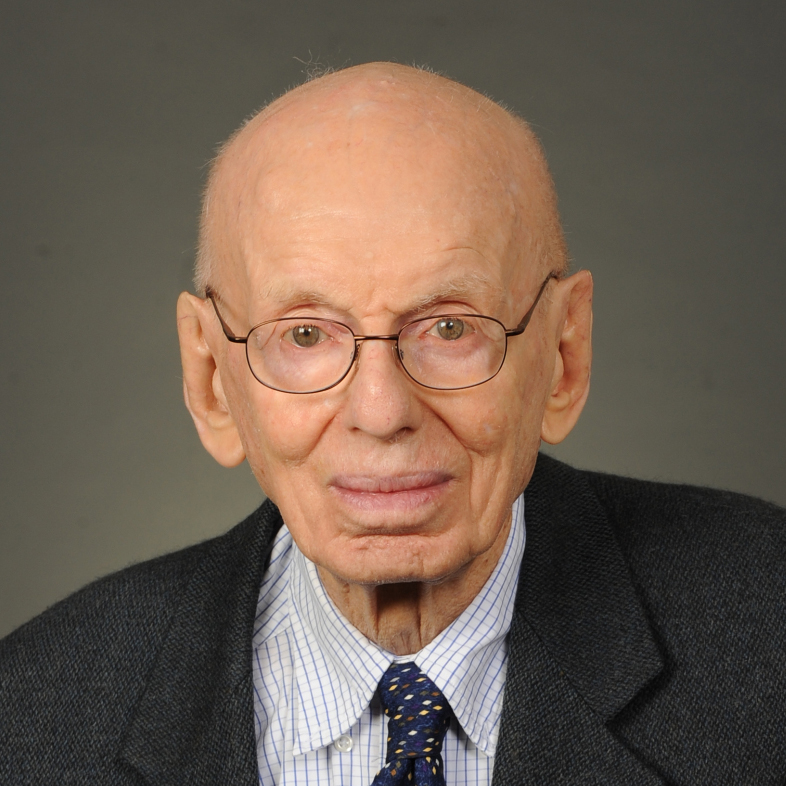
Max Westerman
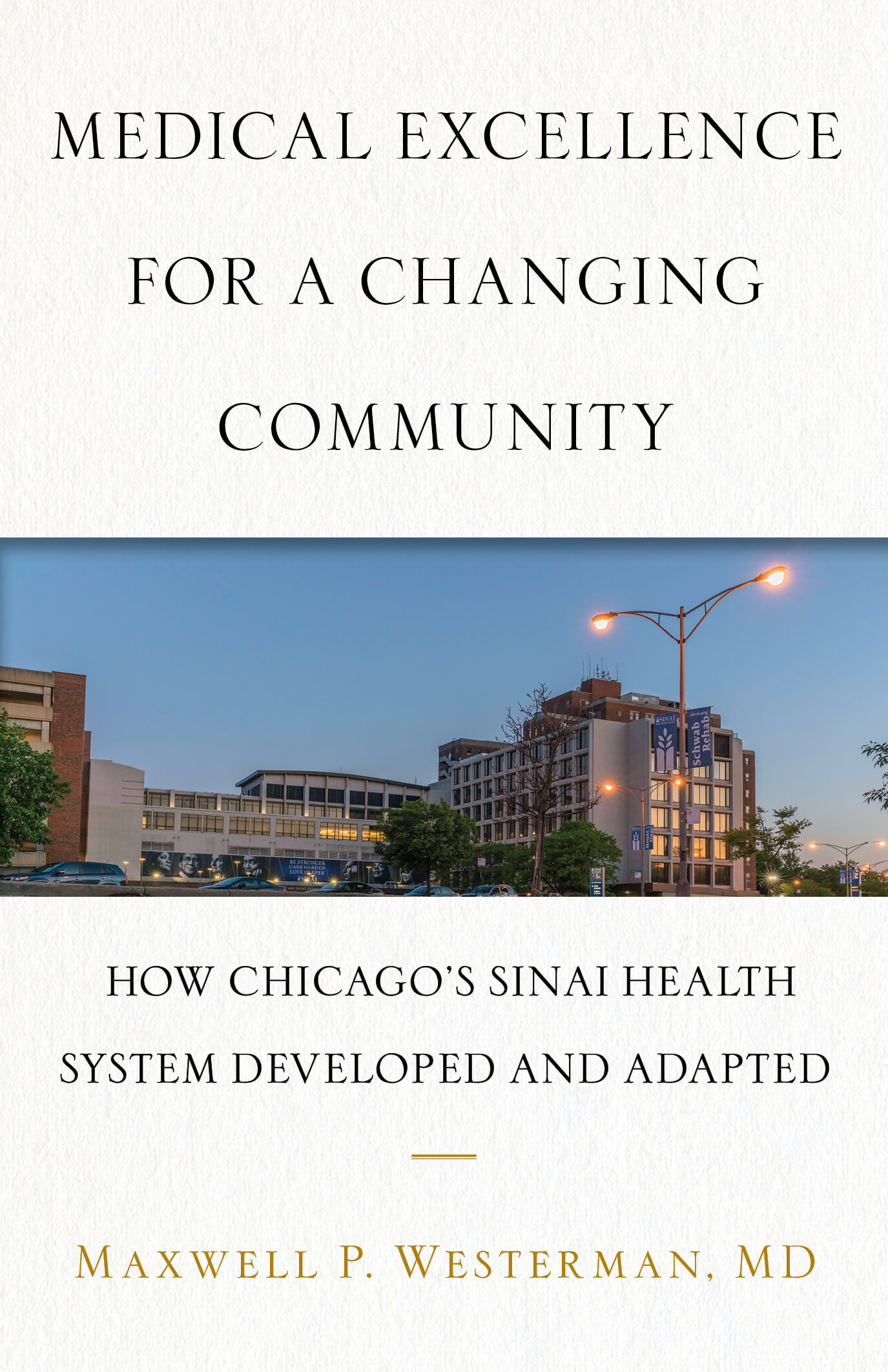
Maxwell P. Westerman, MD, spent more than six decades in medicine as a physician, educator, and researcher. He invented the Westerman-Jensen Bone Marrow Biopsy Needle in 1958, published more than 100 medical articles with a particular focus on sickle cell anemia, and taught at the University of Pittsburgh Medical School, Chicago Medical School, and Rush Medical College. As Chief of Hematology and Oncology at Chicago's Sinai Health System, he chronicled the institution's history in Medical Excellence for a Changing Community, drawing on more than 100 interviews.
📚 Books by Max Westerman
Transcript
[0:00:25] NVN: Welcome to Author Hour. Today, I’m joined by Dr. Maxwell Westerman who has been practicing medicine for more than 65 years. In that time, he’s been a physician, educator and researcher. In 1958, he invented the first bone marrow biopsy needle, called the Westerman Jensen Biopsy Needle which was the first simple, nonsurgical method for obtaining bone marrow tissue for diagnosis. Dr. Westerman has spent a large portion of his career with Chicago’s Sinai Health System. Where he had an up close look at its equitable care and community outreach programs for underserved communities. In his new book, Medical Excellence for a Changing Community, Dr. Westerman gives readers a glimpse into this nearly 100 year old institution, what they’ve accomplished and what it has taken to get there. In this podcast, Dr. Westerman talks to us about the institutions, research and approach to equitable health.
[0:01:30] Max Westerman: I’ve been practicing medicine for over 65 years and then during that time, I’ve been not just a physician but an educator and a researcher. Probably over a hundred, various research articles, primarily in patients with sickle cell anemia. And then I have been involved with seminal research work and seminal [inaudible].
[0:02:02] NVN: No.
[0:02:03] Max Westerman: No, okay, good. The seminal research in patients with sickle cell anemia. The other thing that I’ve done that I invented the first bone marrow biopsy needle. It’s called the Westerman-Jensen Biopsy Needle. It was the first, this was back in 1959, this was the first simple method for obtaining bone marrow tissue for diagnosis and studying the bone marrow. Prior to that, it was necessary to go to have a procedure done surgically. That’s essential thing in my background.
[0:02:51] NVN: Amazing. That’s great. The next thing I would love is for you to explain to me why you landed on writing about Chicago Sinai Health System for this book?
[0:03:08] Max Westerman: The reason I was completely interested during the book was that Sinai, I use the term Sinai but in general. Sinai was organized in 1919. It is 100 years old actually, this year and next year. I eventually see them, have been in China by the way, this 1959 I think. Our relationship in Sinai because of its history. The fact on history is it was in about early 1900s or around 1915, 1919 et cetera. There were the thousands of refugees came to the United States and 1919, roughly 200,000 came to Chicago and settled in Chicago and they read in another language, then the custom work and custom – they had their own about [inaudible]. Well, during that period of time 1919, 1920, was one of the members of the Jewish community. Anyway, one of the refugees, with the man named [inaudible], [inaudible] became very active at that time, apparently, he came quite well off as far as his work was concerned, he came out leading citizens in the group and outside the group. He noticed that the refugees they needed his help and they needed help in healthcare because can say they spoke, Yiddish. That there the approach you face but they concluded that they could organize a hospital. He organized Sinai Hospital in 1919 and once that was organized, they had spoke both languages, Hebrew and Yiddish and they provided kosher [inaudible] as well as non-kosher [inaudible]. He organized that and then the hospital caught on and thrived and so your question was, well it survived at least 100 years. During the 100 years, there have been some very favorable or very pleasant periods and there was more difficult periods and eventually, it was 2002, some things happened and it was [inaudible]. Fairly remarkable in the hospital. The hospital is a university hospital, some people would call the community hospital and that’s what it is because seriously, community, early 2000, a major change in Sinai occurred and that major change. The major change which I could later on tell you things that have happened before 2002 but from 2002, a man, Dr. Steve Whitman. He was PHD in Yale and vital statistics, it was not a medical doctor and he can do Sinai because of his background. It was him, he had the PHD and he had the statistics and he is interested in healthcare for underserved communities and they inquired that listen, he probably was easy maybe in his 30s at that time and he enjoyed it. It was because at that time and at the present time too. You know, many communities in the United States and in the world, where communities under served out there. With his background, where these statistical background and raising and really remarkable interest in trying to develop a system which would overcome these decreased healthcare problem in some communities. The communities would be the American communities, it would be in the Latino communities and it so happened that community which Sinai was serving at that time was more or less underserved community because there was primarily Latino and African American. What actually happened was Sinai was organized and it was completely Jewish for about 1950 or so. Somewhere after that and probably the Jewish community had really thrived and they left the area, I mean, many of the Jewish people were doing well and become Americans and they moved away to nicer neighborhoods in Chicago because they had become American and replacing them in the original place. A place called Londale, that was a part of Chicago. Sinai which was originally completely Jewish became completely Latino and African American. [inaudible] complete trust on me because he had – kind of log and maybe about 10 of it, maybe five, 10 years involved with this concept of underserved, which had underserved health care and what fascinated me or interested me, they didn't look look at the best interest, all consistent and should have and then he help people, help communities which among other things by the way, helped the community who was just underserved, you know, out there. He got that naturally. And so when I came to Sinai, Sinai, there was something called the Sinai Urban Health Institute hence rather than use that all the time, which was adapted, was a huge [inaudible] of time now. I mean, by people who knows Sinai. The publication probably in terms of it, it can be used but just as we decline. They have established the Sinai Urban Health Institute and the Sinai Institute was to carry out Steve’s concept and his concept was that among other things, I have been going to all those work but it was right now. His concept was healthcare was right, it’s not a privilege, it’s a right and it should be available to everybody. They want to know, there was no good but no proper study or approach to this particular problem. One of the problems that basically problem was that statistically, people talked about underserved communities, they would be talking about that, Chicago has say, I don't know that numbers aren't the same [inaudible] as an example. But Chicago has say ten percent said I should probably go and have that. Well, he appreciated that there was a real mistake as far as in the basic information that you need is to be a much more specific than 10% of all of Chicago. What he did, he organized several communities in Chicago and gave a better definition of what health problems existed and what he did was, they examined and he endured it himself with himself and he did it, he guided, he did it to record, it was his idea and he had his helpers. Again, in 2,000 people and they did this door by door, you know, they didn’t say 10% of Chicago people have asthma, they went to door to door and 2,000 individuals and would ask all kinds of questions but it’s health questions and one of them might be asthma. That painted prior the physical basis because there, the community and the community had – if the Chicago public health system said they had 10% and he was find and community, there might be that 40% because the 10% was diluted. On the basis of they were in that. It wouldn’t know what to do as far as treatment. His idea was to last the disease or what disease in the presence of what is the easier presence and two thirds of visits. With that database that was really so-called, I don’t want to confuse you too much but it’s just called a data driven data. It was something that could be handled statistically. So that the public health people could take that and he was part of this whole system by the way. But he was the public, he was neither public people in Chicago and he was part of the system and he could say look, the 8% or 10 or 20% of the asthmatics such and such a smaller, much smaller group. Know exactly who they were and I met with – you could really know who to treat and you could really take an underserved community if you knew who — exactly who to treat. Otherwise, there’s no way to approach it properly, that is treat it properly. His approach was you know, really, statistically marvelous. And so he organized that and organizing it was not an easy thing because if you say that certain group or in certain community has 50, 40% asthma, you've got to talk to the community, community leaders and point out just what the problem is. And then if you convince or if they accept your ideas which is a pretty able guy, Stewart was. Once the leaders accept his concept, which you know they were a number of collect that then they would have to bring their community together to accept the concept because you know, they have to be cooperative and so you go through certain phases in getting the cooperation. You have to have cooperation but it is a level to you know, if they manage you they can remit that into the community itself but then once you then go to this phases then you can record your findings. And so say 10%, you can say that it is maybe 40% and you know individuals then you have a group that needs help. Because you know who they are. So you can know that there’s a group that needs help and give them ideas about health and if it’s asthma could tell this by how much asthma has been into family for example or be that one person is equal and there is certain ways asthmatics should know and to decrease the incidents of it as having problems. But another thing is that a lot of these people used to know what to do because they couldn't get help and they are not middle class or upper class as far as money is concerned. They are used to be lower class people but you could talk to them and willing to hear if you knew the people that you can mention to them what they should at home for example but then you recommend them to go to a proper clinic. It so happens that Sinai had an asthmatic and that I am not sure on this sure asthmatic but they would have had an appropriate clinic for people to go to. Because they would keep among other things the piece of patients away from the emergency rooms because once they started going to your clinic regularly, they would get information and they could learn how to handling problems at home and they’re handling of patients could getting them out of emergency rooms. The patient might appreciate it. It is not a very pleasant thing. So they could do things and this basic idea wasn't just to this is another thing to mention this to me because statisticians likes the statistics obviously but [0:20:46.6 inaudible] like this statistic but no statistics here but [0:20:51.3 inaudible] in case of doing something about the results and you know just inside Chicago makes the mistake of saying they have 10% asthmatics as currently the [0:21:10.8 inaudible]. By several data driven to work by going to house to house or home to home. So it is going towards there, the numbers starts [0:21:27.8 inaudible] if you get the numbers, you can do something about them and so he was very strong about that. I mean otherwise he wasn’t just a statistician. It was someone who is [0:21:42.6 inaudible] your problem being the helper and that I was very impressed by Stewart as an individual. Let alone on [0:21:50.5 inaudible] is a statistician too. I think swiftly flying in any time about who I am [0:21:58.4 inaudible] a couple of months ago. It was about a person. So I was very much impressed when the whole concept but I told you it isn’t an approach. It is not an easy approach. Once you got that in the database that you can definable but that you’re then just because you have a definable base doesn’t mean that everything is resolved. Just because you have the correct numbers doesn’t mean anything unless you do something about it. So I know it sounds quite in certain ways quite simple but it is the work, it takes money, it takes time, it doesn’t always work. Just because you know the answers doesn’t mean the answers are easy to work out. So anyway, incidentally this became [0:23:00.1 inaudible] highly respected individual because you really know and I never approached this particular problem in a way that he approached it. So the concept, I liked the concept but I should have mentioned to you the concept hasn’t been done very often if at all. Maybe you’d say maybe Harlem in New York or whatever that are underserved community and they don’t have an organized approach such as Steve because it takes time to get people interested in it. It’s even taken time at Sina there because even though his view is long behind it, even though he was able to get a database that he got, he would know if he got the information he had to work with the communities and it has [0:24:06.3 inaudible] They did well with the certain communities. It wasn’t sudden change in healthcare to throughout Chicago [0:24:18.6 inaudible] he wouldn’t probably the Chicago community but it takes time to really sell the situation like that, like his. And the other thing is too, you know I have forgot to mention it is that not only does a design say that his database feels good pushes questions about that. But he has just to say, he has to see two earnings and goings towards the [0:25:05.6 inaudible] determined to what extent his approach works. For example, did they do it with frequently asthma example, he has to be able to save it, maybe save ones with 10 asthmatics and needless to say that they turned out to be healthy asthmatics because of Steve's approach to managing healthcare and say asthmatics. So that it not only started with a perfect database but it’s also handled with sort of proving or doing inquiries with some of these concepts so then there’s results. So you know, he really had this system, a great system.
[0:26:03] NVN: Well let me ask you Dr. Westerman, shifting the focus out a little bit here, what do you see as the biggest challenge facing other health care systems that they have to overcome along the road to creating more equitable care and community outreach, what is the one hurdle that they really have to get over?
[0:26:29] Max Westerman: I am not quite sure I can answer that because, first of all, it’s only been – I wouldn’t say only been but it’s – what woks is to work with Steve's design, there is still not even completed at Sinai. It is still being worked out and what has happened apparently is that parts of it have worked have been followed and if you places in the country but just been noticing you know it could be a good program doesn't mean you could have it followed by other people. But if there are people who know his systems I think he’s well respected by them. But Nikki at it, that is is the reason I wanted to get involved with the history of Sinai because Sinai didn't you know, in some ways a very ordinary hospital. It was not ordinary type as I said, took care that had you know 200,000 years of Jewish refugees in this country. And some of them have never recognized too by the time they were recognized in the community. But how does Sinai now — I mean that’s why the Jewish people are more left Sinai has Londale where Sinai located but Sinai had problems, which were considerably important. For example one of the problems was that the Jewish communities in Chicago had really helped the original Jewish group who came to Chicago and they came to [0:28:50.5 inaudible] and the Jewish people already took on and contributed to Sinai and to finance Sinai in many ways. So that Sinai was protected pretty stable financially. But after the Jewish people, after the communities changed and became Latino or American, there was a question. It was a major question in the Jewish community whether they should continue to finance the hospital or should they follow the Jewish people who moved backed into those who nicer areas because the Jewish people lived in nicer areas were people who could afford healthcare and now Sinai did not depend on the Jewish people who have they moved elsewhere tended the people themselves or better off. But Sinai made a very strong decision and a very important decision. The question came up will the Jewish community continue to support Sinai after there are basically no Jewish people there and the board of directors at the hospital said absolutely, we will continue to support Sinai and then there is phrase I think it in Hebrew it is two words, it’s [inaudible], that it has to do with charity and down the years it’s going to be Jewish religion. Well I guess that’s really the best part here of that approach and they approached it and so they have continued to treat Sinai the same way through the years. This is back in 1970s going to this finance were really considerably who are [0:31:18.7 inaudible] 1950, 1960 or '70 and this question came up, should the Jewish community continued to support Sinai after it became Latino or African-American. And that seemed in the [0:31:39.0 inaudible] was that yes indeed. We will continue it. It used on just because they turned out to not be Jewish is not a reason to not help it out. You asked me the question that why did I do it, I did it because of some of the things I’ve mentioned.
[0:31:59] NVN: Perfect, so my last question for you as we start to wrap up here Dr. Westerman, what is your hope for the health care system in general moving forward?
[0:32:11] Max Westerman: I think, what I have learned actually is that things just don’t happen quickly. It takes time to take these concepts, to become real and because they are not even real in Sinai, they are real in Sinai but Sinai still has a way to go and somewhat and it is not incomplete. You know it follows to a certain extent but Steve has done that it is still is not 100%. So it is active spread over this hospital, it is not appearing in hospitals. They’re not particularly interested and as a matter of fact I think this is I can say this because [0:33:14.4 inaudible] university hospitals to university hospitals don’t necessarily care about the underserved communities. Johns Hopkins does. The University of Chicago does and there may be others. I don’t know, there is probably universities, I don’t know. I would think that some of these, I think Belleview or I think North Belleview and NYU Medical School may be interested. But it is limited and just because you have underserved communities is considered the long way to hanging up the way to go before it is accepted and right now as healthcare in the United States is not thinking in terms of the underserved communities. It is thinking more about the served communities, how are they best going to do it. So I am not very optimistic. Sooner or later this might happen but the way things go politically I am not really optimistic.
[0:34:44] NVN: Well, Dr. Westerman, I thank you for your time and sharing your insight into your own career and the Sinai system, I agree with you that we have a long way to go but I think that sharing stories like this is a really important part of hopefully getting us there. So thank you.
[0:35:04] Max Westerman: Well, thank you for listening to me.
[0:35:08] NVN: Thanks for joining us for this episode of Author Hour. You can find Dr. Westerman’s book, Medical Excellence for a Changing Community, on Amazon and a transcript of this episode as well as all of our previous episodes at authorhour.co. For more Author Hour, subscribe to this podcast on your favorite podcast service. Thanks for joining us, talk to you next time.
Want to Write Your Own Book?
Scribe has helped over 2,000 authors turn their expertise into published books.
Schedule a Free Consult